Design of backdoor
Design of Backdoor
The report discusses the design process and concerns for developing a car's backdoor using Class A Surfaces in NX CAD. The project required the production of upper and lower panels, as well as an inner panel, all with a thickness of 0.75mm. Furthermore, different mountings, including as hinges, gas stays, wiper motors and latch and strikers, were incorporated into the design, along with appropriate reinforcements. Despite limits in hinge axis accuracy caused by the absence of the latch and striker elements, a probable hinge axis for the opening and closing mechanism was determined. All components were precisely designed in accordance with the draft and tooling axis directions. The embosses on the inside panel were designed to deflect impact forces from rear collisions upwards, increasing the backdoor's strength and stiffness. Furthermore, the smart use of cutouts aids with weight loss. This report presents a complete analysis of a design engineer's selections to ensure functional and aesthetically beautiful backdoor design while adhering to industry standards and best practices.
Introduction:
The back door of a car is a component which hinges at the back of the car to cover the boot space or luggage area, but there are more functions that come with it which has to be considered while making a design of the same like rear visibility criteria and boost space.
This part is usually designed keeping the master section of the rear roof rail because of the sealant flange and also various other consideration, as it is also in contact with the side body of the car.
It has back lights / tail lamps and braking lights which is termed as “Third brake light” mounts on it, rear windshield fixes between inner and outer panel, in some back door spare wheel can be mounted on it, sometimes car registration number plate mounts on it and it gives a complete closed design to the car.
Types of Backdoor:
Different types of car backdoors are based on their mounting positions: top-mounted, rear-mounted, and side-mounted. Each type offers unique benefits and is commonly used in specific types of vehicles.
1. Top - Mounted Backdoor (Trunk Style):
This kind of backdoor is commonly found in sedans. It is hinged at the top and opens upward, providing access to the trunk compartment. Trunk-style backdoors are frequently put on top of the car, giving it a clean and streamlined appearance from the rear. They are frequently utilised in sedans due to their utility, convenience of access, and space efficiency.
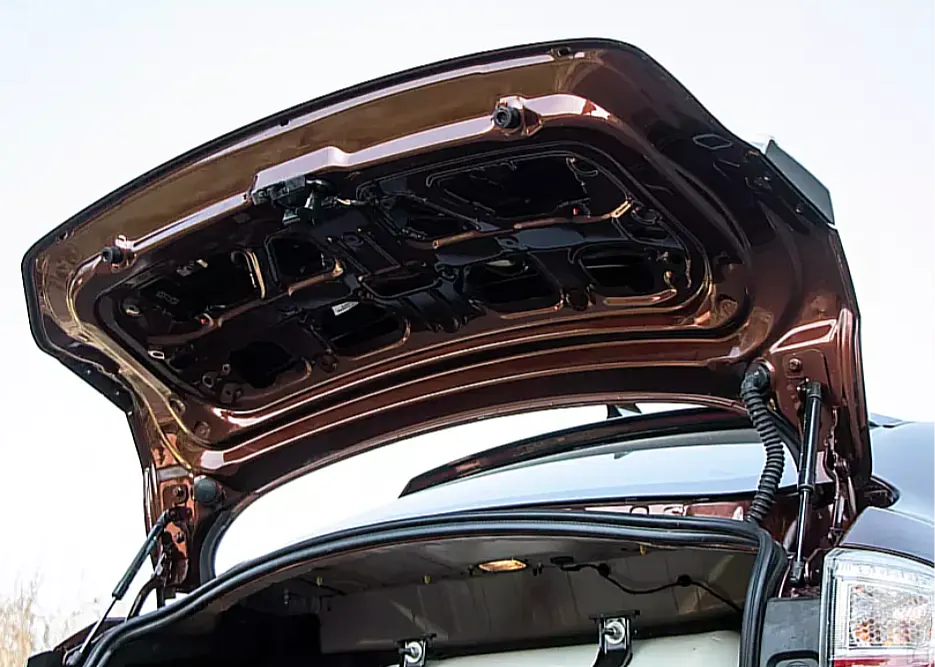
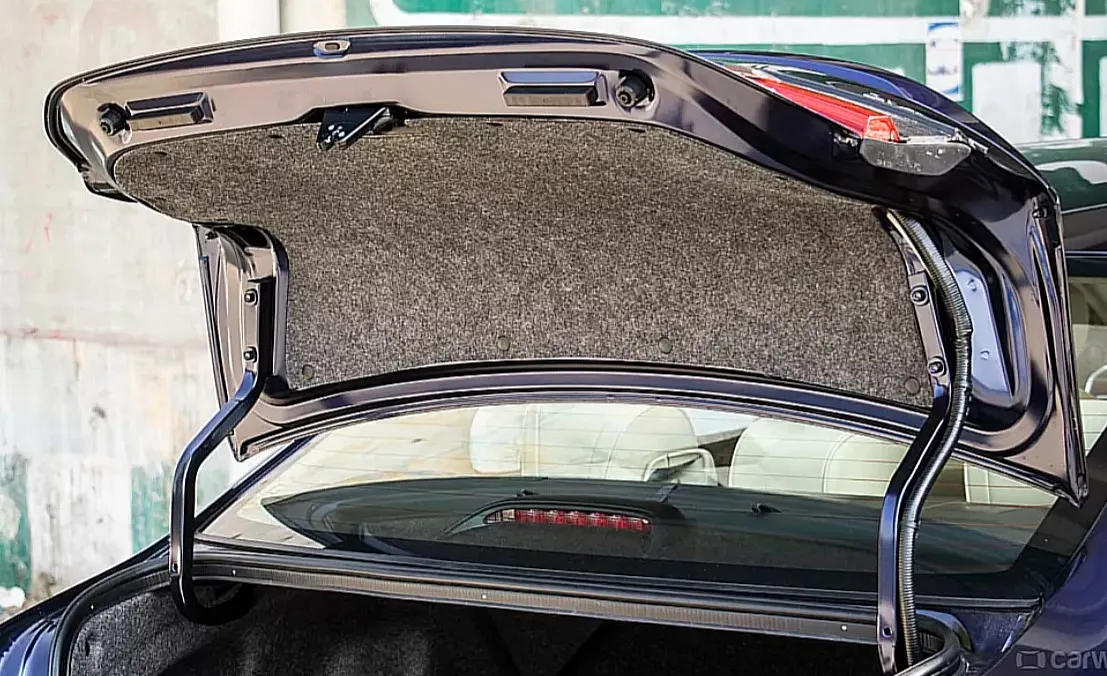
2. Rear - Mounted Backdoor:
- Liftgate Backdoor:
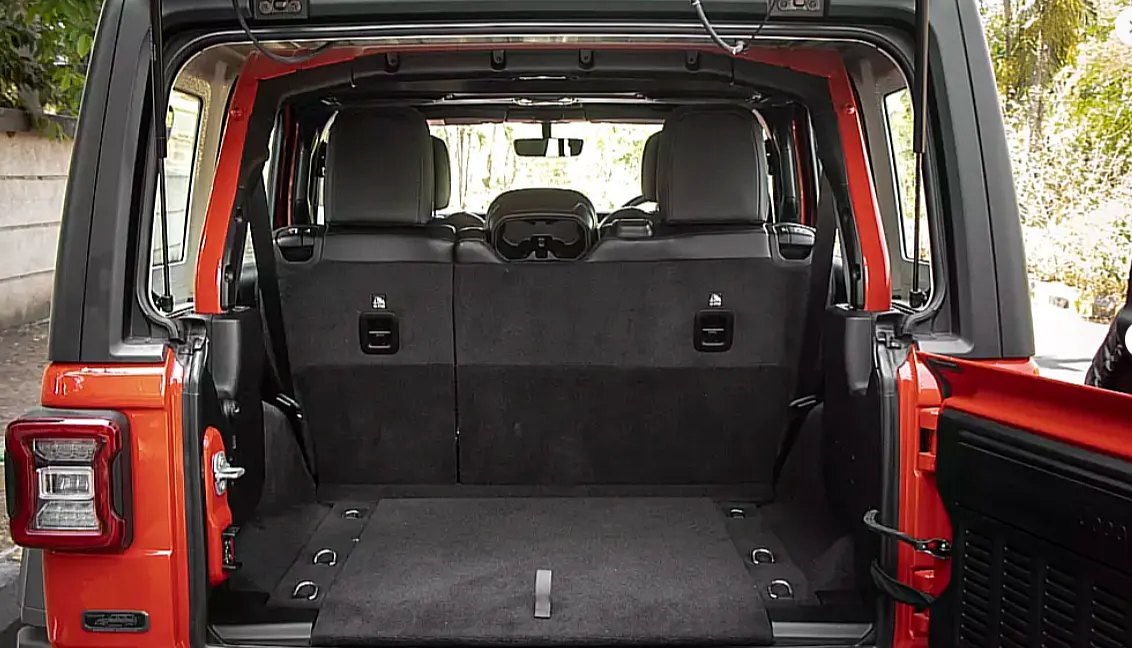
Liftgate backdoors are prevalent in SUVs and crossovers. They are rear-mounted and comprise of a single unit that houses the rear window and trunk. Liftgate backdoors are hinged at the bottom and open upward, creating a large entrance for easy access to the cargo space. This style is common in SUVs because it provides adaptability, making it easy to load and unload heavier objects.
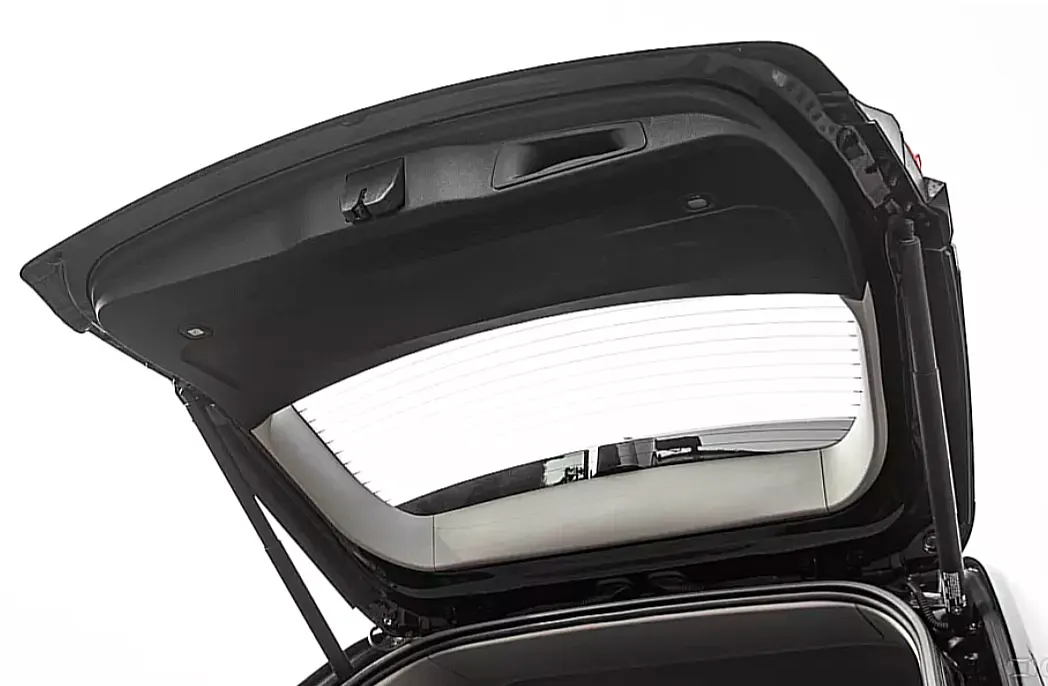
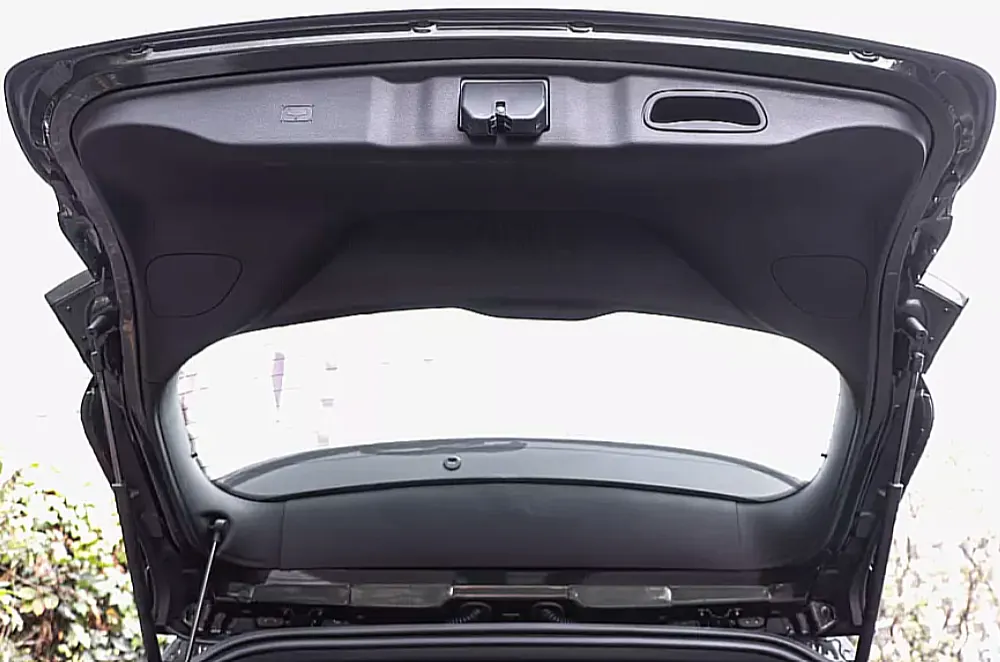
- Tailgate Backdoor:
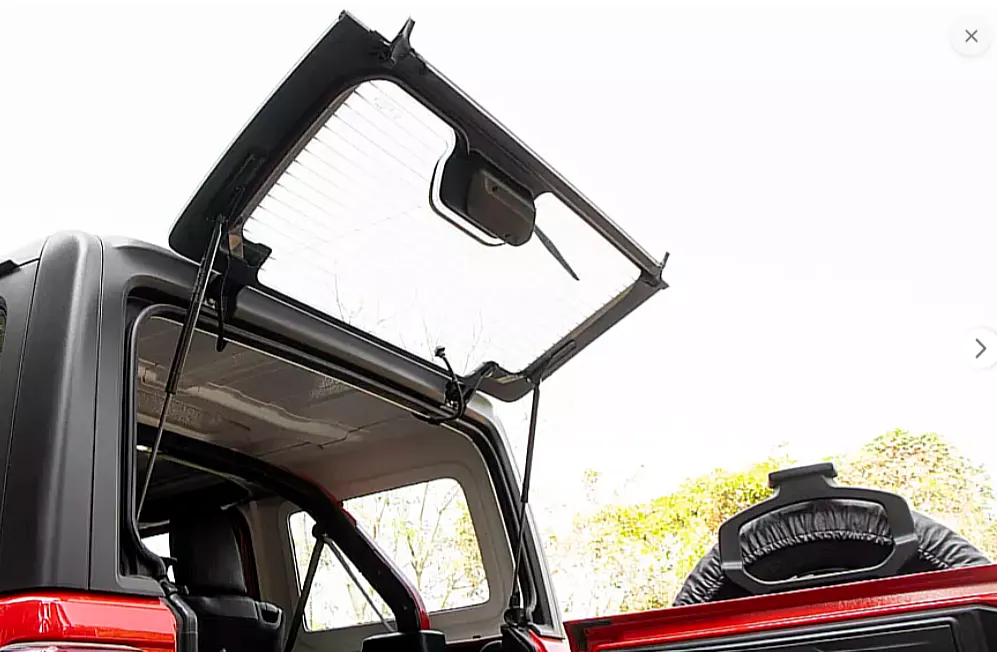
Tailboard backdoors are commonly found on larger SUVs or trucks, especially those designed for off-road or heavy-duty uses. This backdoor is separated into two sections: the upper section, which houses the rear window and can be opened independently, and the lower section, which opens downward like a standard tailboard. Tailboard backdoors, which provide a flat platform for seating or loading heavy things, are typically found in vehicles that prioritize practicality and usability.
3. Side - Mounted Backdoors:
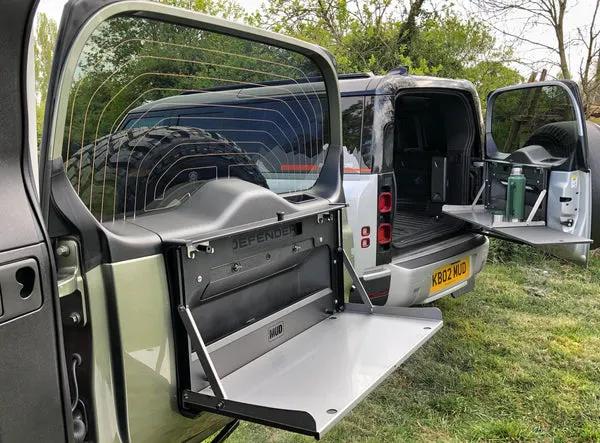
Side-hinged doors, which are often referred to as side-opening doors, are frequently seen on vans, pickup trucks, and some commercial vehicles. The storage compartment may be accessed by single or double doors that are located on the side of the car and open outward. Because of their large aperture, these doors make it simple to load and unload luggage or freight. Convenience and a reduced lift-over height are its advantages over tailgates or rear-mounted doors. Side-hinged doors improve organizational flexibility by enabling independent access to various areas of the storage space. Nonetheless, they may affect fuel economy and aerodynamics and necessitate enough clearance on the side of the car. All things considered, side-hinged doors provide a convenient and easy way to enter the storage section of vehicles intended for commercial, delivery, or transit use.
Crossover Backdoor:
A liftgate-style rear door is standard on crossover vehicles, which blend elements of sedans and SUVs. This design preserves the sleeker, sedan-like look while enabling a varied cargo compartment.
These are the most common kinds of backdoors seen in sedans, SUVs, and automobiles. It's crucial to remember that, based on the exact car model and manufacturer, there could be variants and distinctive designs within each category.
Types of Support used for Backdoor
There are mainely two types of support which are used in opening, closing and keeping the door in open condition which are as follows,
- Gas Stay
Gas stay types is an ideal and most commonly used mechanism. The backdoor with gas stay shouled be manually opened and closed. It is cheap compared to power lifter.
- Power Lifter
These are most commonly seen in luxury segment of cars where the back door is opened or closed automcatically by click of a button.
Back Door Design:
The design of the backdoor plays a crucial role in the overall aesthetics, functionality, and safety of a car. It is essential to consider various factors and design considerations while creating the backdoor using Class A Surface and CAD software like NX CAD.
- Surface Design
Class A Surfaces are used to produce the Backdoor's Upper and Lower Panels. These surfaces need to have a high level of smoothness, curvature, and continuity. To create a perfect look, external body panels are usually made of Class A Surfaces. To guarantee a superior finish, the surfaces should be devoid of any flaws, such as waviness or ripples.
- Thickness and Material
The backdoor's component thickness is essential for both weight control and structural stability. The thickness in this instance is 0.75 mm, which is typical for light-weight car components. The backdoor's material choice should take impact resistance, stiffness, and strength into account. Composites, steel, and aluminum are often utilized materials in the building of backdoors.
- Mounting Points
The rear door must be fastened firmly to the vehicle's body. Various components like as hinges, gas stays, wiper motors, latches, and strikers have mounting locations that are engineered to guarantee optimal performance and longevity. These mountings have reinforcements added to them to give them more strength and to stop any possible failure or distortion.
- Hinge Axis
The hinge axis is an essential part of the backdoor's opening and closing mechanism. Making a potential hinge axis in the CAD software aids in visualizing the movement and alignment of the backdoor, even though the precise hinge axis design might not be accurate without the latch and striker components. This makes it possible to comprehend and assess the whole design more fully.
- Draft Direction and Tooling Axis
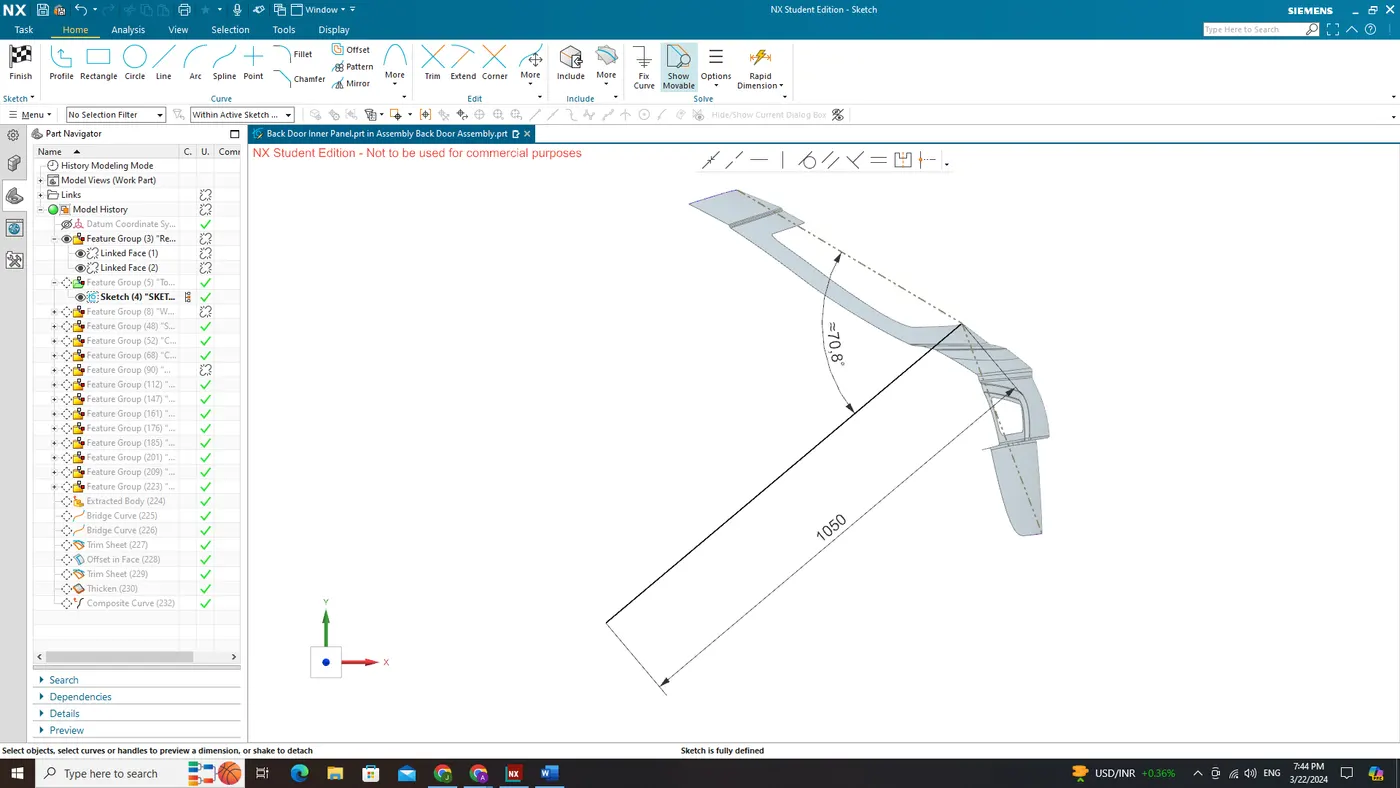
The draft direction must be considered to guarantee that the backdoor is properly moldable and manufacturable. The angle or taper applied to the surfaces to aid in the part's departure from the mold during the manufacturing process is known as the draft. In order to match the surfaces with the tooling requirements, the tooling axis direction is also taken into account.
- Hemming Process
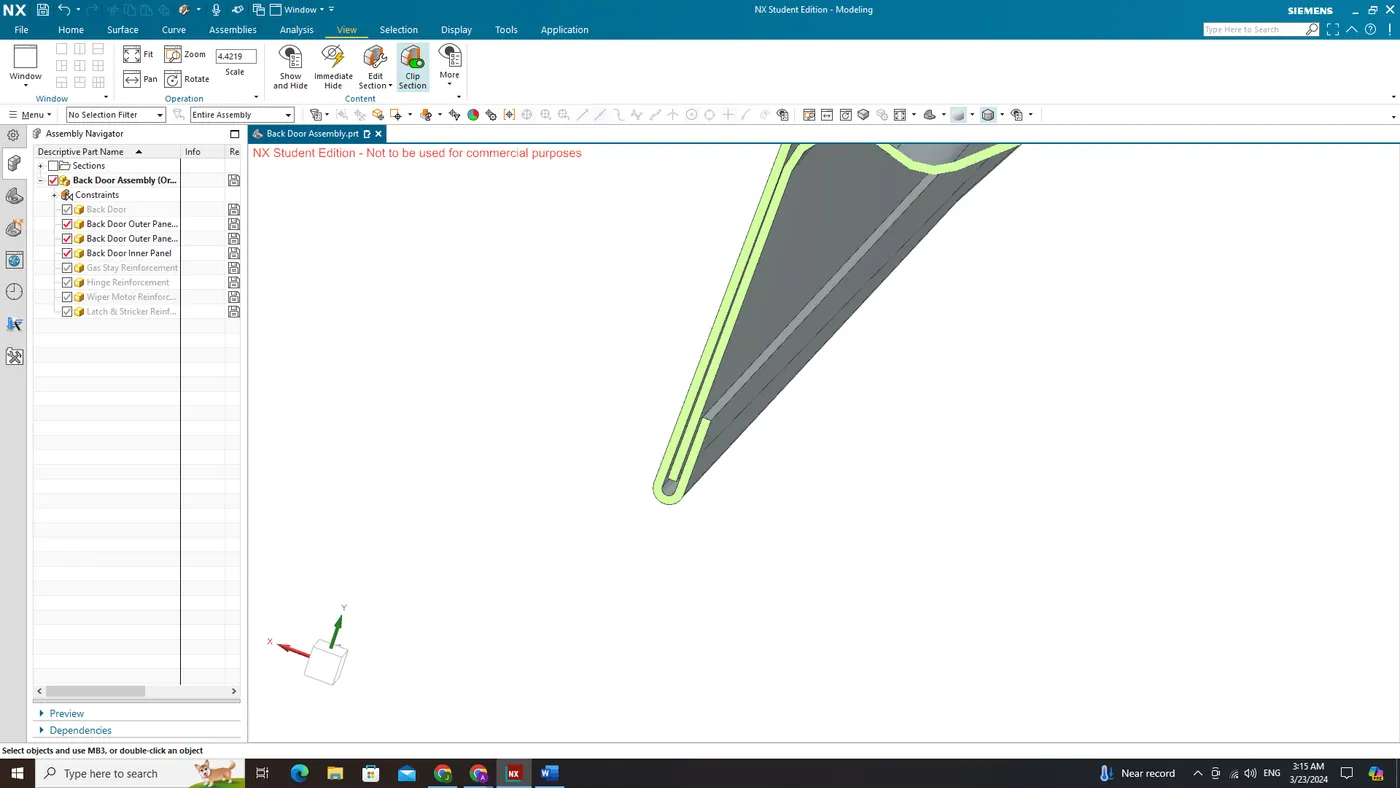
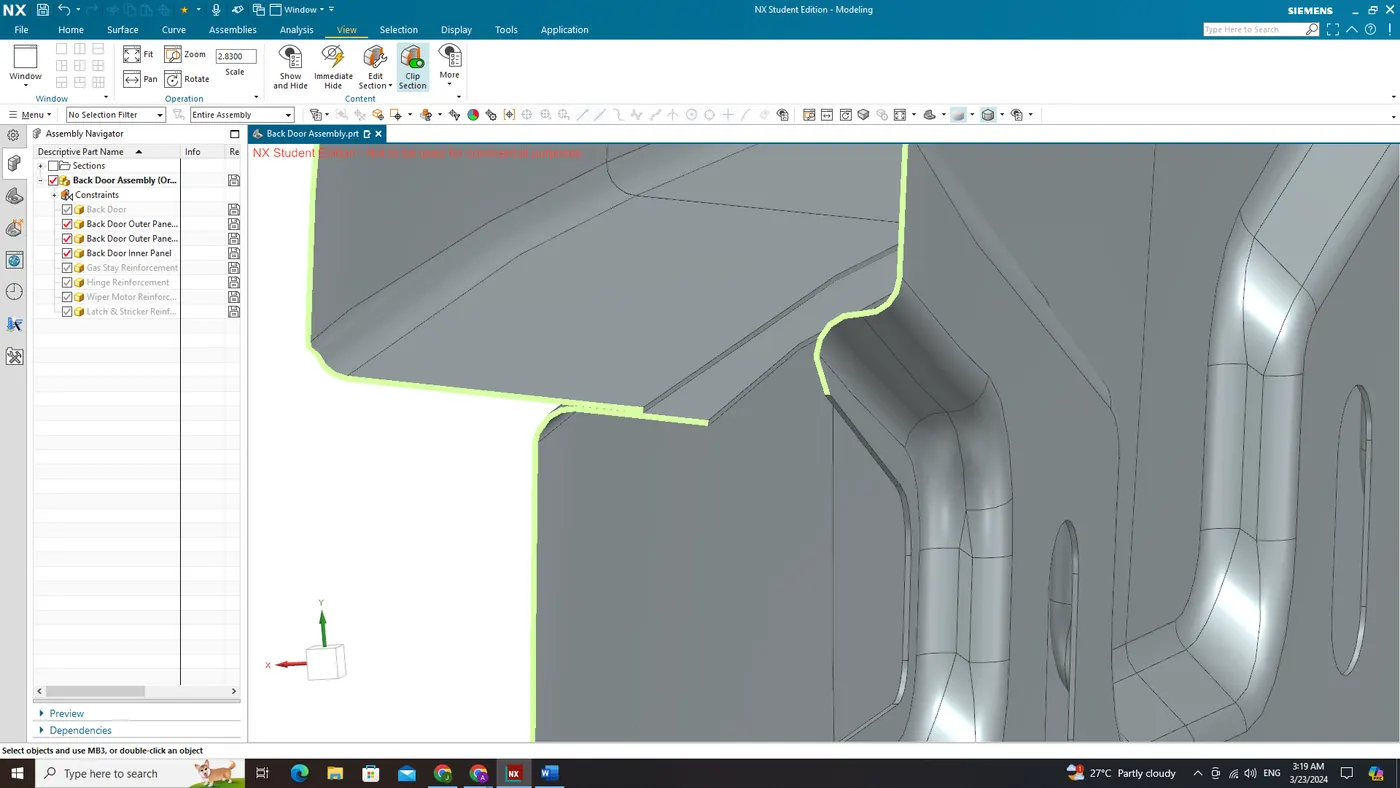
The backdoor's edges are folded or bent during the hemming process to provide a smooth connection. The hemming process is created and simulated in NX CAD using specialized tools. The backdoor's hemming not only makes it seem better overall, but it also strengthens its structure and prevents water infiltration.
- Impact Resistance and Stiffness
The inside panel of the backdoor has areas that are embossed to provide safety in the case of a rear impact. The purpose of these strategically positioned embosses is to divert stresses upward and away from the interior of the vehicle. As a result, the embossed areas contribute to the backdoor's increased stiffness and rigidity, reducing the possibility of penetration into the passenger compartment.
- Weight Reduction
Modern car design places a high value on reducing weight in order to increase performance and fuel economy. In order to minimize weight without compromising structural integrity, the inside panel of the backdoor has cutouts. The strength and usefulness of the backdoor are not compromised by these meticulously crafted cutouts.
In conclusion, factors like surface smoothness and continuity, thickness and material selection, mounting points and reinforcements, hinge axis visualization, draft direction and tooling axis, hemming process, impact resistance and stiffness, and weight reduction are all taken into account during the design of the backdoor using Class A Surface and CAD software. To guarantee that the car's backdoor is well-thought-out, practical, and secure, each of these factors is crucial.
Manufacturing Process:
Different types of Sheet Metal operations are done in the Back Door
Deep Drawing:
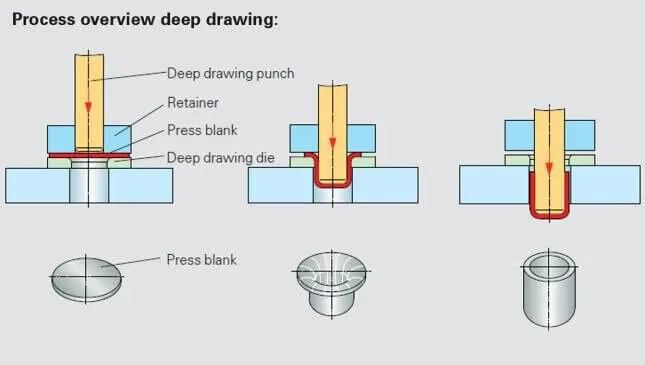
The metal deep drawing process is an effective method of manufacturing of cups, cans and other similar deep drawing products. The deep drawings having two main categories.
- First - Stage Drawing: The blank shape of metal is placed on the die and contact with the punch. When the metal specimen is flat piece of sheet metal used in forming and finish the product. Initially the punch moves in downward direction. The outer rim of blank is subjected to pure radial drawing (drawing toward in vertical axes) between die and blank metal. The metal become a bend and sliding over die and also stretched between die and punch. The metal in vicinity of punch head and contact with it bend and slide over radii and stretch over punch head.
-
Redrawing: The components drawn from first stage again it is redrawn convert into more depth to form a cup shape in the die and punch. The second stage of drawing is called as redrawing.
Embossing:
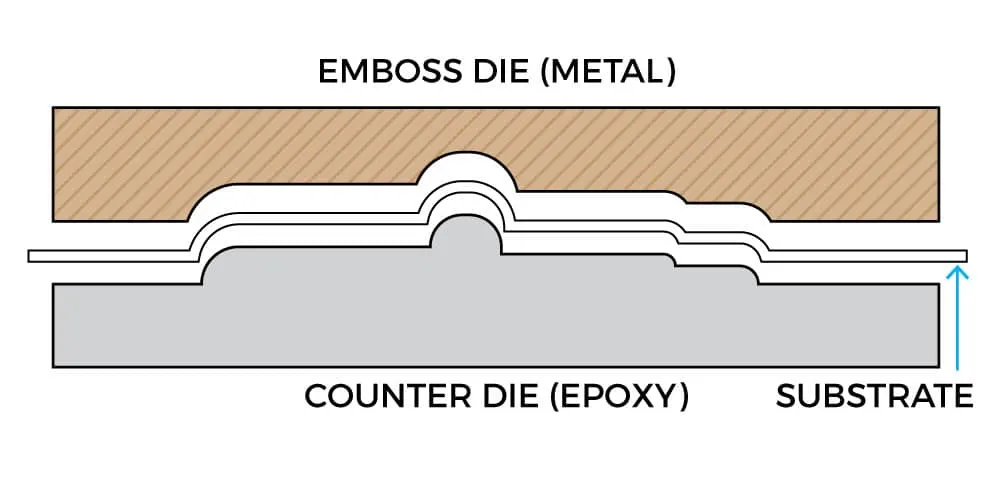
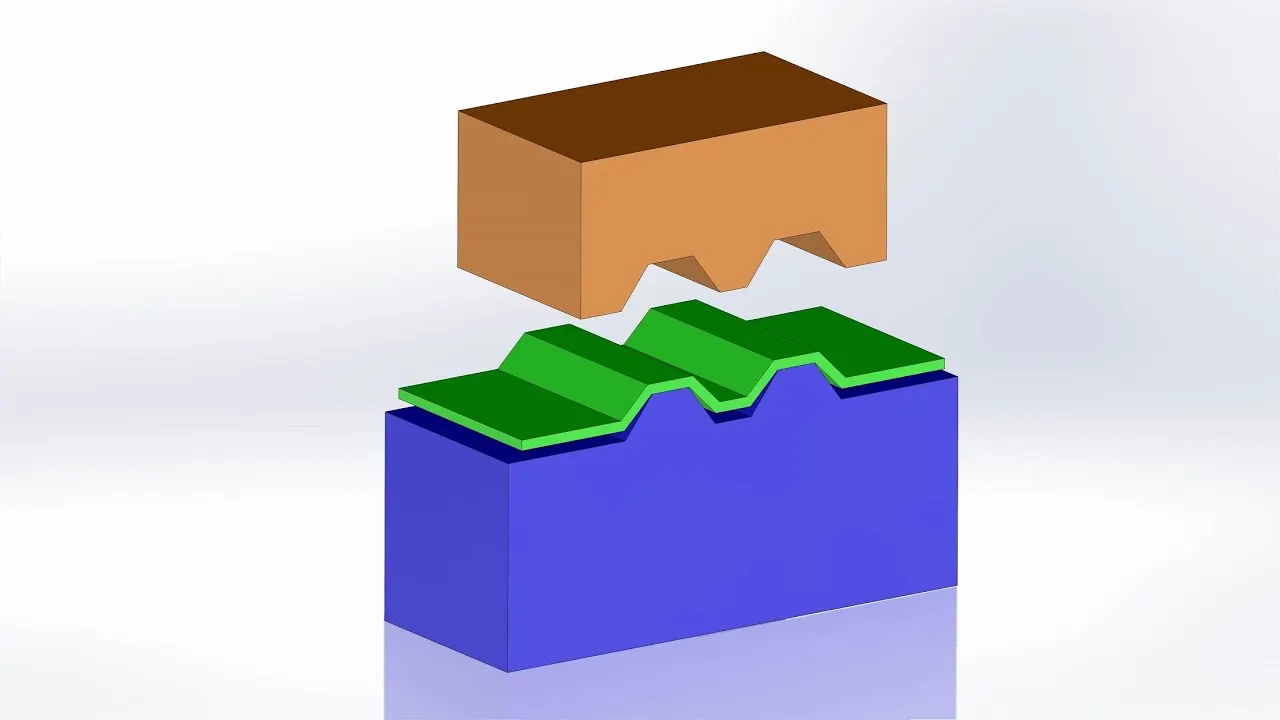
Embossing is a metal forming process for producing raised or sunken designs or relief in sheet materials by means of matched male and female roller dies, theoretically with no change in metal thickness or by-passing sheet or a strip of metal between rolls of the desired pattern. Metal sheet is drawn through the male and female roller dies producing a pattern or design on the metal sheet. Depending on the roller dies used, different patterns can be produced on the metal sheet.
Materials commonly used in the metal embossing process include:
- Aluminum alloys
- Steel alloys
- Zinc
- Copper
- Galvanized steel
- Brass
- Cold rolled steel
Hemming:
Hemming is a forming operation in which the edges of the sheet are folded or folded over another part in order to achieve a tight fit. Normally hemming operations are used to connect parts together, to improve the appearance of a part and to reinforce part edges.
In car part production, hemming is used in assembly as a secondary operation after deep drawing, trimming and flanging operations to join two sheet metal parts (outer and inner) together. Typical parts for this type of assembly are hoods, doors, trunk lids and fenders.
There are various types of hemming operations:
- Conventional Die Hemming: In conventional die hemming, the flange is folded over the entire length with a hemming tool.
-
Roll Hemming: In roll hemming, the hemming roller is guided by an industrial robot to form the flange.
Open Hem: A Hem has a full round feature and a return flange. In open hem bend angle is equal to 180 degrees.
Tear Drop Hem: In tear drop hem the bend angle is greater than 180 degrees.
Closed Hem: Hems without any inside radius are called as closed hem. Closed hems are not recommended if the hem geometry is to be painted or if the material used is SST or Aluminium.
Blanking:
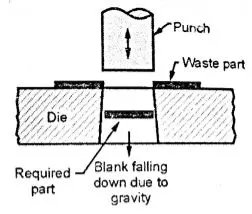
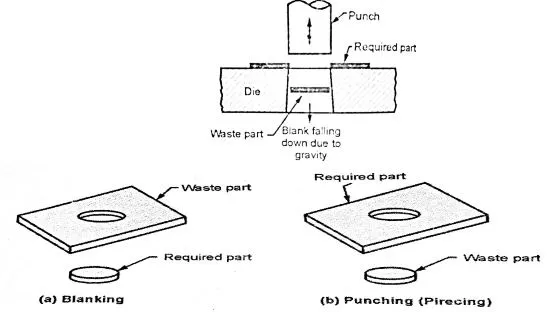
Blanking is a cutting operation of a flat metal sheet and the article punched out is known as blank. Blank is the required product of the operation and the metal left behind is considered as a waste.
Punching:
It is similar to blanking only the main difference is that, the hole is the required product and the material punched out from the hole is considered as a waste.
Process:
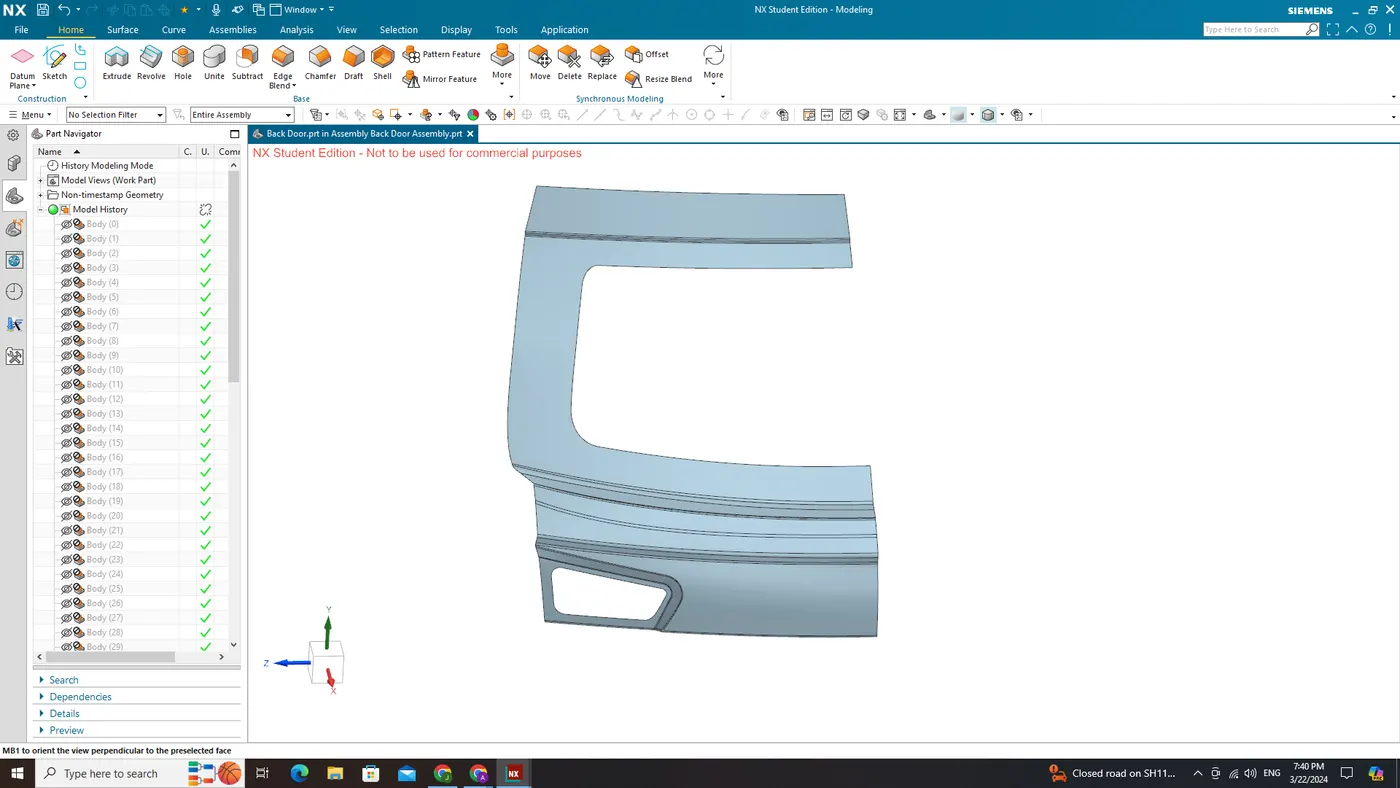
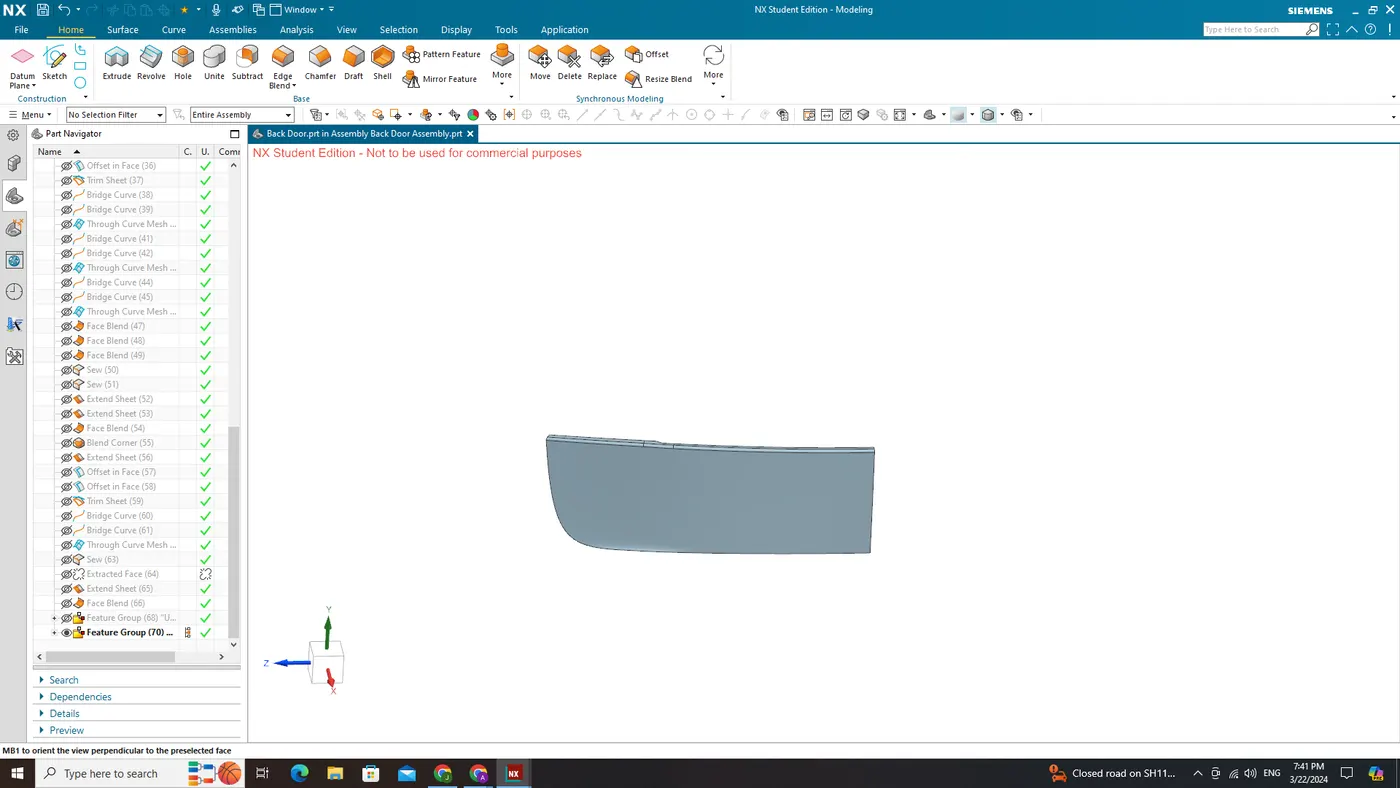
To initiate the design process, we will start by utilizing the provided Class A Surfaces for the Upper and Lower Panels of the backdoor. These surfaces serve as the foundation for creating a visually appealing and high-quality design. By utilizing these surfaces, we can ensure a smooth and continuous appearance for the backdoor.
Let's begin by carefully analyzing and leveraging these Class A Surfaces to create a well-crafted and aesthetically pleasing backdoor design:
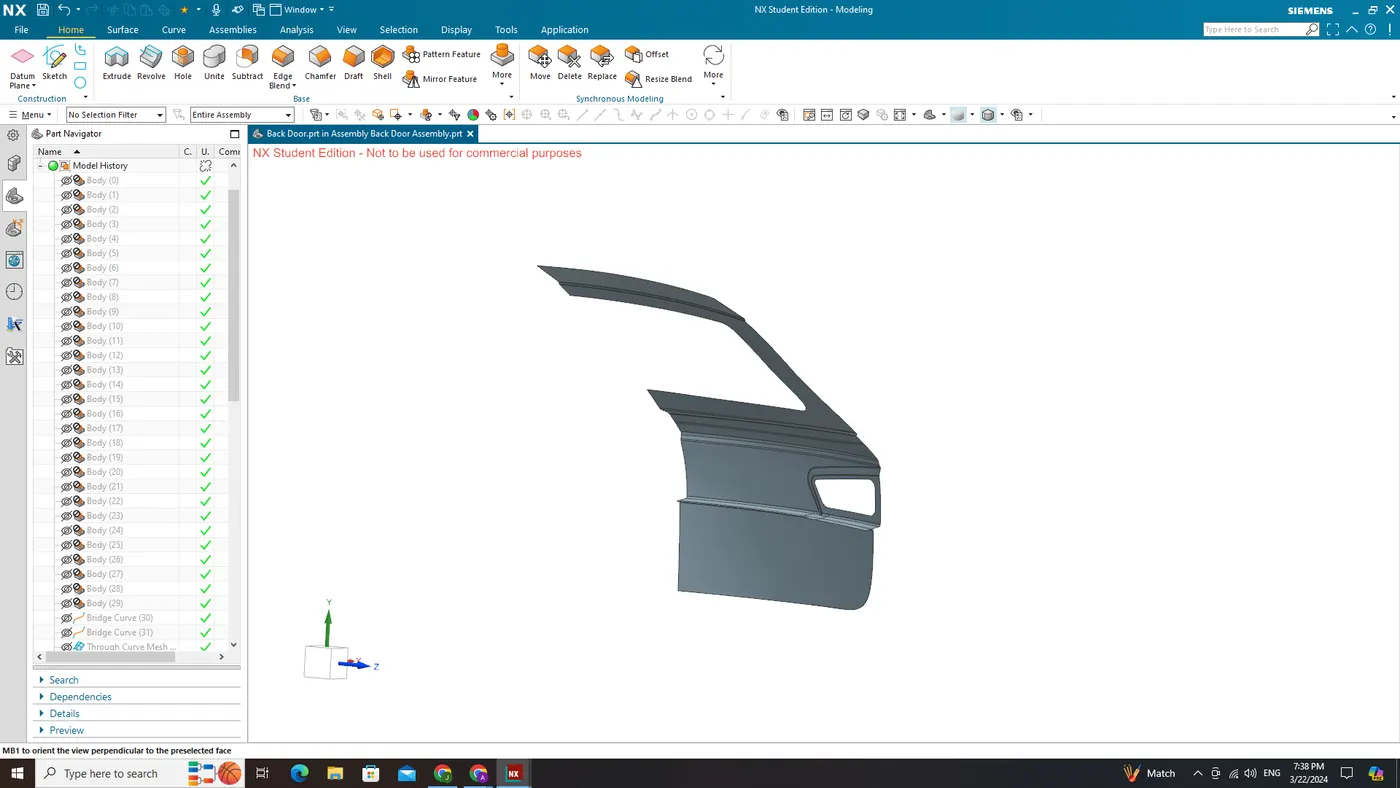
CLASS A SURFACE OF BACK DOOR:
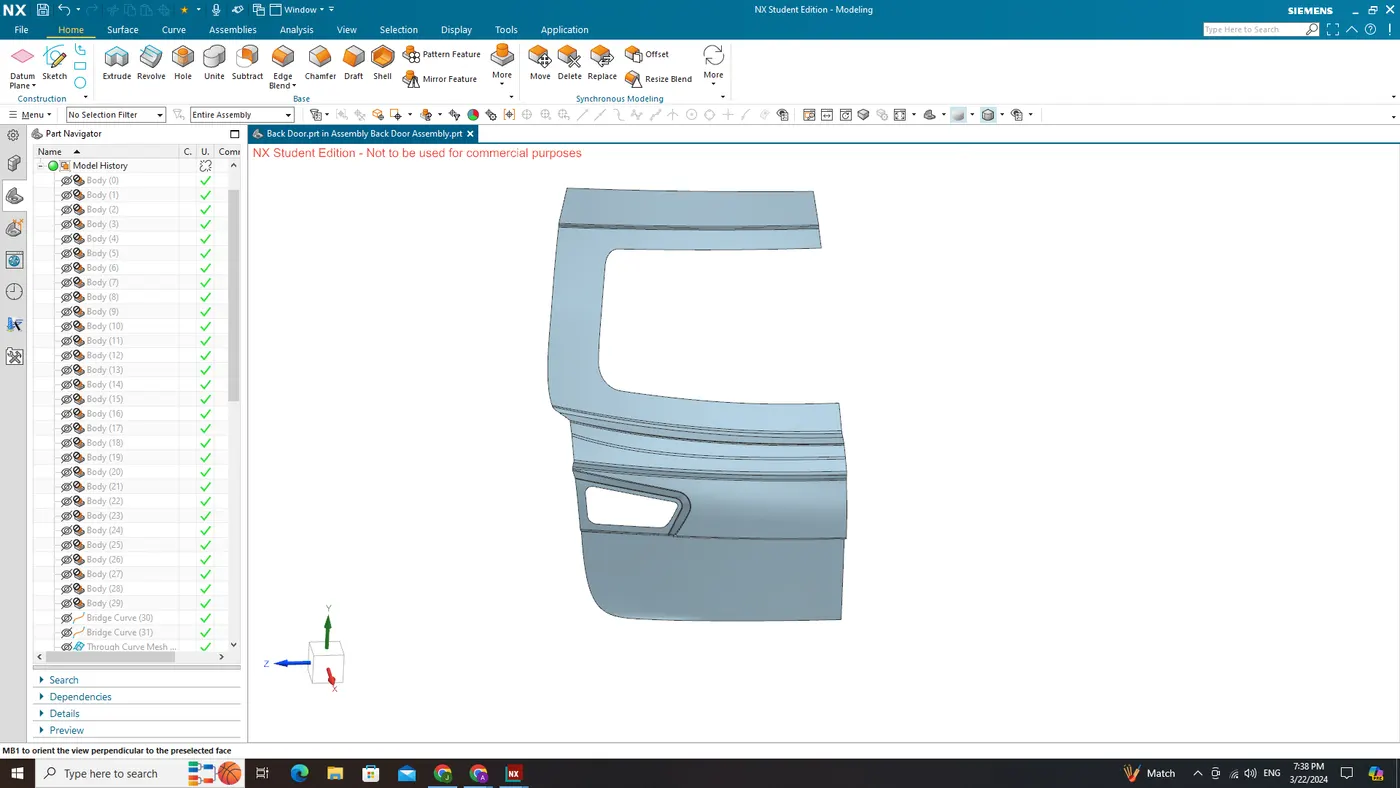
CLASS A SURFACE OF BACK DOOR UPPER PANEL:
CLASS A SURFACE OF BACK DOOR LOWER PANEL:
Tooling Axis Creation:
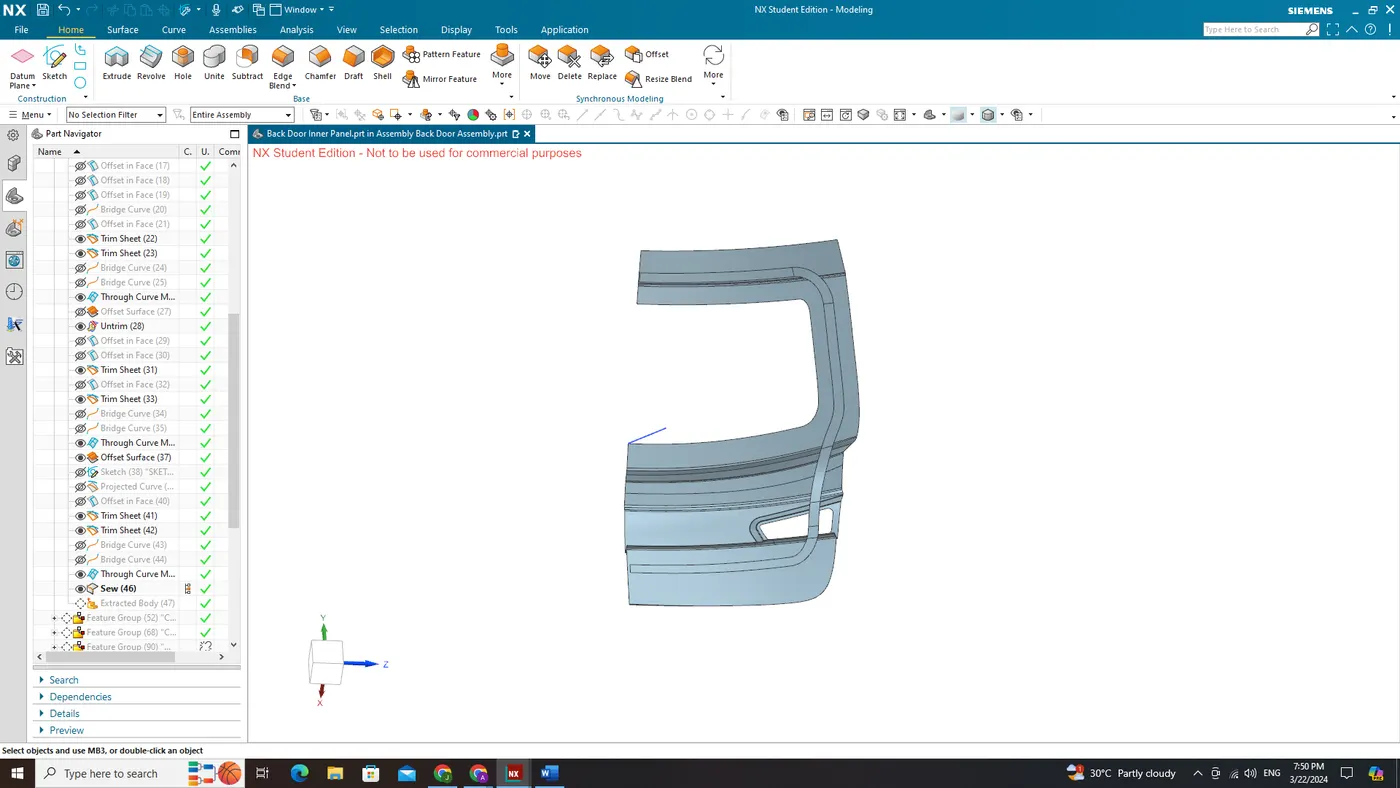
First, We're going to use the Class A Surfaces to create the Inner Panel of our Backdoor.
We're going to offset the selected surfaces from the Class A Surface to create our Sealing Flange.
Sealing Flange:
The term "sealing flange" describes a particular component found in automotive backdoors that is intended to maintain a tight seal between the backdoor and the body of the vehicle. Usually, there is a lip or raised border that encircles the backdoor opening.
The sealing flange's main function is to keep dust, water, and other foreign objects out of the car's interior. It is essential to preserving the integrity of the car, safeguarding the people, and keeping the car operating as intended.
When it rains or is rainy outside, the sealing flange serves to form a barrier that keeps water from entering the car. It also contributes to a quieter and cozier interior atmosphere by reducing noise and vibrations.
Apart from its practical uses, the sealing flange also contributes to the overall visual attractiveness of the vehicle. It gives the reardoor a polished, uncluttered appearance and guarantees a smooth transition with the rest of the car's exterior.
All things considered, the sealing flange is a crucial part of the backdoor design, fulfilling both practical and decorative needs by guaranteeing a tight seal and improving the car's overall functionality and attractiveness.
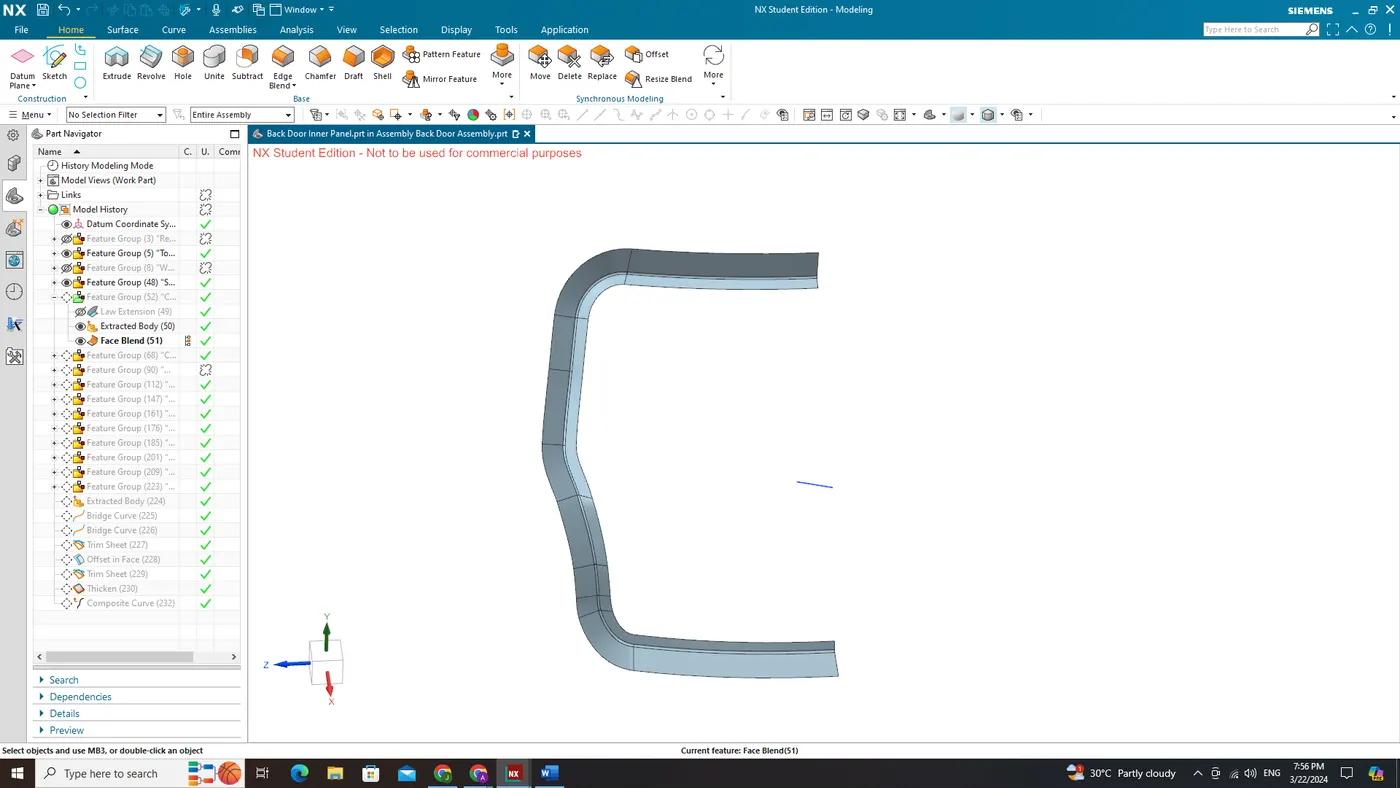
Connecting Flange:
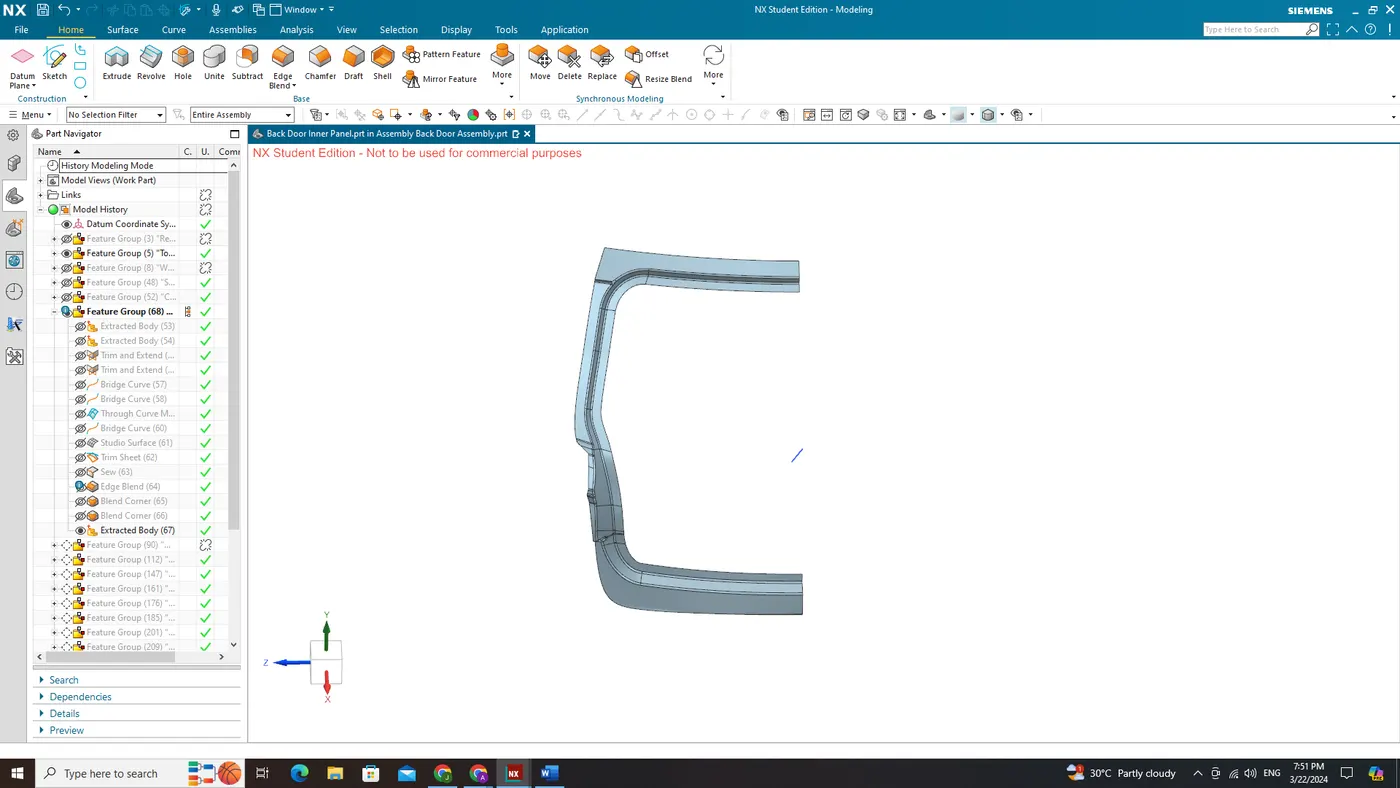
Connecting Blends:
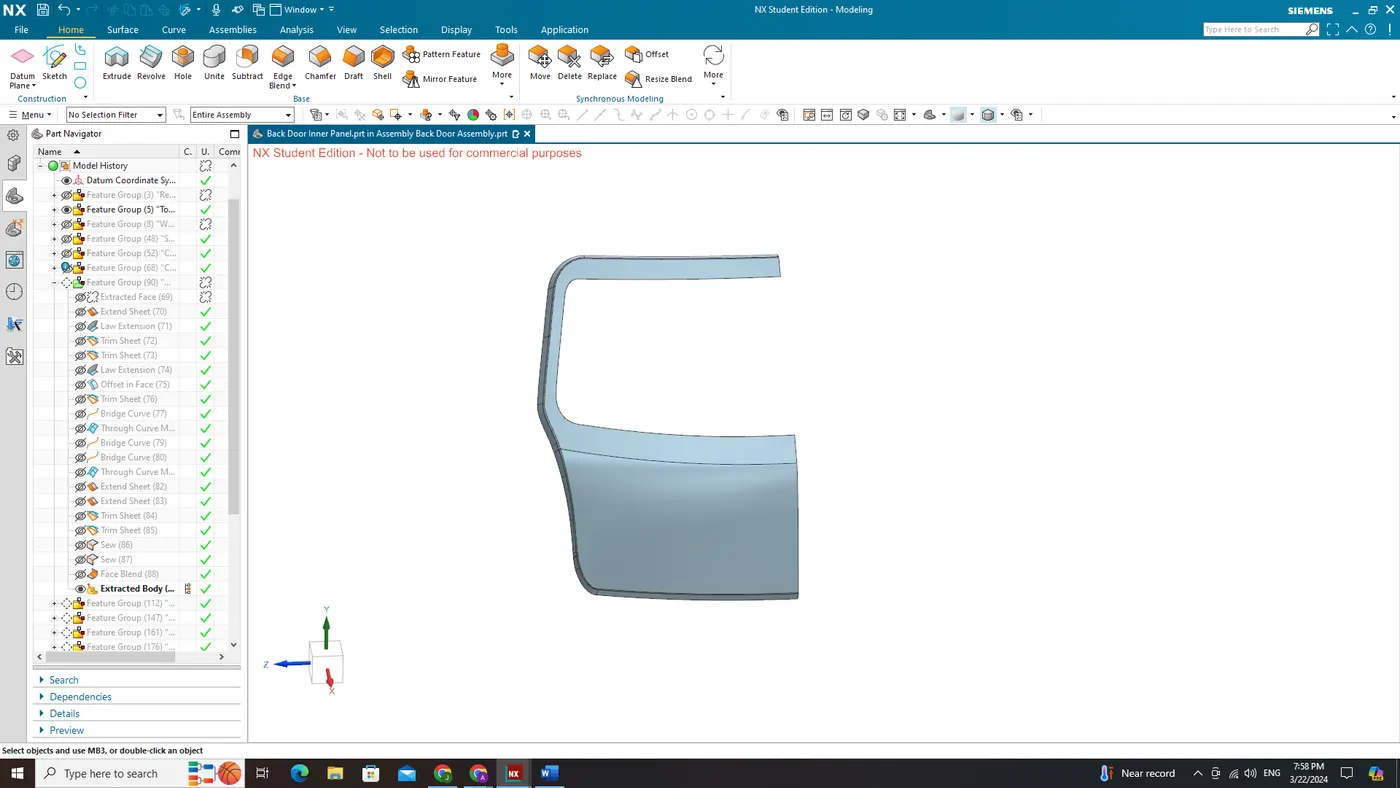
Windshield:
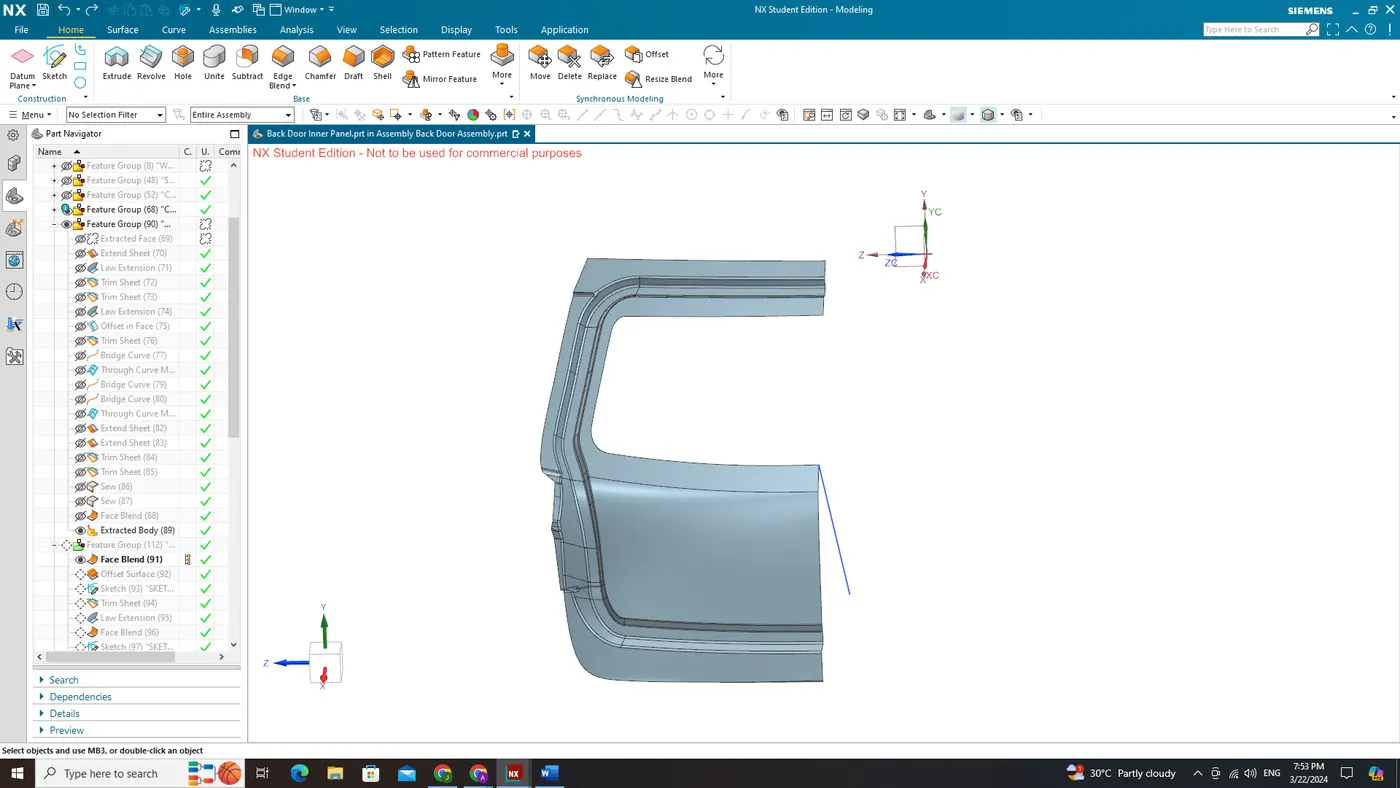
Blend of Connecting Blends & Windshield:
Mastic Region:
To ensure the appropriate distance and adhere to design considerations, the surface designated for the application of Mastic Fluid is positioned 5mm away from the Class A Surface. This particular surface is extracted and offset from the Class A Surface itself, guaranteeing the desired distance is maintained.
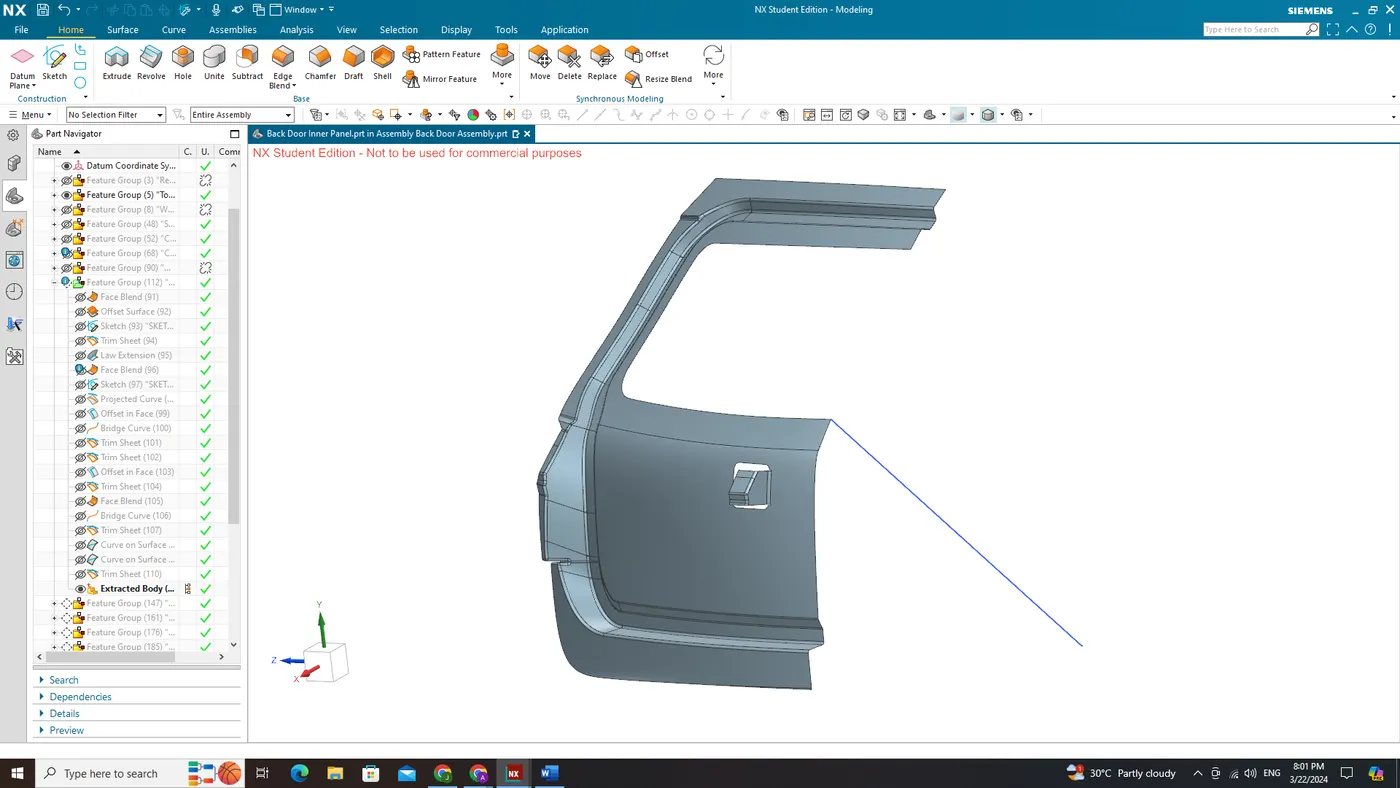
Now, we're going to create the required embosses and cutouts on the surface below the windshield surface as shown below.
Embosses and Cutouts play crucial roles in the Automotive Industry when it comes to sheet metal parts. Let's explore each aspect in detail:
Embosses:
An emboss is a raised feature created by deforming the sheet metal material. It serves several purposes:
- Structural Reinforcement: By increasing the strength and rigidity of sheet metal components, embosses can improve the overall structural integrity of the parts. This is especially helpful for components that are subjected to heavy loads or require extra assistance.
-
Aesthetic Appeal: Car parts can have their embosses carefully crafted to improve their aesthetic appeal. They improve the overall design aesthetics by giving the surface more depth, texture, and visual intrigue.
-
Branding and Identification: Automobile parts can be imprinted with brand names, logos, or identification markers using embosser technology. This facilitates easy component identification during assembly or maintenance and helps with brand recognition.
-
Noise and Vibration Control: Embosses can be used to dampen noise and vibrations by changing the acoustics of the sheet material. This is particularly useful in reducing unwanted noise in vehicle interiors.
-
Heat Dissipation: Embosses can be carefully engineered to enhance surface area, which improves thermal management and prevents overheating in situations where heat dissipation is crucial.
Cutouts:
Cutouts involve removing portions of the sheet metal material to create openings or voids. They serve various purposes:
-
Weight Reduction: By lowering the total weight of vehicle parts, cutouts help to increase performance and fuel efficiency. The part is made lighter without sacrificing structural integrity by reducing extra material.
-
Functional Integration: By using cutouts, additional features or components can be included into the sheet metal product. Cutouts, for instance, might simplify assembly procedures by providing space for sensors, wire harnesses, or mounting points for additional components.
-
Ventilation and Cooling: Engines, brakes, and electronics are examples of components that can benefit from the careful placement of cutouts to allow for ventilation and cooling. This aids in heat dissipation and sustains ideal operating temperatures.
-
Fluid Flow Management: In automobile systems, cutouts can be made to make it easier for fluids like fuel, coolant, or air to flow. They guarantee appropriate circulation and avoid fluid obstructions or pressure accumulation.
-
Styling and Design: Cutouts can be used to give vehicle parts distinctive patterns, accents, or design features. They enhance the car's overall beauty and give it a striking, eye-catching appearance.
In summary, embosses and cutouts in the Automotive Industry offer a wide range of benefits, including structural reinforcement, visual appeal, branding, noise control, weight reduction, functional integration, ventilation, fluid flow management, heat dissipation, and design flexibility. Automotive designers and engineers strategically employ these features based on specific requirements, considering factors like performance, safety, aesthetics, and manufacturing feasibility.
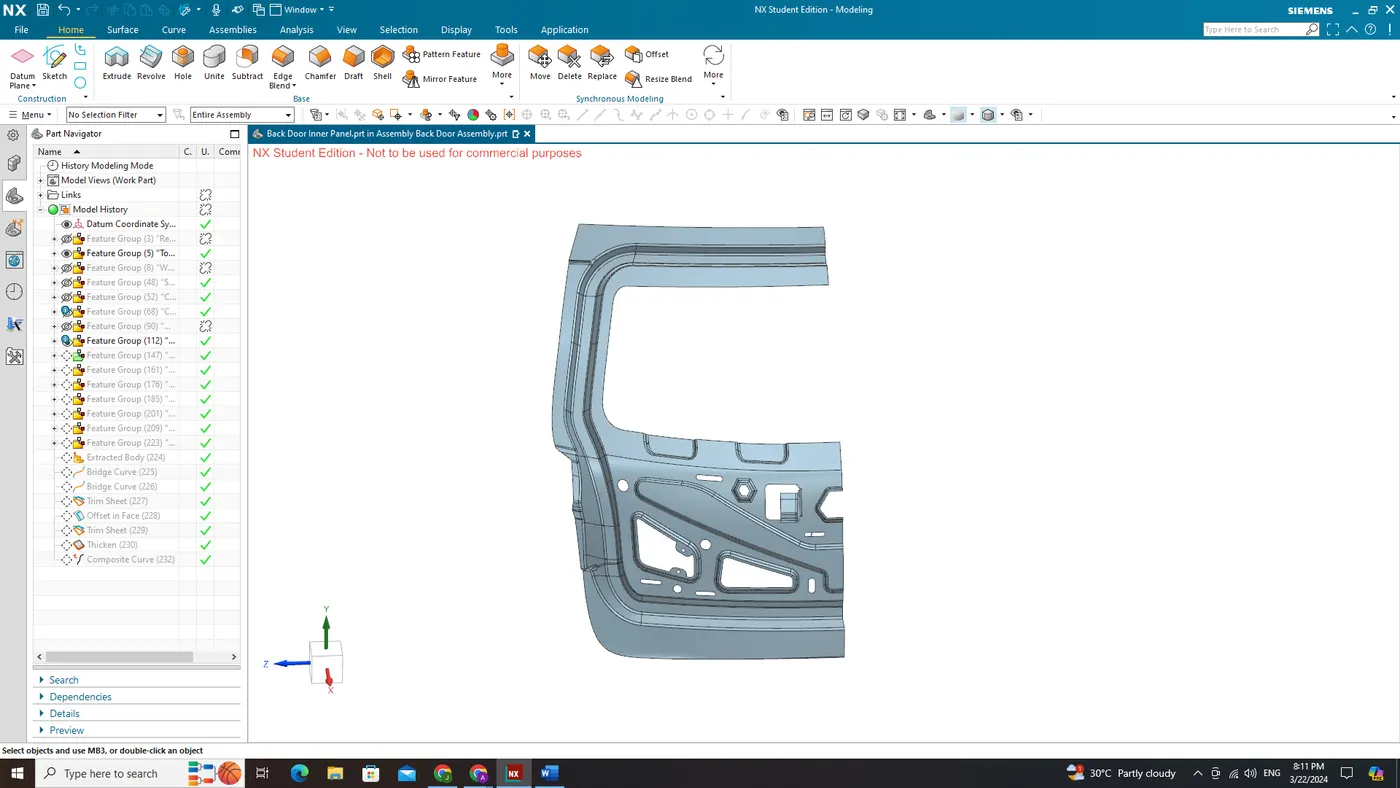
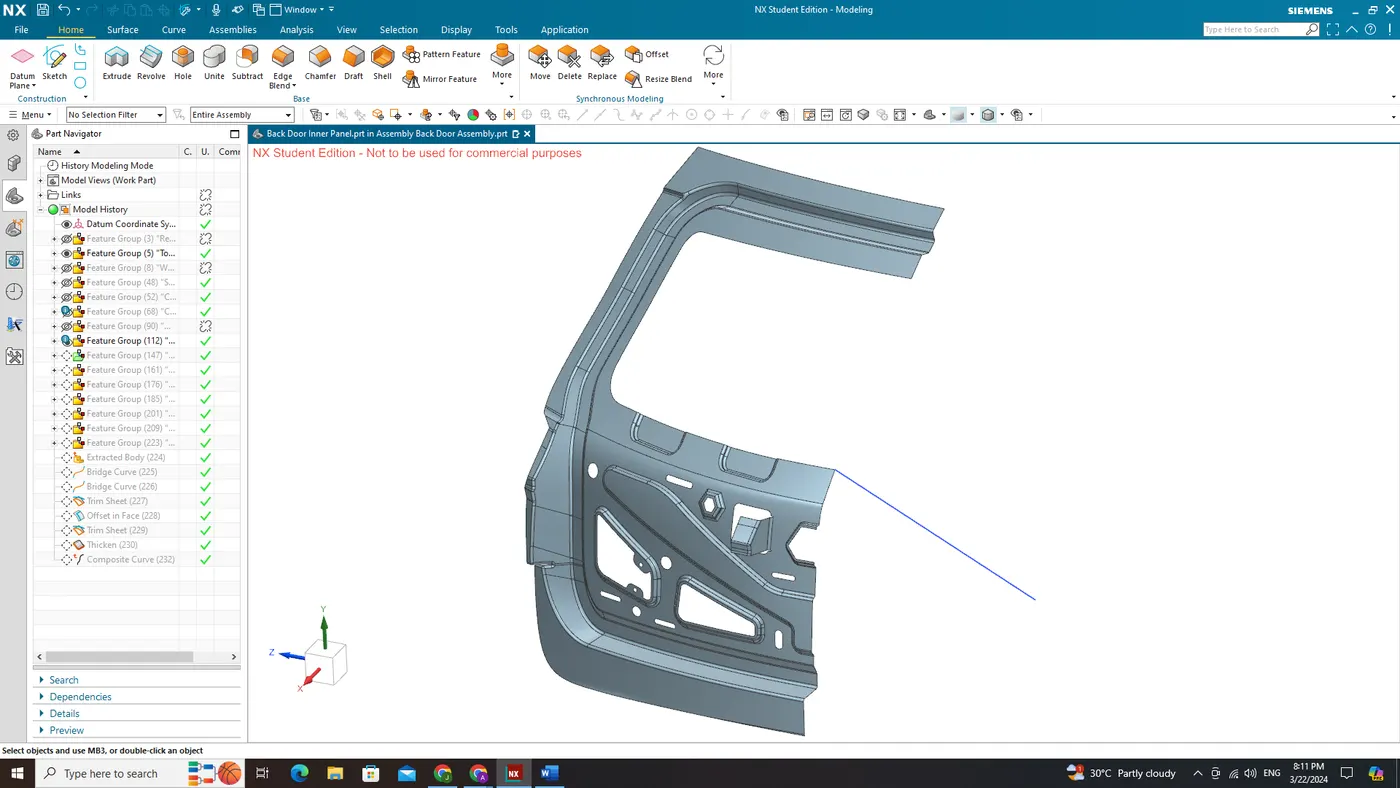
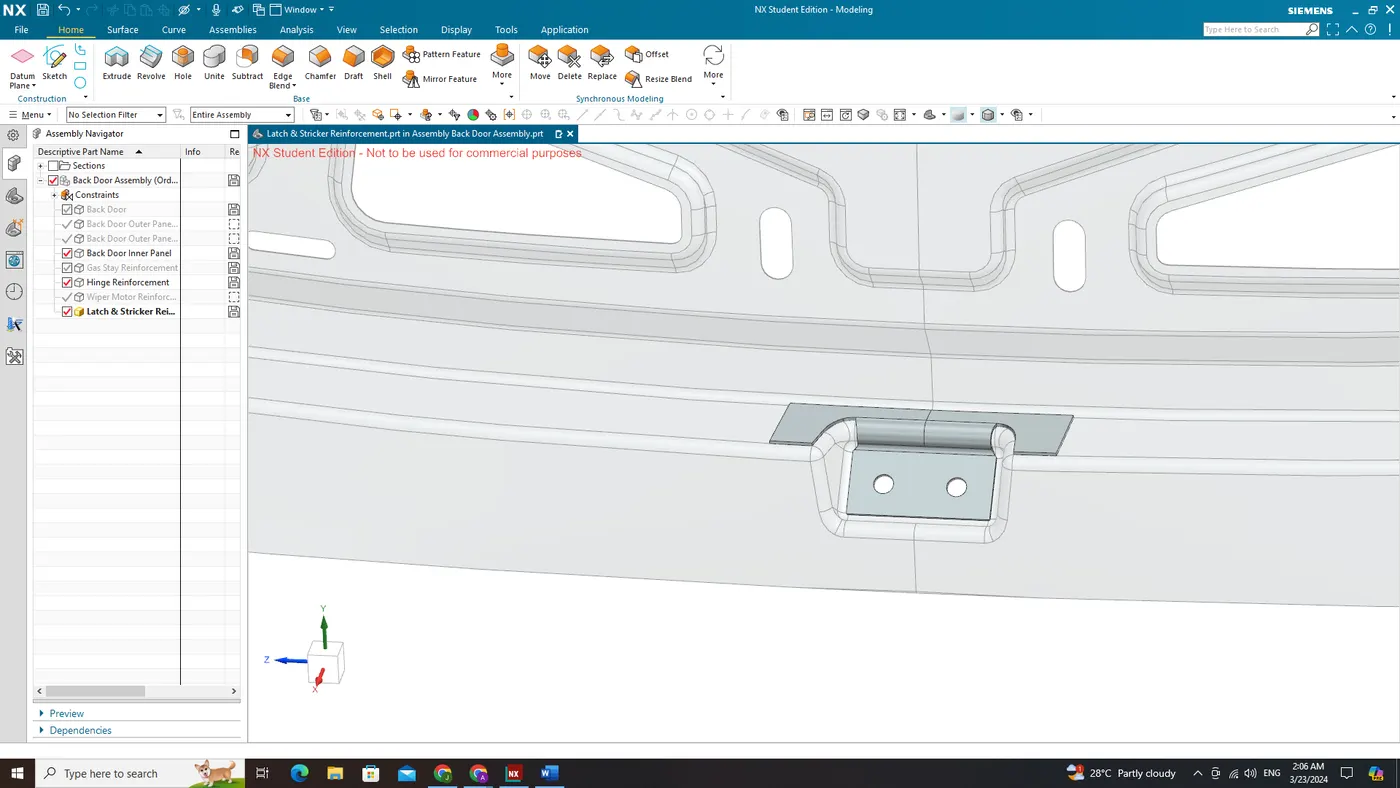
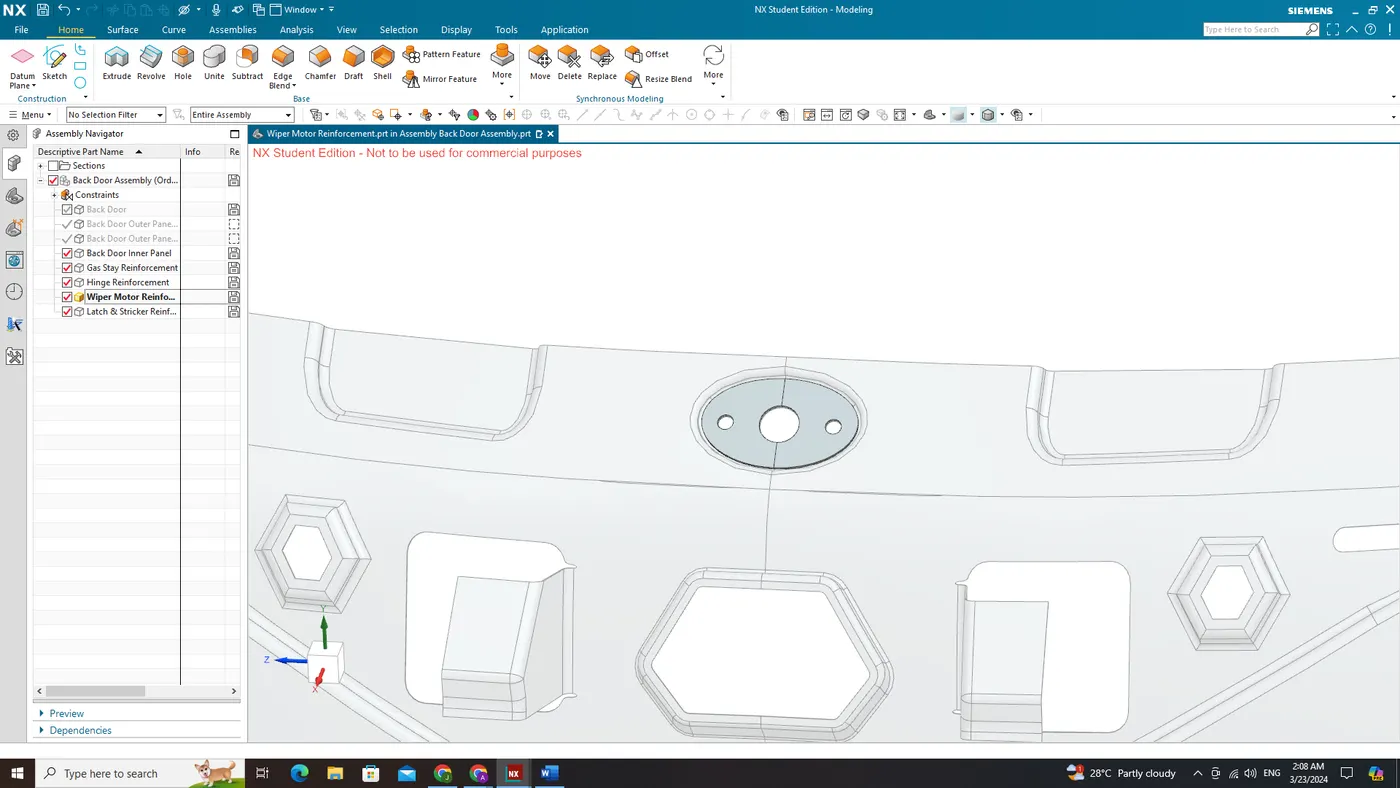
Next, we will make the appropriate mountings, such as the hinge mounting, gas stay mounting, latch and stricker mounting, and wiper motor mounting. This will be performed by drawing sketches and using the 'Law Extensions' tool, as seen in the image.
Gas Stay Mounting:
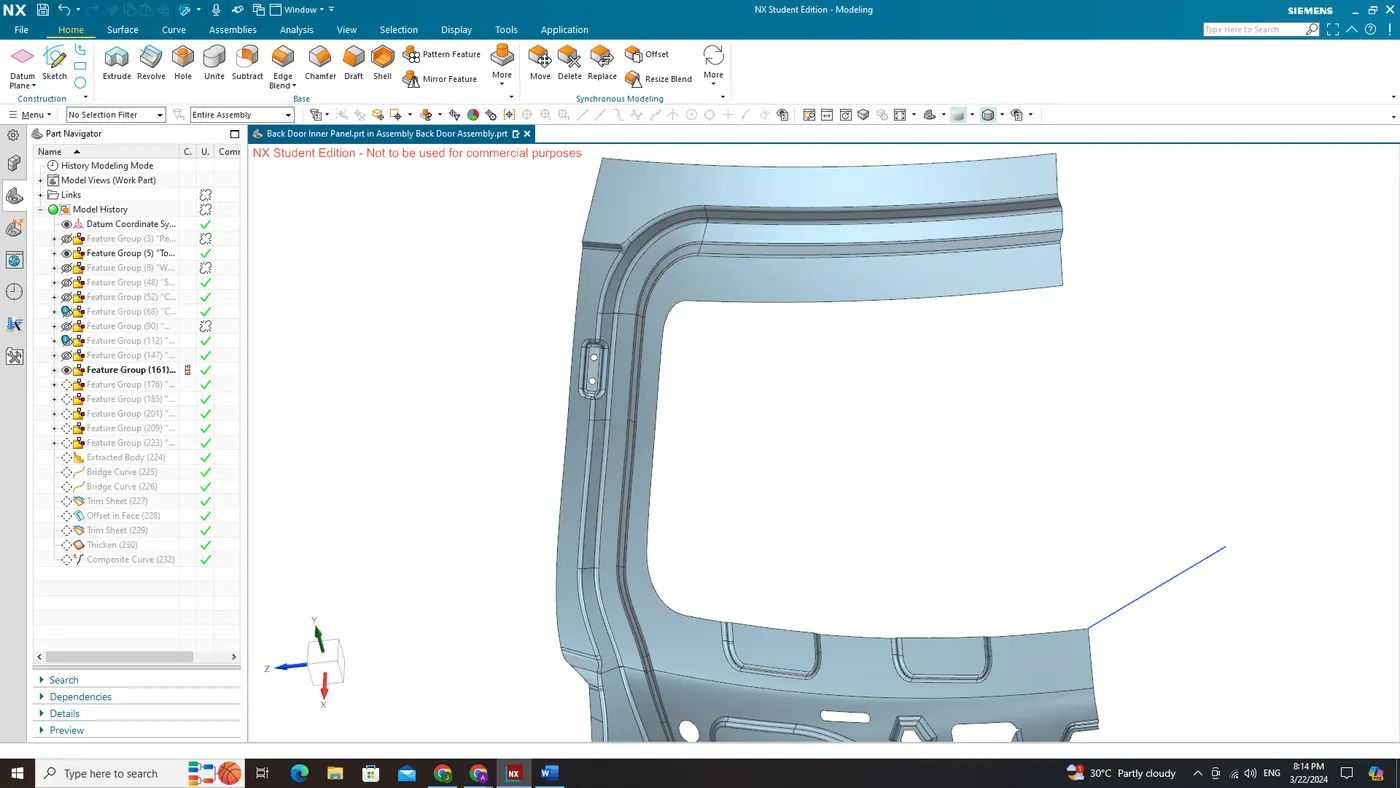
Hinge Mounting:
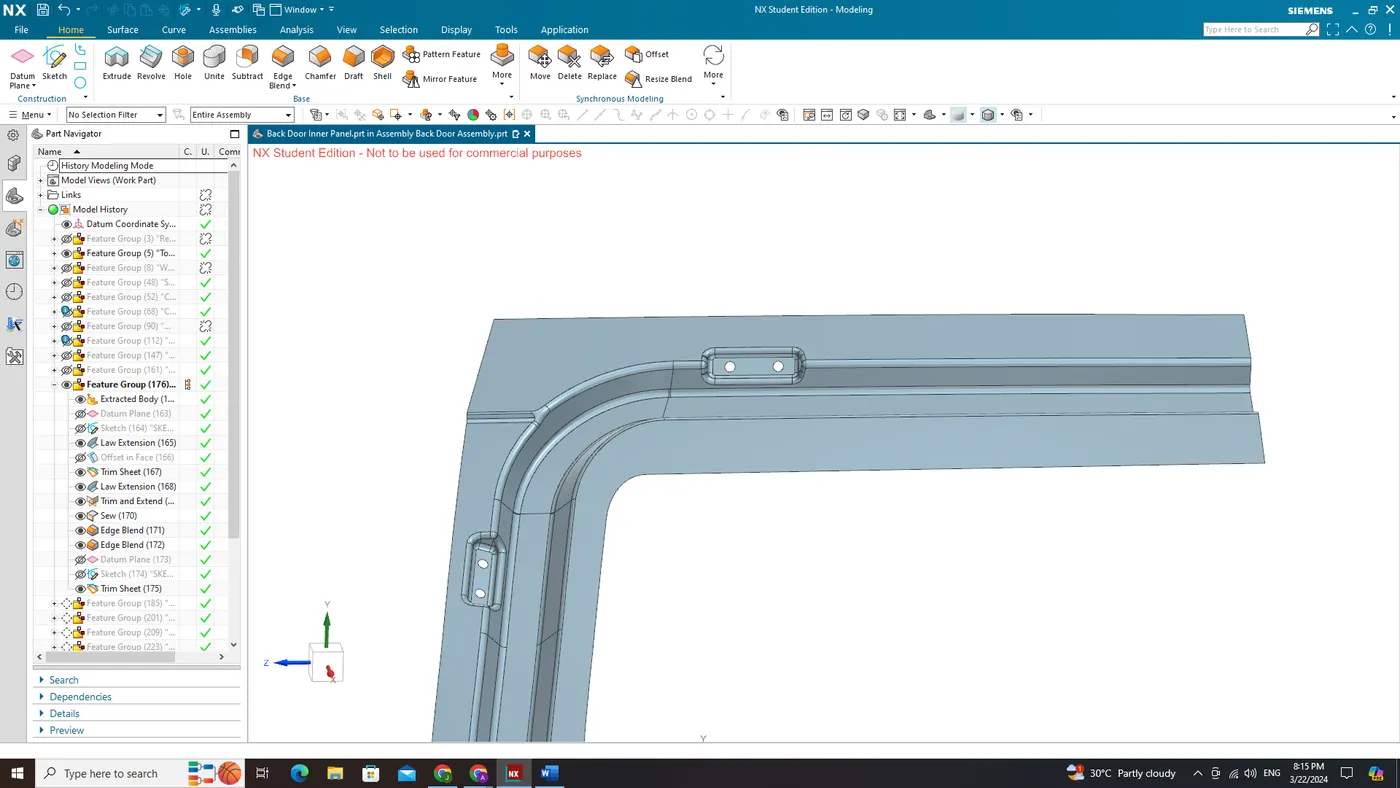
Wiper Motor Mounting:
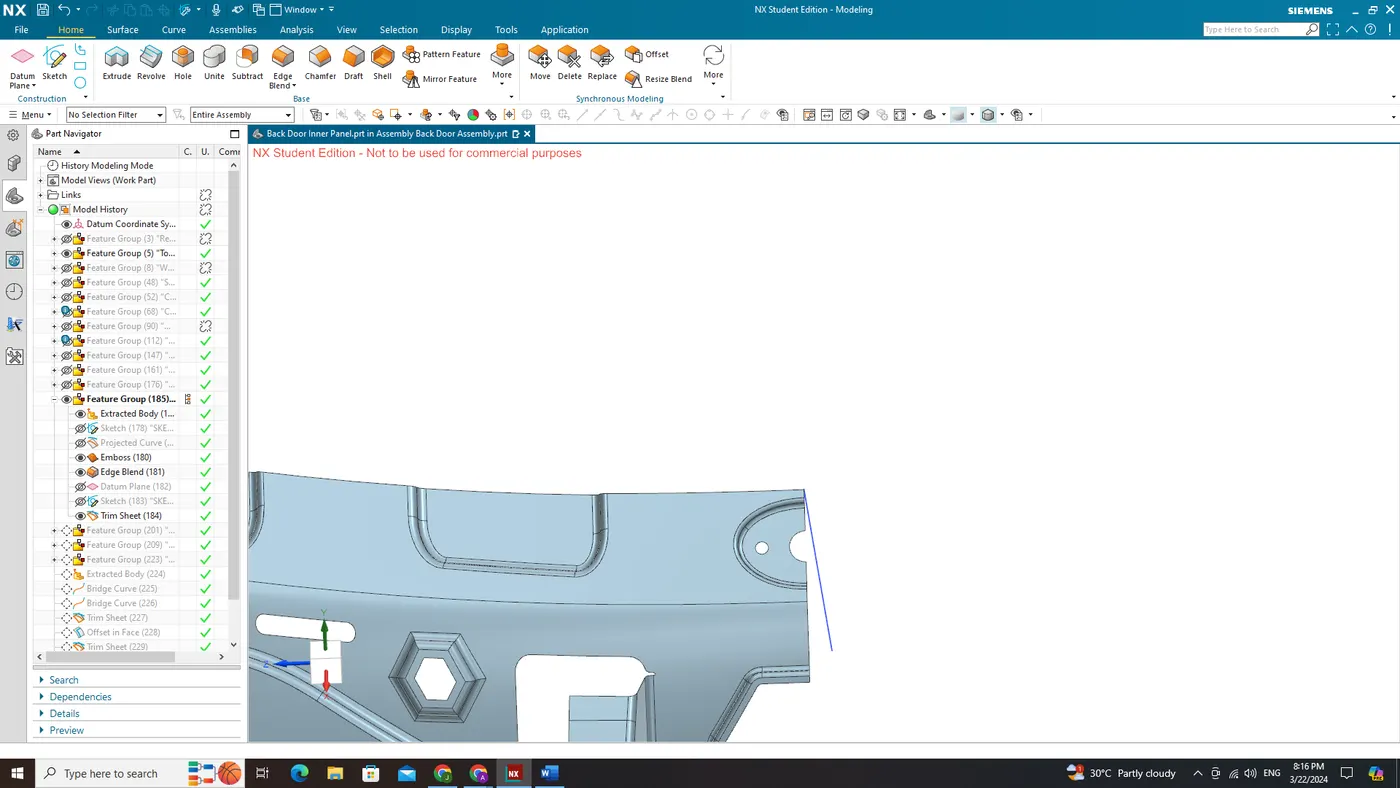
Latch & Stricker Mounting:
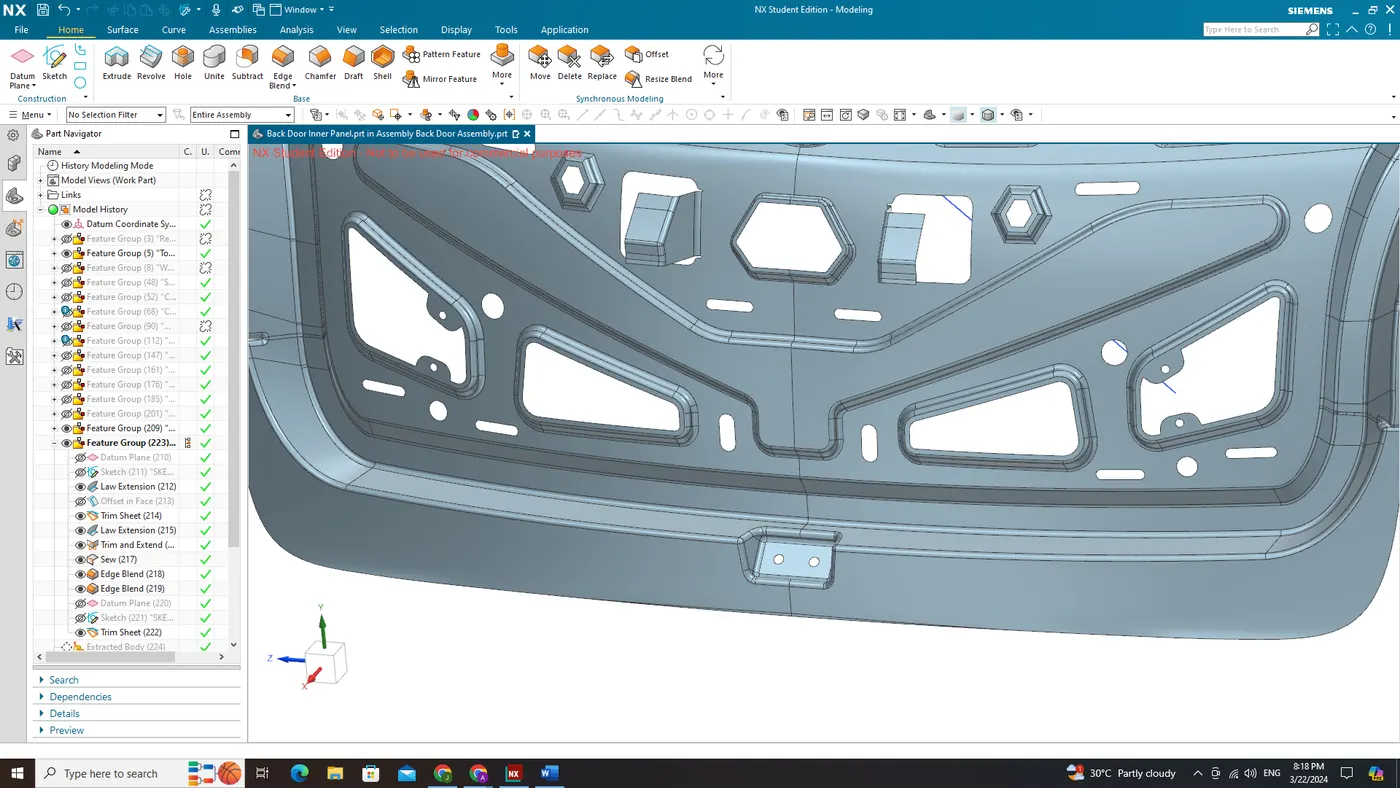
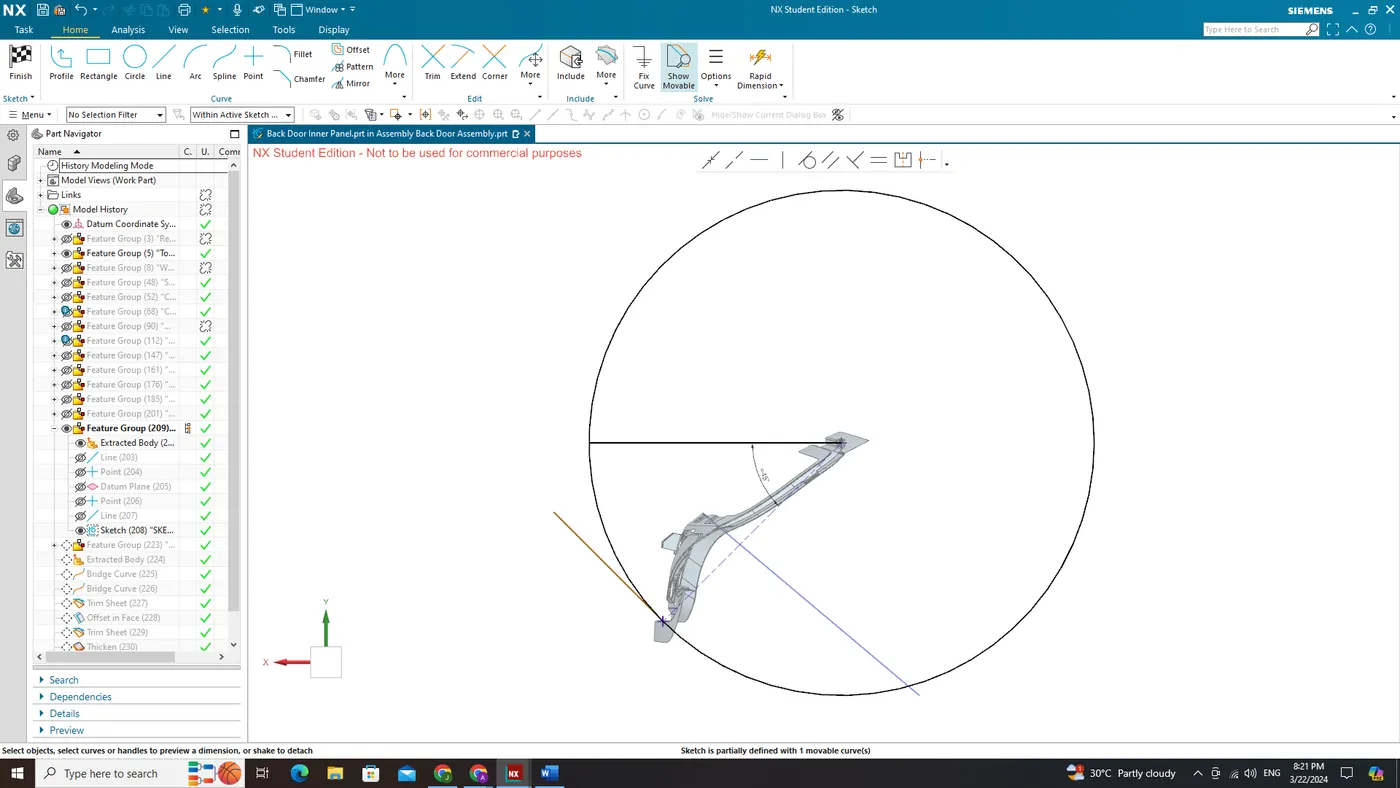
Possible Hinge Axis:
The hinge axis refers to the imaginary line around which the door rotates or pivots during its movement. It is the axis of rotation for the door. In the case of a backdoor, the hinge axis is typically located on one side of the door, where the hinges are attached.
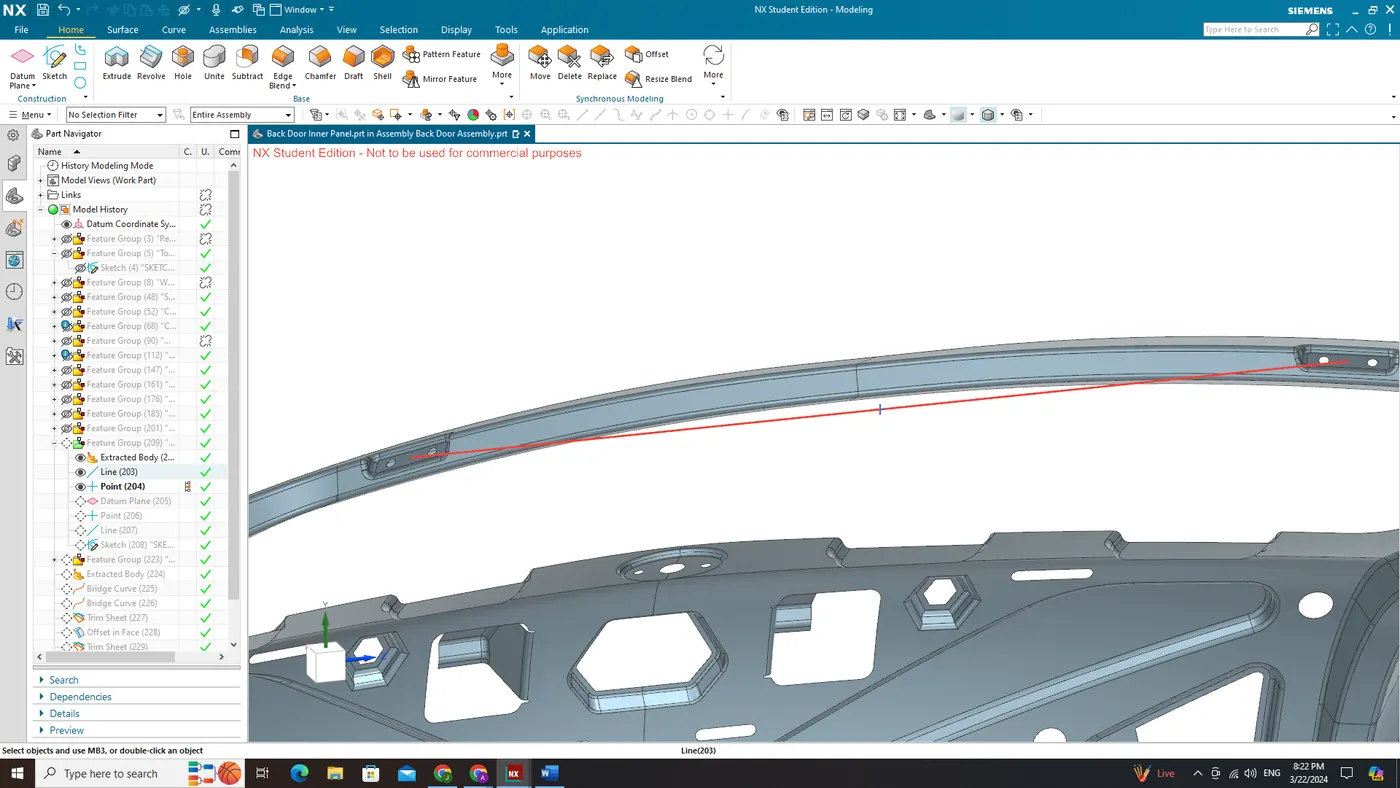
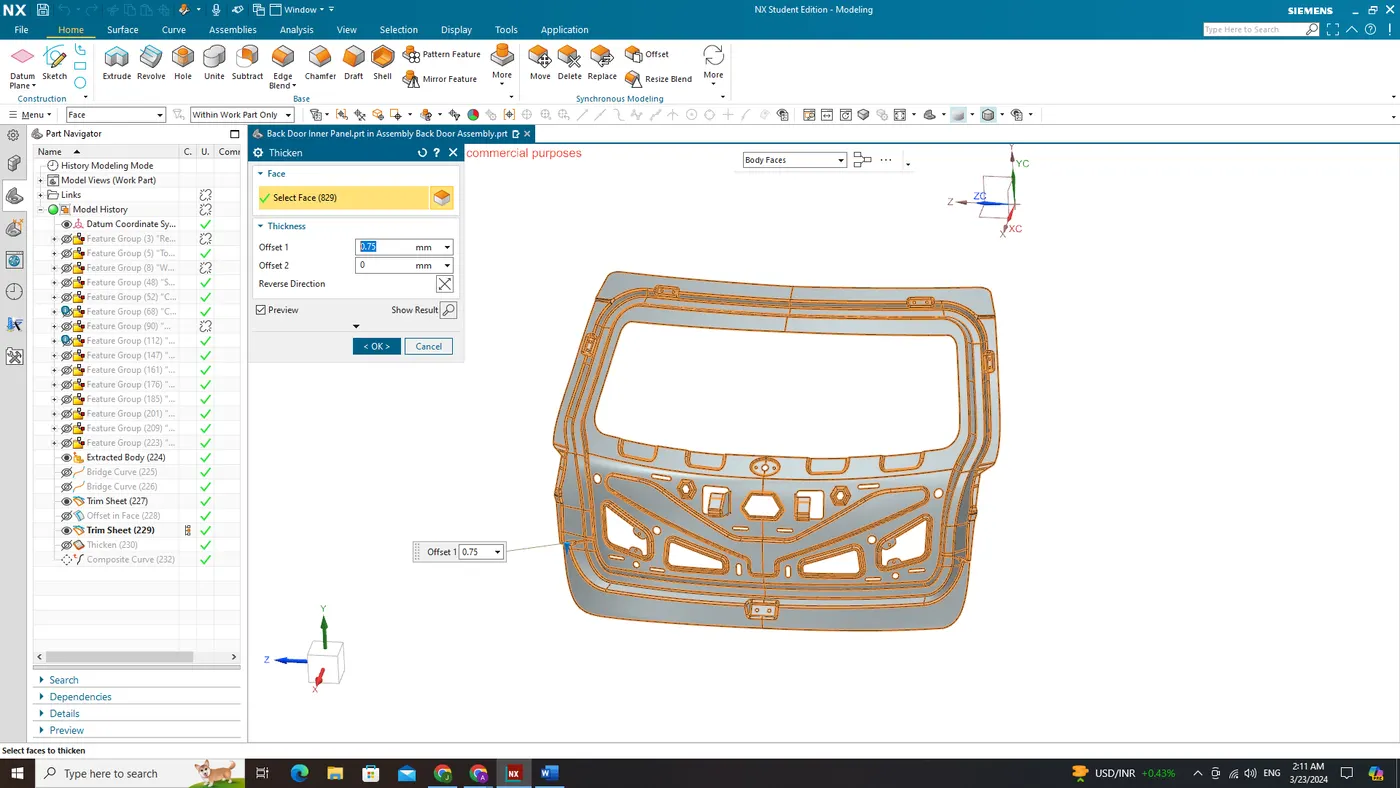
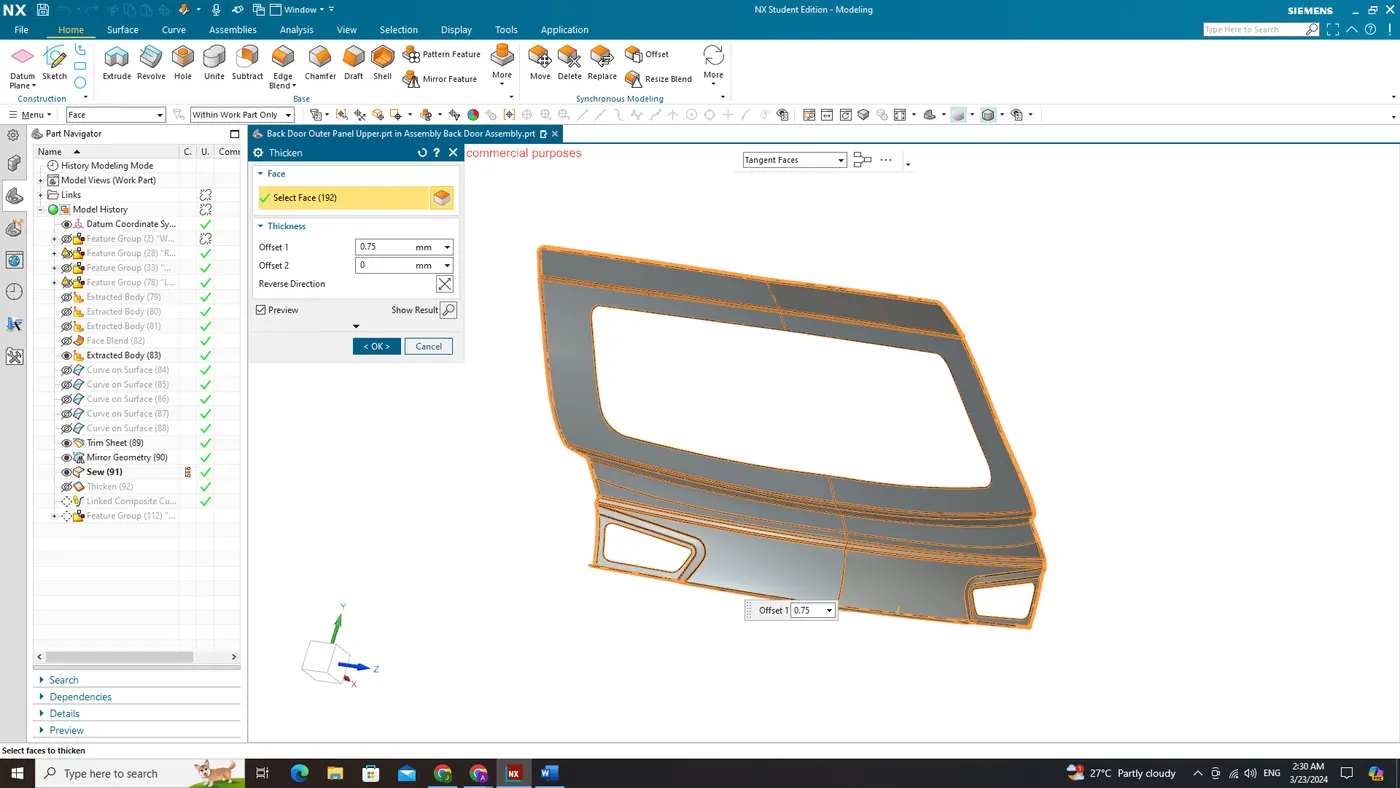
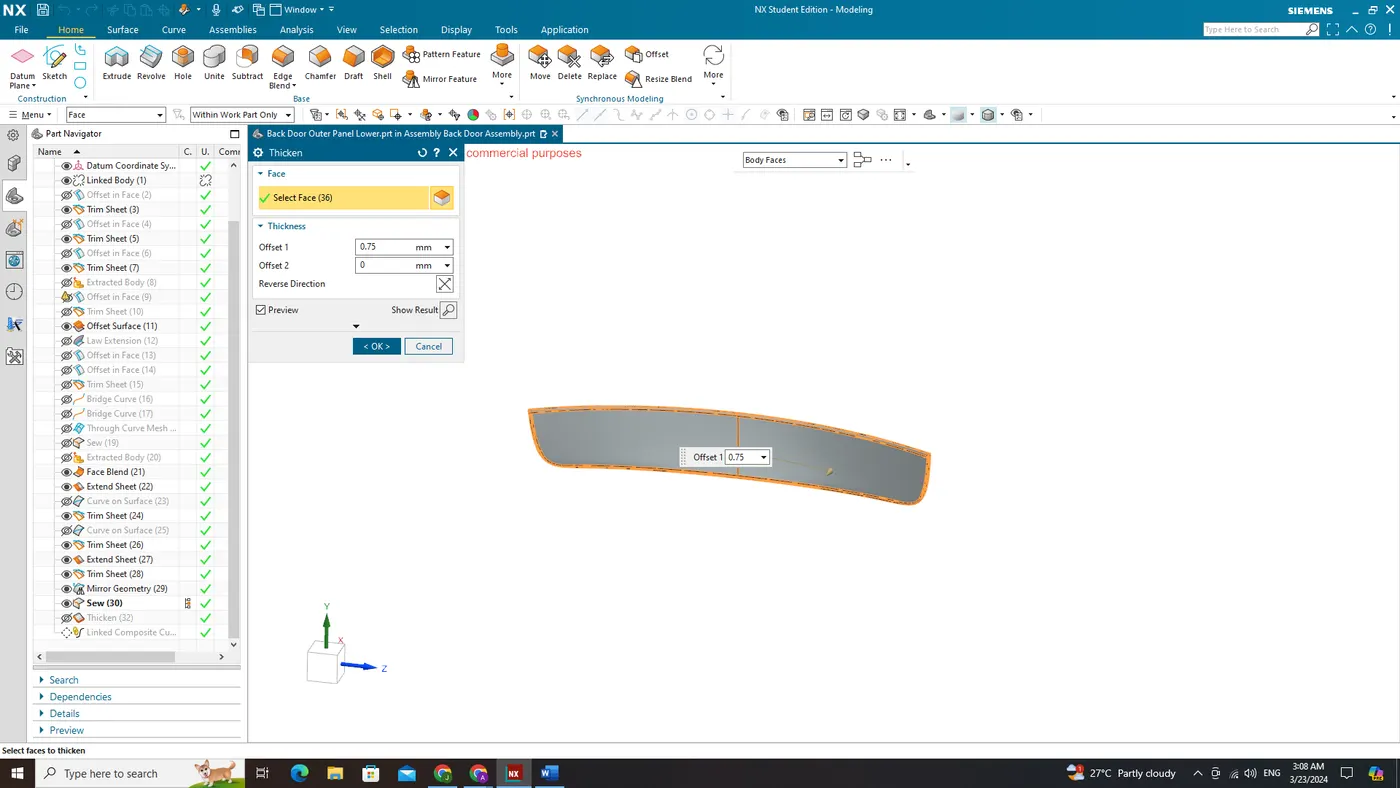
Finally, we'll thicken the Inner Panel in the required direction which is towards the Class A Surface by 0.75mm.
Reinforcements:
Now we'll make reinforcements for each of the mounts.
In the automotive industry, reinforcement is essential for mountings such as hinge mounting, gas stay mounting, latch and striker mounting, and wiper motor mounting. Let's look at the significance and different aspects of reinforcement for each mounting.
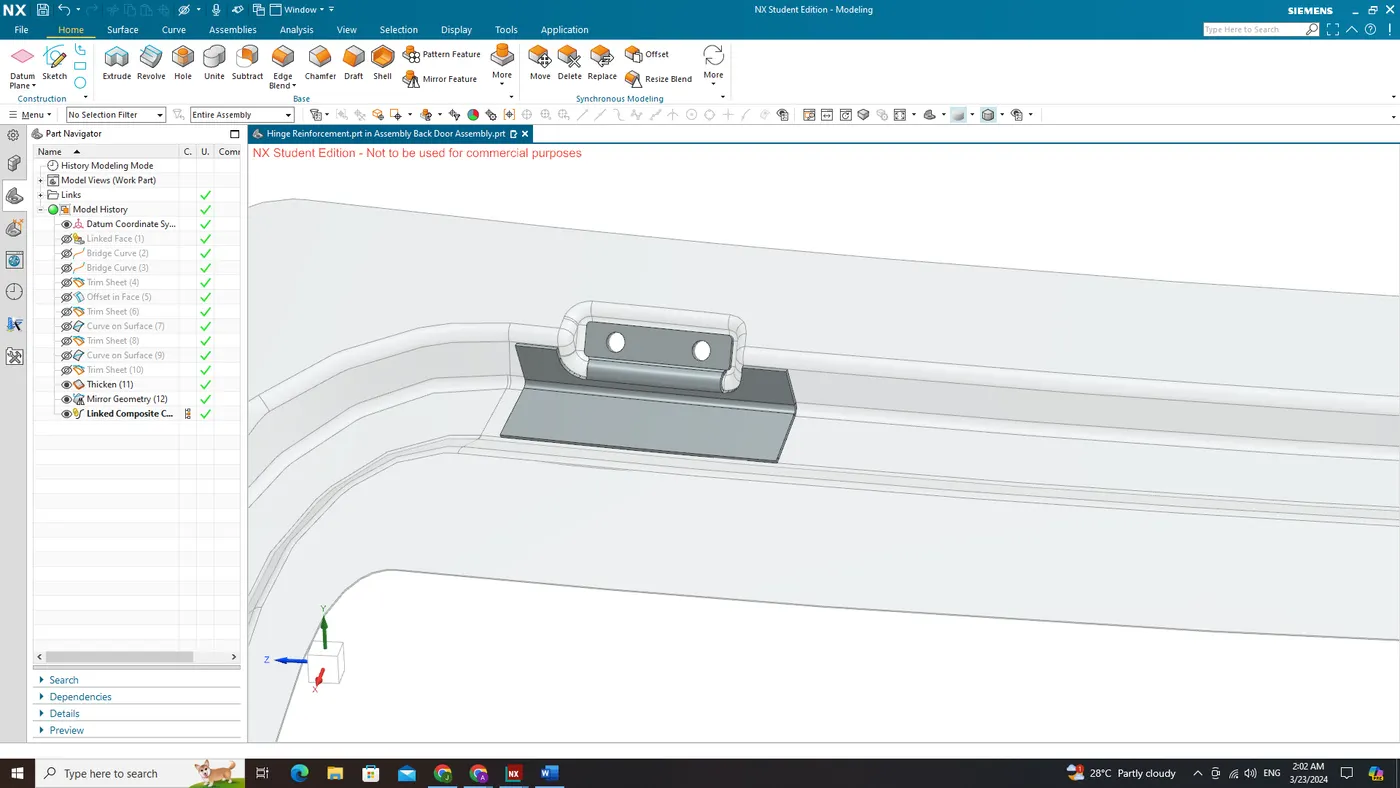
1. Hinge Mounting Reinforcement:
Hinge mountings enable rotational movement and stability for components such as doors, hoods, and trunk lids. Reinforcement in hinge mountings provides the following benefits:
- Structural Integrity
- Load Distribution
- Durability and Longevity
- Safety and Crashworthiness
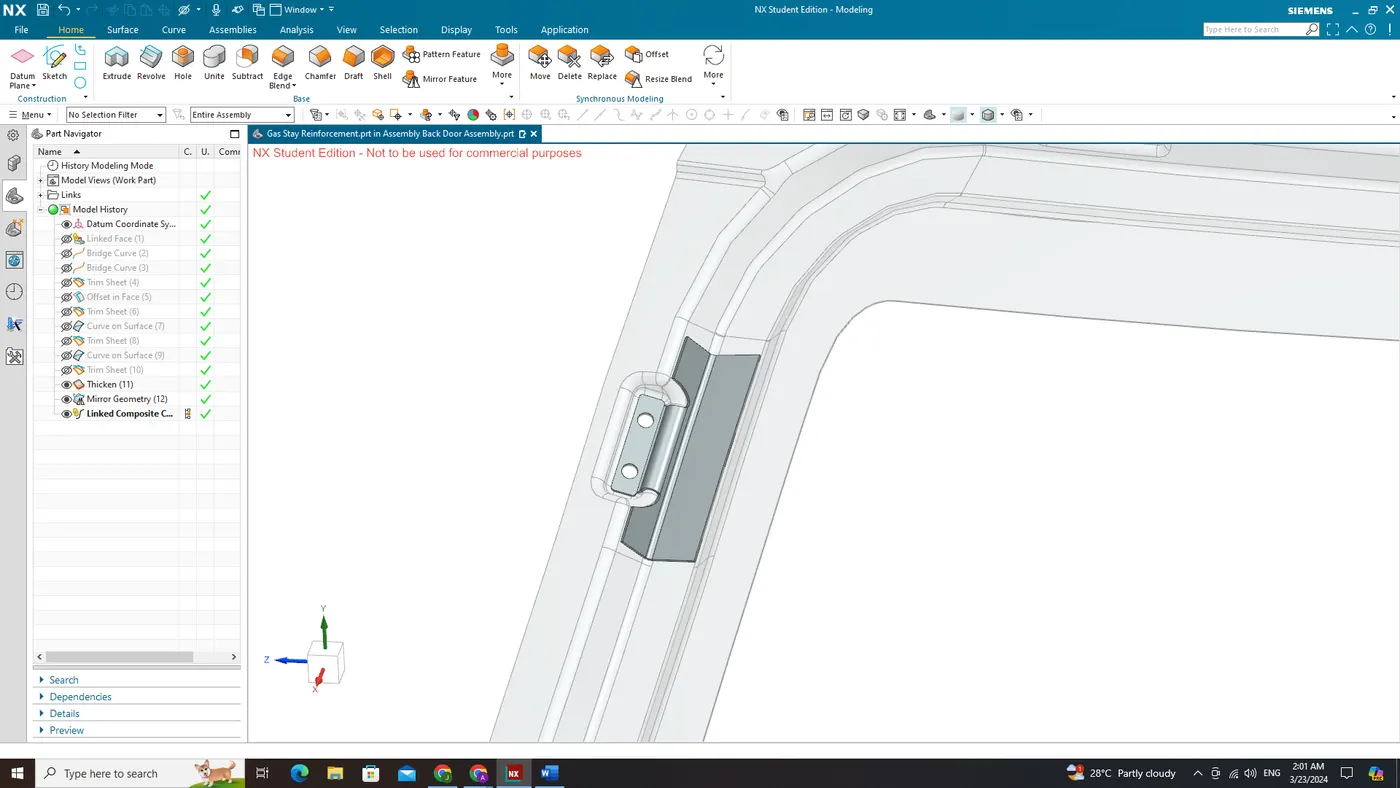
2. Gas Stay Mounting Reinforcement:
Gas stay mountings support and control the opening and shutting of hoods, trunks, and tailgates. Reinforcement in gas stay mountings provides the following advantages:
- Load Bearing Capacity
- Stability and Control
- Vibration and Noise Reduction
3. Latch and Stricker Mounting Reinforcement:
Latch and striker mountings provide secure closure and locking mechanisms in doors, hoods, and tailgates. Reinforcement in latch and striker mountings has the following benefits:
- Security and Anti-Theft
- Alignment and Engagement
- Impact Resistance
4. Wiper Motor Mounting Reinforcement:
Wiper motor mountings attach and support the wiper motor assembly that controls the windshield or rear window wiper operation. Reinforcement in wiper motor mountings offers the following advantages:
- Vibration Damping
- Stability and Alignment
- Durability and Reliability
In conclusion, reinforcement in mountings such as hinge mounting, gas stay mounting, latch and striker mounting, and wiper motor mountings in the automotive industry is critical for structural integrity, load-bearing capacity, durability, longevity, safety, crashworthiness, security, alignment, vibration damping, stability, and user convenience. Automotive designers and engineers take these factors into careful consideration to guarantee that mountings are strong and durable enough to satisfy the demanding requirements of various vehicles.
Next, we're going to work on the Upper and Lower Panel and perform the Hemming Operation with respect to the Inner Panel as well.
Hemming:
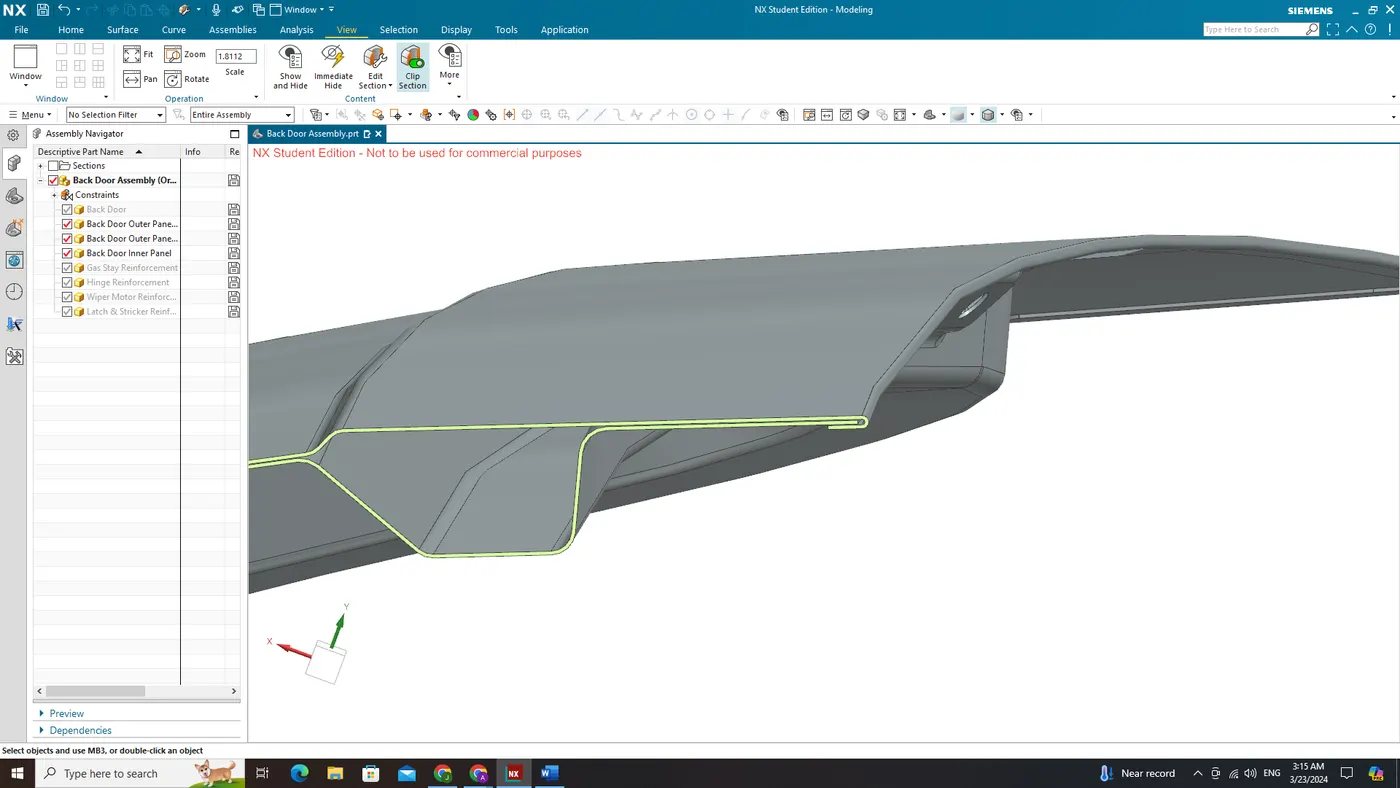
The hemming process in sheet metal involves folding and joining two or more layers of metal to create a secure joint. It is widely used in various industries, including automotive, aerospace, and appliance manufacturing.
1. Back Door Outer Panel Upper:
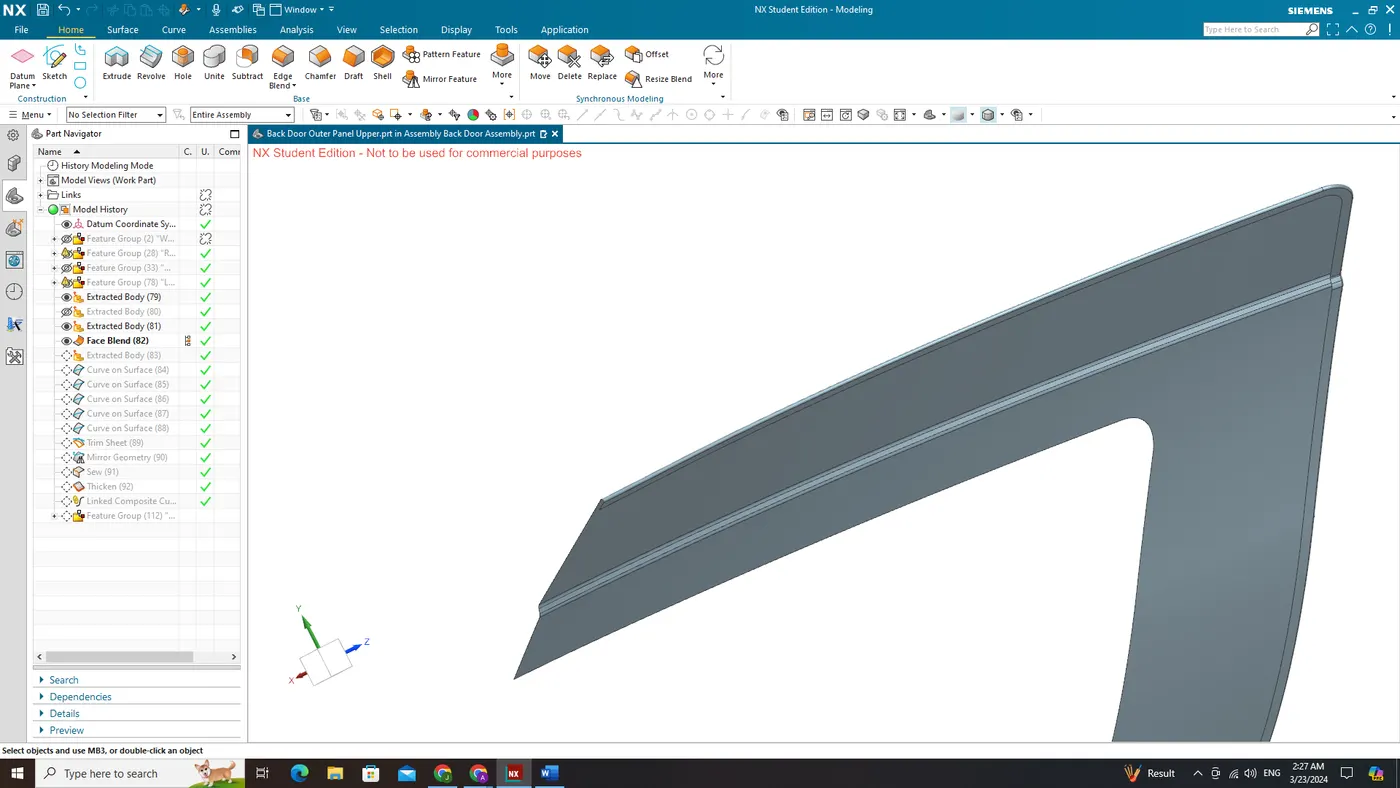
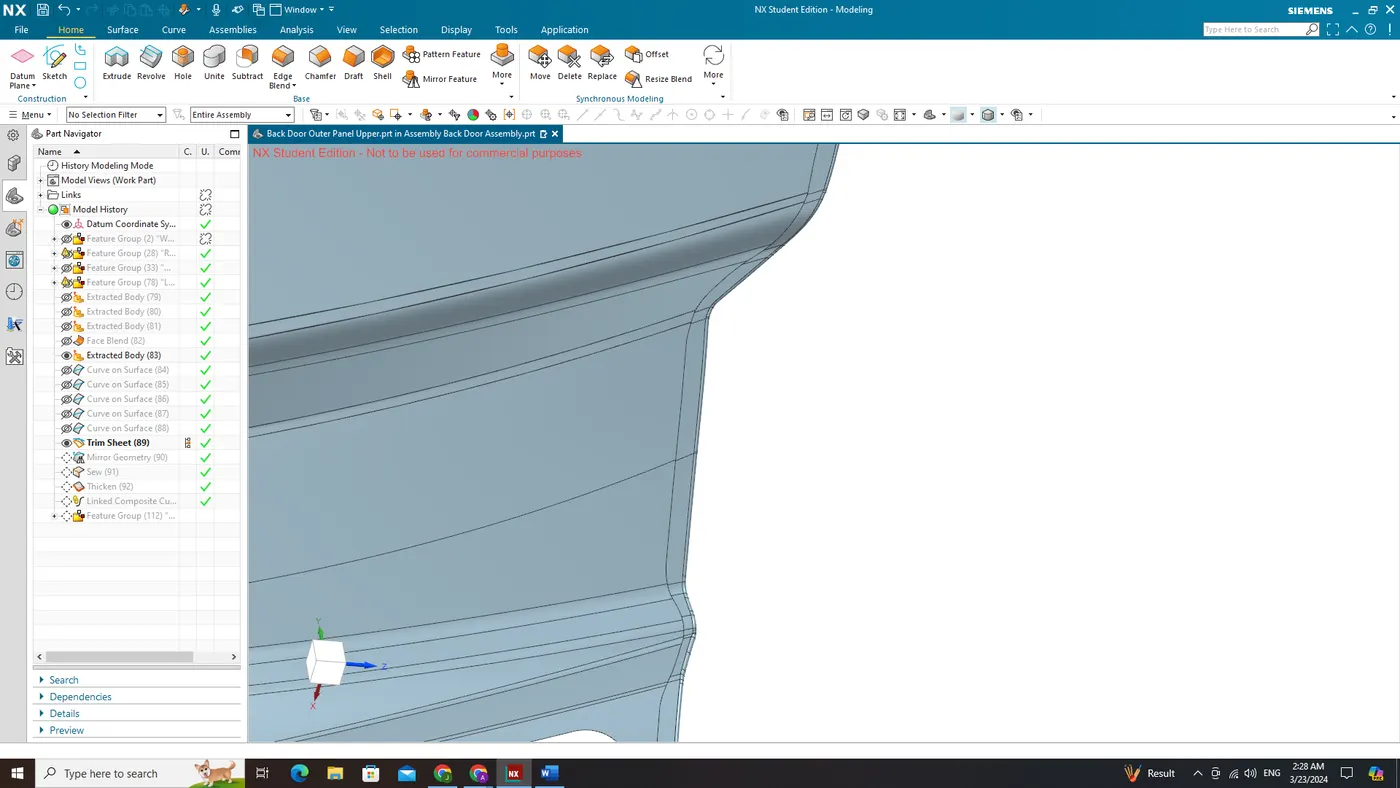
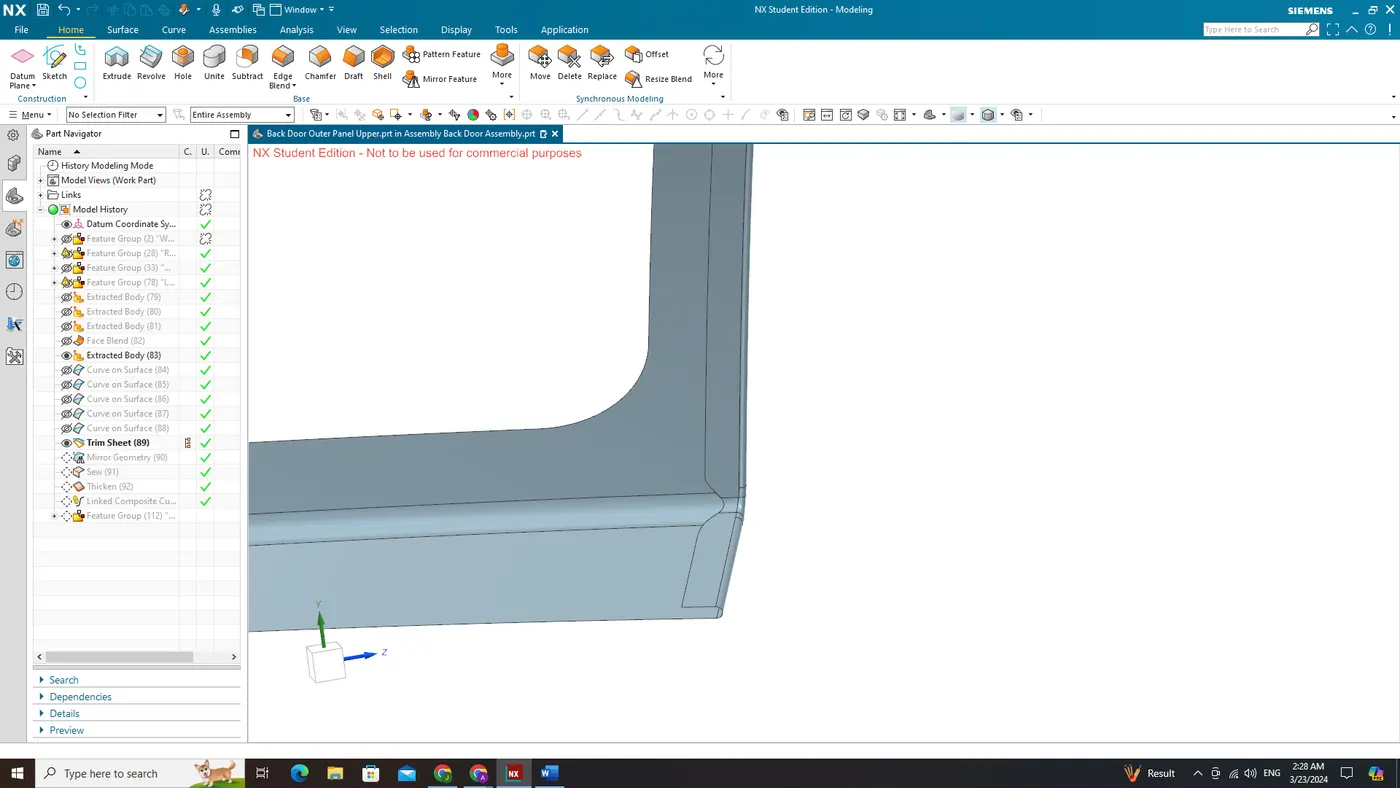
We'll offset the Class A Surface by 2.65 mm and create a 8 mm surface along the edges to create the flange for hemming using various options such as 'Offset Curve in Face', 'Through Curve Mesh', 'Bridge Curve', 'Trim Sheet', etc.
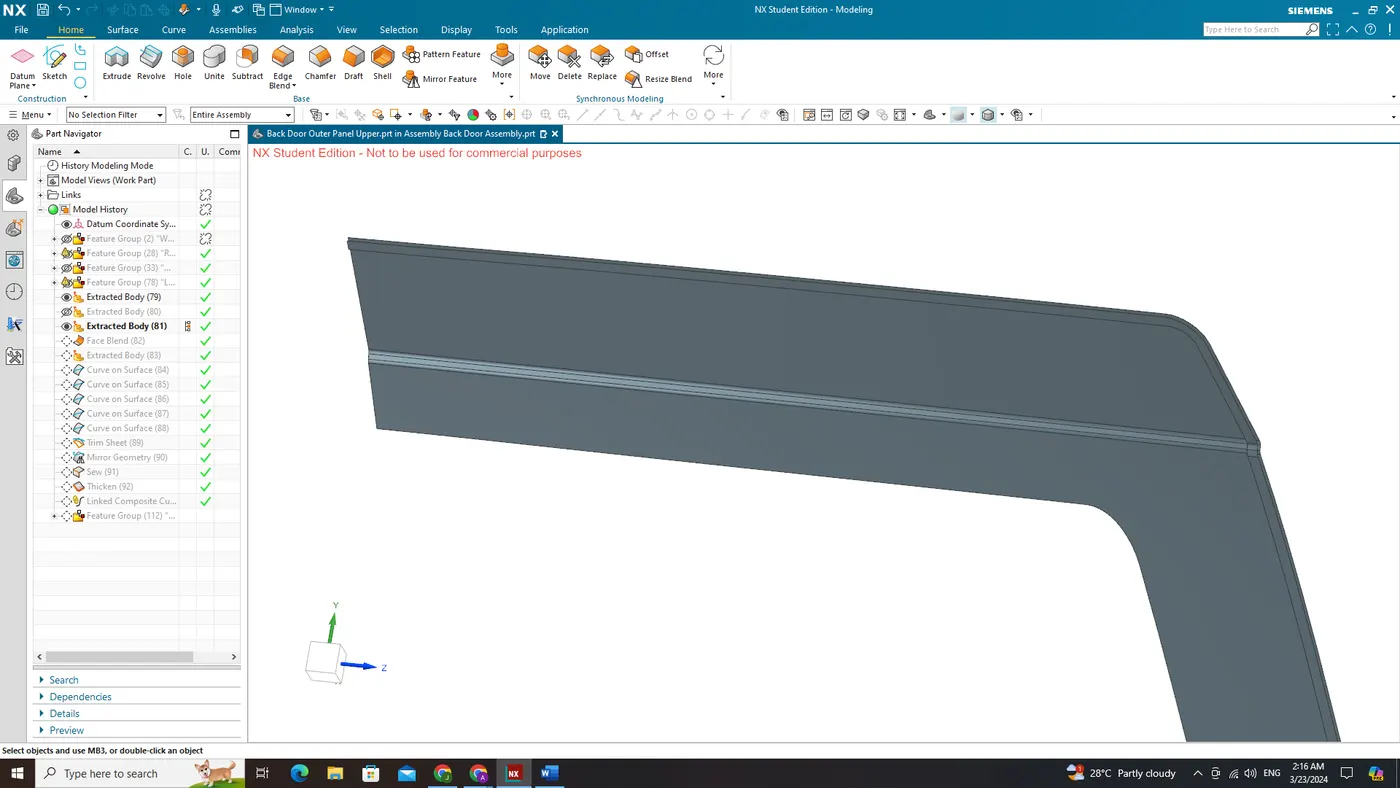
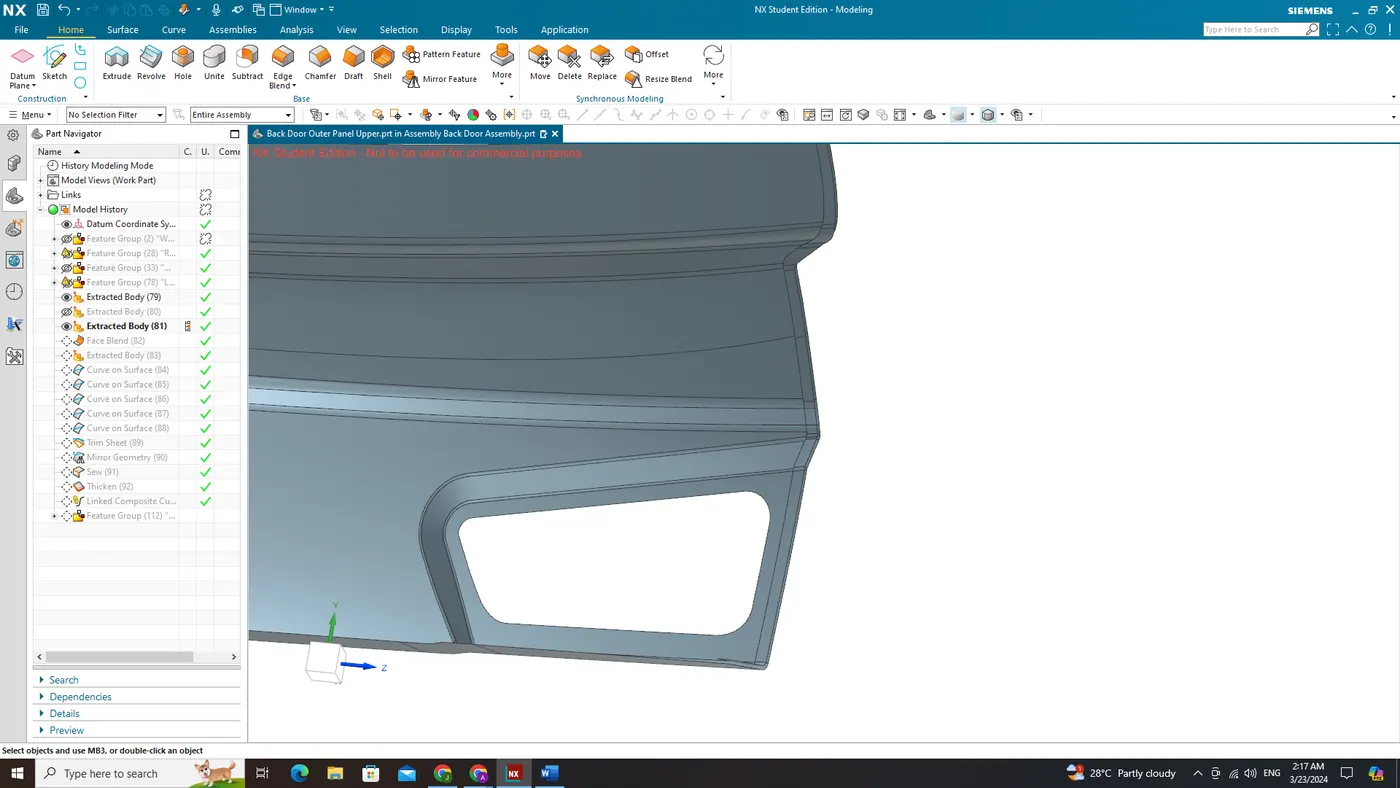
We take the class A surface edges and use 'Law Extension' to create a surface.
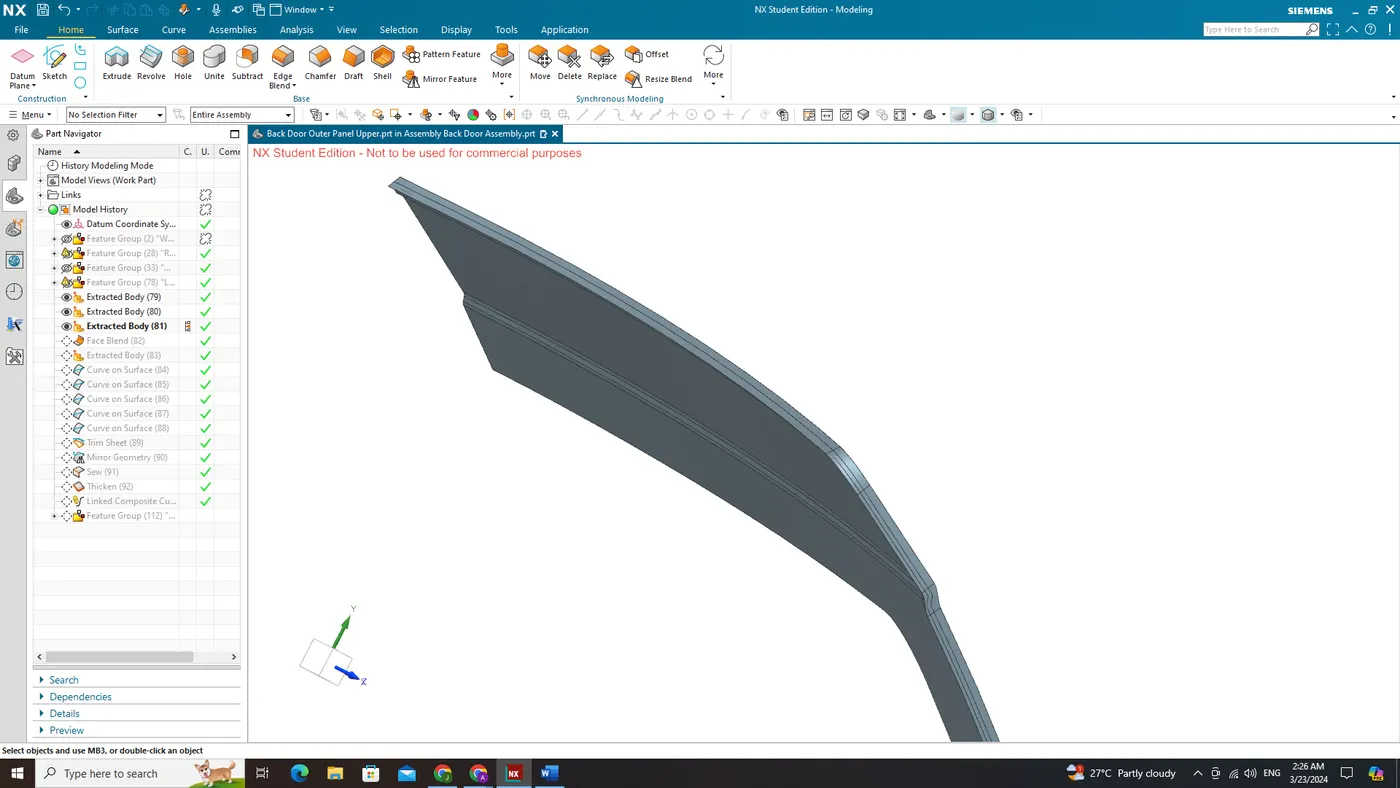
Finally, we're going to use the 'Face Blend' option with the Three-face Method to create the blended surface between these surfaces as shown below
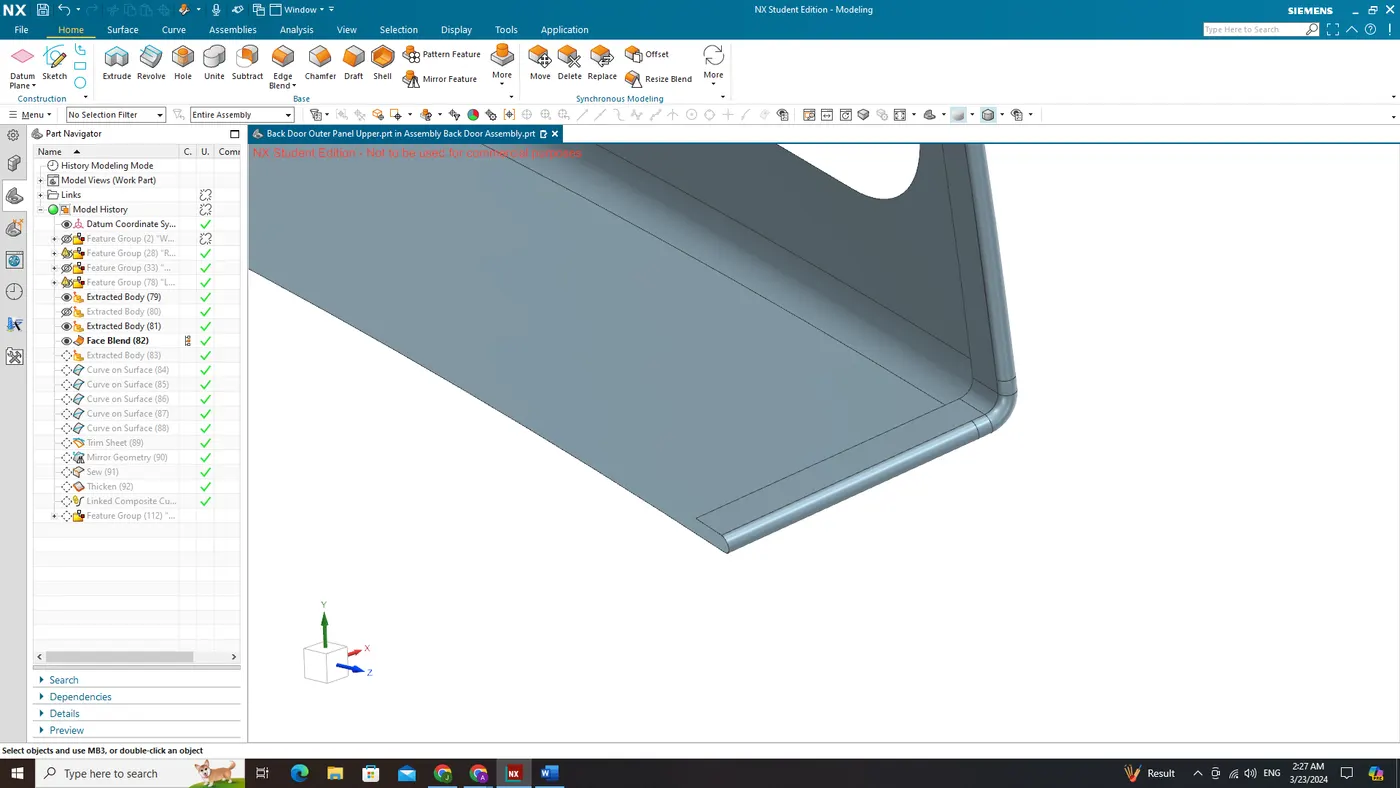
Hem Relief Back Door Outer Panel Upper:
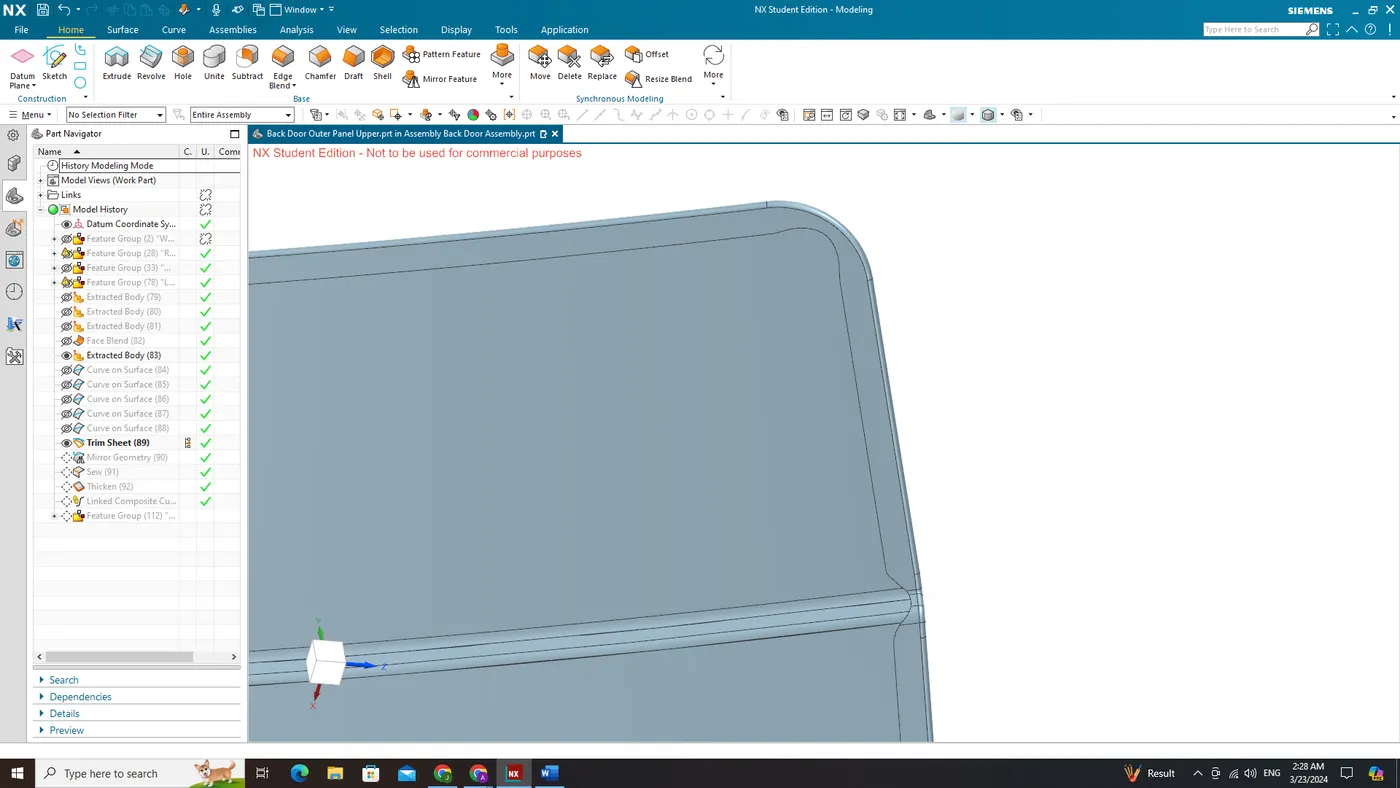
Thicken:
2. Back Door Outer Panel Lower:
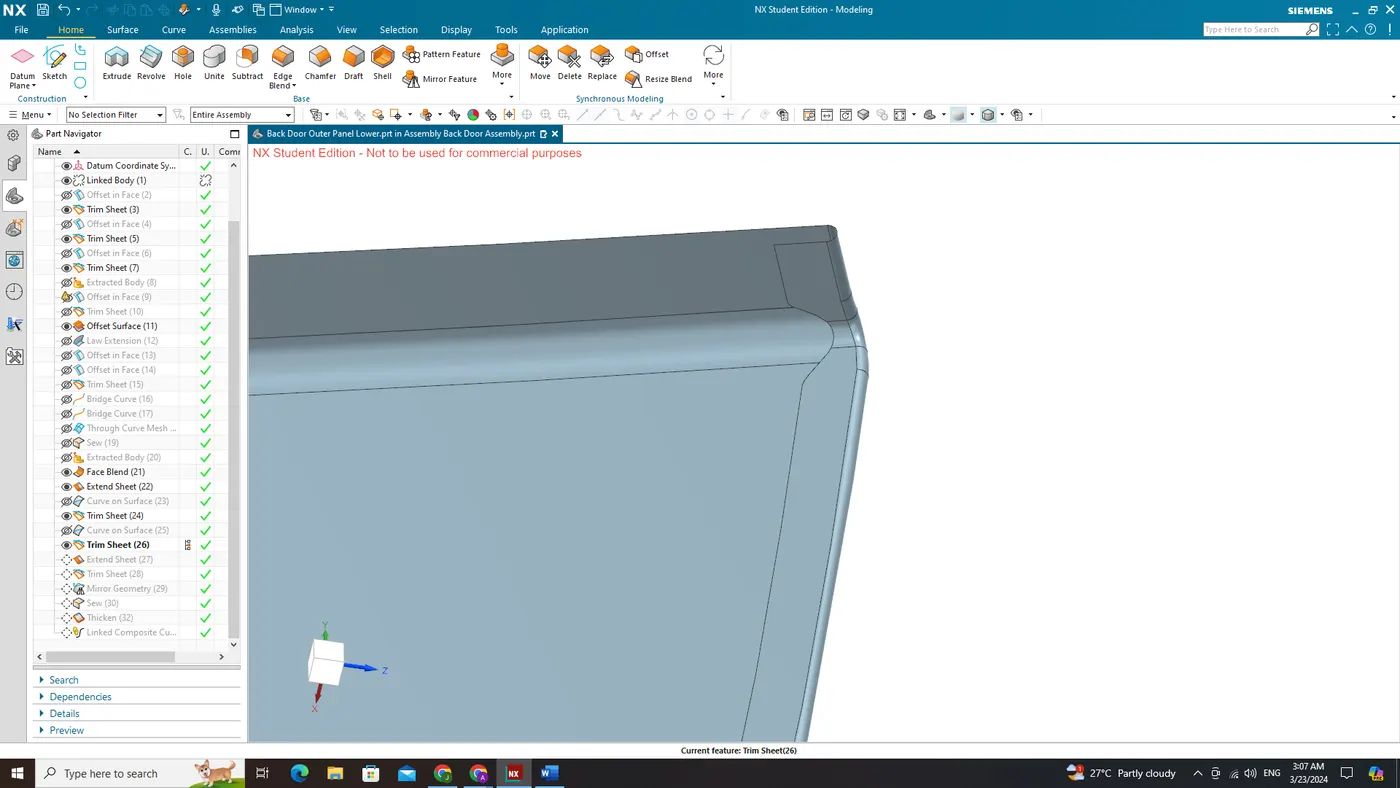
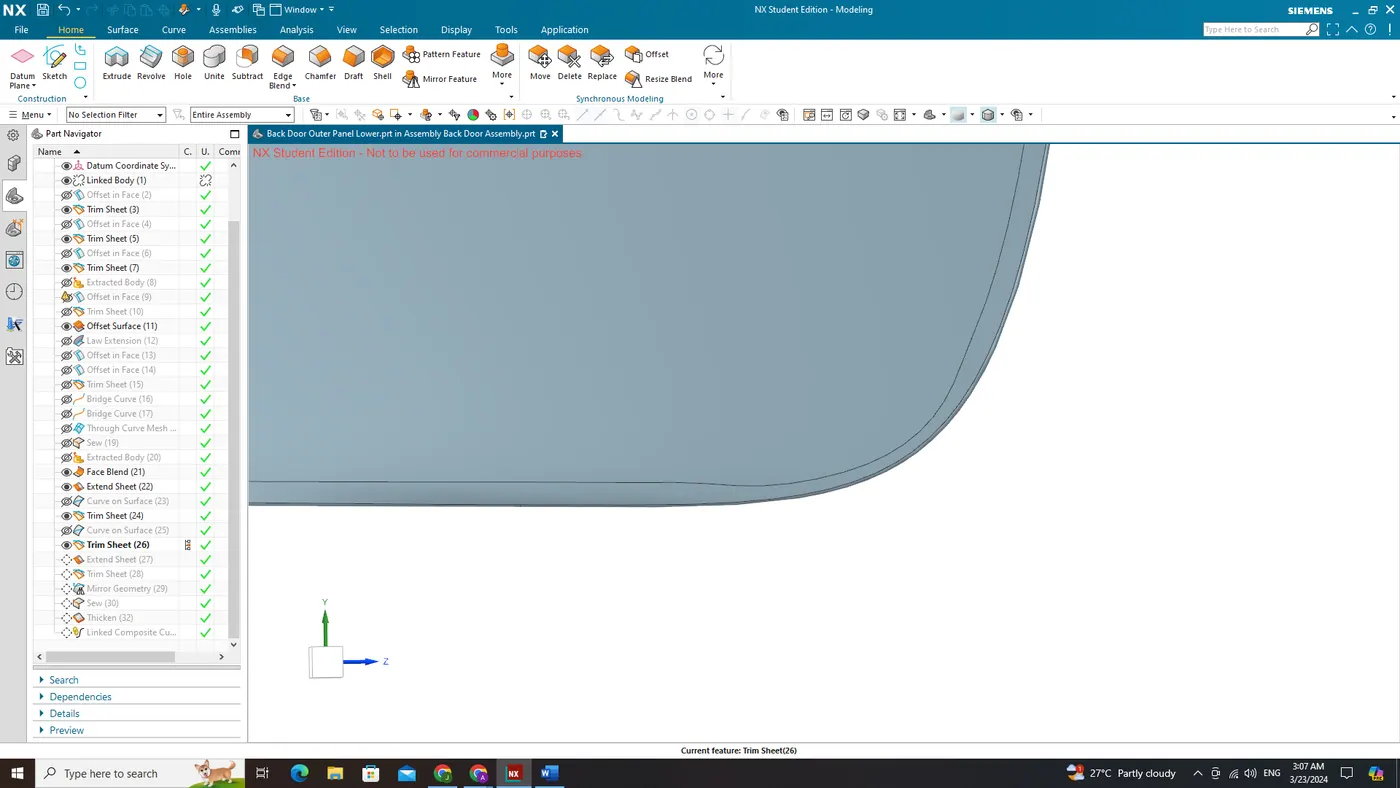
We'll offset the Class A Surface by 2.65 mm and create a 8 mm surface along the edges to create the flange for hemming using various options such as 'Offset Curve in Face', 'Through Curve Mesh', 'Bridge Curve', 'Trim Sheet', etc.
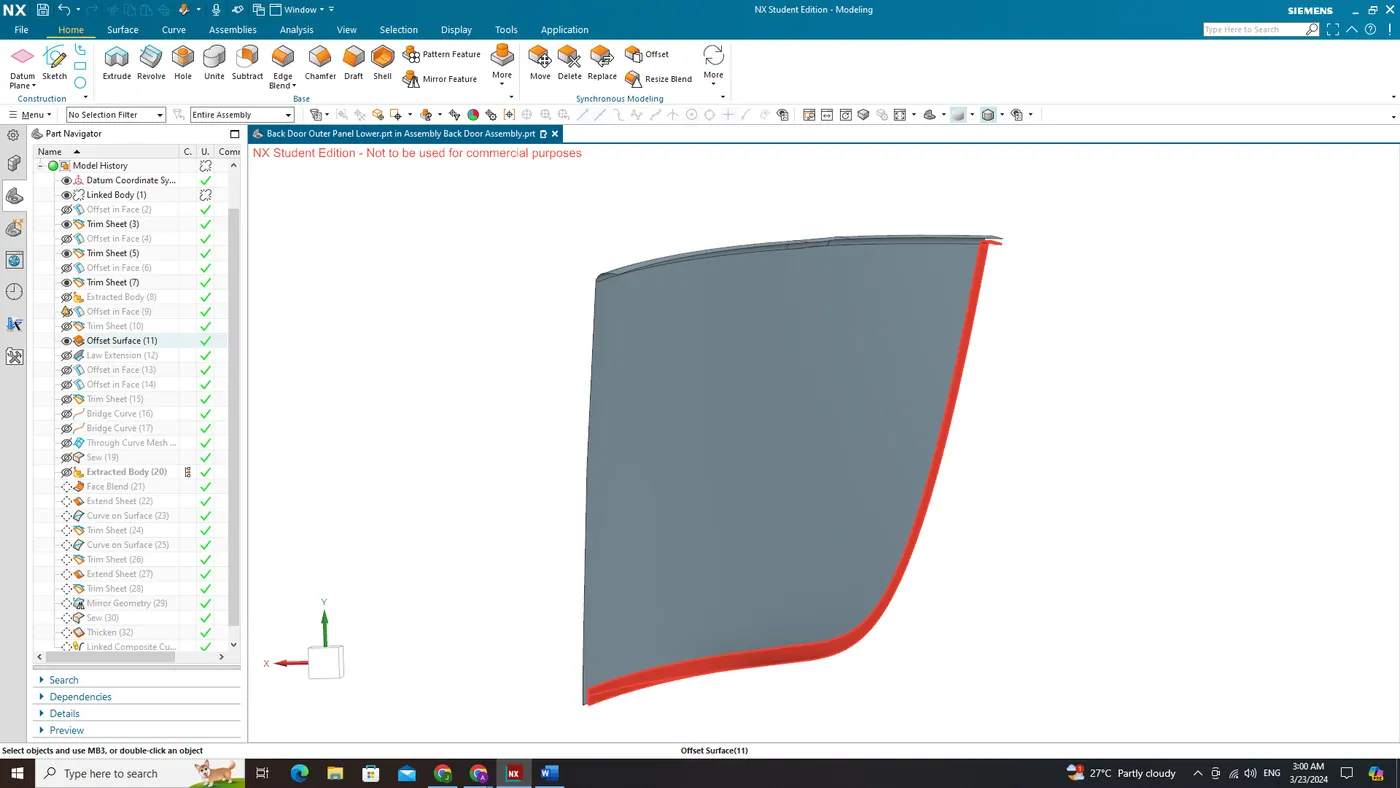
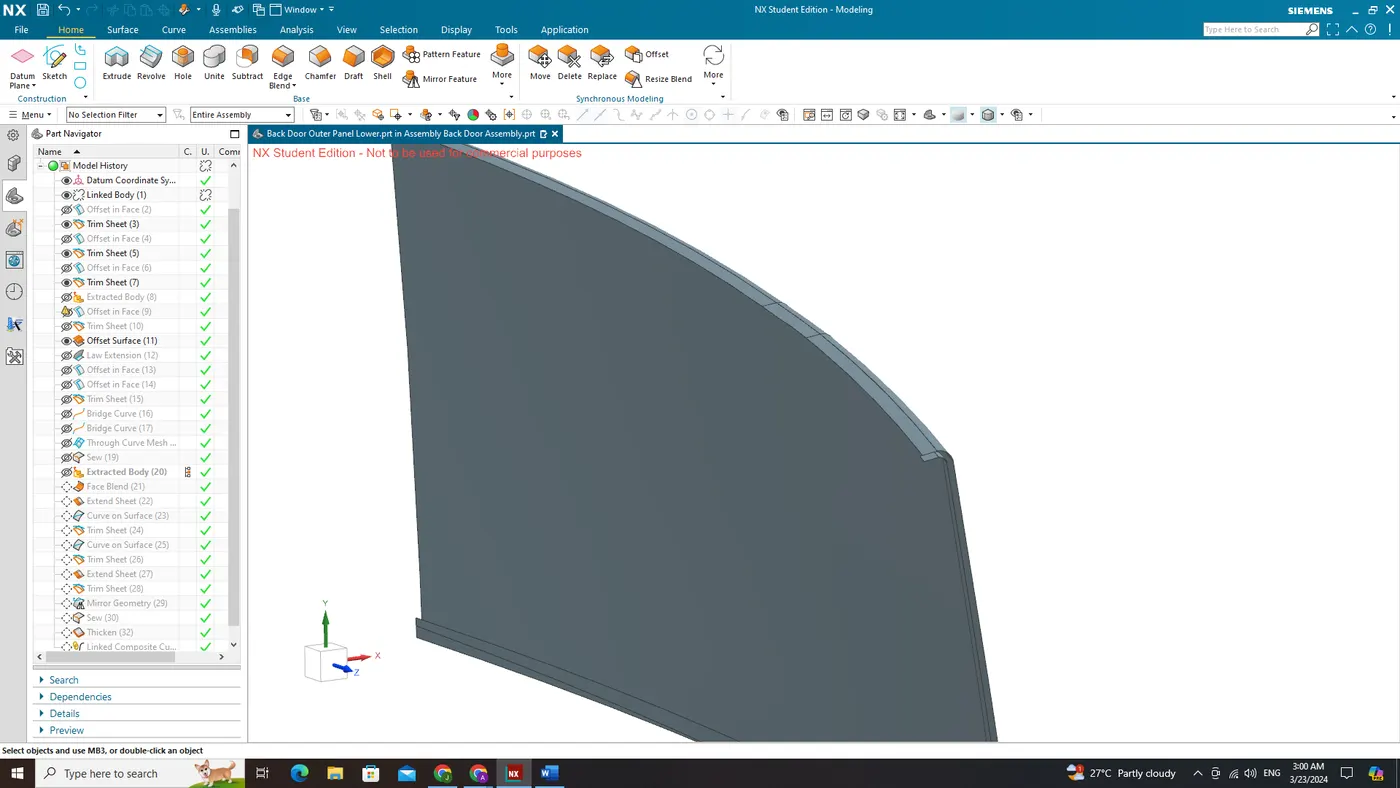
We take the class A surface edges and use 'Law Extension' to create a surface.
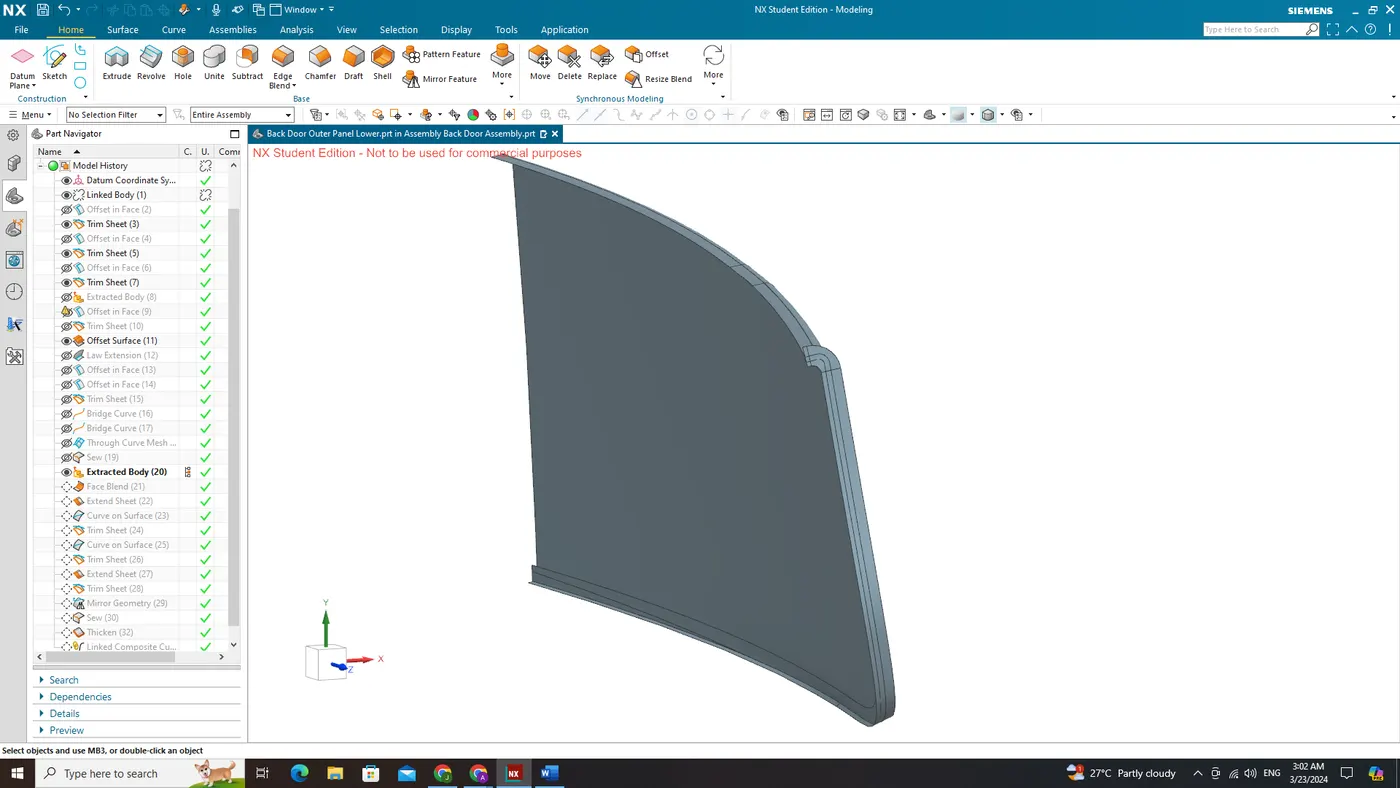
Finally, we're going to use the 'Face Blend' option with the Three-face Method to create the blended surface between these surfaces as shown below
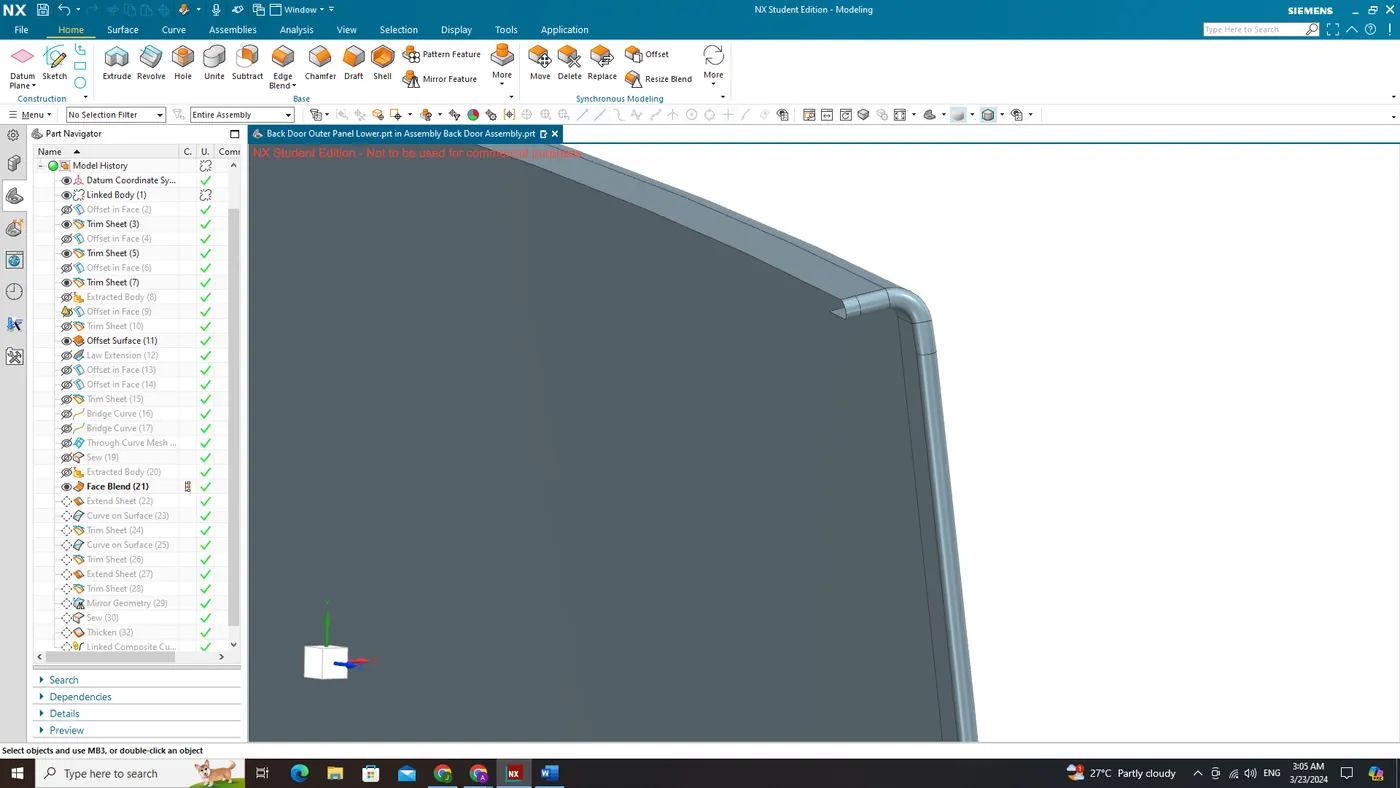
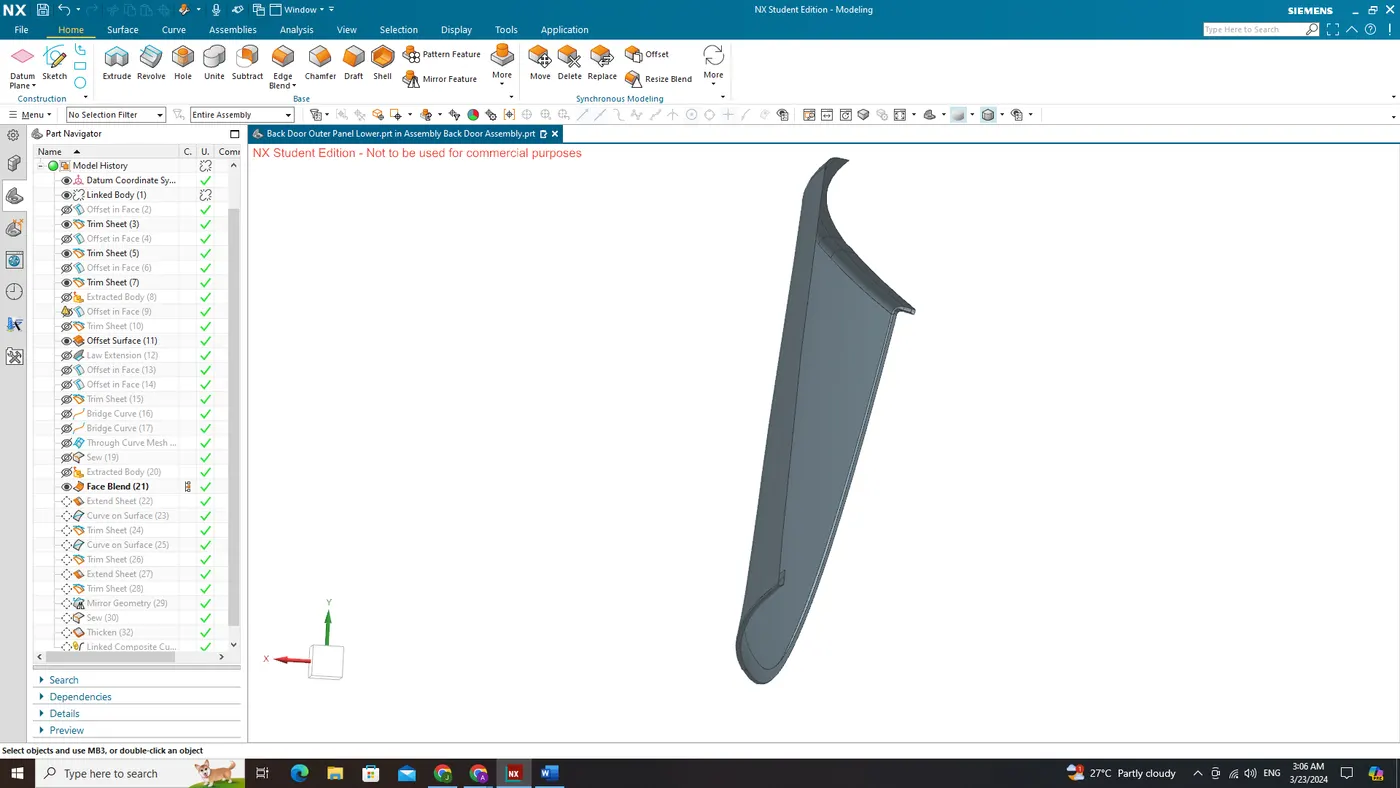
Hem Relief Back Door Outer Panel Upper:
Thicken:
Clip Section:
Draft Analysis:
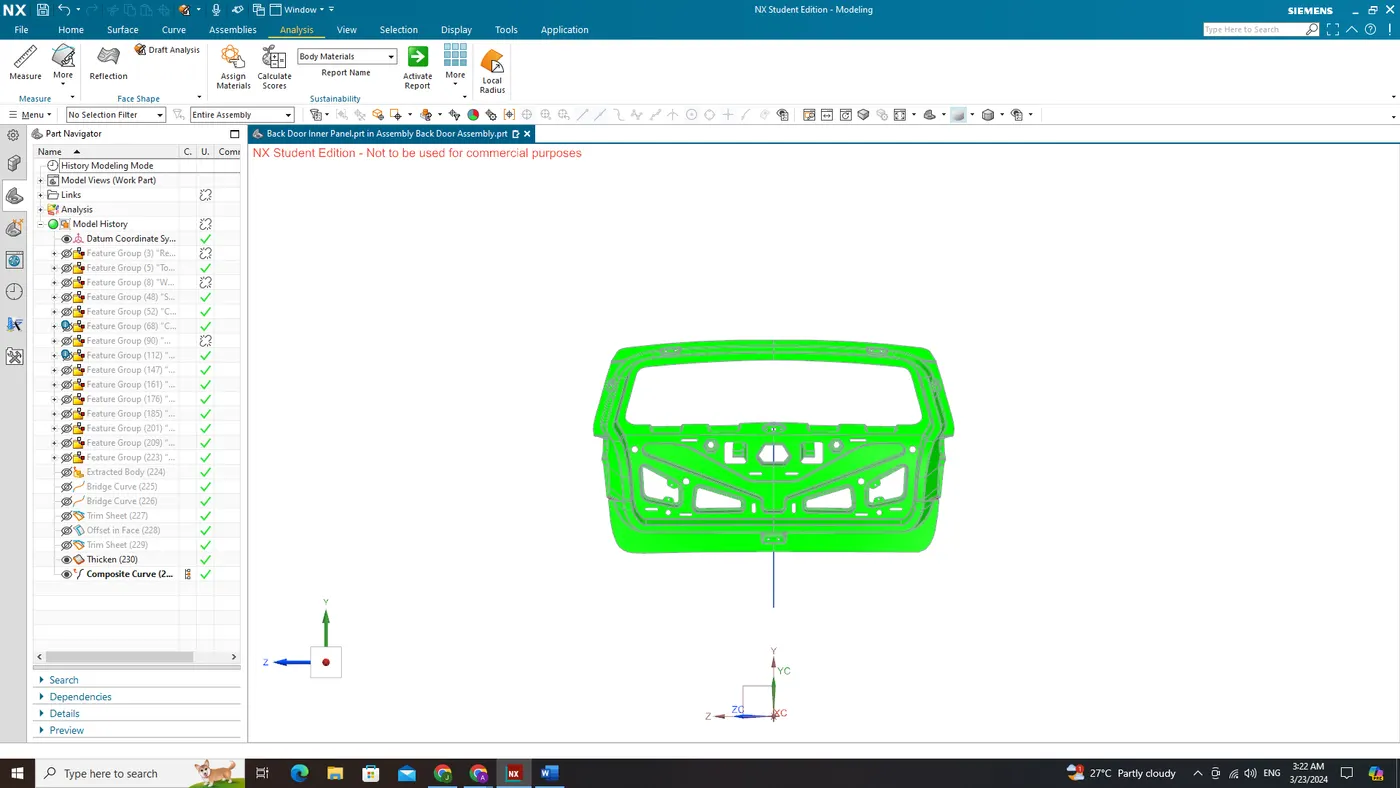
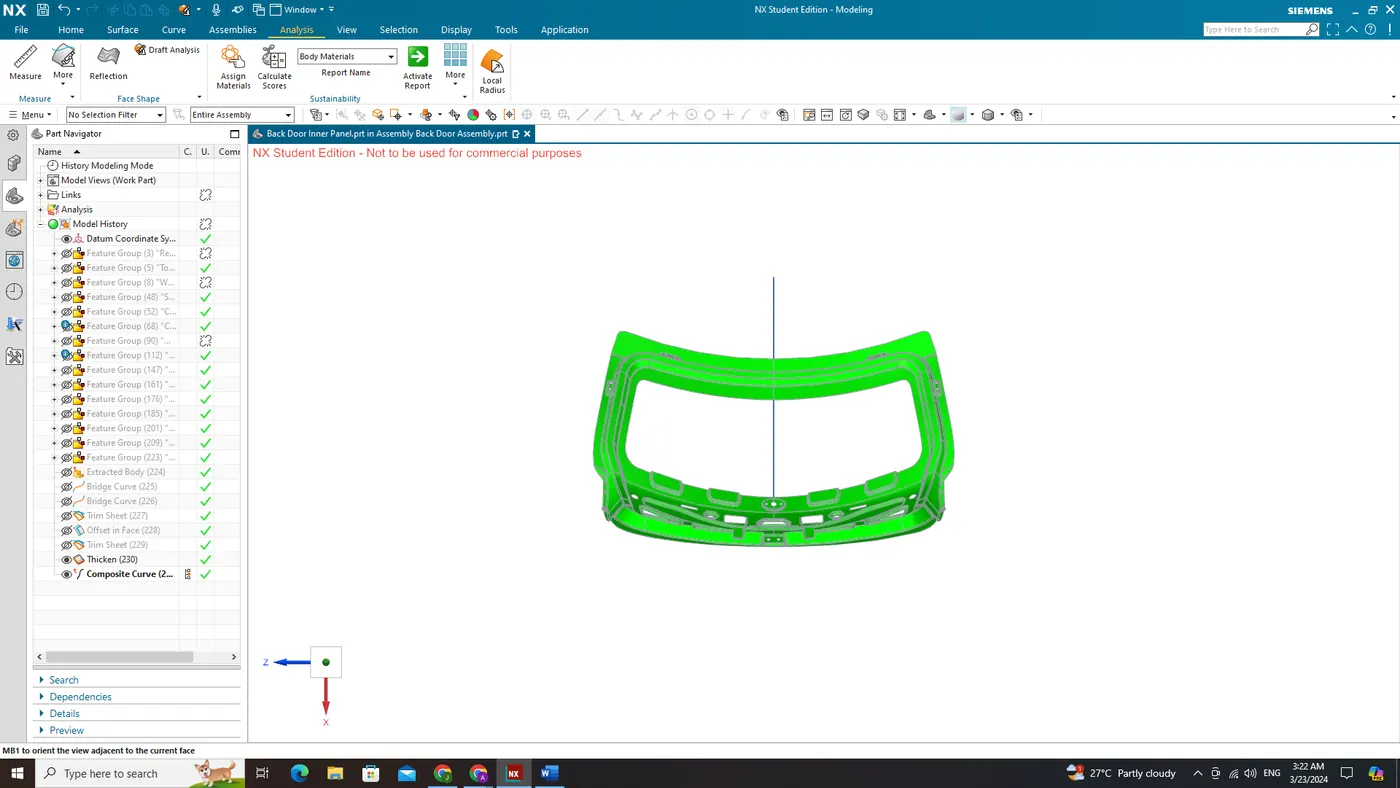
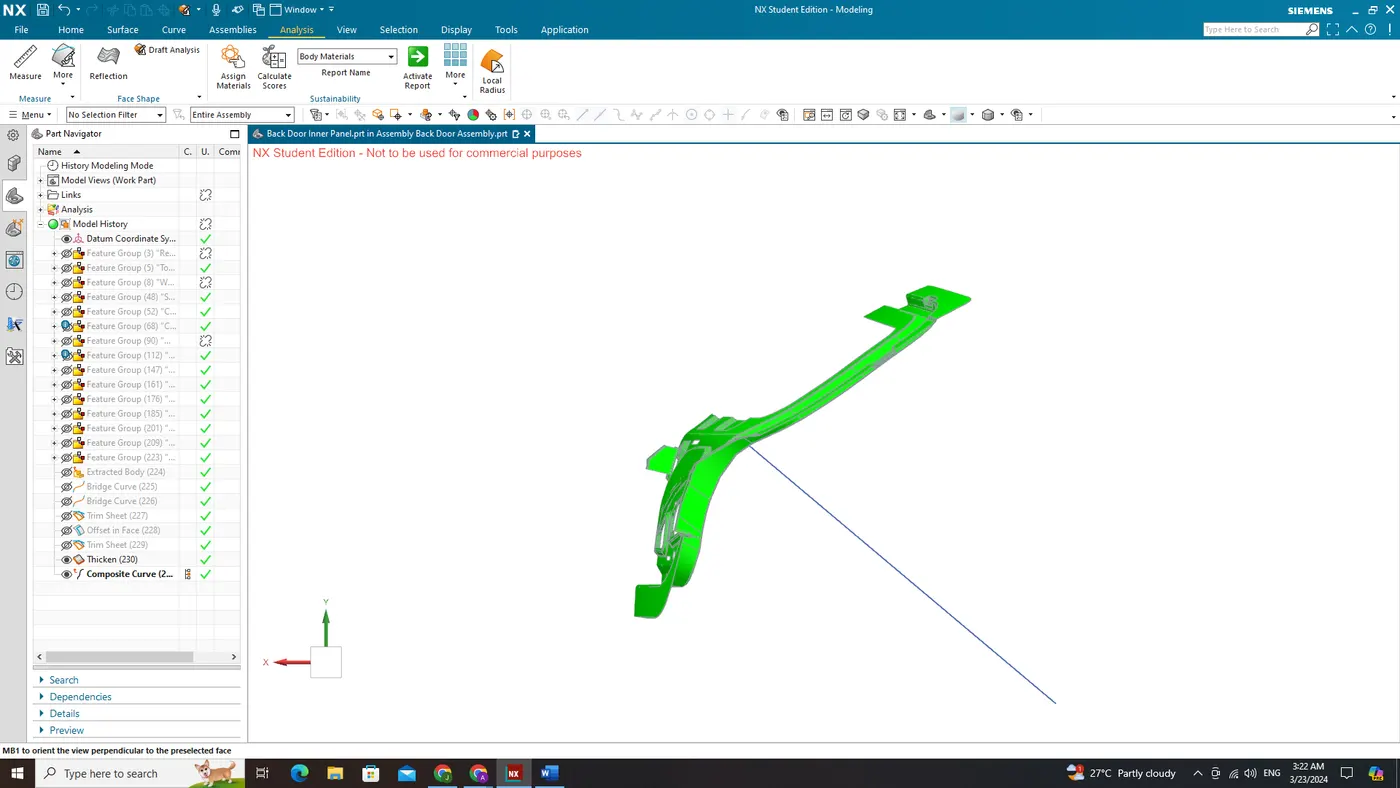
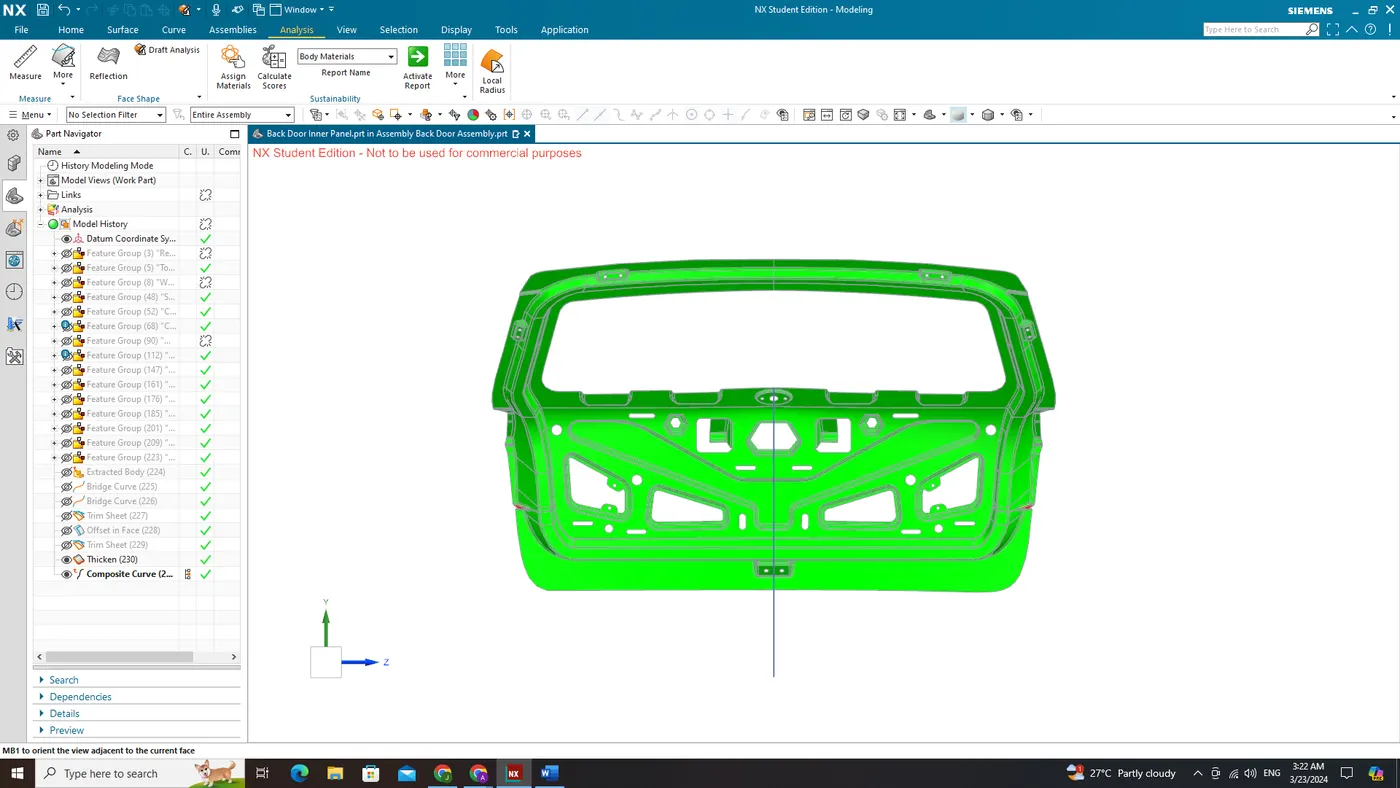
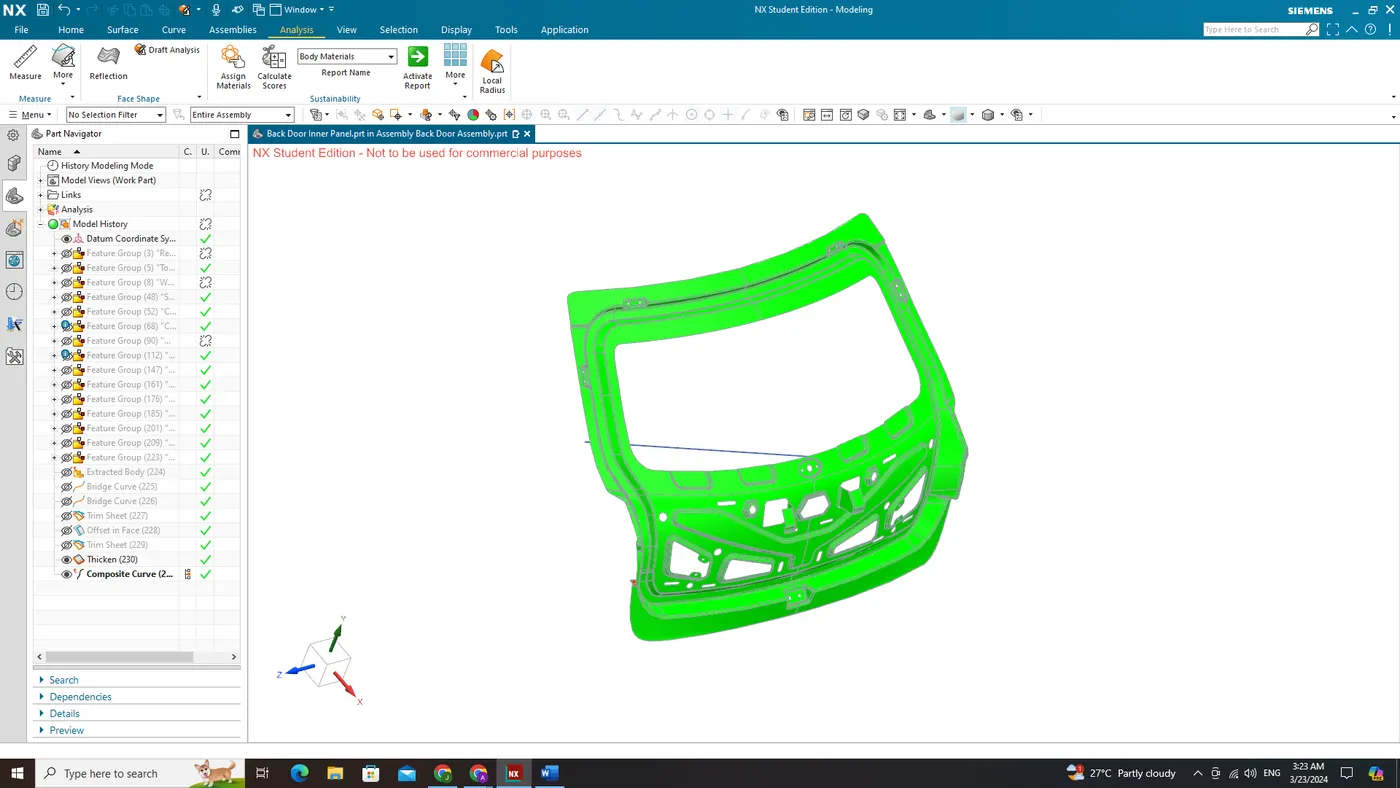
Draft analysis is crucial for sheet metal components due to the manufacturing process involved, which typically includes forming or bending the metal sheet into the desired shape. The minimum draft angle requirement of 7 degrees for sheet metal components is significant for several reasons.
Final Assembly:
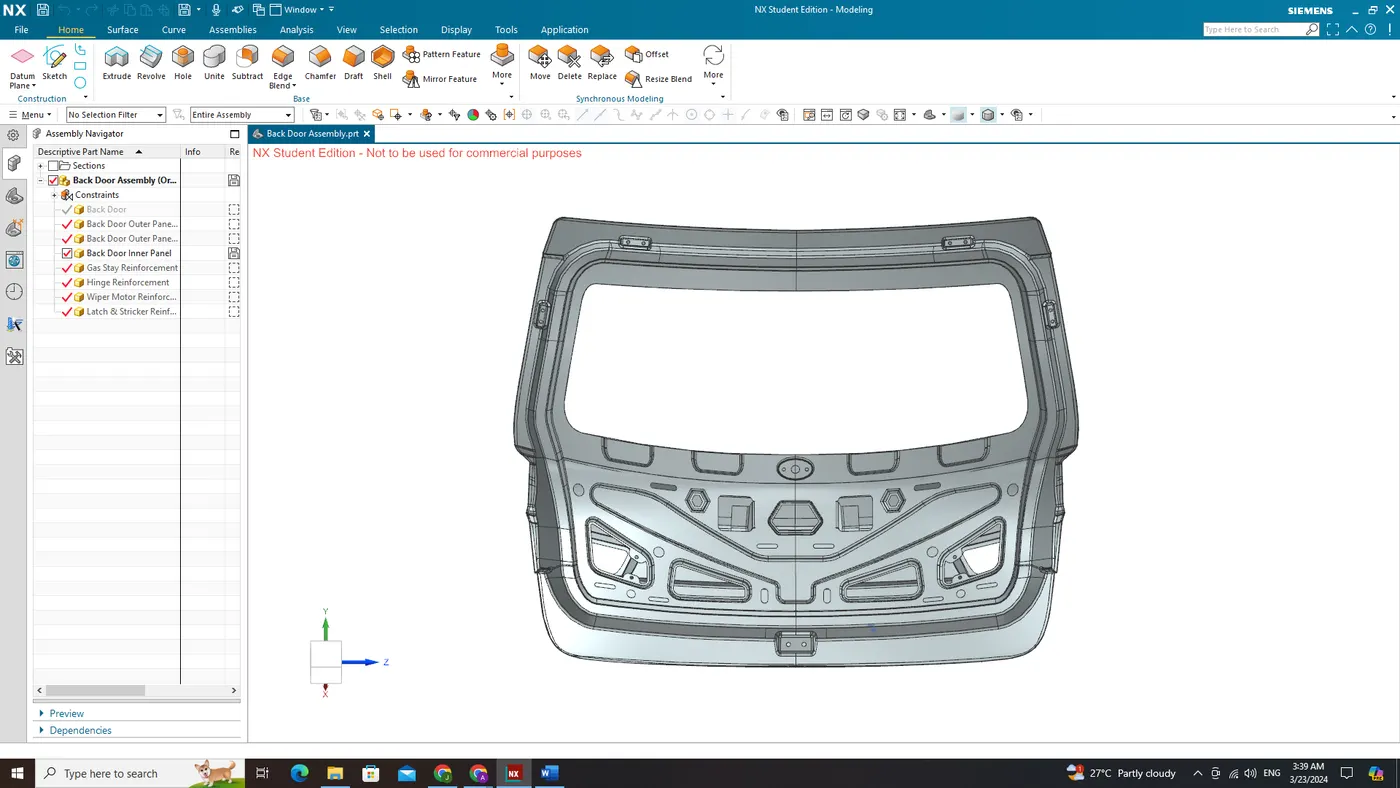
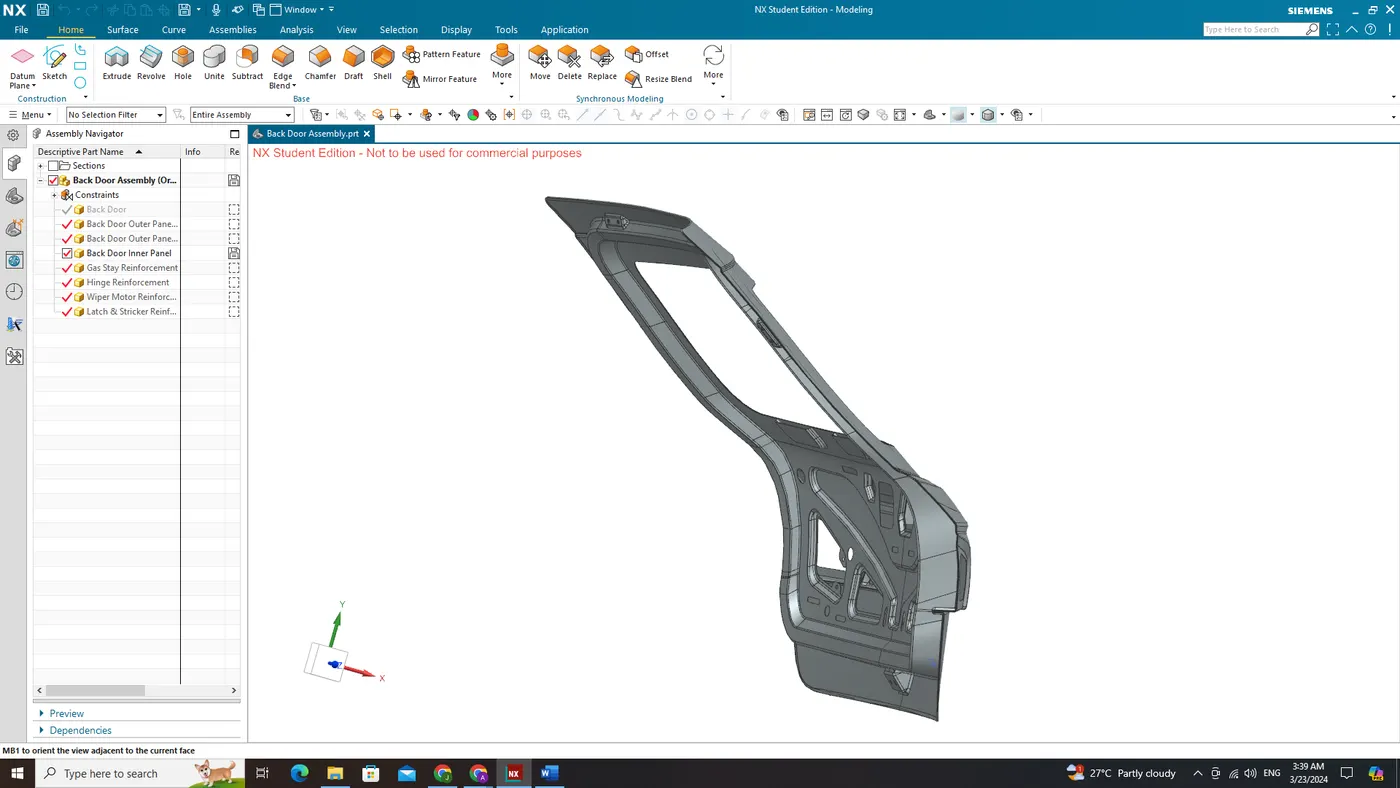
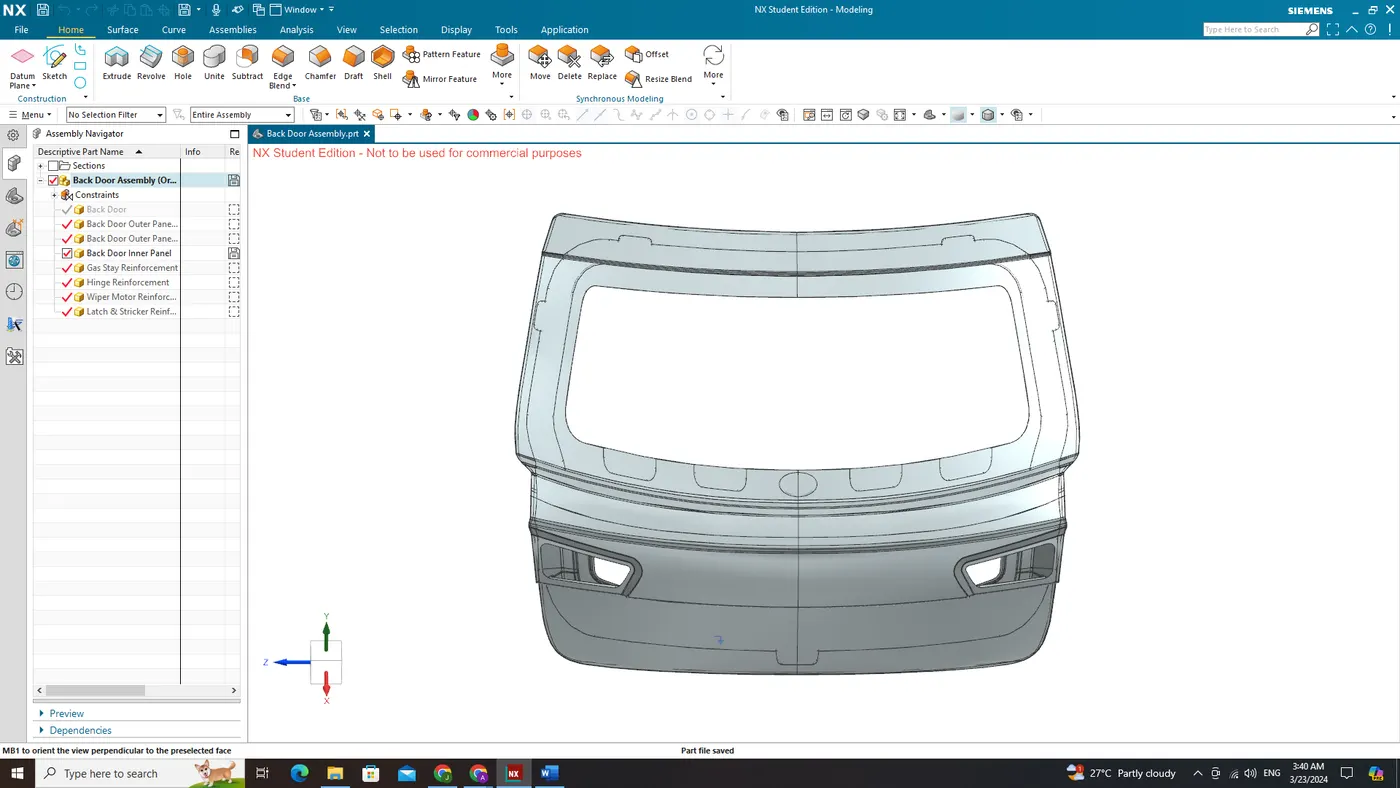
Therefore, the Back door was meticulously crafted, incorporating distinct styling elements and reinforced with necessary reinforcements and emboss definitions. Thorough draft analysis was conducted on the Inner Panel ensuring the highest level of precision and attention to detail.
NOTE:
As the file size is greater than 20MB, I have uploaded in my google drive and here is the link for it.
https://drive.google.com/file/d/1t36xfnFwzWAMlPFMHuIgd8qorn1oYCiD/view?usp=drive_link