Design of backdoor
Design of backdoor challange:
1.0 Objective
The objective of this document is to develop a comprehensive design for a back door, utilizing the provided styling surface. This design will adhere to appropriate design methodologies, incorporate necessary reinforcements, and detail embossing techniques.
2.0 Introduction
2.1 Back Door
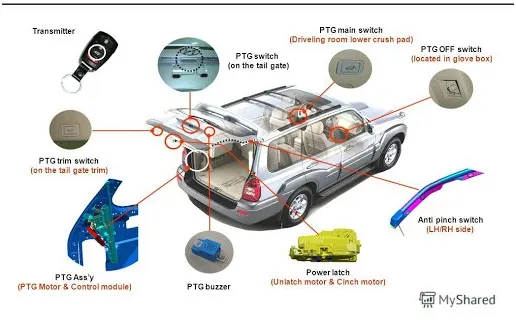
The back door, often referred to as a tailgate, is an essential component of a vehicle, providing access to the cargo area. It typically encompasses the rear of the vehicle and can be hinged at various positions, such as the top, side, or bottom. While traditionally operated manually, modern advancements include automated features for enhanced convenience.
3.0 Manufacturing Process
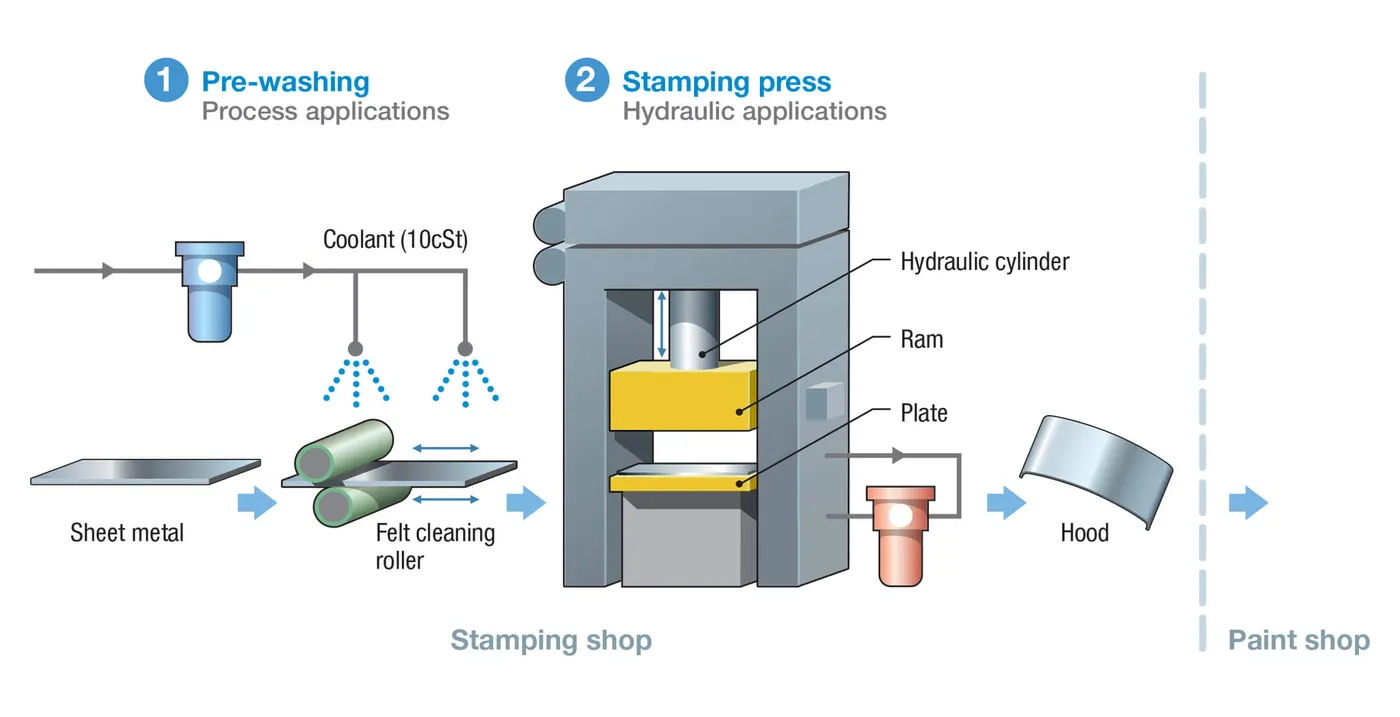
Conventional tailgate assemblies are predominantly crafted from stamped metal panels, welded together to form a cohesive structure. However, the production of steel tailgate components necessitates substantial tooling and equipment investments, contributing to higher costs.
3.1 Material Selection for Body Panels
The selection of materials for car body panels is critical, with an emphasis on characteristics such as formability, strength, and corrosion resistance. Higher Strength Low Alloy (HSLA) steels are increasingly favored for weight reduction and improved fuel economy. Additionally, ongoing research explores alternative materials like aluminum and plastics to further reduce vehicle weight and manufacturing costs.
3.2 Stamping Process
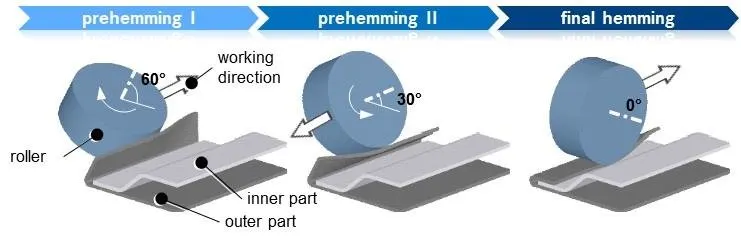
Stamping processes, including blanking, drawing, piercing, forming, and hemming, are integral to shaping automotive panels. Each process is tailored to the specific design requirements, ensuring optimal formability and dimensional accuracy.
4.0 Back Door Design
The design of the back door encompasses various considerations to optimize functionality, strength, and aesthetic appeal.
4.1 Components of the Back Door
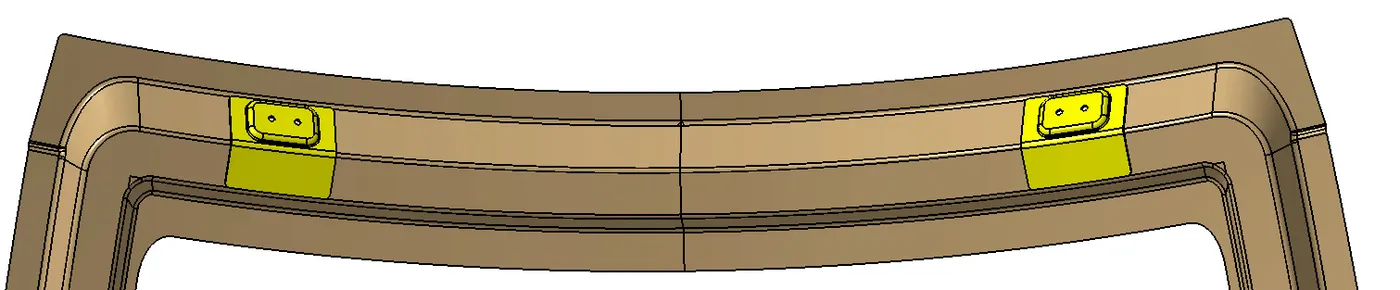
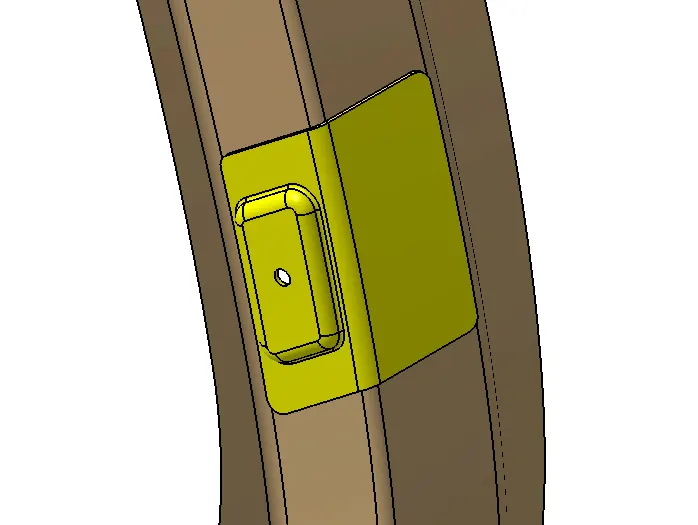
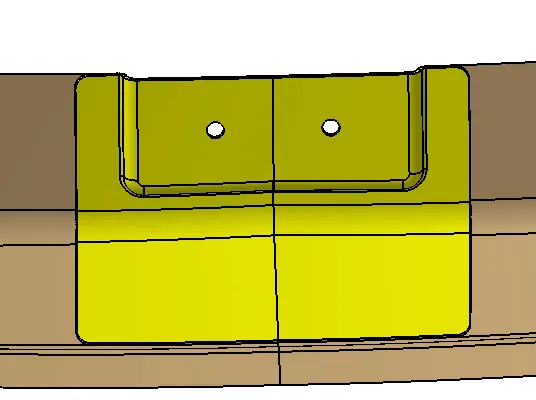
The back door design comprises an outer panel (upper and lower), inner panel, and reinforcements for hinges, gas stays, latches, strikers, and wiper motors. Each component is meticulously designed to withstand operational forces and enhance overall structural integrity.
4.2 Back Door Outer Panel
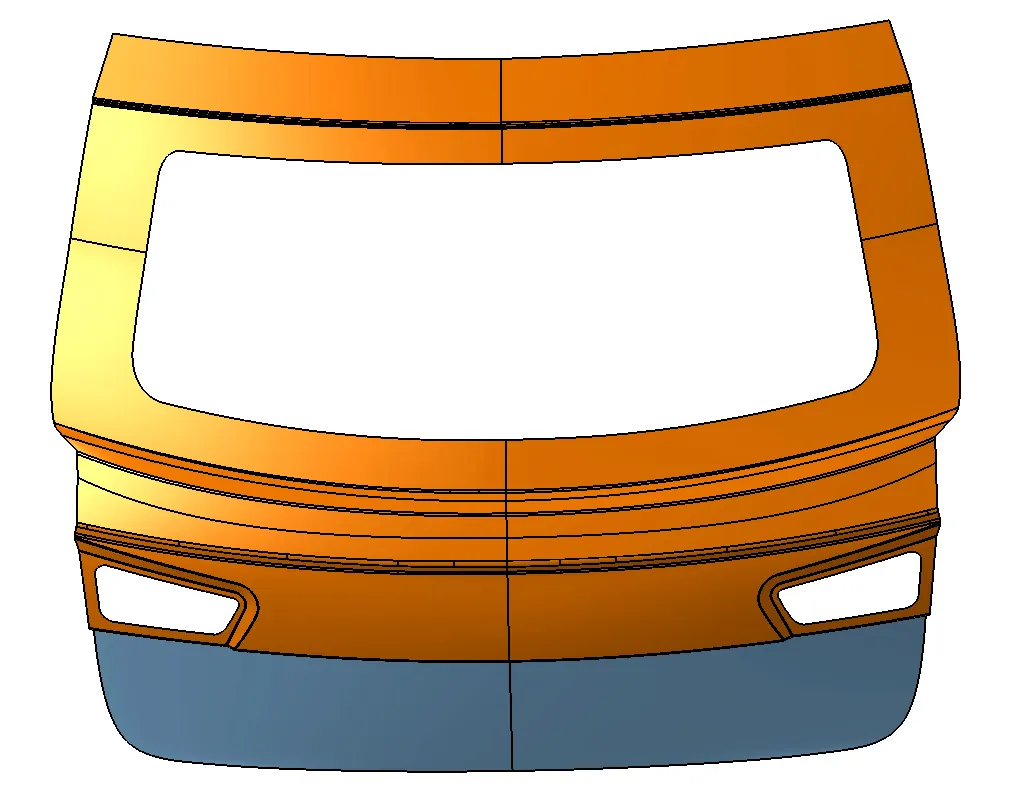
The outer panel design prioritizes visibility and features reliefs for seamless hemming operations. With a thickness of 0.75 mm, this panel ensures both durability and aesthetic appeal.
4.3 Back Door Inner Panel
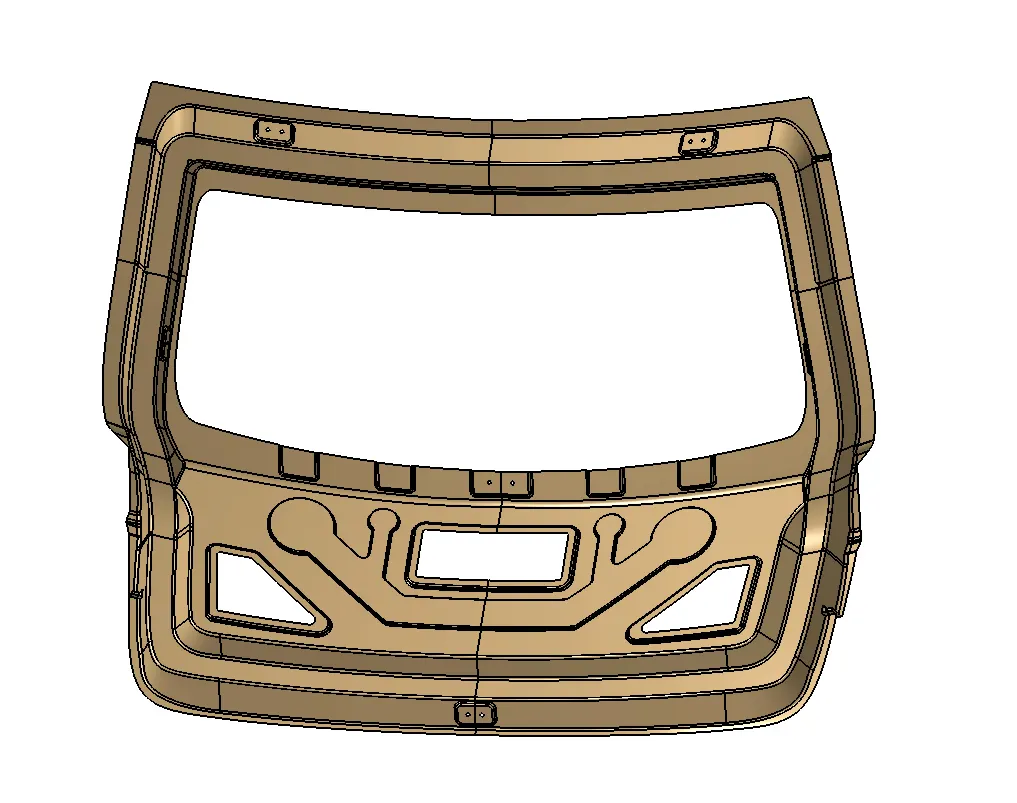
The inner panel design integrates reinforcements for hinges, gas stays, latches, strikers, and wiper motors. Embossing techniques are employed to dissipate forces during collisions, enhancing safety and durability.
4.4 Hemming and Reinforcements
Proper hemming techniques, coupled with adhesive bonding, ensure secure joining of inner and outer panels. Reinforcements are strategically placed to reinforce critical areas and withstand operational stresses.

5.0 Draft Analysis
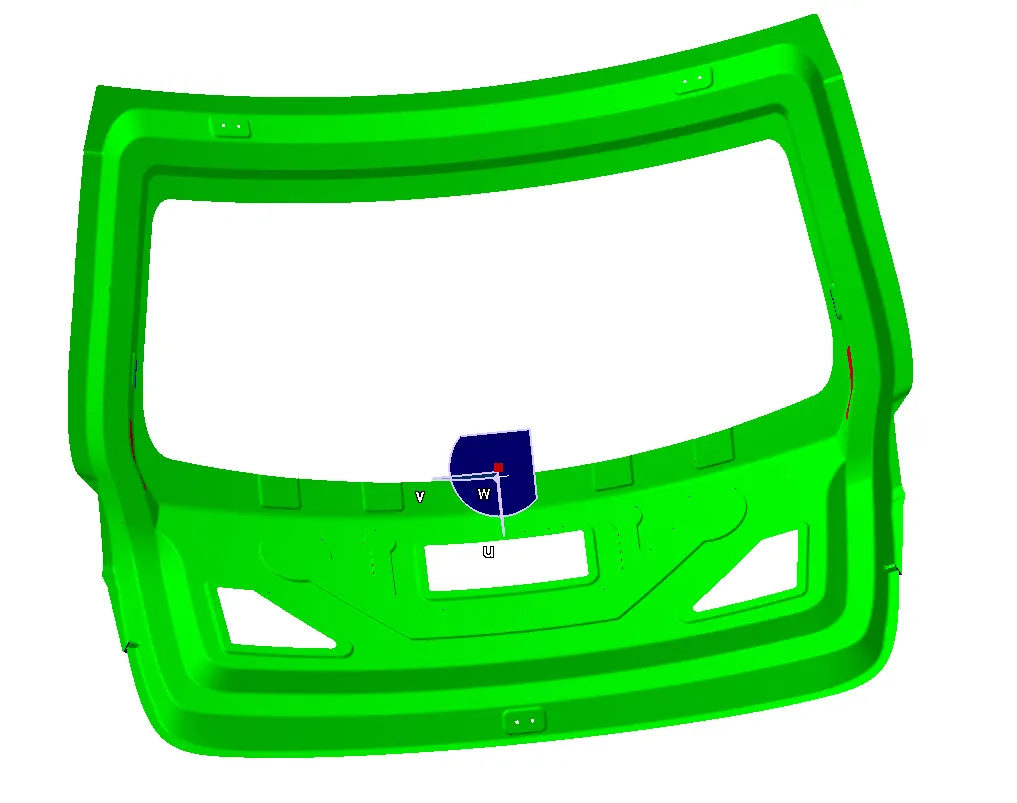
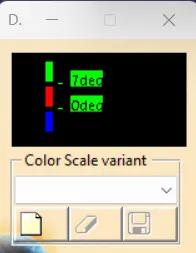
A comprehensive draft analysis is conducted to assess the suitability of the design for stamping operations. This ensures optimal tooling direction and identifies potential areas for improvement.
6.0 Conclusion
In conclusion, the back door design incorporates meticulous attention to detail, adhering to industry standards and best practices. With robust reinforcements, precise embossing, and efficient manufacturing processes, the designed back door exemplifies excellence in automotive engineering.