Design of backdoor
Design of backdoor
AIM- To Design Back Door Outer Panel, Inner Panel and its reinforcements by considering the Design parameters .
PROCEEDURE
- Preparation of inner panel from the outer panel while considering the design parameters.
- Force transmission Emboss and mastic sealing flange been created on the inner panel of the back door .
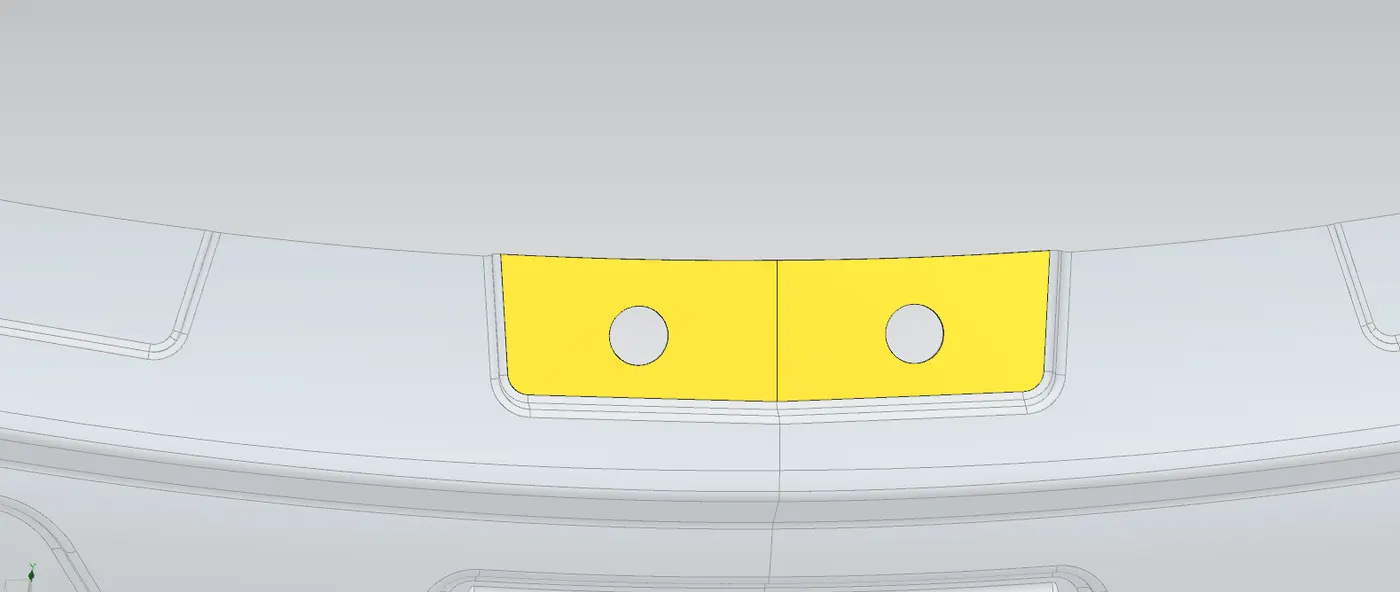
- Additional reinforments were created on the inner panel (hinge ,wiper mounting ,gas stay, latch & stricker)
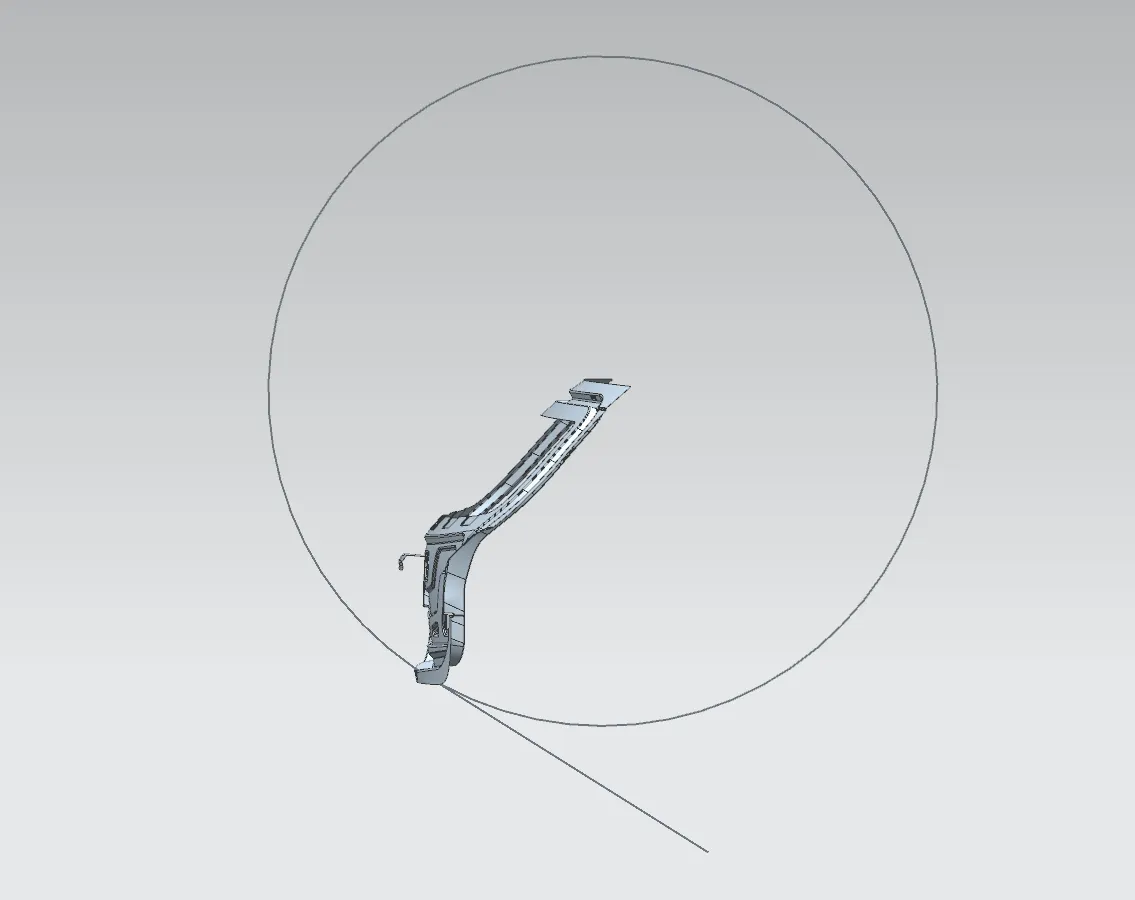
- Creating mounting postions for the additional components by setting latch trajectory.
- Performing draft analysis to ensuring proper formability and ease of production for the sheet metal component.
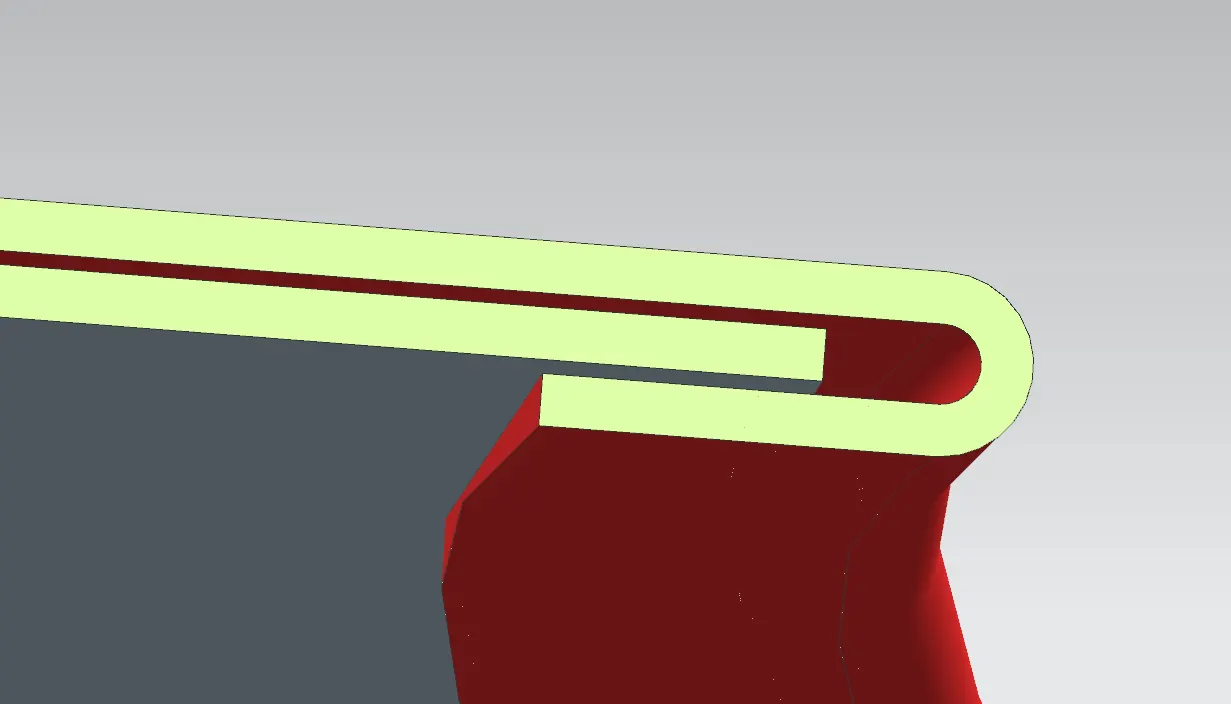
- Hemming the outer panel with inner panel of the back door.
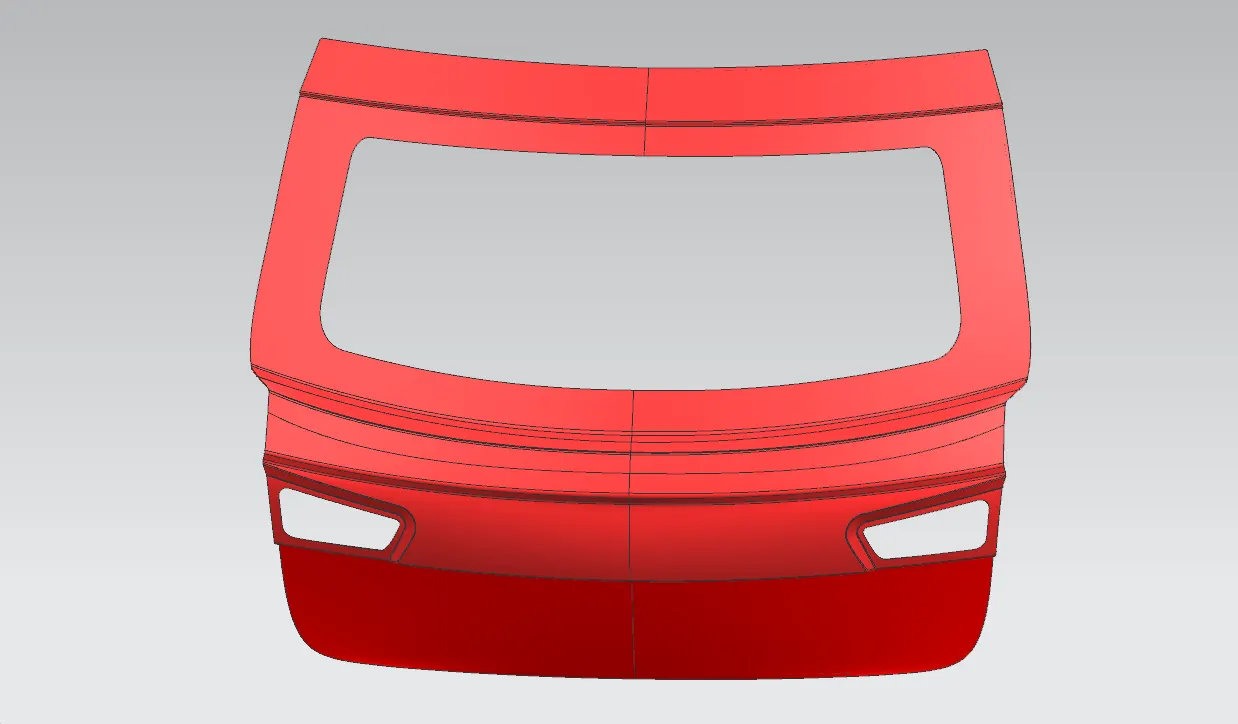
BACK DOOR OUTER PANEL
The car back door comprises several essential components, each serving a distinct purpose. The outer panel, positioned as the visible exterior surface, not only contributes to the vehicle's aesthetics but also shields against environmental factors. Typically crafted from sheet metal, aluminum, or composite materials, it prioritizes a balance between strength and weight.
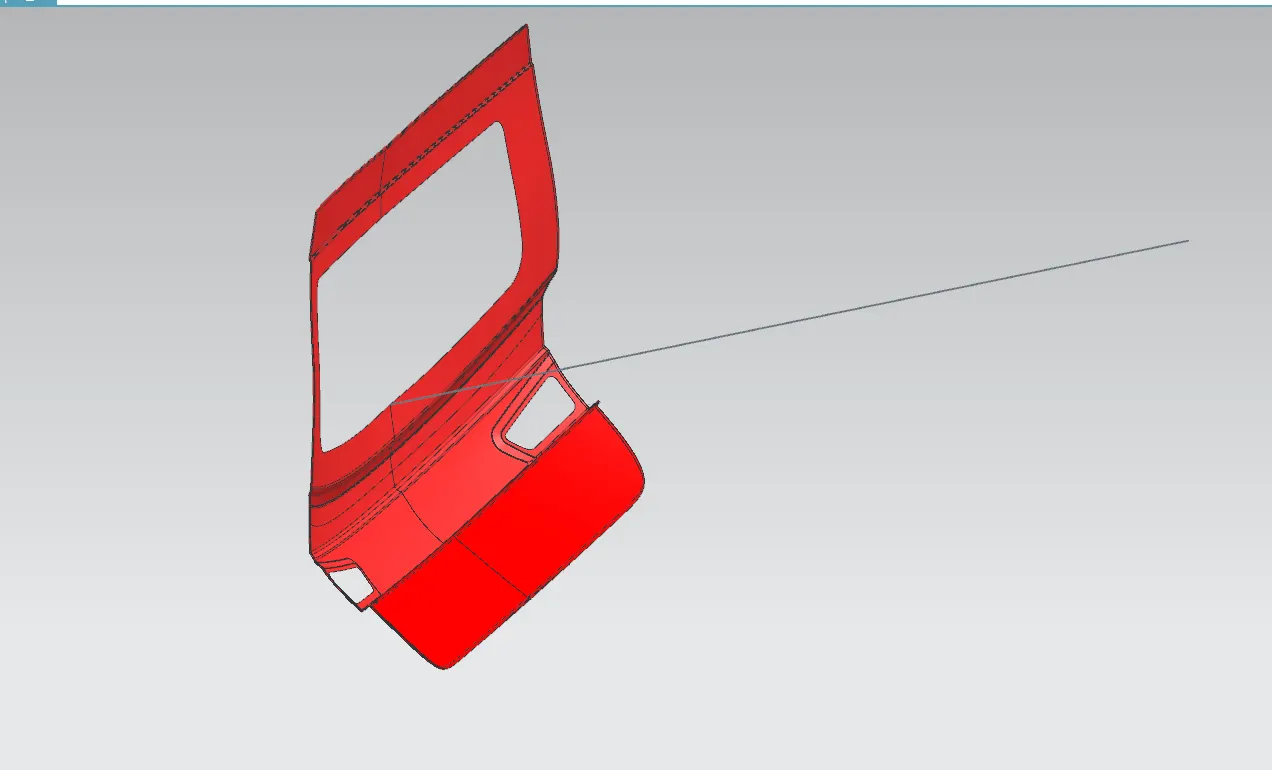
TOOLING AXIS
Tooling axis been created for the back door using bisecting method.
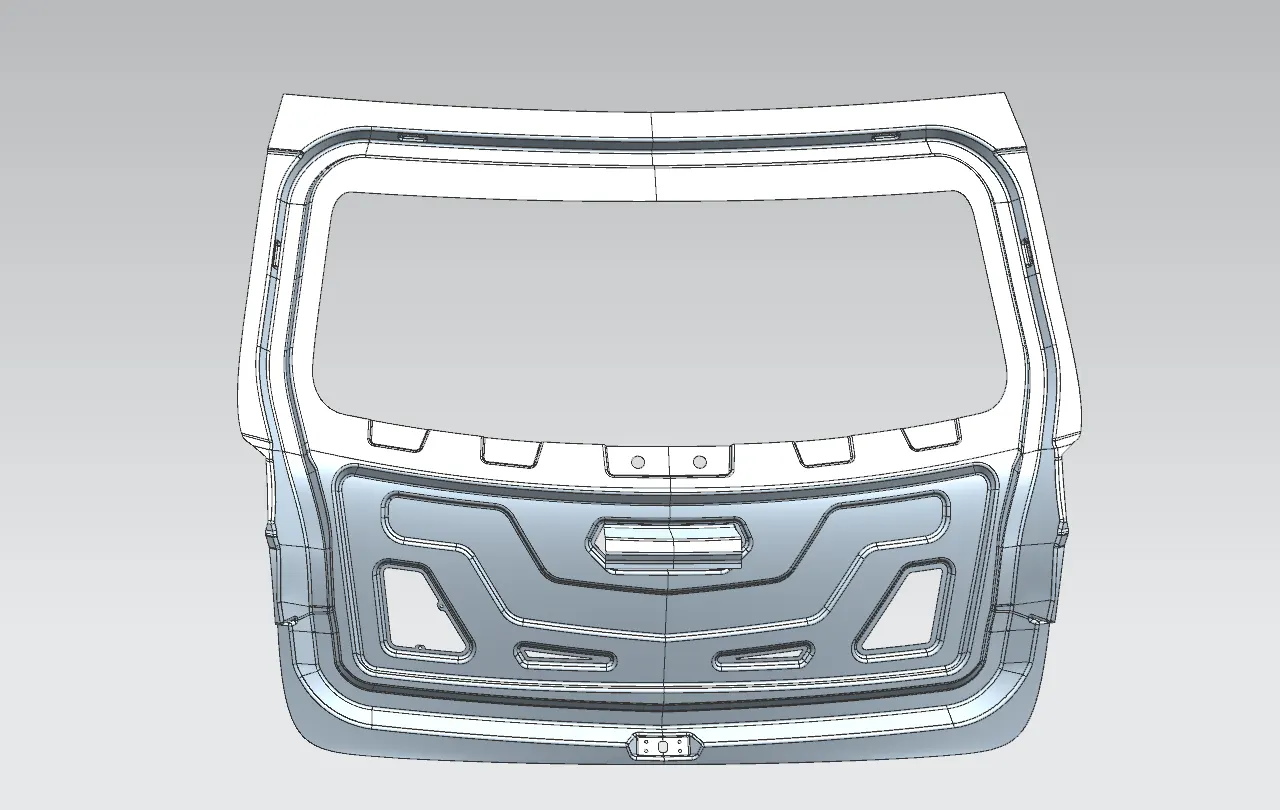
BACK DOOR INNER PANEL
the inner panel forms the interior surface, playing a crucial role in both structural integrity and as a base for interior components. Engineered with materials ensuring impact resistance and insulation, the inner panel enhances the overall door functionality by providing force transmission emboss. These reinforcements not only augment strength but also play a pivotal role in energy absorption and distribution during collisions, ultimately prioritizing passenger safety.mastic sealing flange been created on the inner panel so that it can be joined with outer panel of the back door.
DRAFT ANALYSIS
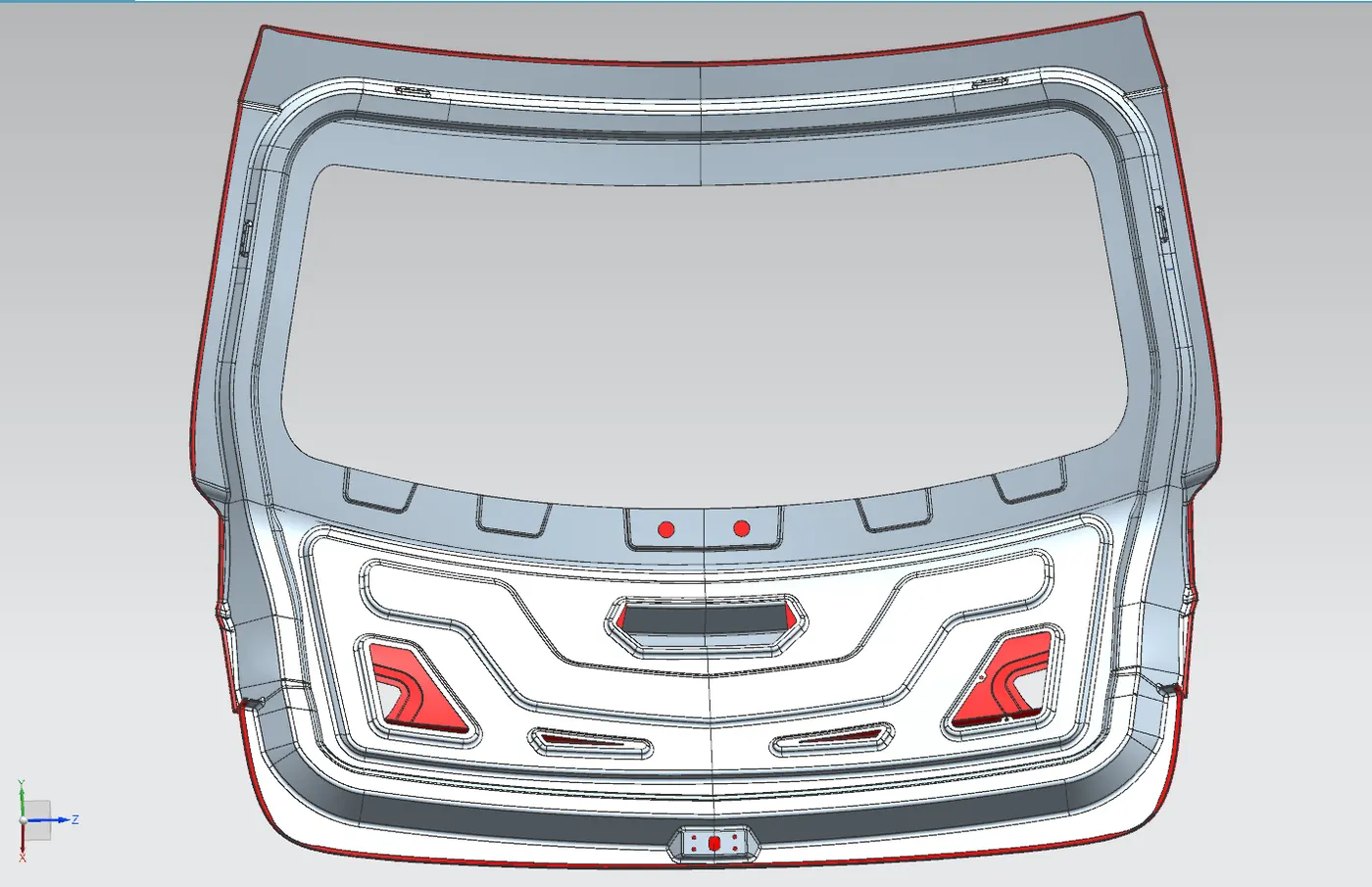
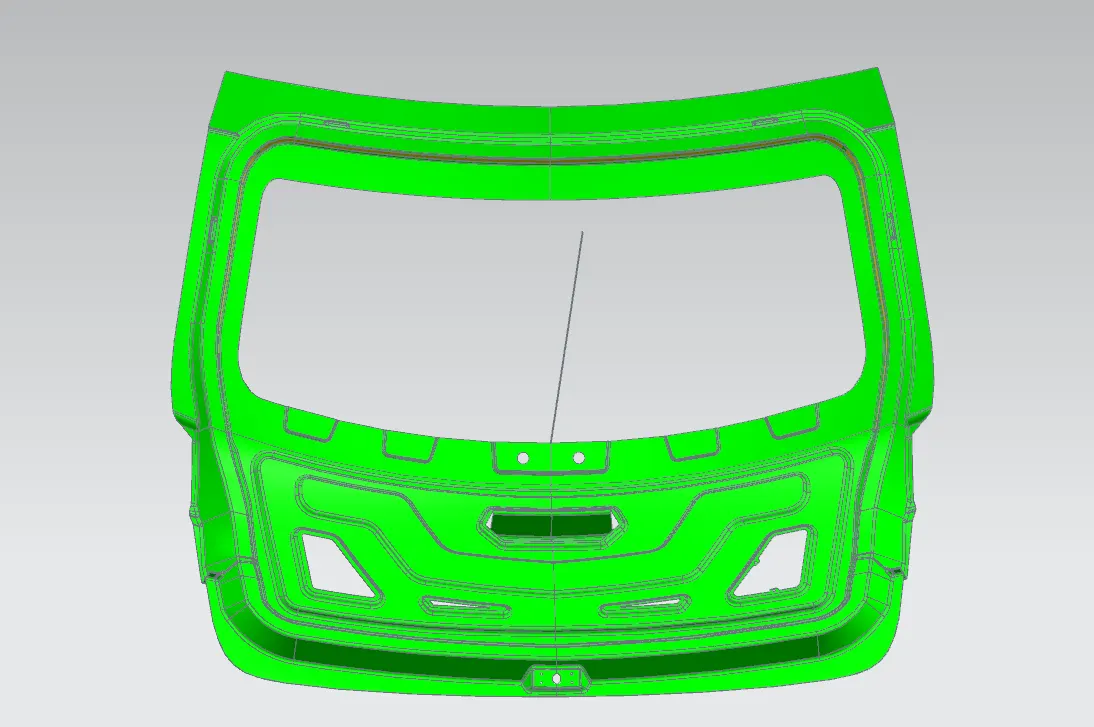
An analysis was conducted on the designed back door inner panel. It was determined that, for the manufacturing of a sheet metal component related to this structure, a minimum draft angle of 7 degrees is necessary. This draft angle is a critical parameter in the manufacturing process, ensuring proper formability and ease of production for the sheet metal component.
DRAFT ANYSIS ON INNER PANEL OF THE BACK DOOR
It was observed there is a negative draft at the flange of the inner panel, due to the given class A surface.
REINFORCEMENTS
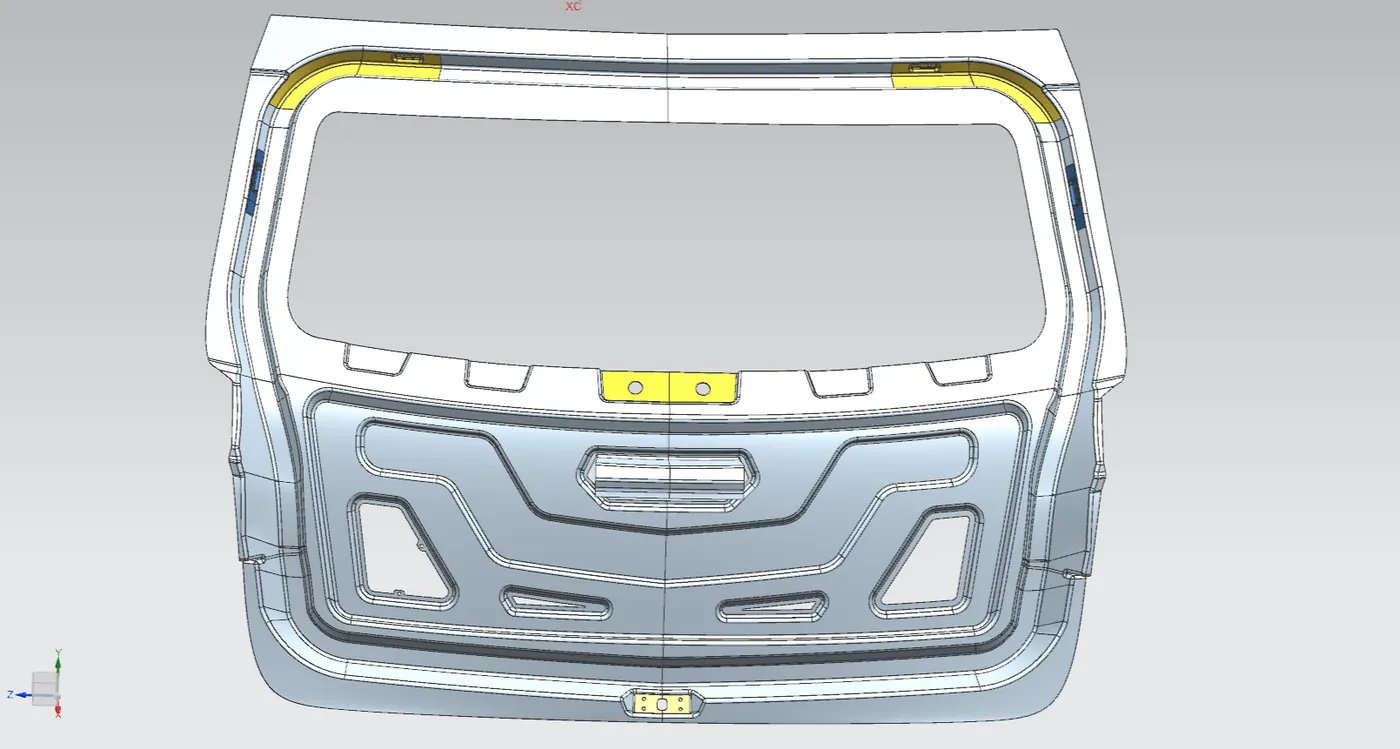
- Wiper Motor Reinforcement
- Back Door Hinge and Reinforcement
- Gas Stay Reinforcement
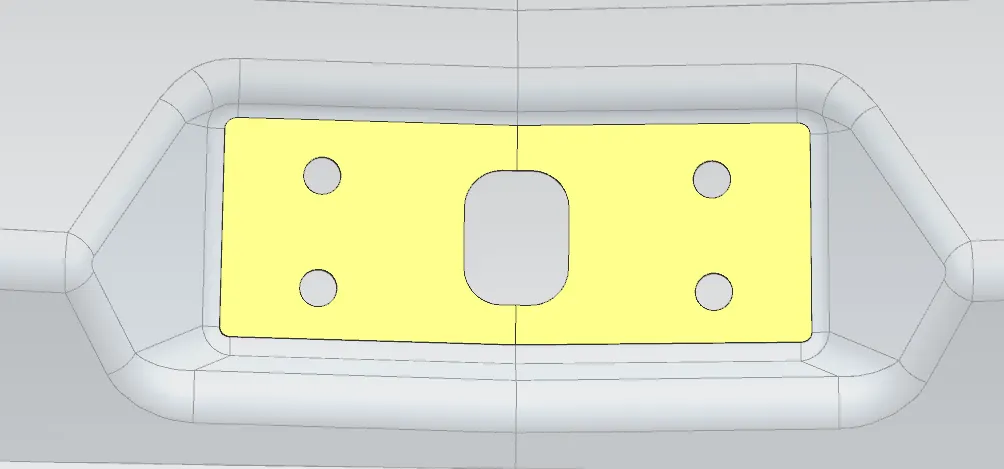
- Latch & Striker and Reinforcement
Back Door Hinge and Reinforcement
The back door hinge serves as a pivotal component, facilitating the smooth movement of the door. To ensure enduring functionality, reinforcements are strategically integrated. These reinforcements play a vital role in enhancing the hinge's strength and durability, guaranteeing reliable operation over an extended lifespan. The incorporation of robust reinforcements ensures that the hinge withstands the rigors of repeated door movements without compromising its efficiency.
Gas Stay Reinforcement
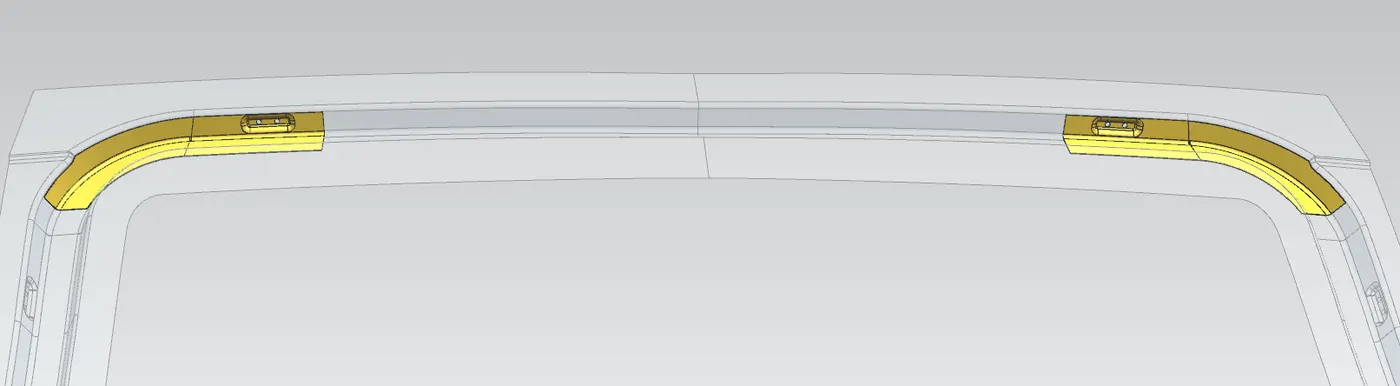
The gas stay, responsible for facilitating controlled opening and closing of the back door, is reinforced for enhanced stability and longevity. The associated reinforcements are meticulously designed to provide robust support, ensuring consistent performance over time. By strengthening the gas stay, these reinforcements contribute to the smooth and controlled movement of the back door, offering reliable support for the door's opening and closing actions.
Wiper Motor Reinforcement
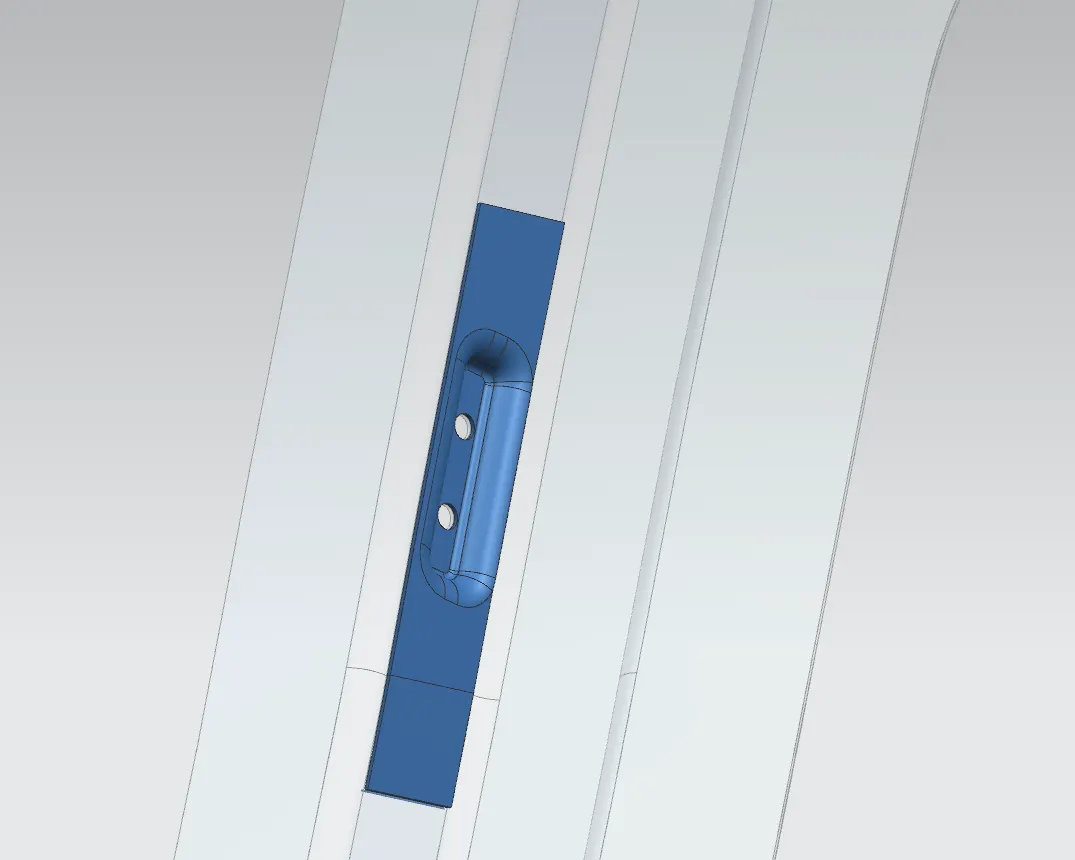
The wiper motor reinforcement is a critical structural element designed to support the wiper motor, which powers the windshield wipers. This reinforcement ensures stability and structural integrity for the wiper motor, contributing to its efficient and reliable performance in various weather conditions. By providing steadfast support to the wiper motor, this reinforcement ensures that the windshield wipers operate effectively, maintaining clear visibility for the driver.
Latch trajectory
Latch trajectory refers to the precise route and movement taken by a latch mechanism during the process of engaging or disengaging a locking component. This action occurs when closing or opening a vehicle’s back door and is of paramount importance for ensuring the effective operation of locking mechanisms. The trajectory defines how the latch makes contact with the striker, resulting in a secure and steadfast hold on the back door.
Latch & Striker and Reinforcement
The latch and striker mechanism secures the back door in a closed position, and to fortify this pivotal locking system, reinforcements are integrated. These reinforcements are strategically designed to augment the strength and reliability of the latch and striker mechanism. By doing so, they enhance the security of the back door, preventing unintended openings and contributing to the overall safety and dependability of the door's locking mechanism.
HEMMING
Hemming is a versatile and effective method for joining automotive panels, and it offers several benefits when used in the assembly of back door outer and inner panels. This process involves folding and joining the edges of two metal sheets to create a stronger and more rigid connection. It can simplify the joining process by eliminating the need for additional fasteners or adhesives along the edges.
BACK DOOR ASSEMBLY