Design of backdoor
Designing of backdoor:
backdoor design typically refers to the design of the rear entry points of a vehicle, such as rear doors and rear hatch or trunk, the design of a car's back door is an important aspect of automotive engineering, as it impacts various aspects of the vehicle functionality, safety, and aesthetics 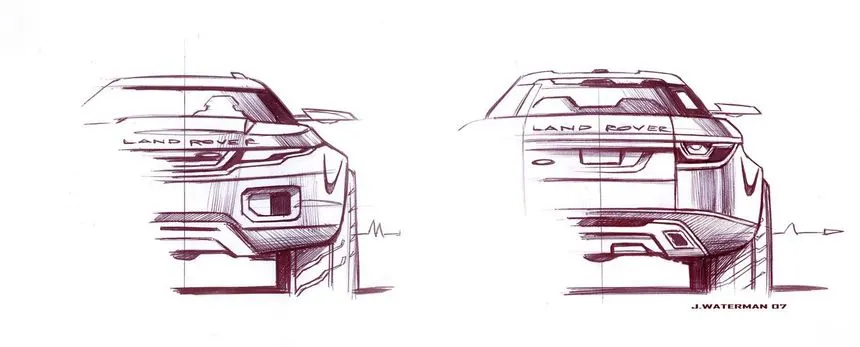
Here are some consideration
door types
accessibility and ergonomics
safety
security
aerodynamics
sealing and weather resistance
aesthetics and styling
accessories and features
material and weight
durability and longevity
child safety locks
Car back door design is a critical aspect of automotive engineering, and it requires a balance between functionality, safety, aesthetics, and efficiency
Back door assembly:
Inner panel
outer panel
hinge and its reinforcements
wiper motor reinforcements
latch and striker and their reinforcements
Manufacturing process:
Manufacturing a car backdoor typically involves various sheet metal processes to shape, assemble, and finish the door, these processes are essential for producing a durable and aesthetically pleasing component
1) Stamping:
stamping involves cutting, bending, or stretching sheet metal to create complex shapes and contours, It is commonly used to produce the outer and inner panels of car doors, including skin and reinforcement structures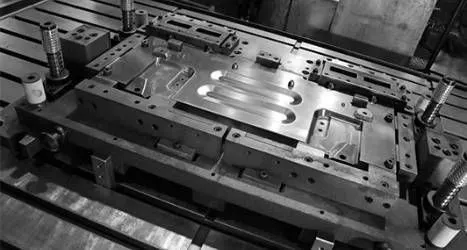
2)Roll framing:
Roll framing is used to create continuous profiles such as door frames and window channels 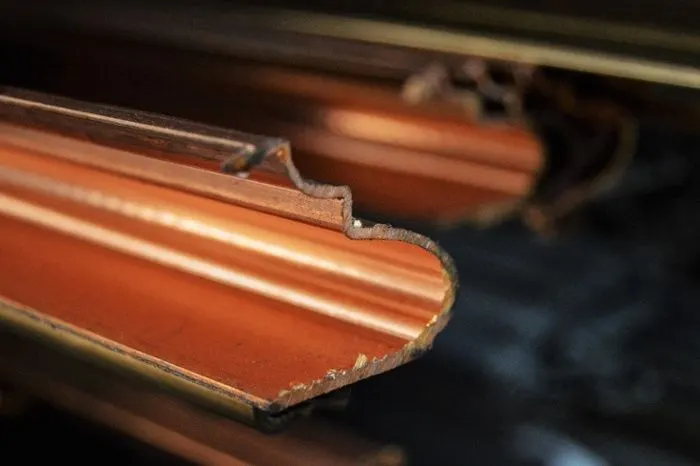
3)Deep drawing :
Deep drawing is used to create three three-dimensional parts like the outer skin of the door and a flat sheet metal of metal is drawn into the die cavity to produce the desired shape 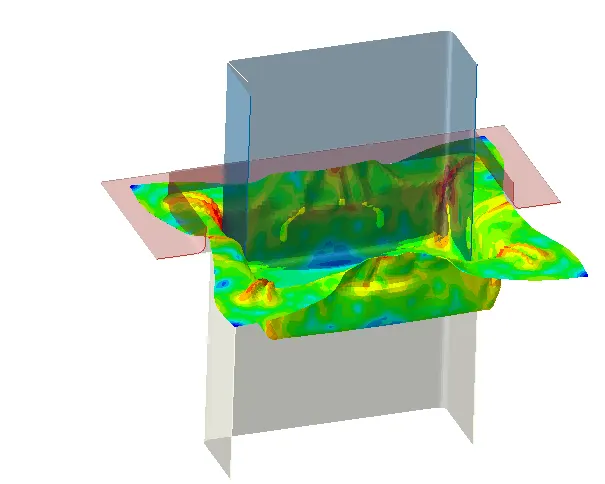
4)Embossing and beading:
Embossing and beading add texture, rigidity, and style to door panels, these processes involve creating raised or recessed patterns in that metal
5)Welding:
Welding is used to join various sheet metal components together including spot welding, MIG welding, or tig welding, depending on the materials and design requirements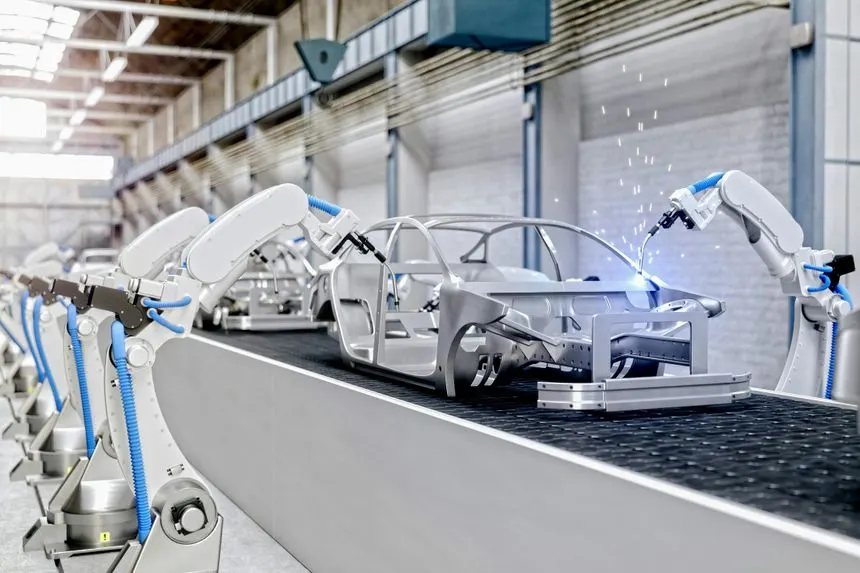
6)Laser cutting:
Laser cutting is employed to precisely cut openings for windows, door handles, and other features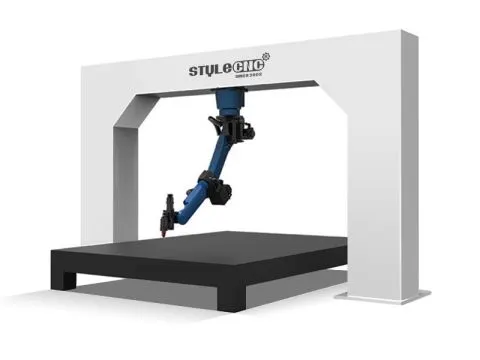
7)Punching and piercing:
these create holes and openings in the sheet metal for mounting hardware, hinges, and locks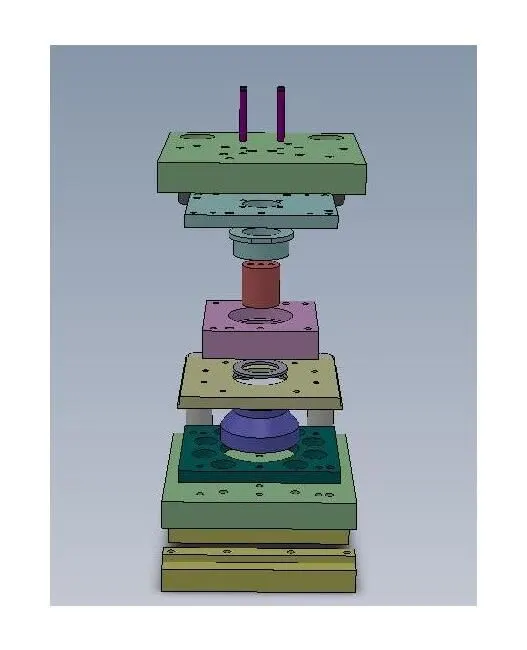
8)Bending and folding:
used to create flanges and edges on door components, allowing them to be joined together securely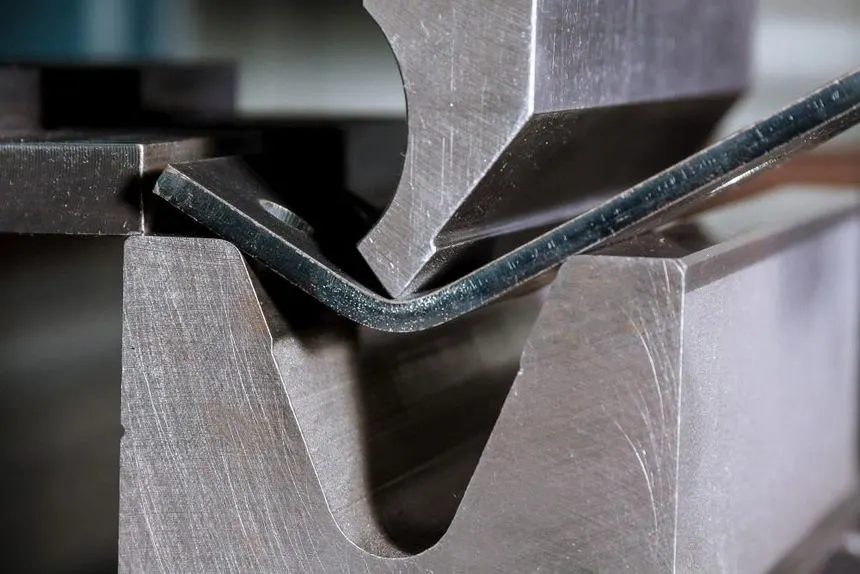
9)riveting:
rivets are used to fasten the sheet metal components together, this is particularly common in attaching structural reinforcements and brackets to the door
10)Coating and finishing:
after sheet metal components are manufactured and assembled they undergo surface treatments such as painting or powder coating to protect against corrosion and enhance the appearance
11)Sound deadening and insulation:
depending on the design, sound deading materials and insulations may be added to the inside of the door to improve acoustics and thermal insulations.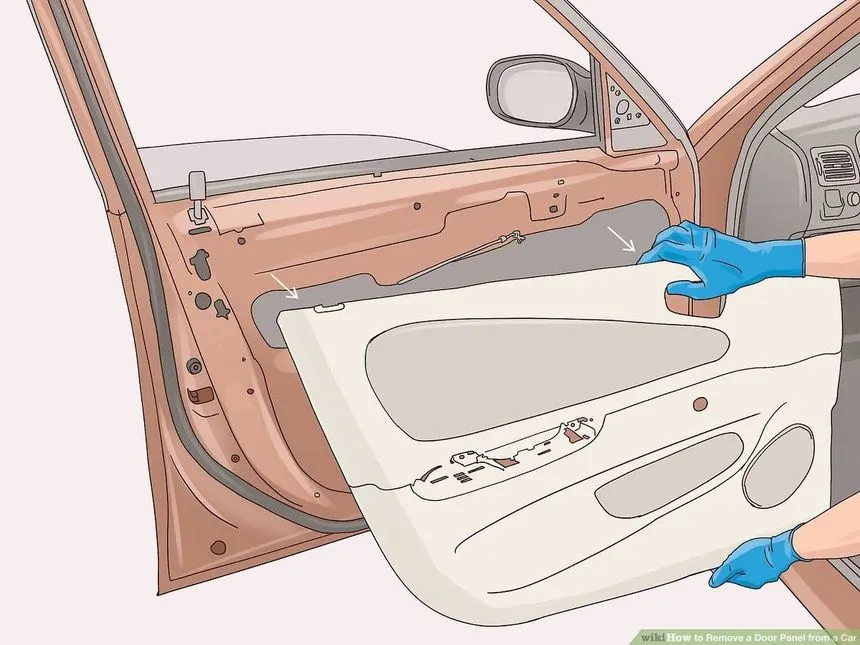
12)Assembly:
sheet metal components are assembled with other parts like window glass, weather sealing, hinges, handles, and locking mechanisms to create the complete door assembly 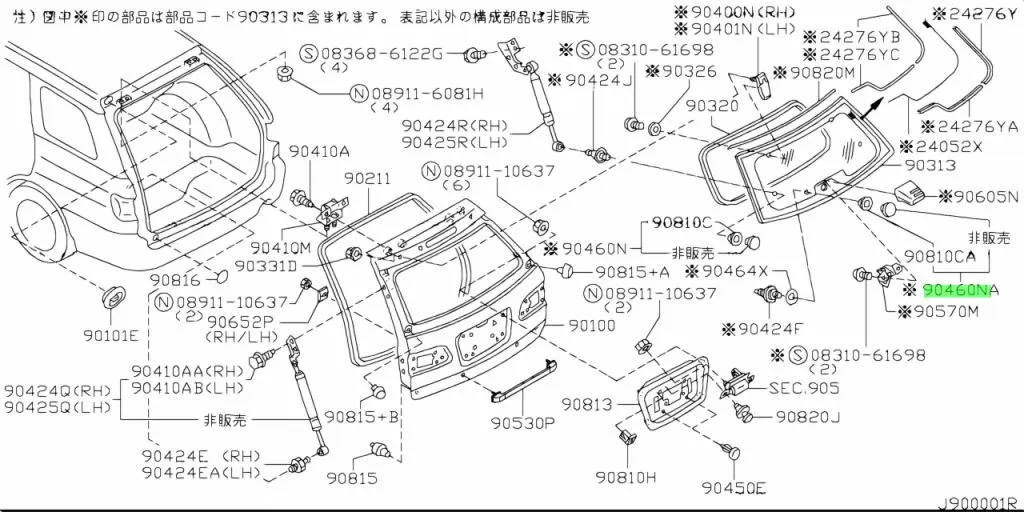
Hemming :
hemming is a sheet metal process used to create folded or rolled edges on a piece of sheet metal these folded edges, known as hem serves several process in various applications including automotive manufacturing, HVAC hemming is primarily used to provide safety and improve the appearance of the sheet metal edges, it helps eliminate sharp or exposed objects that could pose safety risks and enhance the overall aesthetic of the components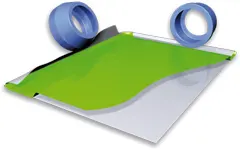
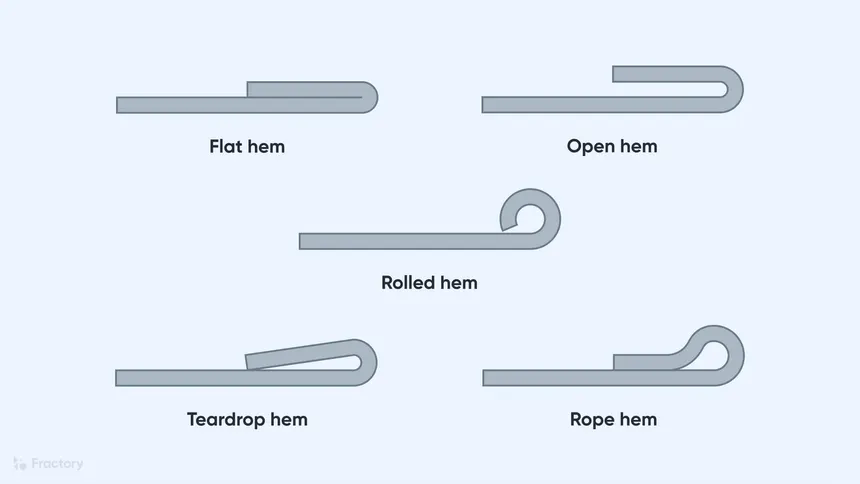
conventional hemming: conventional hemming is known as the flanges are folded over the entire length with a hemming tool
roll hemming: in roll hemming, the hemming roller is guided by an industrial robot to form the flanges
open hem: a hem has a full round feature and a return flange in an open hem bend angle is equal to 180 degrees
close hem: without any inside radius are called closed hem, closed hems are not recommended if the hem geometry is to be painted or if the material used is steel or aluminum
software used
NX CAD
DESIGN OF BACKDOOR IN NX CAD
door part thickness
outer panel-0.75mm
inner panel -0.75mm
reinforcement thickness-1.5mm
Given styling data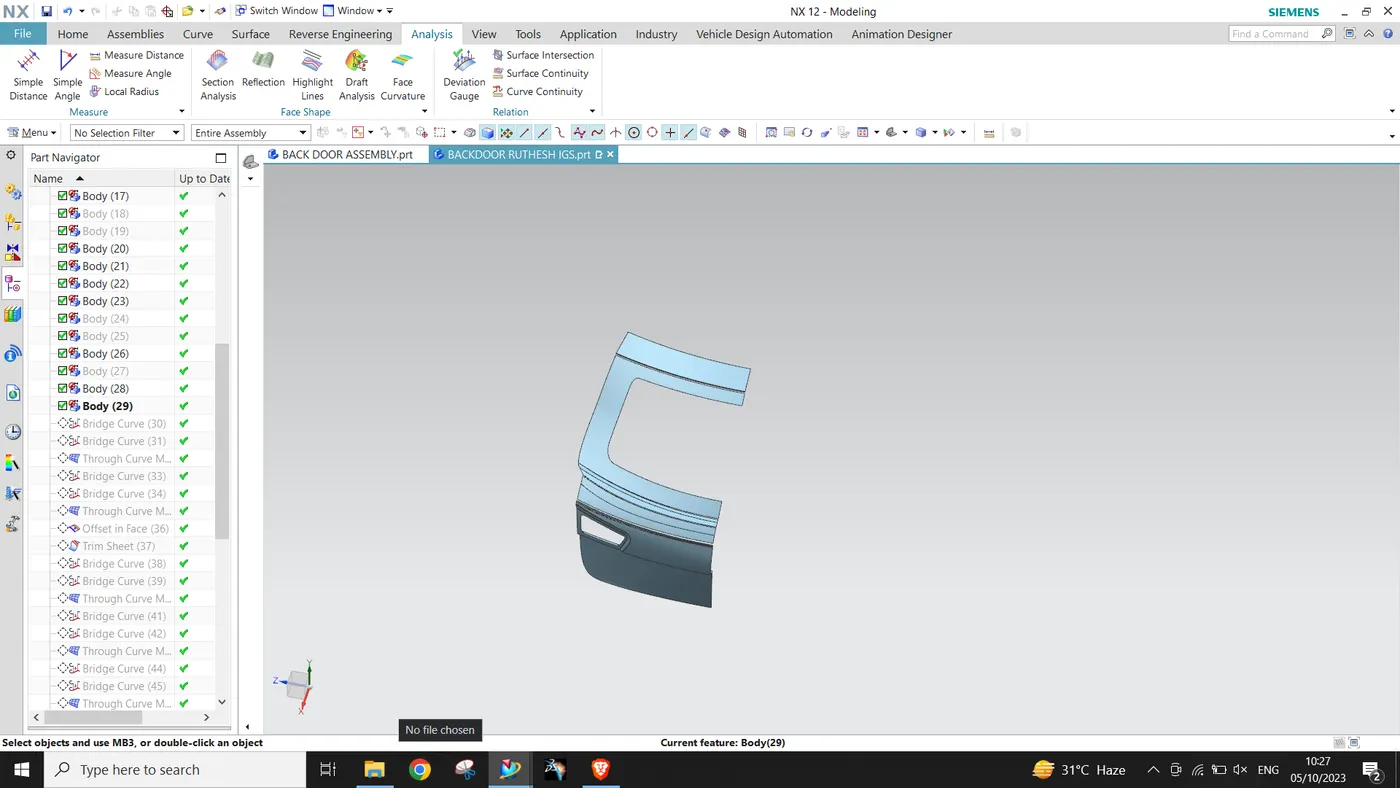
the given surface is repaired so we have to repair the surface and split it into an outer panel and an inner panel
After repairing: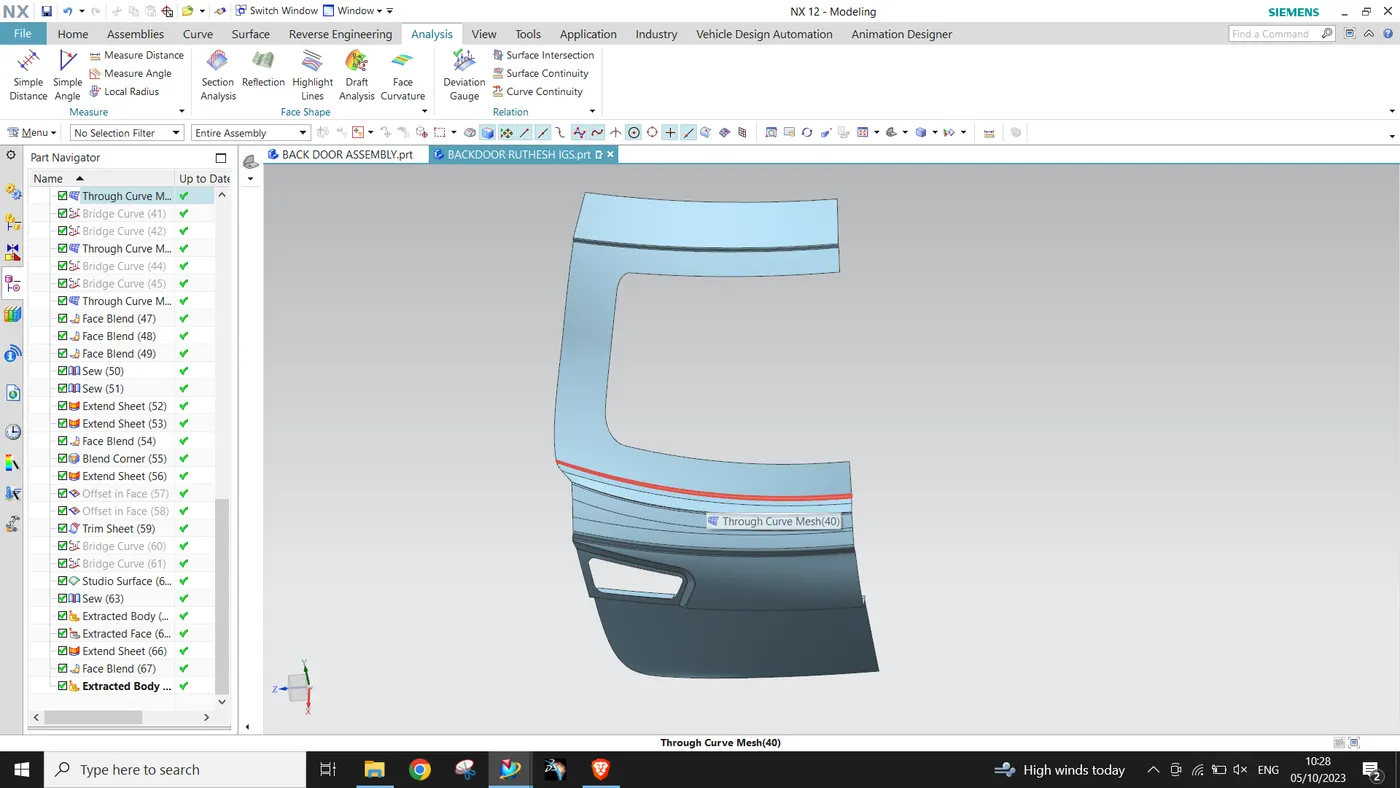
once the surface is repaired, we need to create a tooling axis for deep drawing operation, it shows the operation like embossing is done with the respective tooling direction 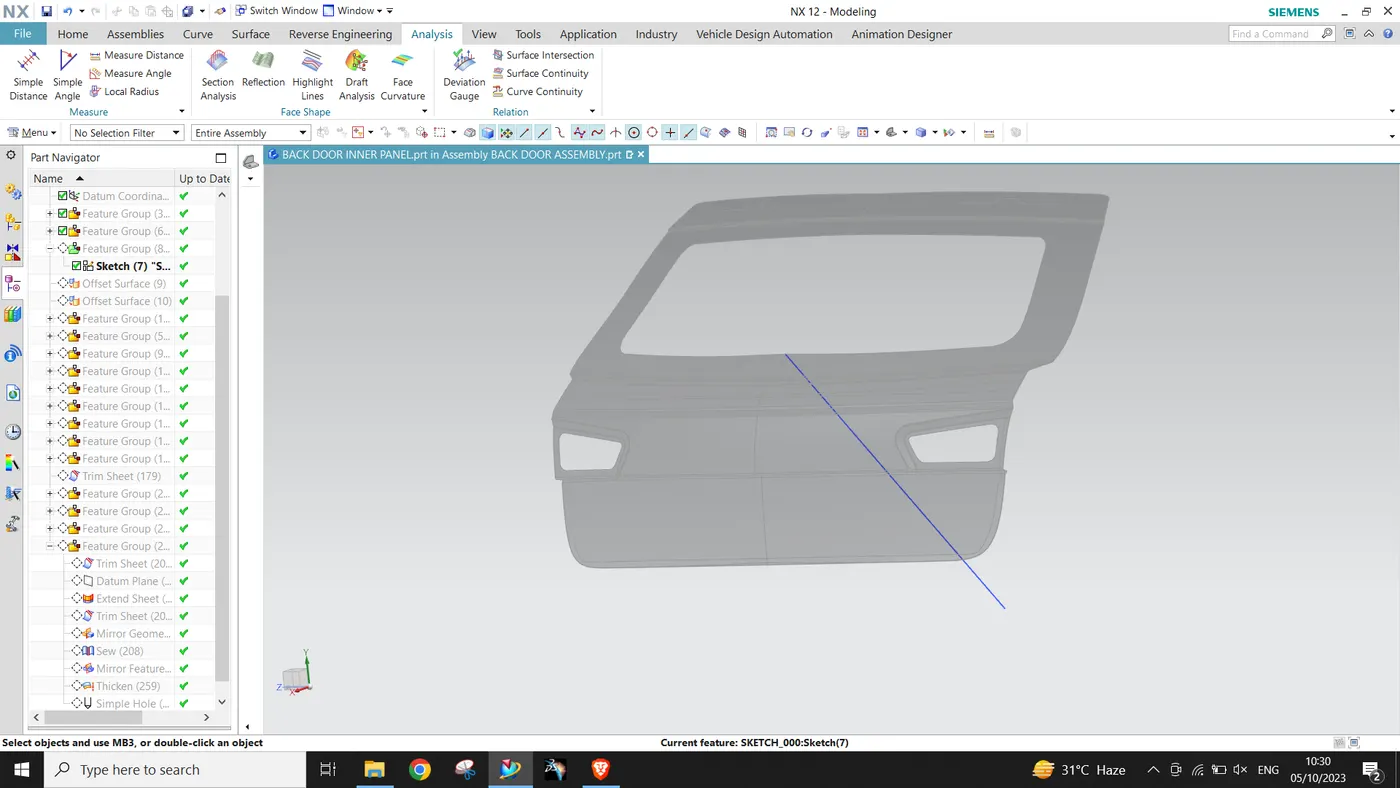
we are creating the side flanges by offsetting the outer panel 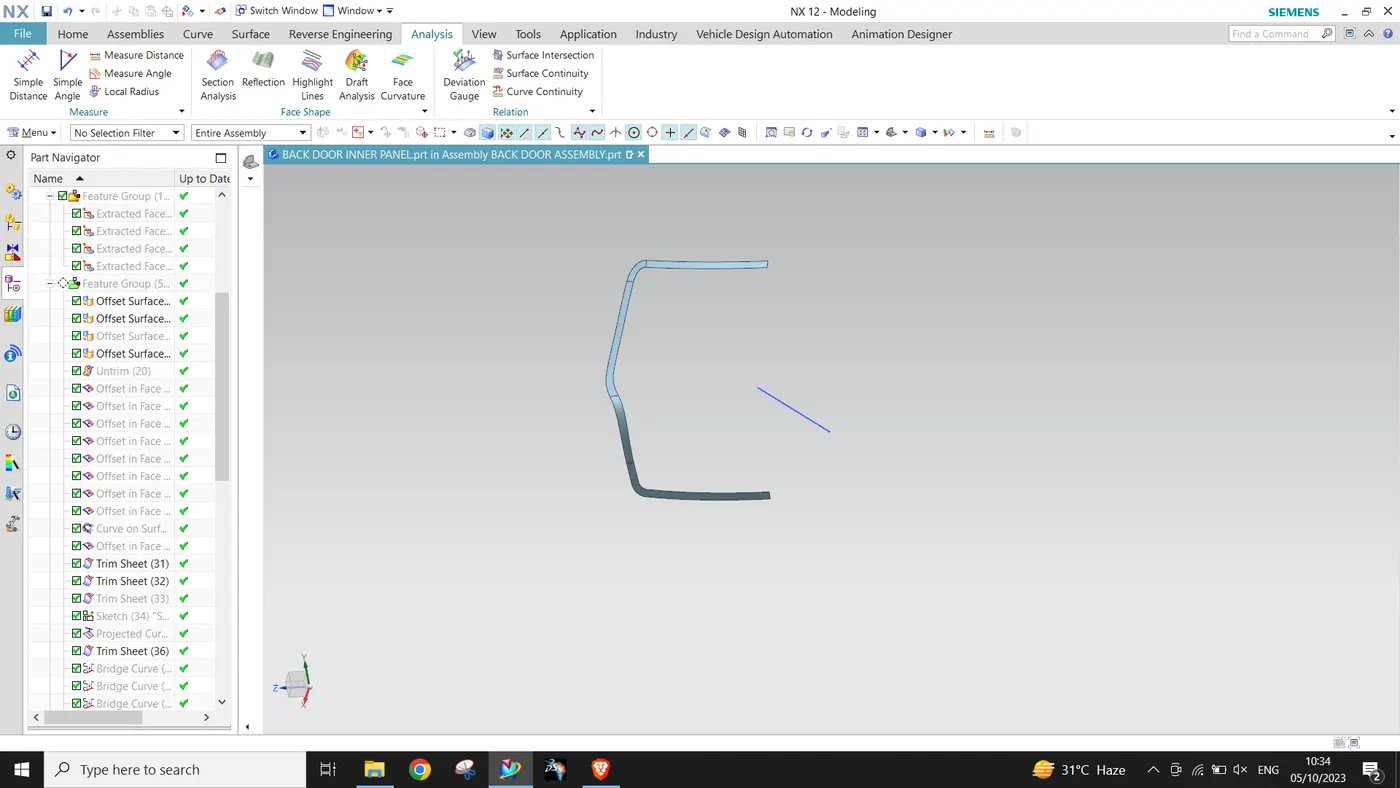
we will create the back door inner panel flange by offsetting the outer surface at a distance considering the sheet metal thickness and thickening direction
respective to that once the flange is created we have to join them using sew operation
after that windshield panel mounting is created and joined with the sealing flanges and inner panel flanges 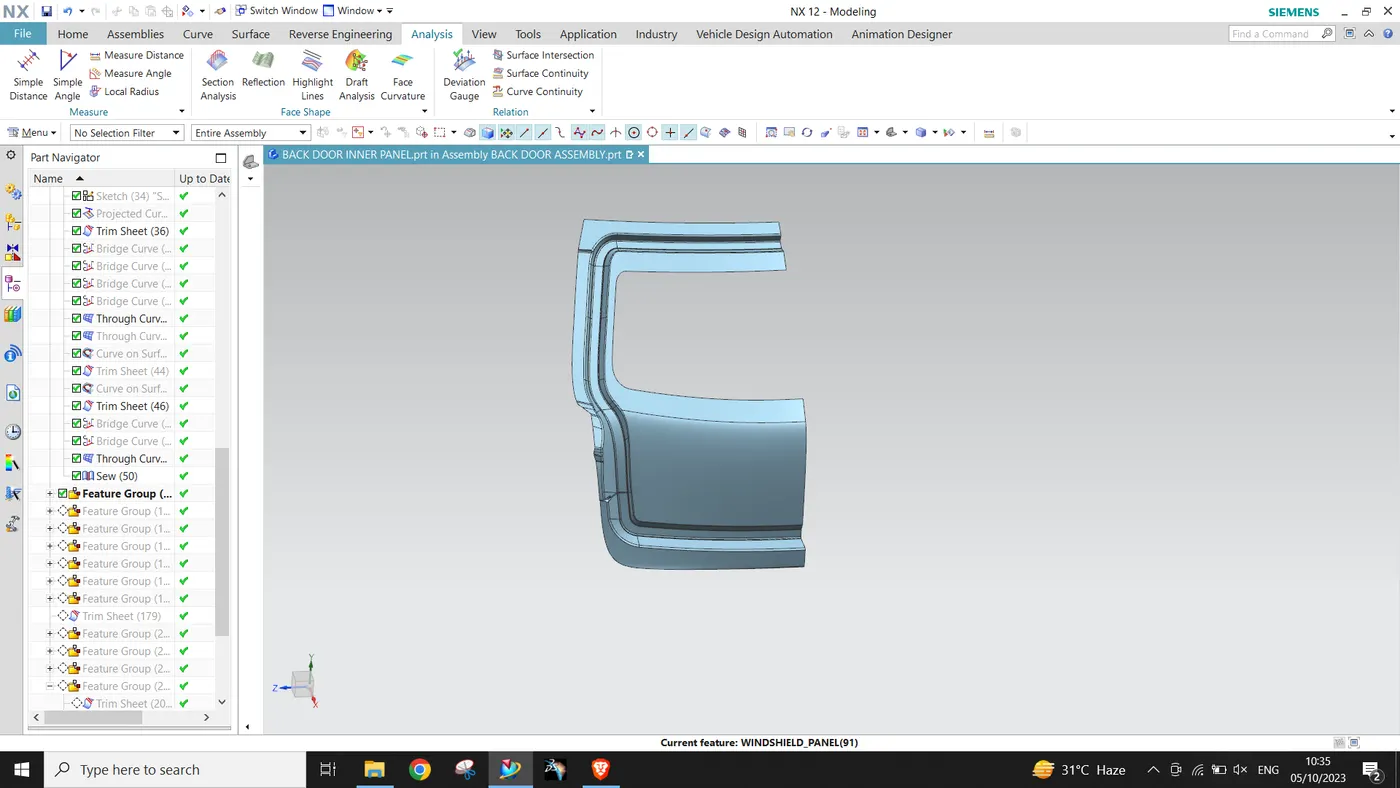
In order to improve the strength of the inner panel we are making cutouts to reduce the weight and the backdoor inner panel has the mounting for hinges, gas stay, wiper motor, mastic area, and latch &stricker these parts are created 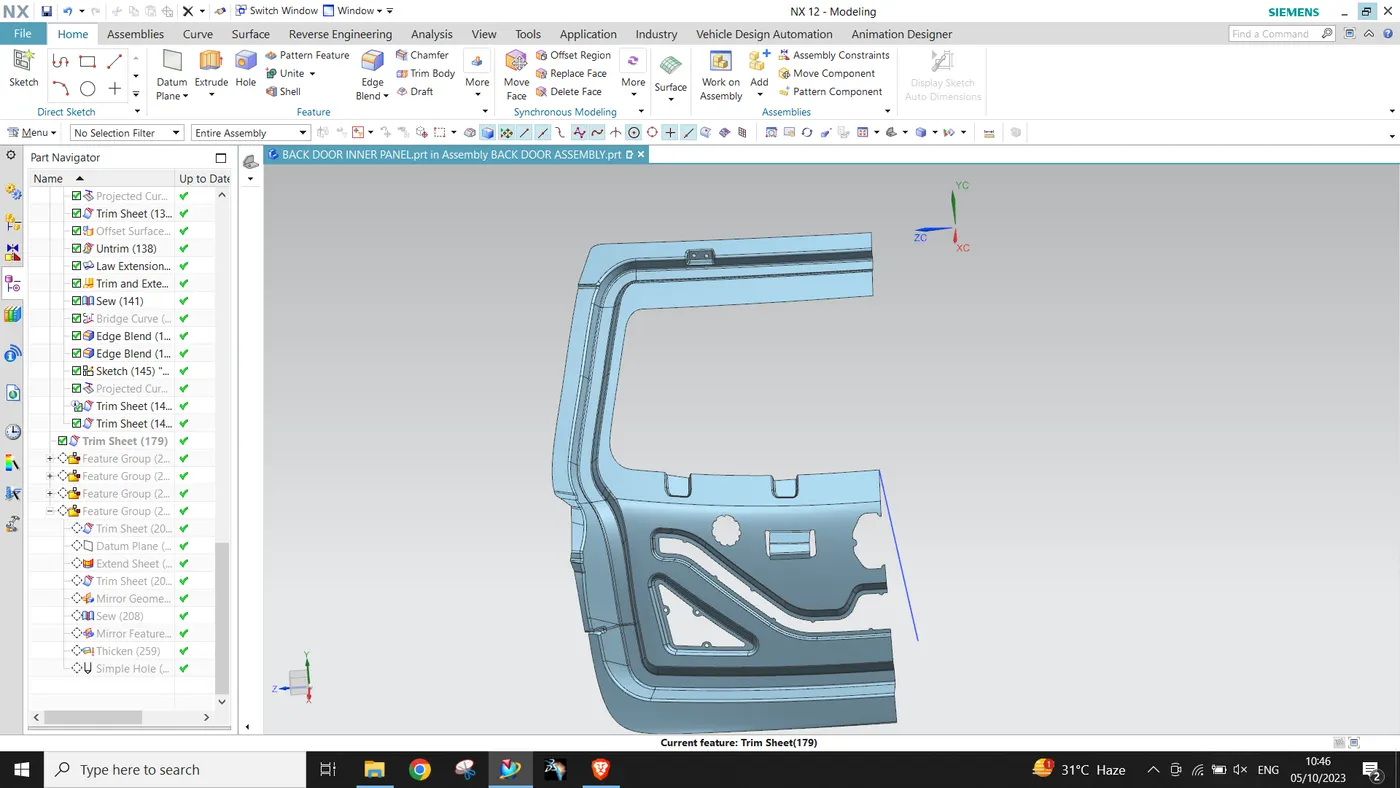
once it is done we apply edge blends, mirror the geometry, and thicken the part once it's done we create the latch and striker mounting 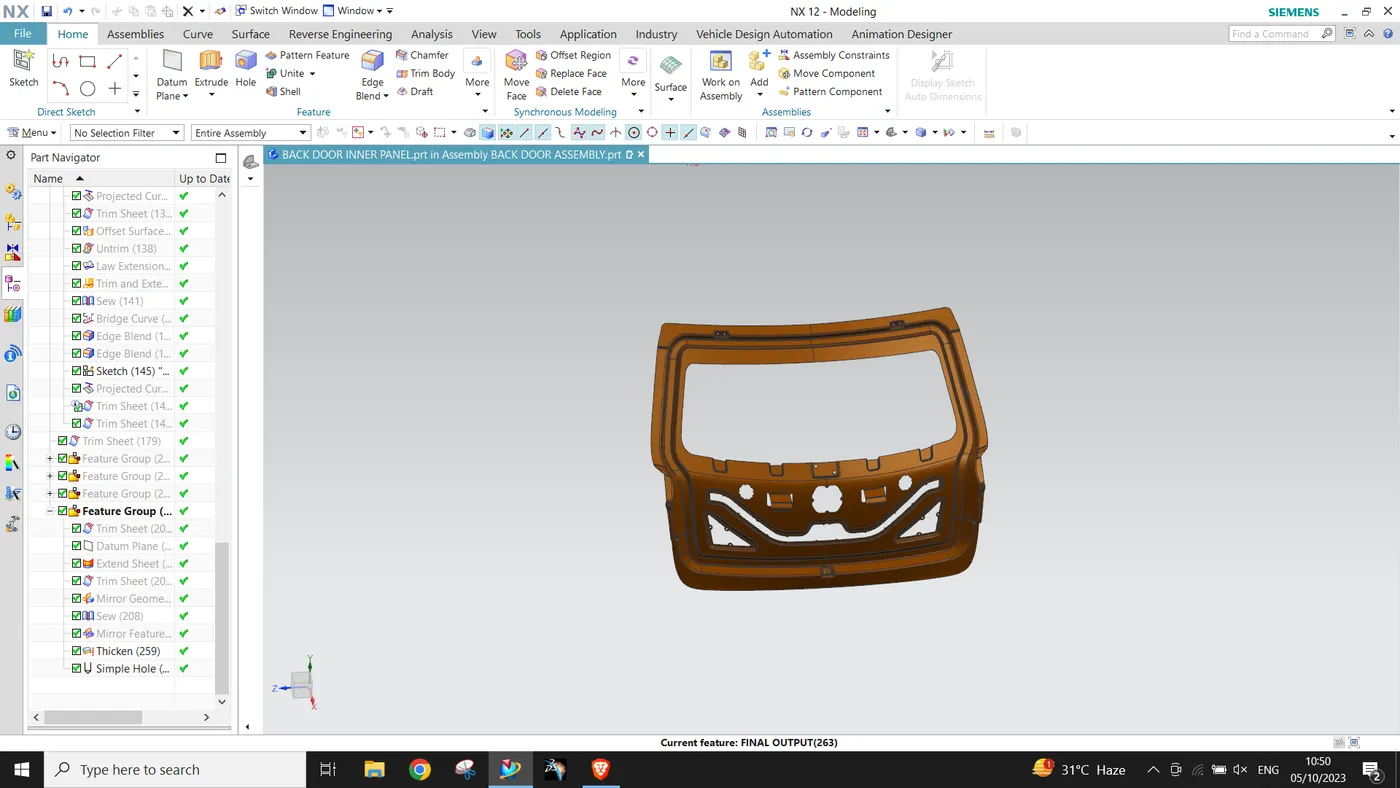
Outer panel:
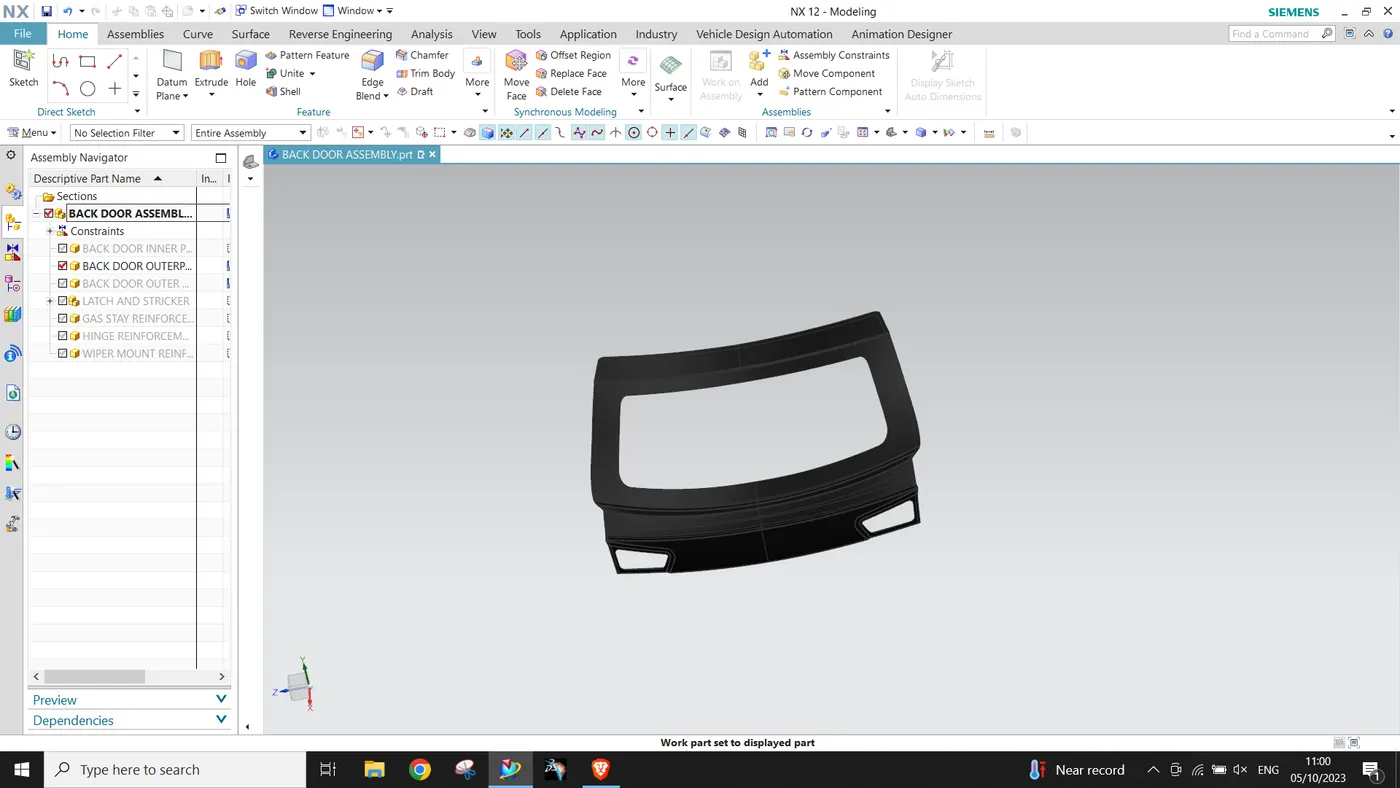
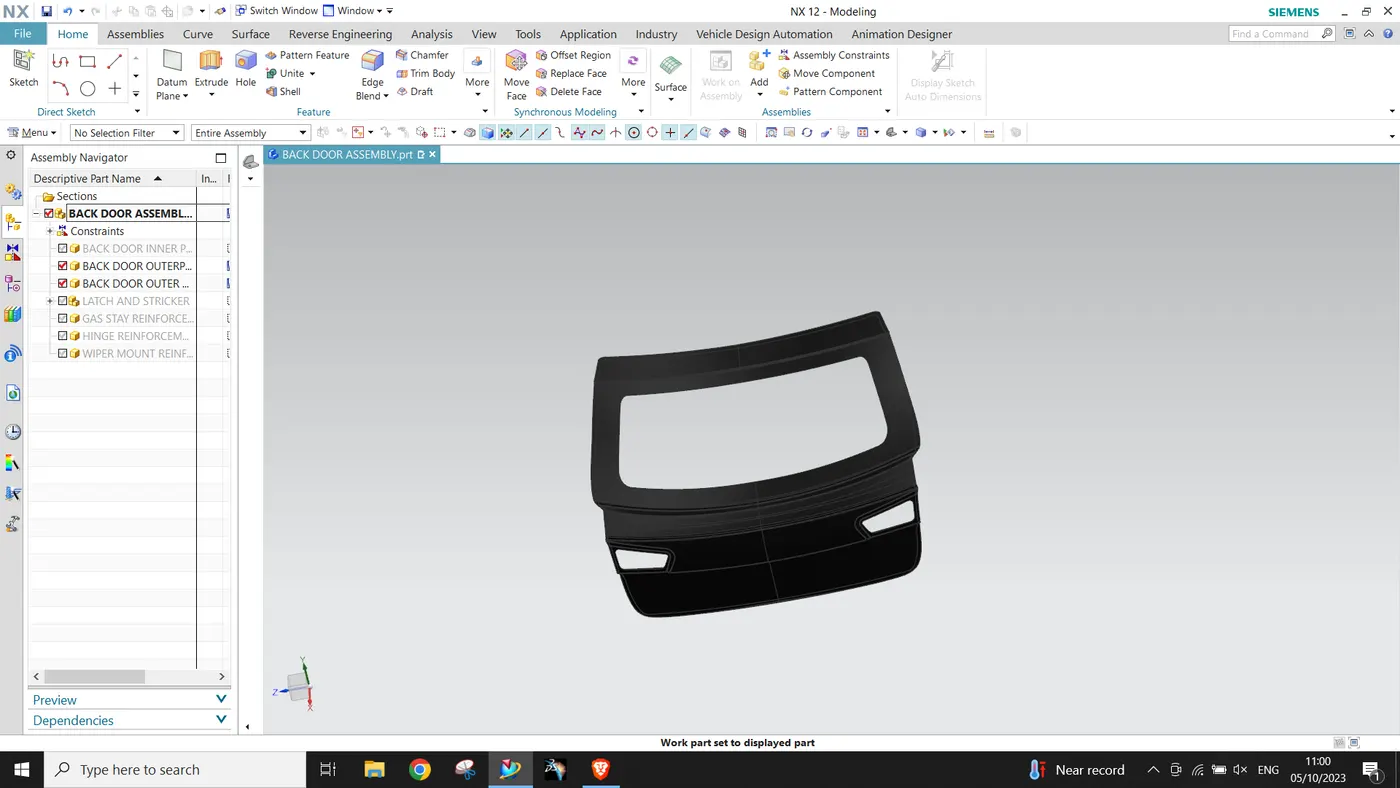
the outer panel of the back door is similar to the other BIW components where it is the aesthetic part of the vehicle the coating provided is of multiple stages which have good scratch resistance, rust prevention, and smooth finishes, the outer panel has a lamp and rear fog lamps 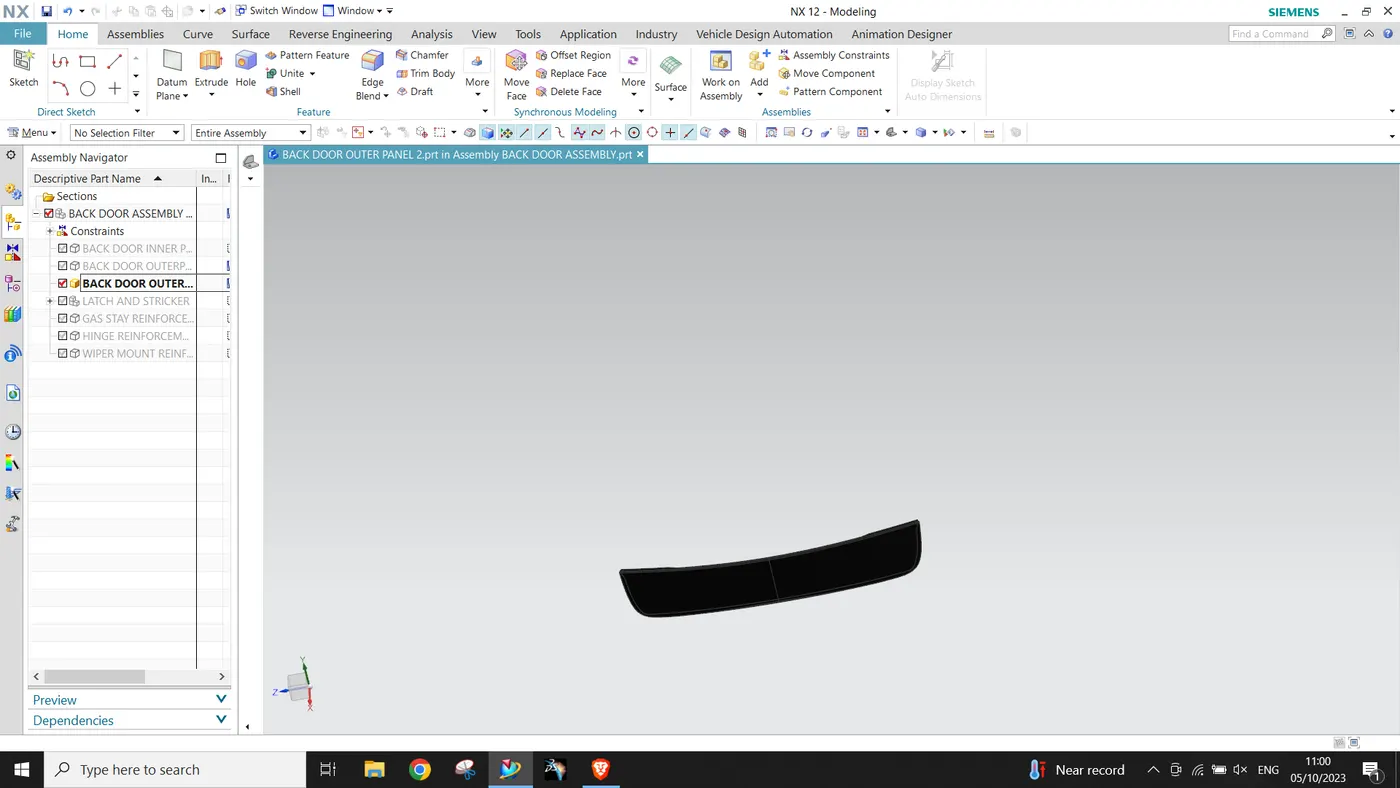
Reinforcements
Hinge reinforcements:
Hinge reinforcements refer to the strengthening of hinge areas on doors, gates, cabinets, and other objects that are used for hinge mounting particularly those that are subject to heavy use and wear, in a car door is essential for maintaining the actual integrity of the door and ensuring the property functionally over time 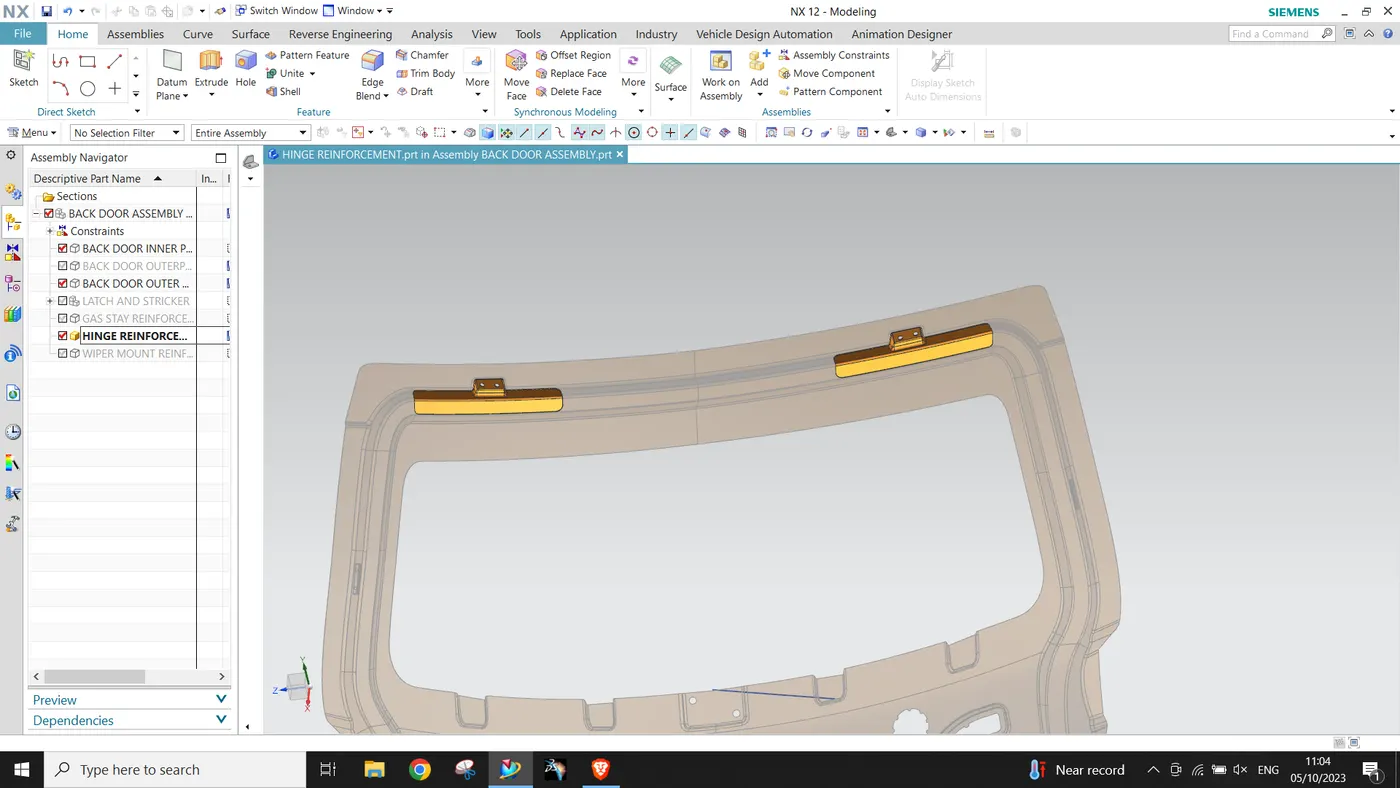
Gas stay reinforcements:
gas stay is a mechanical component used in automobiles and other applications to assist in lifting, supporting, and lowering heavy objects such as vehicle hoods, trunk tailgates and hatches, it works on the principle of gas compression and expression within a sealed cylinder 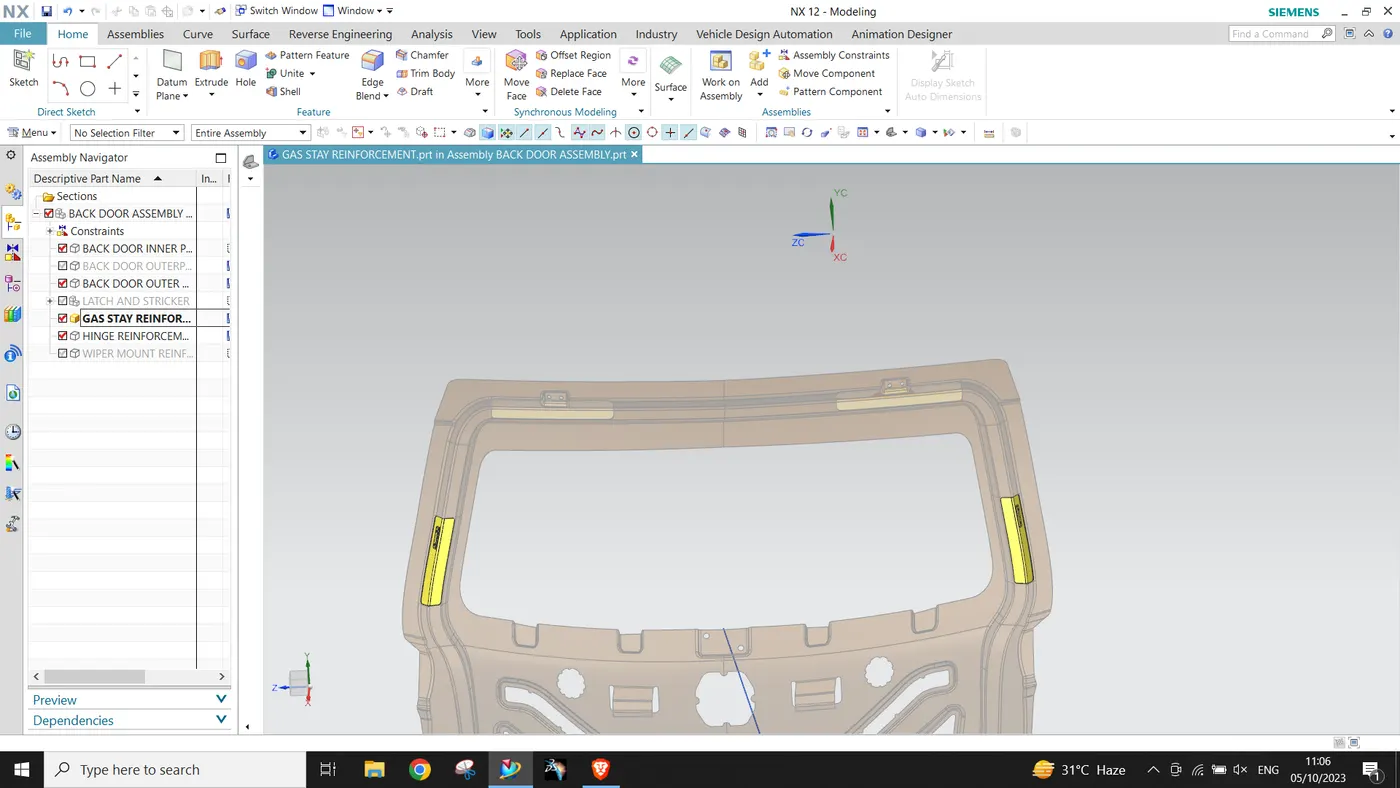
Wiper mounting :
The wiper motor in the car is an essential component of the windshield wiper system, responsible for driving the movement of the windshield wipers, its primary purpose is to provide mechanical power needed to move the wiper arms and blades back and forth across the windshield clearing away rain, snow dirt and debris for improved visibility while driving 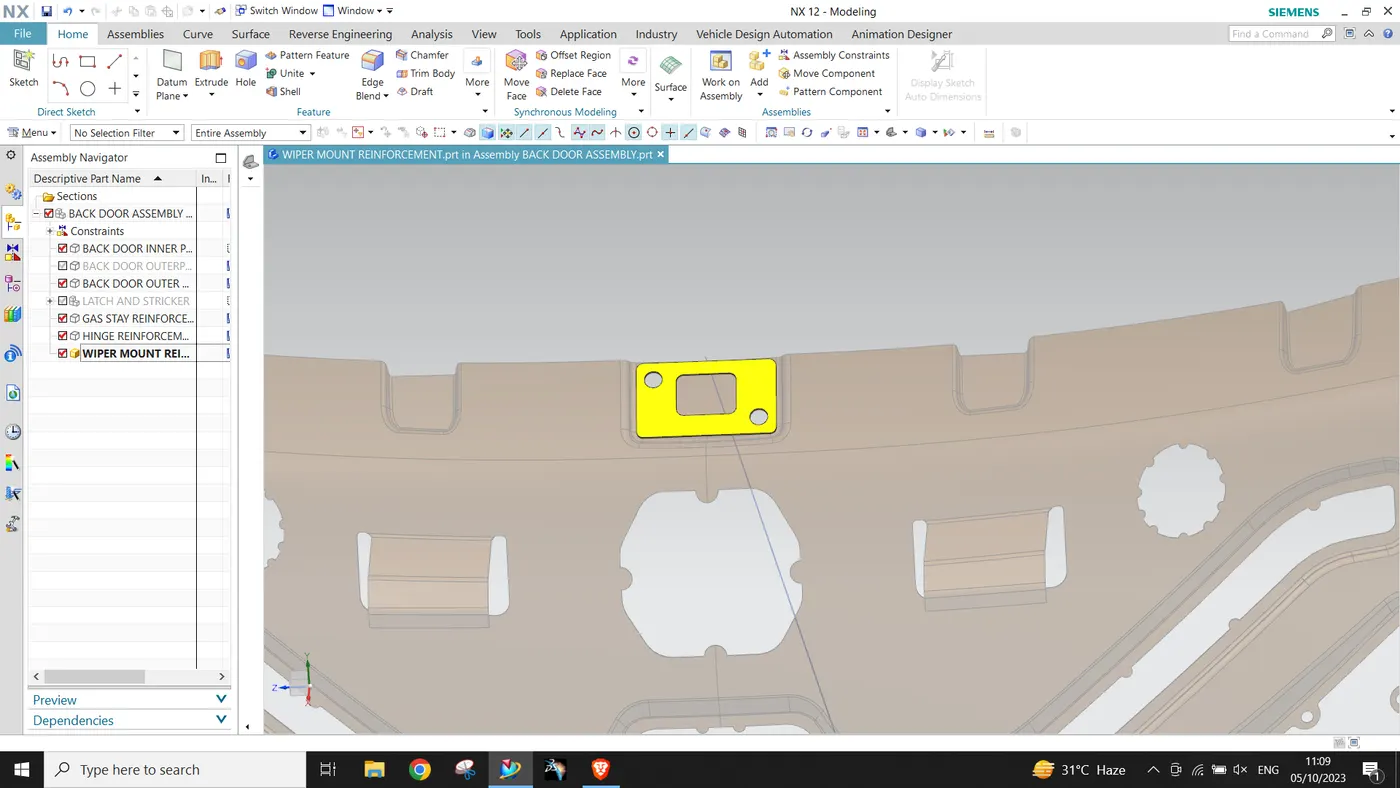
Latch and Striker:
The latch is a mechanical component used indoors to secure them in the closed position it typically consists of a movable bar or hook and a Lactah receiver, when the door is closed the latch engages with the striker holding the door in place
latches commonly used indoors, household doors, cabinet doors, and vehicle doors
The striker is the counterpart of the latch is a metal plate attached to the door frame or jamb, and it includes holes that align with the latch when the door is closed when the door is shut the latch engages with the striker hole and creates a secure closing this prevents the door from swinging 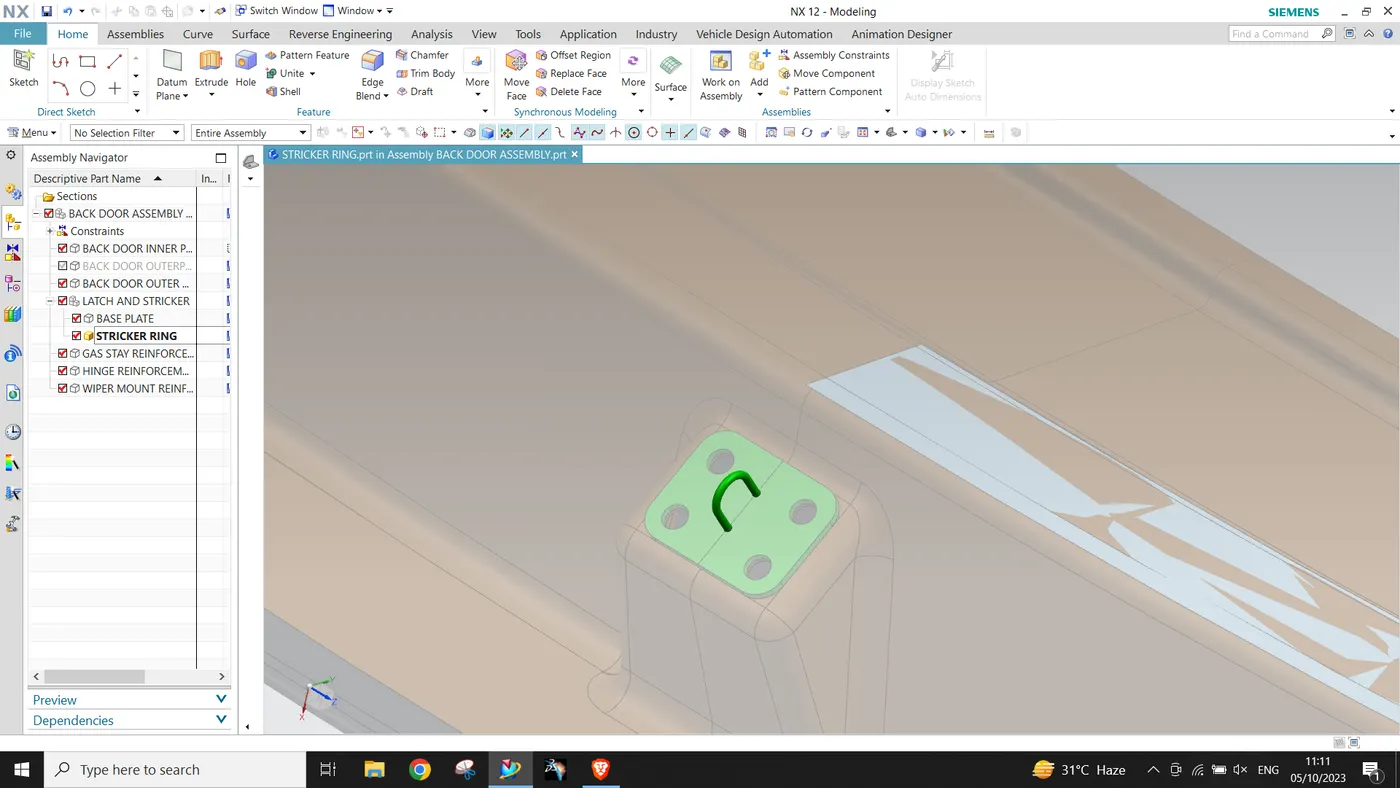
Hemming and Hem relief :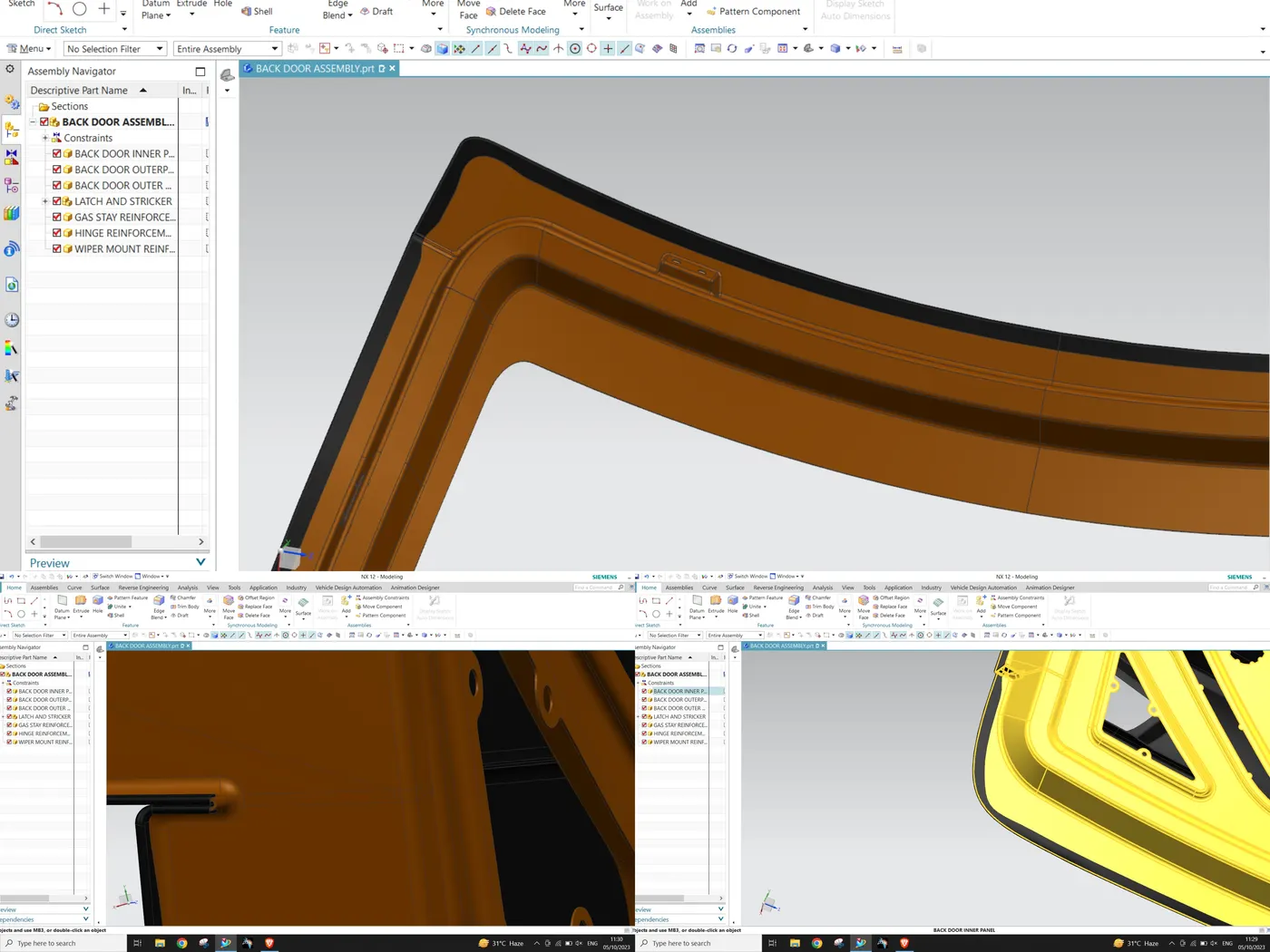
Draft Analysis :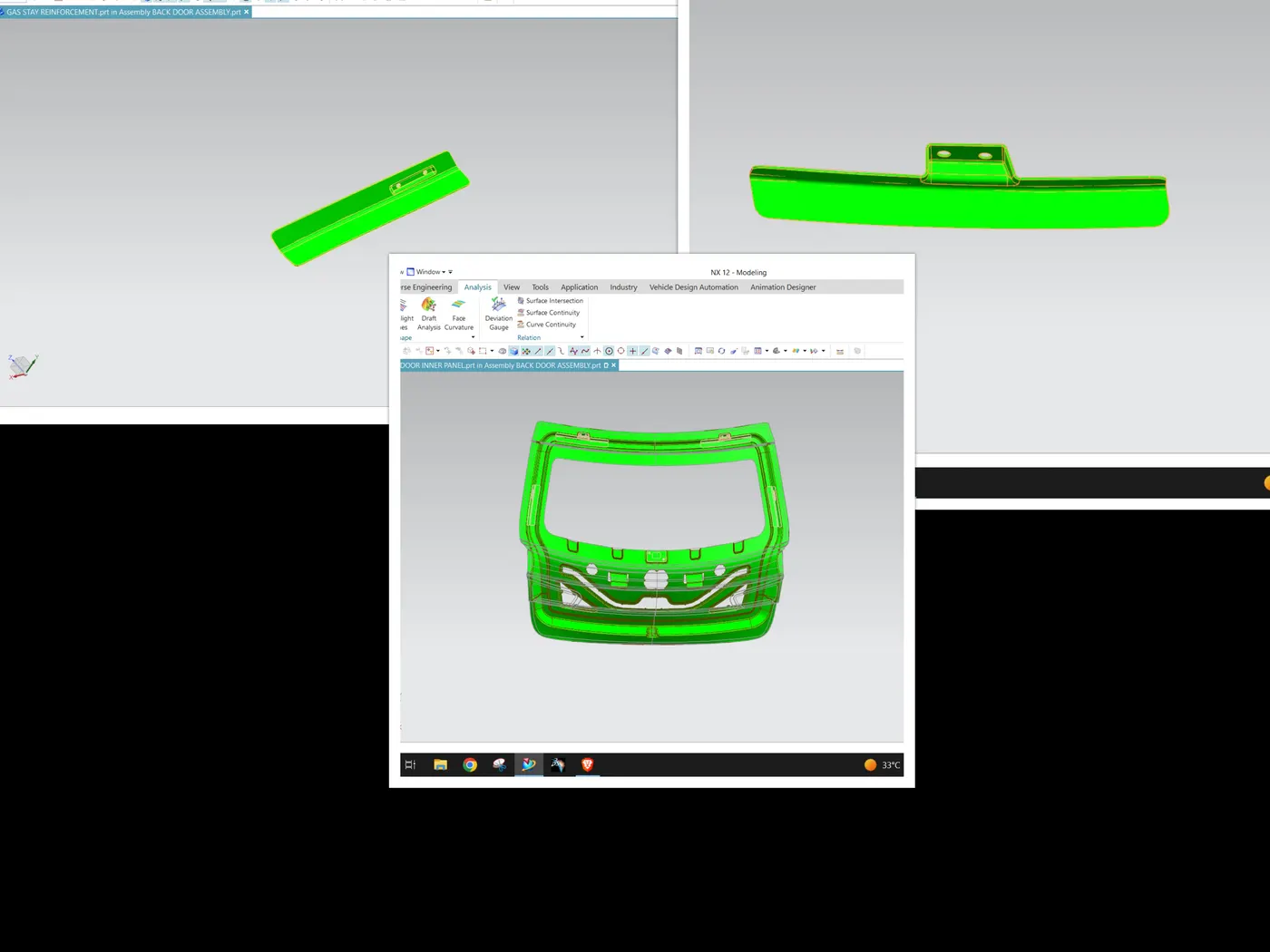
Final output: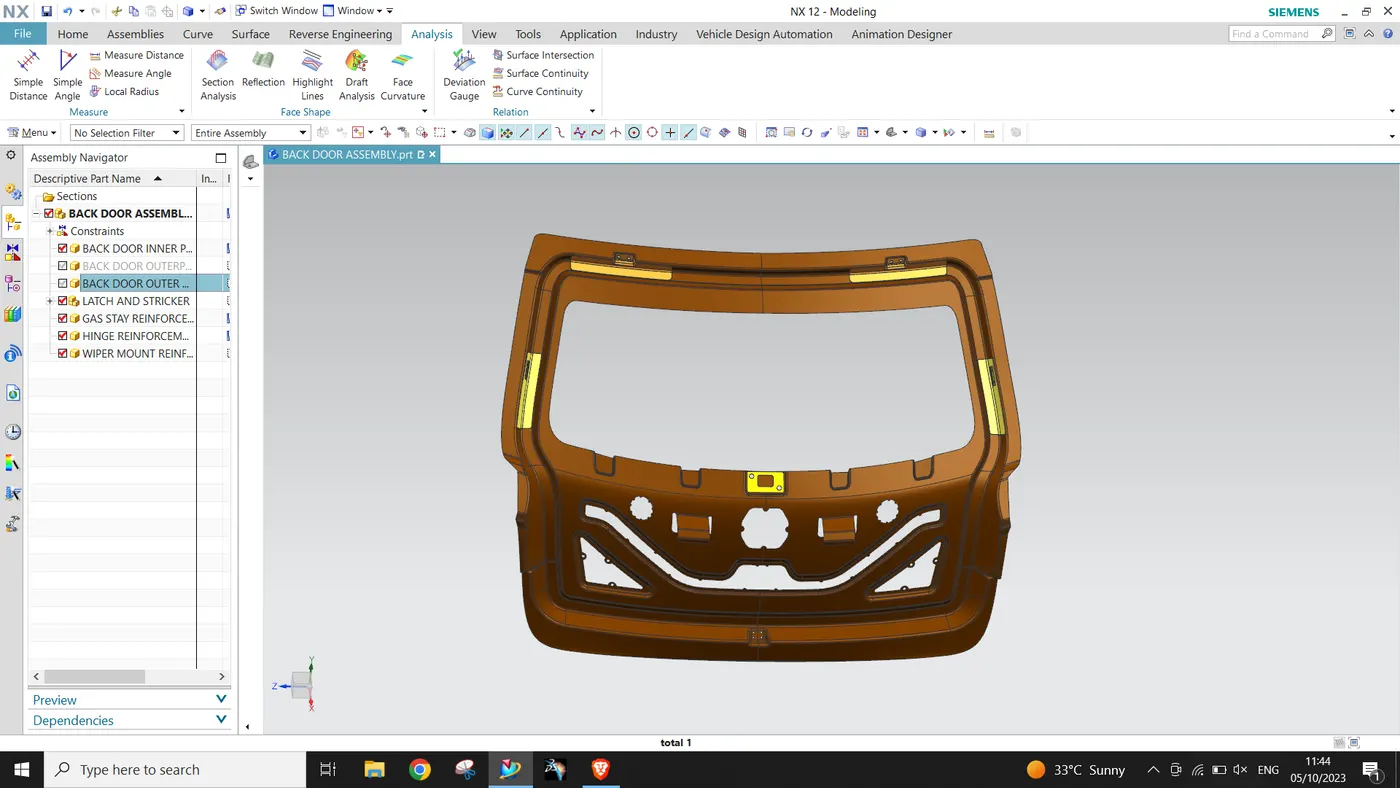
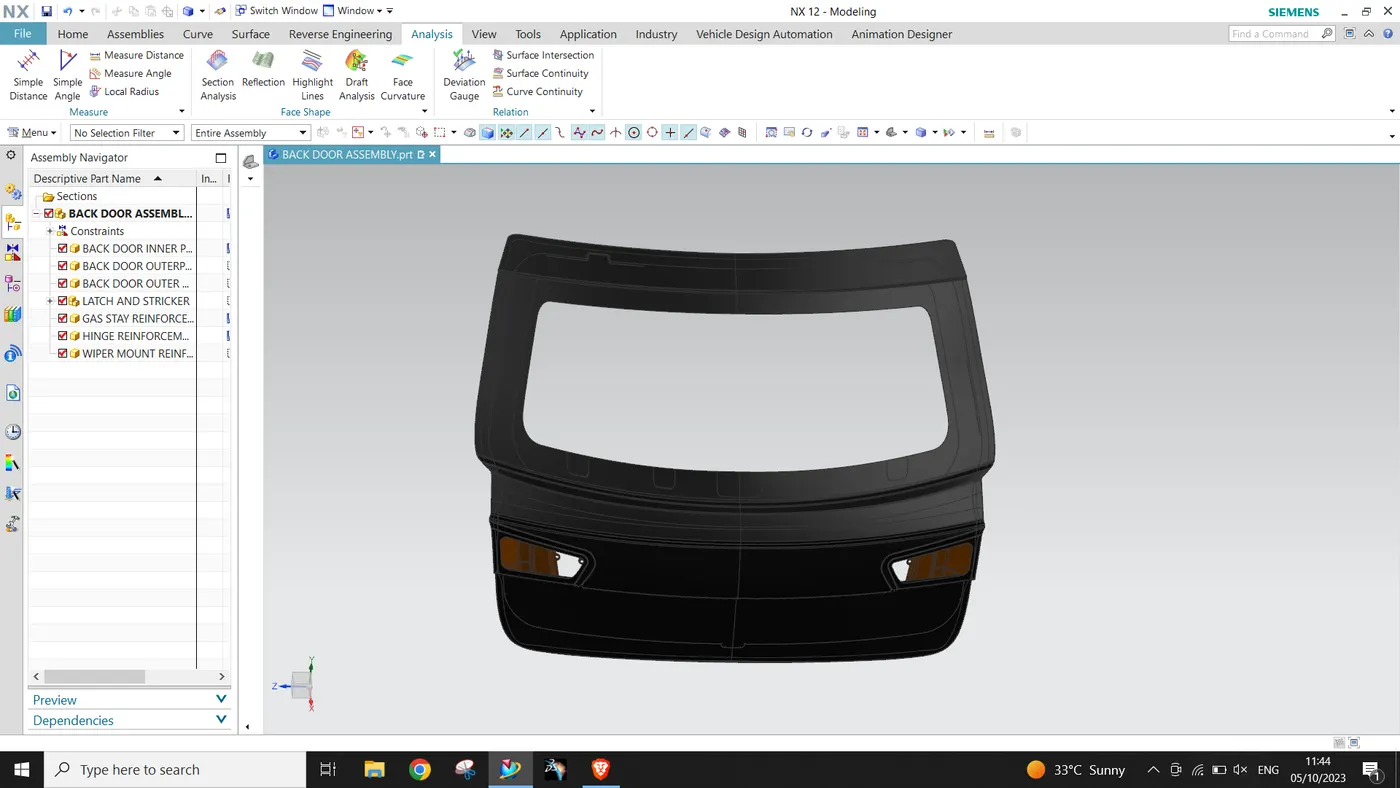
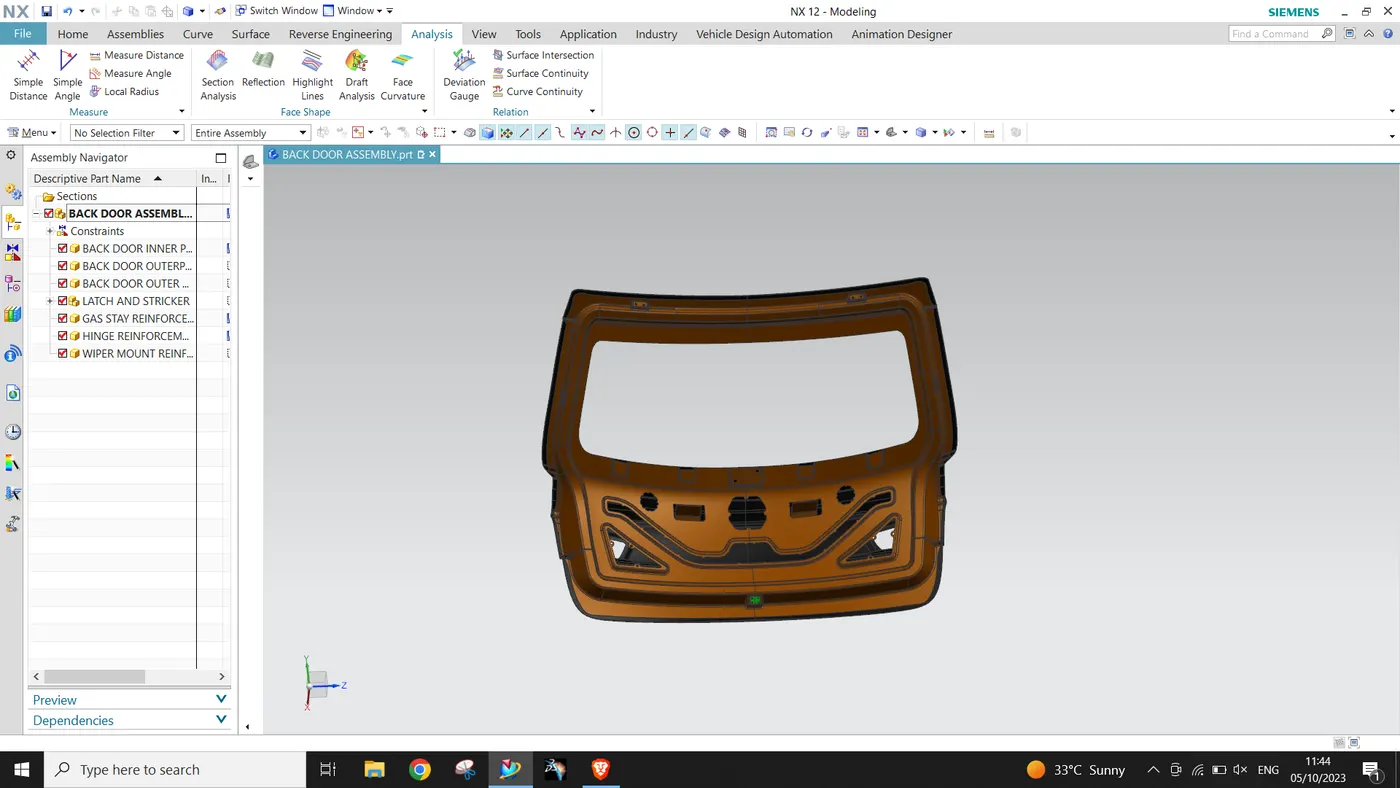
-------------------------------------------------------------------------------------------------------------------------------------------------------------------------------------------------------------------------------
I cannot able to upload my design file so I have provided a Google Drive link where you can view my answers
https://drive.google.com/drive/folders/1yQaP5oLYvS3HAzZvapWv45Vk8u3SpL5B?usp=sharing
https://drive.google.com/drive/folders/1yQaP5oLYvS3HAzZvapWv45Vk8u3SpL5B?usp=drive_link
Result:
The back door design was created using the styling surface, added reinforcements, and performed draft analysis.