Design of backdoor
Objective:
The main objective of this project is to use the provided styling surface to come up with a back door design, use appropriate design methodologies, and provide the necessary reinforcements and embosses.
Back Door:
The trunk (North American English) or boot (British English) of a car is the vehicle's main storage or cargo compartment, often a hatch at the rear of the vehicle. It can also be called a tailgate.
Back door or tail gate simply refers to the back of the car that can open and close.it covering the rear of the vehicle.It provide access to a cargo area (trunk/boot ).A tailgate hinged at the roof is a predominant characteristic of hatchbacks, estates/station wagons and liftbacks .The door or opening of a cargo area may be hinged at the top, side, or bottom.
In most cars, usually this process will be done manually. One has to get down the car to open and close the tail-gate with the car key.Nowadays, automobile manufacturers providing Advanced features like the automated tail-gate. An automatic tail-gate in the car will do the process of shutting and opening the tail-gate electronically.
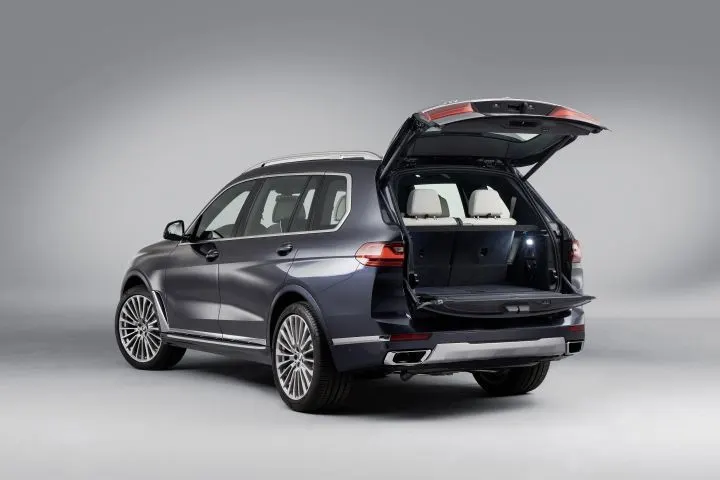
Types of the back door based on working positions.
The door or opening of a cargo area may be hinged at the top, side, & bottom. If the door hinged in the bottom it is called as a tailgate.
Top-mounted:
This type of back doors is used in a station wagon, pickup truck and some of the sport utility vehicles. Today’s modern cars use top-mounted tailgating systems which are both powered and also gas stay supported. These top mounted tailgates provide greater rear visibility compared to side-mounted or bar doors which have canter pillars in it.
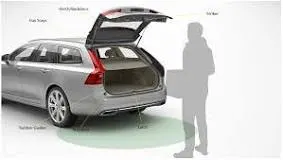
Side Mounted Doors:
As the name signifies side-mounted doors are the one which is used in the van type MPVs, SUVs, pickup truck vehicles. These side-mounted doors or barn doors are a lot easier compared to top-mounted doors. These doors are generally smaller in size and can be easily accessed. These doors are more convenient for the goods handlers for long pipe and lengthy components where one door is kept open. These doors also save accidental head impacts. It is a lot easier to load and unload items in the side-mounted doors.
Bottom / split type:
This bottom type or split type backdoor system are used in the car type such as estate type car, pickup trucks and some luxury SUVs. These are the most convenient type of back door in which the bottom split is used as a support or even as a table for the tour going people.
Types based on working mechanism.
Gas stays type:
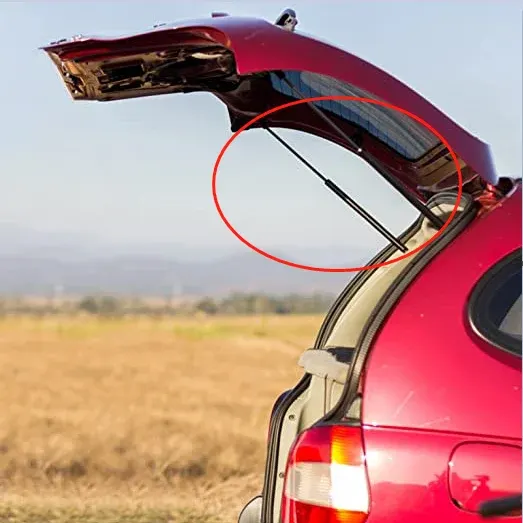
Gas stay types backdoor/liftgate/tailgate is an ideal and most commonly used tailgate mechanism from lower segment car to luxury car segment. The ideal components of tailgate consist of a hinge, door, gas stay and some rubber beadings for sealing of door which is shown in the image below:
Powered lift system:
Power trunk lid system is another sophisticated way of trunk/liftgate opening mechanism which is to automatically open and close of the trunk/liftgate and release of the latch by the touch of a button. The following image shows the component as used in the powered trunk/back door lift system.
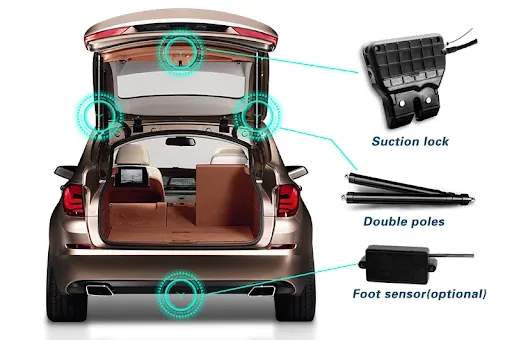
Powered trunk lift system consists of a power latch, anti-pinch switch, PTG ass’y, PTG main switch. When the switch is pressed in the compartment or outside the power latch releases the latch and the entire backdoor is opened. The anti-pinch switch is located in order to avoid accidental hand insertion during the operation of the door.
MANUFACTURING METHODS:
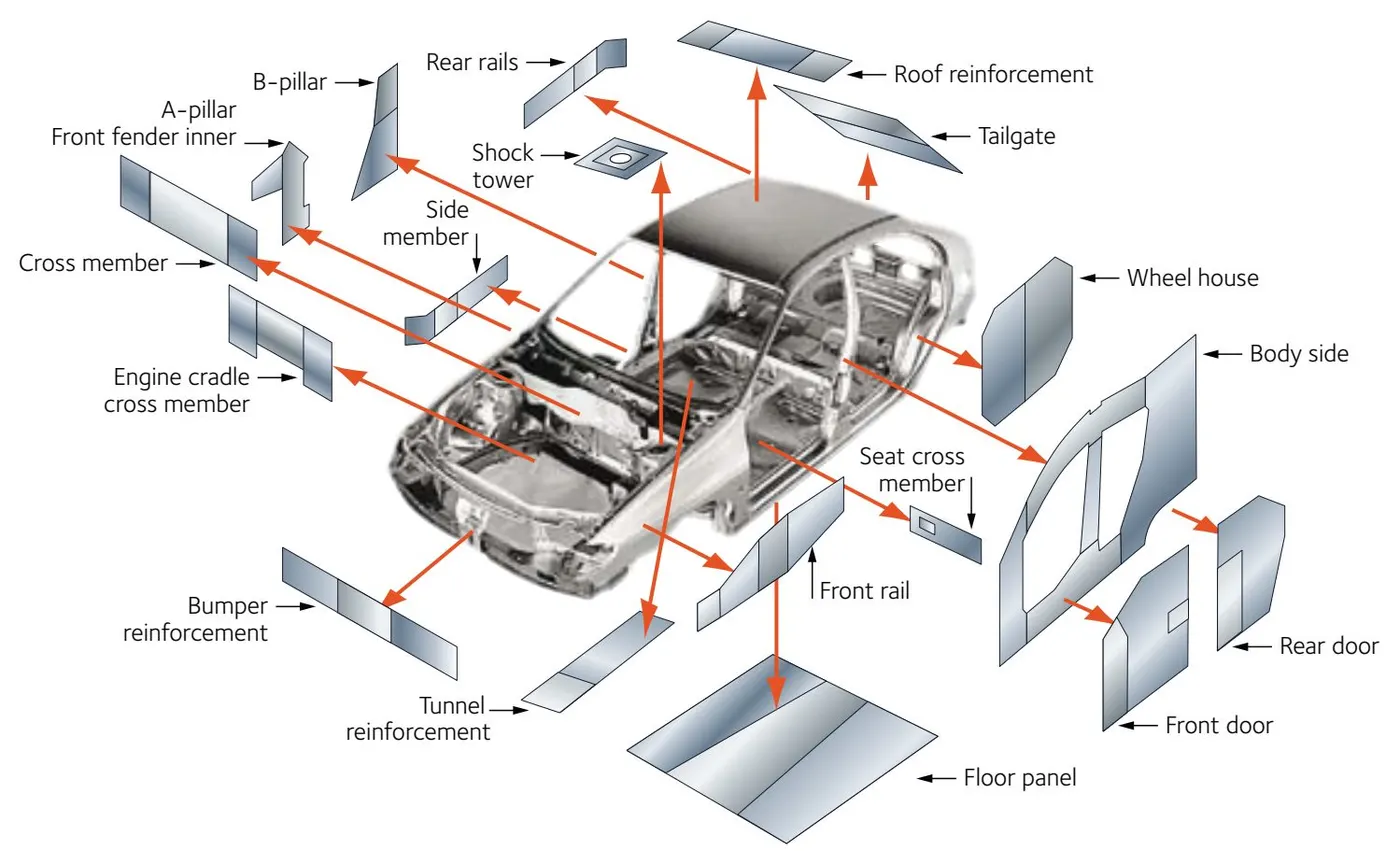
Recently, there have been two approaches to reducing automobile weight. One is by using material lighter than steel and the other is by redesigning the steel structure. Although the former seems very effective, it is very expensive so that it may only be used for an expensive automobile. Therefore, the automobile industry is trying to use steel, which is not costly and recyclable. Lightweight steel can be achieved by improving the performance of the structure or adopting new manufacturing techniques. One of the efforts is the ULSAB (ultra-light steel auto body) concept.
ULSAB suggests three main weight reduction techniques such as hydro-forming and the tailor welded blank (TWB).
Tailor welded blank:
A tailor-welded blank is a blank that is comprised of two separate pieces of sheet metal that have been welded together prior to stamping. Tailor welded blanks allow the welding of the different grades, different thickness or different corrosion coatings together in order to give the properties needed in different areas, without increasing the number of tools needed to form the part and eliminating the fit ability concerns. They also allow a high degree of flexibility in designing parts and large blanks can be formed from much smaller sheets. The use of tailor-welded blanks would reduce the weight of the car. Having the ability to selectively place different thickness of material would result in weight reductions. An example of this used in production is the door inner panel. The only strength requirement on a door inner is in the region where the hinges attach to the panel.
MATERIAL FOR BODY PANELS
Materials for car body panels require certain specific characteristics to meet the industry’s challenges: rationalisation of specifications for leaner inventory, improved formability for reduced rejection rate and better quality. Higher Strength Low Alloy (HSLA) steels of thinner gauges, are getting preference for weight reduction and the resulting better fuel economy.Other quality characteristics under demand are higher yield stress (strength), toughness,fatigue strength, improved dent resistance as well as corrosion resistance in materials used for body panels for improved durability and reliability.
To obtain consistent quality of autobody skin panels without failures during stamping, the formability/ductility specifications of strip steels are the basic requirements.Most of the steels used in automotive application are aluminium-killed steels of about 0.7 to 0.9 mm thickness.
An intensive research and development are going on for alternate materials, manufacturing processes and stamping tools for sheet-metal components with the main objectives of cutting down the weight and unit cost of the vehicle. Simultaneously, the steel content of the car is falling with the use of aluminium and new materials, such as plastics. Aluminium may provide the most sought after solution to reduce the weight of the vehicles. A reduction of 30% in weight is achievable if the same strength, stiffness, and stability of the component are to be realised by substituting steel with aluminium. Possibility of significant reduction in die cost will be another advantage with aluminium. However, problems related to strength, serviceability,
manufacturability, and above all the cost, require effective solutions before the acceptance of aluminium as a substitute to steel for body panels. Plastics for bumpers,
STAMPING PROCESS
Stamping processes to be used for a panel depend on its design. However, normally the processes used extensively are blanking, drawing, piercing, forming, notching, trimming,hemming, etc. Blanking prepares the initial approximate form of the part in flat sheet. Drawing is generally the first operation to attain depth related form. Piercing, notching, hemming, are product design related operations. Trimming generally removes the extra material on the periphery of the panel provided for blankholding during draw operation. Decision on trim line is very important and becomes deciding factor to obtain good draw.
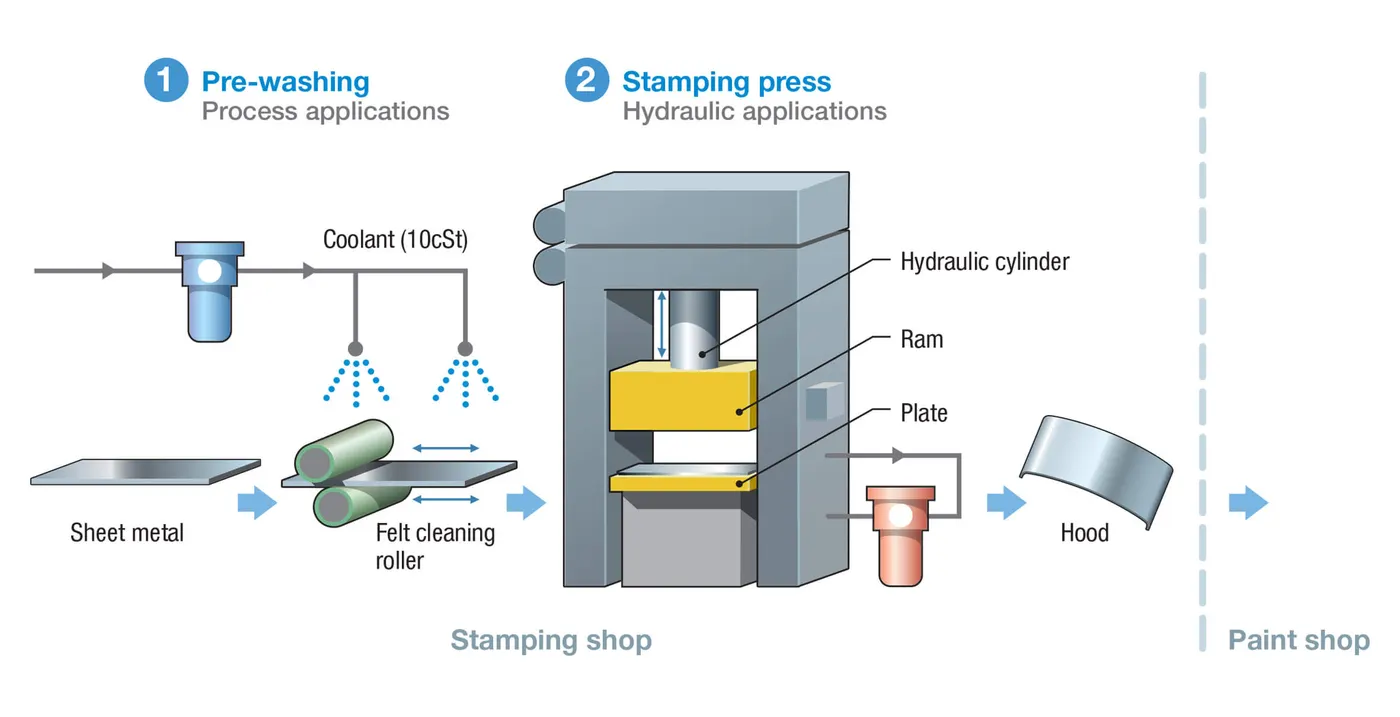
fig.3.2.1 stamping process
1. Blanking
When required, blanking is the first step of the stamping process. Blanking is the process of cutting larger sheet or coils of metal into smaller, more manageable pieces. Blanking is usually performed when a stamped metal piece will be drawn or formed.
2.Piercing
If a part requires slots, holes, or other cutouts, piercing can be employed. Piercing, which can be performed simultaneously with blanking, punches the requisite shapes out of the metal sheet.
3.Drawing
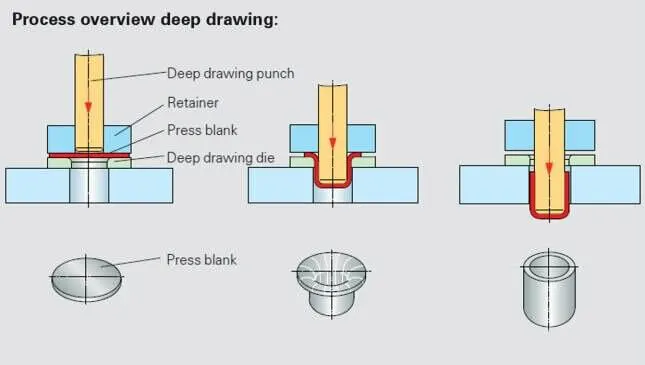
Drawing is the actual stamping in the metal stamping process. A punch forces a section of metal through a die, providing the primary shape of the part. When the depth of the part is less than the primary opening, it is considered shallow drawing; parts with a depth greater than the opening are deep drawn.
4.Bending
Bending is a fairly self-explanatory process. The part-in-progress is placed on a specially designed die and a ram pushes against the metal, providing the required bend. Bending is performed after drawing, as attempting to punch an already bent piece of metal causes the entire part to deform.
5.Hemming
Hemming is a technology used by the automotive industry to join inner and outer closure panels together (hoods, doors, tailgates, etc.). It is the process of bending/folding the flange of the outer panel over the inner one. The accuracy of the operation affects significantly the appearance of the car’s outer surfaces and is therefore a critical factor in the final quality of a finished vehicle.
Roller hemming :-The robotized hemming systems use a standard industrial robot integrated with a roller hemming head, offering a very flexible solution. This roller hemming head consists of a body, some guides and a number of rolls that are designed according to the geometry of the part in each case.
Different Sheetmetal processes used for manufacturing the Back Door
Deep Drawing:
The metal deep drawing process is an effective method of manufacturing of cups, cans and other similar deep drawing products. The deep drawings having two main categories.
- First- stage drawing: The blank shape of metal is placed on the die and contact with the punch. When the metal specimen is flat piece of sheet metal used in forming and finish the product. Initially the punch moves in downward direction. The outer rim of blank is subjected to pure radial drawing (drawing toward in vertical axes) between die and blank metal. The metal become a bend and sliding over die and also stretched between die and punch. The metal in vicinity of punch head and contact with it bend and slide over radii and stretch over punch head.
- Redrawing: The components drawn from first stage again it is redrawn convert into more depth to form a cup shape in the die and punch. The second stage of drawing is called as redrawing.
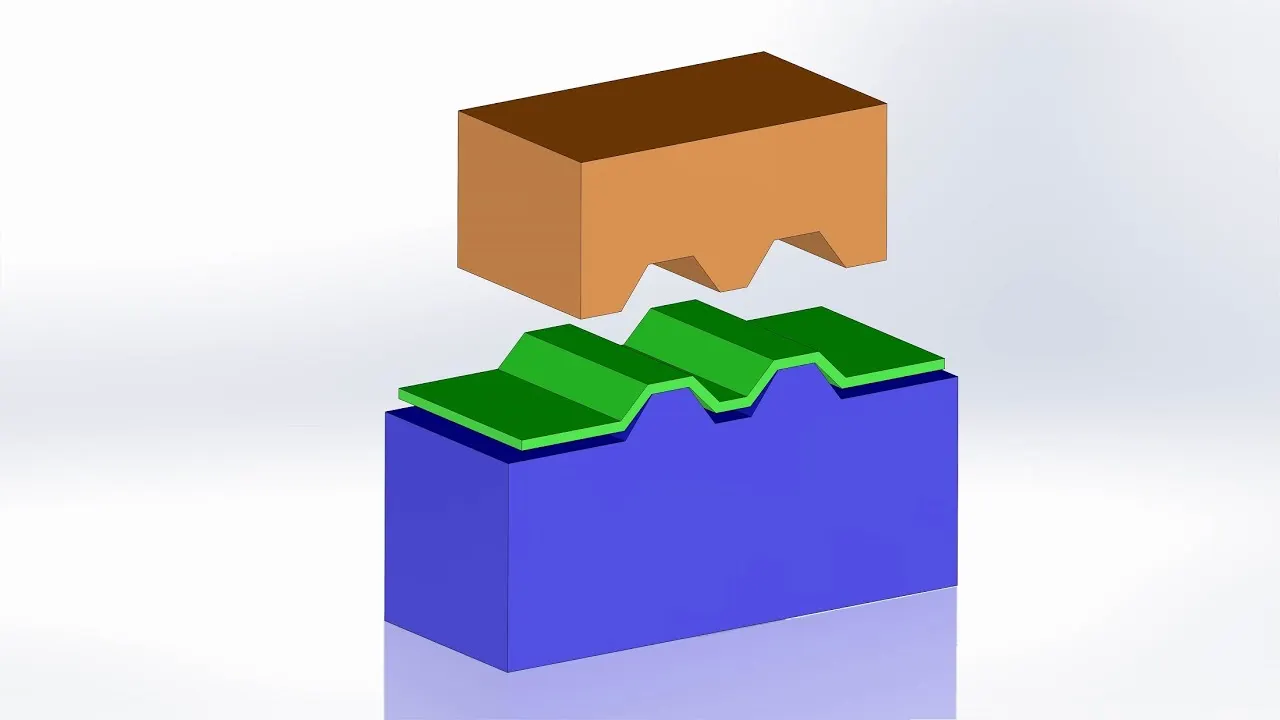
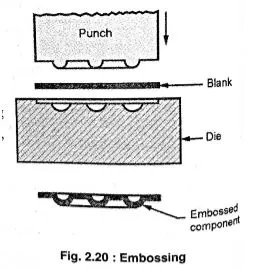
Embossing:
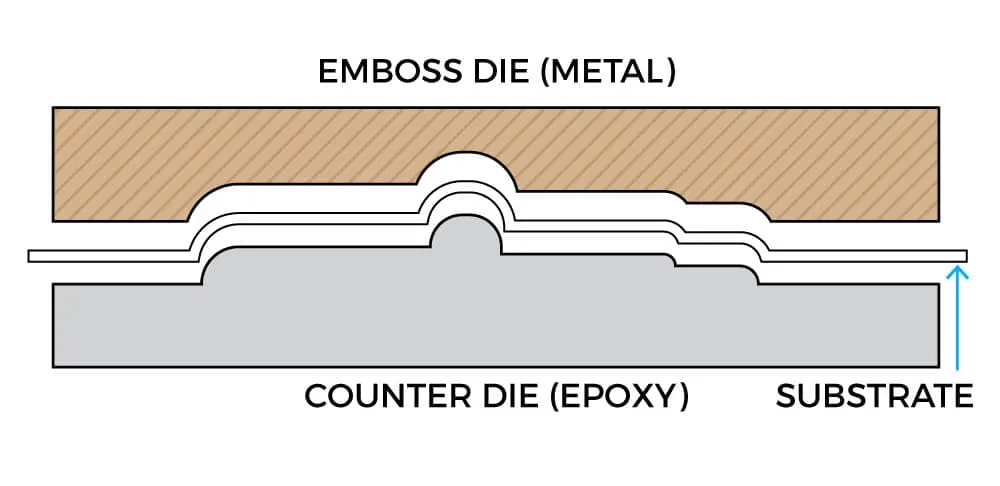
Embossing is a metal forming process for producing raised or sunken designs or relief in sheet materials by means of matched male and female roller dies, theoretically with no change in metal thickness or by-passing sheet or a strip of metal between rolls of the desired pattern. Metal sheet is drawn through the male and female roller dies producing a pattern or design on the metal sheet. Depending on the roller dies used, different patterns can be produced on the metal sheet.
Materials commonly used in the metal embossing process include:
- Aluminum alloys
- Steel alloys
- Zinc
- Copper
- Galvanized steel
- Brass
- Cold rolled steel
BACK DOOR DESIGN
The design consideration of back door are ,
- 1.Visibility Criteria
- 2.Force Dissipation
- 3.Latch and Stricker Positions
- 4.Hinge Position
- 5.Gas Stay Position
- 6.Hemming and Relief Areas
PARTS OF BACKDOOR
- 1.Back door outer panel (upper and lower)
- 2.Back door inner panel
- 3.Hinge reinforcements
- 4.Gas stay reinforcements
- 5.Latch and striker reinforcements
- 6.Wiper motor reinforcements
BACK DOOR OUTER PANEL
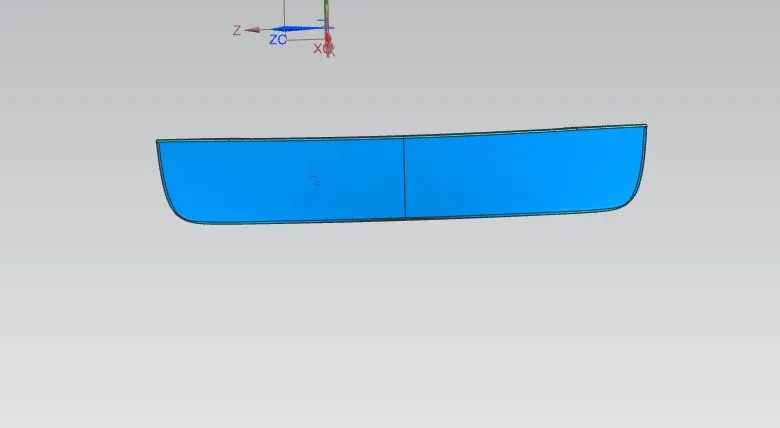
In this Challenge we are having the outer panel A_Surface, we want to improve that surface in a complete model surface with smoothen the edges as well. I created this outer panel as two parts they are upper and lower.
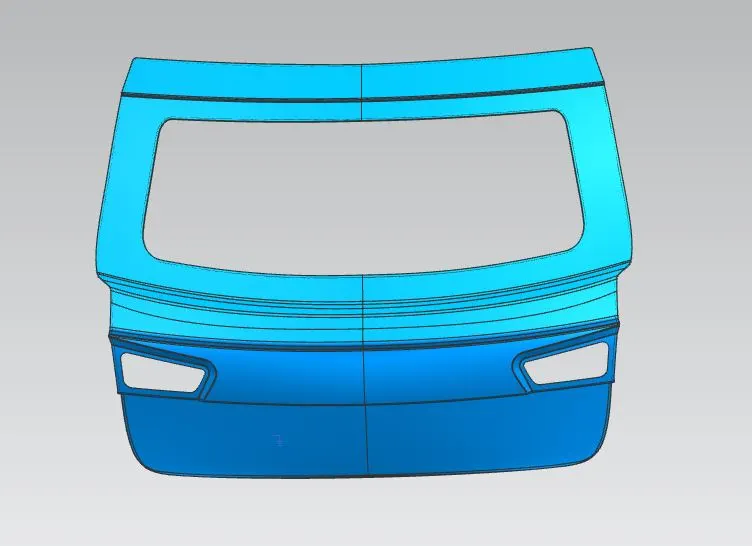
Upper Panel:
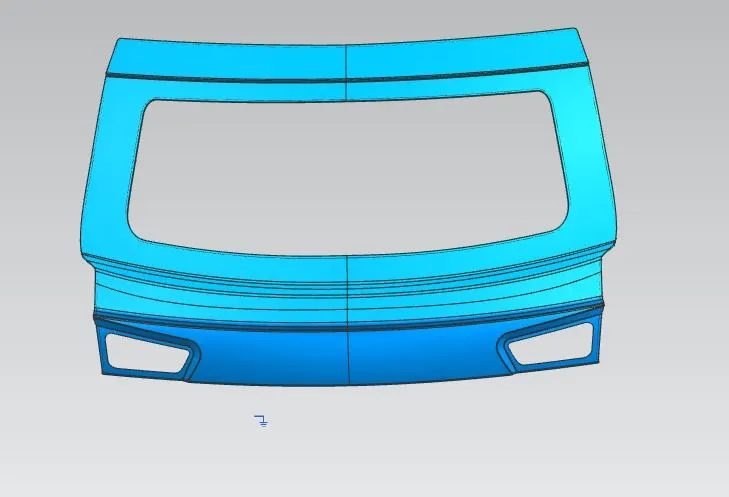
Lower Panel:
Back Door Inner Panel:
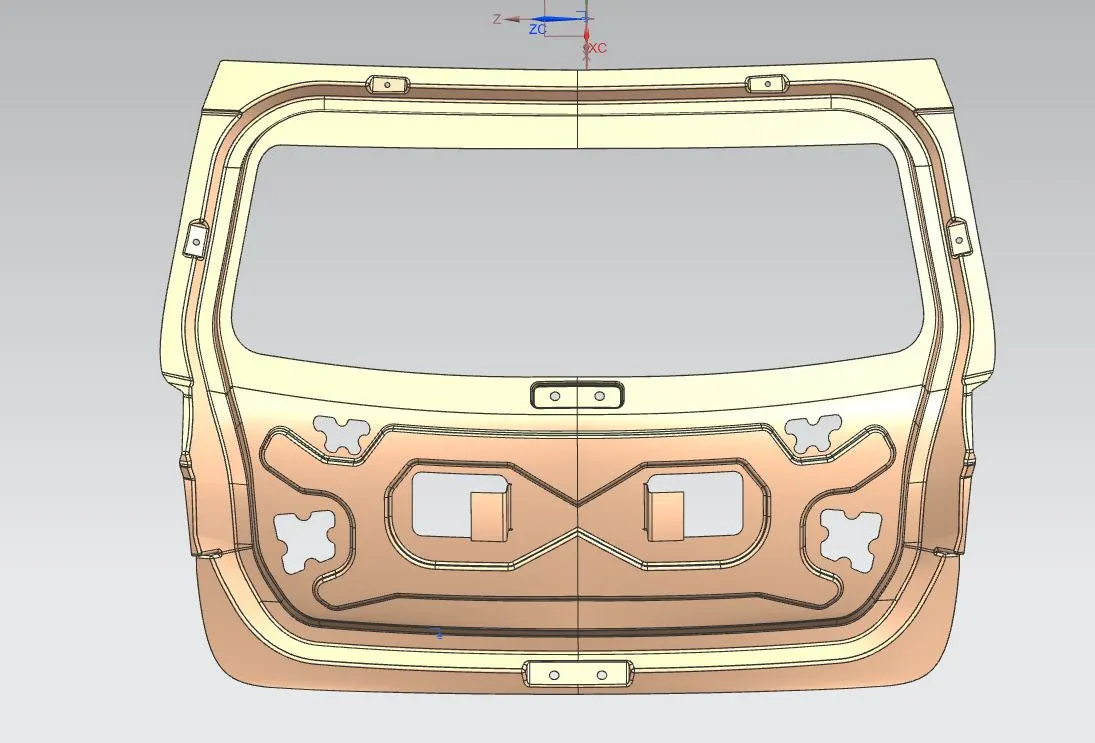
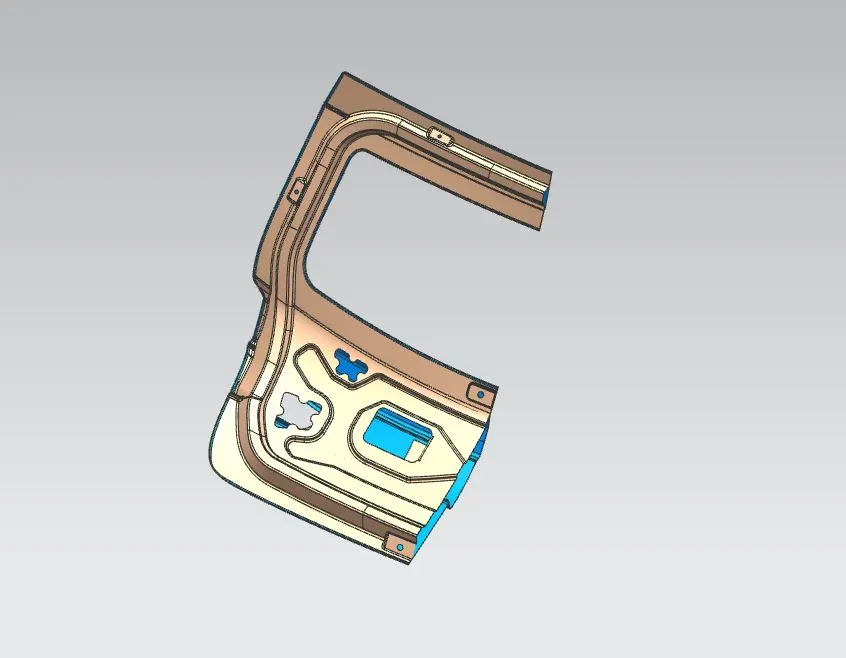
Back door outer panel designed based on hinge, gas stay, wiper motor position and reinforcement as well as visibility criteria .Suitable tooling direction is created for trouble free manufacturing process.In this design stamping operations created based on this tooling direction. Embosses are provided in this design for force dissipation. In this design appropriate clearance given in mastic areas .The inner panel thickness is 0.75 mm
Draft Tooling Direction:
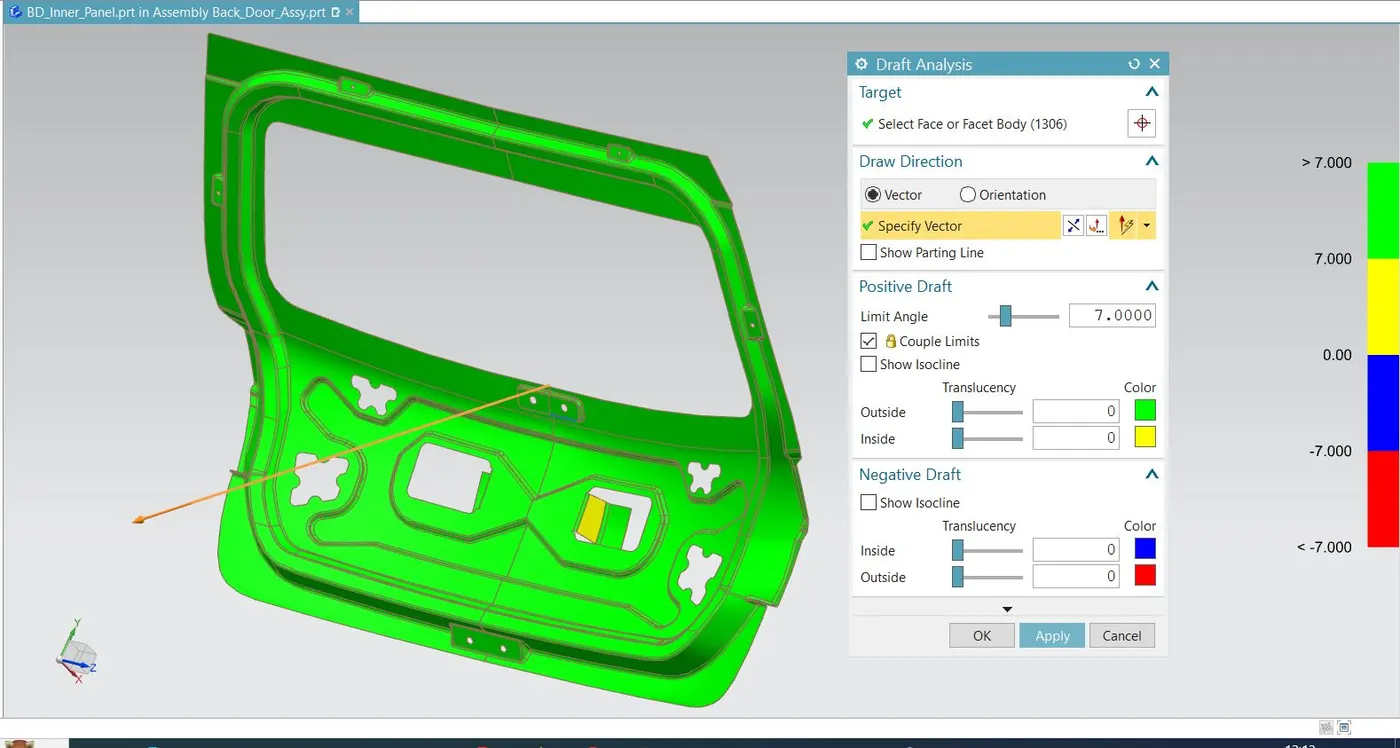
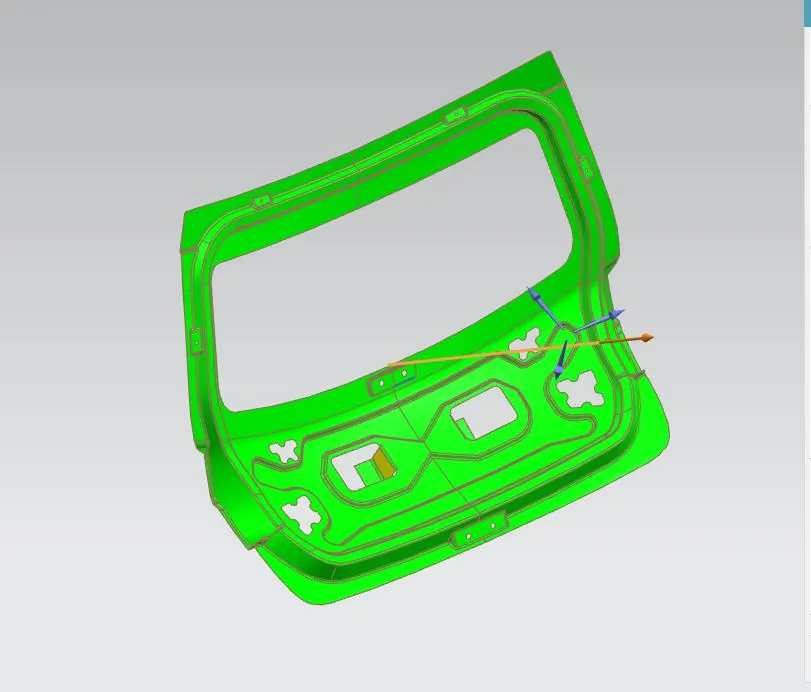
It is created for the smooth manufacturing process. I'm taking the Draft angle as 7 degrees.
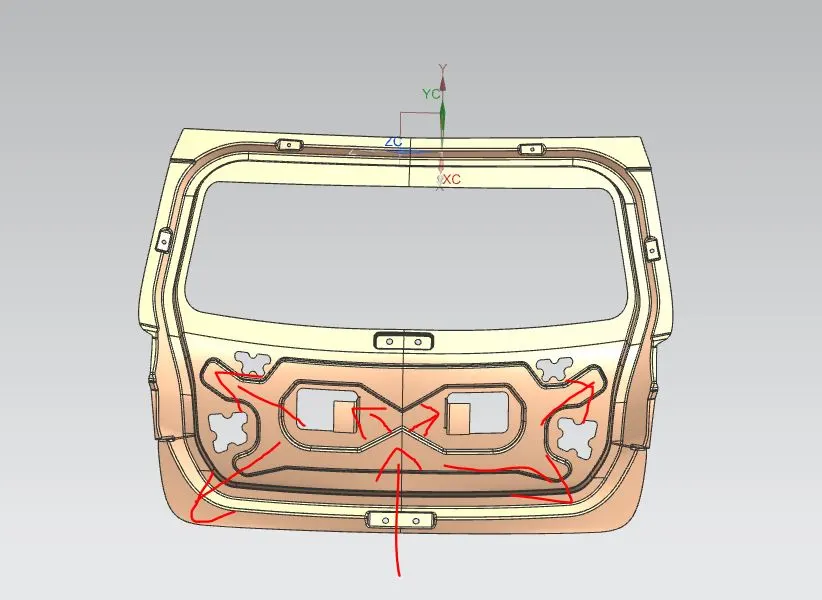
- Force dissipation
This inner panel design created by considering the force dissipation criteria.The embosses are created in such a manner that force will dissipate in to sides of the back door during a collision and prevent reaching inside the passenger cabin.Y and V embosses provided in the back door for force dissipation and improve the strength of the metal.
- Mastic Area
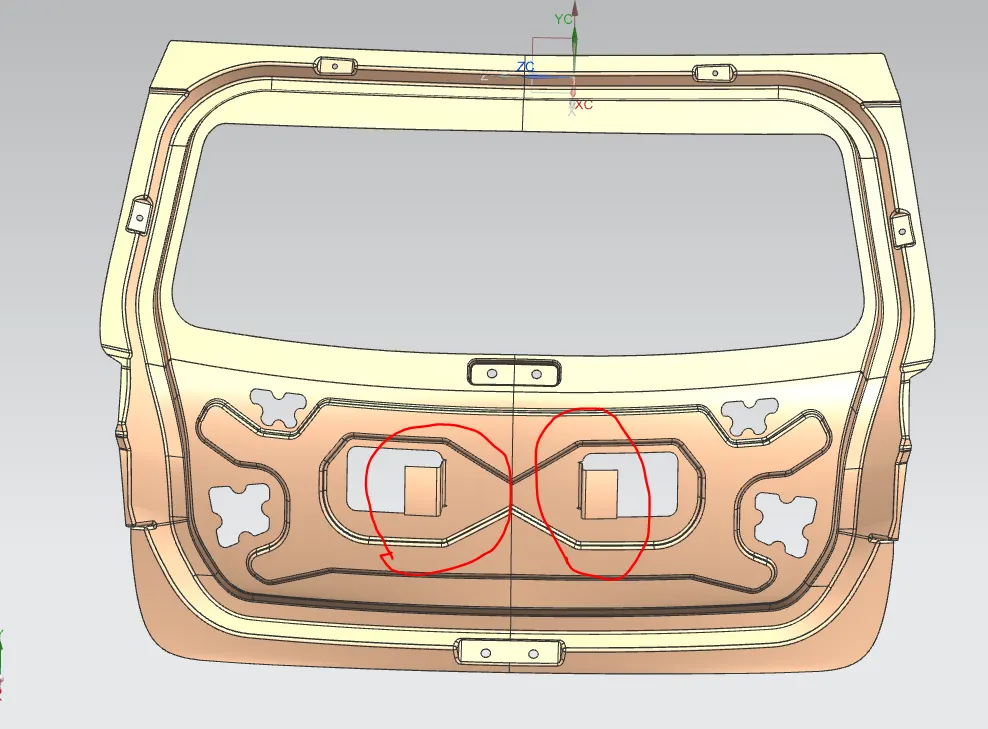
Mastics sealants used for joining of outer panel and inner panel. It increase the strength of back door and good NVH. So accurate clearance given for mastic sealant.
Reinforcements in Inner Panel:
All the Reinforcements are spot welded on the inner panel for giving better strength on that area.
Hinge Reinforcement:
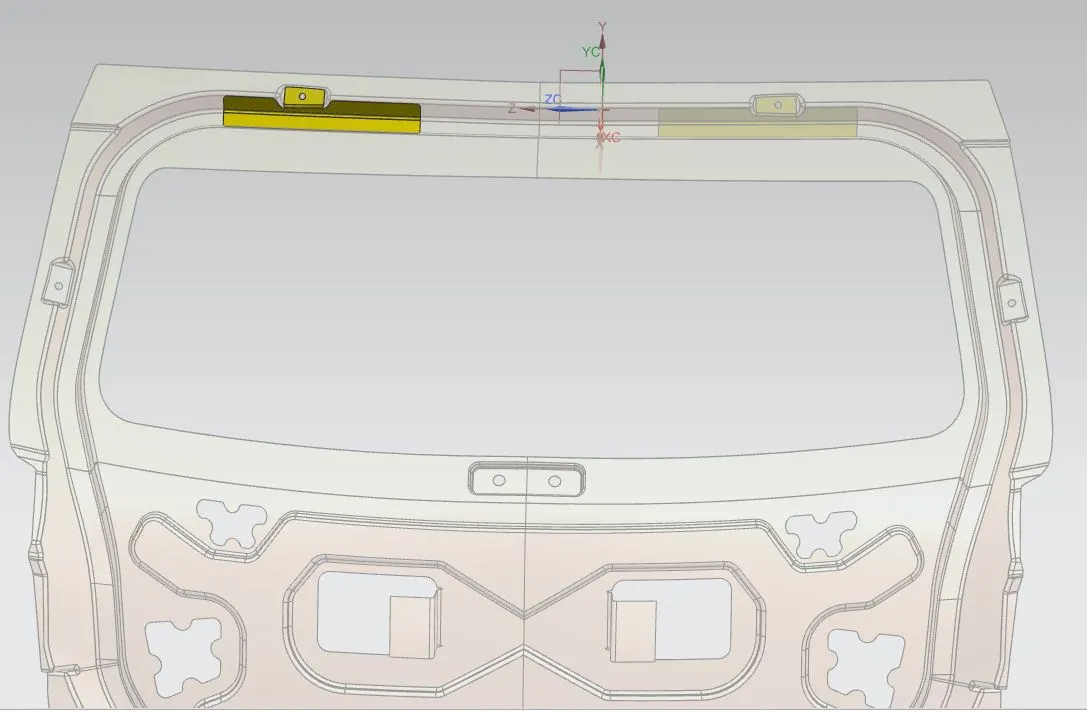
Door hinges allow your car or truck's doors to open and close, and they also hold them to the vehicle. They are located where the door attaches to the frame. There are two hinges for each doors an upper one and a lower one.
In this design hinges provided on the top side of the door. Appropriate reinforcement given for hinge mounting areas to improve the strength.
Gas Stay Reinforcement:
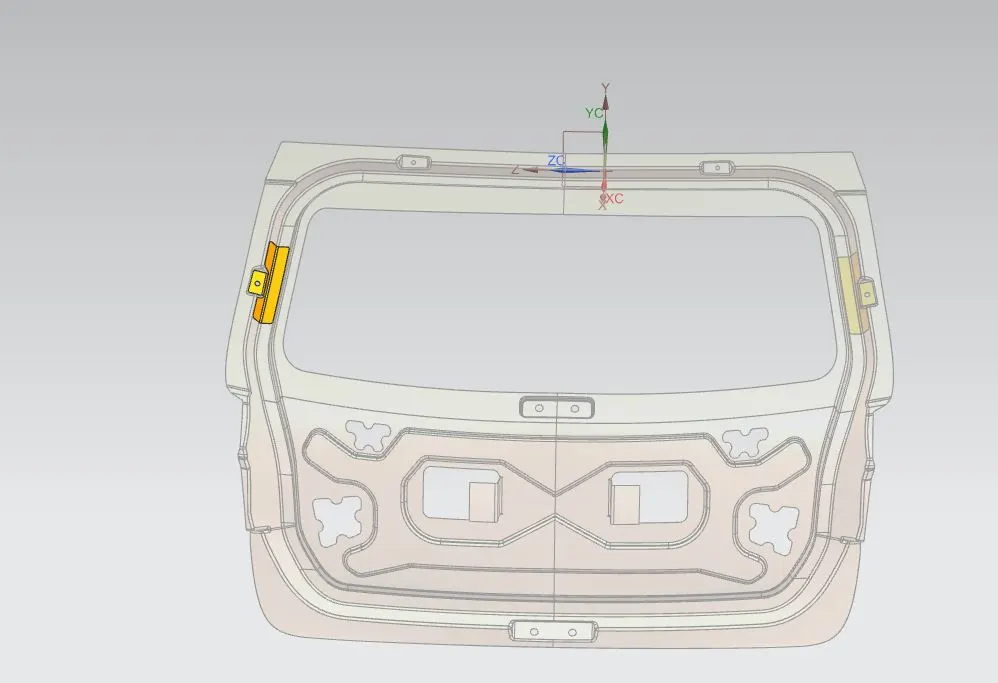
Gas stays support the weight of the back door while they are open. More load act on this region ,So suitable reinforcement provided for better strength. It is spot welded on the inner panel.
Wiper Motor Reinforcement:
It is on the middle portion on the door. In this area the wiper motor is mounted.
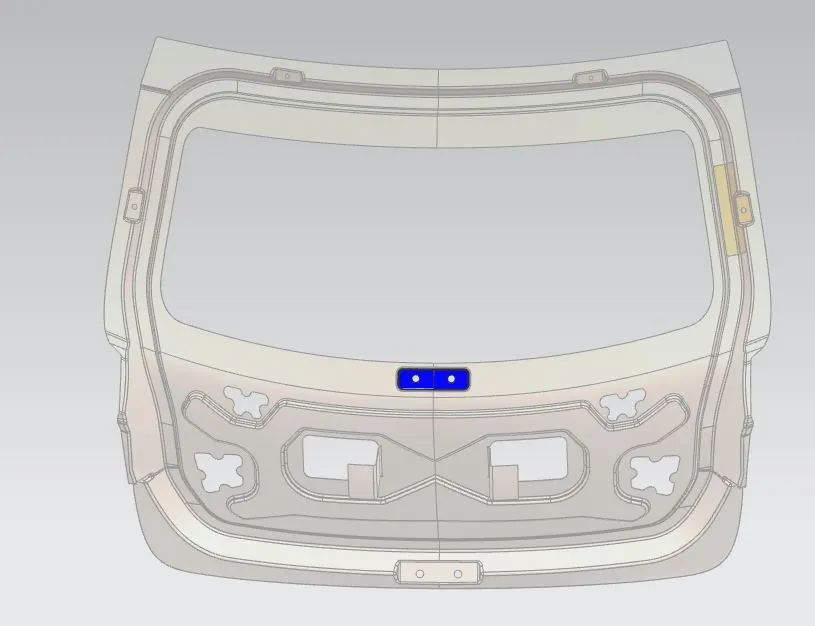
Latch and Striker Reinforcement:
The striker is designed to create a tight fit between the door and the seal on the cab. The door open and shut several times in a day.So more force acting on this area.The reinforcement given in the latch and striker mounting area to increase the strength.it is spot welded on the inner panel.
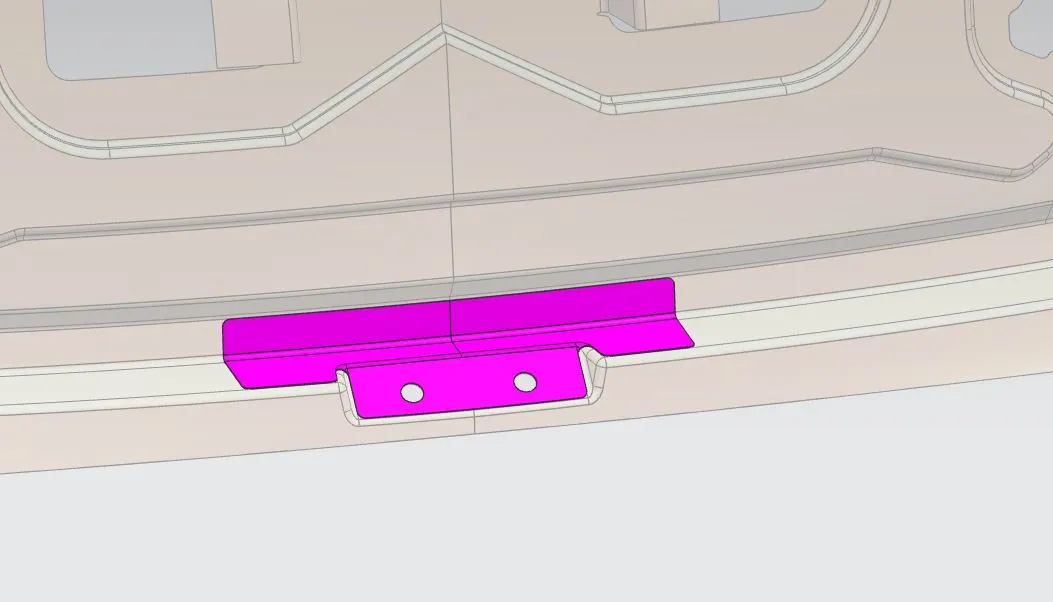
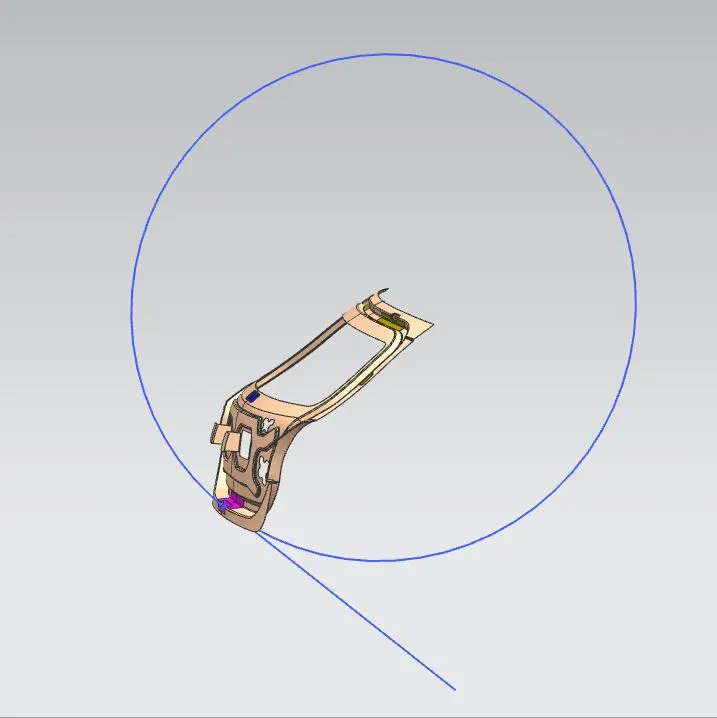
Trajectory:
The trajectory is created to position the latch and striker .latch system must be able to catch the striker of the door the while closing. Circle is drawn from the hinge axis. The striker follow this path.
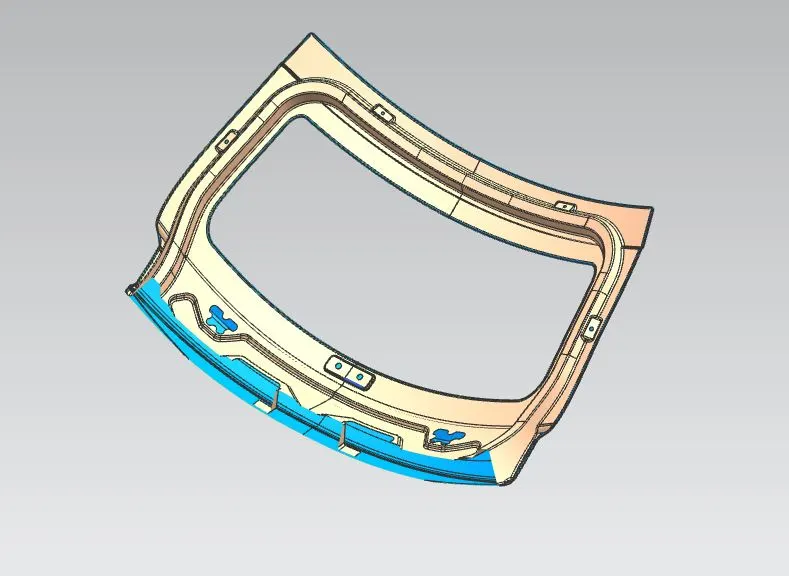
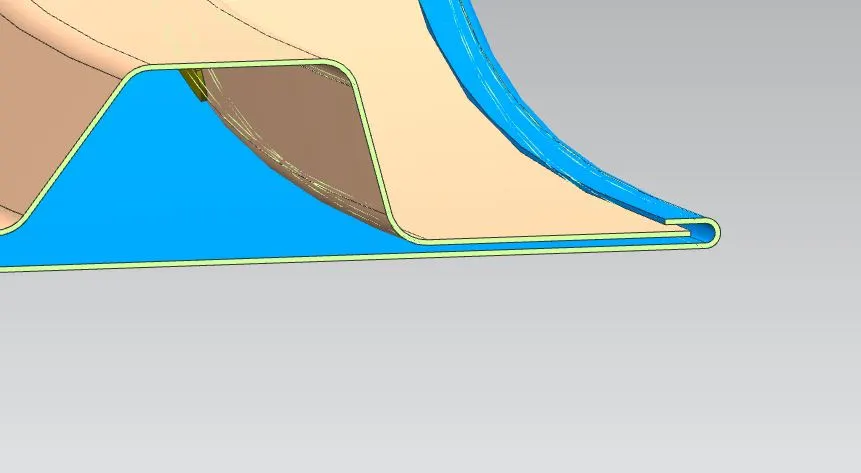
- Final Hemming :
Hemming is a technology used by the automotive industry to join inner and outer closure panels together (hoods, doors, tailgates, etc.).In addition adhesive bond provide for excellent joining of panels it also reduce vibration .here this design 0.2mm clearance provided for hem glue .
Reliefs on the Corners:
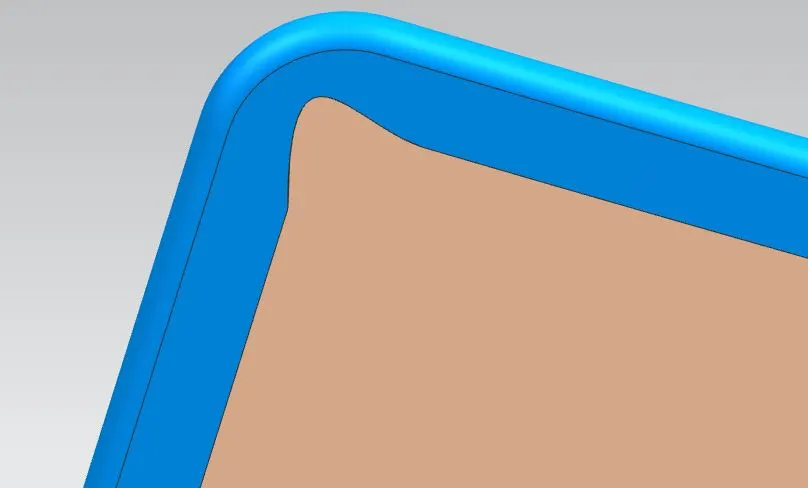
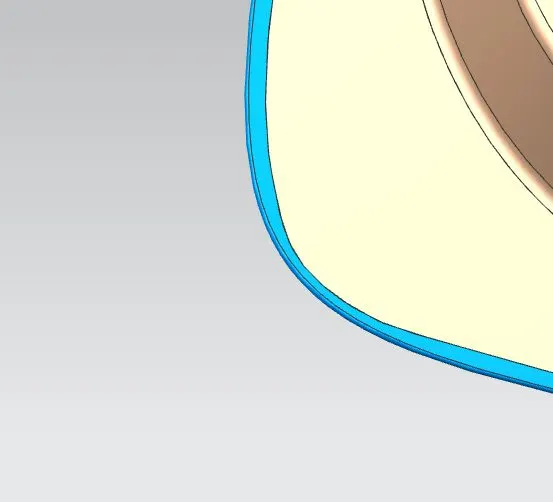
Reliefs are made assembly on the sheet metal, because it will create the reliefs while we bend or doing the hemming process it will deform about the stress which will induced on it's structure. While we bending the sheet outer portion will elongated and the inner portion will shrink. That's why the reliefs are given on the edges.
Conclusion:
Finally we created the back door assembly with the required mastic areas and Reinforcement components.
Note :
I tried to upload the stp and igs files on this site, but it didn't allow to upload more than 20 MB files. So I attached the google drive link on the below note pad file (.txt).
Thank You.