Design of backdoor
REPORT - DESIGN OF BACK DOOR
OBJECTIVE - Design a Back Door Assembly from the provided styling surface, use appropriate design methodologies and provide the necessary reinforcements and embosses.
INTRODUCTION -
Backdoor are one of the type of door of the vehicle which are located next to the passanger seat which provides access to the luggage compartment. In the most of the cars, these back door are operated with the help of gas stay which in turn reduces the effort required to lift the door.

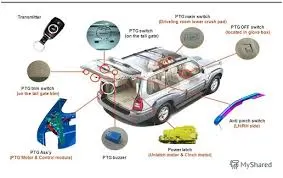
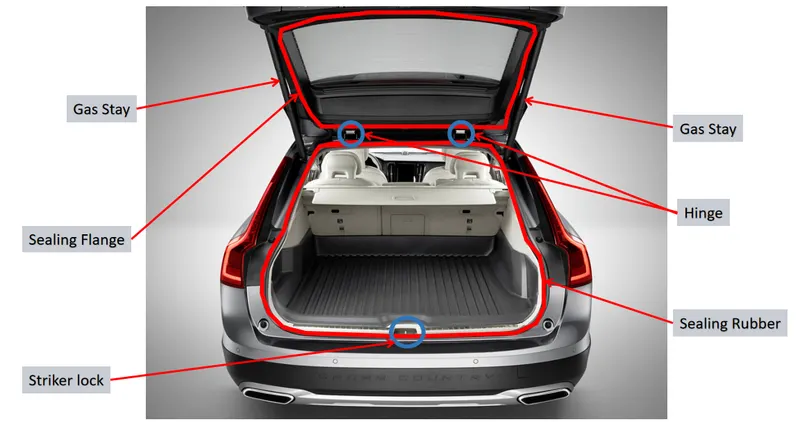
BACK DOOR ASSEMBLY -
1. Back Door Outer Upper Panel
2. Back Door Outer Lower Panel
3. Back Door Inner panel
4. Hinge Reinforcement LH
5. Hinge Reinforcement RH
6. Gas Stay Reinforcement LH
7. Gas Stay Reinforcement RH
PROCEDURE -
1. STYLING DATA -
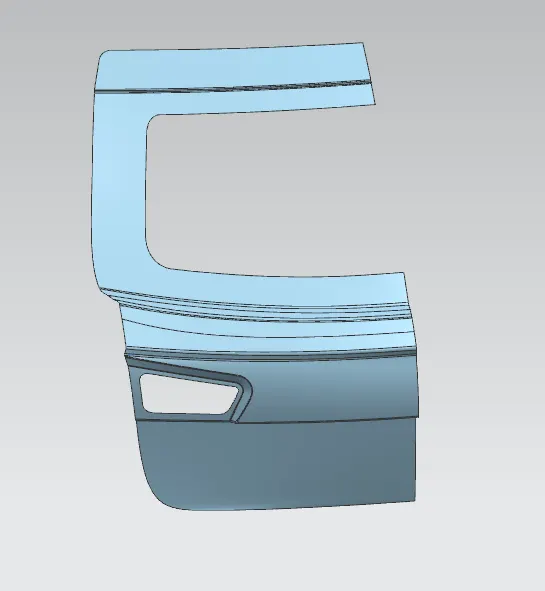
AS input we got class A surface. The surface contains many irregularirties and have bad surface quality so, firstly surface quality is improved.
2. TOOLING DIRECTION -
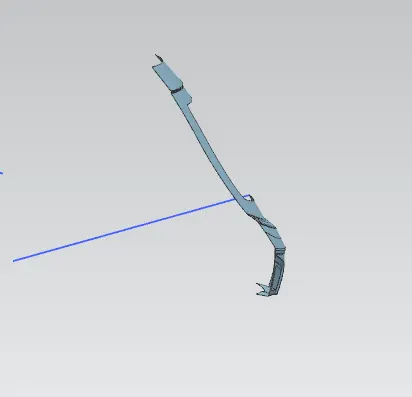
The Tooling Direction is the direction in which part is ejected from the mould. It is the direction in which tool is moved.
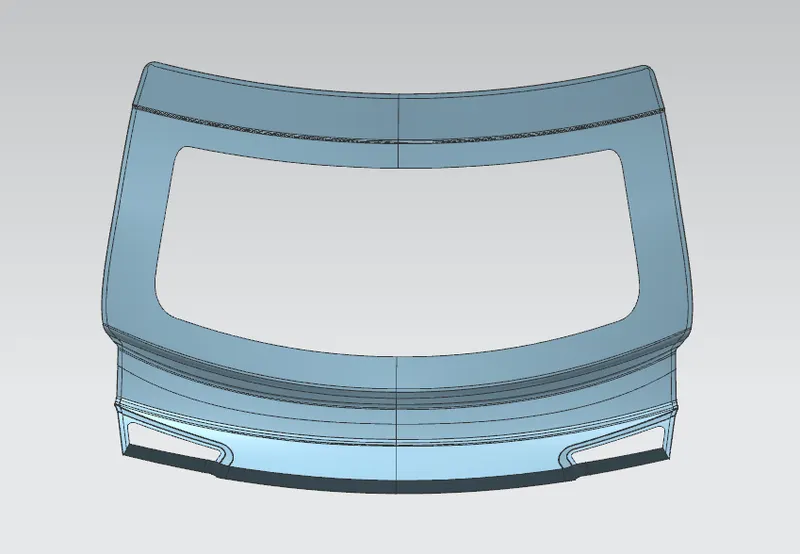
4. OUTER PANEL -
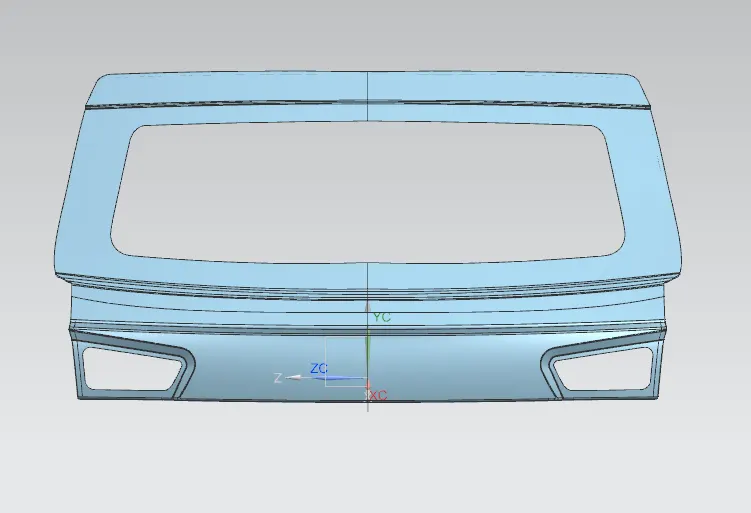
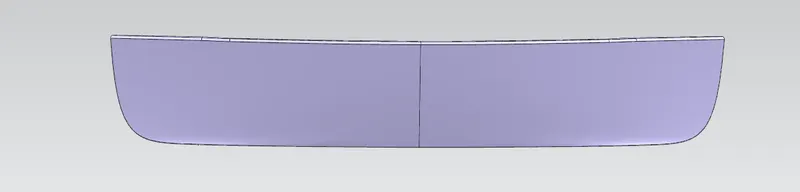
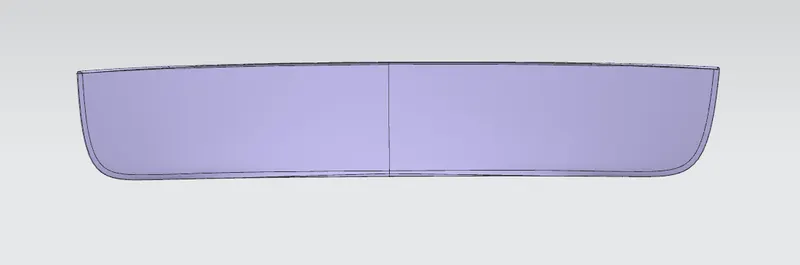
The Outer Panel is divided into two parts -
1. Upper Outer Panel
2. Lower Outer Panel
Upper Outer Panel
Lower Outer Panel
3. INNER PANEL -
After creating outer Panel We have designed the Inner panel. In Inner Panel we designed the Sealing area, the Emboss, and the Reinforcement.
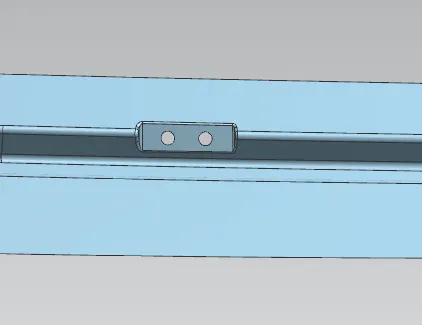
we have also designed embosses for Hinge and Gas Stay mounting.
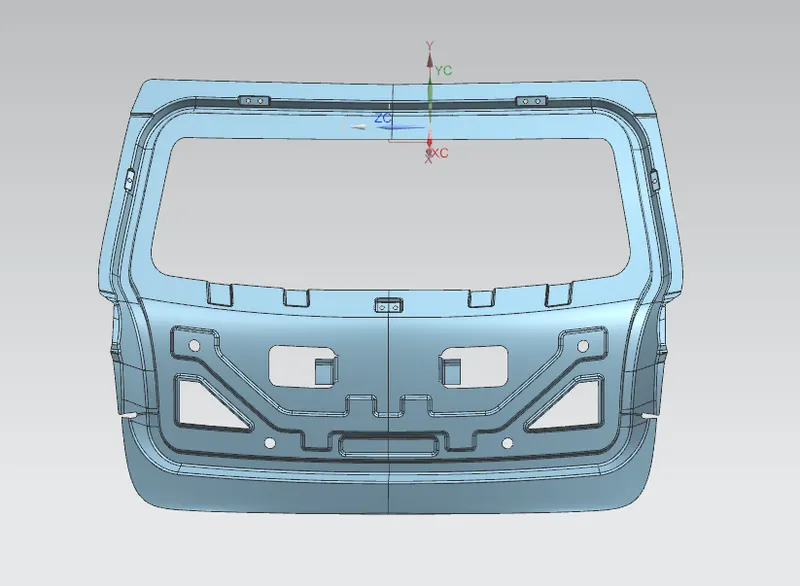
Gas Stay Emboss
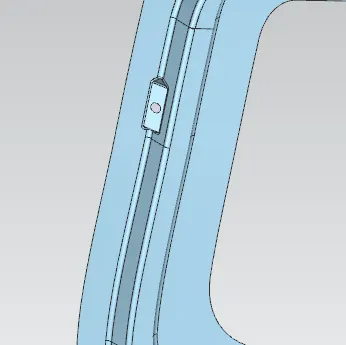
Hinge Emboss
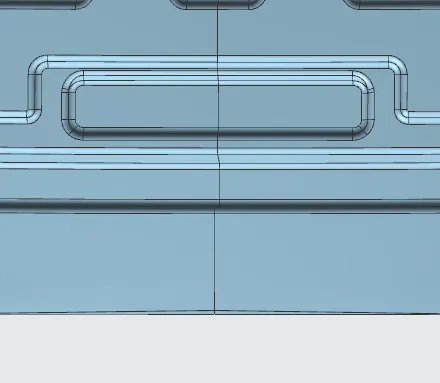
Latch Emboss
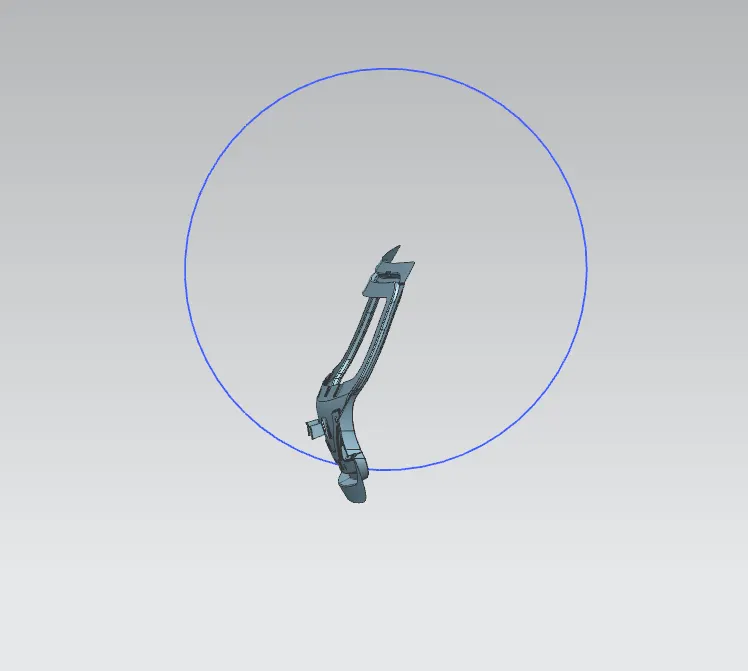
For creating the Latch emboss we also created the Trajectory Circle
4. HINGE REINFORCEMENT -
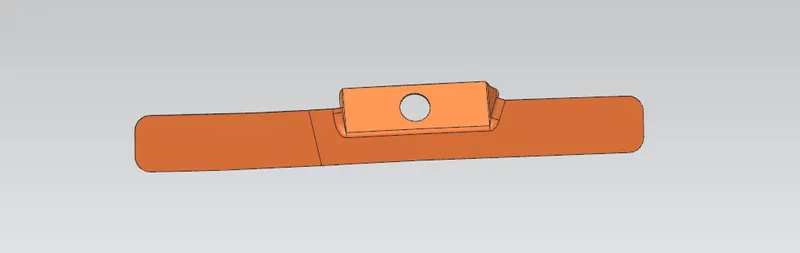
The Hinge Reinforcement is placed on the emboss of hinge to provide strengthen to the Inner panel.
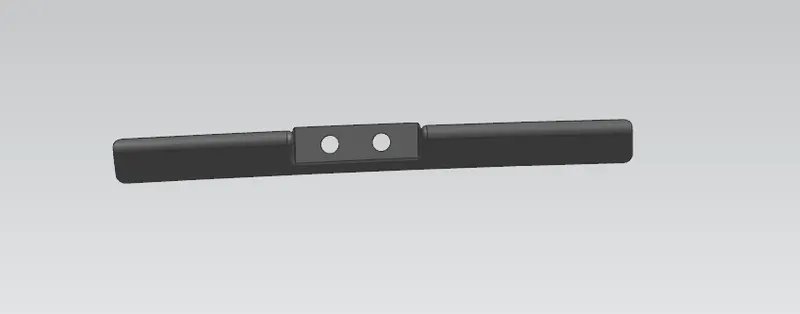
5. GAS STAY REINFORCEMENT -
The Gas Stay reinforcement is placed on the Gas stay emboss to provide strengthen to the part locally.
6. HEMMING -
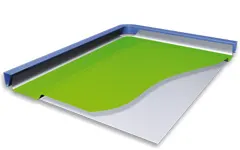
Hemming is a forming operation in which the edges of the sheet are folded or folded over another part in order to achieve a tight fit. Normally hemming operations are used to connect parts together, to improve the appearance of a part and to reinforce part edges.
In car part production, hemming is used in assembly as a secondary operation after deep drawing, trimming and flanging operations to join two sheet metal parts (outer and inner) together. Typical parts for this type of assembly are hoods, doors, trunk lids and fenders.
The accuracy of the hemming operation is very important since it affects the appearance of the surface and surface quality. Material deformations, which occur during the hemming process, can lead to dimensional variations and other defects in parts. Typical hemming defects are splits or wrinkles in the flange, material overlaps in the corner areas or material roll-in. This is why it is important to use simulation tools in order to, on the one hand, better understand the hemming process and, on the other hand, significantly reduce the number of “trial and error” loops during tryout und production.
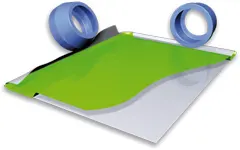
There are various types of hemming operations:
- Conventional die hemming
- Roll hemming
7. LANCING -
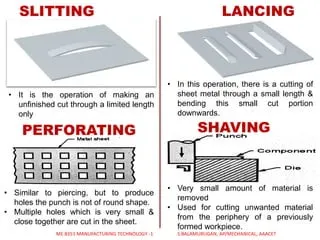
Lancing is a press operation in which a single line cut or slit is made on part way across the strip stock, without removing any metal. As a result, the proper lancing engineering method prevents fracturing by improving the sheet metal flow.
Lancing is a piercing operation in which the work piece is sheared and bent with one strike of the die. A key part of this process is that there is not reduction of material, only a modification in its geometry. This operation is used to make tabs, vents etc.

DRAFT ANALYSIS -
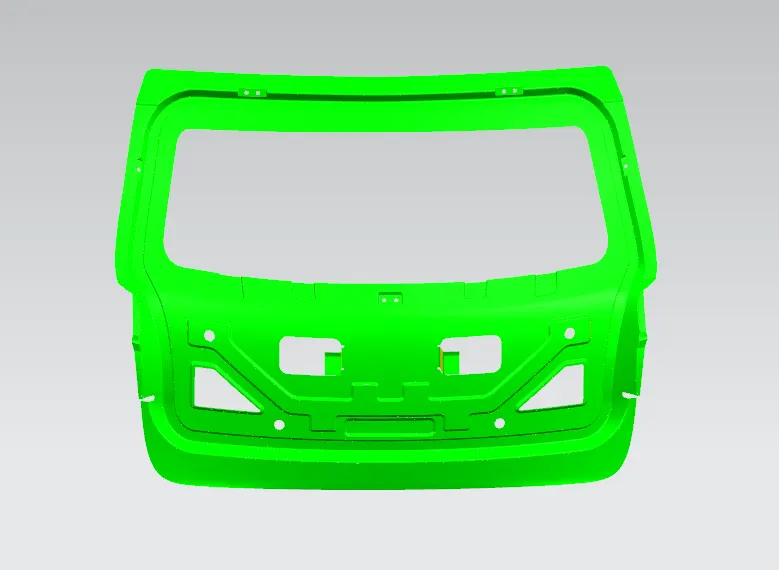
Draft Ananlysis is done on the body and is clearing the whole part. The minimum Draft angle provided in this is 7 degree.
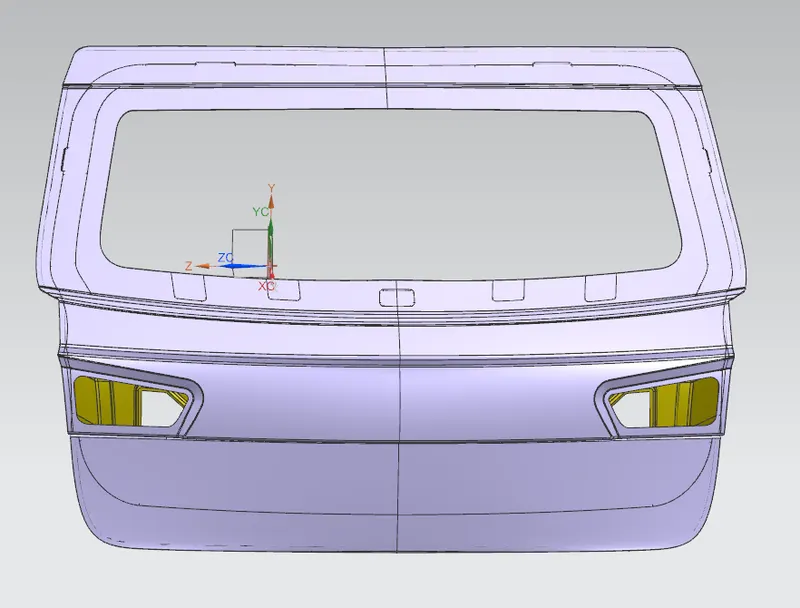
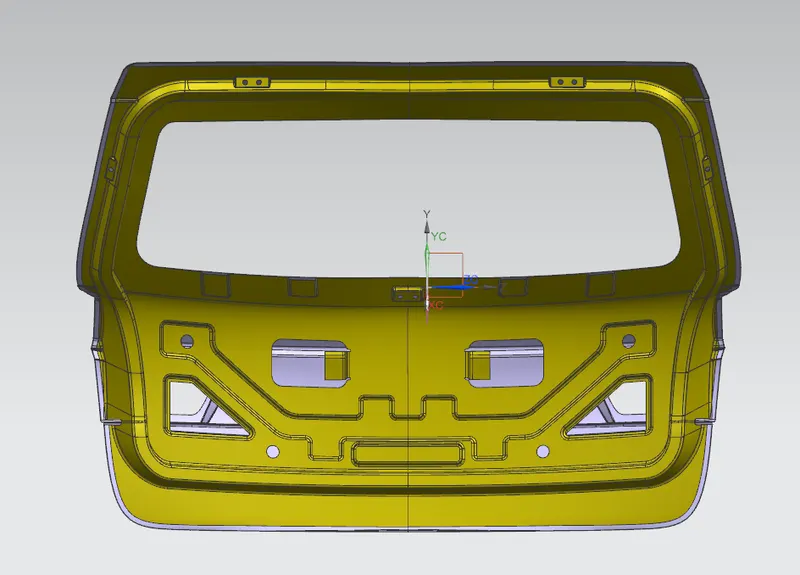
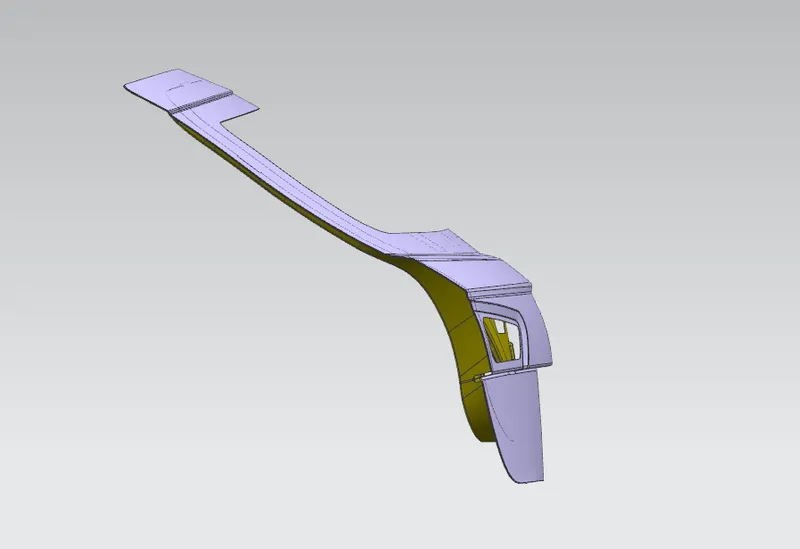
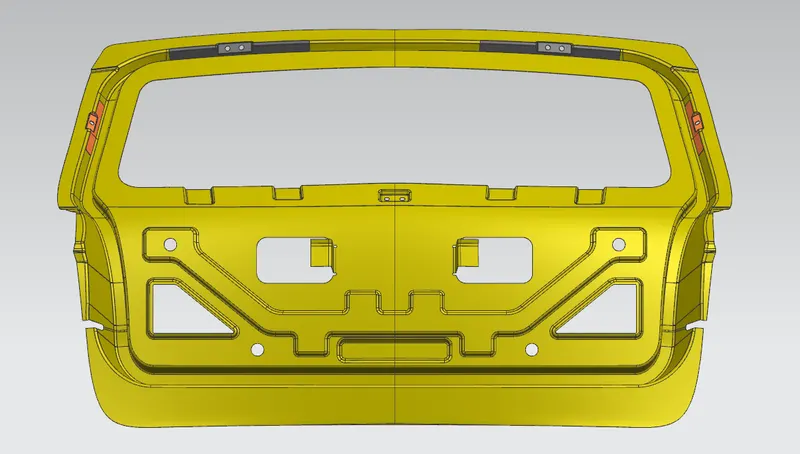
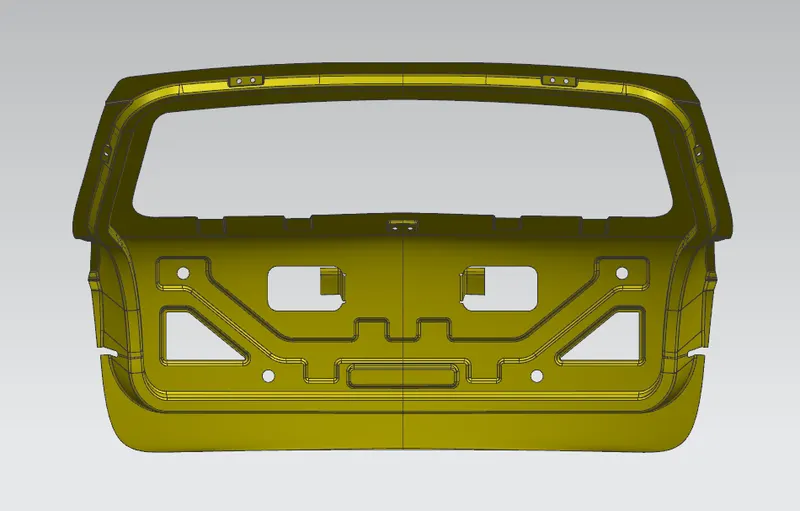
FINAL ASSEMBLY -
FRONT VIEW -
BACK VIEW
SIDE VIEW
INNER PANEL VIEW
CONCLUSION -
The Back Door Assembly is designed and developed in NX-12 with all the possible design considerations.