Design of backdoor
Tailgate / back door design Report
Aim - To design and analyse the back door
Objective -
1) To design back door inner panel useing standard Guidelines
2) To design Reinforcements
3) To Perform draft analysis
Theory -
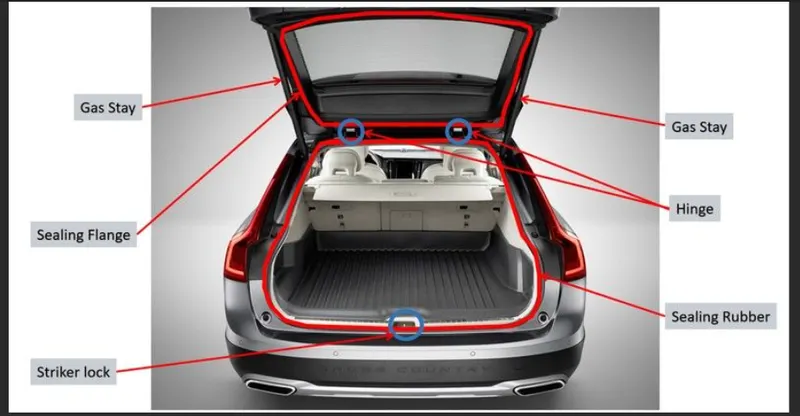
A back door is a biw closeure component of the vehicle and it is located just besides the rear passenger after luggage area .
- The opening of the backdoor depends upon the type of vehicle the different types of rear door opening are as follows:- Side-mounted, Top-mounted, Bottom mounted.
- Two-way station wagon tailgates may be hinged at the side and the bottom so they can be opened sideways like a regular door, or drop downwards as load platform extenders. They are designed with special handle(s) for opening in the selected direction on special hinges after the window is lowered.
- Tail gate is stamped in a single pass or multiple passes when steel material is used , as steel is haveing high density 7.85g/cm^3 it adds up weight to the car . so now a days in luxirous cars tail gates are manufactured useing alumium casting due to the less weight of alumium.
Manufactureing processes for Tailgate
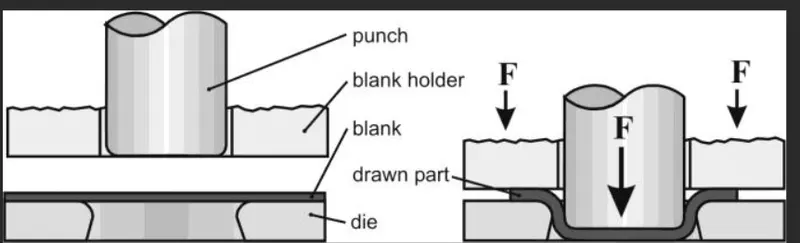
There are different types of metal forming processes that are used for manufacturing automotive parts they are bending, forming, stamping, forging, extruding, etc. From which the stamping is the methodology used to produce the door panels, basically, a die and punch are used in a press machine to stamped out the complete door panel in a single or multiple presses. This method is used because it does not require separate tools to manufacture the component also it is less time consuming and requires less material for the part which is to be produced with precision and accuracy.
Materials used for Tail gate manufactureing
most of the Automobile manufacturers uses Steel sheets and aluminium . both has certain advantages and also certailn draw backs
| Factors | Steel | Aluminium | Conclusion |
| weight | 7.85 g/cm^3 | 2.7g/cm^3 | Aluminum has less density per same volume thus the weight of components manufactured useing aluminium is less |
| manufactureing process | stamping | casteing | variable thickness can be achieved in aluminium casting |
| Tooling Cost | less | more | depends upon the components |
| strength | more | less |
To over come the tooling and casting cost for aluminium material hydroforming process is used it is similar as stamping process and is explaied below .
Hydroforming
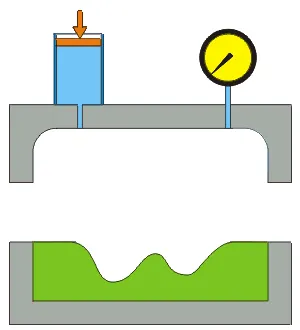
Hydroforming is a cost-effective way of shaping ductile metals such as aluminum, brass, low alloy steel, and stainless steel into lightweight, structurally stiff, and strong pieces. Hydroforming is a specialized type of die forming that uses high-pressure hydraulic fluid to press room temperature working material into a die. To hydroform aluminum into a vehicle's frame rail, a hollow tube of aluminum is placed inside a negative mold that has the shape of the desired result. High-pressure hydraulic pumps then inject fluid at very high pressure inside the aluminum tube which causes it to expand until it matches the mold.
Design considerations for tail gate
1) Rear visibility criteria
2) Rear Crash regulations
3) Functions of sealing
4) Joining techniques used like heming, spot welding
5) Latch and striker trajectory should re radial to the hinge axis
So, above are some of the design constraints that are to be followed in design the first one is the most important as it directly relates to the safety of the driver. The backdoor should be designed in such a fashion that the driver should be able to see the rear objects clearly i.e the scope of rear visibility should be maximum it should not get hindered by the backdoor body.
While designing this criterion should be followed and the maximum area should be covered by rear windshield glass for better visibility of the driver and his safety.
Next is the rear crash conditions so, the designer should also take a look at this parameter the outer panel should have sufficient strength that in case there is an impact from the rear side then the outer panel should take a maximum of load and allow less load to be driven towards passengers thus protecting them from any fatal injury. For that purpose, a design engineer can use an inner panel to strengthen the structure of the back door. Embossed sections are created on the inner panel is generally V & Y shape to deviate the forces in an outward direction rather than directly in the normal direction.
Proper sealing is also to be provided in between car body and backdoor thereby not allowing any foreign material to get inside the storage space, that is sealing prevents water, dirt, dust to get in the storage space. So, proper rubber sealing is to be provided on the car body, and a sealing flange is provided on the inner panel of the backdoor which gets in contact with the rubber sealing and forms bound when the door is closed.
Load Analysis of Backdoor
1) Bend Test
2) Torsion
3) Abuse case
4) Dent test
5) Assembly load case
6) Endurance test
Sheet metal Joining processes
Spot Welding:-
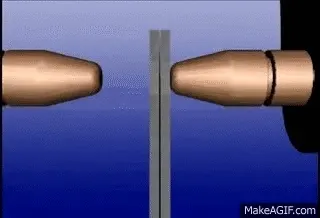
Spot welding is a type of electric resistance welding used to weld various sheet metal products, through a process in which contacting metal surface points are joined by the heat obtained from resistance to electric current
Hemming
Hemming is a forming operation in which the edges of the sheet are folded or folded over another part in order to achieve a tight fit. Normally hemming operations are used to connect parts together, to improve the appearance of a part and to reinforce part edges.
In car part production, hemming is used in assembly as a secondary operation after deep drawing, trimming and flanging operations to join two sheet metal parts (outer and inner) together.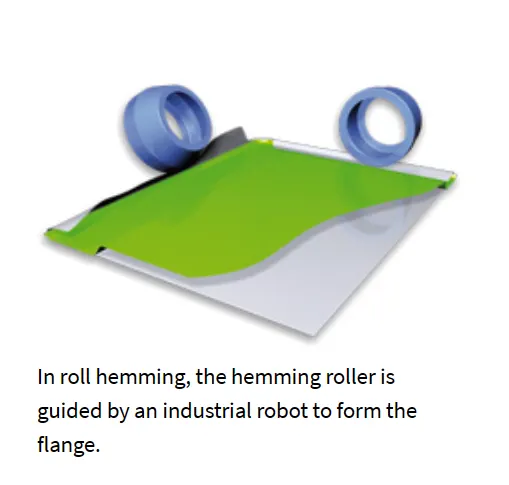
Components of back door
1) Outer panel
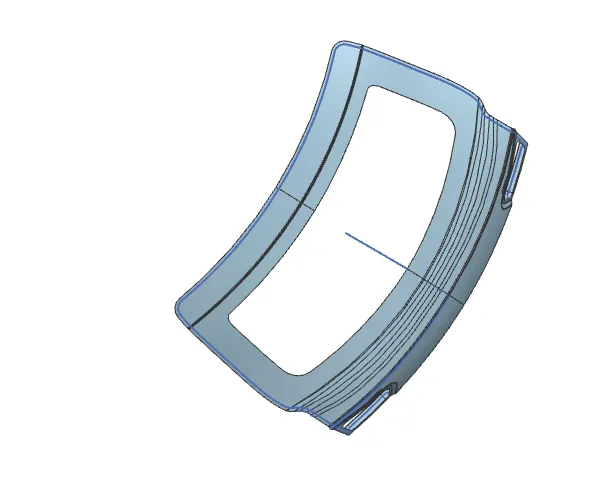
Forms the outer covering of the Backdoor with other elements enclosed beneath it, It provides sufficient strength to the car by covering it from the rear side it also increases the aesthetic look of the car. It consists of cutouts for the fitment of rear tail lamps, fog lamps, etc. Again the outer panel is a BIW component and as discussed earlier it is manufactured in a single piece operation by using stamping operation. The steel sheet is paced above the negative die which is having the desired shape and then punch is forced to hit the steel sheet with heavy load acting in a normal direction thus, it expands the steel sheet to the shape of the negative die and desired part is taken out.
2) Inner panel-
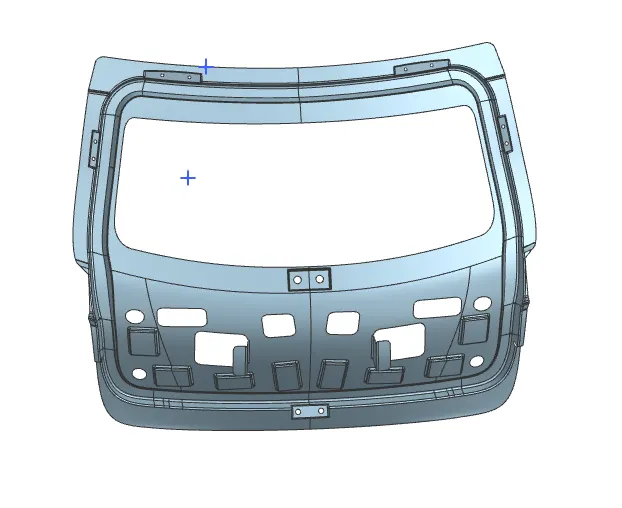
It is located on the inner side of the outer panel the main purpose is to provide further strength and all the components such as wiper mounting, hinges, gas stay, latch, and striker reinforcements are all fixed on the inner panel that's why it is very important that the inner panel should be sufficiently strong enough to carry all the load of this components and also strengthen the structure to safeguard the backdoor from the rear crash conditions. The process used for manufacturing of inner panel is generally deep drawing it is similar to that of the outer panel, a tooling direction is to be decided in which the punch will act upon and apply load on the metal sheet to deform it in the desired shape. Embosses are also provided on the inner panel to transfer the force away from the center to the sealing flange and other body members.
3)Outer panel lower
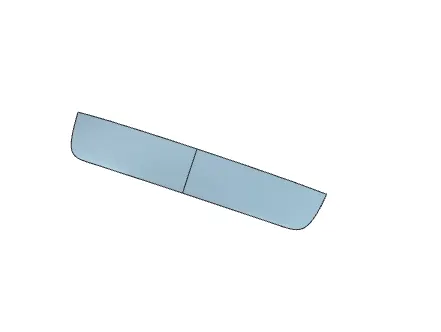
It is located just below of upper outer panel it is manufactured separately and afterward joined with the outer panel by using joining methods like spot welding as explained earlier. Heming operation is also carried out on the edges of the outer panel so that it gets fit with the inner panel sheet. Mostly Car number plate is located on the outer lower panel.
Reinforcements
1) hinge reinforcement
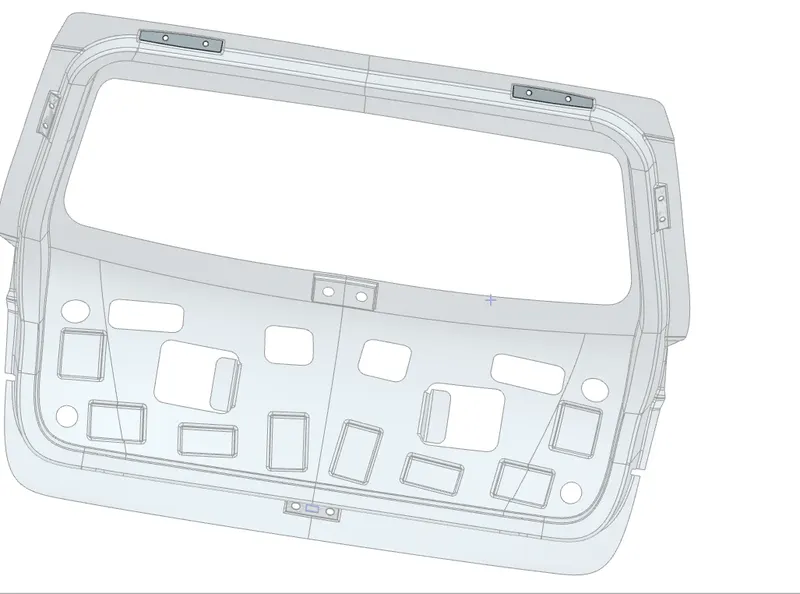
Gas stay reinforcement
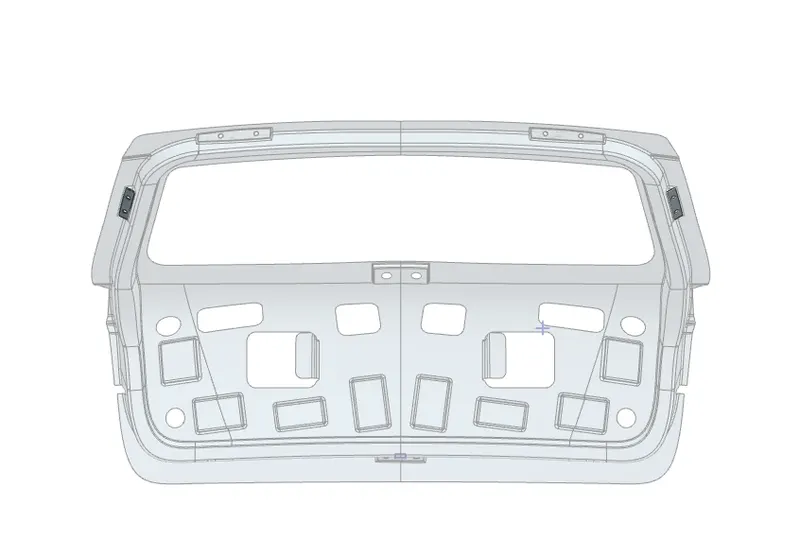
Latch and striker reinforcement
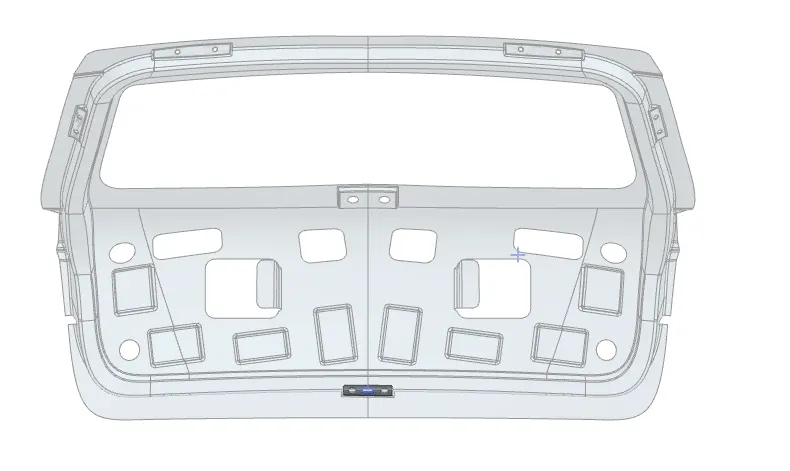
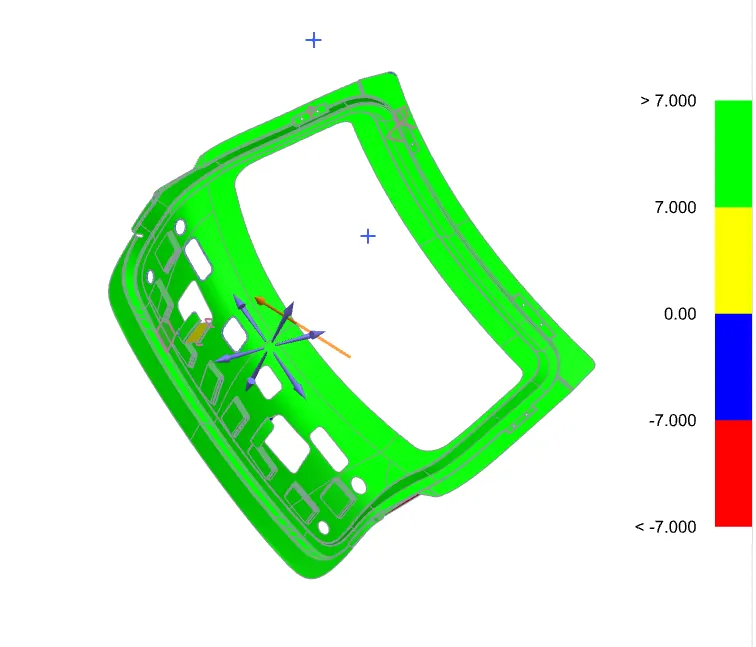
Draft analysis
minimum draft requirement
1) steel =7 degrees
2) for aluminium =2 to 3 degrees
Conclusion-
1) successfully designed the tail gate useing design considerations
2) Applied draft analysis to check whether the part is manufacturable or not
3) designed reinforcements .