Design of backdoor
REPORT
AIM
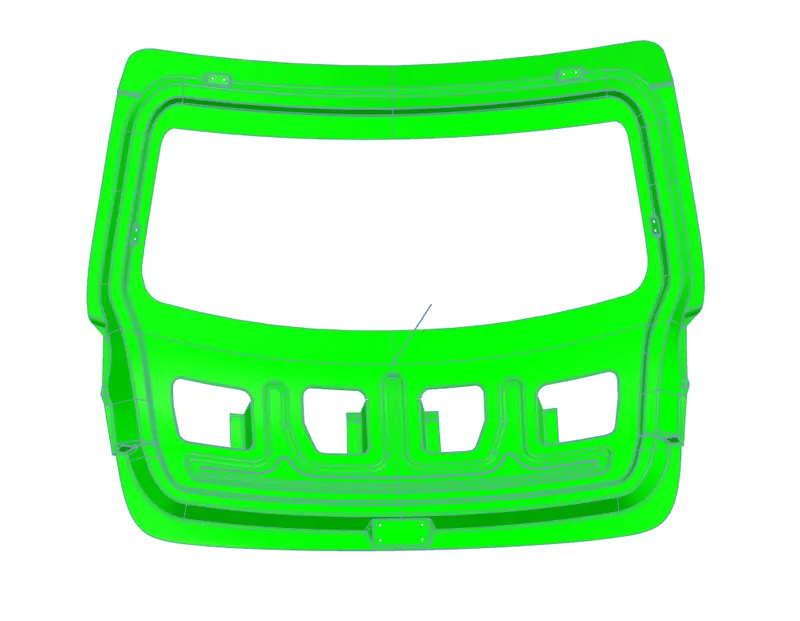
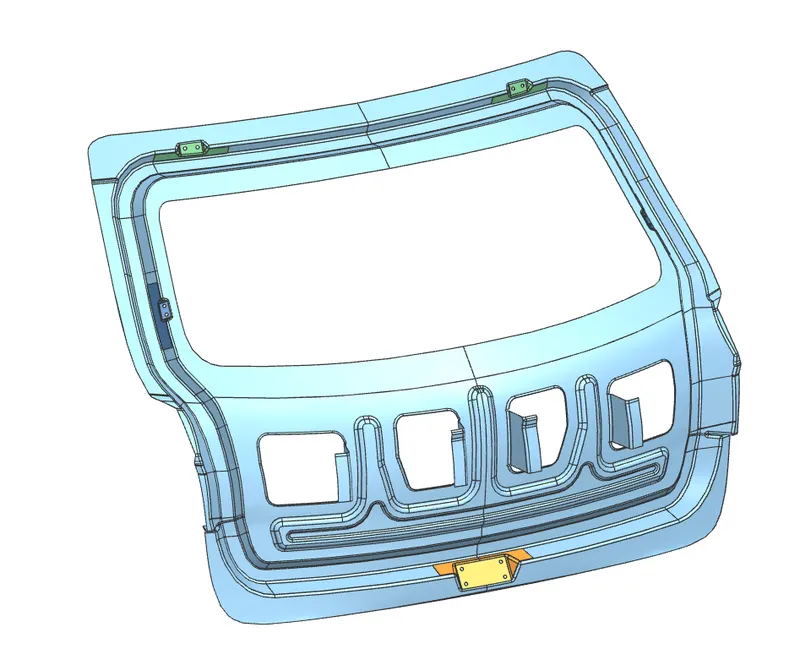
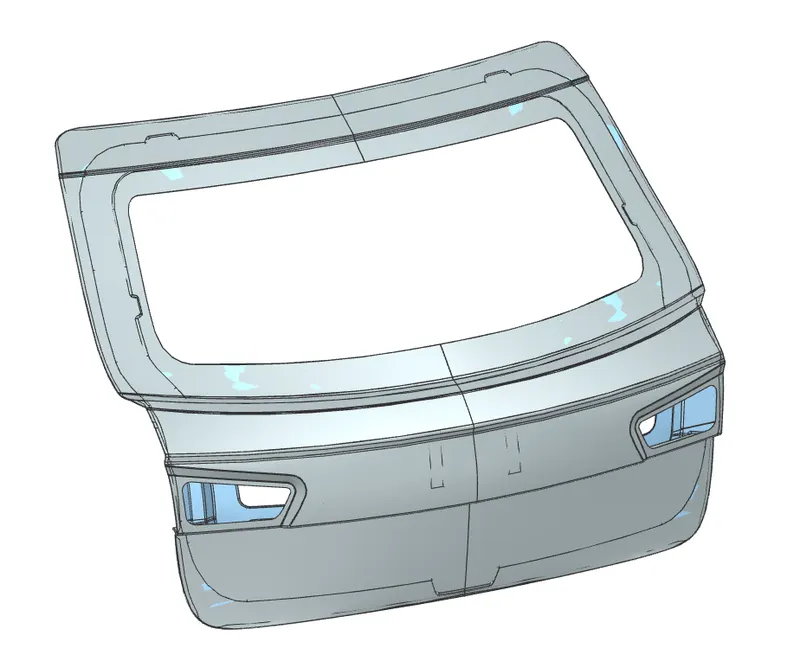
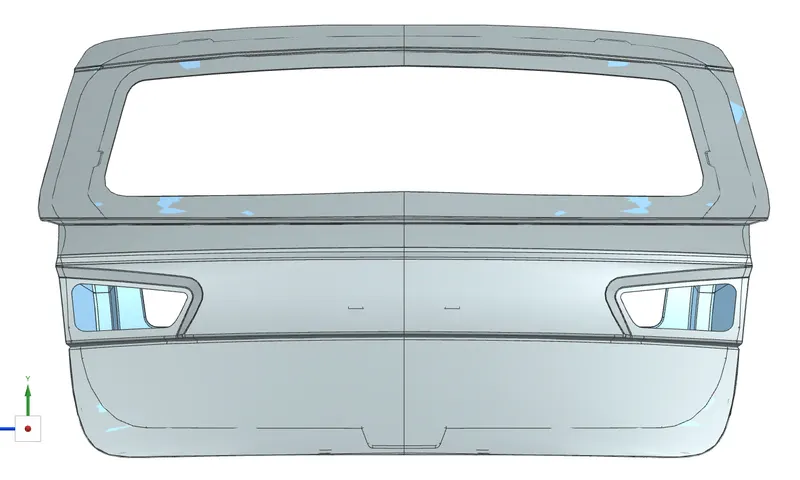
The aim is to create a backdoor/tailgate for a car, using the provided skin data and adhering to engineering standards.
BACK DOOR
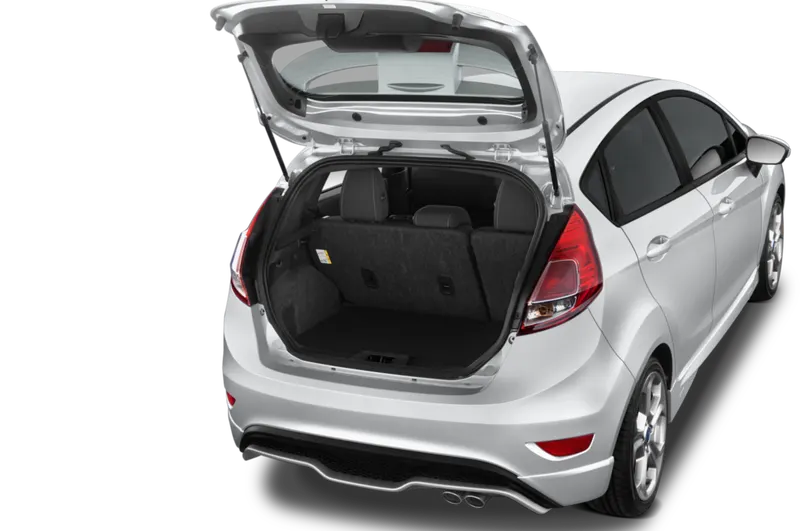
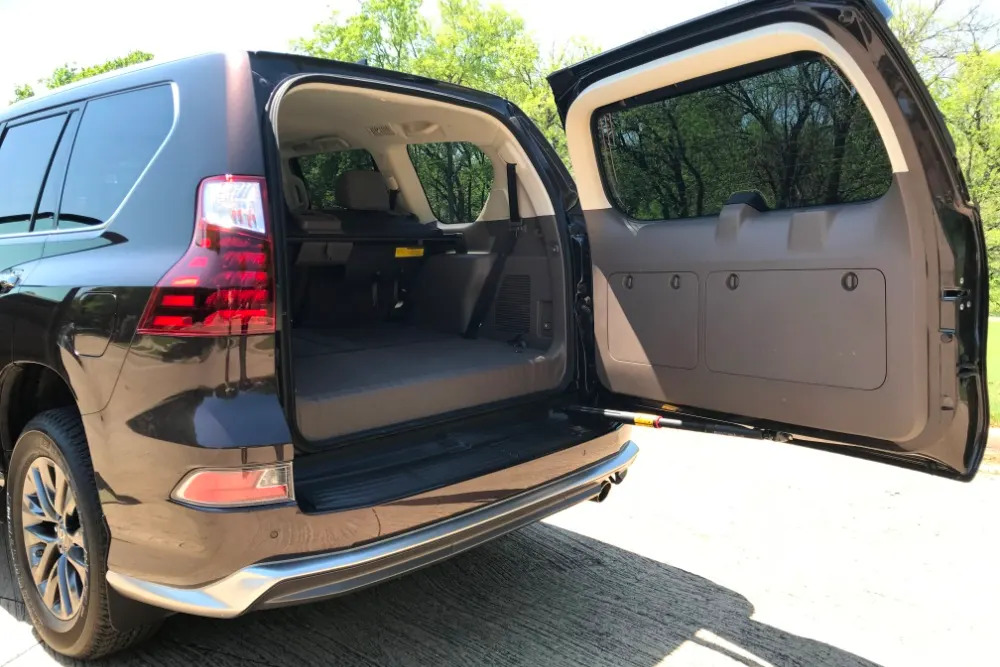
A back door is a vehicle opening that allows entrance and exit. Typically, it is hinged but sometimes other mechanisms like tracks are used. These doors can be opened manually or electronically. Electronic doors are usually found on high-end cars, minivans, or modified cars.
There are three types of back doors: top-mounted, side-mounted, and bottom-mounted.
 \
\
COMPONENTS OF BACK DOOR:
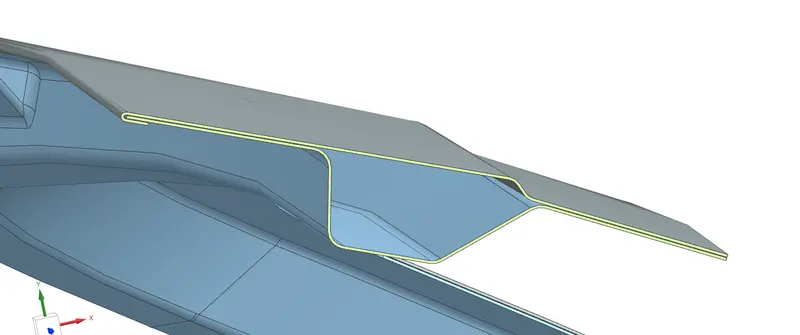
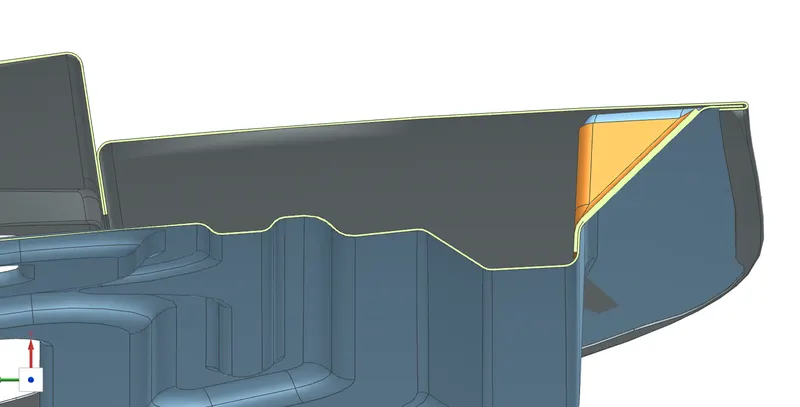
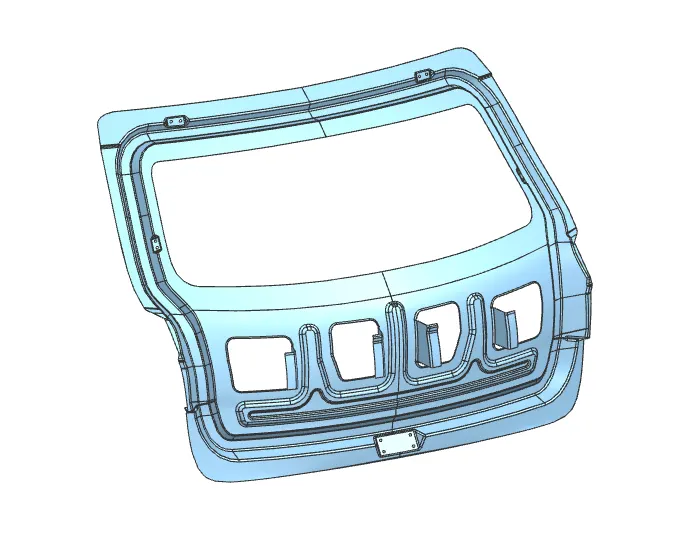
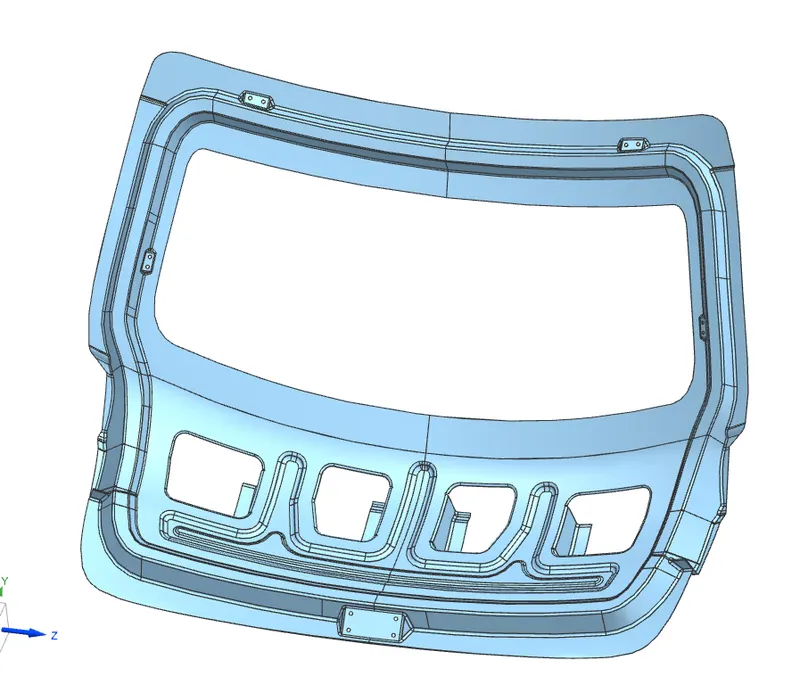
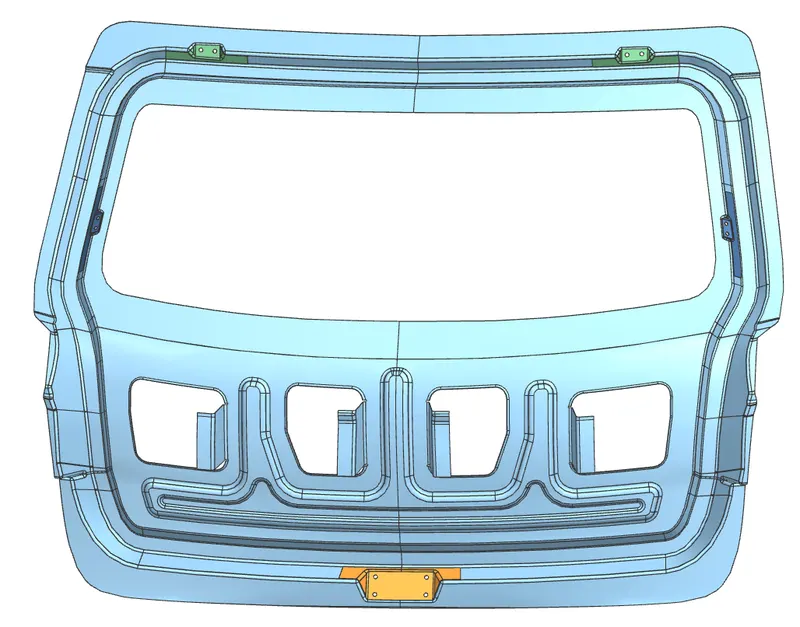
- Inner Panel
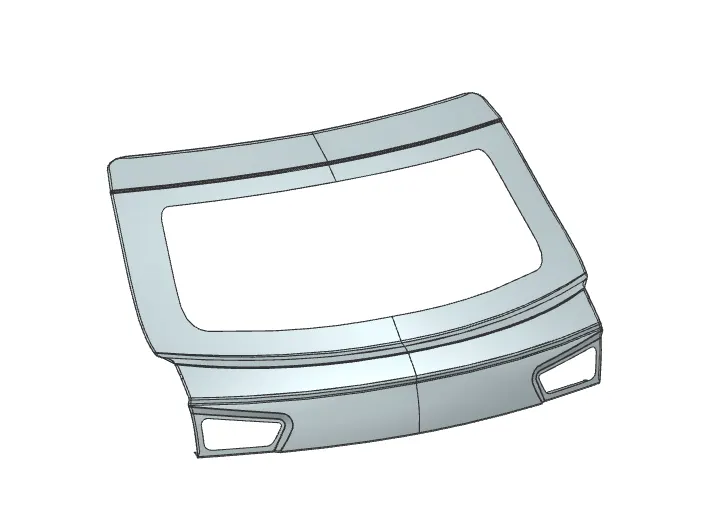
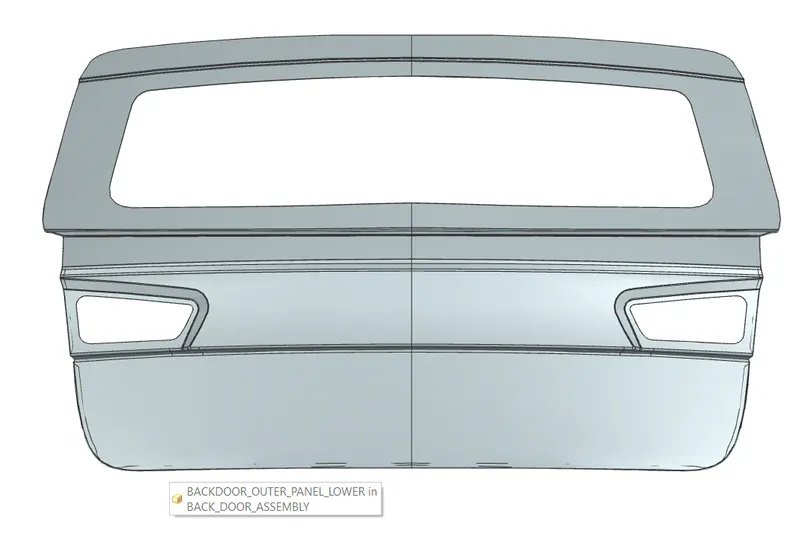
- Outer Panel
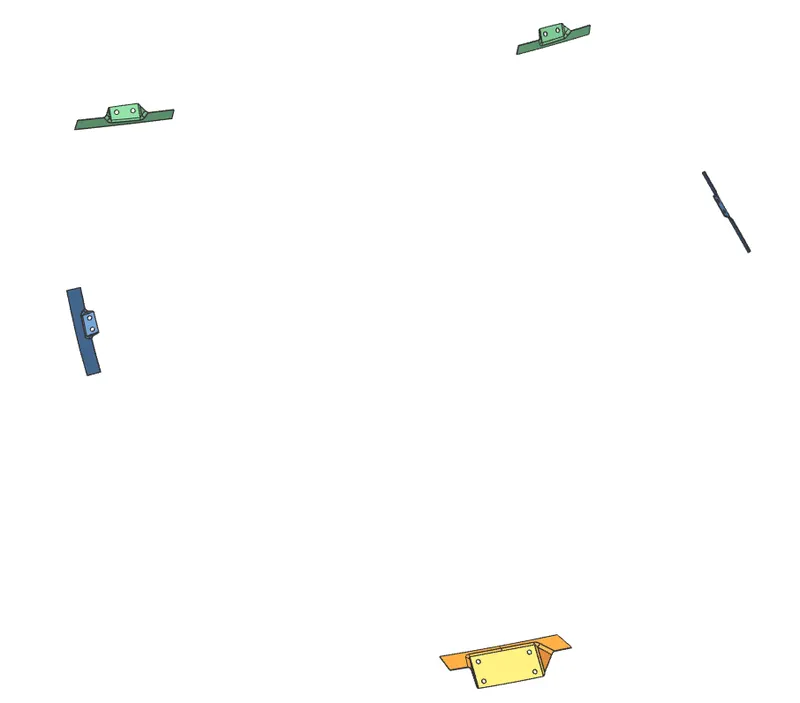
- Hinge Reinforcement
- Gas stay Reinforcement
- Stricker Reinforcement
Inner Panel :
Outer Panel :
Reinforcements :
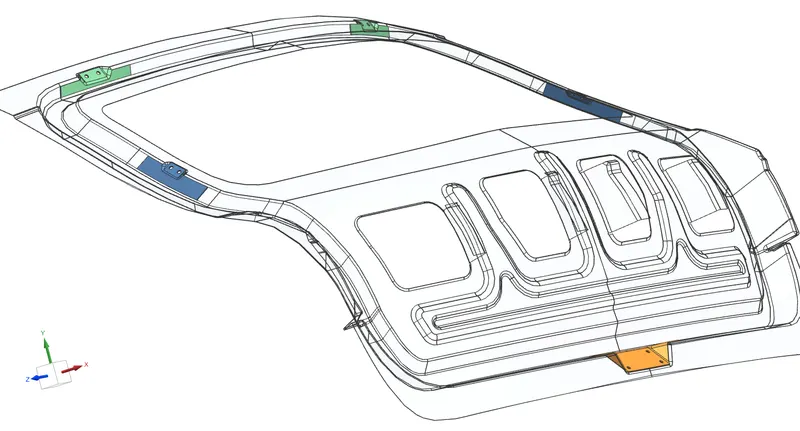
Car backdoor panels often have reinforcements added to increase their strength and durability. These reinforcements can be in the form of metal bars, stiffeners or brackets that are welded or bolted to the panel. The purpose of these reinforcements is to prevent the panel from bending or warping under stress, such as in a collision or when carrying heavy loads. The specific type and location of the reinforcements will vary depending on the design of the car and the intended use of the backdoor panel.
Hinge Reinforcement :
Hinge reinforcement is another type of reinforcement used in car backdoor panels. It is a metal plate or bracket that is attached to the panel and strengthens the area around the hinge where the backdoor attaches to the car body. The hinge reinforcement helps to distribute the stress and load of the backdoor evenly across the panel, preventing it from bending or cracking at the attachment point. This reinforcement is important for ensuring that the backdoor remains securely attached to the car body and operates smoothly over time.
Gas Stay Reinforcement :
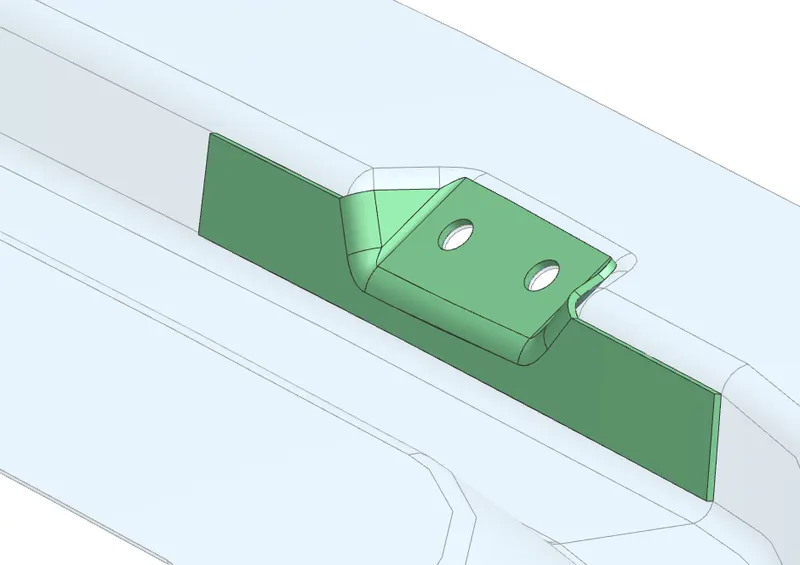
Gas stay reinforcement is a type of reinforcement commonly used in car backdoor panels. It is a metal bracket that is attached to the panel and helps to support the gas stay, which is the mechanism that holds the backdoor open. The gas stay reinforcement is typically made of steel or aluminum and is designed to withstand the force of the gas stay without bending or breaking. This reinforcement is important for ensuring that the backdoor stays securely open and does not accidentally close on the user.
Latch and Stricker Reinforcement :
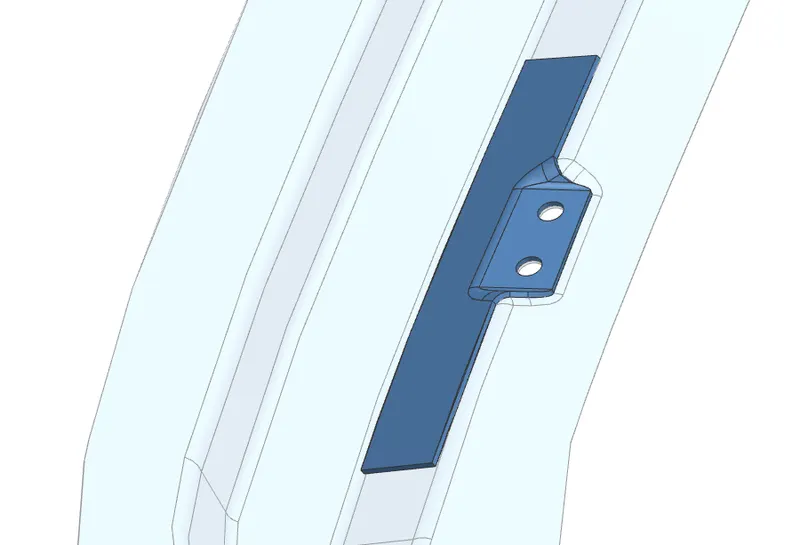
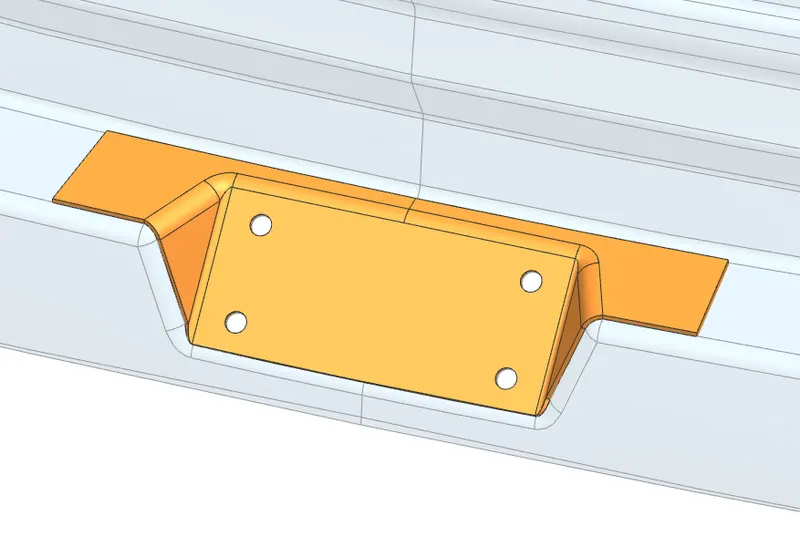
Latch and striker reinforcement is a type of reinforcement used in car backdoor panels to reinforce both the area around the latch and the area around the striker. The latch is the mechanism that secures the backdoor in the closed position, while the striker is the mechanism that holds the backdoor closed. The reinforcement is typically a metal plate or bracket that is attached to the panel and helps to distribute the force of both the latch and the striker evenly across the panel. This reinforcement is important for ensuring that the backdoor remains securely closed and does not accidentally open while driving, as well as preventing damage to the panel from repeated use of the latch and striker mechanisms.
Embosses
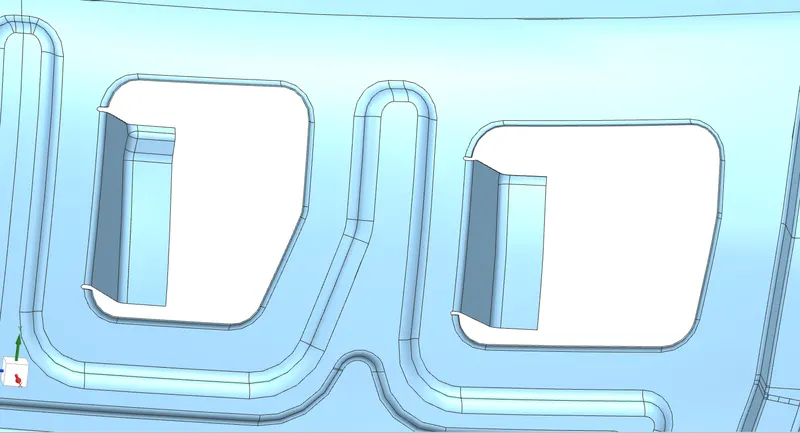
Embossing is a process used to create raised or sunken designs in a material, such as a car backdoor panel. Embossed designs can serve both aesthetic and functional purposes. In the case of car backdoor panels, embossing can be used to create a textured or patterned surface that enhances the appearance of the panel. Additionally, embossing can be used to add strength and rigidity to the panel by creating ridges or channels that help to distribute stress and load across the surface. This can be particularly important in areas of the panel that are subjected to high stress, such as around the hinges or latch.
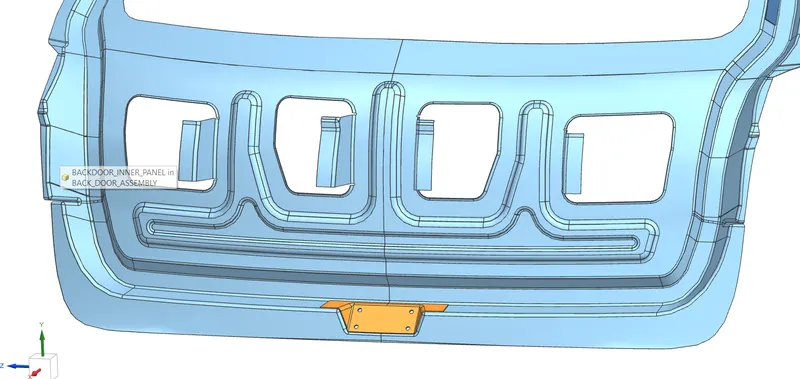
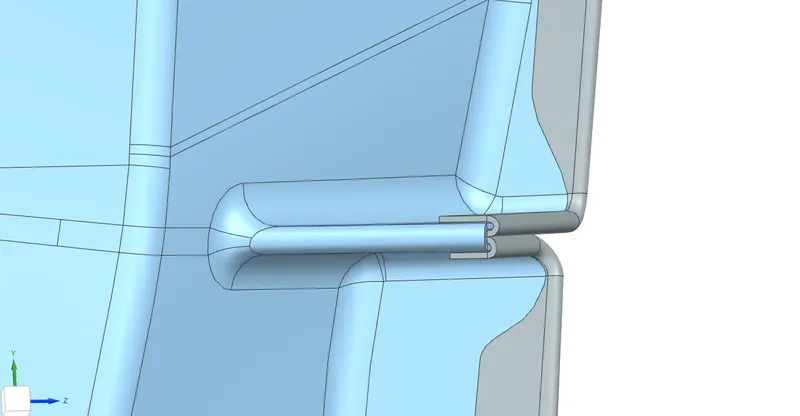
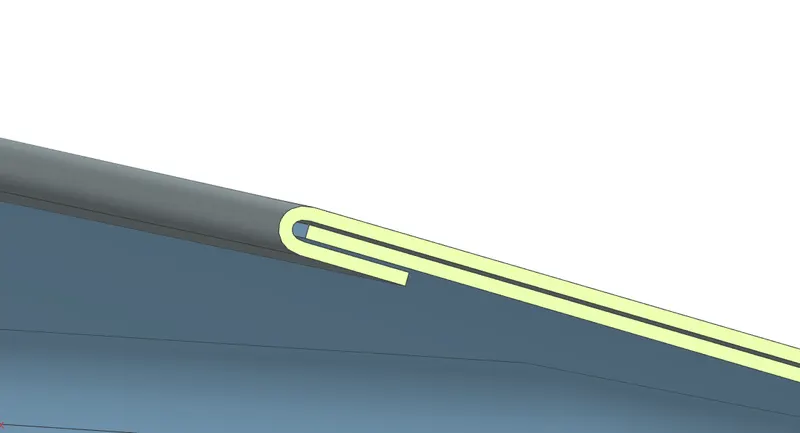
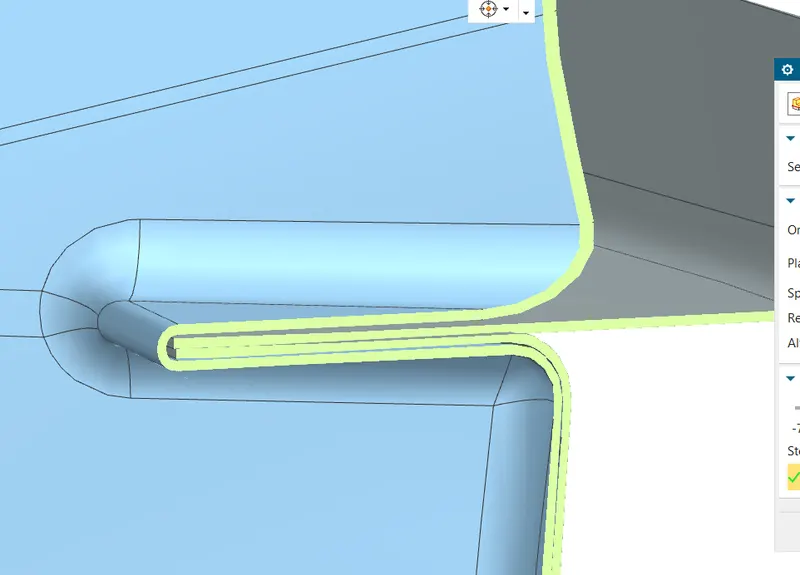
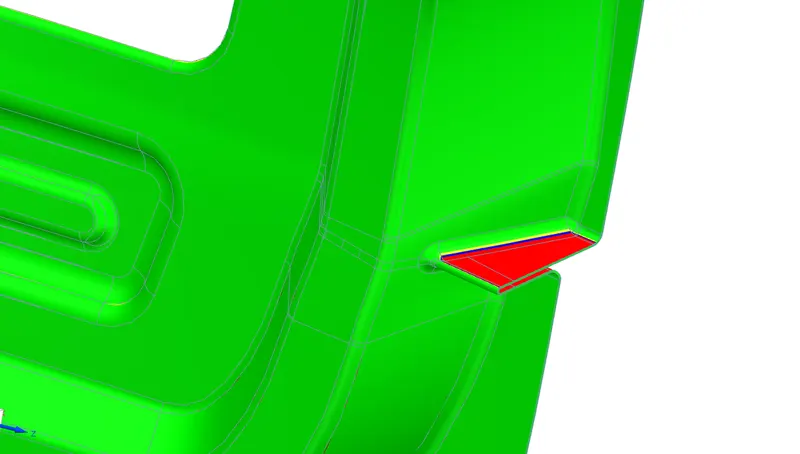
Lancing can also be used in car backdoor panels to create a flange, which is a raised edge that can be used to attach the panel to another surface. The lancing operation creates a series of notches that allow the material to be easily bent and formed into the desired shape. Once the flange is formed, it can be attached to the outer panel using mastic, which is a type of adhesive that is commonly used in automotive applications. The mastic helps to create a strong, durable bond between the two panels, which is important for ensuring that the backdoor remains securely attached to the car body.