Designing Backdoor of a Car
AUTOMOTIVE DESIGN OF CAR BACK DOOR USING NX CAD
Objective:
Design a Backdoor of a car using appropriate design methodologies, and provide the necessary reinforcements and embosses.
Introduction to backdoor:
A backdoor is part of the car that covers the extreme back of the car and protects the vehicle from any impact from behind. It also gives access to the trunk or luggage compartment.
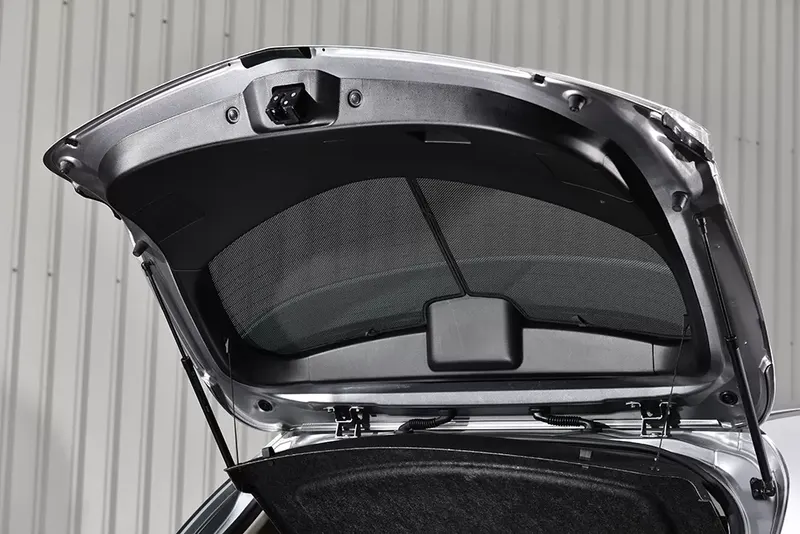
The Backdoor/tailgate is one of the closure commodities in BIW sheet metal design. The backdoor has a lot of components inside and is designed to incorporate them easily. It affects the rear visibility and luggage area.
It consists of an inner panel, outer panel, and other Reinforcements. It can be manufactured with steel as well as aluminum, however, the cost of aluminum will be high, but the weight of the component will be reduced drastically. The choice of material solely depends on the OEM.
Parts to Design:
The backdoor consists of the following basic components:
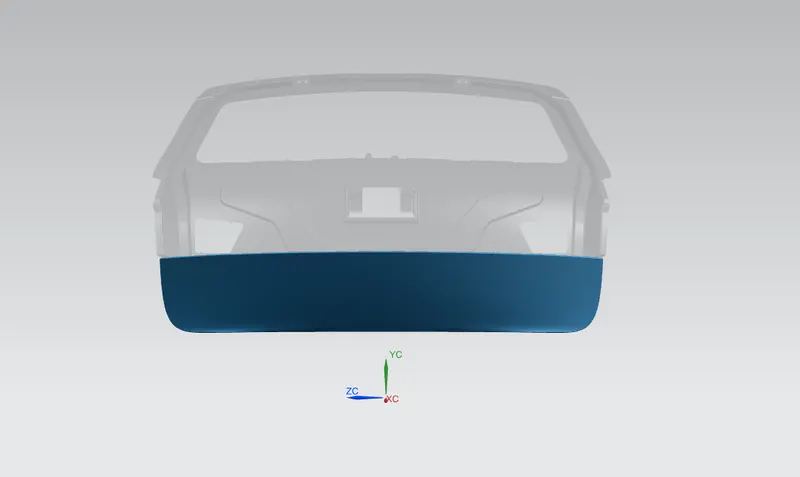
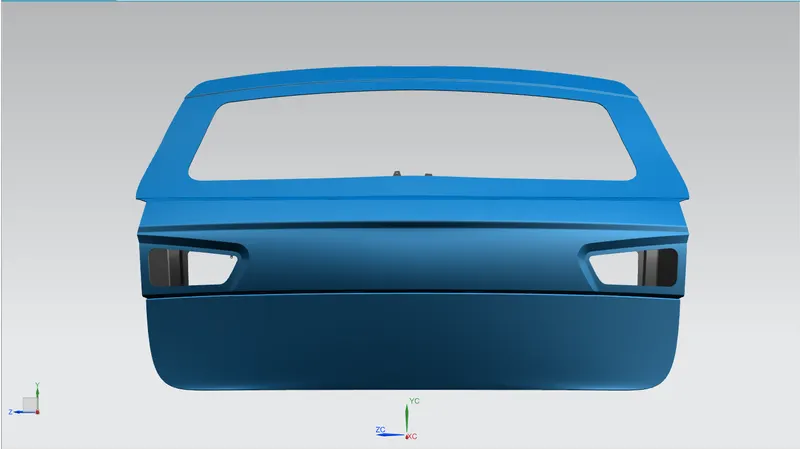
- Backdoor Outer Panel (Upper & Lower)
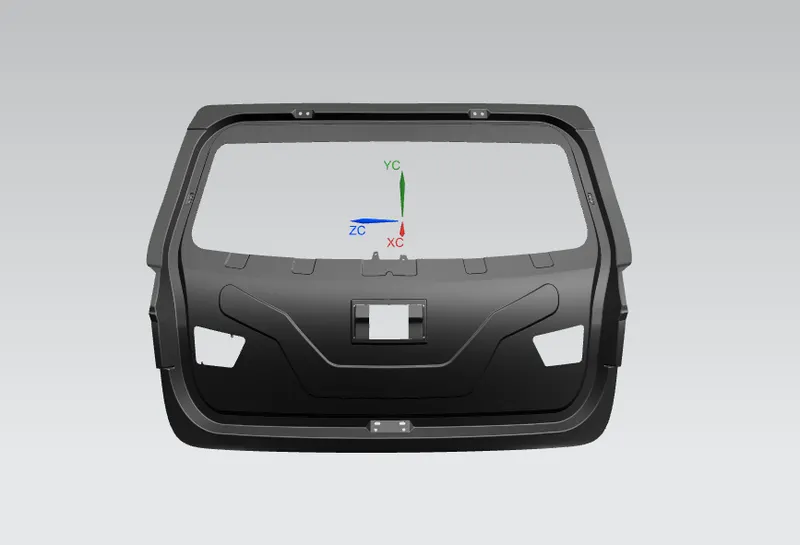
- Backdoor Inner Panel
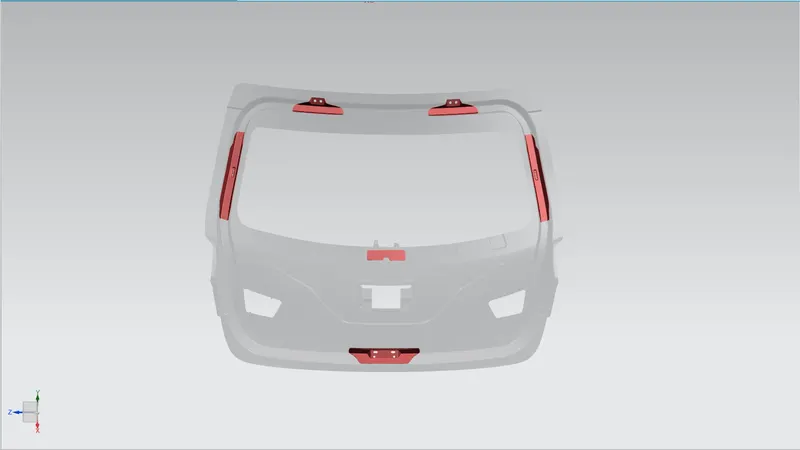
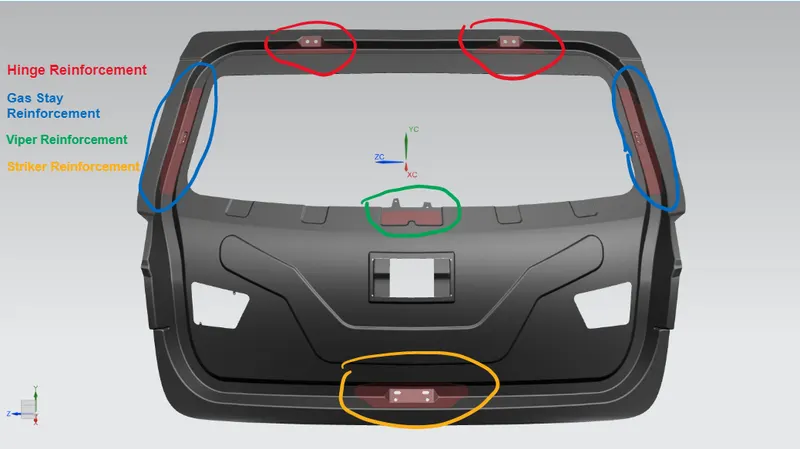
- Hinge Reinforcements
- Gas-Stay Reinforcements
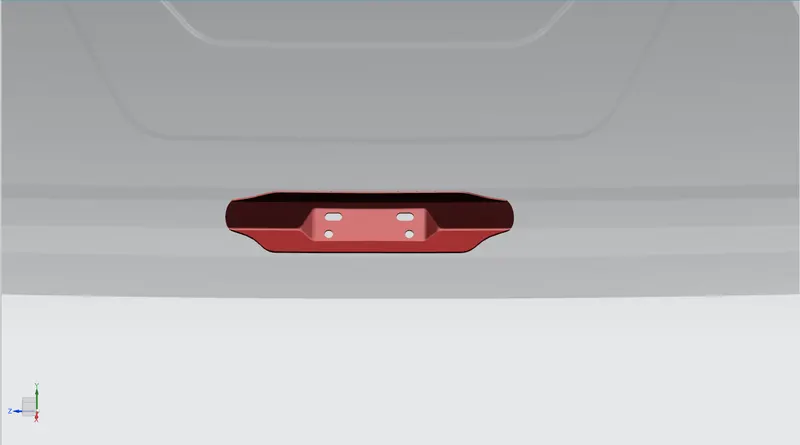
- Latch and Striker Reinforcement
- Wiper motor Reinforcement
Design Criteria of a Back Door:
- Functional Requirement of Hinge and gas stay
- Rear visibility criteria
- Luggage volume
- Rear Crash Regulation
- Gap Between blends min. 5 mm
- The thickness of the Outer and Inner Panel is 0.75 mm
- The thickness of Reinforcements is 1.5 mm
Outer Panel (Upper)
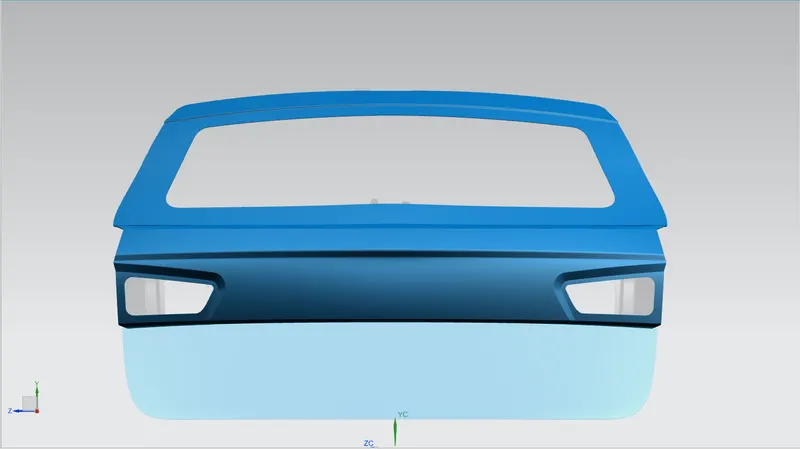
Outer Panel (Lower)
Inner Panel
Reinforcements
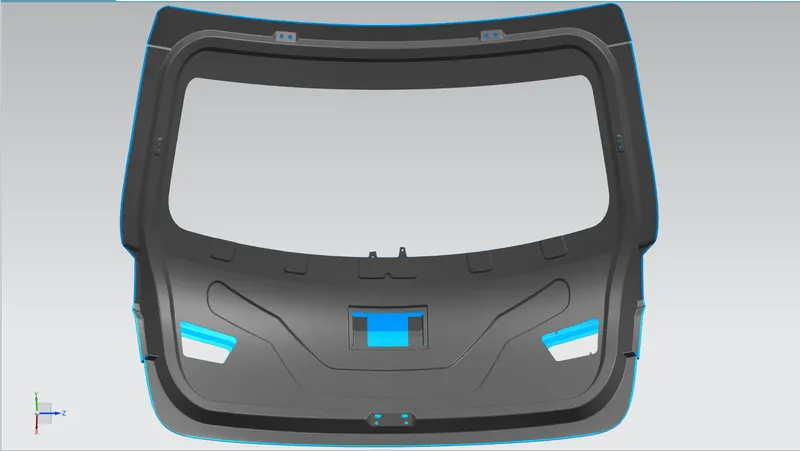
Design of Inner Panel & Outer Panel
The Inner Panel is Extracted from a styling surface. The panel is altered for the required design with the surface tools of NX CAD. The thickness provided for the outer panel is 0.75 mm
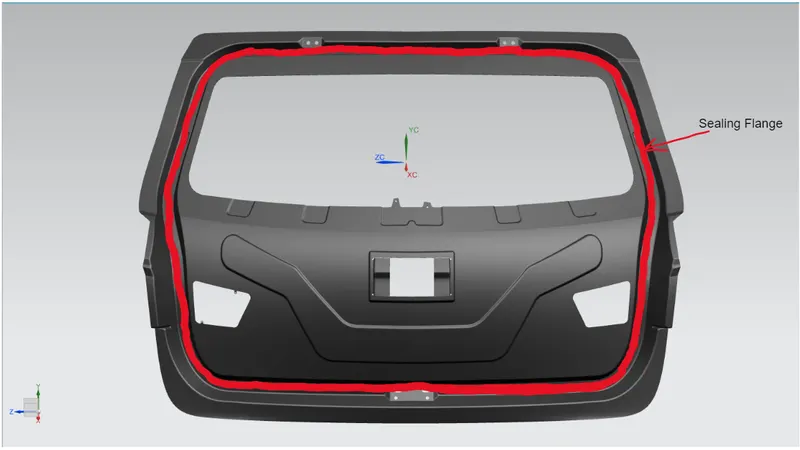
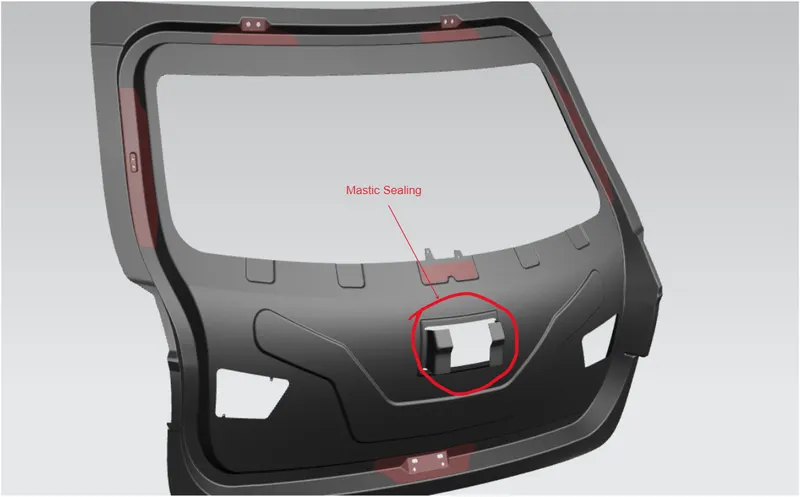
Mastic Sealing: The mastic sealant is used to fix the inner panel with the outer panel which increases the NVH factor and stiffness of the back door. The Gap between the surfaces should be a minimum of 3-5 mm.
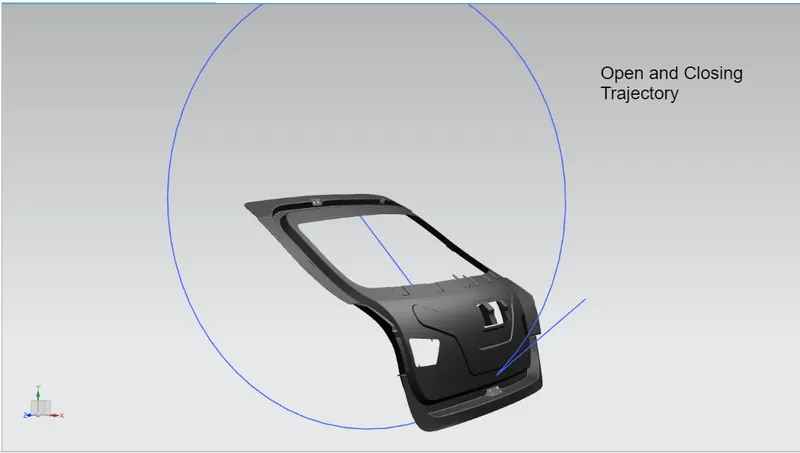
Striker Position: The position of the hinge should be perpendicular to the latch when the latch and striker meet. The circle is drawn from the center of the hinge axis to find the path of the striker and positioned perpendicular to the path.
Hemming: Hemming and seaming are two similar metalworking processes in which a sheet metal edge is rolled over onto itself. Hemming is the process in which the edge is rolled flush to itself.
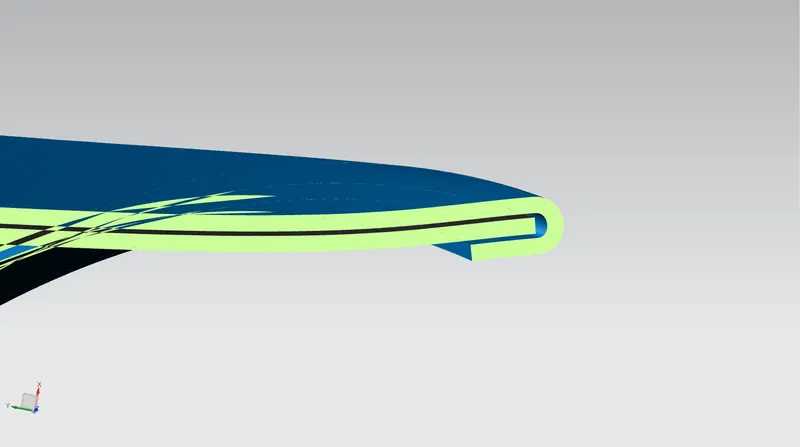
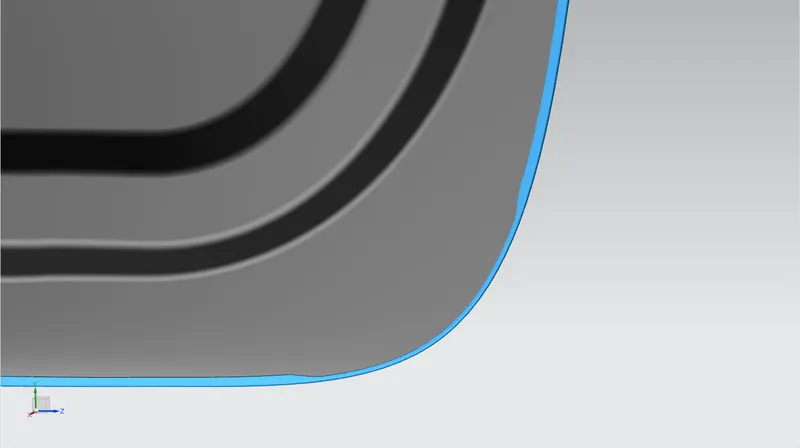
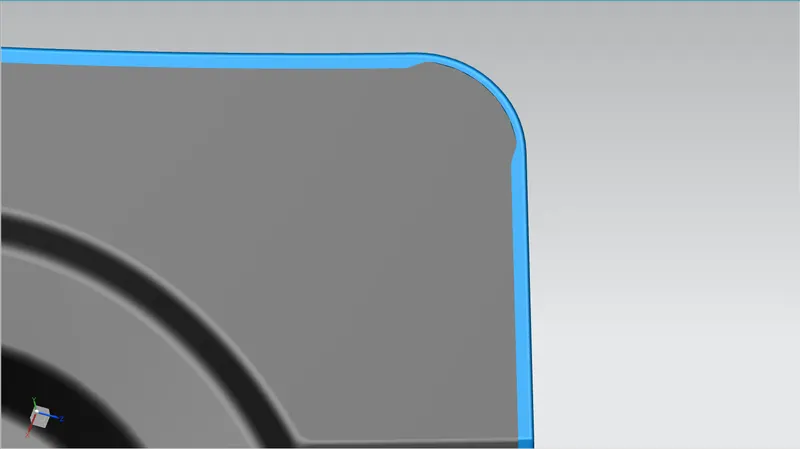
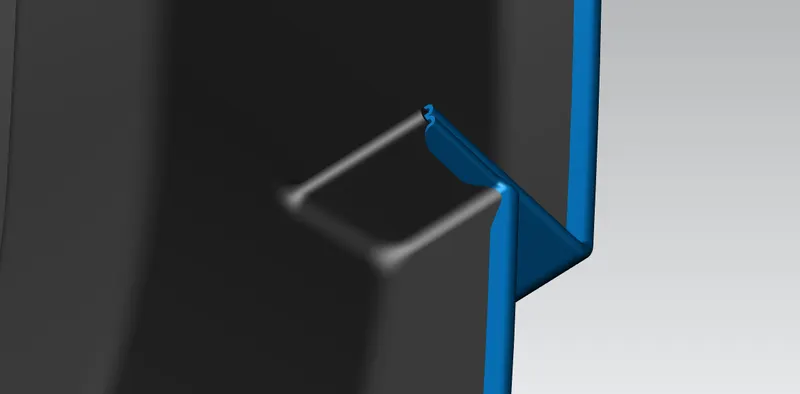
Corner Relief: During the hemming process, when giving the Corner Relief helps to control sheet metal material behavior and to prevent unwanted deformation during unbend operations and also helps to reduce the number of passes in hemming.
Draft Analysis:
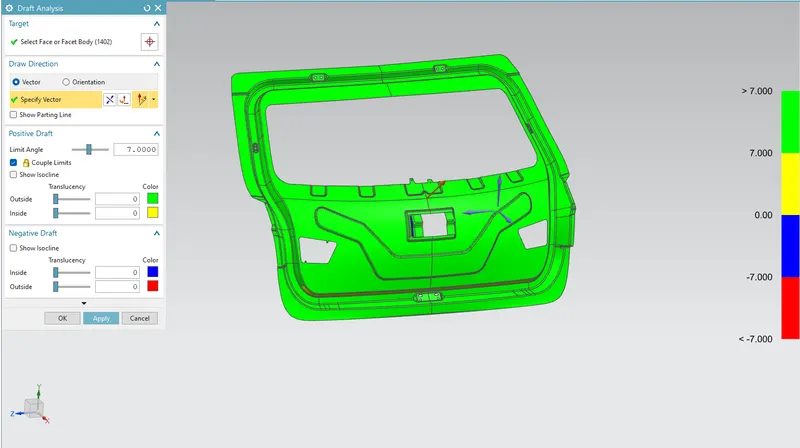
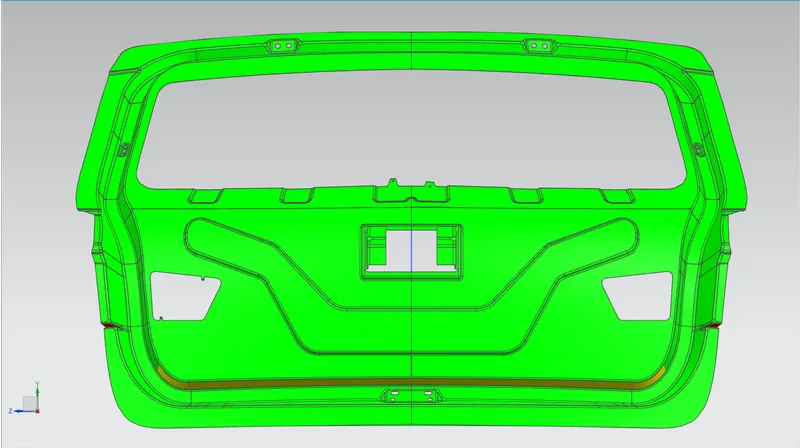
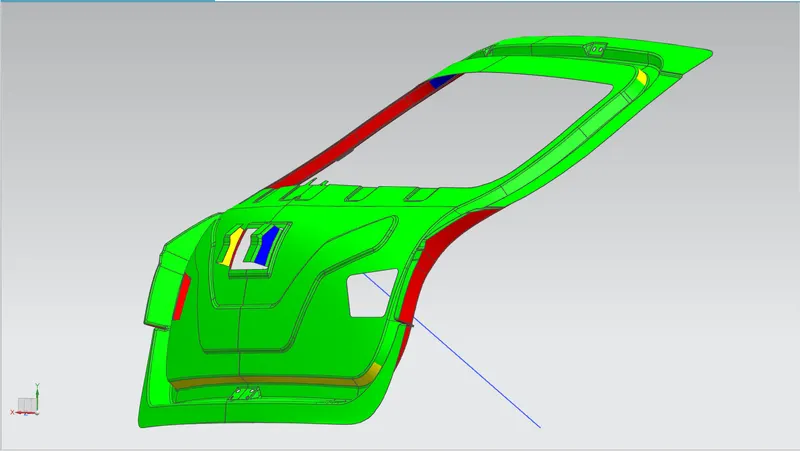
The draft analysis will be performed for the tooling direction created at first and checked that the model is suitable for manufacturing.
Then to get a complete green portion the necessary changes to the draft angle of the embosses were carried out by optimizing the model.
The Draft Analysis command enables us to detect whether the part drafted will be easily removed or not.
This type of analysis is performed based on color ranges identifying zones on the analyzed element where the deviation from the draft direction at any point, corresponds to specified values.
Designing of Reinforcements:
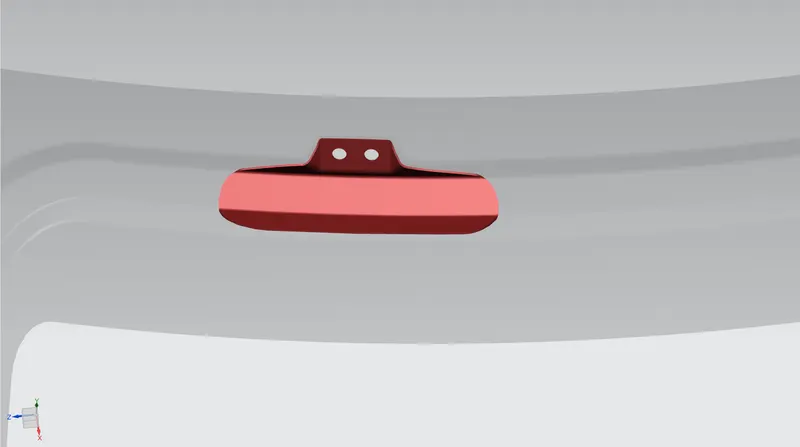
The reinforcements were created using the same method, first, the linked body was created separately for each with the help of extract geometry and then the required portion was trimmed out and then thickened. The thickness provided for all reinforcements is 1.5 mm.
Hinge Reinforcement
Gas Stay Reinforcement
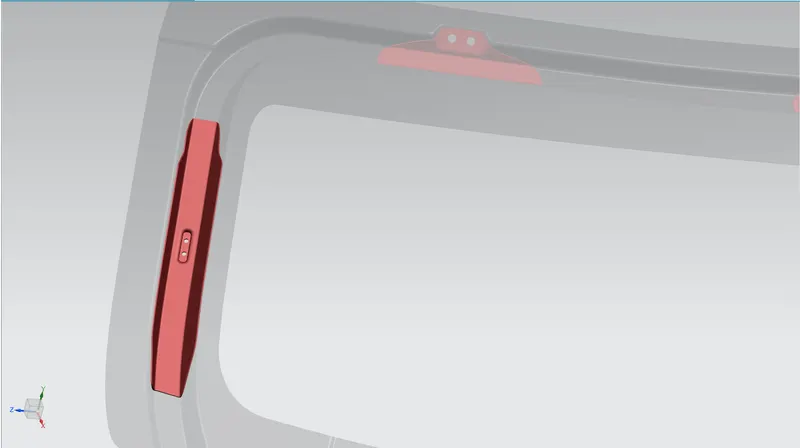
Viper Reinforcement
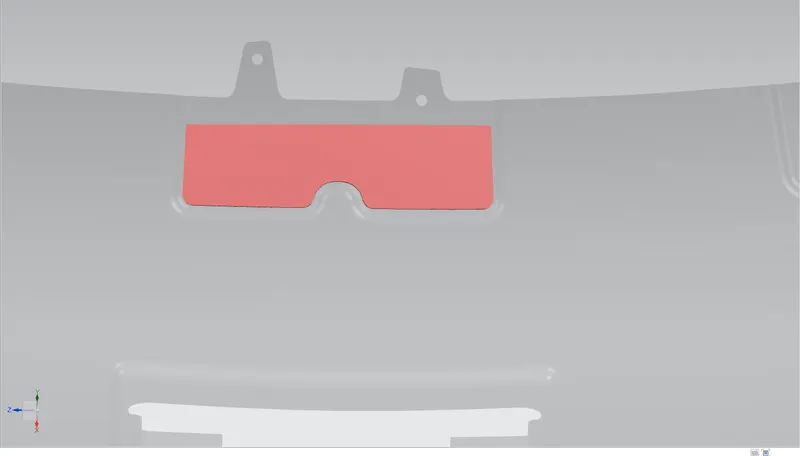
Striker Reinforcements