Design of backdoor
Aim:
Design Back Door Assembly of Car.
Introduction :
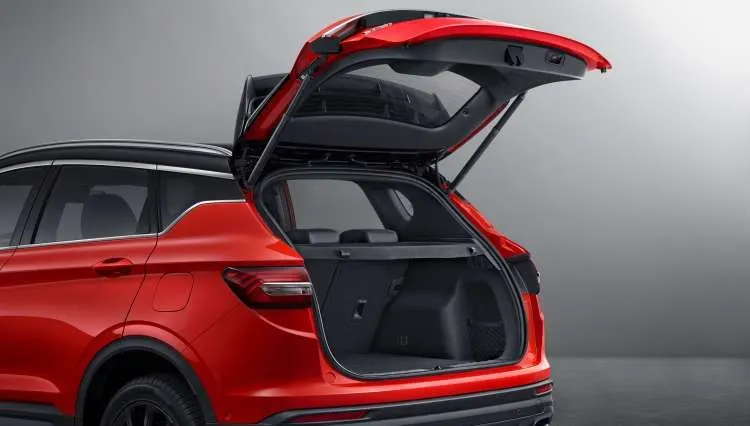
Backdoor is one of the types of doors of the vehicle which is located next to the passenger seat and provides access to the luggage compartment. In most cars, these back doors are operated with the help of gas stay which in turn reduces the effort required to lift the door.
Purpose Of Back Door:
To mount the wiper motor and different sensors.
Protect the passenger from back side of the car
To provide easy opening and closing.
Entry and exit for the passenger/luggage.
To provide mounting houses for rear wind shield.
Types of Back Door:
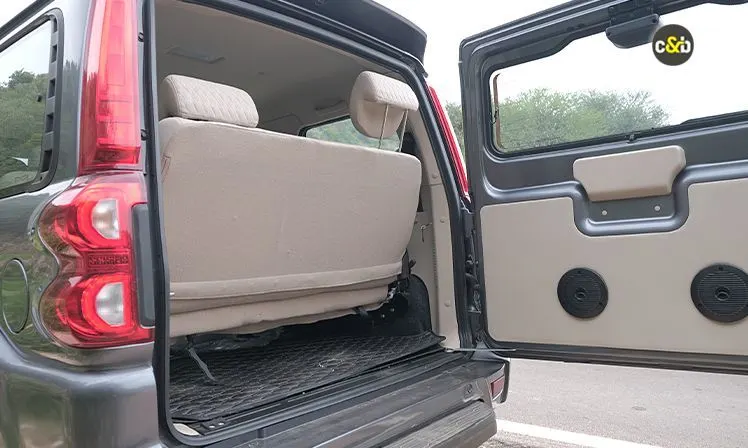
Side Hinged:
In this type of back Door, the Door is hinged at the side of the car body. Generally, this type of door is used in SUVs and MUVs. This type of door is more convenient for loading and unloading luggage.
Top Hinged:
This is a very common type of back door. Usually, this type is used in SUVs, Sedan Cars. Top Mounted back doors give good rear visibility.
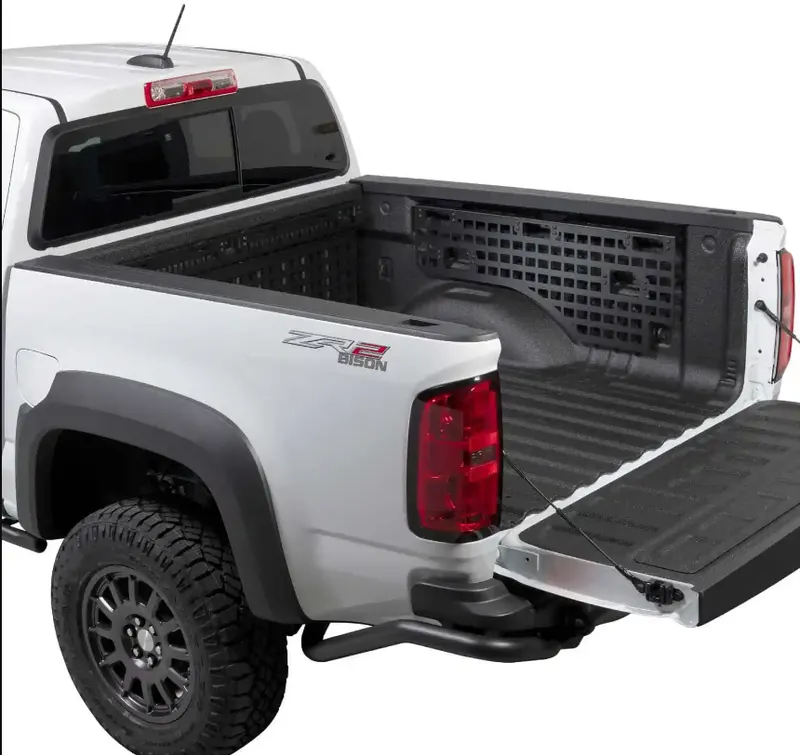
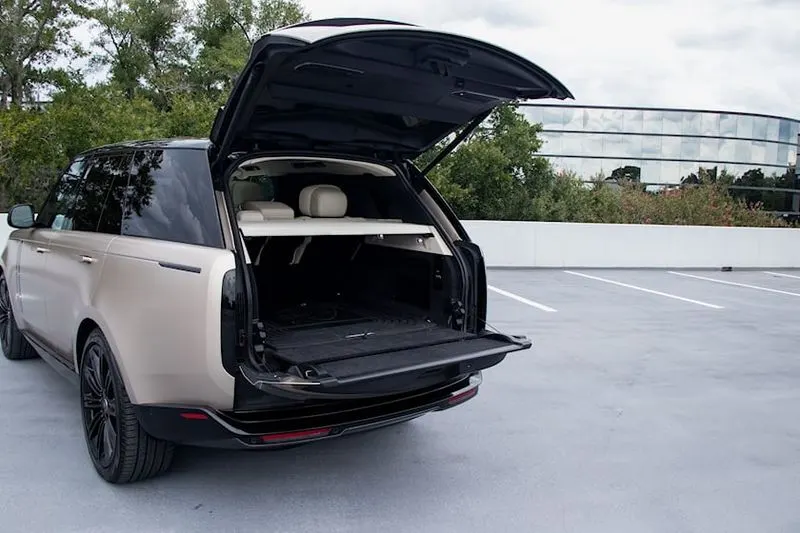
Bottom Hinged:
Bottom-type or split-type backdoor system is used in estate-type cars, pickup trucks, and some luxury SUVs. These are the most convenient type of backdoor in which the bottom split is used as a support or even as a table for touring people.
Hybrid type backdoor:
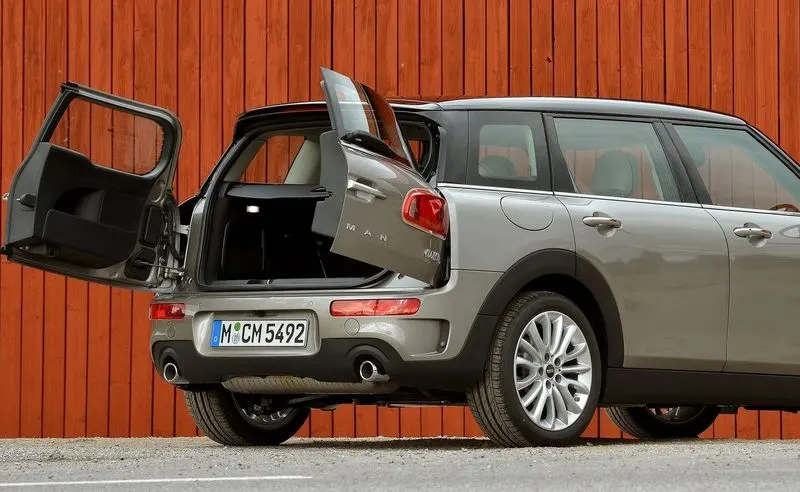
This is a combination type of top-mounted and side mounted.
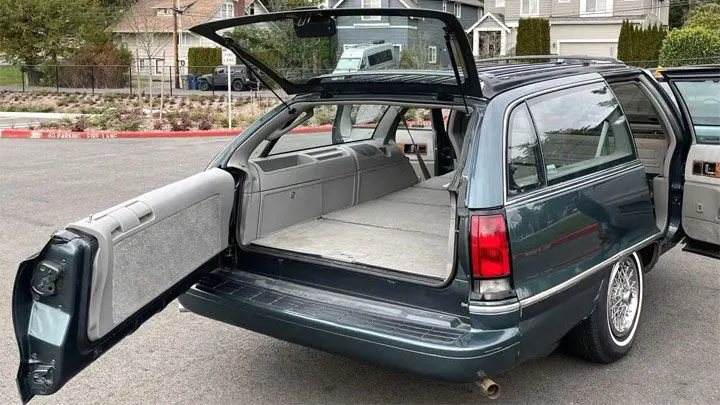
Both Side Hinged type back Door:
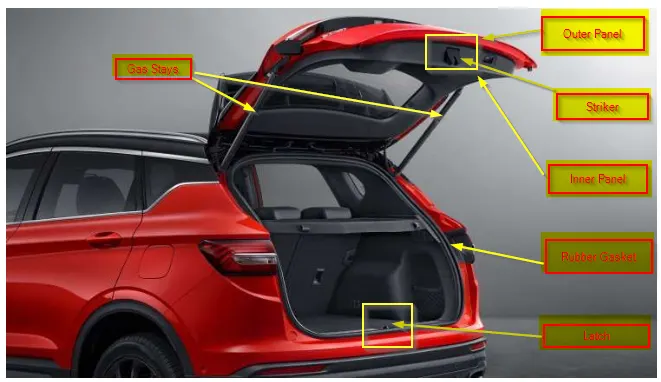
Parts of the Back Door:
- Inner Panel
- Outer panel
- Reinforcements
- Gas stay
- Latch and Striker
- Wiper and its motor
- Tail Lamps
- Rear wind Shield
Design Criteria/Consideration:
- Rear Visibility for safety and functionality.
- Support Structures like Hinge and Gasstay/Powerlifter.
- Rear Crash regulations.
- Boot Space.
- Mounts for the wiper motor and lights.
- Strength criteria.
- Draft Analysis.
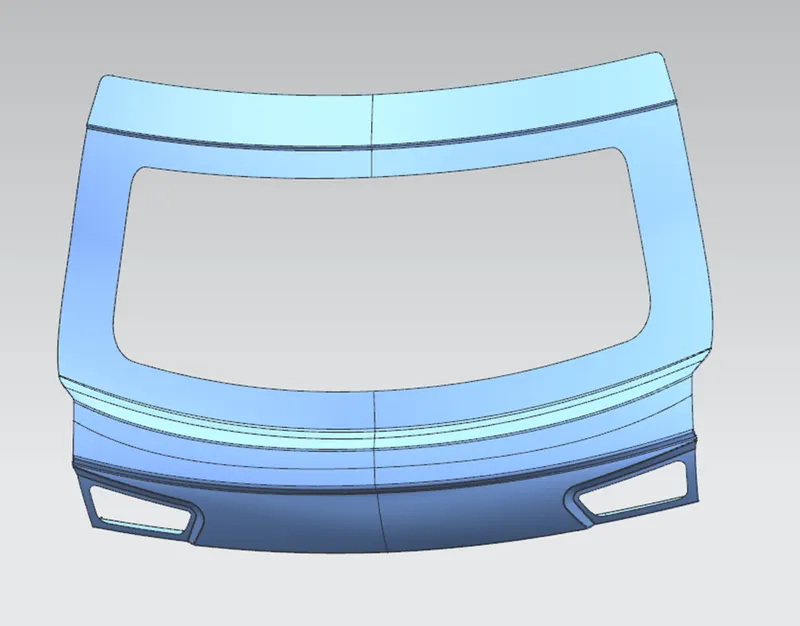
Back door outer upper and lower panel:
This is a classy surface of the back door which is wrapped around the inner panel through the hemming process.
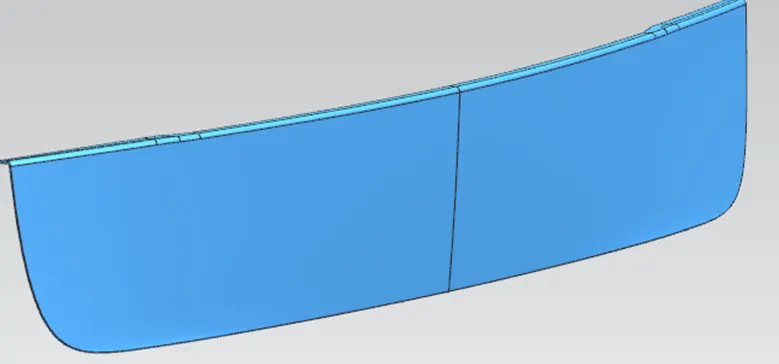
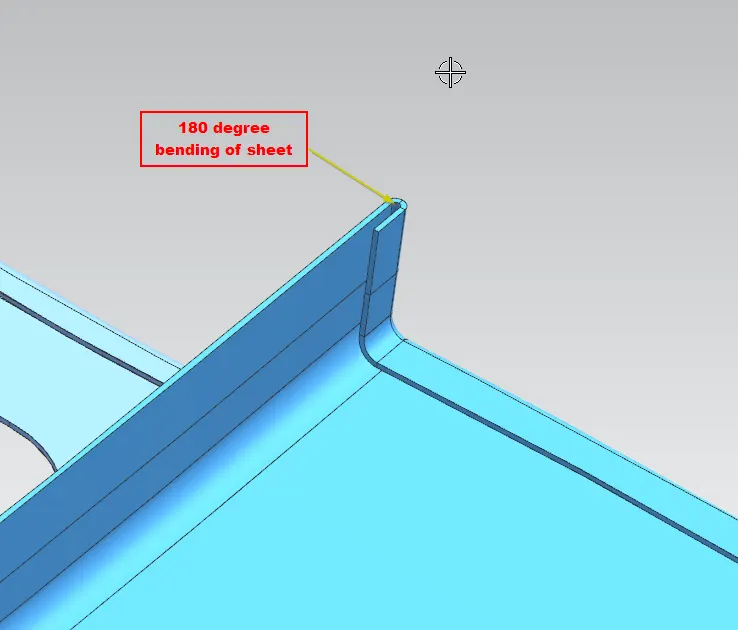
Hemming:
Hemming is a forming operation in which the edges of the sheet are folded or folded over another part in order to achieve a tight fit. Normally hemming operations are used to connect parts together, improve the appearance of a part, and reinforce part edges. Automotive body panels and automotive parts such as deck lids, trunk lids, doors, hoods, and tailgates are formed by the hemming process.
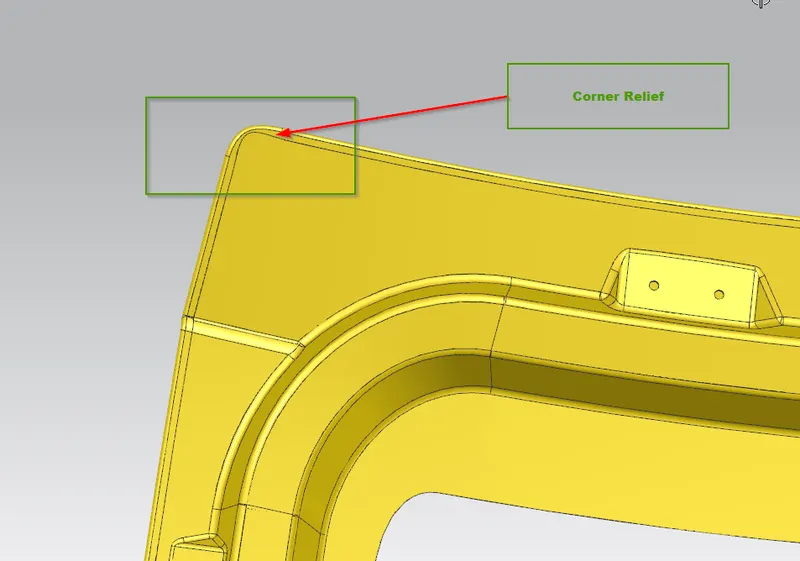
Corner Relief: While performing the hemming process multiple rollers are used which causes vibrations and stress concentrations at some locations due to which the design intent of the panel shouldn’t be changed (i.e the panel should spring back to its original formation after the roller is removed). But most of the time that is not the case at corners so to avoid that situation reliefs are provided at corners.
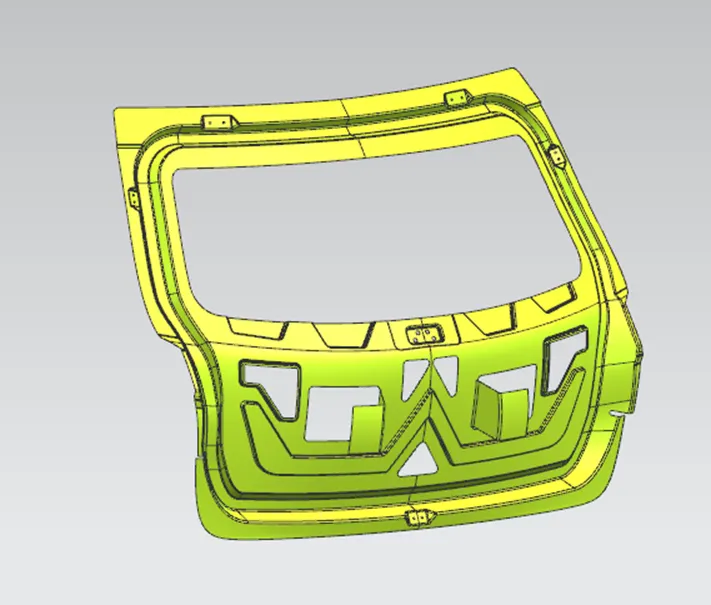
Back door Inner panel:
This is the most important part of the backdoor which provides strength to the outer panel.
To make the inner panel more strengthen, embosses are provided. Embosses are also provided for Hinges,
gas stay, latch-striker, and wiper motor.
This panel is created by using a deep drawing sheet metal Forming Process.
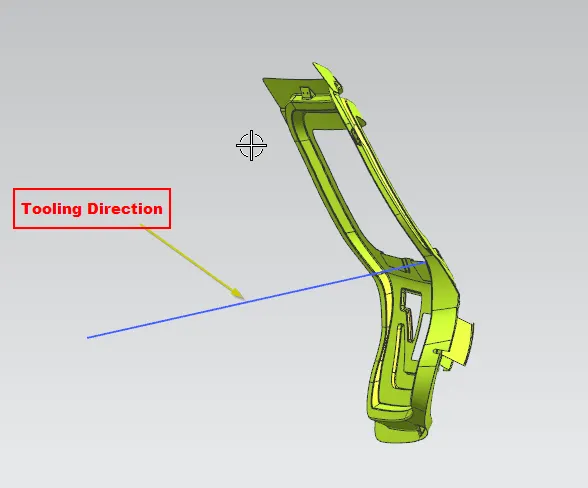
Deep Drawing: Deep drawing is a sheet metal forming process by which a sheet metal blank is slightly clamped along its perimeter by a blank holder and radially drawn into a forming die by use of a punch. For this, tooling direction is needed to produce the required shape of the sheet. The thickness of the sheets typically used for deep drawing is 0.5-4.0 millimeters and the maximum blank sheet size is 2.2×3.0 meters. The material must be soft, which means that hardened steels are not suitable for deep drawing.
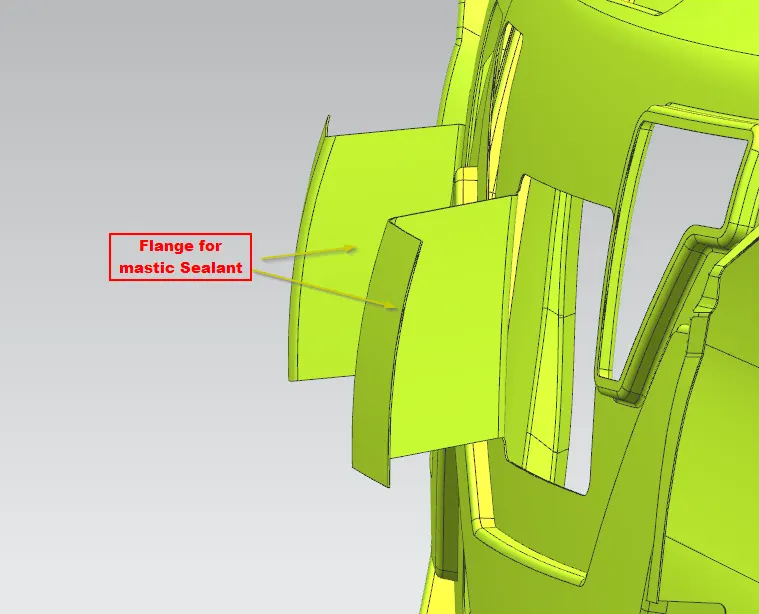
Mastic Sealants: The outer panel gives the aesthetic look to the vehicle, so we can’t use bolting or spot welding or any other joining technique which damages the aesthetic looks of the panel. Thus mastic sealants are used for joining the Inner panel elements with the outer panel. A maximum gap of 5mm is to be maintained in between parts where mastics are to be applied.
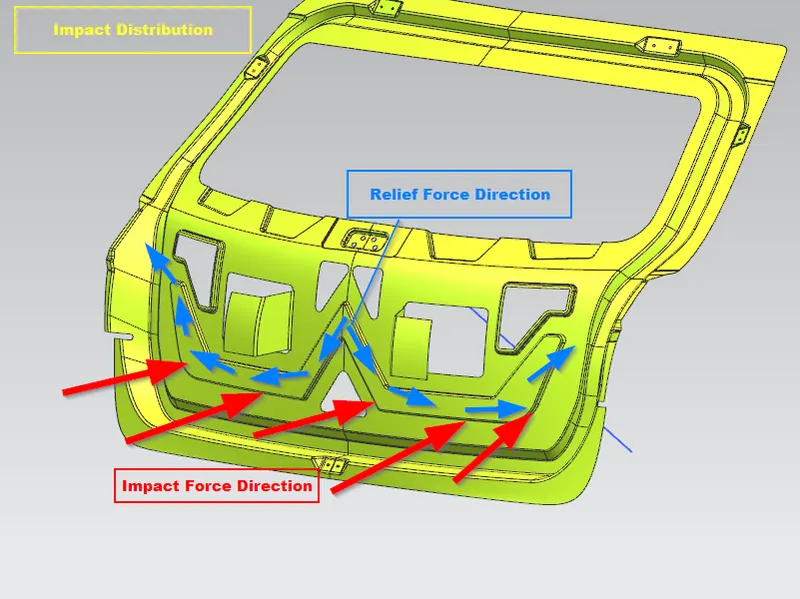
Impact Force Distribution:
In the Below Fig. of the inner panel, The big 'W' shaped emboss is created to minimize the force transmitted to the passenger cabin after impact. The impact force is transmitted to the side walls of the car body.
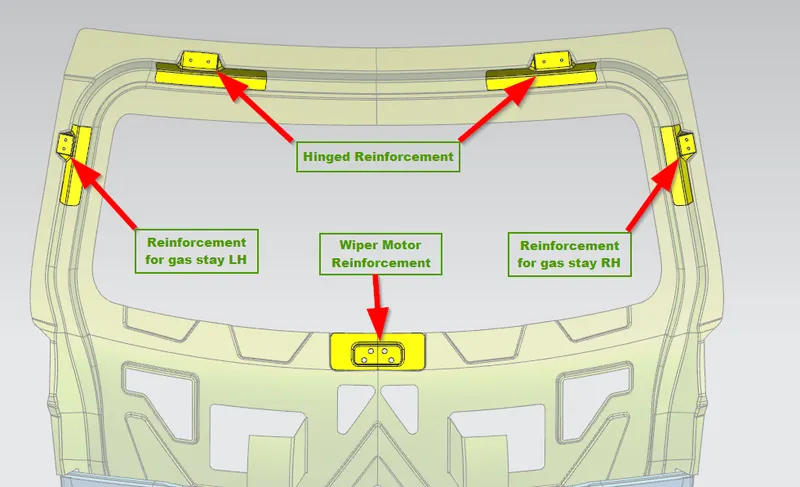
Reinforcements :
Reinforcement is created to provide strength to the joint area. Reinforcements are generally placed to increase the strength of the panel in localized areas which is relatively small compared to sheet metal parts for absorbing loads imposed thereon and dissipating such loads throughout the panel assembly to help maintain rigidity of the panel assembly.
- Hinge reinforcements: The hinge is a pivot mechanism that supports the total weight of the backdoor. So reinforcements are added for strength and rigidity.
- Gas stay reinforcements: Gas stay is used to lift the backdoor automatically and is used to support the backdoor in its open position. It can be of two types Semi-automated and fully automated.
- Wiper Motor reinforcement: Wiper is used to wipe out the dust particles/water on the windshield glass which affects the rear visibility. It is operated by the motor which is mounted on the inner panel. Due to the vibration and heat of the motor, the inner panel gets deformed which results in loss of strength & rigidity of the panel thus leading to poor NVH. So reinforcement is provided to avoid these conditions.
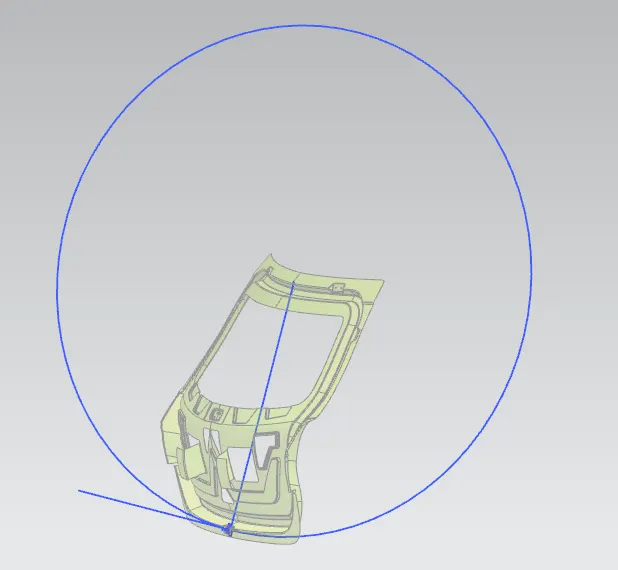
Latch Trajectory:
The back door is hinged at a point for its opening and closing. For its proper working, a circle is drawn from the hinged point with respect to the inner panel to locate the latch.
Draft Analysis:
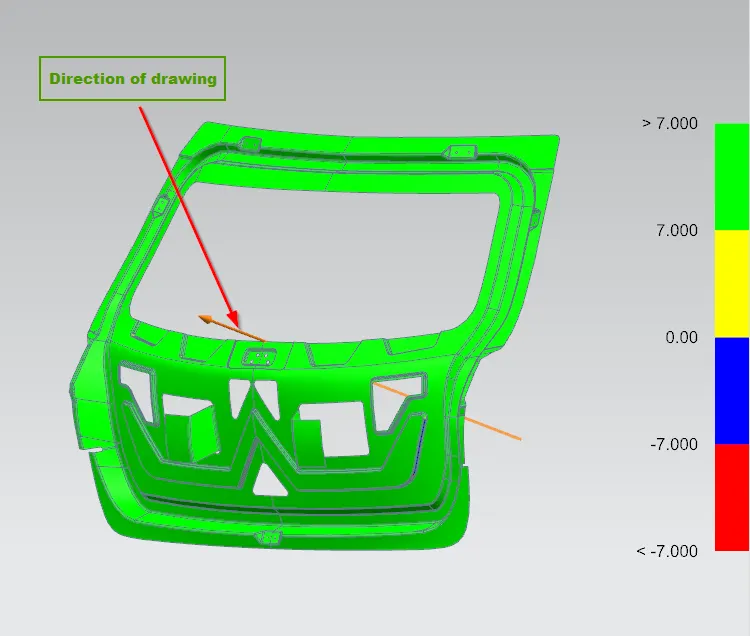
Draft angles are the degree of taper that is incorporated into the side wall. tool to aid in the removal of a part. Primarily, they function to reduce the friction between the part and the tool as it is ejected. Without draft angles, parts can be stripped, dented, or get stuck in the tool.
To check the draft angle, the process is carried out with reference to tooling direction and a sheet called draft analysis.
Conclusion:
In this design challenge, Faced a lot of errors and learned to solve them. Learned about back door importance design consideration and its components.