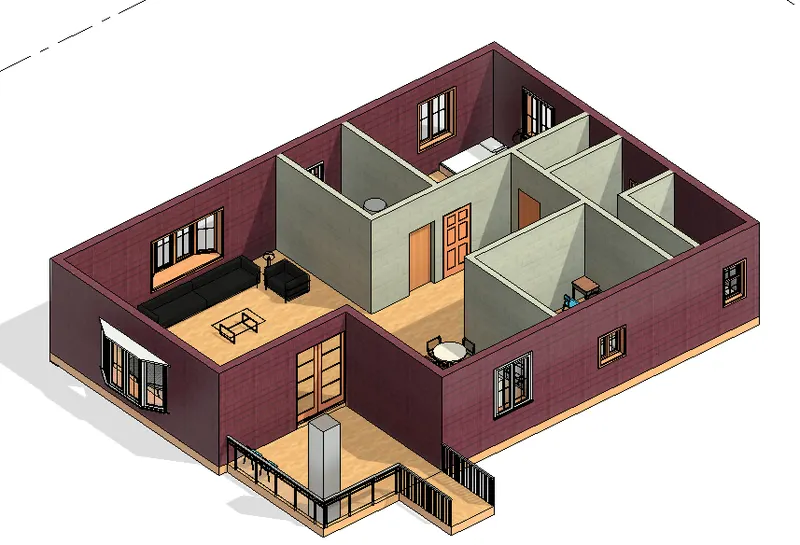
Creating Walls, Partition walls and Floors for a residential layout using REVIT
1) Use the project file created from Week 2. Use it for this assignment. Based on your layout from week 2, using floor tool under architecture tab and select the floor with appropriate material and thickness using the property browser create a layout in the Ground floor Level. Align the floor plan with grids created from week 2
AIM:
To create a floor plan using the architectural tab and give appropriate material and thickness using the property browser
INTRODUCTION:
In this project, we have to create a floor for the week 2 drawing using an architectural tab. After creating the floor, we have to give appropriate thickness, and material using the property browser and then align the floor plan with grids
PROCEDURE:-
OPEN PROJECT MODEL
- OPEN the Revit software
- Click on open and select previously created drawing as RESIDENTIAL BUILDING-1
BELOW IS THE PROJECT 2 RESIDENTIAL PLAN :
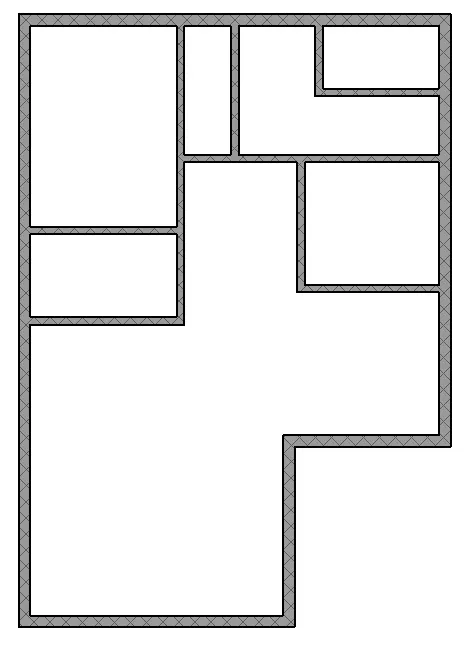
CREATE FLOOR AT GROUND
- In the Architectural Tab select FLOOR
- Choose Pick Line tool from draw panel
- Select exterior lines of the layout
- After that finish the edit mode by clicking green check mark
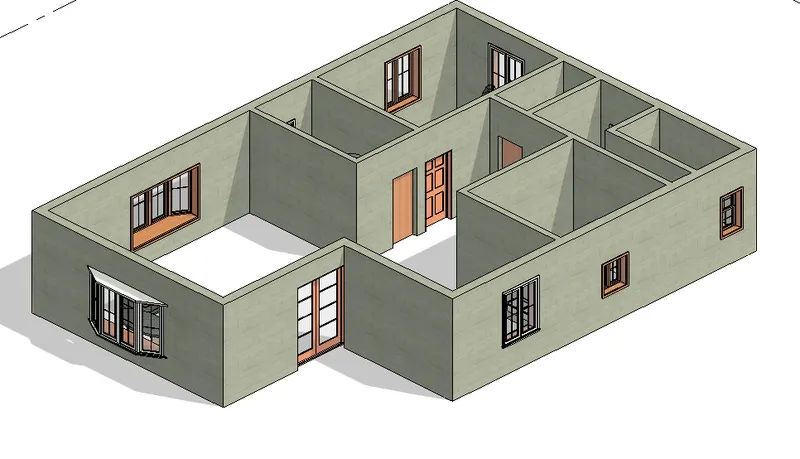
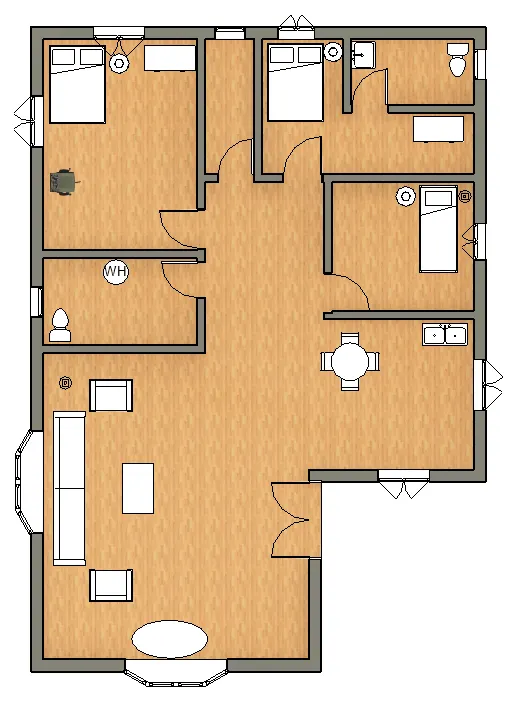
- Floor is created in the ground level as shown below
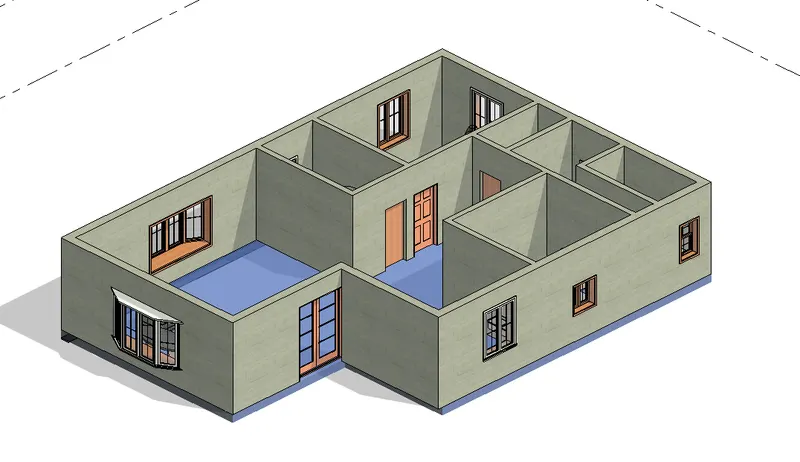
- Go to view tab for 3D view
- Select created floor
- In the properties browser go to Edit Type
- Make a Duplicate and rename as the OAK FLOORING 4"
- Click on Edit select appropriate Material for structure i.e OAK flooring
- Change thickness of structure 4”
- Click Apply and OK
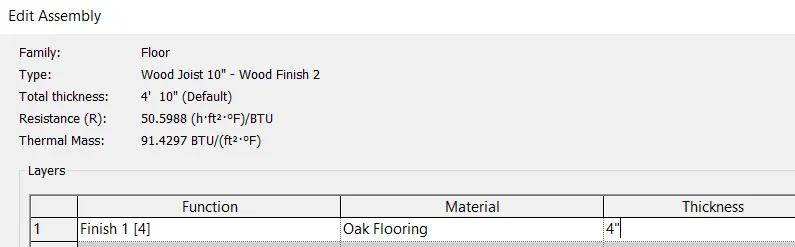
- selection of material for floor from material browser window ;
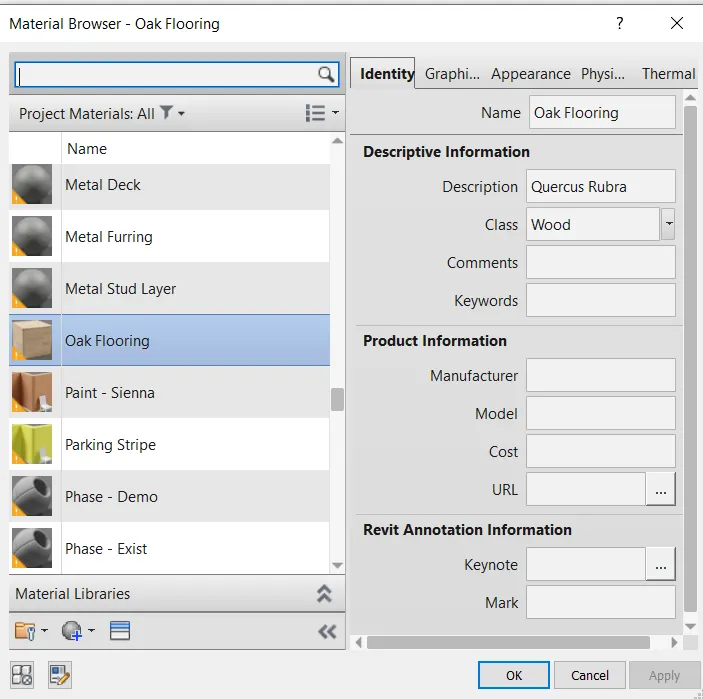
- The material and thickness properties appeared in a properties window as below;
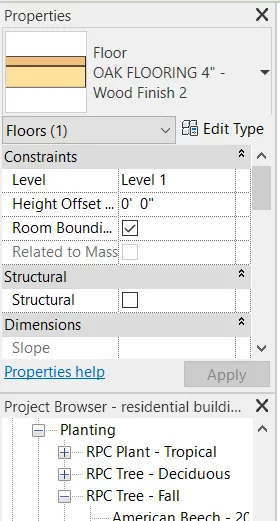
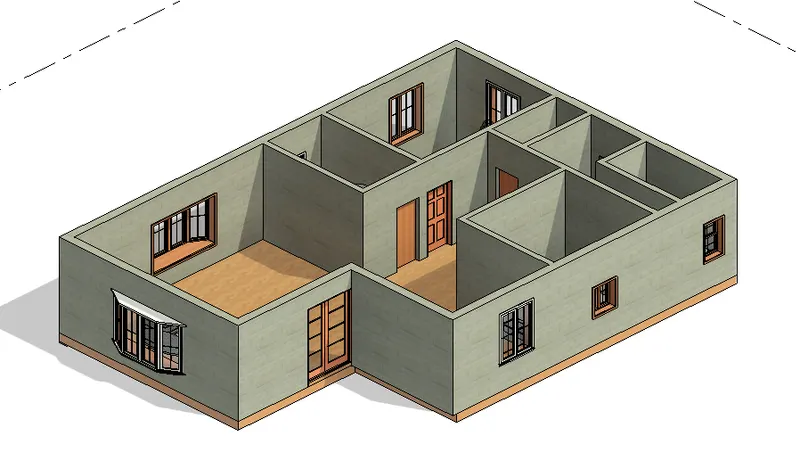
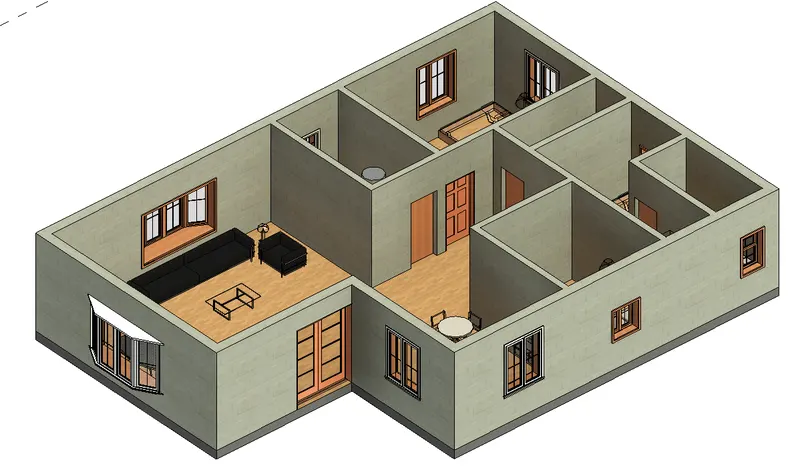
- floor is seen like that after applying mateial and thickness
- In the Architectural tab select Grid from Datum
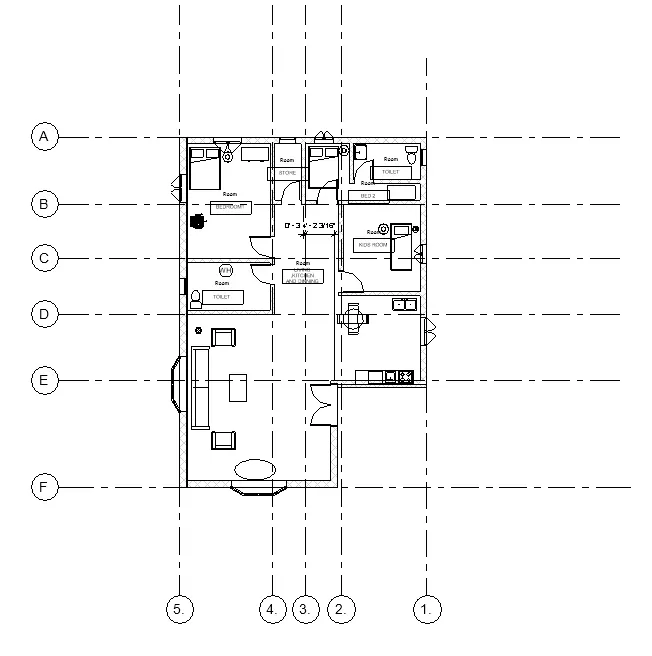
- Align the grids according to floor plan
- and rename the grids as week 2
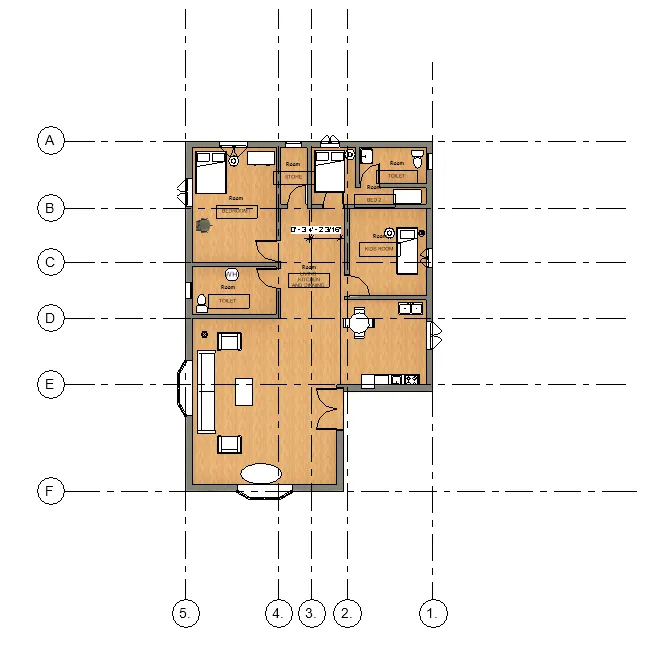
RESULT:-
Placing of floor and material and thickness are applied to the floor also the floor plan is successfully aligned with the grids.
2) Add walls based on the floor layout. Pick lines or use the draw tool to modify the boundary of walls. Use the property browser to select appropriate material and thickness for walls. After creating the walls verify using the property browser to see if the top and bottom of the walls are constrained.
a. Based on your observation, what is beneficial for connecting walls with associated levels rather than being Unconnected
b. Which option is convenient for modeling walls, By Height or By Depth?
AIM:-
- To create a floor and need to apply the materials and thickness using the property browser for wall.
- Verify using the property browser to see if the top and bottom of the walls are constrainrd.
- Need to understand the benefits of connecting walls associated levels tather than being unconnected.
- Need to know which option is covenient for modeling walls,by Height or depth.
INTRODUCTION:-
- Walls are arguably one of the most important elements of any building.
- As such, the Wall Tool is a prominent function of Autodesk Revit Architecture.
- Building material is material used for construction. Many naturally occurring substances, such as clay, rocks, sand, and wood, even twigs and leaves, have been used to construct buildings.
- Apart from naturally occurring materials, many man-made products are in use, some more and some less synthetic.
PROCEDURE:-
OPEN PROJECT MODEL
- OPEN the Revit software
- Click on open and select previously created drawing as RESIDENTIAL BUILDING-1
CREATE WALLS AND MATERIAL
- In the Project Browser go to Floor Plans and double click to the Ground Floor Plan Or say level 1 plan
- Select exterior wall , if all walls are same then further properties apply to them, if not only similar wall get that properties
- Click Edit Type from Property Browser
- Make a Duplicate and rename as the BRICK SOLI WALL 10"
- Click on Edit select appropriate Material for structure
- Change thickness of structure 10”
- Click Apply and OK
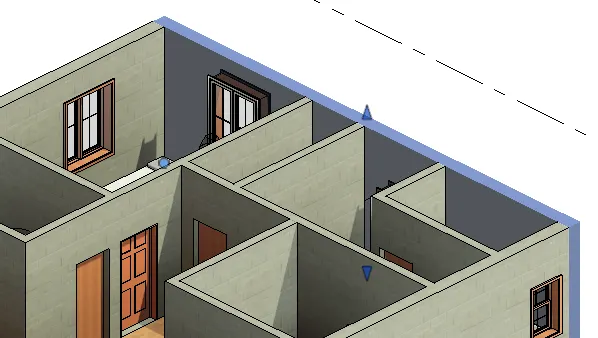
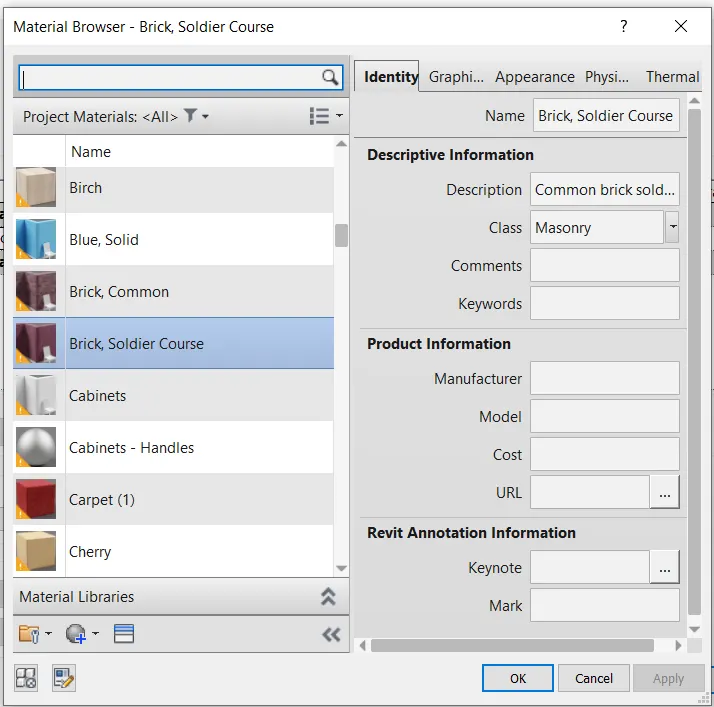
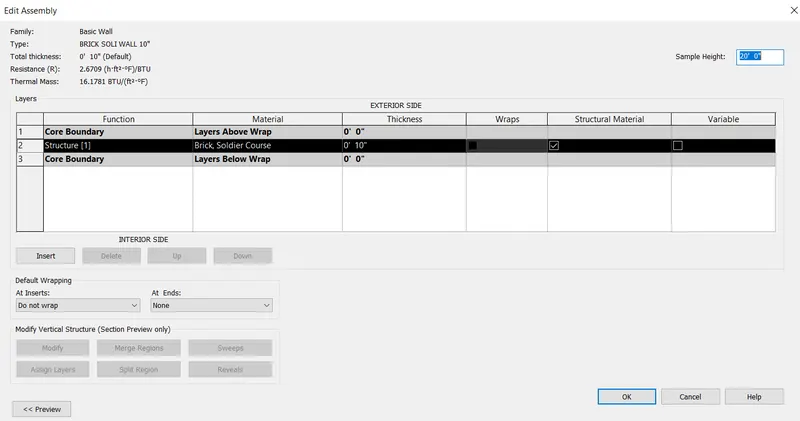
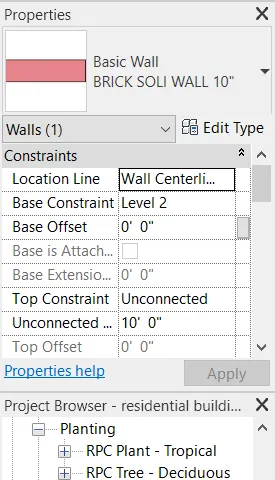
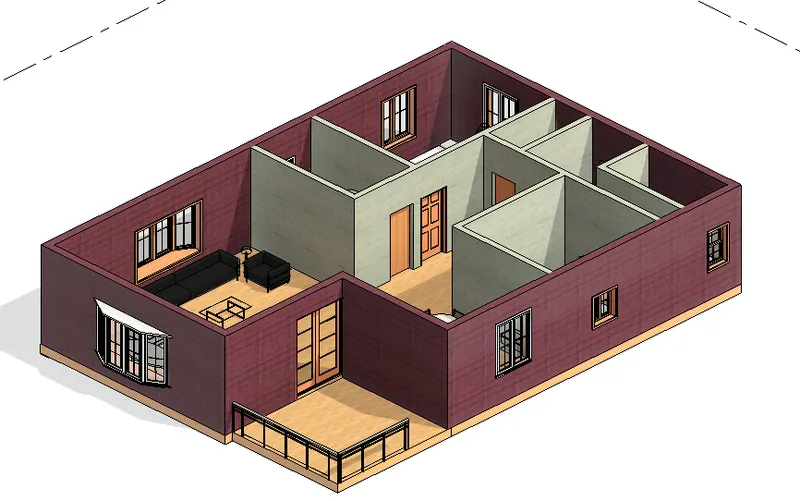
A)
- Based on your observation, what is beneficial for connecting walls with associated levels rather than being Unconnected.
- If we select the top constraint as Up to level: Level-2, The height of the wall changes with the levels.
- When we put the level height to the 10', then height of the wall is also changes to the 10', as Shown below.
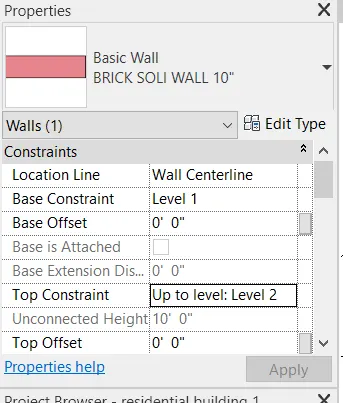
- The height of level is changed and the height of the wall is also changes, as shown on the below figure.
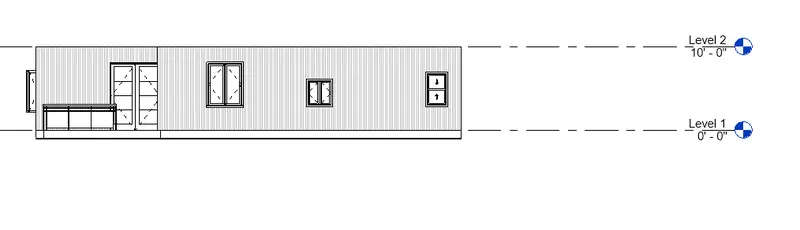
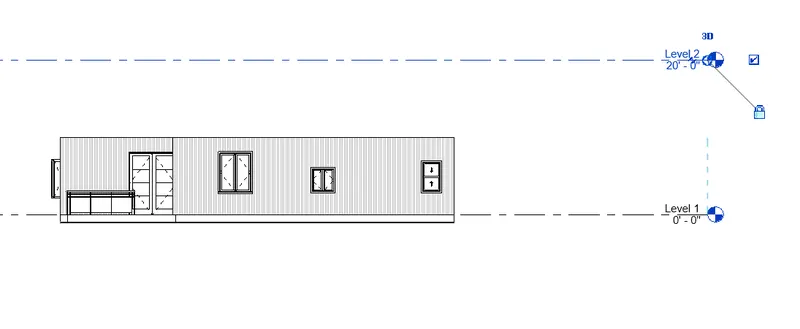
- If we select the top constraint as Unconnected, The height of the wall doesn't changes with the levels.
- When we put the level height to the 20', The only level height is changes, the wall height will not be changed or remains same .
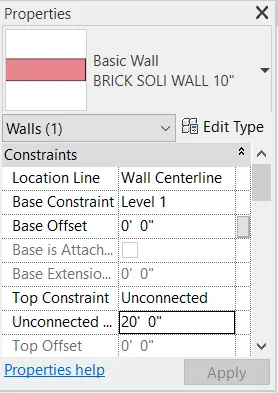
- The height of level is changed and the height of the wall will not changes, as shown on the below figure.
B) Which option is convenient for modeling walls, By Height or By Depth?
- When we select the height option for the wall, The wall will be created above the level, as shown below.
When we select the height option for the wall, The wall will be created below the level, as shown below.
RESULT:-
- Successfully applied materials to the walls.
- The top and bottom of the walls are constrained.
- Beneficial for connecting walls with associated levels is when level height changes, the wall height is also changes.
- Height option is convenient for modeling walls.
3) Copy the model elements ( wall, floor ) modelled to Ground Floor Level and paste it aligned to First Floor Level . Use modify tab to utilize copy and paste options to align
elements to a different level
AIM:
To Copy the model elements from the ground floor level i.e level 1 and paste them aligned to the first-floor/level 2 level using modify tab
INTRODUCTION:
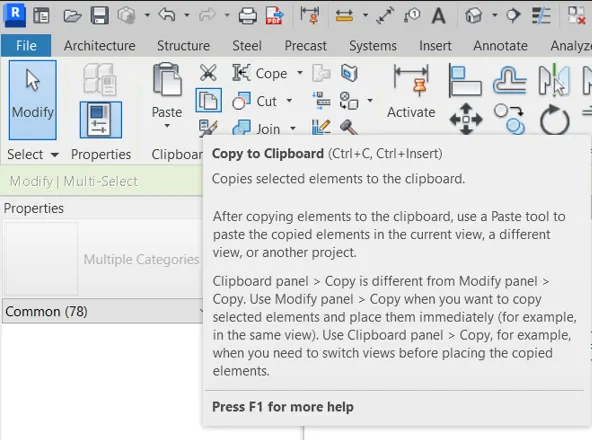
The Copy to Clipboard tool copies one or more elements to the clipboard. We can then use the Paste from Clipboard or Paste Aligned tools to paste copies of the elements in the drawing or another project.
PROCEDURE:-
OPEN PROJECT MODEL
- Launch the Revit software
- Click on open and select previously created drawing as RESIDENTIAL BUILDING 1
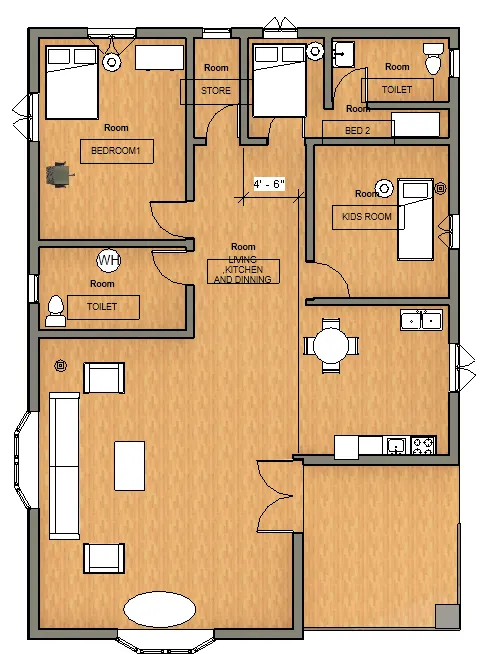
- The level 1 plan is as below;
COPY OF THE FLOOR
- In the Project Browser go to level 1 and double click to the Ground Floor Plan
- Select the entire model
- After selecting modify tab opened
- Click on the copy to clipboard option
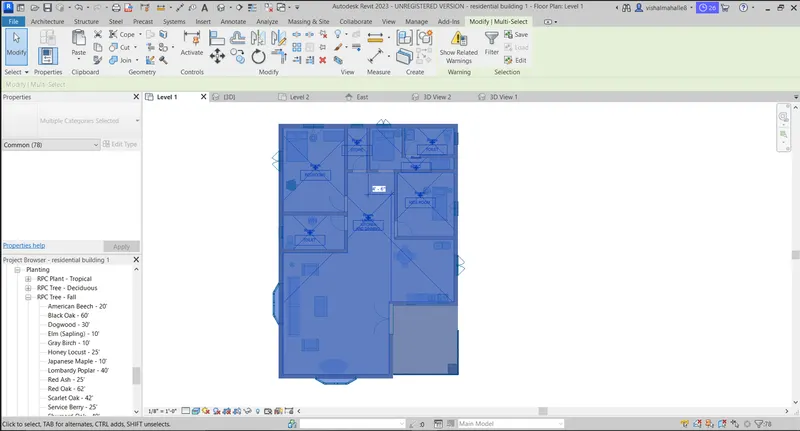
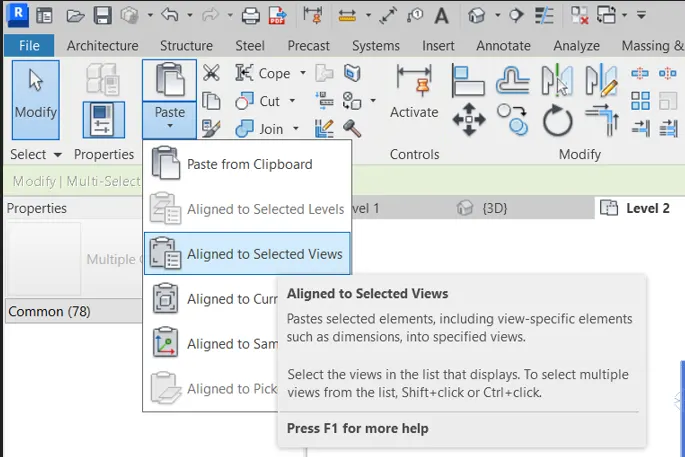
- Drop down the paste option and select aligned with selected views
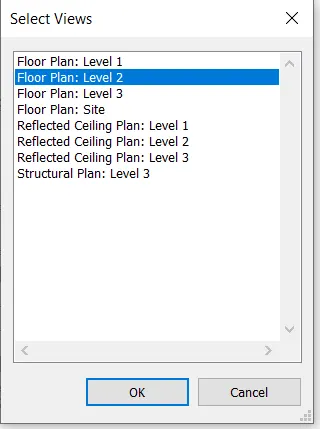
- Select level as first floor level>OK
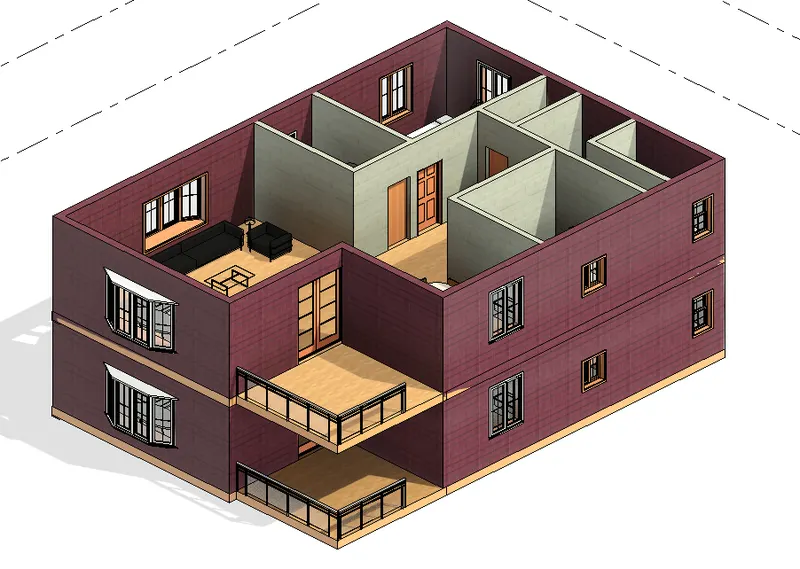
- After following above procedure, created copy of model elements to the level 2 i.e first floor level
RESULT:-
- The elements are successfully aligned to the different level using the copy and paste options.
4) Use interior partition walls to create separate rooms within your residential unit. The model must include the following rooms
a. Living Room/ Drawing Room ( 15’ X 18’)
b. Dining Room (9’ X 11’)
c. Bed Room ( 9’ X 12’ and 15’ X 11’)
d. Rest Room ( 10’ X 12’ )
e. Kitchen (8’ X 10’)
The above are for examples. You can use them or use your measured entities to create your model based on your layout. You may include entry walkway, Patios or Guest
rooms based on your creativity and purpose of modeling. Convert units if you are using metric system
AIM:-
To create interior partition walls to create separate rooms and make of other part of building like patio and balcony
PROCEDURE:-
OPEN PROJECT MODEL
- Launch the Revit software
- Click on open and select previously created drawing as RESIDENTIAL PLAN 1
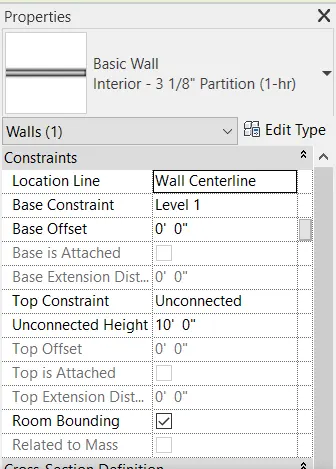
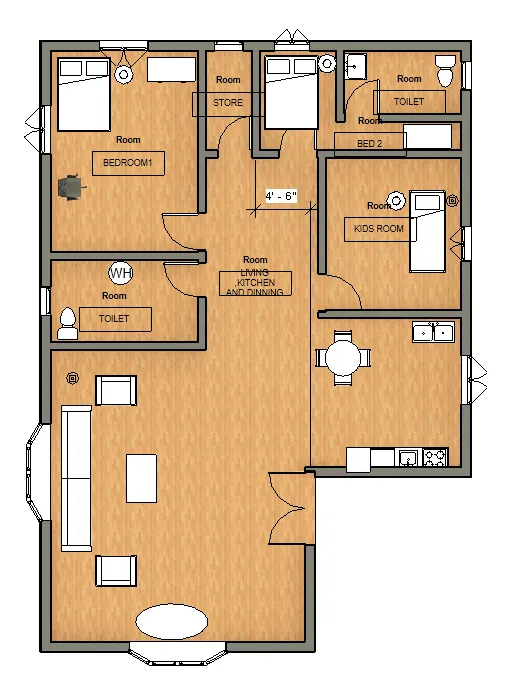
- change the interior walls of that plan to partition wall as shown below
- give the materials to the wall by using edit type option in property browser window
CREATE BALCONY AND PATIO FOR THE SAME:-
- Go to LEVEL 1 Plan
- In the Architectural Tab select Floor
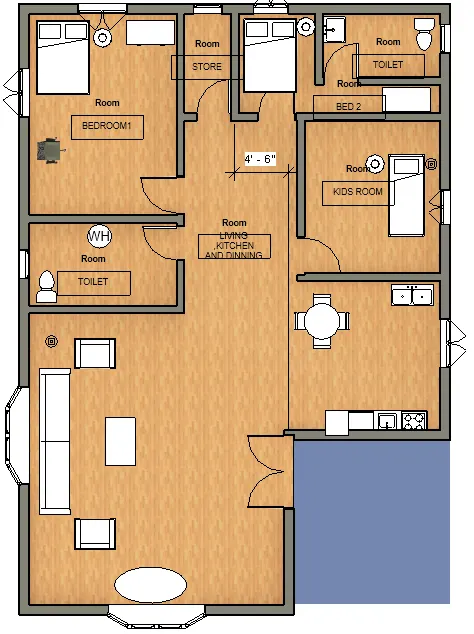
- By using Draw tool create floor boundary for LEVEL 1 balcpny
- After that go to Architectural tab select Railing
- Used Pick Line tool to create path of railing
- Then change the railing property as Glass Panel from the Property Browser
- After that go to Architectural tab select Railing
- Used Pick Line tool to create path of railing
- Then change the railing property as Glass Panel from the Property Browser
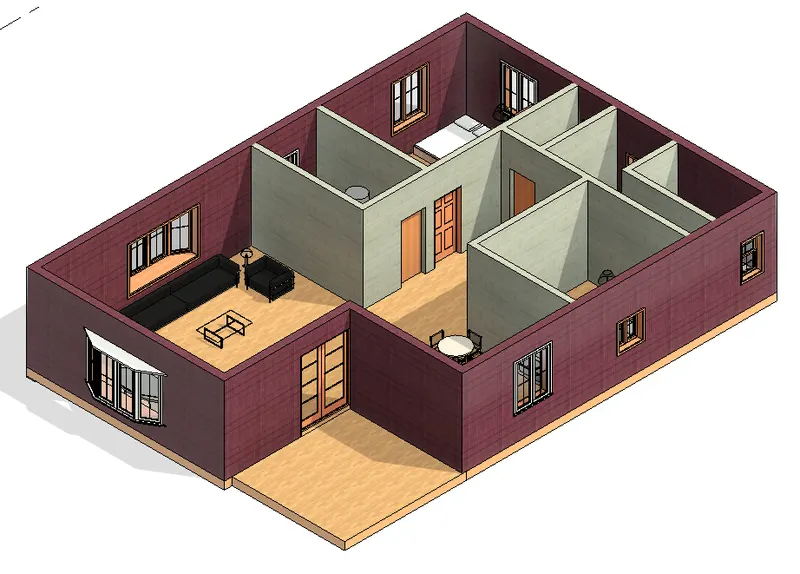
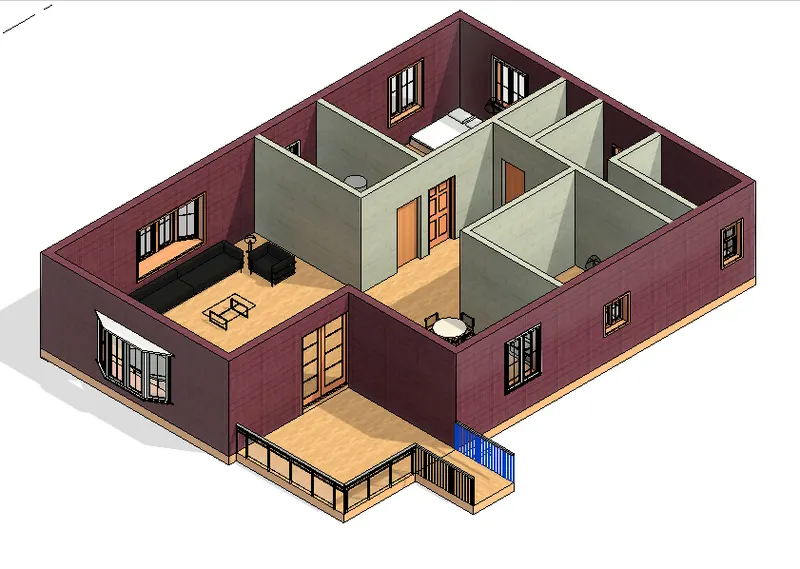
- Again, go to architectural plan ,click on floor to make patio IN place for level 1 as shown;
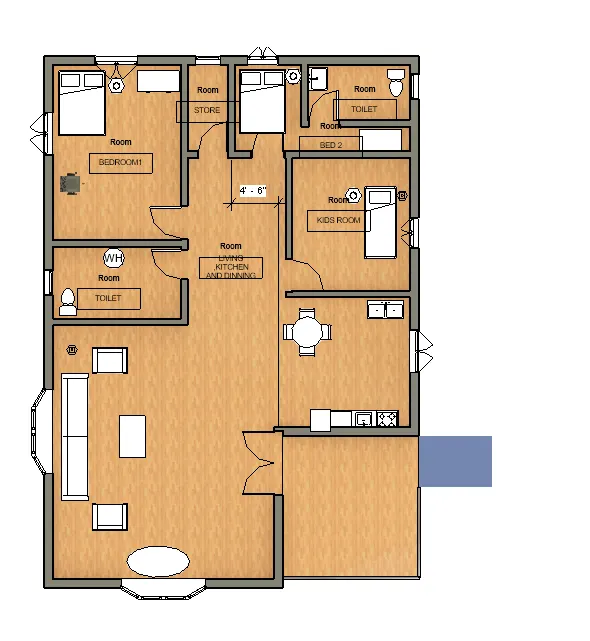
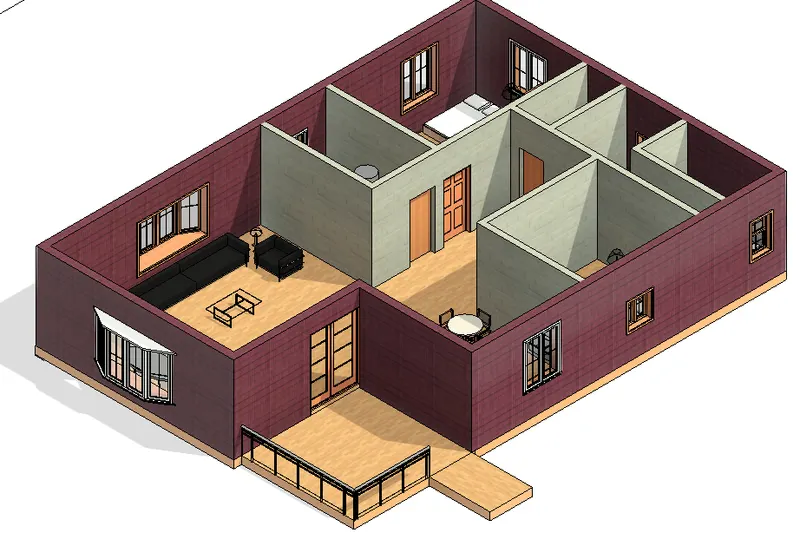
- Also, give railing to the patio floor
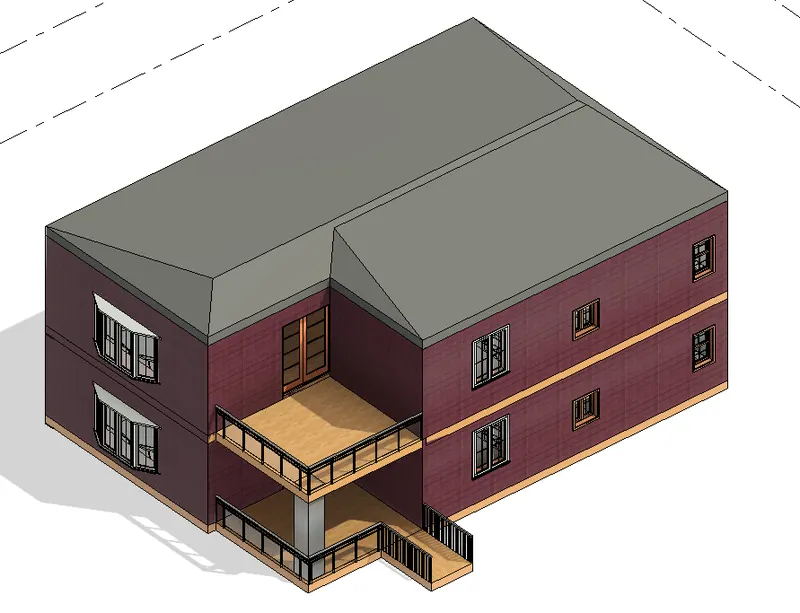
- Finally make level 2 i. e first floor by using copy to clipboard and paste to the selected option and give roof to the same
- And place the supporting column to the balocony area
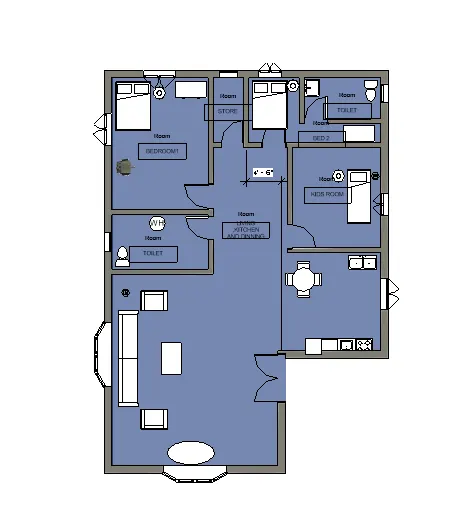
5) Based on week 2 assignment, the components to be included in a residential unit were inserted to the Revit file. Place these components in appropriate locations to add details to your residential model
a. Place Doors and windows in the wall at appropriate locations
b. The Living Room must include furniture set, couch table and TV desk and shelf cabinets
c. The Dining Room must include a table and chairs serving the purpose of eating
d. Bed Room must include a bed set, shelf, lighting and individual study desk and chair
e. Rest room should include bath tub and plumbing fixtures discussed in class
f. Kitchen should include countertops, gas stove cabinet and shelves to store food items
g. The wash/storage room can include washing machines and shelves to store clothes
All the components are available in Revit Library. Use them to place at appropriate locations to add details to your model. Use 3D navigation to check the model and its authenticity on a real time basis to verify the model
PROCEDURE:-
OPEN PROJECT MODEL
- Launch the Revit software
- Click on open and select previously created drawing as RESIDENTIAL BUILDING 1
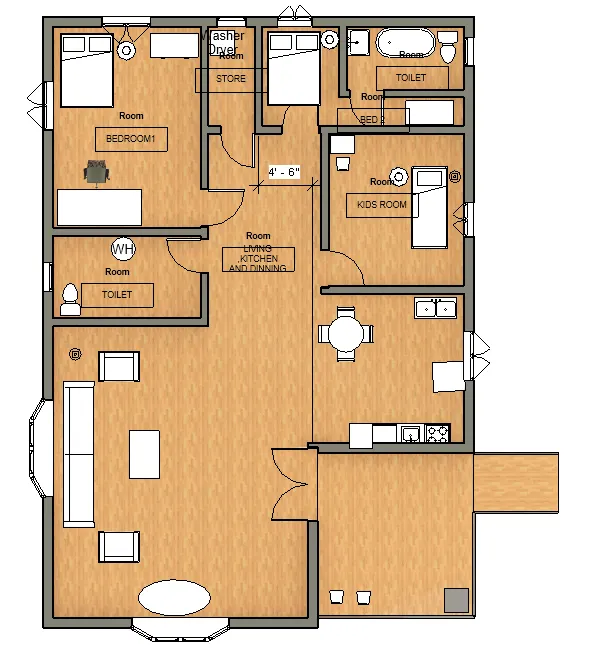
layout of week 2 project is as below;
INSERT COMPONENT
- Go to LEVEL 1 PLAN i.e ground floor plan
- In the Insert Tab select Load Family
- Open library>Furniture>Storage>Elements
- Go to project browser
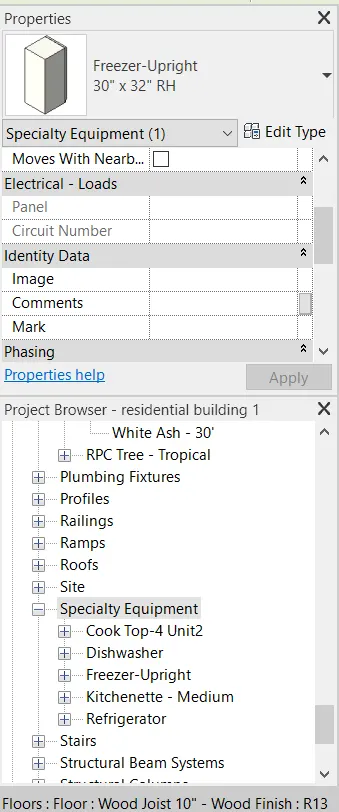
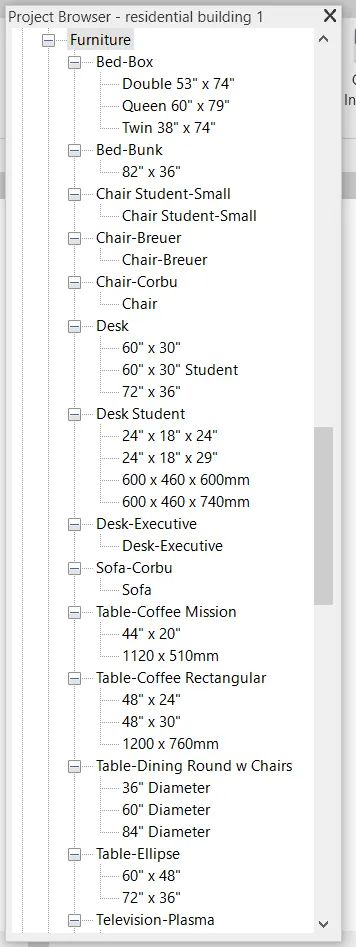
- Expand the family
- Select the elements to insert in appropriate location
- Similarly, add all the components and placed to the respective place
RESULT:
After following above procedure obtained below result
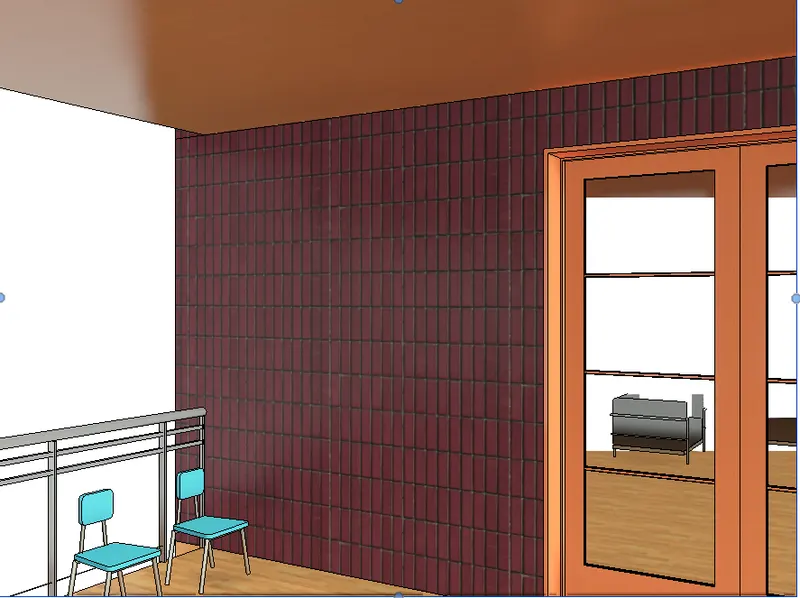
- Placed door and window in the wall with appropriate location
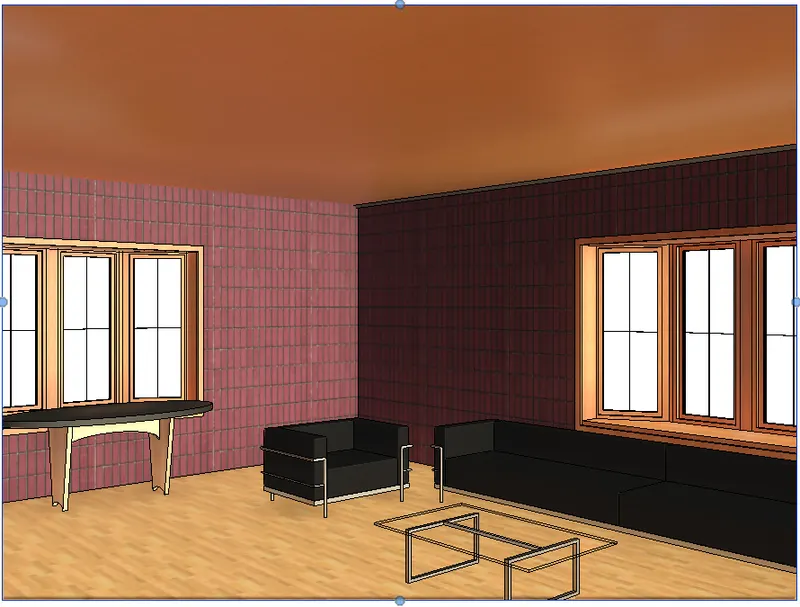
- Place furniture set, couch table, TV desk, table, lamp and shelf cabinet in the living room
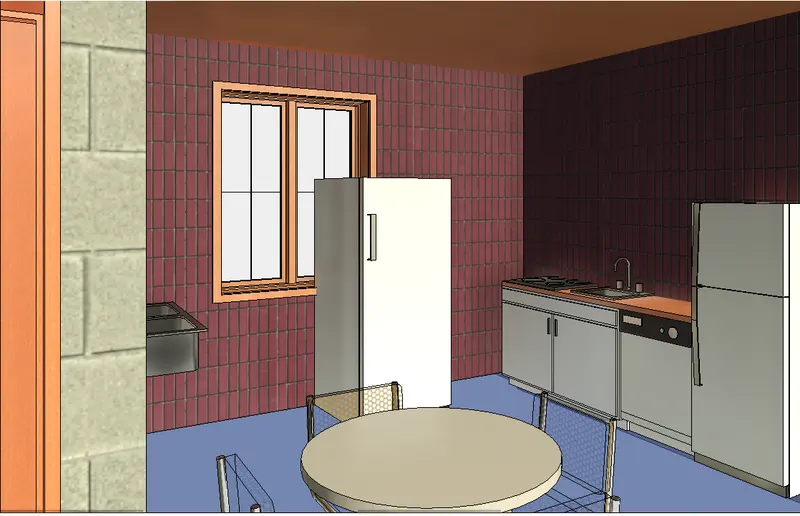
- In the dining room placed table and chairs for eating purpose
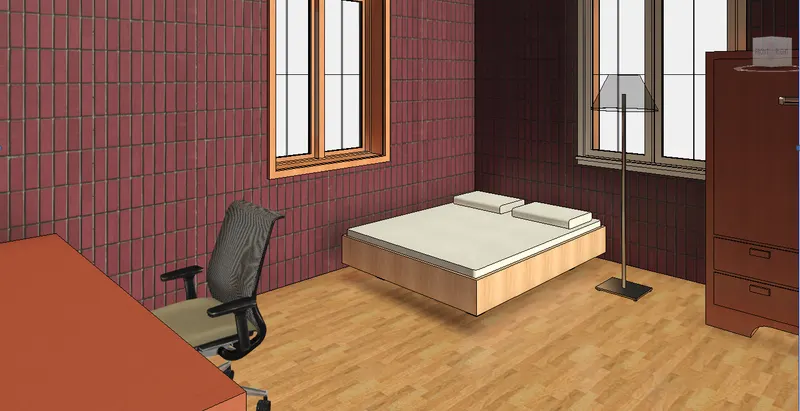
- In the bed room placed a bed set, shelf, light and individual study desk and chair
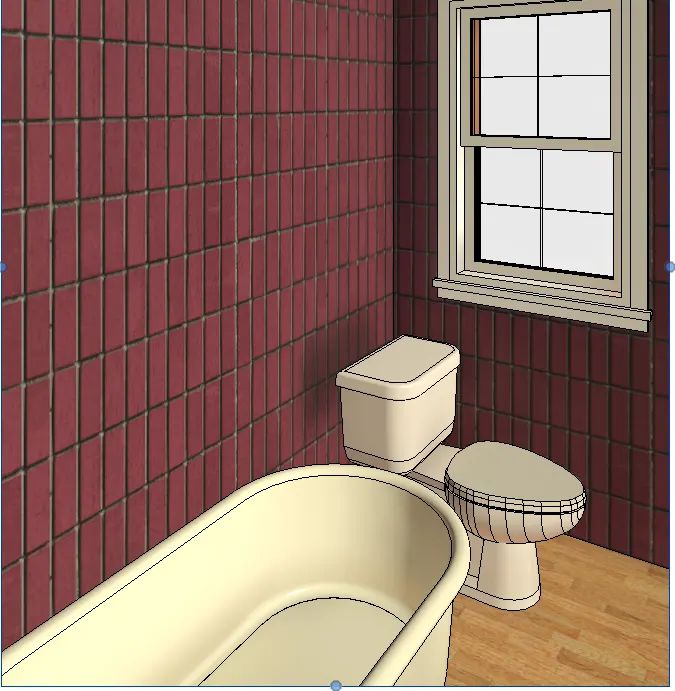
- Rest room placed bath tub, sink and water closet.
- In the kitchen we placed countertop, gas stove, refrigerator, sink, cabinet for food item
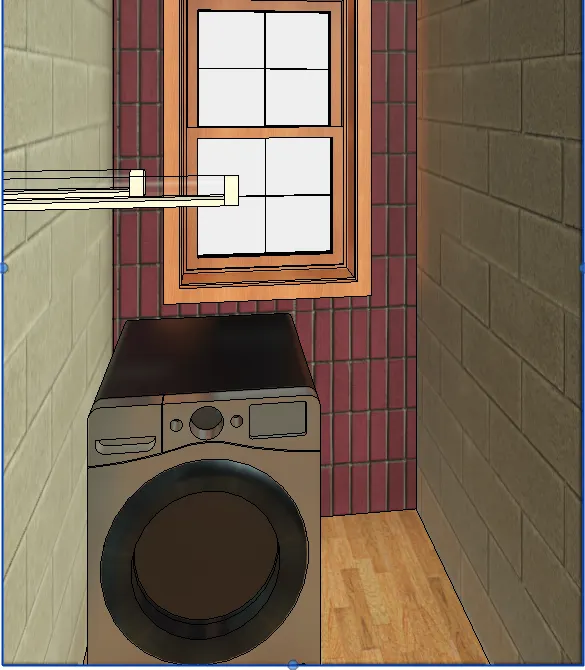
- In the store area we placed washing machine
LIVING SPACE VIEW:-
ENTRANCE /BALCONY IN VIEW:-
KITCHEN AND DINNING VIEW:-
RESTROOM/TOILET VIEW:-
BEDROOM VIEW:-
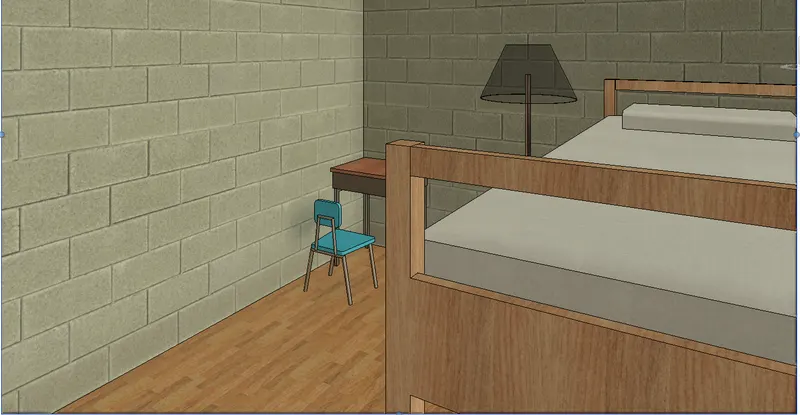
KIDS ROOM VIEW:-
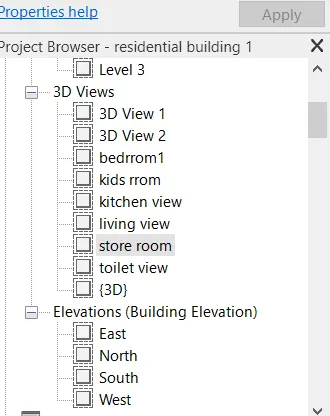
STORE ROOM VIEW:-
WHOLE VIEW:-