Benchmarking
BENCHMARKING
Benchmarking is a process of measuring the performance of a company's products, services, or processes against those of another business considered to be the best in the industry, "best in class." The point of benchmarking is to identify internal opportunities for improvement. By studying companies with superior performance, breaking down what makes such superior performance possible, and then comparing those processes to how your business operates, you can implement changes that will yield significant improvements.
That might mean tweaking a product's features to more closely match a competitor's offering, or changing the scope of services you offer, or installing a new customer relationship management (CRM) system to enable more personalized communications with customers.
There are two basic kinds of improvement opportunities: continuous and dramatic. Continuous improvement is incremental, involving only small adjustments to reap sizeable advances. Dramatic improvement can only come about through reengineering the whole internal work process.
Procedure for benchmarking
There is no single benchmarking process that has been universally adopted, but the following criteria can be considered or followed for benchmarkingSelect subject
- Define the process
- Identify potential partners
- Identify data sources
- Collect data and select all partners
- Determine the gap
- Establish process differences
- Target future performance
- Communicate
- Adjust goal
- Implement
- Review and recalibrate
Three Primary Classifications of Benchmarking:
Internal benchmarking is used when a company already has established and proven best practices and they simply need to share them. Internal benchmarking also may be necessary if comparable industries are not readily available.
Competitive benchmarking is used when a company wants to evaluate its position within its industry. Also, competitive benchmarking is used when a company needs to identify industry leadership performance targets.
Strategic benchmarking is used when identifying and analysing world-class performance. This form of benchmarking is used most when a company needs to go outside of its industry.
COMPAIRING VEHICLE
1. Hyundai Venue
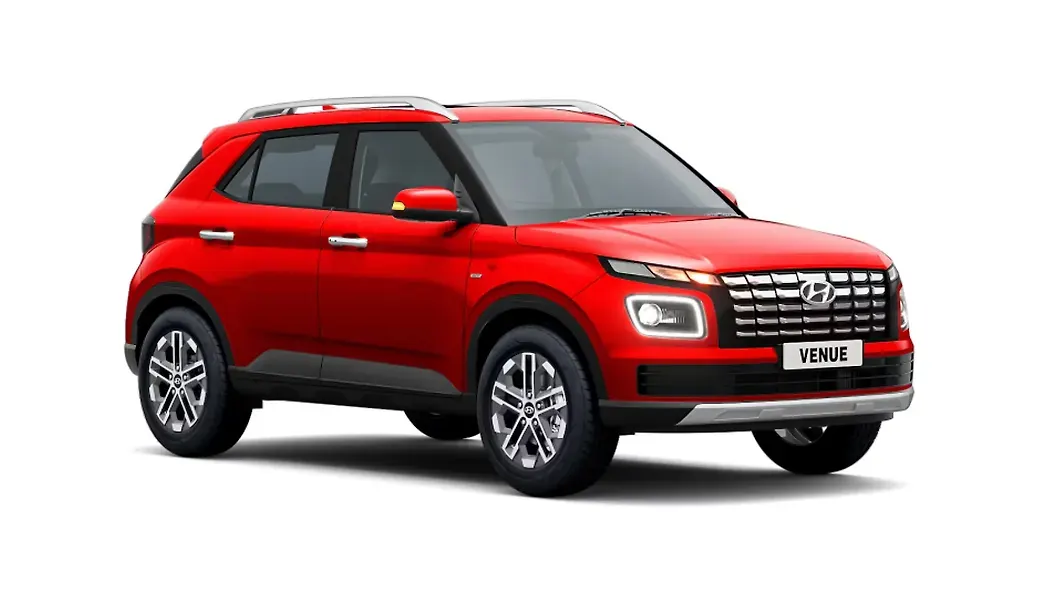
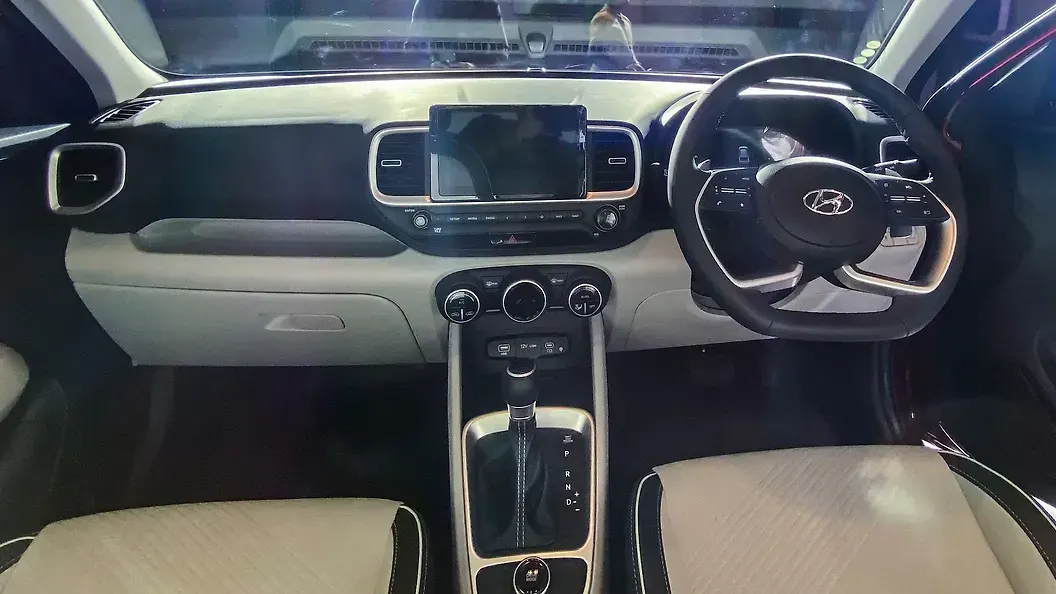
- Hyundai Venue price starts at ₹ 7.53 Lakh and goes upto ₹ 12.72 Lakh . Venue comes in 16 variants.
- SUV with seating capacity of 5 .
- Boot space is 350 litres.
- Quality
- Road presence
- Multiple powertrain options
- Milage 18.15 kmpl
- Crash test rating 4 star
- Ground clearance is 190 mm
- Comfortable ride quality inside the city with traffic and outside city.
- Good safety feature with 6 airbags.
Disadvantage
- No diesel AT
2. TATA NEXON
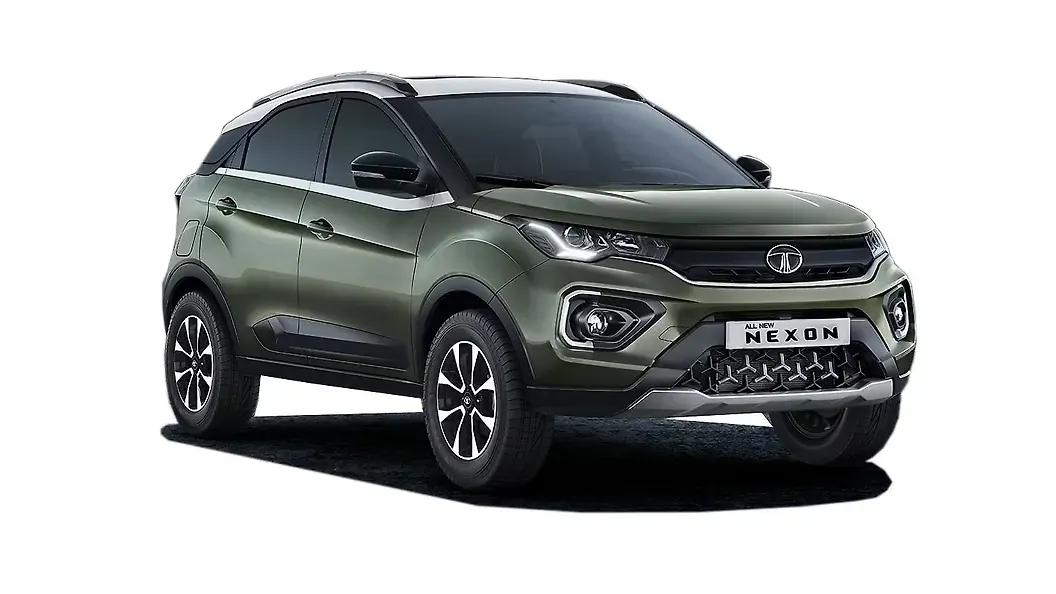
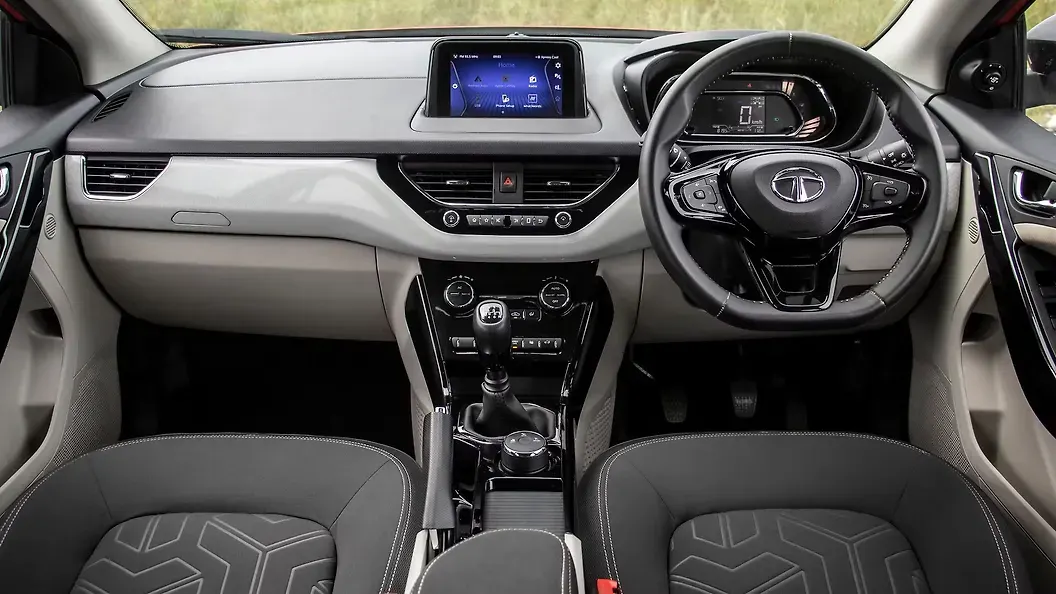
- Tata Nexon price starts at ₹ 7.54 Lakh and goes upto ₹ 13.90 Lakh. Nexon comes in 70 variants.
- SUV with seating capacity 5.
- Boot space is 350 litres.
- Mileage 21.19 kmpl
- Crash test rating is 5 star.
- Ground clearance is 209 mm
- Spacious cabin compared to rivals
- Easy to drive and live with
- Comfortable ride quality inside the city with traffic and outside city.
- Insia's safest car.
- Good performance
- Next level comfort
3. MAHINDRA XUV300
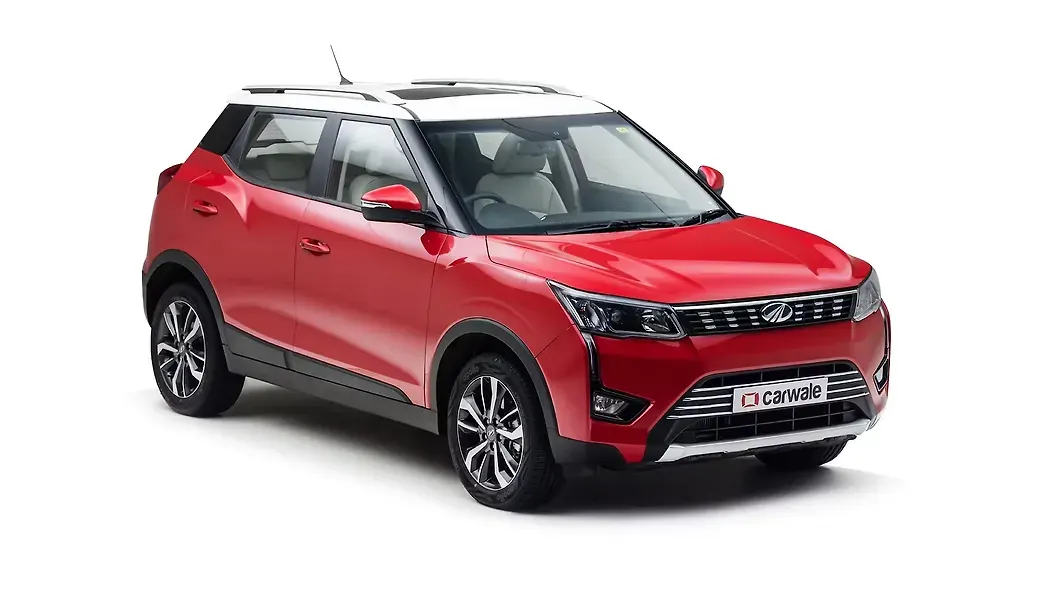
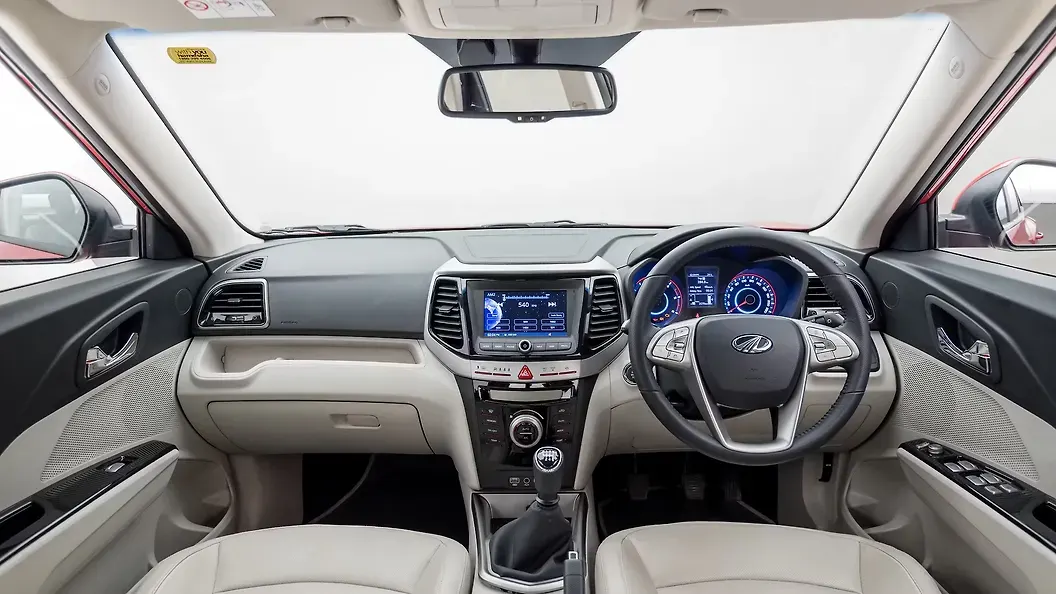
- Mahindra XUV300 price starts at ₹ 8.41 Lakh and goes upto ₹ 14.07 Lakh. XUV300 comes in 16 variants.
- SUV with seating capacity 5.
- Boot space is 259 litres
- Mileage 20kmpl
- Crash test rating 5 star.
- Ground clearance is 180 mm
- Comfortable ride quality inside the city with traffic and outside city.
- Potent drivetrains
- Good safety features with 7 airbags.
Disadvantage
- Interior fit and finish is not the best
- Looks disproportionate
4. KIA SONET
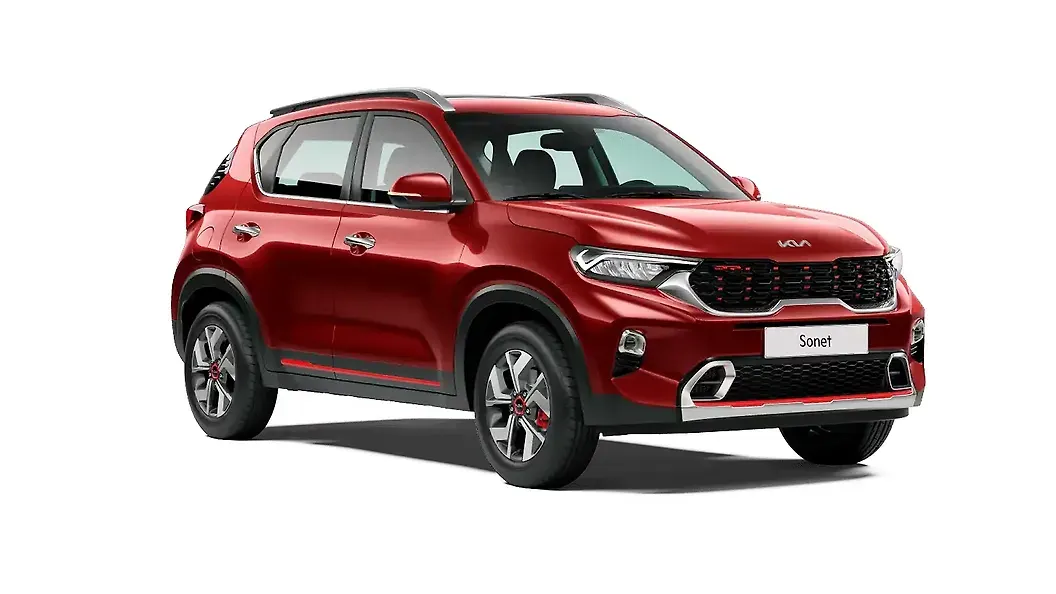
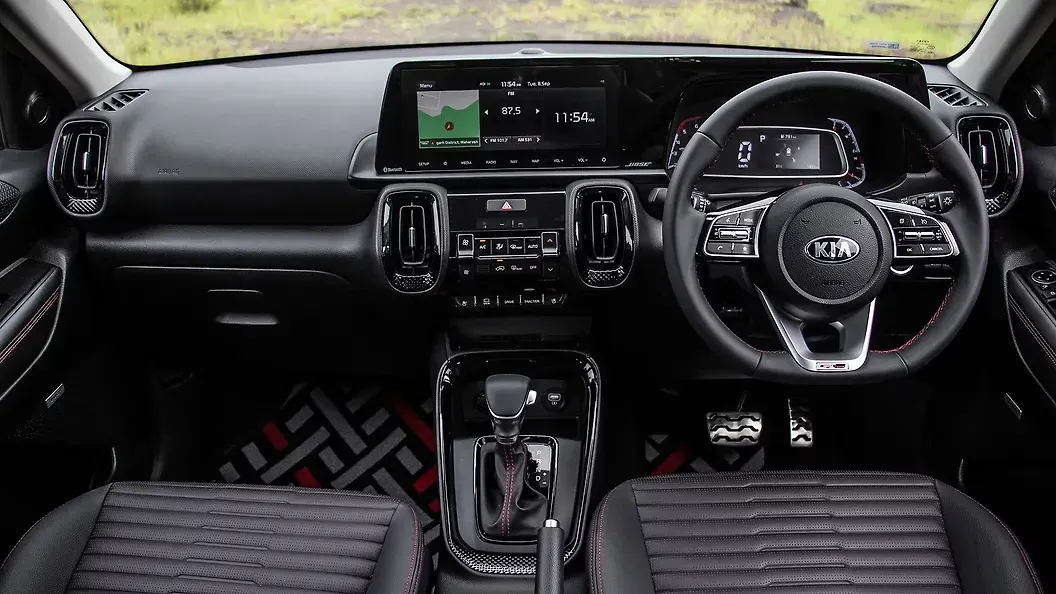
- Kia Sonet price starts at ₹ 7.15 Lakh and goes upto ₹ 13.79 Lakh . Sonet comes in 27 variants.
- SUV with seating capacity 5.
- Boot space 39 litres
- Mileage 24.1 kmpl
- Crash test rating is 3 star
- Ground clearance 205 mm
- Comfortable ride quality inside the city with traffic and outside city.
- Easy to drive - Compact size, steering that's light with reasonable feedback
- Good quality - Quality and fit/finish are on par with segment expectations
- Good safety with 6 airbags
Disadvantage
- Firm ride quality - Never feels settled, bounces at high speeds under full load
- Rear seat space - The rear bench is a squeeze for anything more than two adults
- Rear visibility - Is hampered by the chunky C-pillars and compact rear windscreen
CONCLUSION
From comparison and benchmarking i will suggest customer TATA NEXON because its fits in this budget, its a 5 seater vehicle complete for this family and we all family's safety.
Is most important and this vehicle is the safest vehicle of india and average is very good, very good performance and overall its stylish vehicle with new technology.