Benchmarking
BENCHMARKING
Benchmarking is defined as the process of measuring products, services, and process against those of organizations known to be leaders in one or more aspects of their operations. Internal benchmarking compares performance, against other parts of the business. For example benchmarks could be used to compare processes in one retail store with those in another store in the same chain. Benchmarking was defined in 1976 as the study of a competitors product or business practices in order to improve the performance of ones own company. There are two basic kinds of improvement opportunities continuous and dramatic. Continuous improvement is incremental involving only small adjustment to reap sizeable advances. Dramatic improvement can only come about through reengineering the whole internal work process.
STEP –BY-STEP BENCHMARKING
Benchmarking is a simple but detailed five step process.
Planning
Prior to engaging in benchmarking it is imperative that corporate stakeholders identify the activities that need to be benchmarked. The methodology adopted and the way in which output is documented should be given due consideration too. On such instances, a capable team should be found in order to carry out the benchmarking process with a leader or leaders being duly appointed so as to ensure the smooth timely implementation of the project.
Collection of information
Information can be broadly classified under the sub texts of primary data and secondary data. To clarify further here primary data refers to collection garnered from the press publications or websites. Drafting a questionnaire or a standardized interview format, carrying out primary research via the telephone e-mail etc.
Analysis data
Once sufficient data is collected ,the proper analysis of such information is of foremost importance.
Implementation
This is the stage in the benchmarking process where it becomes mandatory to walk the talk. This generally means that farreaching changes need to be made, so that the performance gap between the ideal and the actual is narrowed and eliminated wherever possible.
Monitoring
As with most projects ,in order to reap the maximum benefits of the benchmarking process a systematic evaluation should be carried out on a regular basis.
Conclusion
As is clearly apparent benchmarking can add value to the organization workflow and structure by identifying areas for improvement and rectification it is indeed invaluable in an organization quest for continuous improvement.
REQUIREMENT
Benchmark with presently available cars in the marked for the following case.
Mr.D.S Pughazhyendhii is a married man who lives in Banglore which is highly crowed city. His Family comprises five members including his wife, five year old boy,his father and his mother. He visits his native place Madurai which is 500kms away from Banglore once in a month. Also he will be using his car to commute to his office. His budget falls between 8 to 10 lakhs on road. Please suggest to him with options so that he will buy a good car for his family.
Note: Pughazhyendhii is found of big cars in my view.
I would suggest Diesel Engine vehicle SUVs and Sedans is preferable.
SUGGESTIBLE CARS
1.Hyundi Venue
2.Tata Altroz
3.Ford Eco Sport
4.Tata Nexon.
HYUNDAI VENUE

Pros :
1.Feature loaded
2.Three different engine options
3.Ease of driving on offer
Cons:
1.1.2 Petrol is weak on punch
- Isnt as big as rivals
3.No diesel automatic on offer
MODELS/SPECIFICATION HYUNDAI VENUE
ARAI Mileage 18.14kmpl
Engine Dispacement(cc) 998
Max Torque (nm@rpm) 171.6Nm@1500-4000rpm
Transmission Type : Automatic
Fuel Tank Capacity : 45
Max Power (bhp@rpm) 118.35bhp@6000rpm
Seating Capacity :5
Boot Space (Liters) 350
Body Type : SUV
Safety : 4starts NCAP rating
TATA ALTROZ
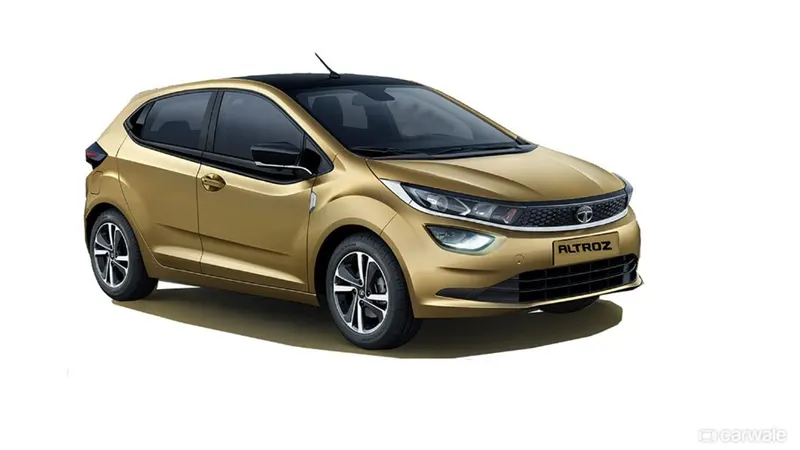
Pros :
1.Feature loaded
2.Three different engine options
3.Ease of driving on offer
Cons:
1.1.2 Petrol is weak on punch
- Isnt as big as rivals
3.No diesel automatic on offer
MODELS/SPECIFICATION TATA ALTORZ
ARAI Mileage 25.11kmpl
Engine Dispacement(cc) 1497
Max Torque (nm@rpm) 200 Nm@1250-3000rpm
Transmission Type : 5 Speed Manual
Fuel Tank Capacity : 37
Max Power (bhp@rpm) 90bhp@4000rpm
Seating Capacity :5
Boot Space (Liters) 345
Body Type : SUV
Safety : 5 starts based on user review rating
FORD ECO SPORTS

Pros :
1.Looks
2.Long List of Safety Features
3.Driiving Dynamics
4.Build Quality
Cons:
- Not So VFM
- Stiff Suspension Setup
- Narrow Second Row
- Feels Dated
MODELS/SPECIFICATION FORD ECO SPORT
ARAI Mileage 21.7kmpl
Engine Dispacement(cc) 1498
Max Torque (nm@rpm) 215 Nm@1750-2500rpm
Transmission Type : Manual
Fuel Tank Capacity : 52
Max Power (bhp@rpm) 98.63bhp@3750rpm
Seating Capacity :5
Boot Space (Liters) 352
Body Type : SUV
Safety : 4 starts NCAP ratin
TATA NEXON
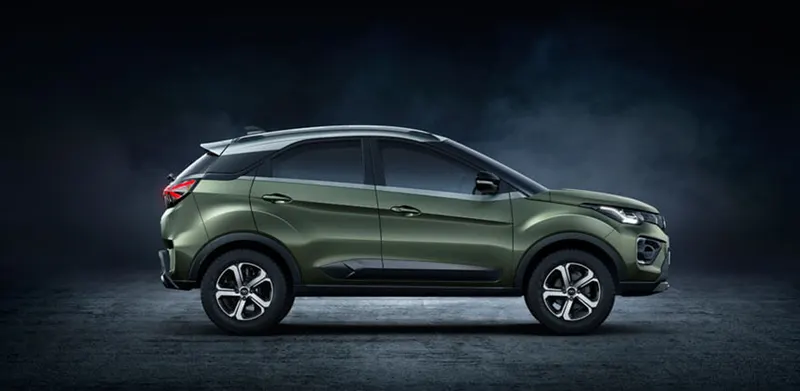
Pros :
1.Powerful engines
2.Ride and feels like a big vehicle
3.Ease of driving on offer
Cons:
1.Single hard ride
- Quality of plastic inside the cabin
- Slightly hard ride
MODELS/SPECIFICATION TATA NEXON
ARAI Mileage 21.5 kmpl
Engine Dispacement(cc) 1497
Max Torque (nm@rpm) 260 Nm@1550-2750rpm
CONCLUSION
Iwould suggest Tata Nexon for Mr.D.S Pughazhyendhi family,Tata Altroz is a excellent offering which is safest car in its segement.It is also value for money with class leading features.