Benchmarking
AIM:
To write a report on benchmarking, compare at least four vehicles, and offer an acceptable conclusion for the report by recommending a car from those under consideration.
BENCHMARKING:
- Benchmarking is a strategic process that involves comparing and evaluating the performance, practices, products, or services of an organization with those of its competitors or industry leaders. The goal of benchmarking is to identify best practices, areas for improvement, and opportunities for innovation in order to enhance a company's competitive position.
- In the automotive industry, benchmarking can be applied to various aspects of a company's operations, including product development, manufacturing processes, supply chain management, customer service, marketing, and sales. By studying and analyzing the practices and outcomes of leading companies within the industry, automotive manufacturers can gain valuable insights and learn from their successes.
There are different types of benchmarking that can be used in the automotive industry:
- Internal Benchmarking: This involves comparing different departments or divisions within a company to identify best practices and promote cross-functional learning.
-
Competitive Benchmarking: This type of benchmarking focuses on comparing a company's performance with that of its direct competitors. It helps identify areas where a company lags behind or where it has a competitive advantage.
-
Functional Benchmarking: Here, companies compare their practices and performance with those of other organizations in unrelated industries that excel in a particular function or process. This type of benchmarking encourages out-of-the-box thinking and can lead to innovative solutions.
-
Generic Benchmarking: In this approach, companies look at organizations that face similar challenges but may not be direct competitors. The aim is to learn from their experiences and adapt successful practices to the automotive industry.
Benchmarking typically involves a systematic and structured approach, including defining performance metrics, selecting benchmarking partners, collecting data, analyzing the results, and implementing improvements based on the findings. It is important to note that benchmarking is not about blindly imitating competitors but rather using their successes as a source of inspiration and learning to drive continuous improvement within the organization.
Mr. D.S. Pughazhyendhii's Requirments:
- 5-7 seats for his family members.
- Budget: Rs. 8-10 Lakhs/-, on-road price.
- Good Mileage.
- Good car for easy commuting within the city and long drives as well.
- He is also fond of big cars.
Suitable cars:
Since he is fond of big cars, we took crossover cars into consideration.
- Maruti Brezza
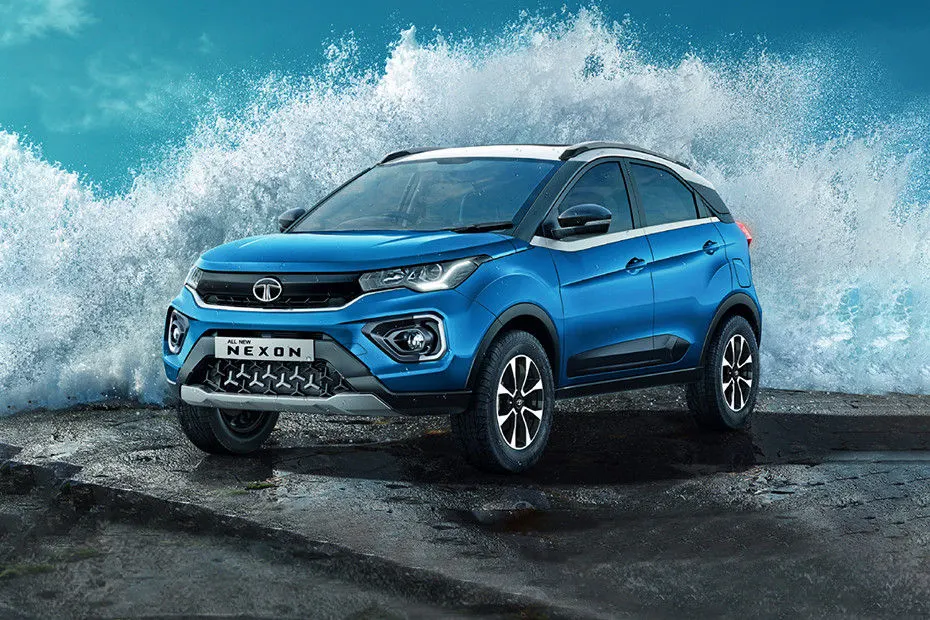
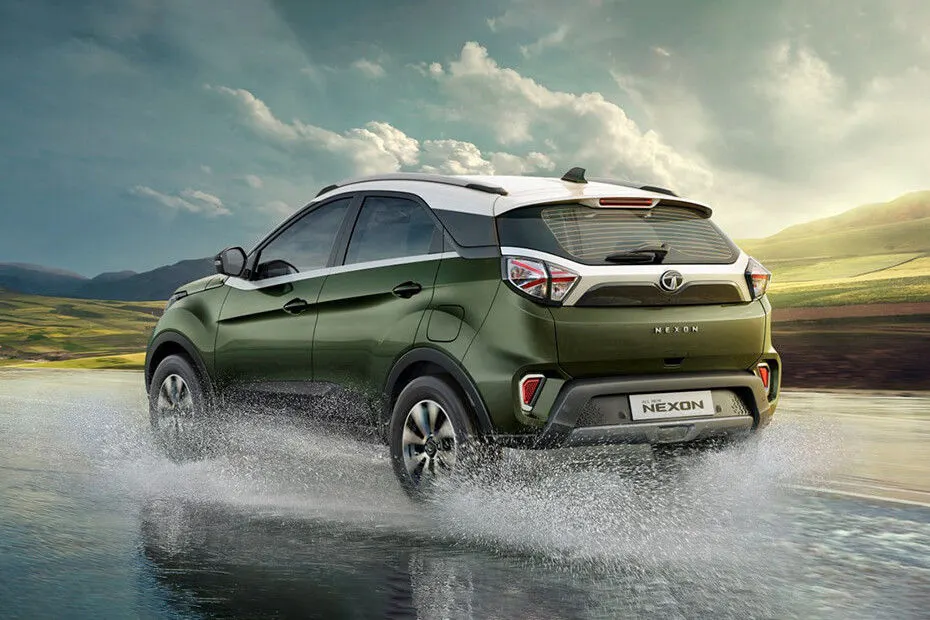
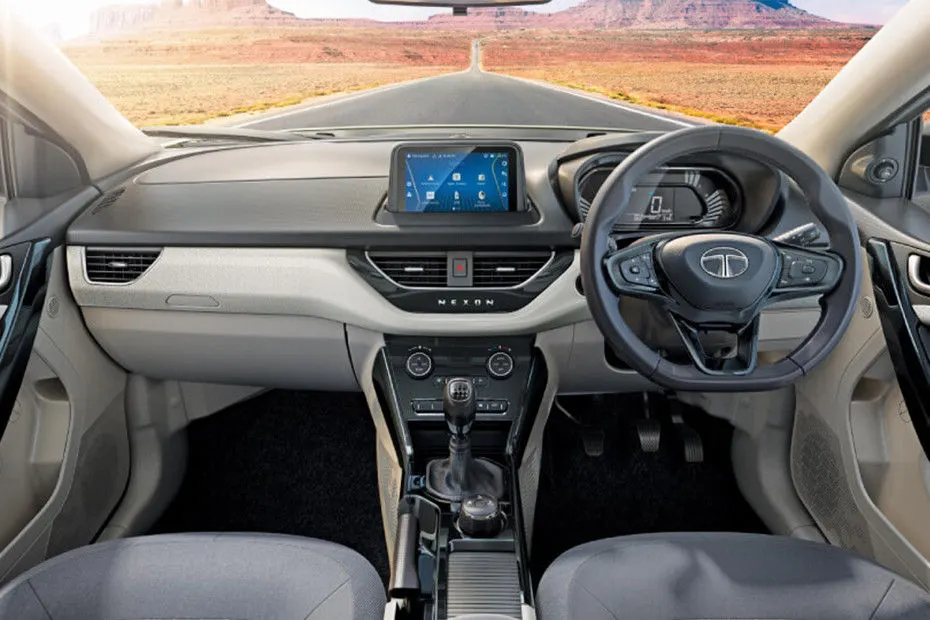
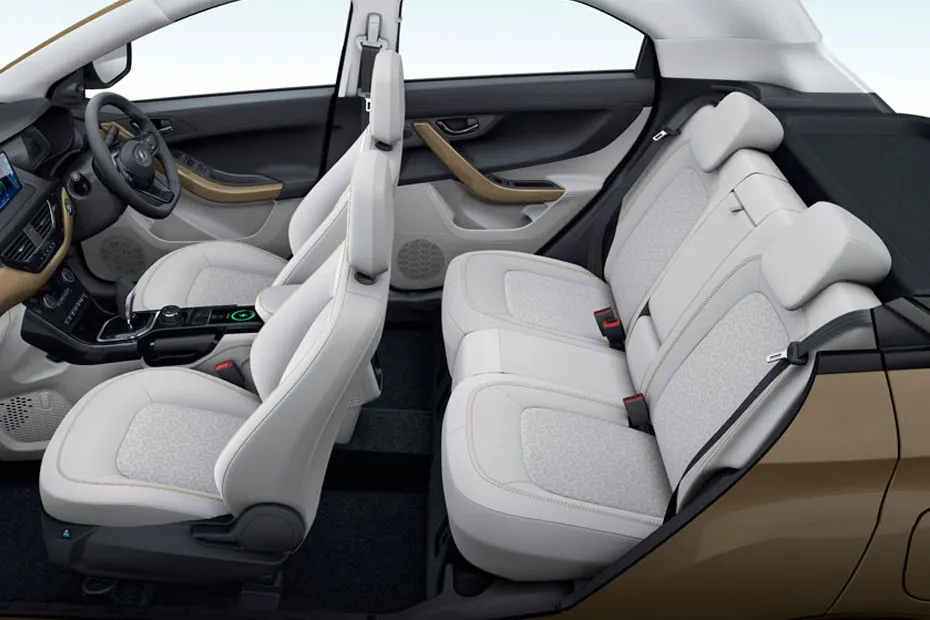
- Tata Nexon
- Hyundai Venue
- Maruti Fronx
- Kia Sonet
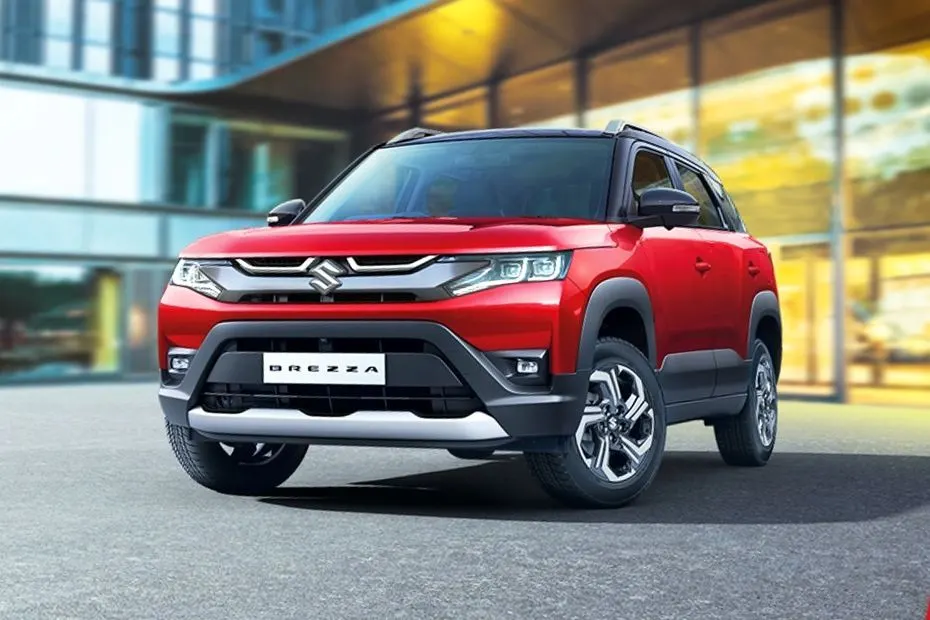
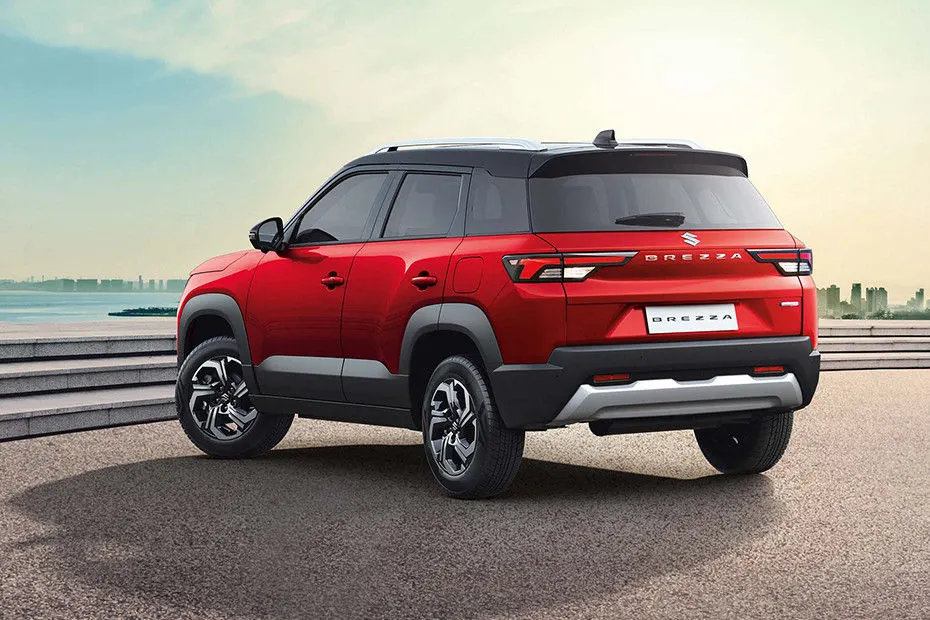
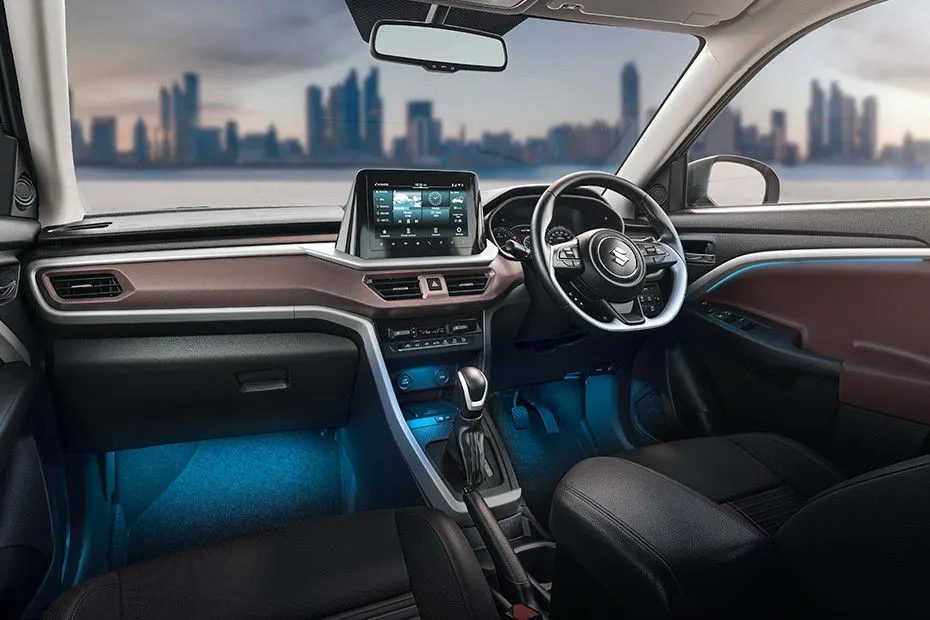
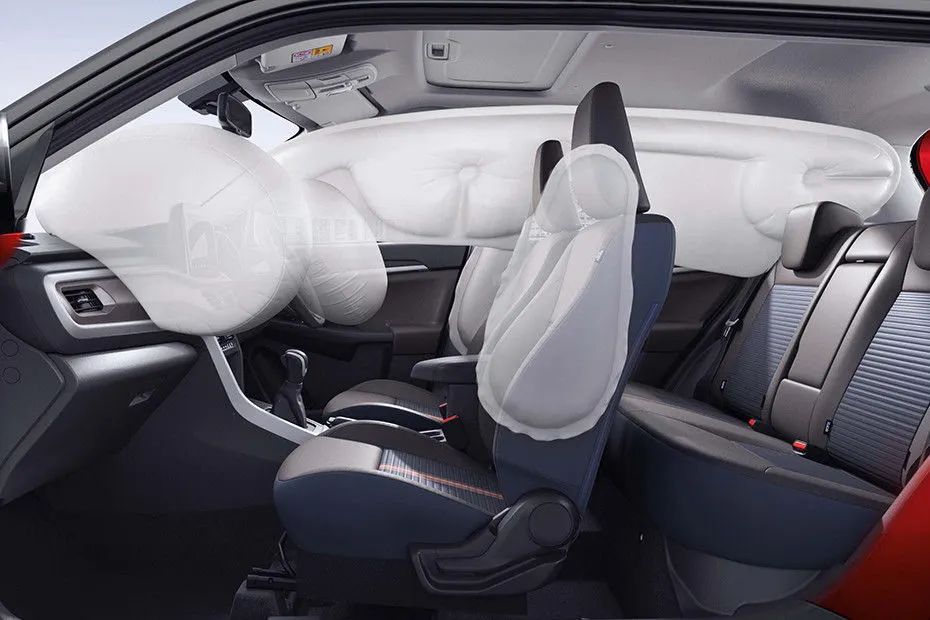
Maruti Suzuki Brezza:
Tata Nexon:
Hyundai Venue:
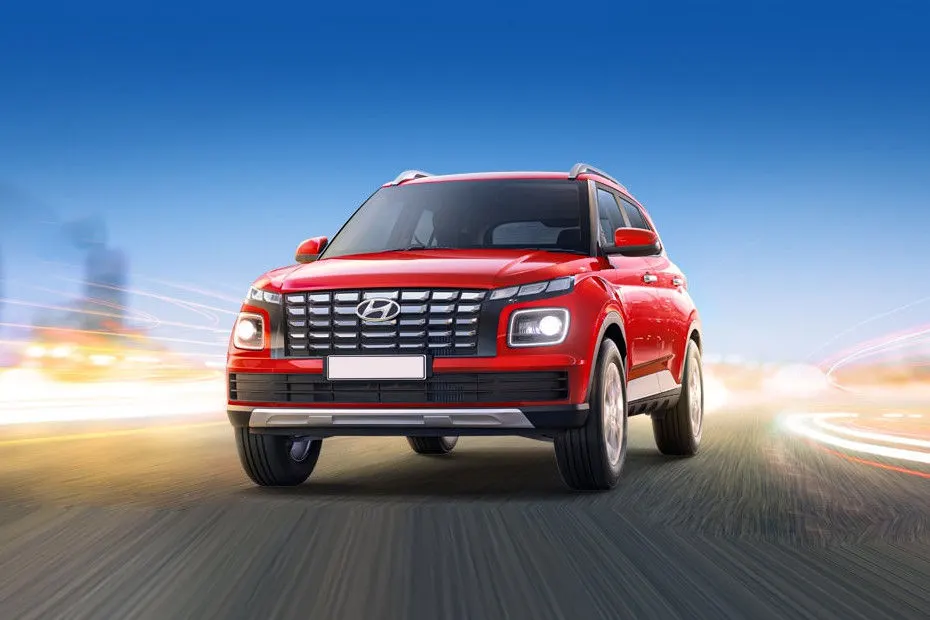
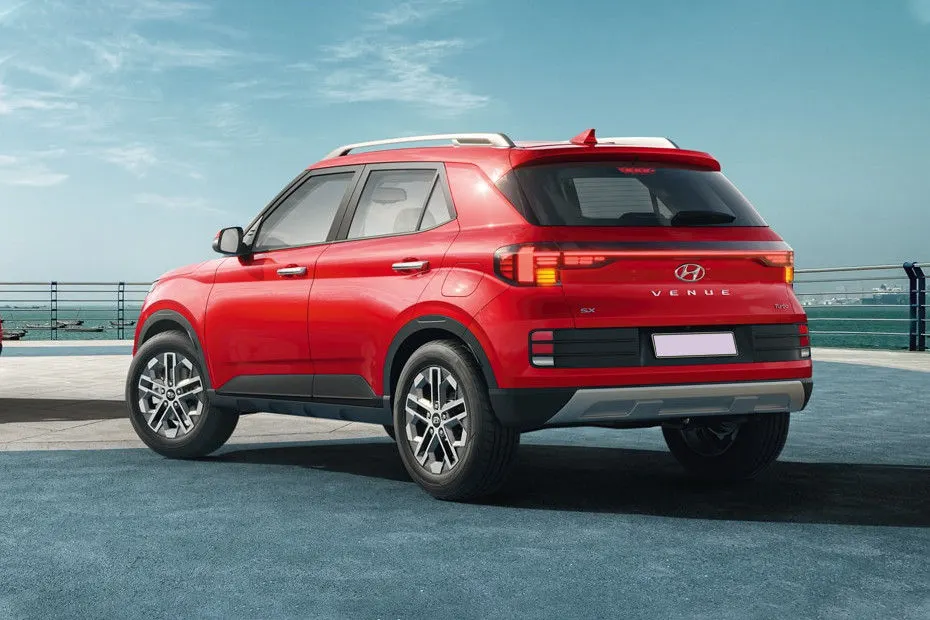
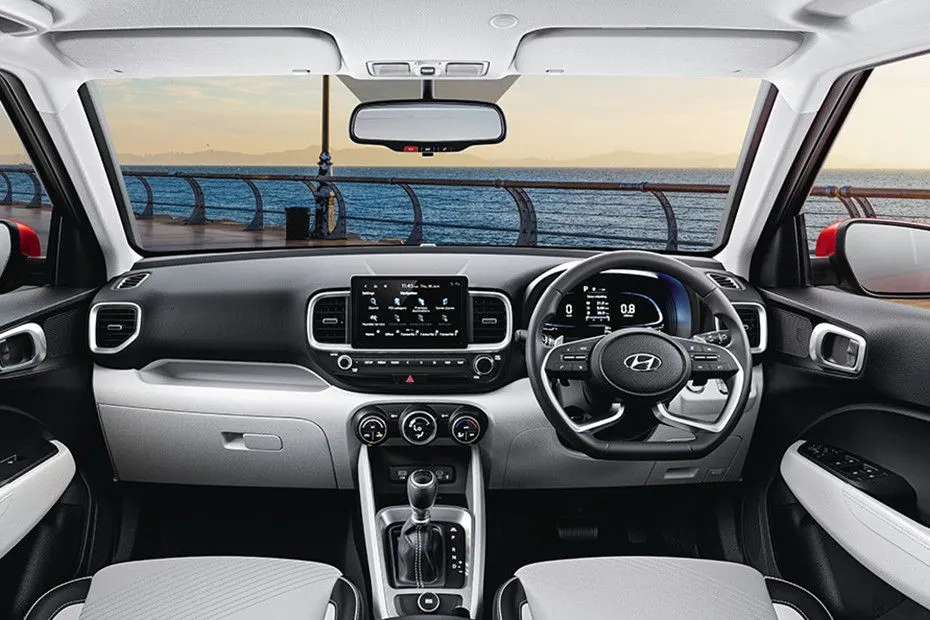
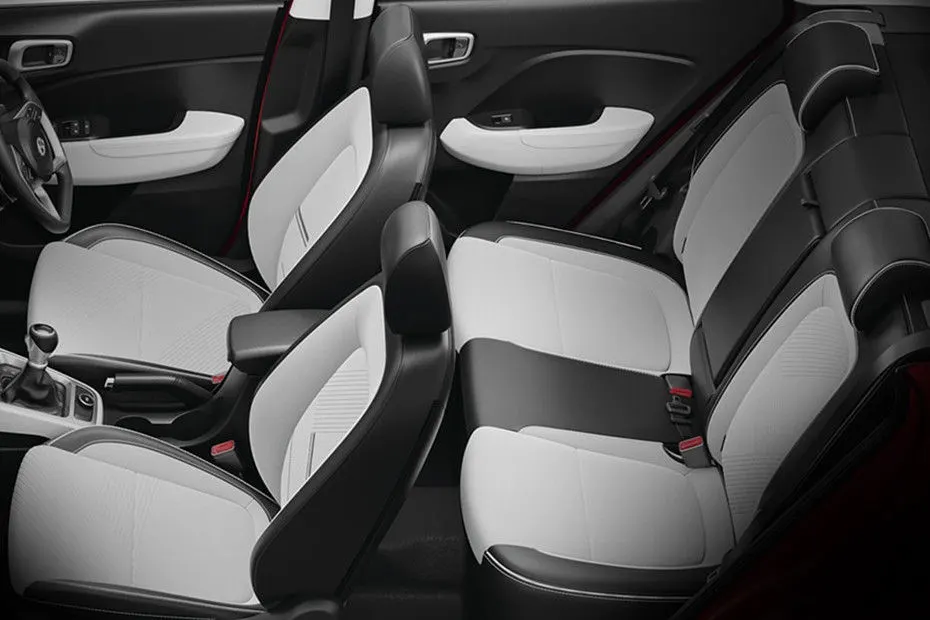
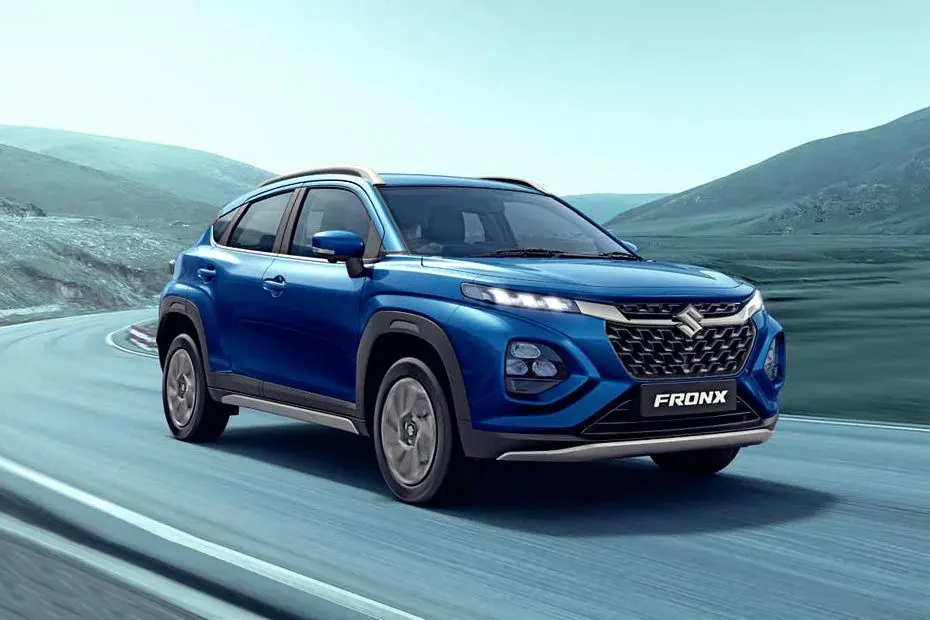
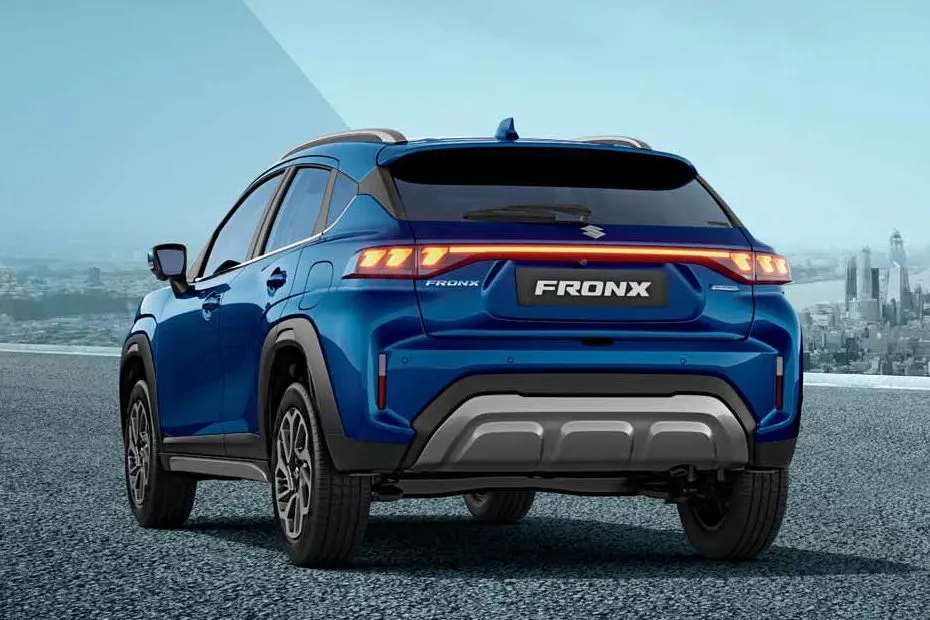
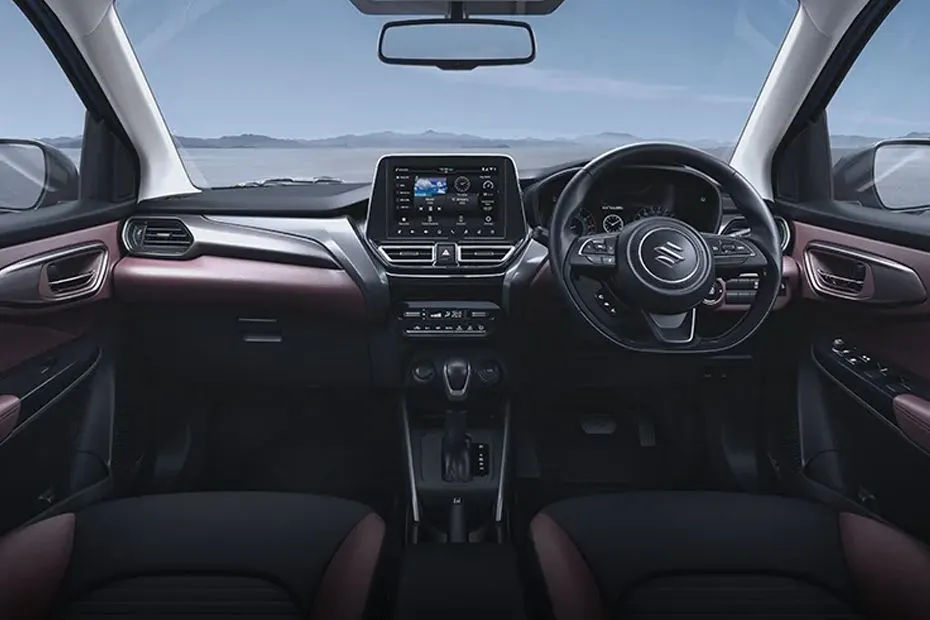
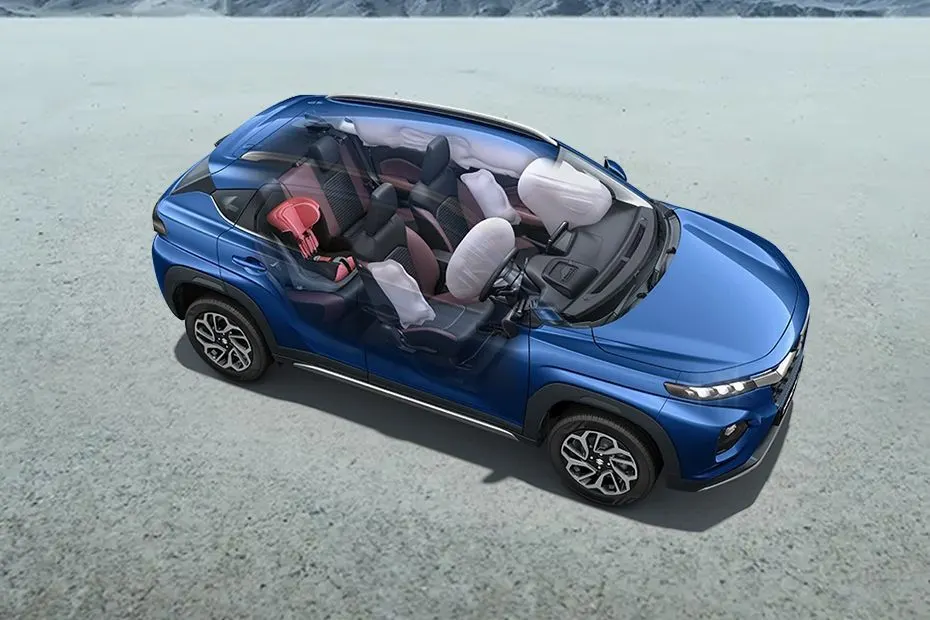
Maruti Suzuki Fronx:
Kia Sonet:
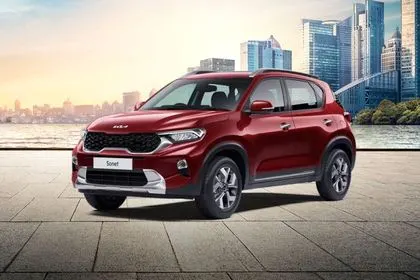
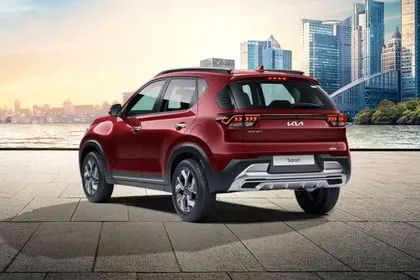
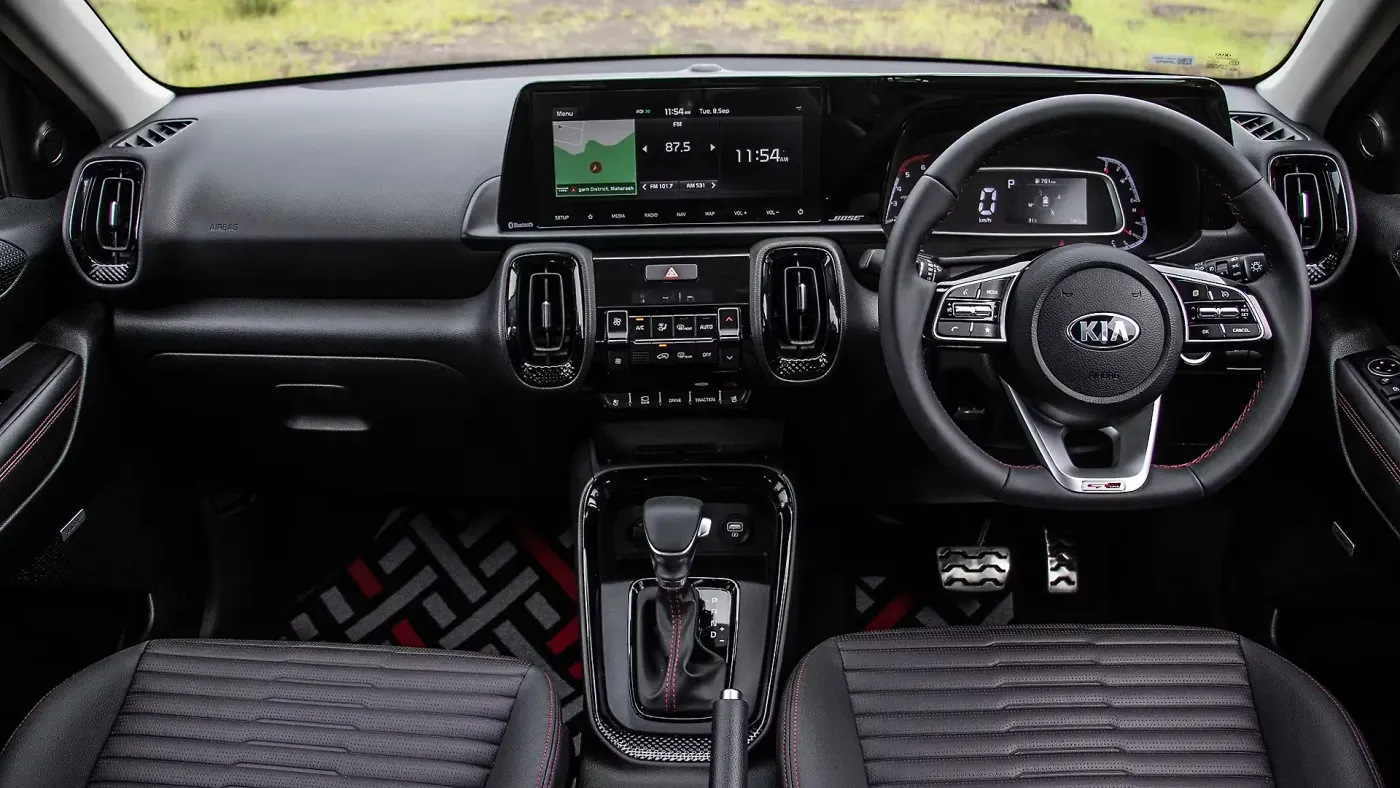
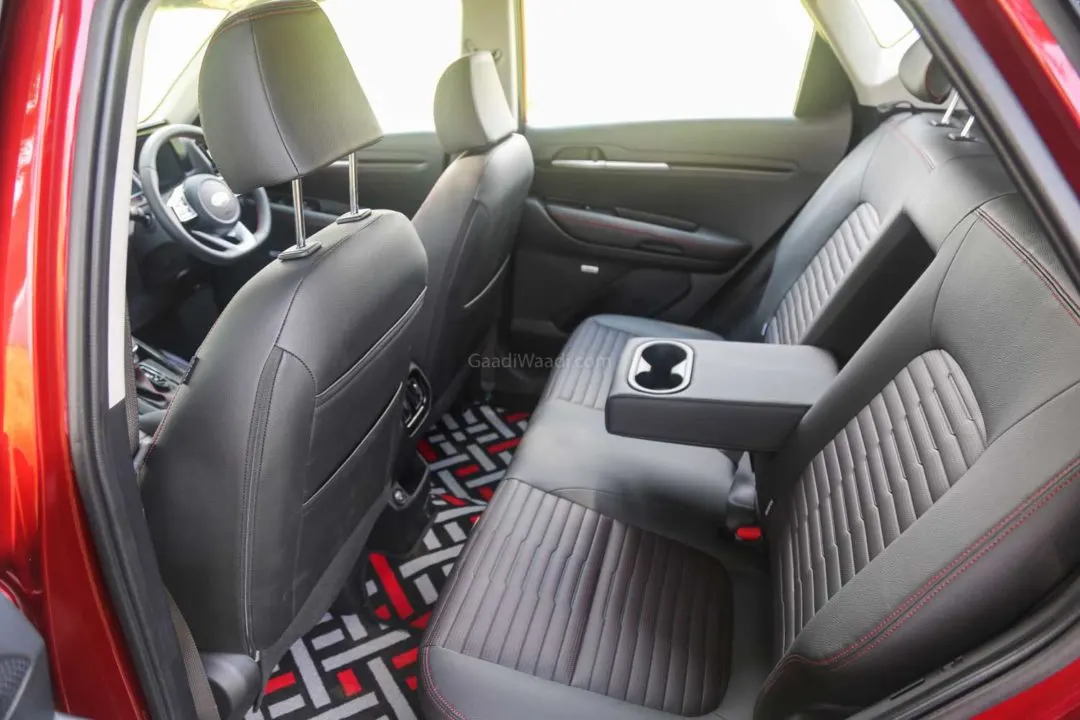
Model and Specifications:
| Car | Maruti Suzuki Brezza | Tata Nexon | Hyundai Venue | Maruti Suzuki Fronx | Kia Sonet |
| Varient | Lxi | XE | E | Sigma | 1.2 HTE |
| On-road price | Rs. 9.99 Lakh | Rs. 10.30 Lakh | Rs. 9.37 Lakh | Rs. 9.56 Lakh | Rs. 9.79 Lakh |
| Engine Type | K15C Smart Hybrid | 1.2l Turbocharged Revotron Engine | 1.2 Kappa Petrol | 1.2L Dual Jet, Dual VVT | SMARTSTREAM G1.2 |
| Engine Displacement | 1462cc | 1199cc | 1197cc | 1197cc | 1197cc |
| No. of Cylinders | 3 | 4 | 4 | 4 | |
| Max. Power | 101.65bhp @6000rpm | 118.35bhp @5500rpm | 81.80bhp @6000rpm | 88.50Bhp @6000rpm | 81.86bhp @6000rpm |
| Max. Torque | 136.8Nm @4400rpm | 170Nm @1750-4000rpm | 113.8Nm @4000rpm | 113Nm @4400rpm | 115Nm @4200rpm |
| Transmission | Manual | Manual | Manual | Manual | Manual |
| Gear Box | 5-Speed | 6-Speed | 5-Speed | 5-Speed | 5-Speed |
| Kerb Weight | 1110 Kg | 1270 Kg | 1082 Kg | 965-970 Kg | 1152 Kg |
| Turbo Charger | No | Yes | No | No | No |
| Fuel Type | Petrol | Petrol | Petrol | Petrol | Petrol |
| Mileage (ARAI) | 20.15 Kmpl | 17.33 Kmpl | 18.1 Kmpl | 21.79 Kmpl | 18.4 Kmpl |
| Fuel Capacity | 48 Liters | 44 Liters | 45 Liters | 37 Liters | 45 Liters |
| Suspension Front | Mac Pherson Strut & Coil | Independent, Lower Wishbone, McPherson Strut with Coil Spring | McPherson Strut with Coil Spring | MacPherson Strut | McPherson Strut with Coil Spring |
| Suspension Rear | Torsion Beam & Coil Spring | Semi-Independent; closed profile Twist beam with Coil Spring and shock absorber | Coupled Torsion Beam Axle with Coil Spring | Torsion Beam | Coupled Torsion Beam Axle with Coil Spring |
| Brakes Front | Ventilated Disc | Disc | Disc | Disc | Disc |
| Brakes Rear | Drum | Drum | Drum | Drum | Drum |
| Steering Type | Electric | Electric | Power | Electric | Electric |
| Wheel Size | 16 inch | 16 inch | 15 inch | 16 inch | 15 inch |
| Tyre Size | 215/60 R16 | 195/60 R16 | 195/65 R15 | 195/60 R16 | 195/ 65 R15 |
| Boot Space | 328 Liters | 350 Liters | 350 Liters | 308 Liters | 392 Liters |
| Dimensions (Length*Width*Height) | 3995*1790*1685 mm3 | 3993*1811*1606 mm3 | 3995*1770*1617 mm3 | 3995*1765*1550 mm3 | 3995*1790*1642 mm3 |
| Wheelbase | 2500 mm | 2498 mm | 2500 mm | 2520 mm | 2500 mm |
| Ground Clearence | 198 mm | 209 mm | 195mm | 190mm | 205mm |
| Alloy Wheels | No | No | No | No | No |
| No of Airbags | 2 | 2 | 2 | 2 | 4 |
| Safety Rating (NCAP) | 4/5 | 5/5 | 4/5 | 5/5 | 3/5 |
Advantages and Disadvantages:
Maruti Suzuki Brezza:
Pros:
- Good-looking Compact SUV with improved road presence & mass appeal.
- Well-mannered suspension setup riding on 16-inch wheels and 215/60 section tyres.
- Decent cabin space for a sub-4 meter car. Lots of storage & a powerful air-con too.
- Maruti’s excellent after-sales service, wide dealer network & fuss-free ownership experiences.
Cons:
- Feels more like a significant facelift rather than an all-new product.
- 1.5L petrol engine lacks outright grunt. Tuned for fuel-efficiency and suitable for relaxed cruising only.
- Interior quality and fit & finish are underwhelming for the price.
- 328-litre boot is among the smallest in the segment.
Tata Nexon:
Pros:
- The 1.2L turbo petrol engine in the Nexon offers impressive performance.
- The Nexon boasts big dimensions and an imposing presence on the road.
- The overall build quality of the car is superb and the car definitely feels extremely solid.
- There is an ample amount of space inside the cabin and the seats too are comfortable.
Cons:
- The refinement levels of this motor are not great and it does get vocal when pushed hard.
- The heavyweight of the vehicle too takes a toll on the overall performance of the car.
- The overall ride quality does tend to get a little jiggly on low speeds.
- The Nexon lacks a few features that the other cars in its segment offer.
Hyundai venue:
Pros:
- A mini-Creta in almost every way! Same formula, in a smaller package.
- Precise build & quality (including interiors) are easily among the segment best.
- Balanced road manners, Very easy to drive as well.
- Hyundai's competent after-sales & fuss-free ownership experiences
Cons:
- Diminutive street presence. Looks more hatchback than SUV from some angles, especially the rear.
- Strictly a 4-seater; the rear bench has very awkward seating for the middle occupant.
- Long term reliability of the DCT is a concern.
- Engine noise is very prominent, more so in Sport mode.
Maruti Suzuki Fronx:
Pros:
- Feels better built than some other Maruti cars.
- 1.0L Boosterjet turbo-petrol engine is quick and has minimal turbo lag. Driveability is satisfactory.
- Smart Hybrid system ensures excellent fuel efficiency.
- Nicely tuned suspension glides over small bumps, potholes and road imperfections.
- Maruti’s excellent after-sales service, wide dealer network & fuss-free ownership experiences.
Cons:
- Quality of some plastic parts and fabric upholstery is mediocre.
- 1.0L turbo-petrol although quick, is not exciting enough for enthusiasts.
- Rear seat’s under-thigh support is lacking for taller passengers.
- Lesser height means, despite the smart styling, it doesn’t have the road presence of typical crossovers.
Kia Sonet:
Pros:
- A mini-Seltos in almost every way! Same formula, in a smaller package.
- Sharp & handsome styling. In our opinion, this is the best-looking Compact SUV.
- Well-tuned suspension offers a good balance between ride & handling.
- The auto-clutch manual transmission of the Kia Sonet is a game-changing piece of technology.
Cons:
- Rear seat legroom is just adequate, while its limited width makes the Sonet a 4-seater.
- Waiting periods are already a couple of months long for some trim.
- Kia Sonet comes with a lot of feel-good features but most of them are restricted to the higher variants only.
- The base HTE variant fails to deliver a user-friendly ownership experience, owing to a long list of missing must-have features.
CONCLUSION:
After evaluating the given options, the recommended vehicle for Mr. D.S. Pughazhyendhii and his family is the Tata Nexon. The Nexon offers a mid-size SUV experience with its bold design, spacious interiors, and comfortable ride. It provides a good value for money with its features and advanced safety technologies. Additionally, its size and performance make it suitable for both city commuting and long-distance travel. The Tata Nexon is the ideal choice that satisfies Mr. D.S. Pughazhyendhii's preference for big cars while fitting within his budget range.