Benchmarking
AIM: To benchmark with presently available cars in the market for the following case.
Mr. D.S. Pughazhyendhii is a married man who lives in Bangalore which is a highly crowded city. His Family comprises five members including his wife, a five-year-old boy, his father, and his mother. He visits his native place Madurai which is 500kms away from Bangalore once a month. Also, he will be using his car to commute to his office. His budget falls between 8 to 10 lakhs on road. Please suggest to him options so that he will buy a good car for his family.
Note: Pughazhyendhii is fond of big cars
REPORT:
Benchmarking is a process of comparing the performance, practices, or characteristics of a product, service, or system against established standards or other organizations. It involves measuring and evaluating various parameters to identify areas for improvement, best practices, and opportunities to enhance performance.
Benchmarking typically consists of the following steps:
- Identify the areas to benchmark: Determine the specific processes, functions, or metrics that need evaluation or improvement.
- Identify benchmarking partners: Select organizations or standards that serve as benchmarks for comparison. These could be competitors, industry leaders, or companies from other sectors with similar processes.
- Collect data: Gather relevant data and information about the processes, practices, or metrics being benchmarked. This could involve surveys, interviews, site visits, or analysis of publicly available data.
- Analyze and compare: Analyze the collected data and compare the performance of the organization against the benchmarking partners. This helps identify gaps, strengths, weaknesses, and areas for improvement.
- Implement improvements: Based on the insights gained from benchmarking, identify opportunities for improvement and implement changes in processes, practices, or strategies.
- Monitor and re-benchmark: Continuously monitor performance and periodically re-benchmark to ensure sustained improvement and stay aligned with industry standards.
Based on the given information, Mr. D.S. Pughazhyendhii is looking for a car within the 8 to 10 lakhs on-road budget that can accommodate his family of five members, including his wife, a five-year-old boy, and his parents. He also prefers big cars. Here are a few options to consider:
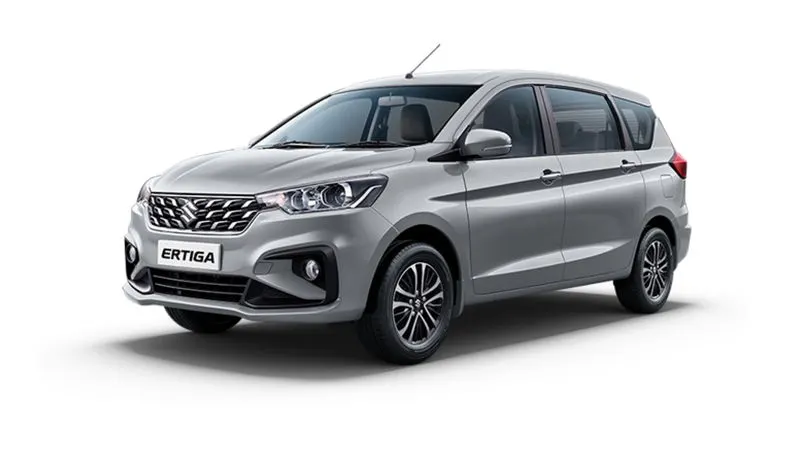
- Maruti Suzuki Ertiga: The Ertiga is a compact multi-purpose vehicle (MPV) that offers a spacious cabin and seating for seven people. It has a decent boot space and is known for its fuel efficiency. It falls within the budget range and is popular among families.
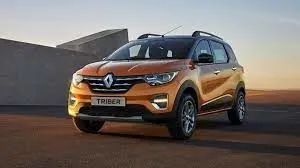
- Renault Triber: The Triber is a compact MPV that offers flexible seating configurations and can accommodate up to seven people. It provides good interior space and practicality, making it suitable for city driving and occasional long trips.
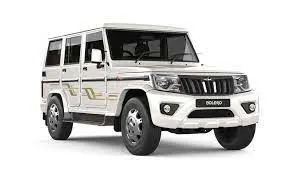
- Mahindra Bolero: The Bolero is a rugged SUV that offers ample space and a powerful engine. It can comfortably seat up to seven people and is suitable for both city driving and off-road adventures. It falls within the budget and provides a commanding presence on the road.
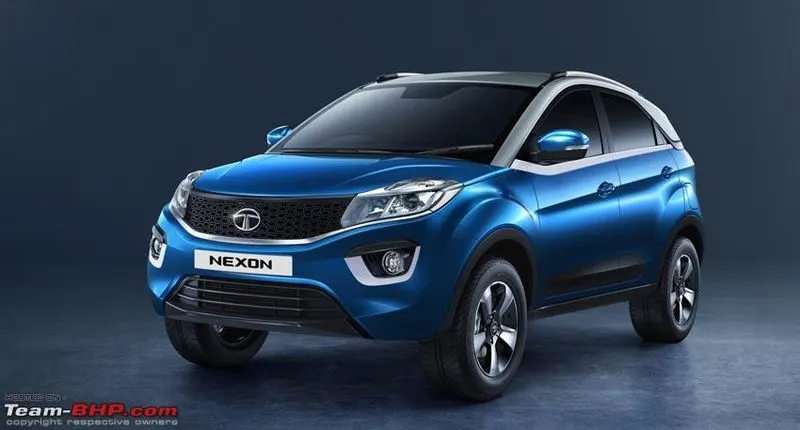
- Tata Nexon: The Nexon is a compact SUV that offers a stylish design, spacious interiors, and good safety features. It provides a comfortable ride and is equipped with modern amenities. While it may not have as much space as the MPVs mentioned earlier, it offers the advantages of an SUV.
- Maruti Suzuki Ertiga:
- Seating capacity: 7 people
- Spacious cabin and decent boot space
- Good fuel efficiency
- Suitable for city driving and occasional long trips
- Budget-friendly option
- Renault Triber:
- Seating capacity: Up to 7 people
- Flexible seating configurations
- Compact and practical design
- Suitable for city driving and occasional long trips
- Budget-friendly option
- Mahindra Bolero:
- Seating capacity: Up to 7 people
- Rugged SUV with a powerful engine
- Ample space and commanding presence
- Suitable for city driving and off-road adventures
- Budget-friendly option
- Tata Nexon:
- Seating capacity: 5 people
- Compact SUV with stylish design
- Spacious interiors and good safety features
- Comfortable ride and modern amenities
- Suitable for city driving and occasional trips
Comparing these vehicles, here are some key points to consider:
-
If accommodating seven people is a priority, both the Maruti Suzuki Ertiga and Renault Triber are suitable options, with the Ertiga offering slightly more space and a more established market presence.
-
If a powerful engine and a commanding presence are important, the Mahindra Bolero is a good choice. It provides ample space for seven people and is suitable for both city driving and off-road adventures.
-
If the focus is on a compact SUV with stylish design and modern amenities, the Tata Nexon fits the description. While it accommodates five people, it offers the advantages of an SUV and has good safety features.
Considering the specific preferences for a big car and the need to accommodate five family members, the Maruti Suzuki Ertiga stands out as a strong contender. It offers a spacious cabin, comfortable seating for seven people, and falls within the given budget range. The Ertiga is known for its fuel efficiency, making it suitable for both city driving and long trips.