Benchmarking
AIM :-
Prepare a report explaining what constitutes a comparative assessment, compare a minimum of four vehicles and provide a preliminary conclusion for the report, suggesting an appropriate vehicle among the comparisons made.
REQUIREMENTS :-
- Spacious interior cabs and Big Car look from the outside (as the client is fond of large cars).
- Good car to make it easy to get around the city and long road as well.
- 5 seats for his family members.
- 8-10 Iakhs rupees (on road price) budget.
BENCHMARKING :-
Benchmarking is a process of measuring the performance of a company’s products, services, or processes against those of another business considered to be the best in the industry, aka “best in class.”
Benchmarking is aimed at identifying opportunities for improvement internally. By studying companies with superior performance, breaking down what makes such superior performance possible, and comparing those processes to how your business operates, you can implement changes that will yield significant improvements.
That might mean tweaking a product’s features to more closely match a competitor’s offering, or changing the scope of services you offer, or installing a new customer relationship management (CRM) system to enable more personalized communications with customers.
Step by Step Benchmarking -
- Choose a product, service or internal service for the reference point.
- Identify the best companies you should compare yourself to – which organisations you will compare your company to.
- Collect information about their internal performance or measurements.
- Compare data from the two organisations to identify gaps in your company's performance.
- Adopt the processes and policies in place among the highest performing employees.
Benifits -
Compare data collected both numerically and descriptively.
- Improving employee understanding of cost structures and internal processes.
- Promote teamwork and cooperation to enhance competitiveness.
- Increase awareness of key performance metrics and opportunities for improvement across the business.
Benchmarking Procedure -
- Considerations:
- Before an organisation can fully benefit from benchmarking, its own processes need to be well understood and mastered.
- Benchmarking studies require significant investments of manpower and time, so management must champion the process all the way through, including being ready and willing to make changes based on what is learned.
- If the reach is too large, the project will fail. An issue that is not essential to the success of the organization will not yield enough advantages to make the study interesting.
- Insufficient resources may also condemn comparative research by underestimating effort or inadequate planning. The more you prepare for this, the more effective your study will be.
- Plan:
- Identify a narrow focus of the comparative study. Choose a key issue for the success of the organization.
- Create a cross-functional team. During Phases 1 and 2, management objectives and study support need to be firmly established.
- Consider your own process. Know how the work is performed and measure outcomes.
- Identify partner organisations that could have best practices.
- Collect:
- Gather information directly through partner organizations. Gather process descriptions and numerical data through questionnaires, phone interviews and/or site visits.
- Analyze:
- Compare data collected both numerically and descriptively.
- Determine the discrepancies between your performance measures and those of your partners.
- Identify differences in practices that contribute to deficiencies.
- Adapt:
- Set objectives for your organizational process.
- Develop action plans to reach these targets.
- Implementation and oversight of plans.
Benchmarking Examples -
- Reduce residence vacancy rates to below 1%.
- Improve student satisfaction levels.
- Make the best use of staff time and effort.
The department chose benchmarking as the basis for the improvement project after realizing that other universities already had better processes Carleton could learn from and quickly implement without needing to re-engineer the process from scratch.
Types of Benchmarking -
- Performance Benchmarking: Benchmarking includes the collection and comparison of quantitative data (e.g. key performance measures or indicators). Benchmarking is typically the first action that organizations take to identify performance gaps.
- Practice Benchmarking: Benchmarking practices include the collection and comparison of qualitative information on how an activity is carried out using people, processes and technologies.
- Internal Benchmarking: Internal benchmarking compares measures (performance benchmarking) and/or practices (practice benchmarking) of different units, product lines, services, programs, geographies, etc. within the organization.
- External Benchmarking: External benchmarking compares an organisation's measures and/or practices to one or more others.
Importance of Benchmarking -
Comparative analysis is a widely used global management process, which is very useful for the development and success of the organization. However, most industries are not using the benchmarking process as an effective tool to improve their performance and productivity.
- Strategy
- Structure
- Leadership
- Cost
- Investment
- Business economics
- Staffing
- Skills
- Talent
- Services
- Activities
Advantages of Benchmarkings -
- Quality of Work
- Implements Creative Ideas
- Increased Competitions
- Developing Improvements
Suggested Cars :-
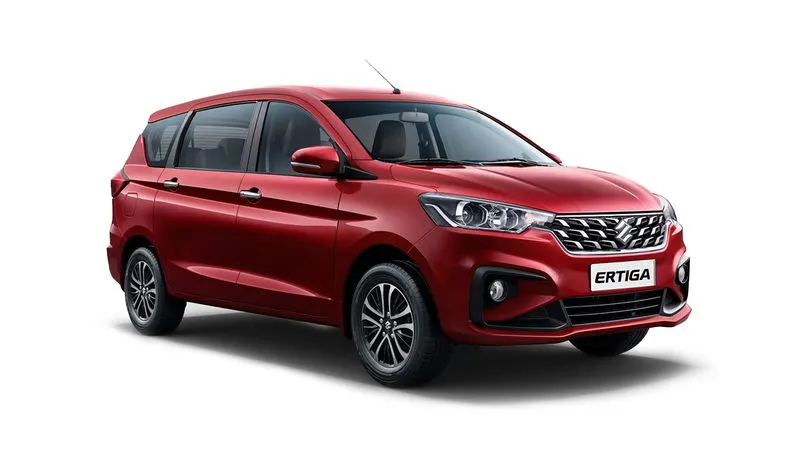
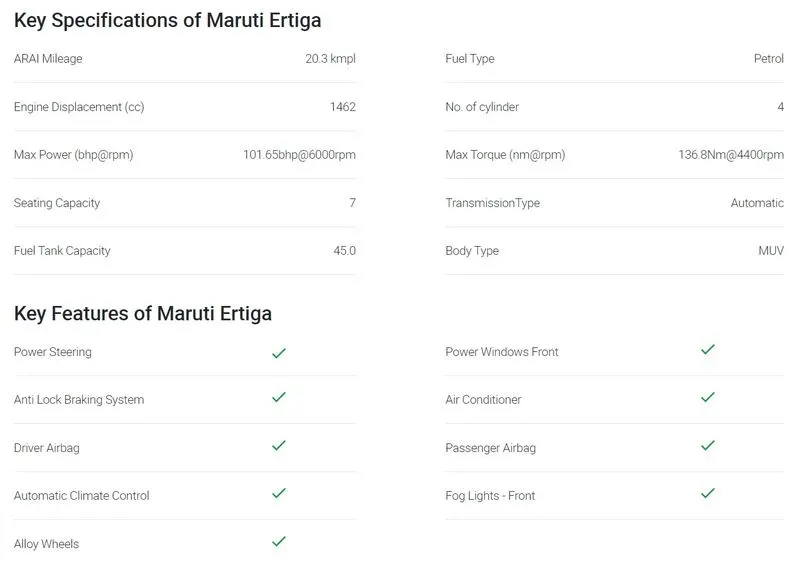
Maruti Suzuki Ertiga
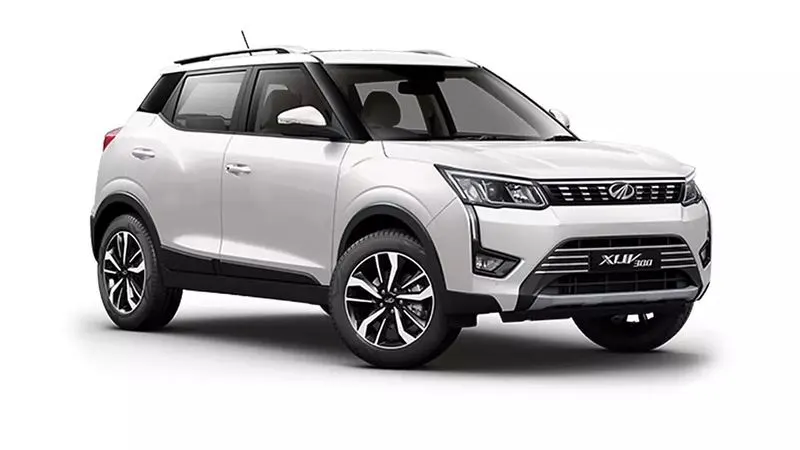
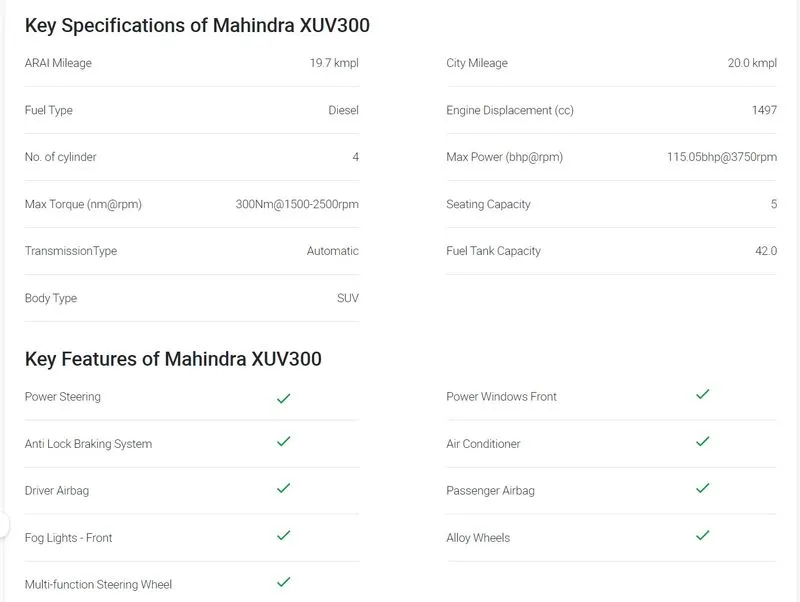
Mahindra XUV300
Tata Nexon
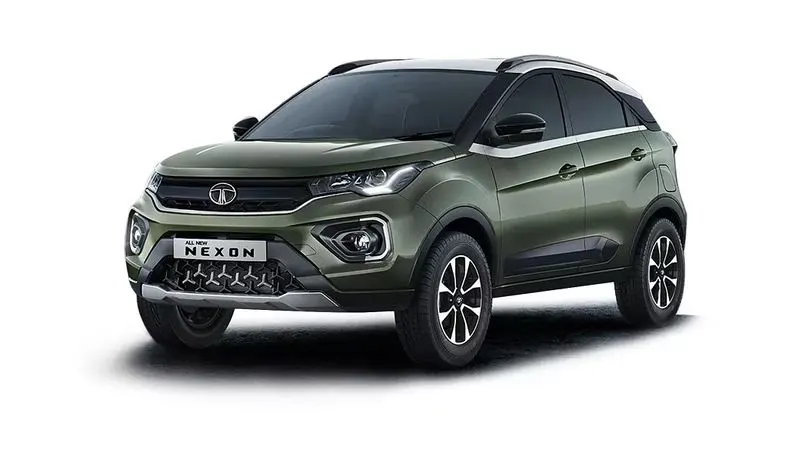
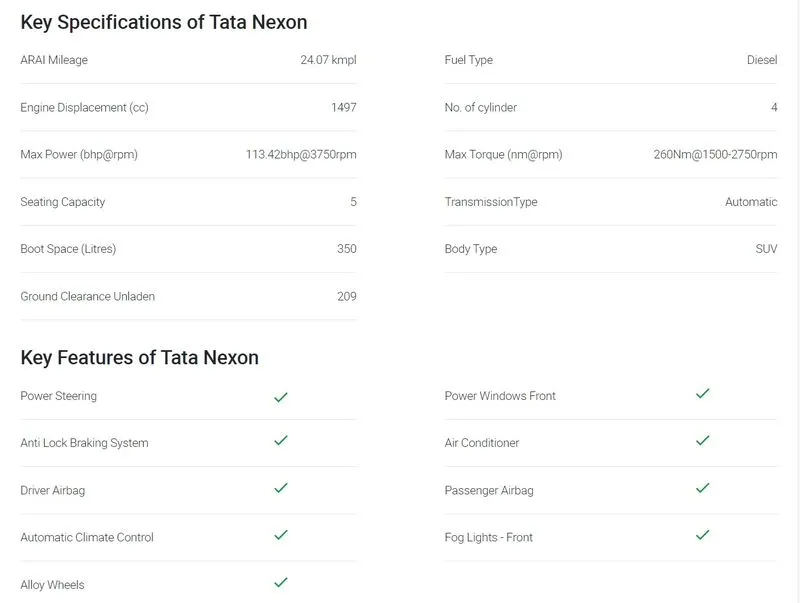
Maruti Suzuki Ciaz
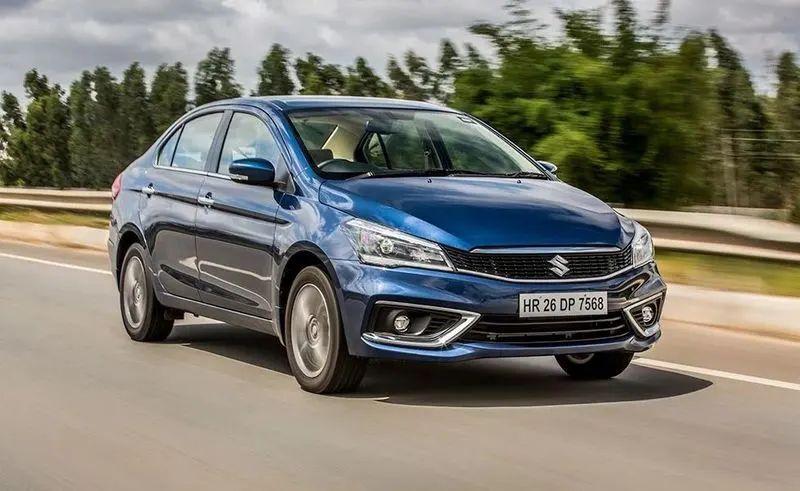
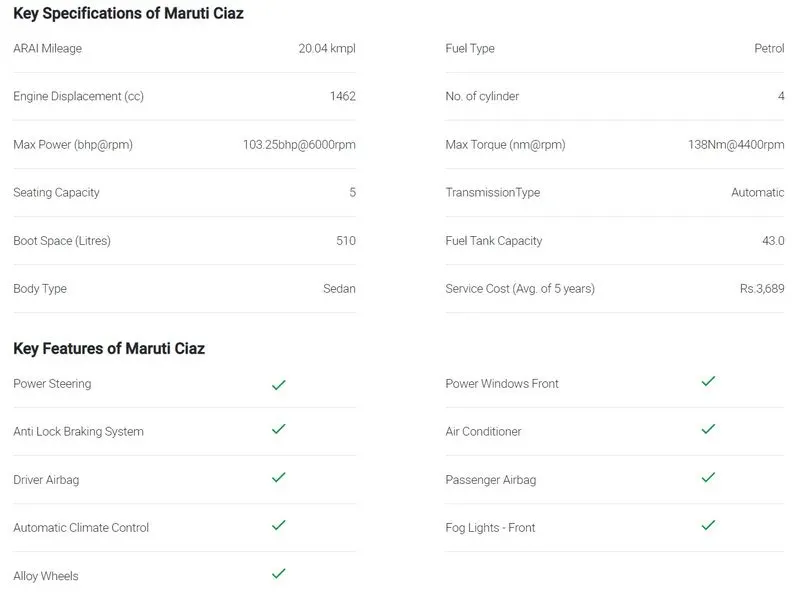
|
Engine and Transmission |
||||
|
Engine Type |
K15C Smart Hybrid |
1.5L Turbo Diesel with CRDi |
1.5l Turbocharged Revotorq |
K15 Smart Hybrid Petrol Engine |
|
Displacement (cc) |
1462 |
1497 |
1497 |
1462 |
|
Max Power (bhp@rpm) |
101.65bhp@6000rpm |
115.05bhp@3750rpm |
113.42bhp@3750rpm |
103.25bhp@6000rpm |
|
Max Torque (nm@rpm) |
136.8Nm@4400rpm |
300Nm@1500-2500rpm |
260Nm@1500-2750rpm |
138Nm@4400rpm |
|
Valve Configuration |
- |
- |
- |
DOHC |
|
Bore X Stroke (mm) |
- |
- |
- |
74 x 85 |
|
Compression Ratio |
12+-0.3 |
- |
- |
- |
|
Turbo Charger |
- |
- |
||
|
Gear Box |
5-Speed |
6 Speed |
6-Speed |
5 Speed |
|
Drive Type |
||||
| Fuel & Performance | ||||
|---|---|---|---|---|
| Fuel Type |
Petrol
|
Diesel
|
Diesel
|
Petrol
|
| Mileage (City) |
17.0 kmpl
 |
|||
| Mileage (ARAI) |
20.51 kmpl
|
20.1 kmpl
|
23.22 kmpl
|
20.65 kmpl
|
| Fuel Tank Capacity |
45.0 (Litres)
|
42.0 (Litres)
|
44.0 (Litres)
|
43.0 (Litres)
|
| Emission Norm Compliance |
BS VI
|
BS VI
|
BS VI 2.0
|
BS VI
|
| Suspension, Steering & Brakes | ||||
|---|---|---|---|---|
| Front Suspension |
Mac Pherson Strut & Coil Spring
|
MacPherson Strut with Anti-roll Bar
|
Independent, Lower Wishbone, McPherson Strut with Coil Spring
|
McPherson
|
| Rear Suspension |
Torsion Beam & Coil Spring
|
Twist Beam Suspension with Coil Spring
|
Semi-Independent; closed profile Twist beam with Coil Spring and shock absorber
|
Torsion Beam
|
| Steering Type |
-
|
Power
|
Electric
|
Power
|
| Steering Column |
Tilt
|
-
|
-
|
Tilt
|
| Turning Radius (Metres) |
5.2
|
5.3
|
5.1
|
5.4
|
| Front Brake Type |
Disc
|
Disc
|
Disc
|
Ventilated Disc
|
| Rear Brake Type |
Drum
|
Disc
|
Drum
|
Drum
|
| Braking (100-0kmph) |
45.77m
|
-
|
-
|
-
|
| Emission Norm Compliance |
BS VI
|
BS VI
|
BS VI 2.0
|
BS VI
|
| Tyre Size |
185/65 R15
|
205/65 R16
|
195/60 R16
|
185/65 R15
|
| Tyre Type |
Tubeless, Radial
|
Tubeless, Radial
|
Tubeless,Radial
|
Tubeless, Radial
|
| Wheel Size |
15
|
16
|
16
|
-
|
| Exterior | ||||
|---|---|---|---|---|
| Available Colors | Ertiga Colors | XUV300 Colors | Nexon Colors | Ciaz Colors |
| Body Type |
MUVAll MUV Cars
|
SUVAll SUV Cars
|
SUVAll SUV Cars
|
SedanAll Sedan Cars
|
| Adjustable Headlights |
-
|
|||
| Fog Lights Front |
-
|
|||
| Manually Adjustable Ext Rear View Mirror |
-
|
-
|
||
| Electric Folding Rear View Mirror | ||||
| Rain Sensing Wiper |
-
|
-
|
||
| Rear Window Wiper |
-
|
-
|
||
| Rear Window Washer |
-
|
-
|
||
| Rear Window Defogger | ||||
| Wheel Covers |
-
|
|||
| Alloy Wheels | ||||
| Power Antenna |
-
|
-
|
||
| Rear Spoiler |
-
|
-
|
-
|
|
| Sun Roof |
-
|
-
|
||
| Moon Roof |
-
|
-
|
||
| Outside Rear View Mirror Turn Indicators |
-
|
|||
| Integrated Antenna |
-
|
|||
| Chrome Grille |
-
|
|||
| Chrome Garnish |
-
|
-
|
||
| Dual Tone Body Colour |
-
|
-
|
-
|
|
| Projector Headlamps | ||||
| Halogen Headlamps |
-
|
|||
| Cornering Foglamps |
-
|
-
|
-
|
|
| Roof Rail |
-
|
-
|
||
| Lighting |
-
|
-
|
LED Tail lamps
|
-
|
| LED DRLs |
-
|
|||
| LED Headlights |
-
|
-
|
-
|
|
| LED Taillights | ||||
| LED Fog Lamps |
-
|
-
|
-
|
|
| Additional Features |
3D Origami Style LED Tail Lamps,Dynamic Chrome Winged Front Grille,Floating Type Roof Design in Rear,Body Coloured Door Handles,Body Coloured ORVMs
|
Silver Top Strip Upper Grille,Black Lower Grille,Body Coloured Door Handles & ORVMs,Sill & Wheel Arch Cladding,Black Front & Rear Skid Plates
|
Projector Headlamps with Tri-arrow DRLs, Tri-arrow Signature LED Tail Lamps, Centre Antenna
|
Silver Alloy Wheels,Chrome Accents on Front Grille,Body Coloured ORVMs with Turn Indicators,Body Coloured Door Handles,Silver Front Fog Lamp Ornament,Silver Rear Reflector Ornament, split rear combination lamps, Glass Antenna
|
| Tyre Size |
185/65 R15
|
205/65 R16
|
195/60 R16
|
185/65 R15
|
| Tyre Type |
Tubeless, Radial
|
Tubeless, Radial
|
Tubeless,Radial
|
Tubeless, Radial
|
| Wheel Size |
15
|
16
|
16
|
-
|
| Alloy Wheel Size |
-
|
-
|
-
|
15
|
|
View Less
|
||||
| Safety | ||||
|---|---|---|---|---|
| Brake Assist |
-
|
-
|
||
| Power Door Locks |
-
|
|||
| Child Safety Locks |
-
|
|||
| Anti Theft Alarm |
-
|
|||
| Side Airbag Front |
-
|
-
|
||
| Day Night Rear View Mirror | ||||
| Passenger Side Rear View Mirror |
-
|
|||
| Halogen Headlamps |
-
|
|||
| Door Ajar Warning |
-
|
-
|
||
| Side Impact Beams |
-
|
-
|
-
|
|
| Traction Control |
-
|
-
|
-
|
|
| Adjustable Seats |
-
|
|||
| Tyre Pressure Monitor |
-
|
-
|
||
| Engine Immobilizer |
-
|
-
|
||
| Crash Sensor |
-
|
|||
| Centrally Mounted Fuel Tank |
-
|
-
|
-
|
|
| Engine Check Warning |
-
|
|||
| Automatic Headlamps |
-
|
|||
| Electronic Stability Control | ||||
| Advance Safety Features |
Headlamp On Warning,Suzuki Heartect Platform,Idle Start Stop,Brake Energy Regeneration,Torque Assist
|
Corner Braking Control,Seat Belt Reminder for Co-Driver,High Mounted Stop Lamp,Panic Braking Signal,Passenger Airbag Deactivation Switch,Tyre-position Display
|
Roll-over Mitigation, Hydraulic Brake Assist, Electric Brake Pre-fill, Brake Disc Wiping
|
Idle Start Stop,Brake Energy Regeneration,Torque Assist,Suzuki-Tect Body,Pedestrian Protection Compliance
|
| Follow Me Home Headlamps |
-
|
|||
| Anti Pinch Power Windows |
Driver's Window
|
-
|
Driver's Window
|
|
| Speed Alert |
-
|
|||
| Speed Sensing Auto Door Lock |
-
|
|||
| Pretensioners And Force Limiter Seatbelts |
-
|
|||
| Geo Fence Alert |
-
|
|||
| Hill Assist | ||||
| Impact Sensing Auto Door Unlock |
-
|
-
|
-
|
|
CONCLUSION :-
It is hard to tell which car is definitively "better" because it depends on your specific needs and preferences. Every vehicle has its own strengths and weaknesses.
The Ertiga is a popular choice for families, with a spacious passenger compartment and seating for up to 7 passengers. It is also fuel efficient and has good handling for its size.
The XUV300 is a subcompact SUV with good road holding, comfortable driving and a range of advanced safety features. It also features a strong engine and a spacious cabin.
The Nexon is another sub-compact SUV with an elegant design and driving comfort. It offers energy efficiency and a range of features, including a touchscreen infotainment system and a sun roof.
The Ciaz is a medium-sized sedan with a spacious cab, comfortable handling and good fuel consumption. It also has a range of features, including a touch screen media system and a backup camera.
As a result, I would choose Ertiga.
The Ertiga is a popular compact MPV (multi-purpose vehicle) produced by Suzuki. Here are some reasons why it is considered a good car:
-
Spacious Interior: Despite being a compact vehicle, the Ertiga offers a roomy cabin with ample headroom, legroom, and shoulder room for passengers. The third-row seats are foldable, which makes it easy to adjust the seating arrangement and provide extra cargo space.
-
Fuel Efficient: The Ertiga is designed to be fuel-efficient, with a smaller engine and lightweight construction that helps it achieve high fuel economy ratings. This makes it an ideal car for daily commutes, long drives, and family vacations.
-
Affordable Price: The Ertiga is an affordable car that offers good value for money. It has a reasonable price tag compared to other MPVs in its class, making it an attractive option for budget-conscious buyers.
-
Comfortable Ride: The Ertiga has a smooth suspension that provides a comfortable ride on rough roads. The seats are comfortable, and the car's air conditioning system is powerful enough to keep the cabin cool even on hot days.
-
Good Safety Features: The Ertiga comes equipped with advanced safety features such as ABS, EBD, dual airbags, and ISOFIX child seat mounts, which help to keep passengers safe in case of an accident.
Overall, the Ertiga is a good car that offers a combination of affordability, fuel efficiency, spacious interior, and safety features, making it an ideal choice for families and individuals who need a reliable and practical car for their daily commute and occasional long drives