Benchmarking
|
Case: Mr. D.S. Pughazhyendhii is a married man who lives in Bangalore which is a highly crowded city. His Family comprises five members including his wife, a five-year-old boy, his father, and his mother. He visits his native place Madurai which is 500kms away from Bangalore once a month. Also, he will be using his car to commute to his office. His budget falls between 8 to 10 lakhs on road. Please suggest to him options so that he will buy a good car for his family. Note: Pughazhyendhii is fond of big cars Aim: Present report by benchmarking with the presently available cars in the market for the above case and provide a proper conclusion suggesting a single suitable vehicle among the comparision made. Benchmarking: Benchmarking is an initial stage in the product development process wherein key business metrics and practices of a product are measured and then compared within a business area or against a competitor with similar product. In an automobile industry benchmarking usually takes place in two stages – Benchmarking-I and Benchmarking-II. Benchmarking-I is usually a broad and generalized comparision wherein the features that need to be present in the vehicle are taken into account. Benchmarking-II is a detailed comparision process wherein each component in a vehicle that goes through the development phase is benchmarked. Is can simple be said that Benchmarking-I is a product level process while Benchmarking-II is a part level process. From the data given in the problem statement we can get to know the details such as the budget of the car, and since the family consists of a toddler and two old people we can assume that safe is also a priority for the customer. Also since every month the customer travels around 1000 kms back and forth to his native hence the vehicle should also give a pretty good mileage and from the size of the family it can be assumed that a 5-seater is enough for the family. Since they stay in Bengaluru which is a crowded city, it would be suitable for the family to have a hatchback or a Compact SUV. Some of the vehicles considering the above requirements in the present market are as follows. Basic Characteristics:
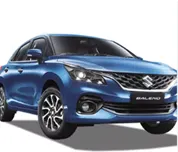
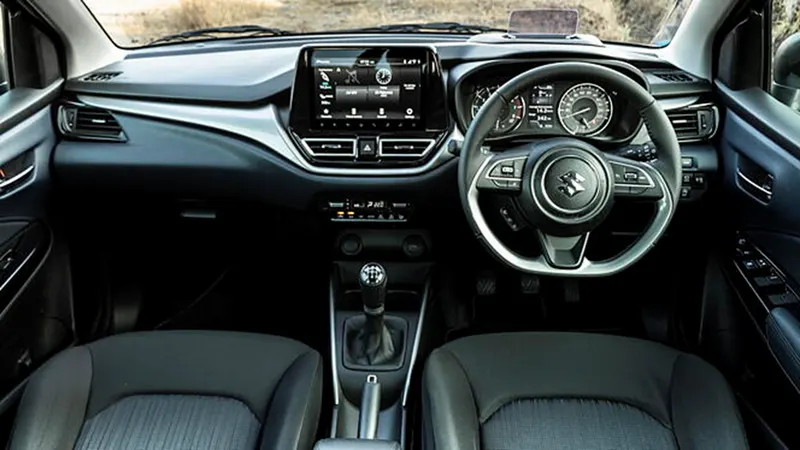
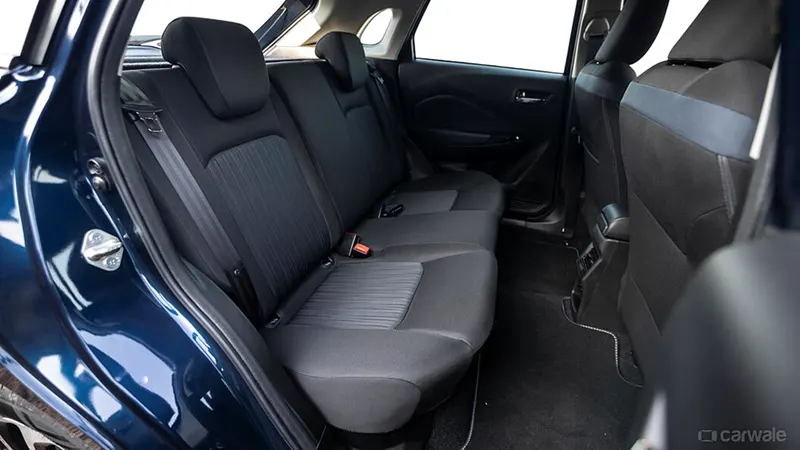
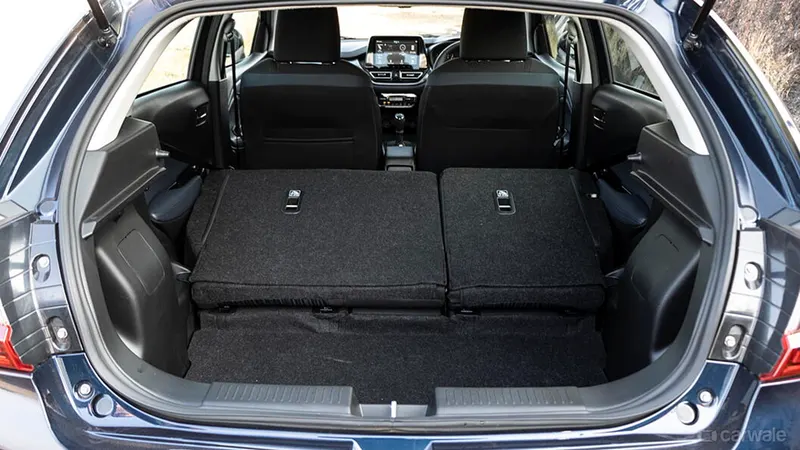
Every car from a particular brand is offered in a lot of variants to the customers. The price of a particular variant also differs according to the particular features offered on the variant. Hence as the feature list of a variant expands the cost the variant also expands. Hence the list of cars enlisted above the highest variants of that particular car that can be purchased under ₹10 lakhs. There are other vehicles offered by the same brands and some other brands which have their base variants under the ₹10 lakhs price range. Since such variants are base variants, they offer less features. Hence they are omitted from the above list. Maruti Suzuki Baleno Zeta: Maruti Baleno Zeta MT is the petrol variant in the Baleno lineup and is priced at ₹ 8.17 Lakh (ex-showroom). It returns a certified mileage of 22.35 kmpl. This variant comes with a 1.2L K series engine putting out 88 bhp @ 6000 rpm and 113 Nm @ 4400 rpm of max power and max torque respectively. This variant has 6 airbags (4 front side and 2 rear side).
It has 7’’ infotainment touch screen with an analog speedometer.
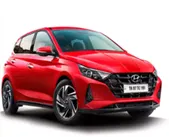
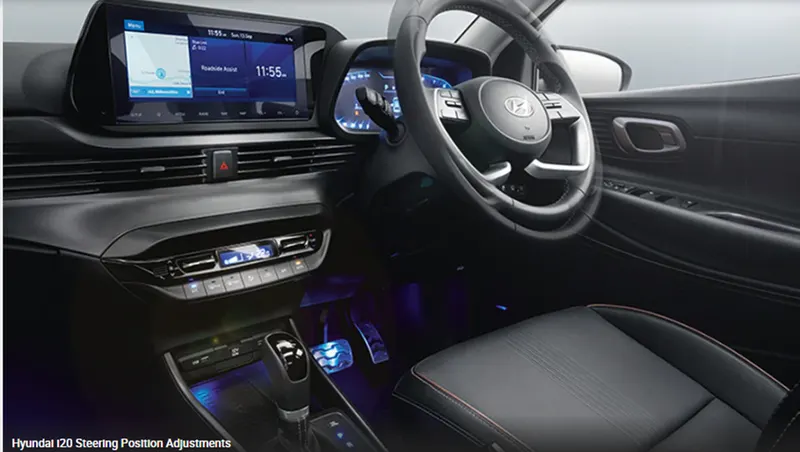
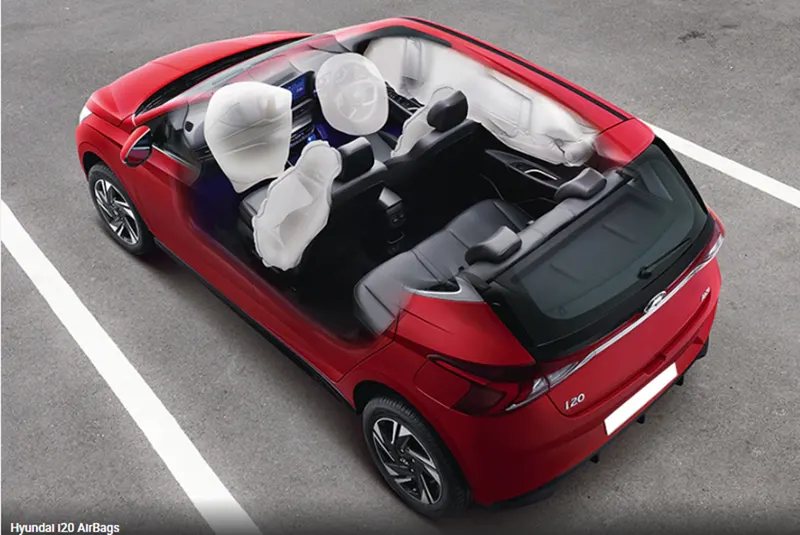
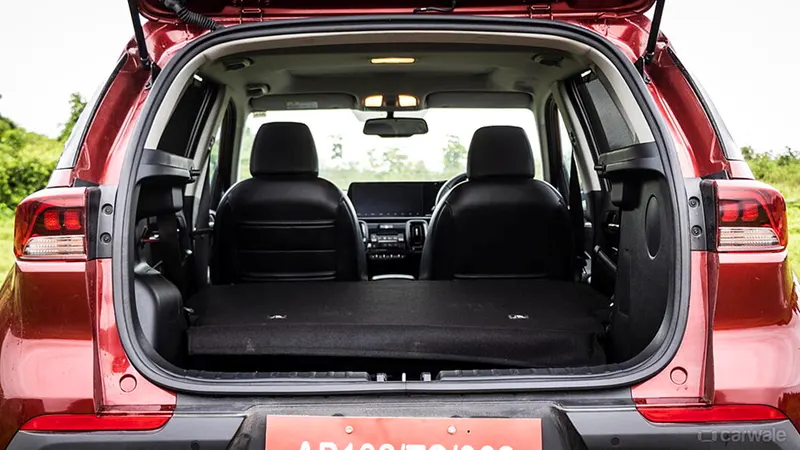
It has foldable rear seats for extra boot space but the seats are not fully foldable. Hyundai i20 Sportz Turbo iMT: This is an upper mid-range petrol variant of the i20 car from Hyundai. It has a 998 cc 1.0 L Turbo GDi petrol engine that puts out 118.36bhp@6000rpm of power and 171.62nm@1500-4000rpm of torque. It has a seating capacity of 5 people and a claimed mileage of 20 kmpl.
It comes with 4 airbags.
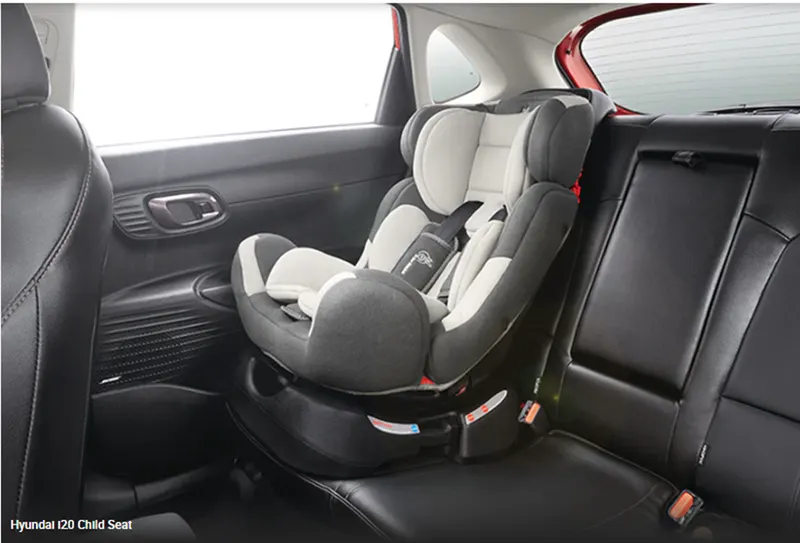
It has support for child seat mounts.
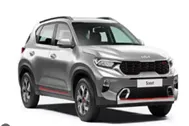
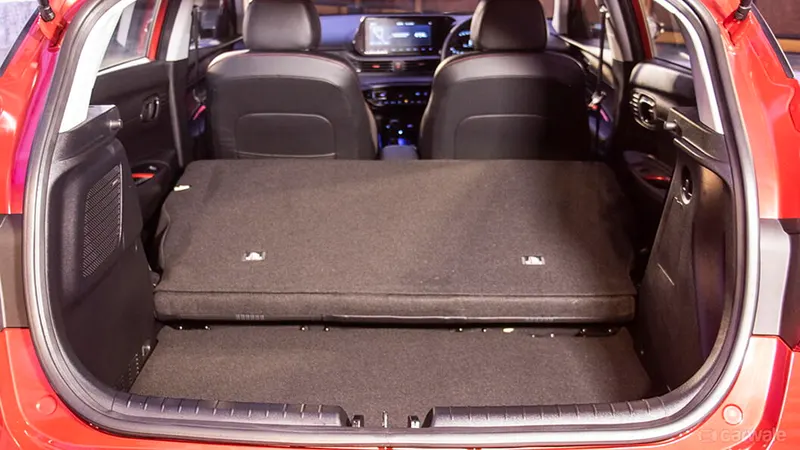
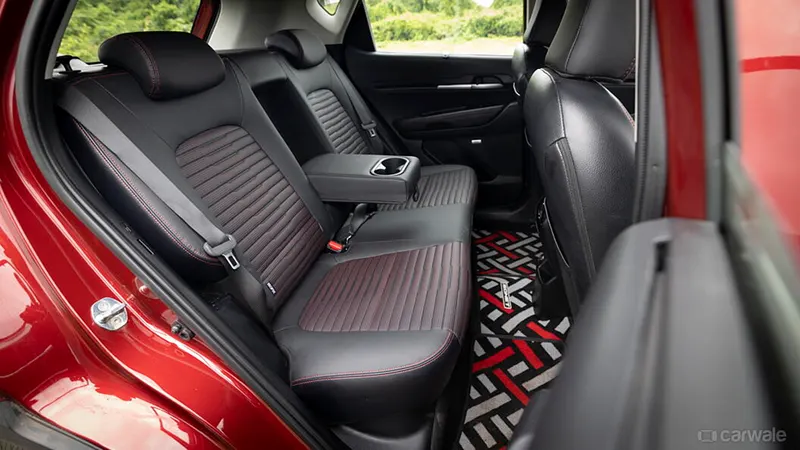
The rear seats can be folded although not completely for extra boot space. Kia Sonet 1.2HTK: Kia Sonet is a compact SUV preferred for its styling and value for money. Its price range is between ₹7.49 lakhs and ₹13.99 lakhs. It has a seating capacity of 5 people and a tested mileage of 18.4 kmpl. The 1.2HTK variant of the Sonet is the top variant that can be obtained under ₹10 lakhs and the one considered is the petrol variant. It has an 1197cc engine which generates peak power of 82 bhp @ 6000 rpm. It has an estimated service cost (Avg. of 5 years) of ₹3,279.
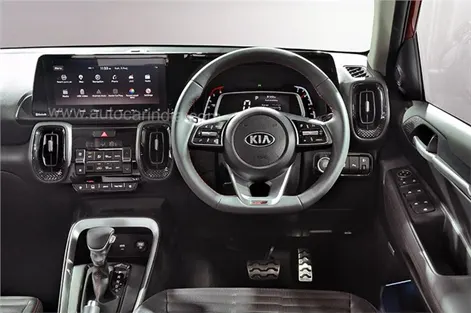
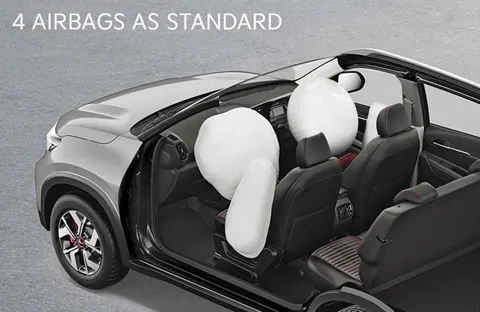
2 front airbags and 2 side airbags for all round safety and also have an option to have 2 extra airbags at the rear.
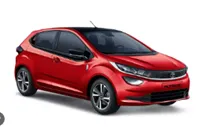
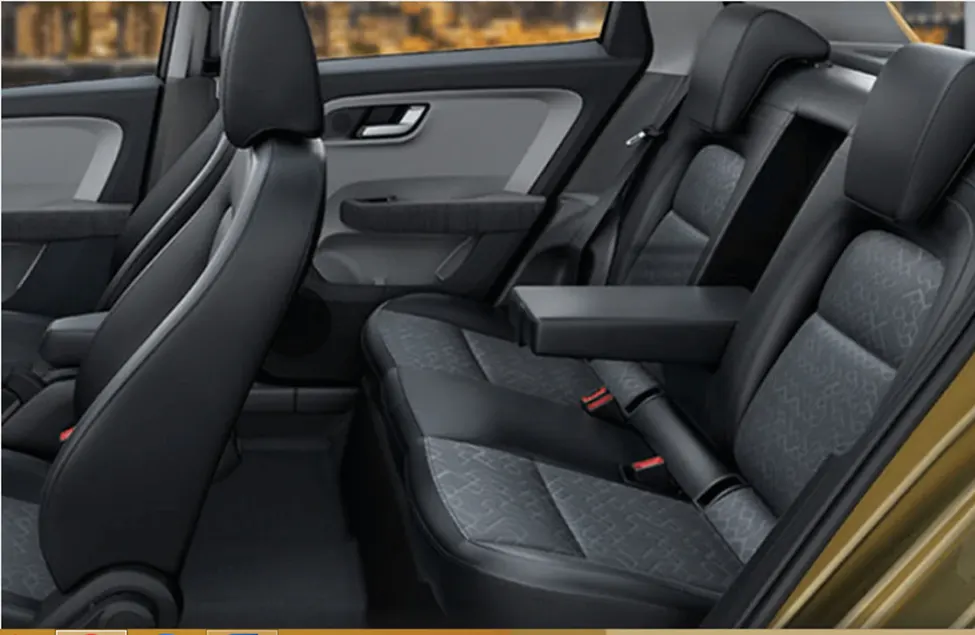
Rear seats can be folded for extra boot space. Tata Altroz XTA DCT: This is an upper mid-range variant of the Tata Altroz car. This car has a sturdy build quality and has 5 Star Global NCAP Safety Rating. It is powered by an 1199 cc engine which is available with an Automatic transmission. The 1199 cc engine puts out 84.88bhp@6000rpm of power and 113Nm@3300rpm of torque. It returns a certified mileage of 18.53 kmpl. Tata Altroz XTA DCT is a 5 seater Petrol car. Altroz XTA DCT has Multi-function Steering Wheel, Power Adjustable Exterior Rear View Mirror, Touch Screen, Automatic Climate Control, Engine Start Stop Button, Anti-Lock Braking System, Alloy Wheels, Fog Lights - Front, Fog Lights - Rear, and Power Windows Rear.
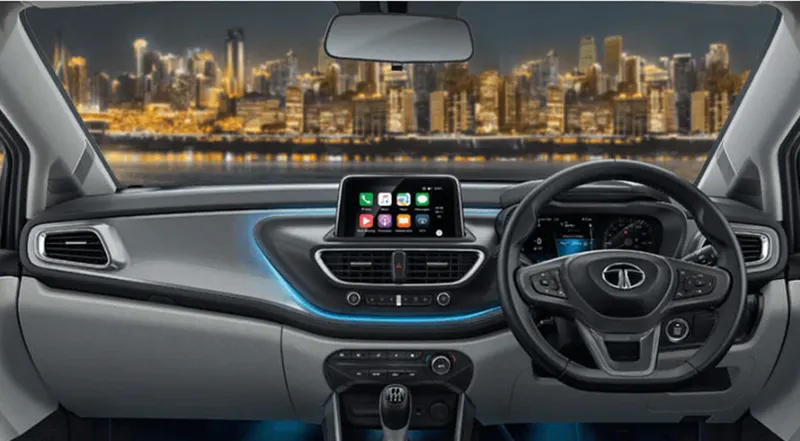
The dashboard has a 7” touchscreen Infotainment system.
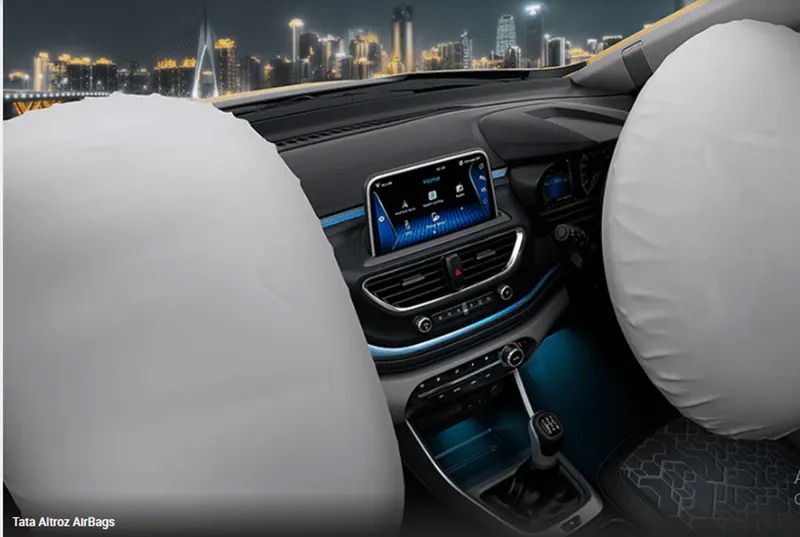
This vehicle has 2 airbags at the front. Although there aren’t multiple airbags compared to the competition, it boasts of a 5 star global NCAP Safety rating. So, it’s more reliable in terms of safety.
It has a boot capacity of 345 lts. Conclusion: By taking into consideration of all the above characteristics of all the 4 cars, I can suggest that the Maruti Baleno would be the most ideal car for Mr D.S. Pughazhyendhii’s family as it has all the family’s requirements. As Mr. Pughazhyendhii expects, the car is the most spacious in the segment and it also possess child mount support for the safety of the infant in their family and also possesses 6 airbags for thorough safety of their family with old parents and an infant. It also has the most rated mileage in the segment that can save some fuel costs for the family in the long run. |