Benchmarking
Case Study:
Mr. D.S. Pughazhyendhii is a married man who lives in Bangalore which is a highly crowded city. His Family comprises five members including his wife, five-year-old boy, his father, and his mother. He visits his native place Madurai which is 500kms away from Bangalore once in a month. Also, he will be using his car to commute to his office. His budget falls between 8 to 10 lakhs on road. Please suggest to him with options so that he will buy a good car for his family.
Note: Pughazhyendhii is fond of big cars
From above case we understood requirements and budget range of Mr. D.S. Pughazhyendhii, we will find and suggest the best suited vehicle for him through benchmarking the available cars in the current market.
"Understanding Benchmarking"
BENCHMARKING: Benchmarking is used by businesses to compare the key metrics of their operations to those of other companies and remain competitive in the market.
In Automobile industry benchmarking is structured comparison between similar products, services or processes on some dimensions of performance of cars with features, specifications etc,. For example, it can be used to compare the availability delivery of features in a product and in this form often provides the basis of consumer tests and reviews. These look at products and services and provide recommendations based on which is best or some form of ranking amongst competitors. It is particularly useful when comparing not only performance but also practice.
Process benchmarking of this can be operate at several levels:
- Between similar processes in the same factory or service branch.
- Between different factories or service branches.
- Between different competing organizations.
- Between different competing manufacturers and marketplaces.
- Between different sectors using the same process.
There are two types of benchmarking
- Benchmarking I
Involves product level comparison and analysis of vehicle safety comfort, engine efficiency and its performance.
- Benchmarking II
Involves product level comparison and analysis of vehicle safety comfort, engine efficiency and its performance. , Involves part level comparison focusing on specific BIW components like fender, hood, B Pillar, roof etc and analysing various properties such as material type, thickness, no of parts and overall weight.
Classifications of Benchmarking
Although there are many forms of benchmarking, they can be classified into three categories – internal, competitive and strategic.
Internal benchmarking is used when a company already has established and proven best practices and they simply need to share them. Again, depending on the size of the company, it may be large enough to represent a broad range of performance (i.e., cycle time for opening new accounts in branches coast to coast). Internal benchmarking also may be necessary if comparable industries are not readily available.
Competitive benchmarking is used when a company wants to evaluate its position within its industry. Also, competitive benchmarking is used when a company needs to identify industry leadership performance targets.
Strategic benchmarking is used when identifying and analysing world-class performance. This form of benchmarking is used most when a company needs to go outside of its industry.
Requirements of Mr. D. S. Pughazhyendhii :
- His family comprises five members including his wife, 5year old kid, his father & mother.
- He visits his native place Madurai which is 500 kms away from Bangalore once in a month
- He lives in Bangalore city which is highly crowded and commutes to his office daily
- Budget is between 8 to 10 lacs on-road price.
- He is fond of big cars
Which means he required vehicle with following conditions:
- 5-7 seater with comfortable seating
- Long range drive performance
- Speed and Efficient
- Enough Boot space for Luggage
- Enough Rear Leg room space
- Enough under thigh support
- As he commutes in Bangalore which is heavily crowded and roads with congested traffic Automatic Gear Transmission is best suited and also keeping in mind Fuel Economy is also key factor to save fuel costs. But Automatic Gear Transmission is expensive and Fuel consuming. But let us consider in requirements
- As Indian roads are not that much good and vehicles with good ground clearance would be the best option and he is also fond of big cars Compact SUV's are best suited within his budget range currently available in market .
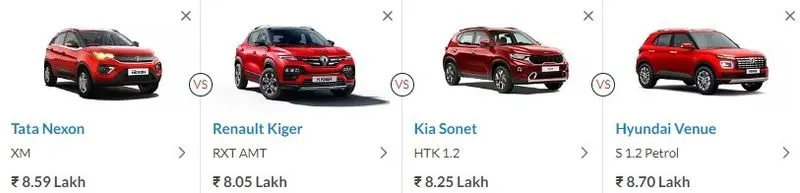
Engine & Transmission
|
Engine |
1199 cc, 3 Cylinders Inline, 2 Valves/Cylinder, SOHC |
999 cc, 3 Cylinders Inline, 4 Valves/Cylinder, DOHC |
1197 cc, 4 Cylinders Inline, 4 Valves/Cylinder, DOHC |
1197 cc, 4 Cylinders Inline, 4 Valves/Cylinder, DOHC |
|
Engine Type( |
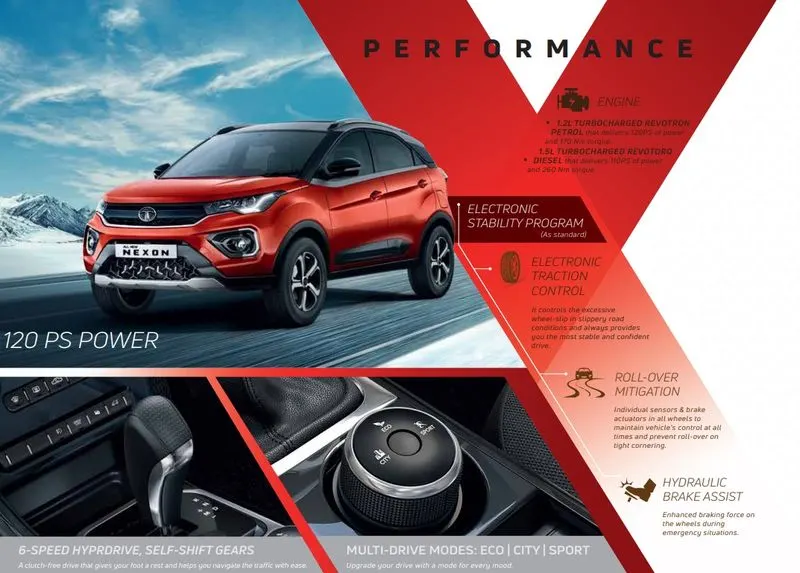
1.2L Turbocharged Revotron |
1.0L Energy |
Smartstream G 1.2 |
1.2 Kappa |
|
Fuel Type |
Petrol |
Petrol |
Petrol |
Petrol |
|
Max Power (bhp@rpm) |
118 bhp @ 5500 rpm |
71 bhp @ 6250 rpm |
82@ 6000 rpm |
82bhp @ 6000 rpm |
|
Max Torque (Nm@rpm) |
170 Nm @ 1750 rpm |
96 Nm @ 3500 rpm |
115 Nm @ 4200 rpm |
114 Nm @ 4000 rpm |
|
Mileage (ARAI) (kmpl) |
17.5 |
19 |
18.4 |
17.5 |
|
Driving Range (Km) |
719 |
761 |
819 |
801 |
|
Drivetrain |
FWD |
FWD |
FWD |
FWD |
|
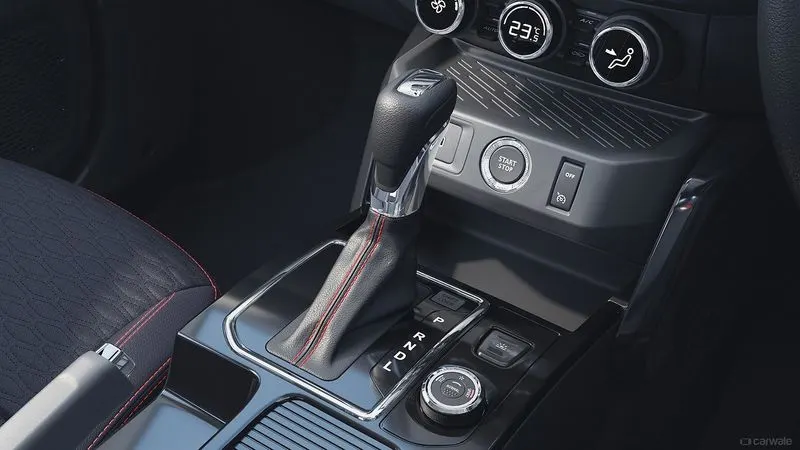
Transmission |
Manual- 6 Gears |
AMT - 5 Gears |
Manual - 6 Gears |
Manual - 6 Gears |
|
Emission Standard |
BS 6 |
BS 6 |
BS 6 |
BS 6 |
|
Turbocharger/Supercharger |
Turbocharged |
X |
X |
X |
Dimensions & Weight
|
Length (mm) |
3993 |
3991 |
3995 |
3995 |
|
Width (mm) |
1811 |
1750 |
1790 |
1770 |
|
Height (mm) |
1606 |
1605 |
1642 |
1617 |
|
Wheelbase (mm) |
2498 |
2500 |
2500 |
2500 |
|
Ground Clearance (mm) |
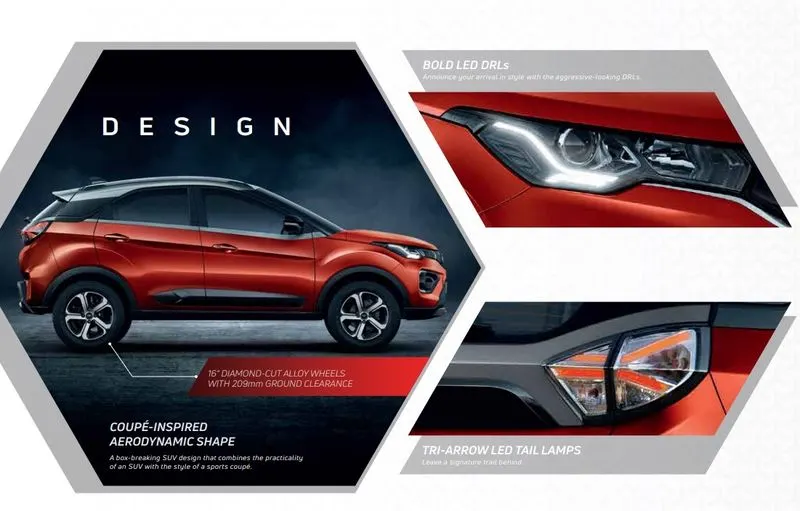
209 |
205 |
195 |
Capacity
|
Doors (Doors) |
5 |
5 |
5 |
5 |
|
Seating Capacity (Person) |
5 |
5 |
5 |
5 |
|
No of Seating Rows (Rows) |
2 |
2 |
2 |
2 |
|
Bootspace (litres) |
350 |
405 |
392 |
350 |
|
Fuel Tank Capacity (litres) |
44 |
40 |
45 |
45 |
Safety
|
NCAP Rating |
5 Star (Global NCAP) |
4 Star (Global NCAP) |
Not Tested |
Not Tested |
|
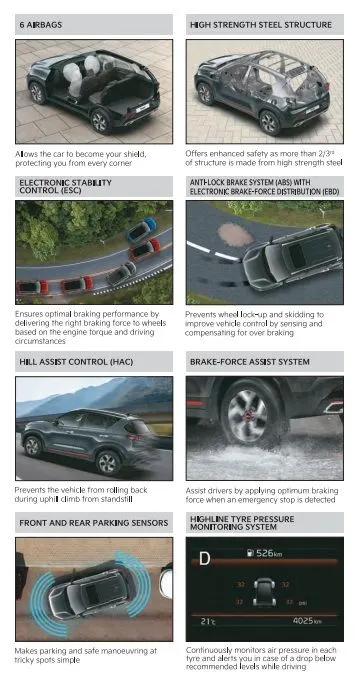
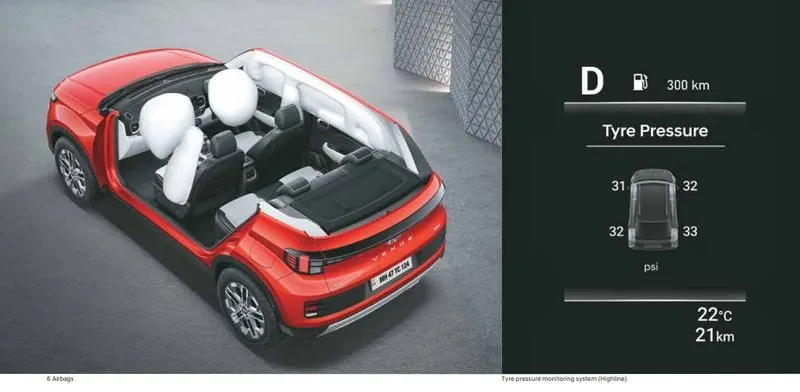
Airbags |
2 Airbags (Driver, Passenger) |
4 Airbags (Driver, Front Passenger, Driver Side, Front Passenger Side) |
4 Airbags (Driver, Front Passenger, Driver Side, Front Passenger Side) |
2 Airbags (Driver, Front Passenger) |
Price
| On road price(Bangalore) | 9.59 Lacs | 10 Lacs | 9.67 Lakhs | 9.69 Lakhs |
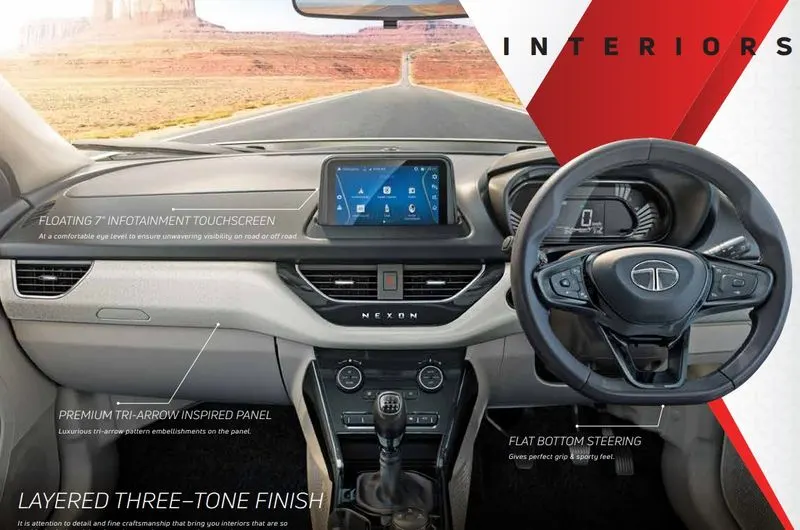
Tata Nexon XM
Pros:
- Upmarket looks - Exciting and impactful design, proper no-nonsense SUV stance
- G-NCAP safety - A five-star NCAP safety rating ensure buyers get a very safe car
- Performance - The powertrains offer a satisfying mid/top-end grunt for most situations
- Spacious cabin - Despite the compact footprint, it is roomier than segment rivals
- Sorted ride/handling - Nicely tuned suspension offers apt damping at most speeds
Cons:
- Interior quality, fit/finish - Scratchy hard plastics, rough edges, panel gaps
- Low-end grunt - The diesel motor needs some revving to get off the line properly
- Infotainment screen - Slow responses, low-resolution screen, interface not intuitive
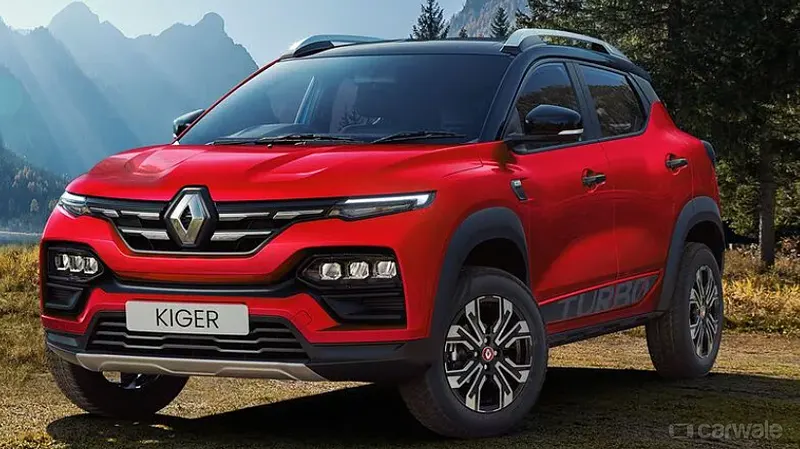
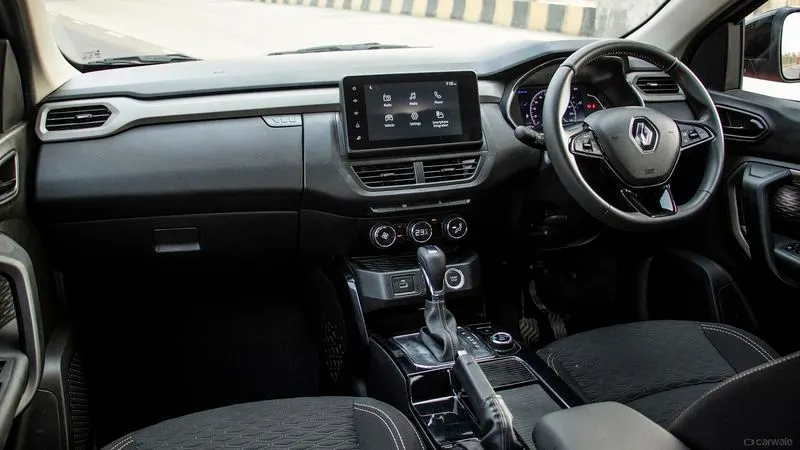
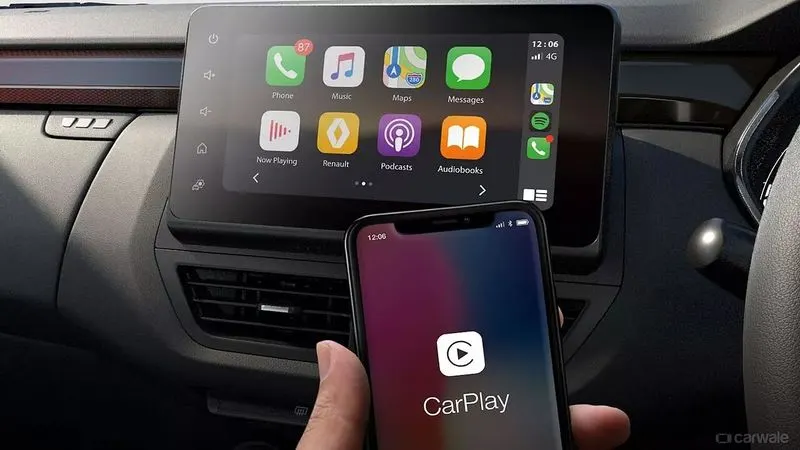
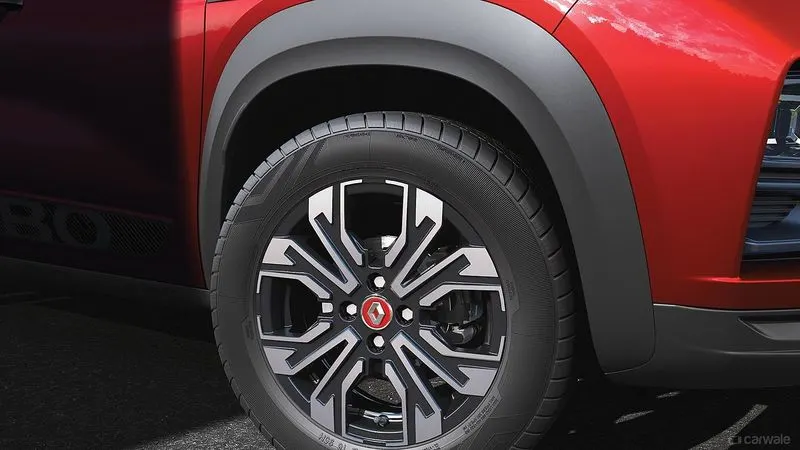
Renault Kiger RXT AMT
Pros:
- Sprightly performance - Capable powertrains offer adequate grunt for most situations
- Safety - Four-star rating for adult occupant protection in the GNCAP safety tests
- Easy manoeuvrability - Good all-round visibility, light steering, and compact footprint
- Interior space - Proper dimensions/wheelbase ensure it is on par with segment rivals
- Handsome - An affordable SUV that does not compromise on styling and road presence
Cons:
- Rear seating - Having three adults occupying the rear bench can be a tight affair
- Tall boot - Baggage needs to be lifted higher to clear the boot's high loading lip
- Cost cutting - Hard/scratchy plastics, quality is not as per segment standards
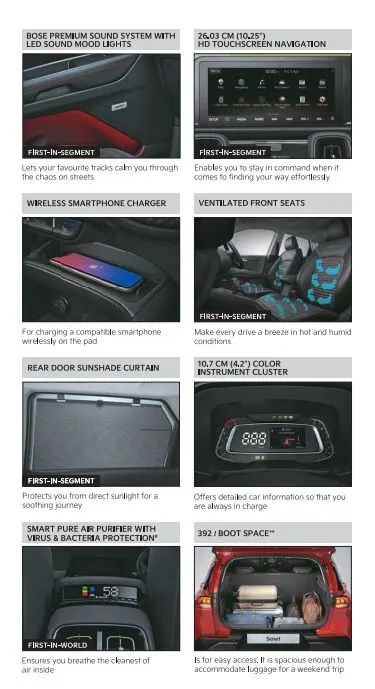
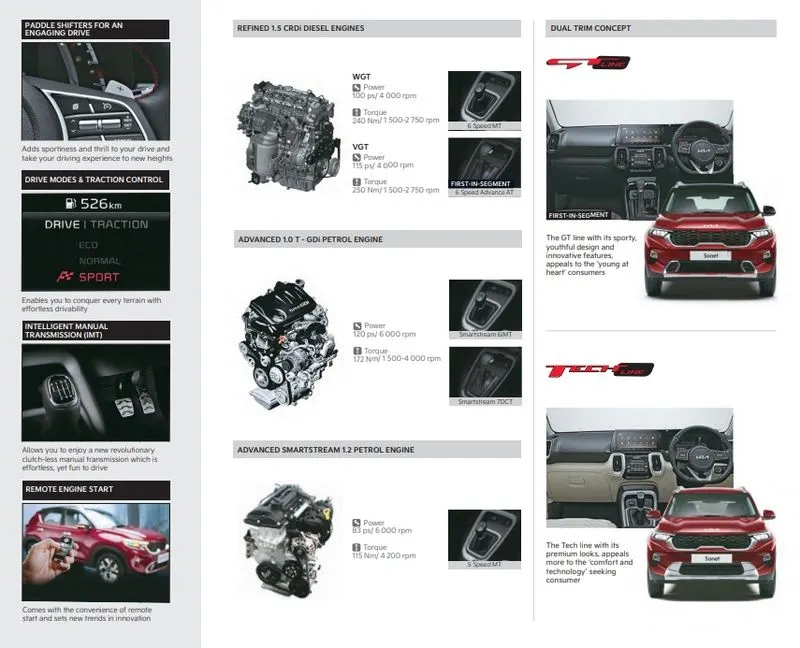
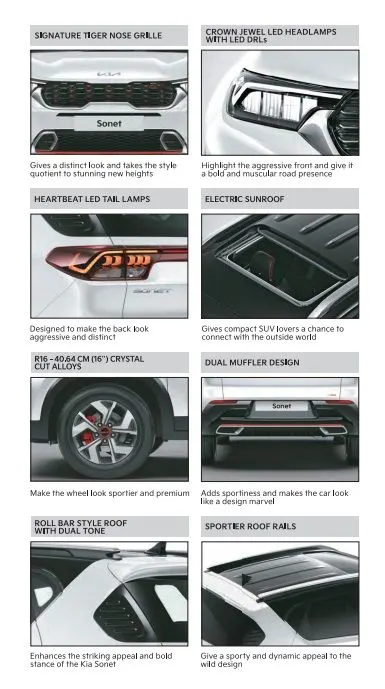
Kia Sonet HTK 1.2
Pros:
- Flamboyant styling - Great concoction of modern/youthful looks with a rugged stance
- Refined motors/gearboxes - Peppy/smooth performance, good refinement, frugal
- Easy to drive - Compact size, steering that's light with reasonable feedback
- Good quality - Quality and fit/finish are on par with segment expectations
- Boot capacity - Reasonably sized boot good for occupants to last seven days
Cons:
- Firm ride quality - Never feels settled, bounces at high speeds under full load
- Rear seat space - The rear bench is a squeeze for anything more than two adults
- Rear visibility - Is hampered by the chunky C-pillars and compact rear windscreen
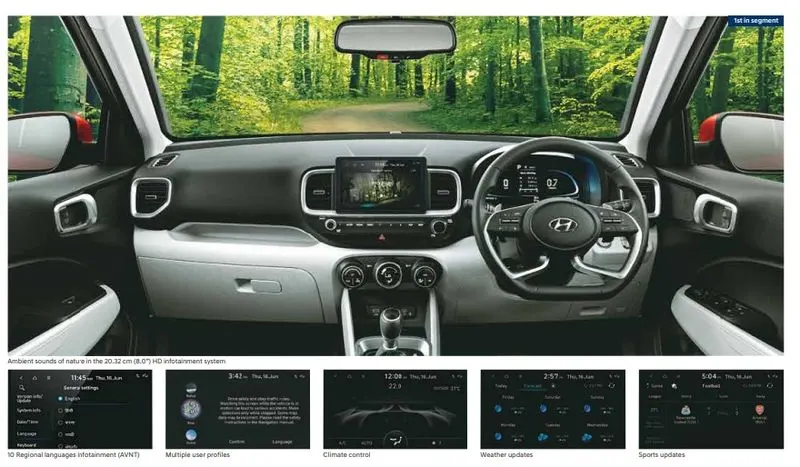
Hyundai Venue S 1.2
Pros:
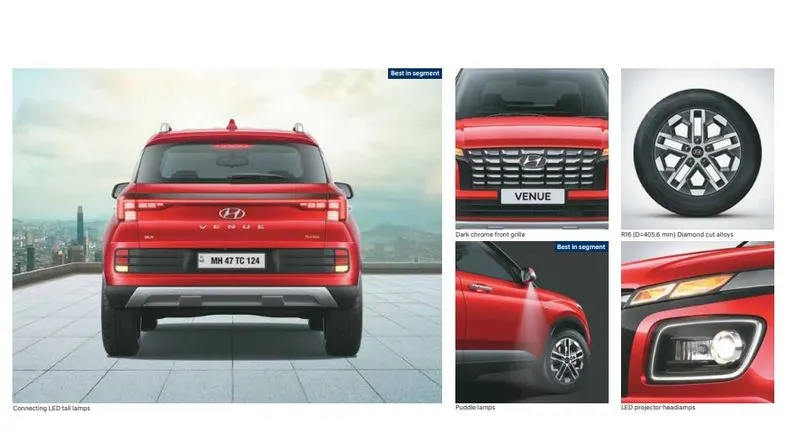
- Interior quality - Segment standout quality, good fit/finish, sorted ergonomics
- Road presence - Edgy design with an attractive grille and fittingly huge wheels
- Powertrain options - There are refined and efficient petrol and diesel motors
- Choice of gearboxes - A variety of smooth transmissions that ease driving chores
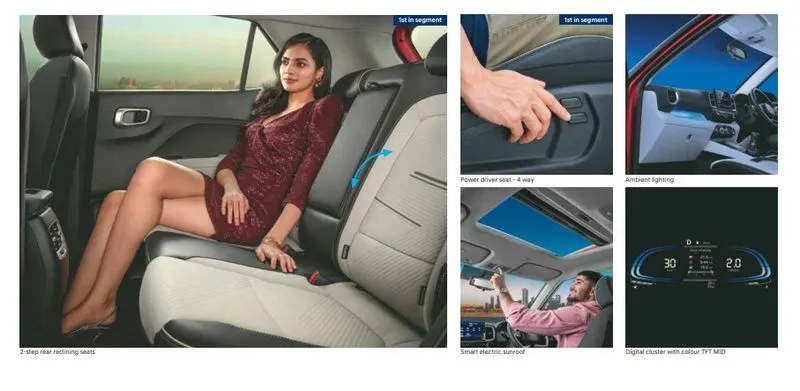
- Equipment - The new Venue feels more modern due to the revised features and trim
Cons:
- Cramped rear seat - Does not feel airy, uncomfortable for three occupants
- Unsorted ride - Broken surfaces are felt within the cabin, bounces at higher speeds
- Pricey top-end variants - One can upgrade to a lower-spec Creta instead
Conclusion
From above comparison TATA Nexon is the best in class vehicle compared to engine performance and safety rating with other competitive vehicles, but interior and infotainment system could be better & petrol variant lags of mileage. If Mr. D. S. Pughazhyendhii could stretch his budget I would recommend TATA Nexon Diesel Variant priced 10.5 lacs on road which suits best
But considering his budget & parameters like Safety, transmission and ARAI mileage the best suited vehicle that I would recommend for Mr. D. S. Pughazhyendhii and his family is Renault Kiger RXT AMT variant.