Benchmarking
INTRODUCTION:
- benchmarking with presently available cars in the market for the given case in the challenge.
- To suggest to Mr. D.S. Pughazhyendhii options so that he can purchase a good car suitable to his his family as per the benchmarking analysis report.
Data as per the given case:
- Mr.D.S. pughazhyendhi lives in Bangalore.
- his family comprises 5 members.
- his wife ,5 yr old boy, his father, and his mother.
- native place Madurai 500 kms frombangalore, visits once a month.
- also he utilize his car to commute to his office.
- his budget 8-10 lakhs on road price.
- Mr.D.S. pughazhyendhi is fond of Big cars.
BENCHMARKING:
BM-I:
- defining the competitors and their vehicles w.r.t price ,specifications & features on particular segment such as SUV, MUV , sedan etc.
- comparing the competitors vehicles already exist in the market w.r.t to it implementing improvemrnt/enhancement such as adding elements/features to its own product.
- hence the bench marking in the Automobile industry involves a structured comparision between similar products services (or) processes on some dimensions of performance.
BM-II:
- in this stage of benchmarking, the component wise comparison will be done from the competitors vehicle to reduce weight of the car there by improving the performance of the car.
- usually the BIW engineer assigned with commodity(specific part/component) such as hood/bonnet, side doors etc.
- BIW engineer study & bench mark own product(car) with parent car & competitors cars component. such that developing the parts & features of the vehicle as a challenge.
conclusions: usually the automotive bench marking is carried out in 6 stages.
- Auto features: seating system, legroom space, beltseats & storage etc.
- 3D scanning , surface scanning of parts such that surface coating is used eventually analysed in a software.
- Auto-Reverse: each & every system is analysed for specific features, bill of materials & sub assemblies etc.
- Lighting system: luminating intensity, quality comparision etc
- Electrical architecture & electronics systems analysys.
- study of Electrical wiring harness & PCB etc.
Benchmark with presently avialble cars in the market:
- comparing four vehicles in the compact SUV segment as per the requirement of basic specifications/features mentioned by Mr. D.S. Pughazhyendhii & his family.
1) Hyundai venue (Model : S )
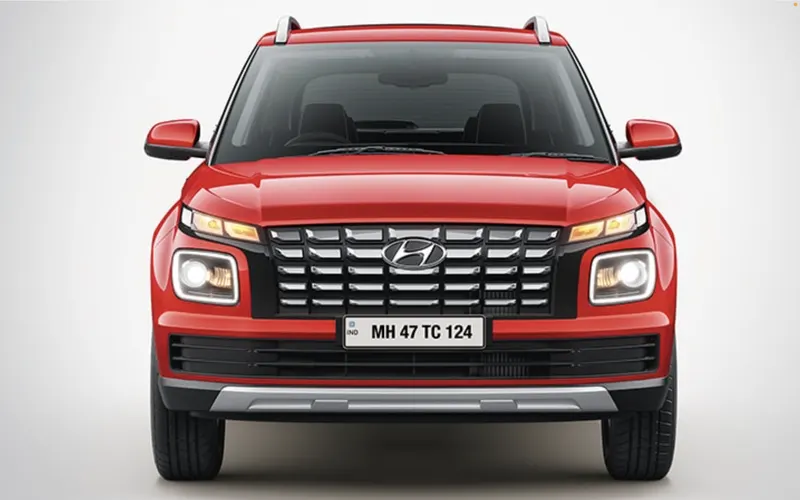
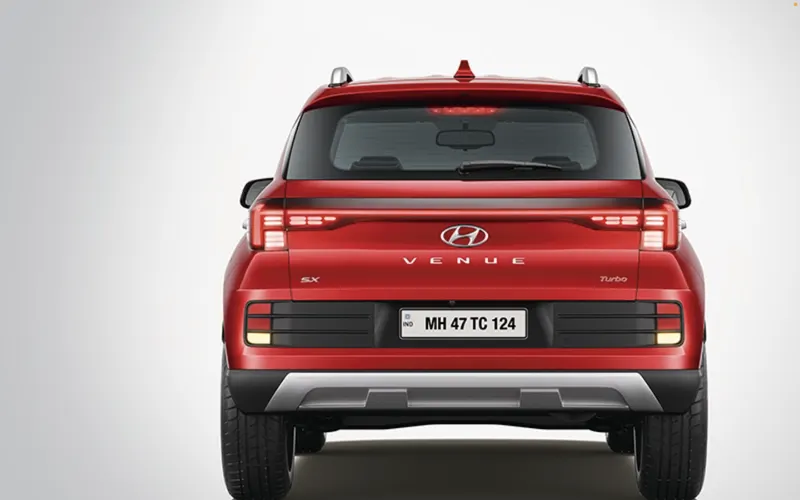
- premium seating system of capacity is 5 members, fabric seats, seat belting is facilitated, front & rear seat head rest, seat back pockets, legroom space : 830 mm/600 mm & storage volume : 350 L.
- lighting system: halogen lamps, automatic head lamps, head lamp escort function.
- braking sysytem ABS with EBD, Disc & drum brakes.
- electronic system & safety:electronic stability control, vehicle stability management sysytem, brake assist system, hill assist control, parking sensors, dual Air bags, auto door locking system, seat belt reminder, high speed alert, tyre pressure monitoring system, power windows, air conditioning.
- engine specifications: 1.2 L Mpi (petrol engine), 5 speed manual transmission, milage: 17.5 km per litre.
- power: 61 KW (max) , Torque: 113.8 Nm (max).
- high strength steel body, good suspension system with advanced technology , spare wheel facility.
- good metal body finishing, chrome grille system.
- tyre specifications: 195/65 R15 steel type.
- 8 inches touch screen infotainment system, front& rear speakers, steering with audio & bluetooth controls,smart phone connectivity, blue tooth connectivity, tilt steering sysytem, rear AC vents.
2) Kia sonet (Model : HTK):
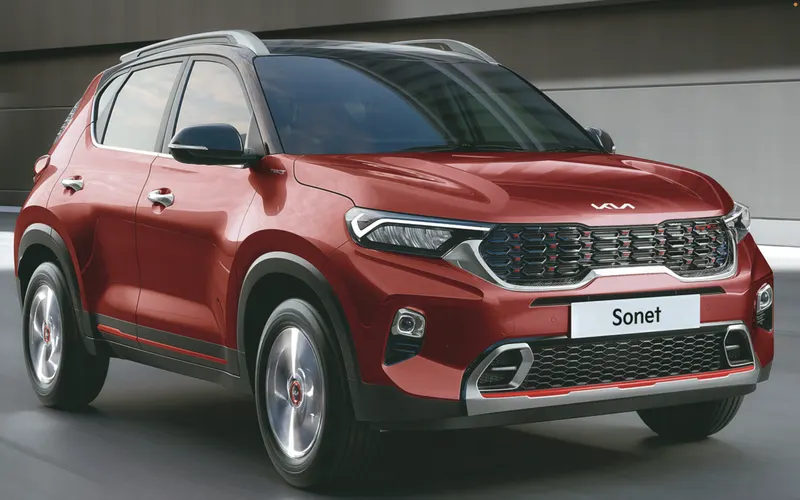
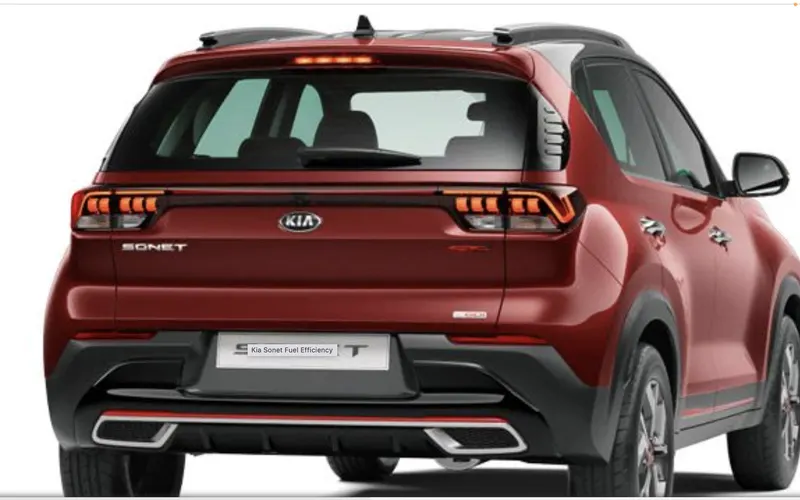
mentioning additional/advanced features as follows & including the above features & specifications:
- R16 (16 inches) metallic silver styled wheels, black interior.
- key less entry, driver seat height adjust.
- engine : 1.2 L smart stream petrol engine, 5 speed MT, 61 KW(83 PS) & 115 Nm torque.
- boot space( stotage volume): 392 L
- milage: 18-24 km per litre.
3) Mahindra XUV 300 (Model: W4):
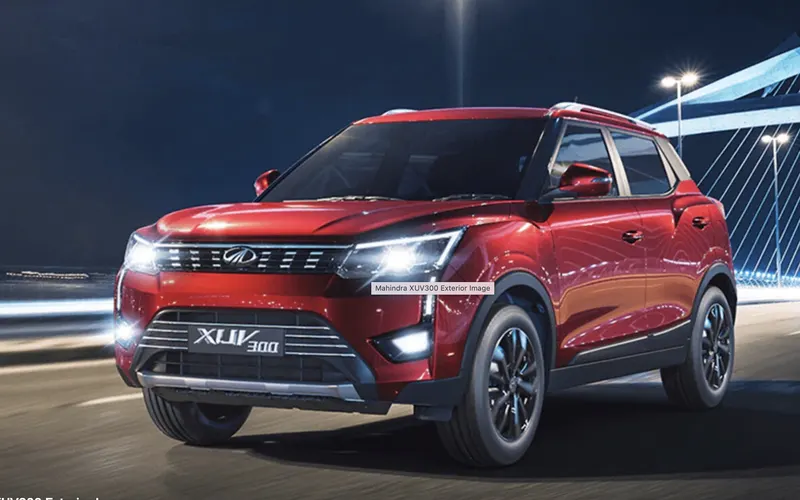
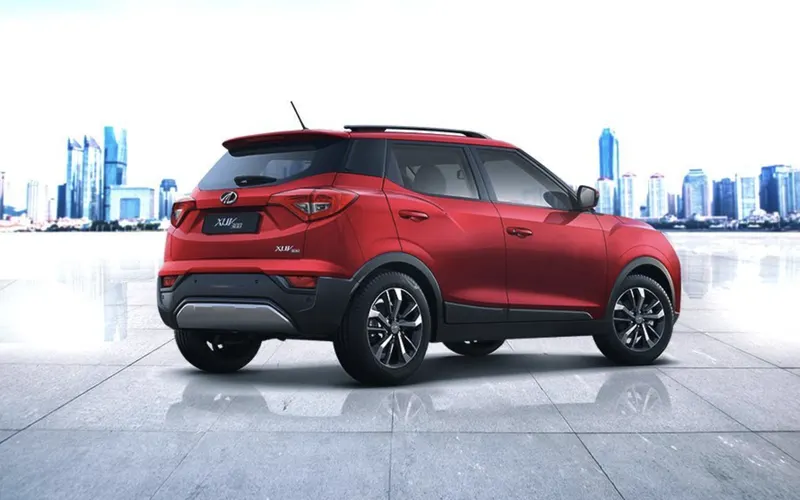
- R16 (16 inches) steel wheels, disc brakes for all wheels, black fabric based interior seating.
- smart steering system, power windows, LED tail lamps, key less entry, driver seat height adjust.
- engine : 1.2 L Turbo petrol engine, 6 speed MT, 81 KW & 200 Nm torque.
- boot space( stotage volume): 259 L
- milage: 17-20 km per litre.
- 6 inches display screen infotaianment sysytem.
4) TATA NEXON:
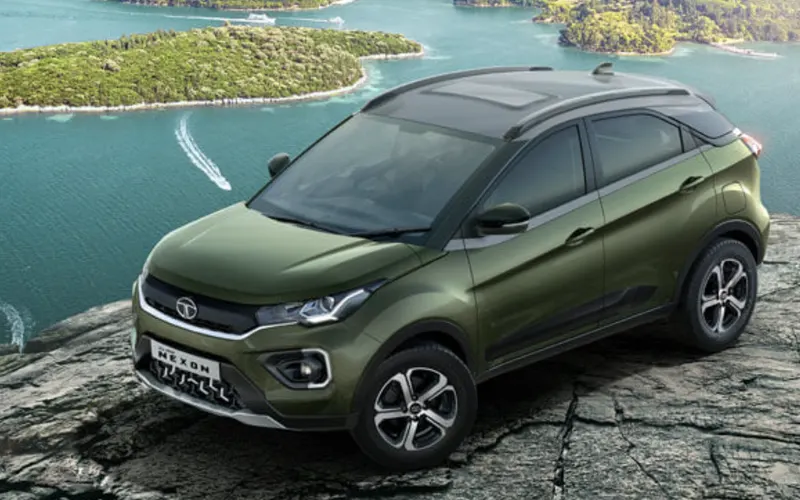
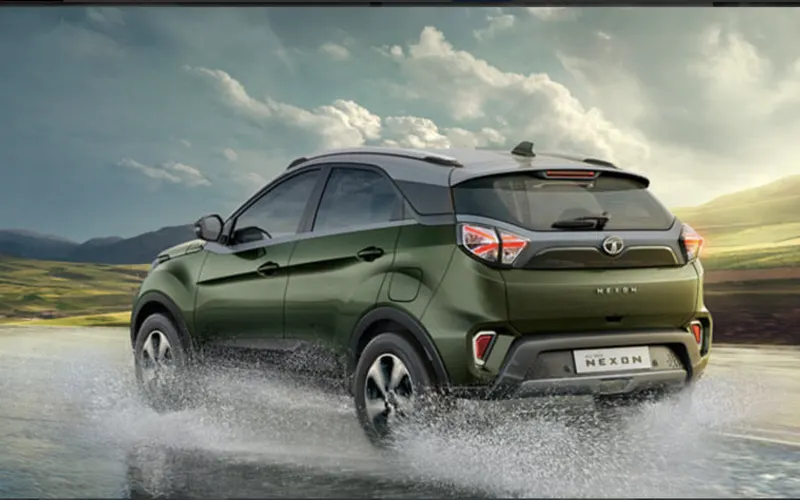
- R16 (16 inches) steel wheels, disc& drum brakes , black fabric based interior seating.
- multi drive modes, smart steering system, power windows, LED tail lamps, key less entry, driver seat height adjust.
- engine : 1.2 L Turbo revetron petrol engine, 6 speed MT, 88 KW( 120 PS) & 170 Nm torque.
- boot space( stotage volume): 350 L
- milage: 16-21 km per litre.
- 3.5 inches touch screen infotainment system.
conclusion:
- hence as per the benchmarking analysis report, & detailed comparision of these four compact SUV cars, thus we can recommend/suggest the KIA sonet (HTK) car based on all the technical aspects ,specifications, features & performance parameters.