Assignment 7-Side Pole Crash Simulation Challenge
OBJECTIVE: The main objective of this analysis is to perform a side pole crash analysis with all the given condition satisfying and get the required output result as asked and brief in detail how the energies are plotted.
PROCEDURE:
STEP 1: First import the model into hypermesh.
File --> import solverdeck --> select the required file and then click import.
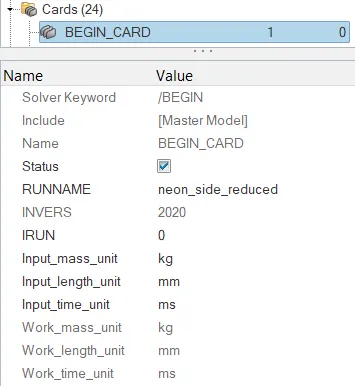
STEP 2: To check the unit system go to model browser, go to cards and click begin card and in that you can see the unit system.
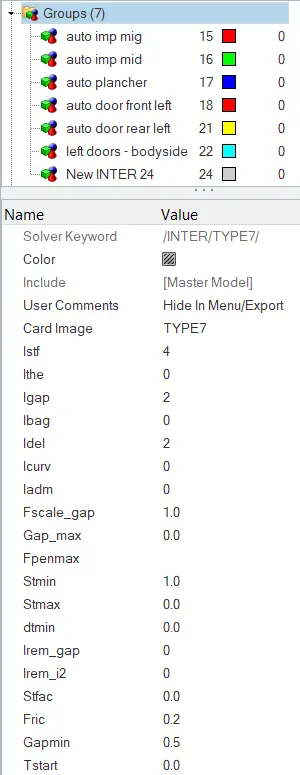
STEP 3:Now in the existing type 7 contact between all the components give the recommended setting for those parameters.
istf=4
igap=2
gap scale factor=0.8
idel=2
stmin=1
gapmin=0.5
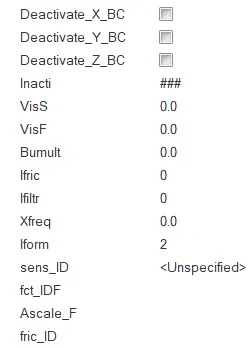
inacti=6
fric=0.2
iform=2
STEP 4: Once the contact has been determined now check in the model whether there is any penetration in the model.
Tools --> penetration check
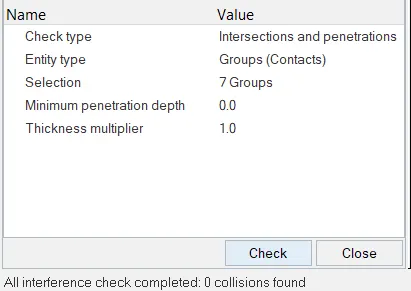
STEP 5: Now to create a rigid wall go to solver model and right click create --> rigid wall
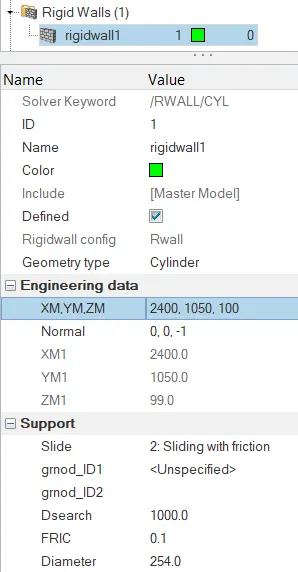
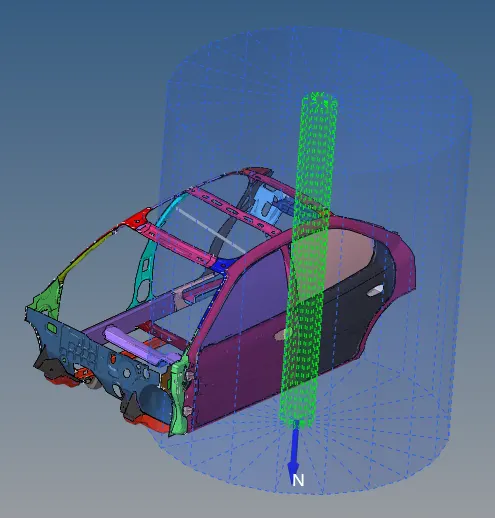
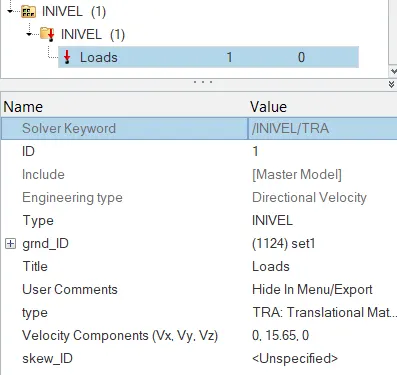
STEP 6: To impose an initial velocity go to solver model, right click --> create -->boundary condition --> INIVEL
Create a set with all the nodes in the model and apply that set in the INIVEL parameter.
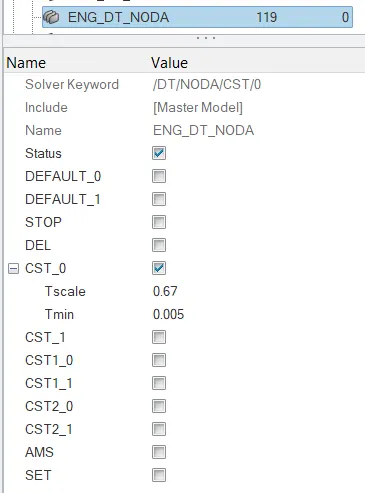
STEP 7:Now check for time step and runtime in the model and check whether they are matching with the given parameters
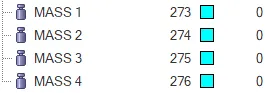
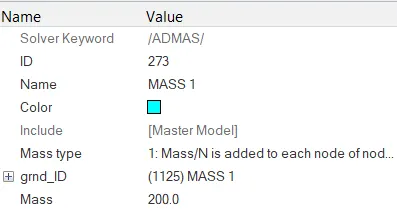
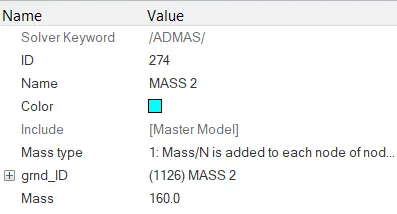
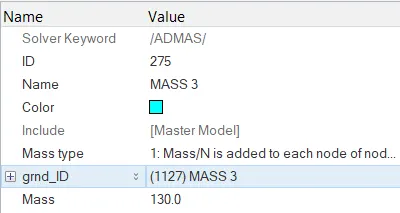
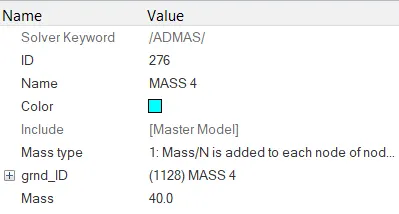
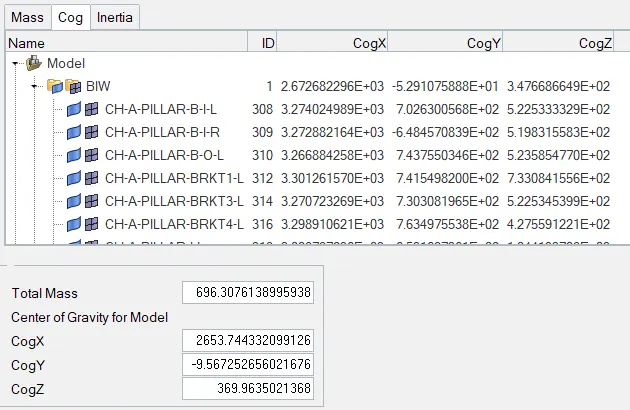
STEP 8: In order to improve the CG to the full car model add same masses to some nodes to match the CG.Go to solver model and in ADMAS card create new masses.
To see the CG, go to tools -->mass details --> mass,CG and inertia
STEP 9: To determine the force in cross member, create a section in it.
Create a new set with the required elements
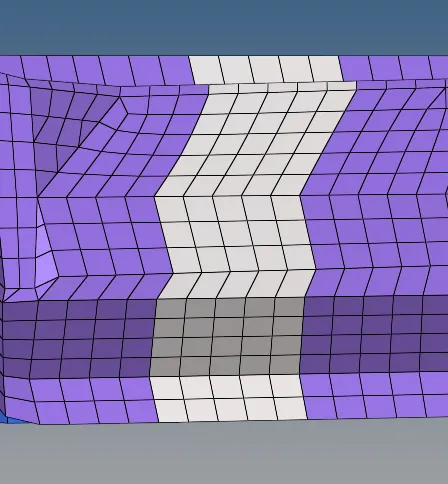
Now create a new moving skew
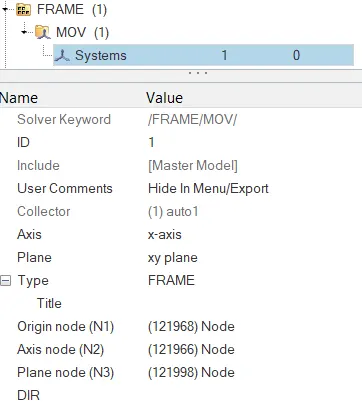
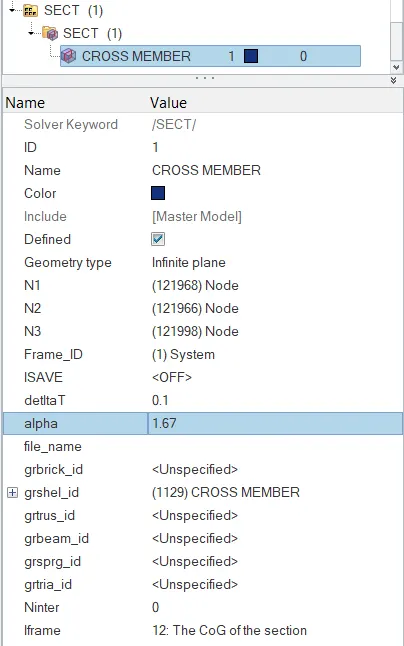
Now go to solver model and create a section card. Select the nodes that define the local co-ordinate system and the input the two sets into the parameters.
Now in the TH card create a section card and give the crosssections.
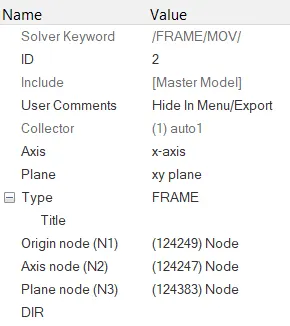
STEP 10:Right click on tab area, click SKEW option, select MOV option , give a name to it select the nodes ( origin, axis, Plane nodes)
Create a new Output block and rename it.
Select the displayed node and skew system.
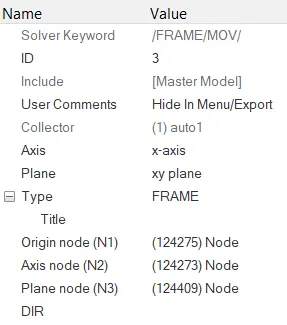
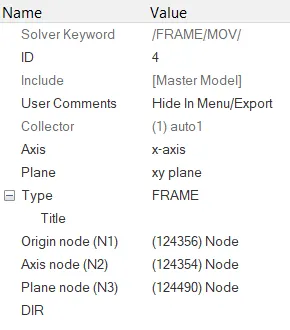
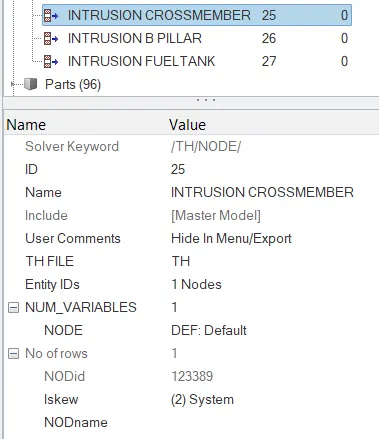
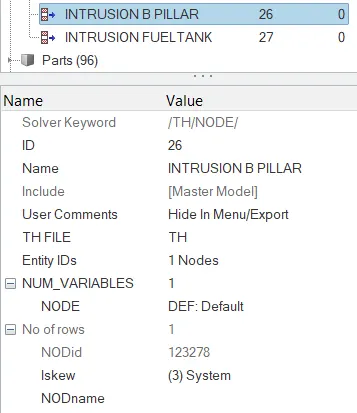
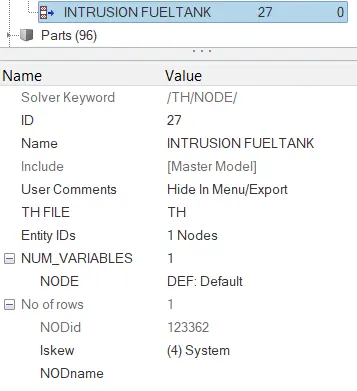
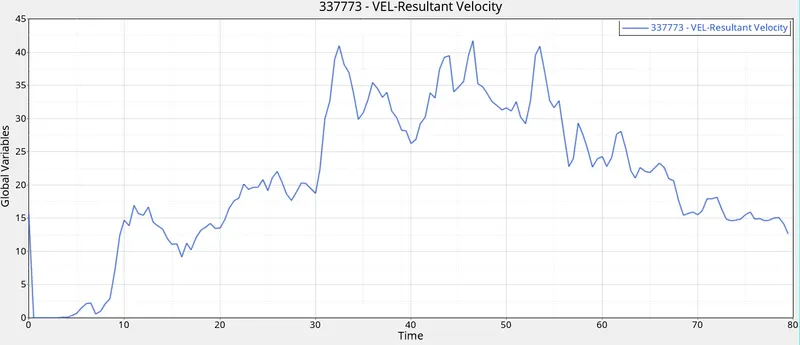
STEP 11:To find the peak velocity repeat the above step.
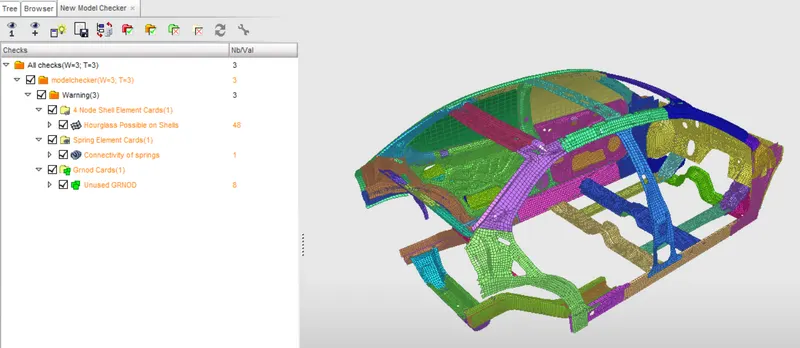
STEP 12: Now export the solver deck and open it in hyper crash and run the model checker to see whether there is any error.
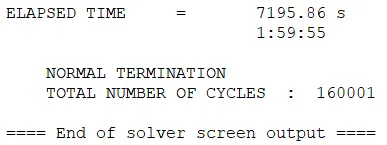
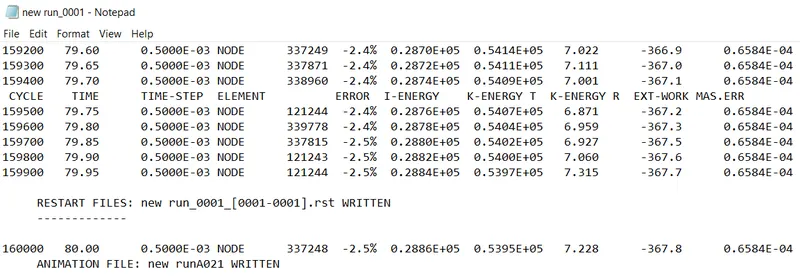
STEP 14: Now go to analysis tab and click radioss button.Select the RAD file and run the file.
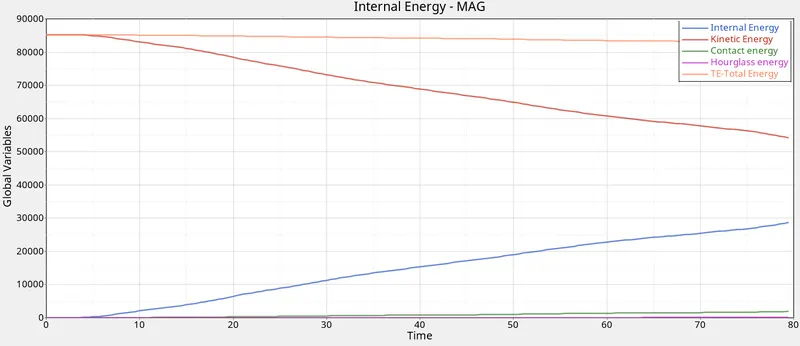
STEP 15: Now switch to hypergraph 2d and load the T01 file.
ENERGY CONTOUR
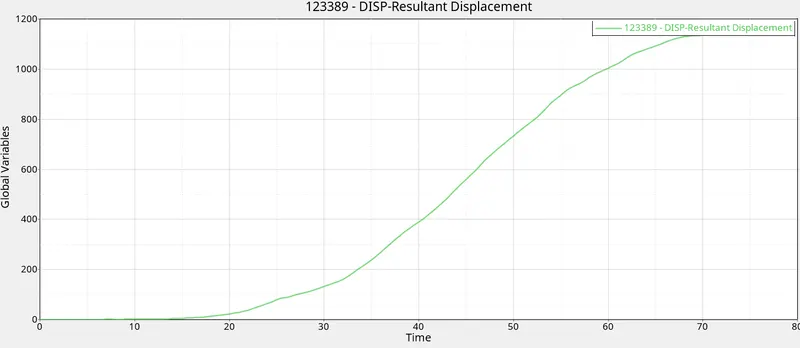
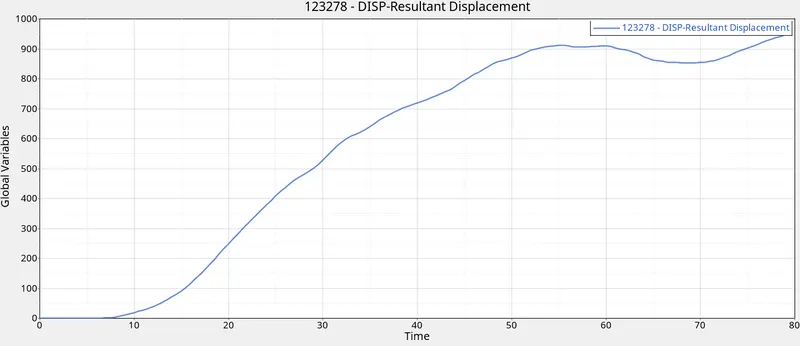
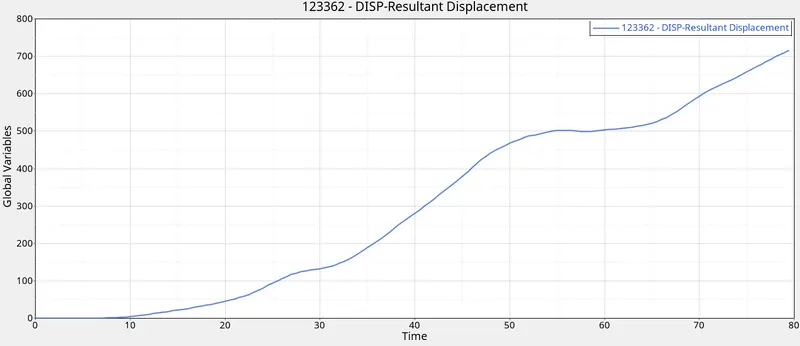
INTRUSIONS
PEAK VELOCITY
CONCLUSION:
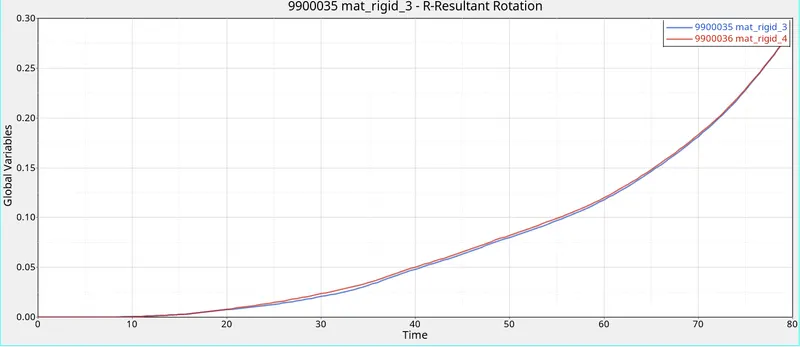
The given model was simulated for the frontal crash using Radioss and the results obtained were validated. The graphical results were plotted for all the test cases