Assignment 4-RADIOSS Material Laws Challenge
Report on Assignment 4-RADIOSS Material Laws Challenge
we follow the instruction as mention in all the cases then we proceed
1. The Total number of cycles, Energy error, mass error, and simulation time.
| Number of Cases | Total number of cycles | Energy error(%) | Mass error(dM/M) | Simulation time(sec) |
| 1 | 49380 | 0.8 | 0 | 49.77 |
| 2 | 49217 | 4.1 | 0 | 75.54 |
| 3 | 49408 | 0.8 | 0 | 49.34 |
| 4 | 48737 | 3.0 | 0 | 49.92 |
| 5 | 47969 | 1.3 | 0 | 45.67 |
| 6 | 53144 | -1.8 | 0 | 50.74 |
| 7(1) | 41113 | -7.1 | 0 | 42.29 |
| 7(2) | 49508 | 0.8 | 0 | 53.49 |
Note :- case 7 has two part, 7(1) one is without implimentation of recommended shell properties, 7(2) is with implimentation of recommended shell properties,
In above 7 cases there is no mass error , as we have applied different material card and recommended shell properties, In case 2 ERR is increases as compared to case -1,In case-3 ERR is remains same as compared to case -1,
2. Notice the animation of all 5 and describe the animations in brief based on whether the elements are being deleted or cracked
| Number of Cases | Failure of Elements | Remarks and Comparisions |
| 1) Law2_epsmax_failure | 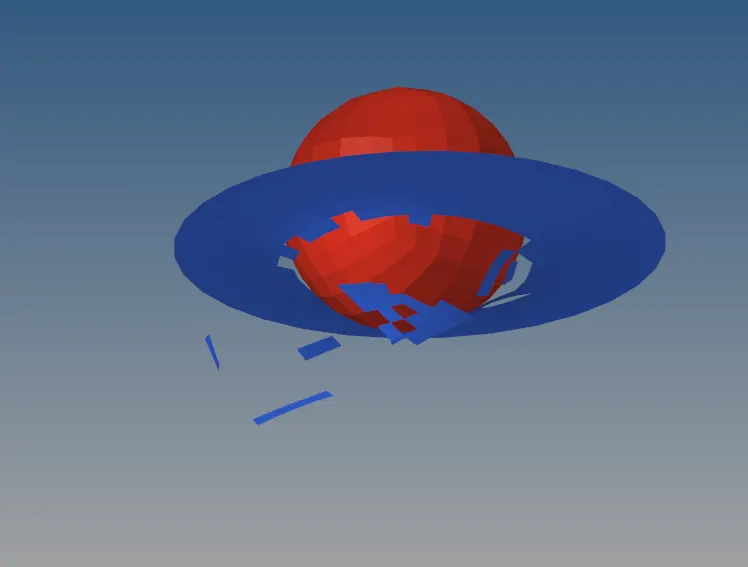 |
Here Elements are getting deteled after failure because here Ixfem value is 0 |
| 2) Law2_epsmax_crack. | 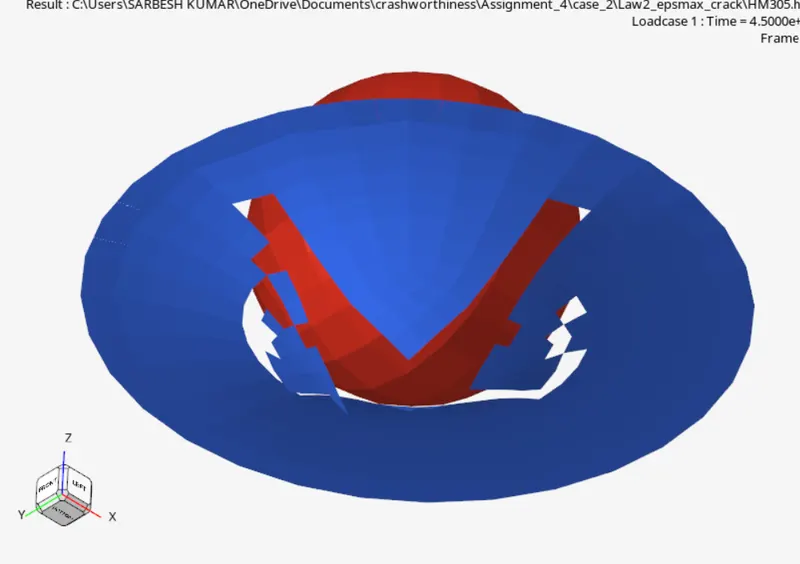 |
Here Crack is propogated and element is not deleted here Ixfem value set as 1 , it means it will not delete the element after failure and that's why it will break after crack propogation |
| 3) Law2_epsmax_nofail | 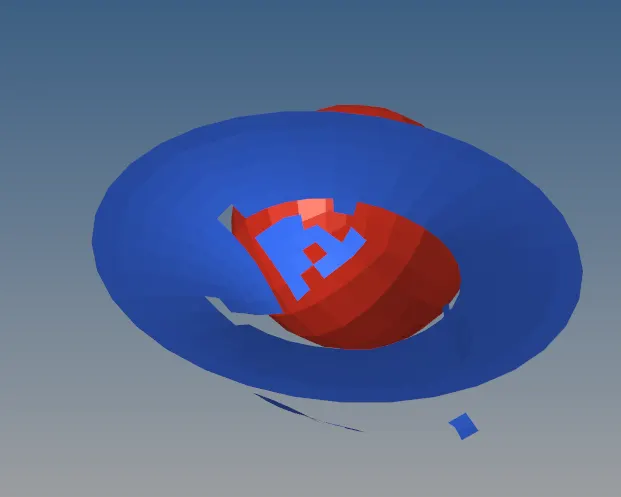 |
Here we performing the simulation by removing the fail_Johnson failure card, the elemental failure, Hence element failure can't be observed, it will not detect criteria for failure of element without fail johnson card and in the only presence of EPS_p_max it might give unreal result for strains |
| 4) Law2_epsmax_nofail | 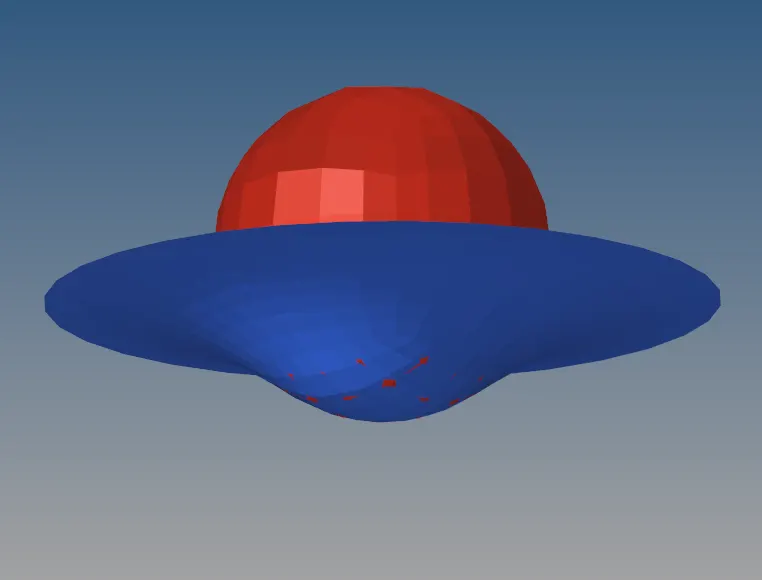 |
Here we performing the simulation by removing the fail_Johnson and failure plastic strain (EPS_p_max) , Here Eps_max is plastic strain at failure, failure happen when 1 integration point reach Eps_max. sometime it give unrealastic result at some instance hence we are using fail johnson card to get more control hence if we remove both the cards we can detect the failing element and their reasons |
| 5) material card to Law 1 | 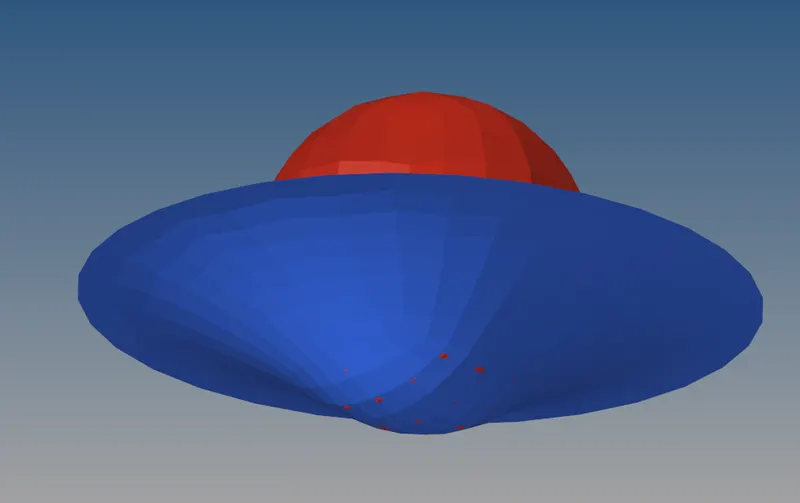 |
Since we had used Law_1 material card, it is linear elastic which follow hook's law , and we can see that the elements are neither deleted nor cracked because after impact it regain it origional shape |
| 6) law 36 material card | 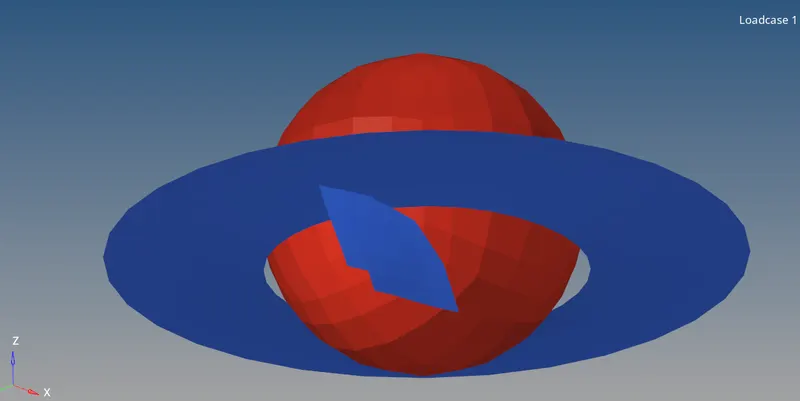 |
Law_36 helps in modelling isotropic linear elasto-plastic using user defined function for work hardening portion of the stress-strain curve for different strain rates This Material law is available for both brick and shell element Law_36 have 4 damage and rupture parameter
So here we can observe that elements are getting deleted |
|
7(1) law 27 material card without Recommended shell properties |
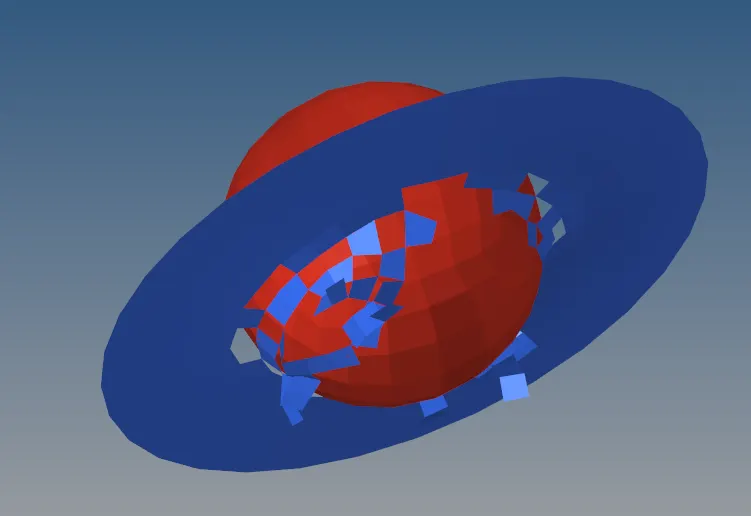 |
|
|
7(2) law 27 material card with Recommended shell properties |
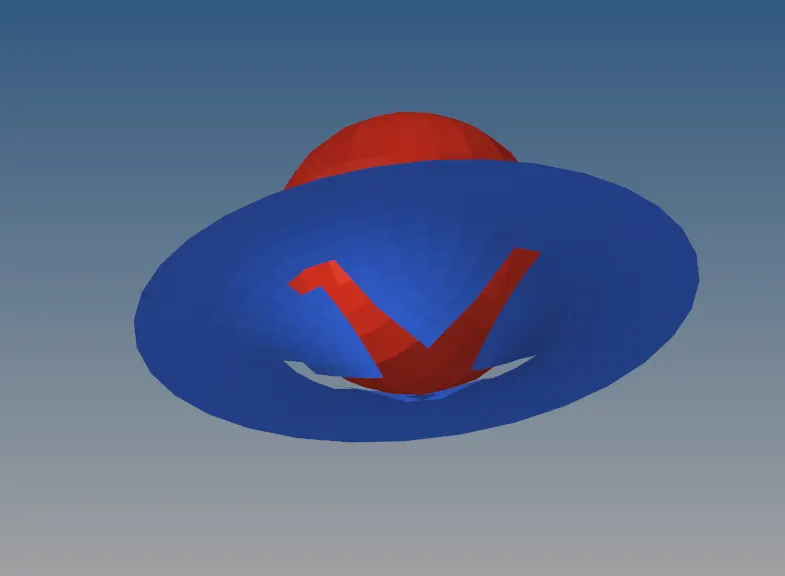 |
Here the Materials are not deleted due to implimentation of recomended shell properties
|
3. Plot energies and notice any difference.
| Number of Cases =>` | 1) Law2_epsmax_failure | 2) Law2_epsmax_crack. |
3) Law2_epsmax_nofail Deletion of only fail johnson card |
4) Law2_epsmax_nofail Deletion of both Eps_max and fail johnson card |
5) material card to Law 1 | 6) law 36 material card |
7(1) law 27 material card without Recommended shell properties |
7(2) law 27 material card with Recommended shell properties |
Remarks |
| Internal Energy | 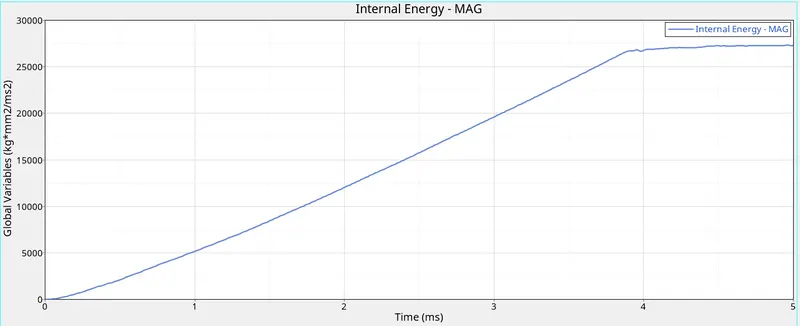 |
 |
 |
 |
 |
 |
 |
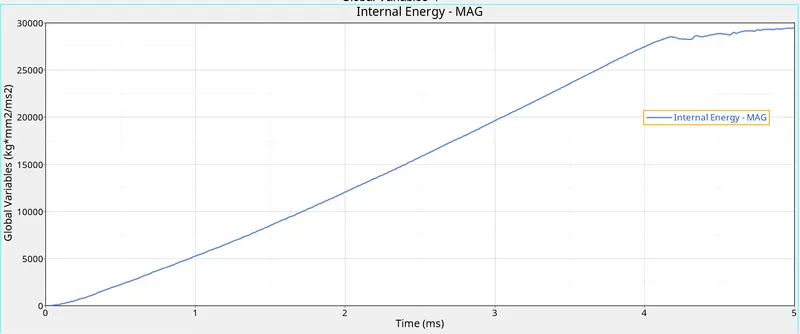 |
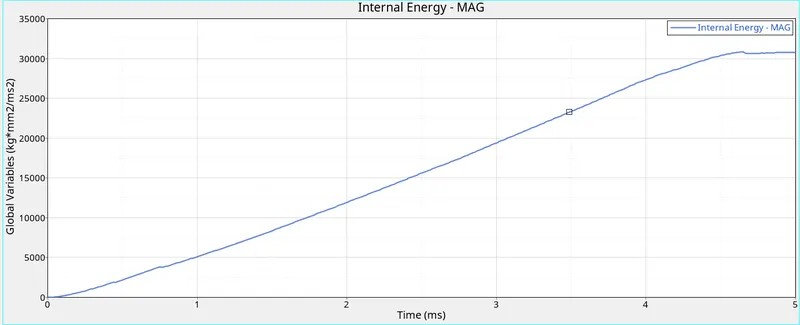
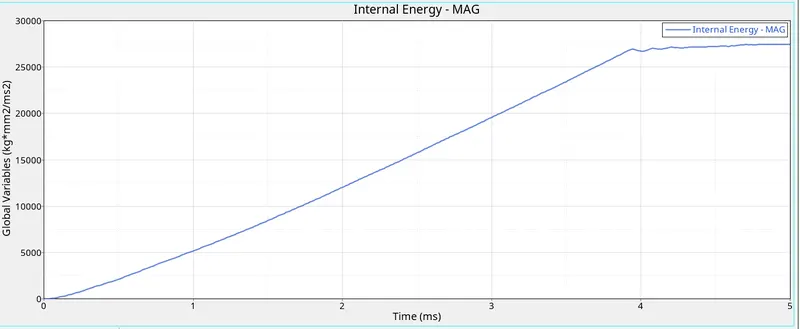
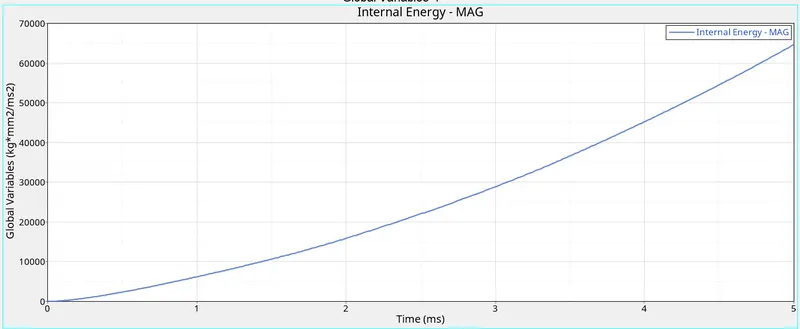
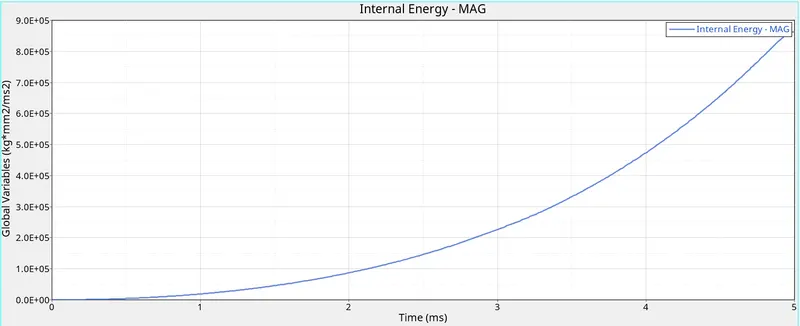
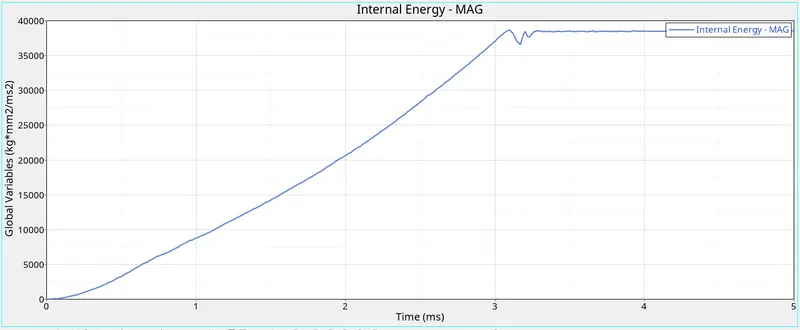
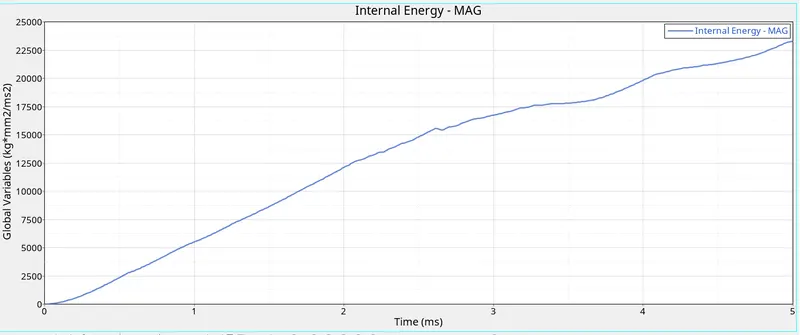
Here case-1,2,3,6,7(2) has almost same trend but in rest of the cases internal energy variation is changes due shell formulation and material property changes |
| Kinetic Energy | 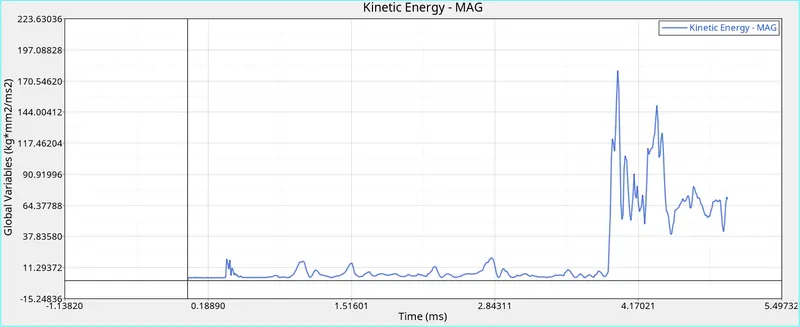 |
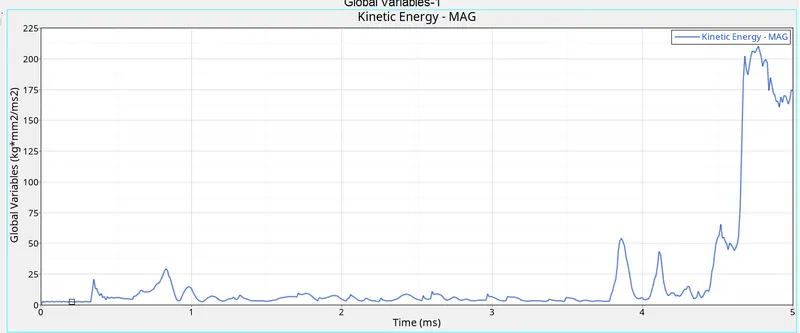 |
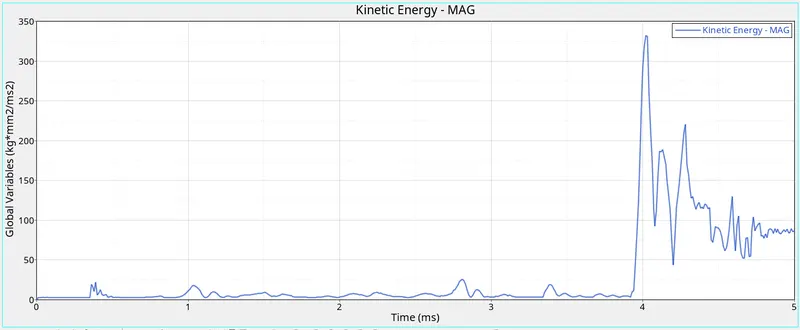 |
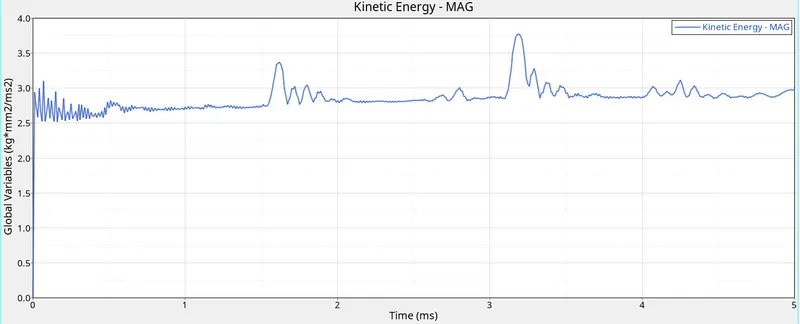 |
 |
 |
 |
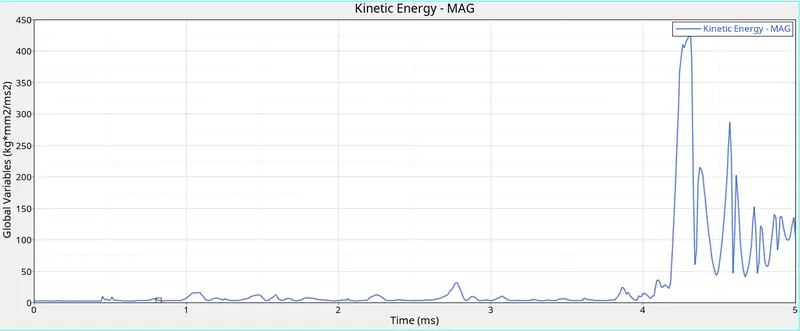 |
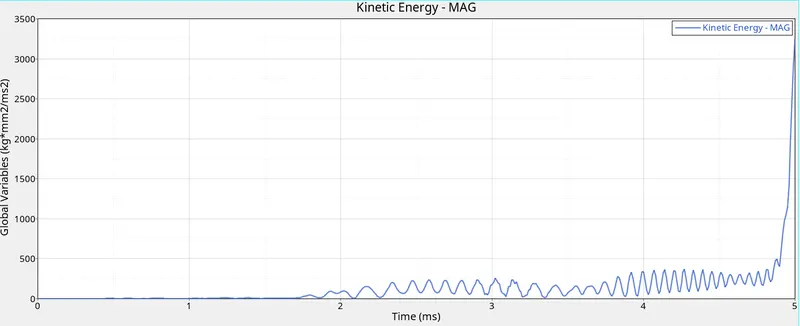
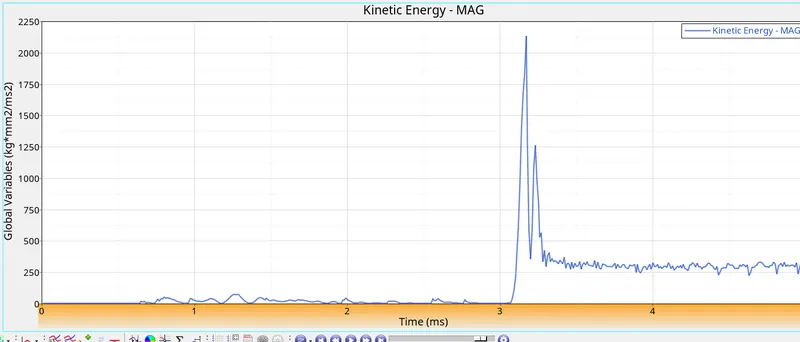
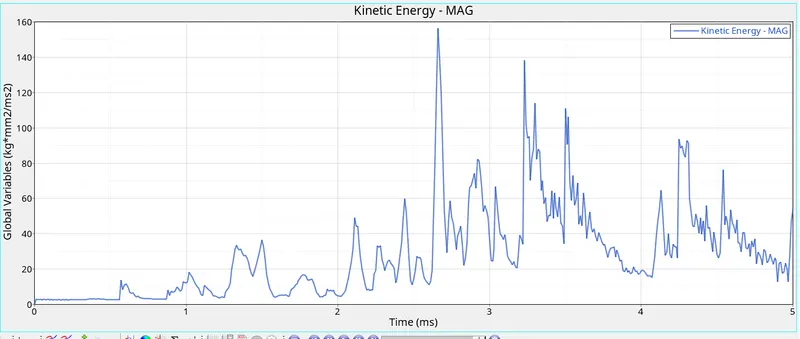
In case 1,2,3,5,6,7(2) K.E chages is almost same first it is vary slowly and after some time is it shoot up that means after impact whatever the total energy its maximum part is shared in K.E in case 7(1) K.E chages is most abruptly because absent recomended shell property |
| Contact Energy | 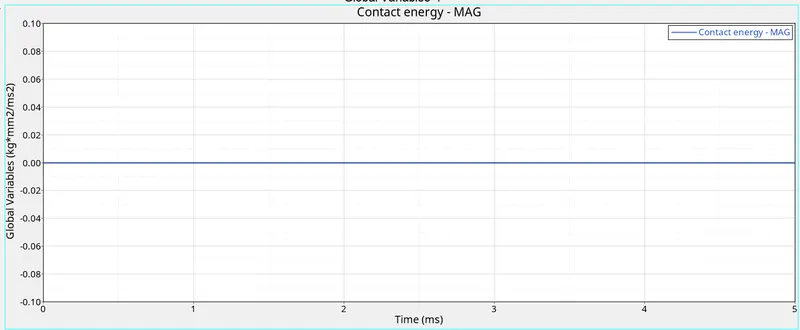 |
 |
 |
 |
 |
 |
 |
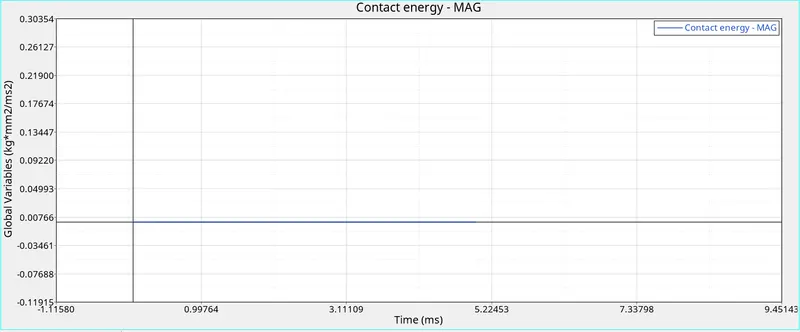 |
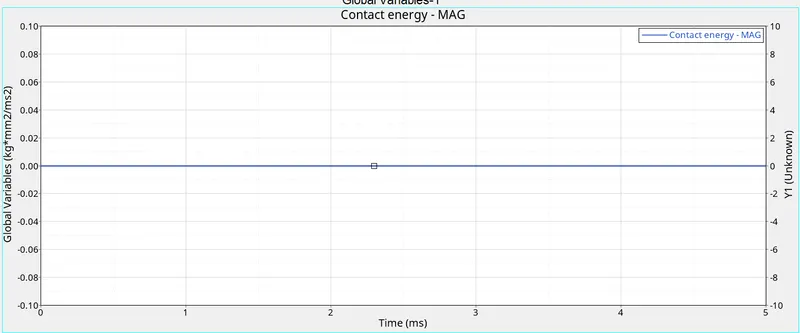
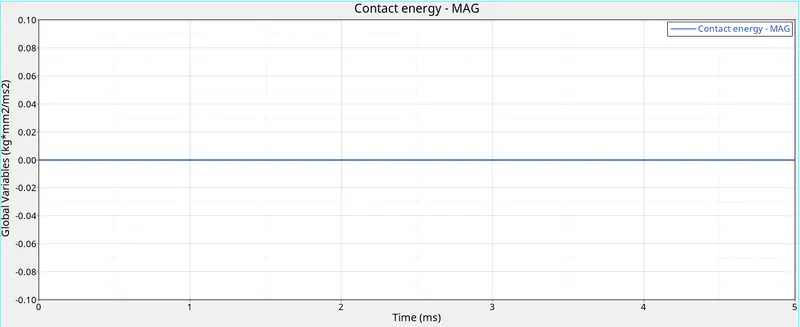
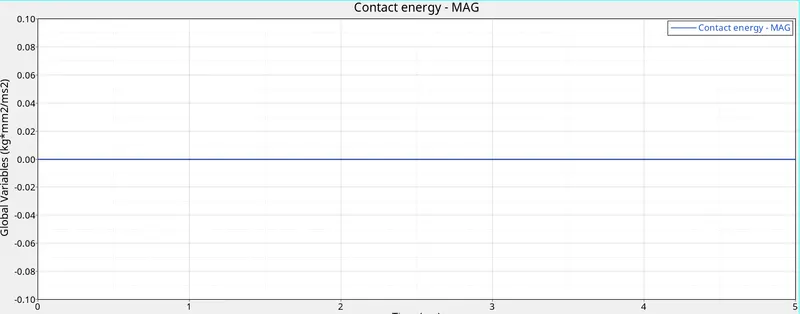
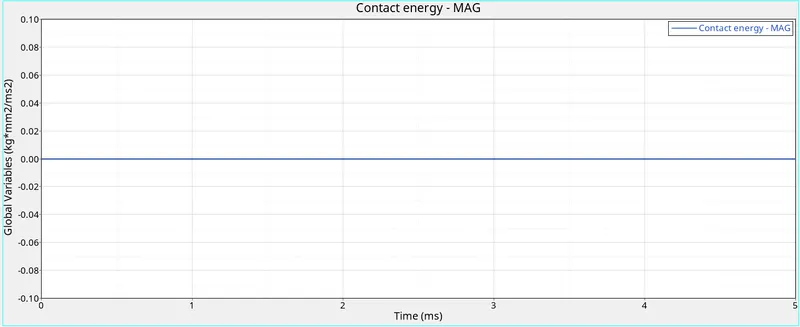
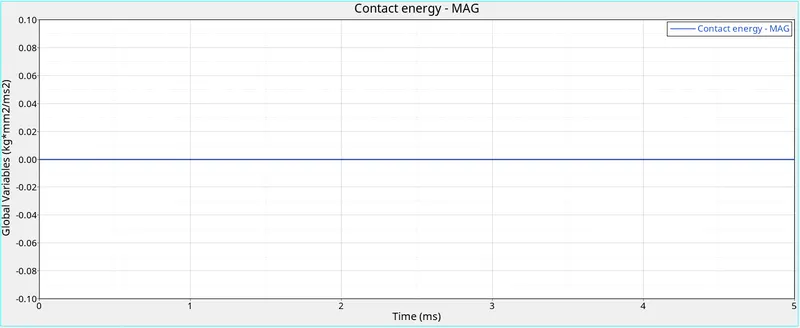
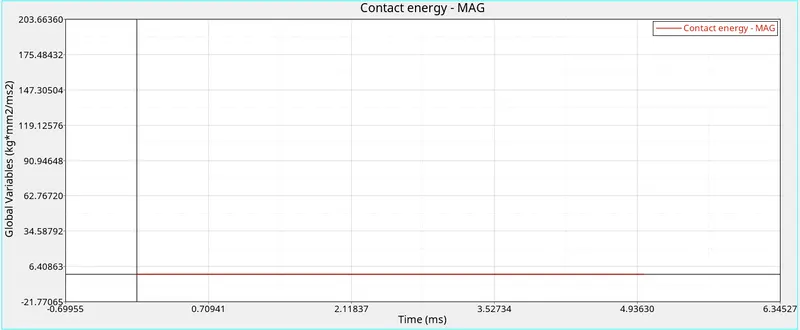
Contact Energy is zero in all the cases |
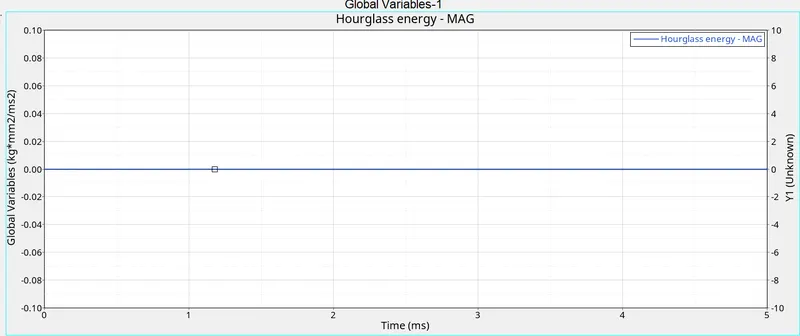
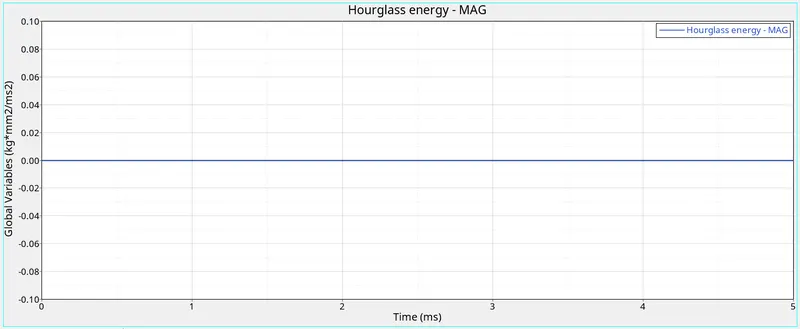
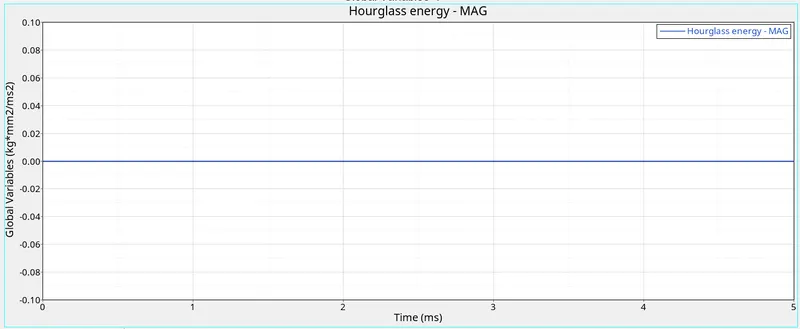
| Hourglass Energy | 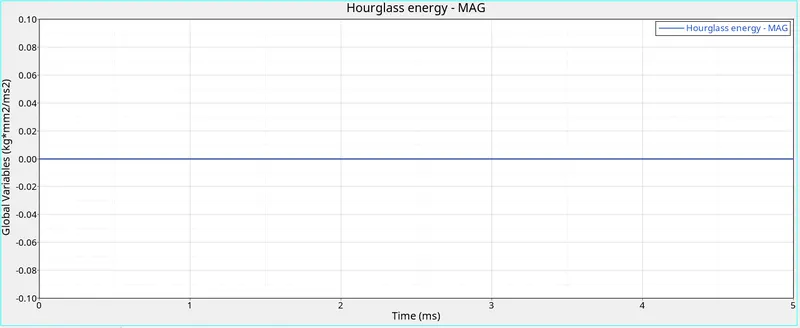 |
 |
 |
 |
 |
 |
 |
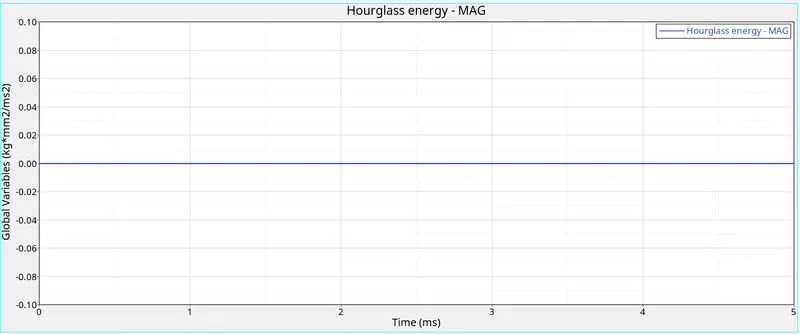 |
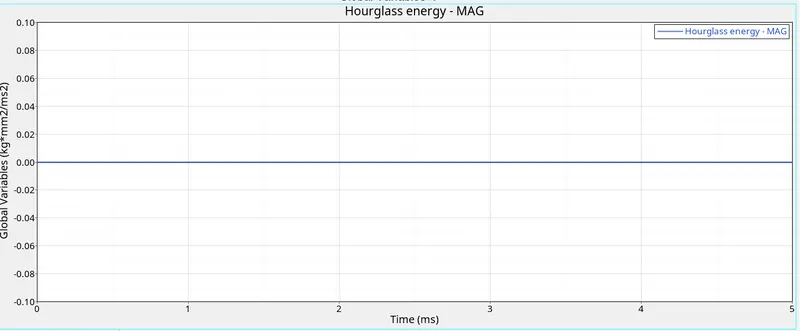
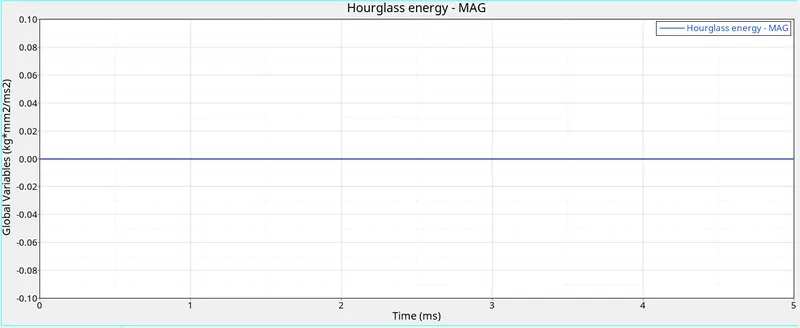
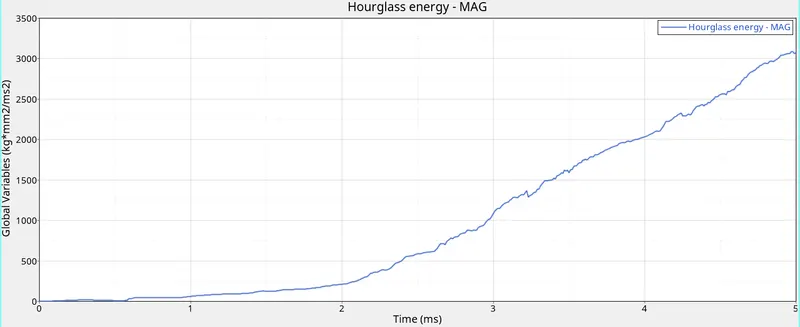
Here alsoHourglass Energy is zero in all the cases except case-7(1) due to absent recomended shell property |
| Total Energy | 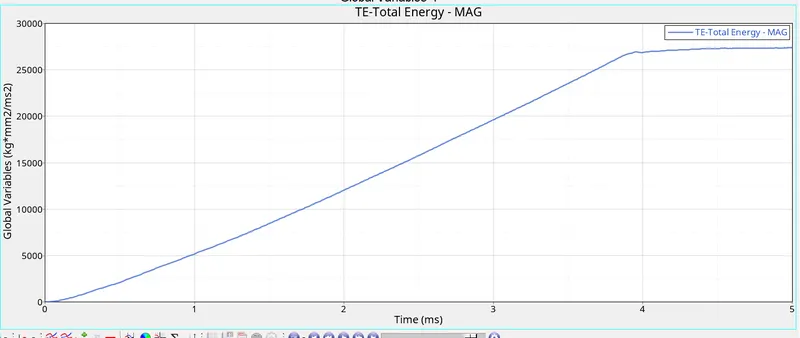 |
 |
 |
 |
 |
 |
 |
 |
|
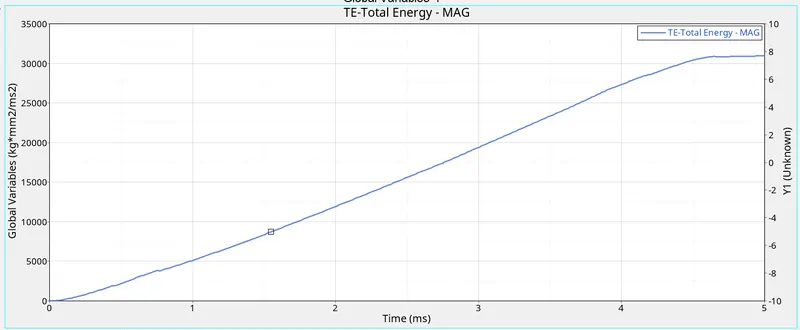
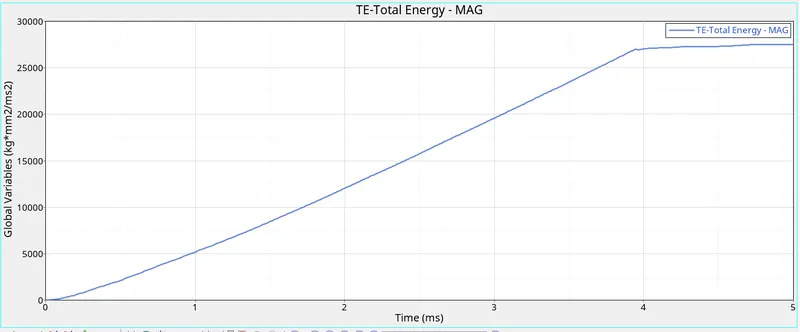
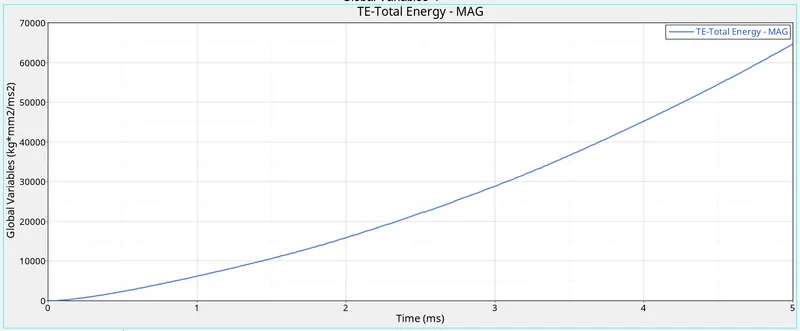
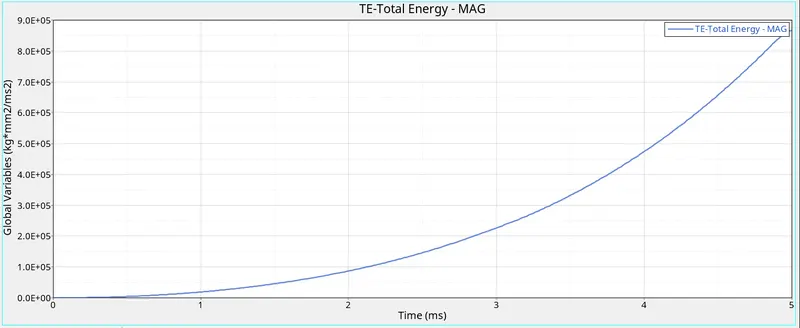
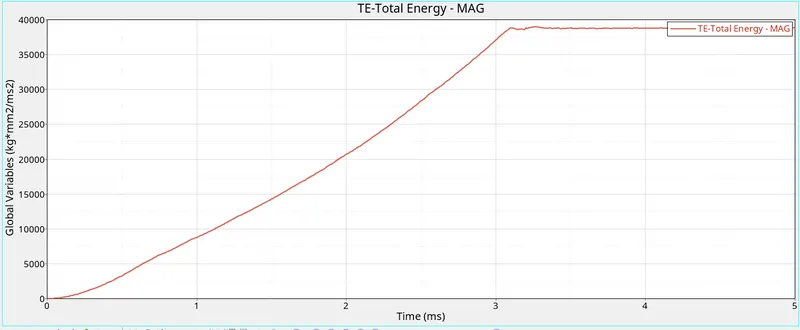
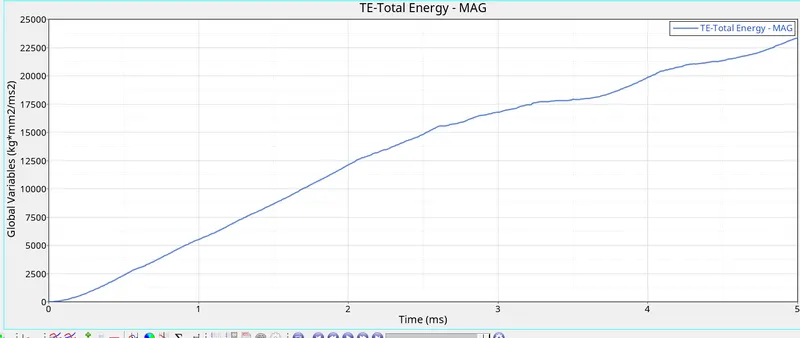
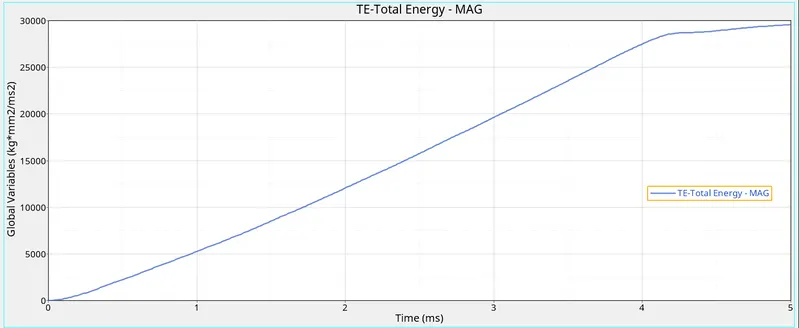
So in plotting graph of different energies for different cases we can make a conclusion that whatever the Total energy it is shared in internal energy and Kinetic energy (contact and hourglass energy is zero in most of the cases) i.e T.E=Internal.Energy+K.E
for stability condition T.E remains constant