Assignment 3-2D Element Formulation Challenge
Aim: To compare the results with base simulation and improve shell element properties.
Case 1: Setup and Procedure of Base Simulation
- Import the engine file into the Radioss block 120
- Change the Run time from 60ms to 55ms
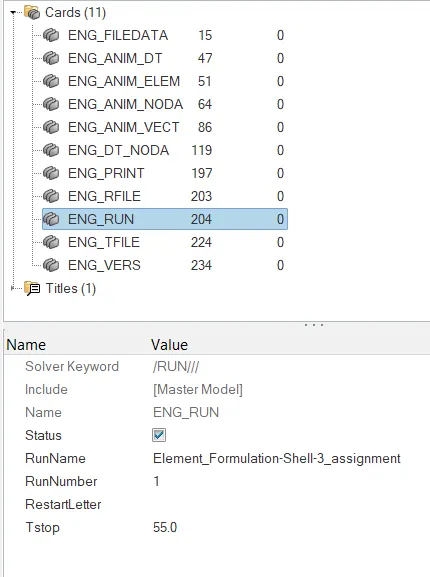
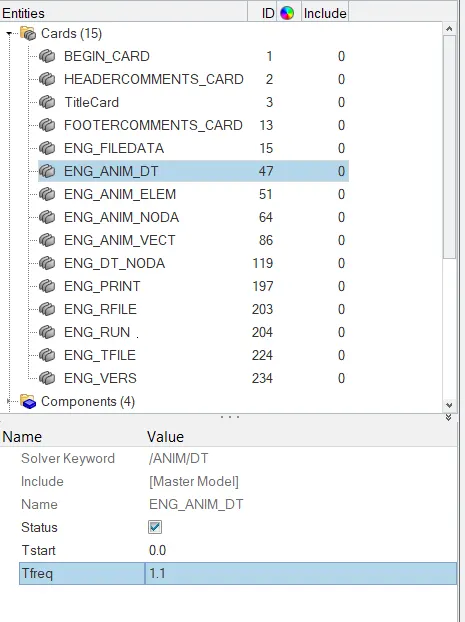
3. Changing the animation steps to 50 so the Tfreq value changes to 1.1ms.
4. Select the input file location for running Radioss.

5. Wait for the creation of the animation files and the job done status.
6. In this case, energy error is within the limit of 15%, hence it can proceed for evaluation of results.
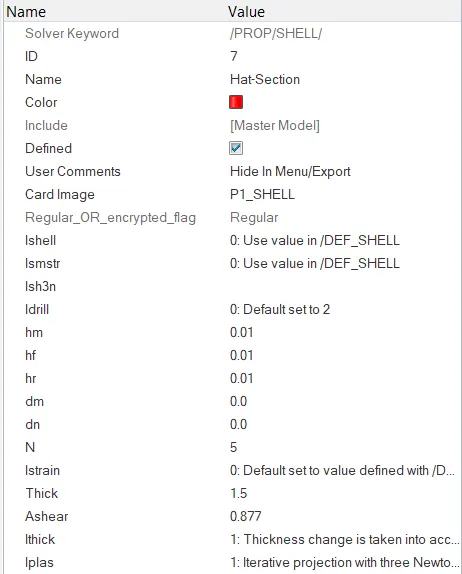

Case 2: Setup and Procedure of Improved shell element properties
1. Correctly select the input file location for running Radioss.
2. In this case, the property parameters are used for more realistic and accurate results by preventing hourglass errors from occurring in these shell elements.
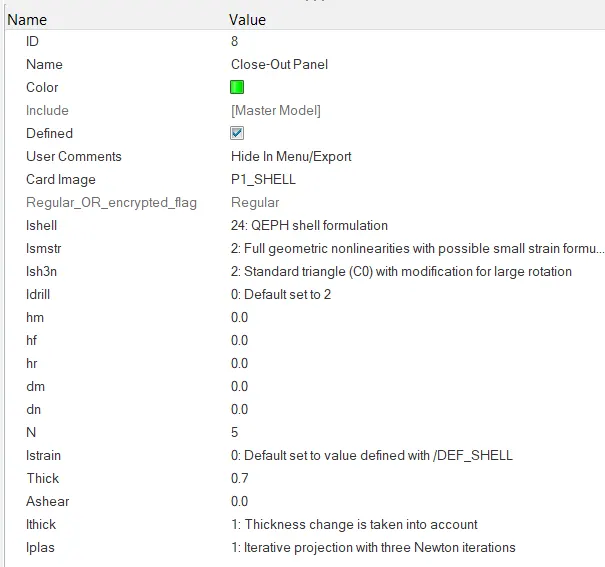
3. I shell 24 is used because it prevents adding artificial stiffness to material even before hourglass occurs.
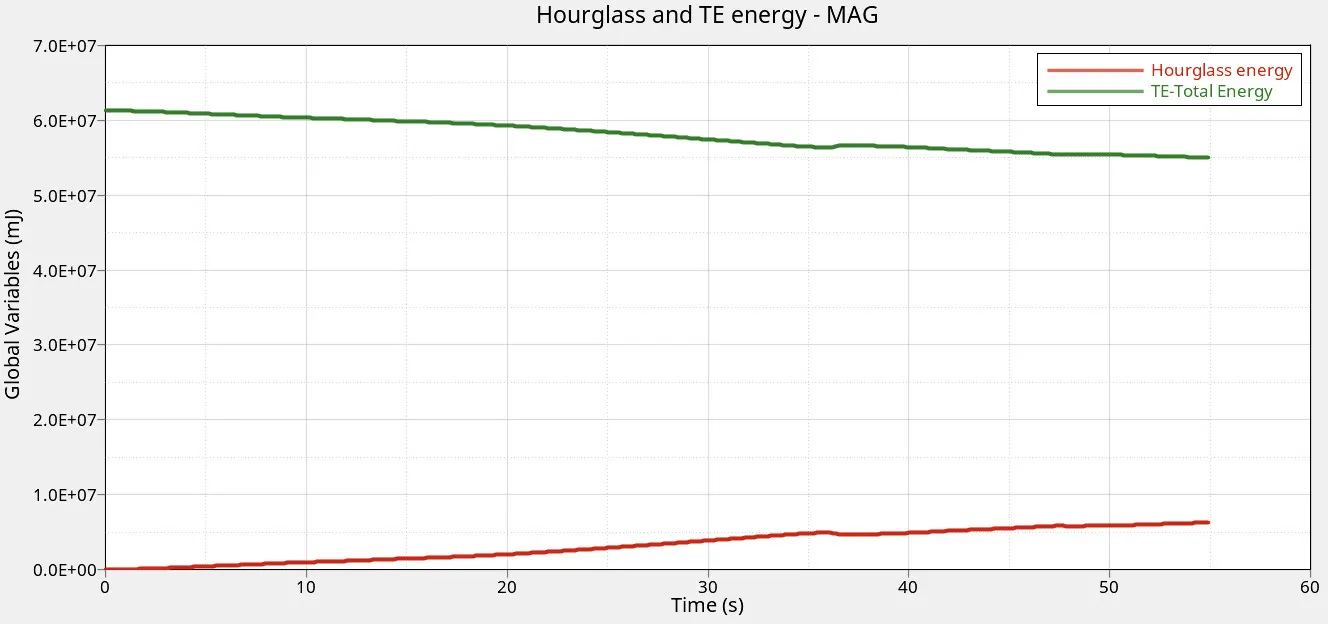
4. Hourglass occurs when the elements are reduced integration, this can be seen more in case 1, where no improvement parameters were not used.
5. Here by using these parameters to tackle changes in thickness, and plastic deformation more accurate results can be obtained.

6. In this case, energy error is almost 0%, which shows that this case which improved shell parameters are more accurate.
Comparison of the Plots:
Case 1
Case 2
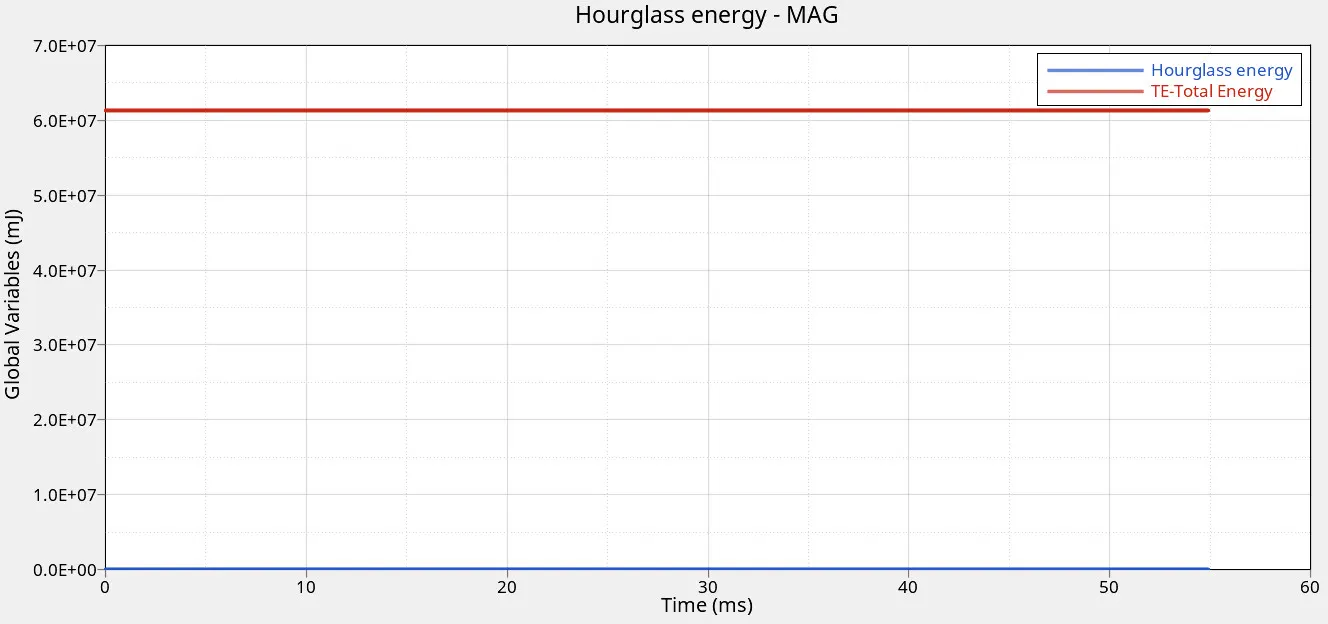
We can observe that Hourglass energy between the two systems, in case 2 is almost zero, and the TE almost remains linear.
Case 1 and Case 2
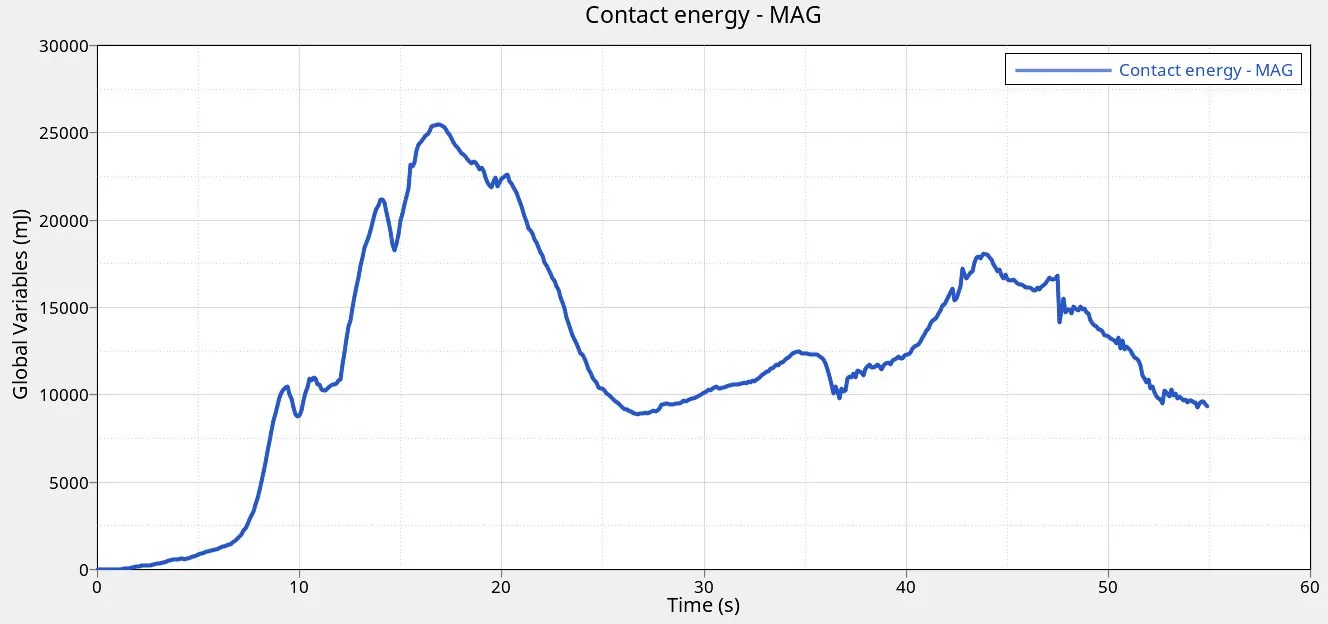
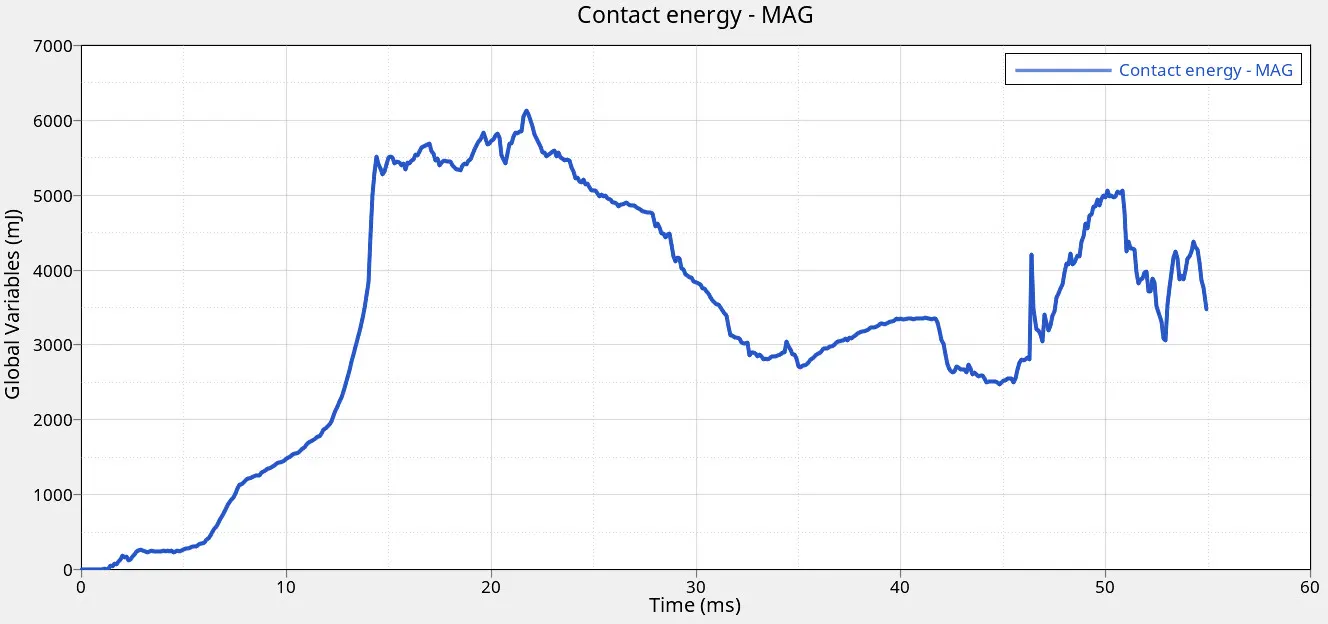
The contact energy of case 1 is almost 4 times that of case 2 (with improved properties). Case 2 is much close to actual results than case 1. (realistic energy)
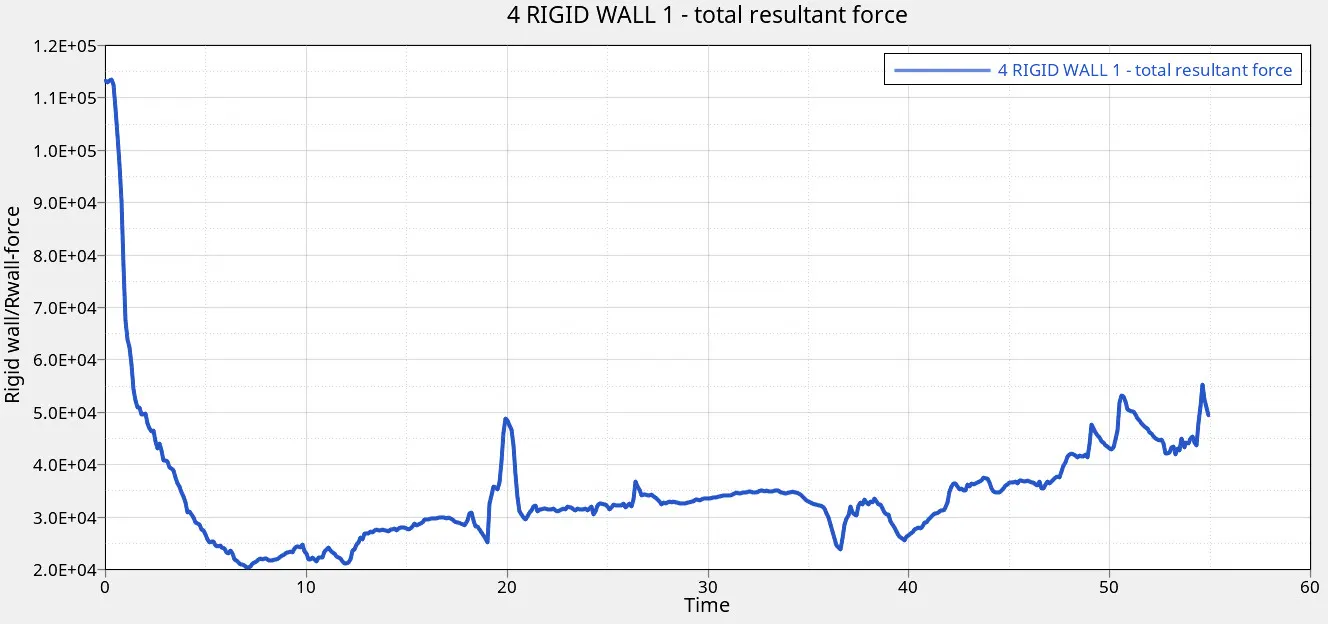
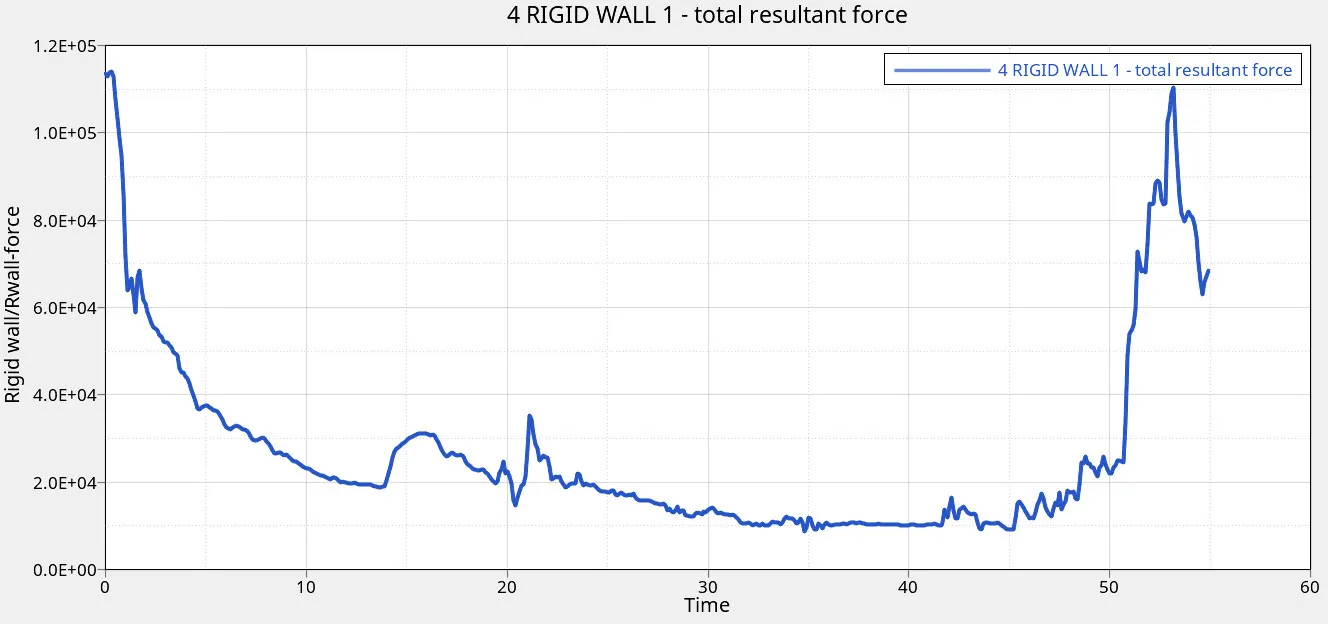
The initial reaction forces are almost similar in both cases but the final peak is not sensed by case 1 due to the hourglass energy(Solver is not able to measure the changes in deformation when though the elements deform) as it increased during the final ms.
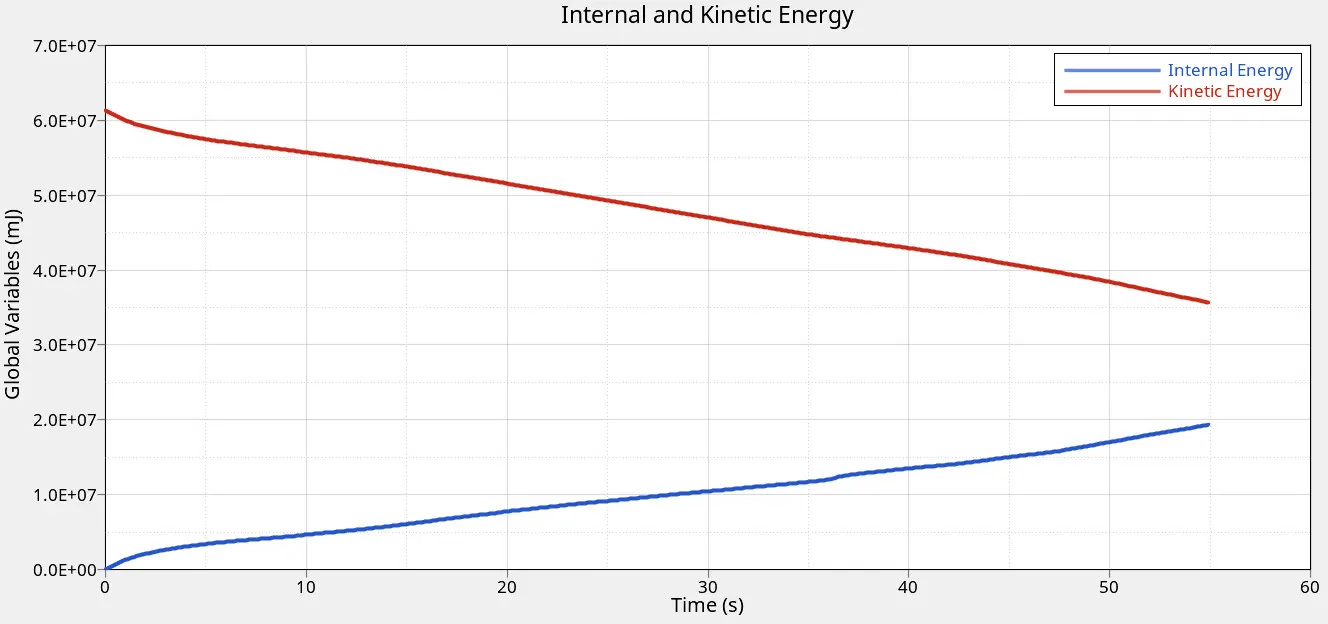
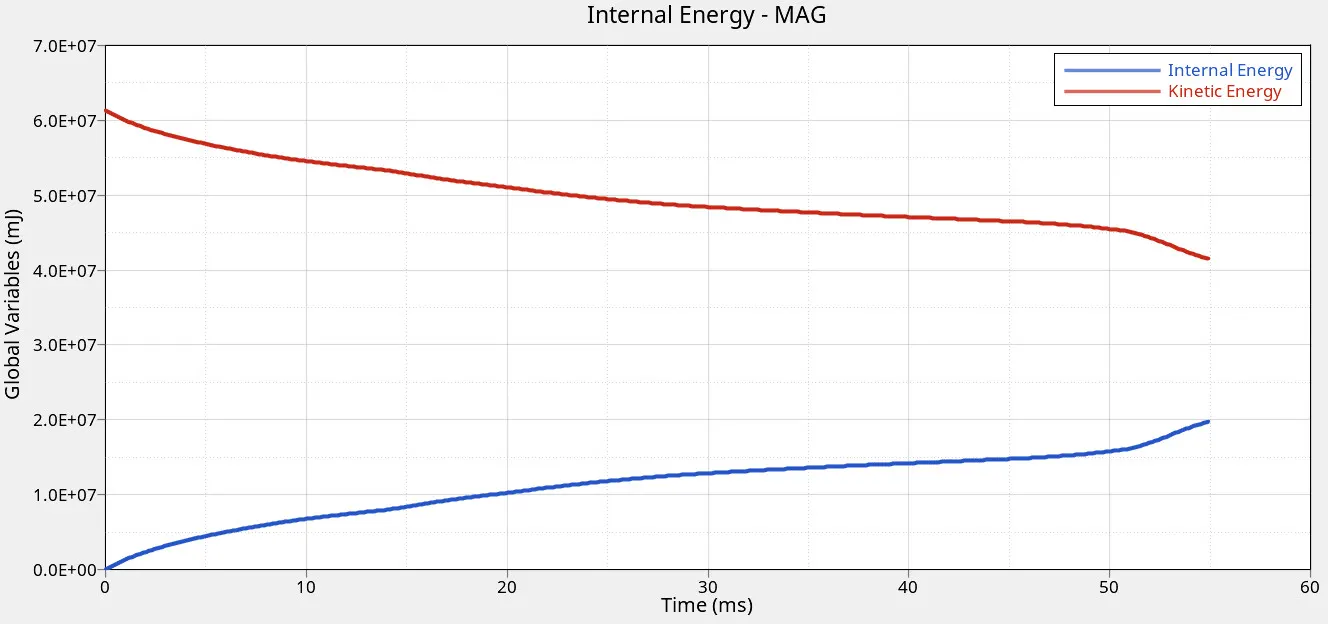
Internal and KE plots of cases 1 and 2. It can be observed that Internal energy is almost similar in both cases.
Results:
Hourglass phenomenon ( elements deform excessively unnatural into hourglass kind of shapes)
- It happens when reduced integration points are used for analysis
- Increasing integration points will solve the hourglass issue or using improved
- The solver is not able to measure the changes in deformation (strains) when the elements deform, so increasing the integration points will solve the issue.
- Manual inspection of the hourglass by using a hypergraph 2d plot is required. Hourglass energy error should be close to 5% of internal energy or close to zero.
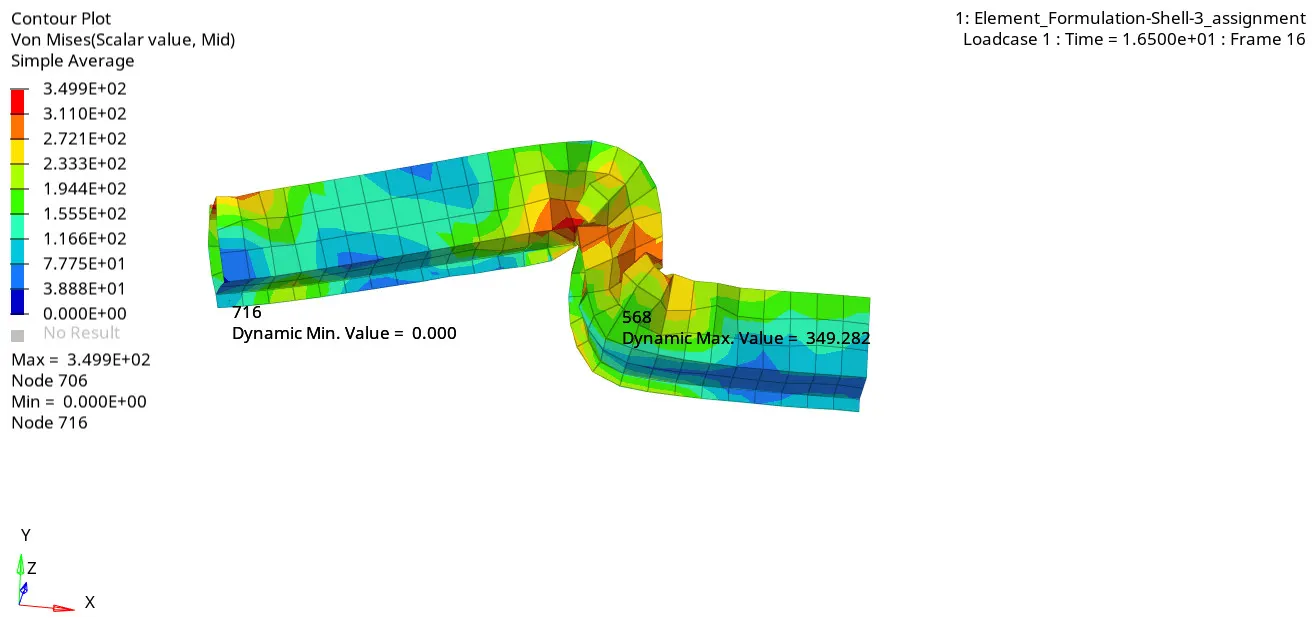
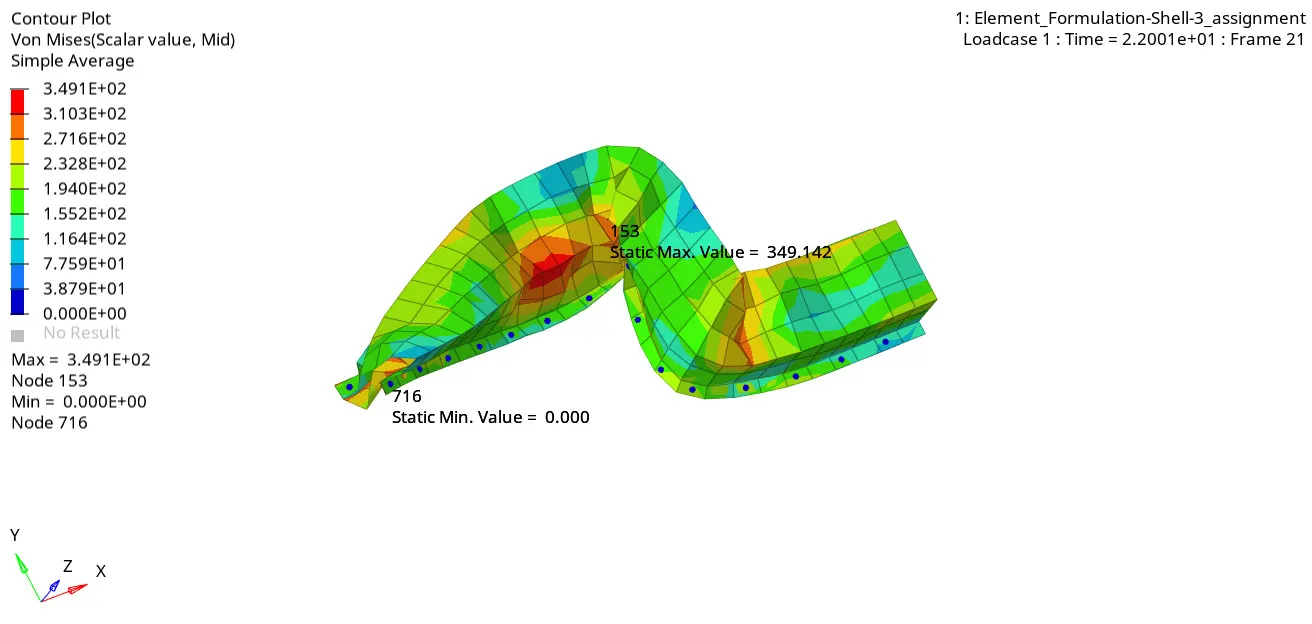
From the above, it is concluded that case 2 is a better accurate analysis than case 1.