Analysis & Design of RCC shear walls in the model using ETABS
INTRODUCTION:
In Structural engineering,a Shear wall is a Vertical element of a system that is designed to resist in-plane lateral forces, typically wind and seismic loads. In many jurisdictions, the International Building Code and govern the design of shear walls.
A shear wall resists loads parallel to the plane of the wall. Collectors, also known as deag members, transfer the diaphragmshear to shear walls and other vertical elements of the seismic force resisting system. Shear walls are typically light-framed or braced woodenwalls with shear panels, reinforced concrete walls, reinforced masonry walls, or steel plates.
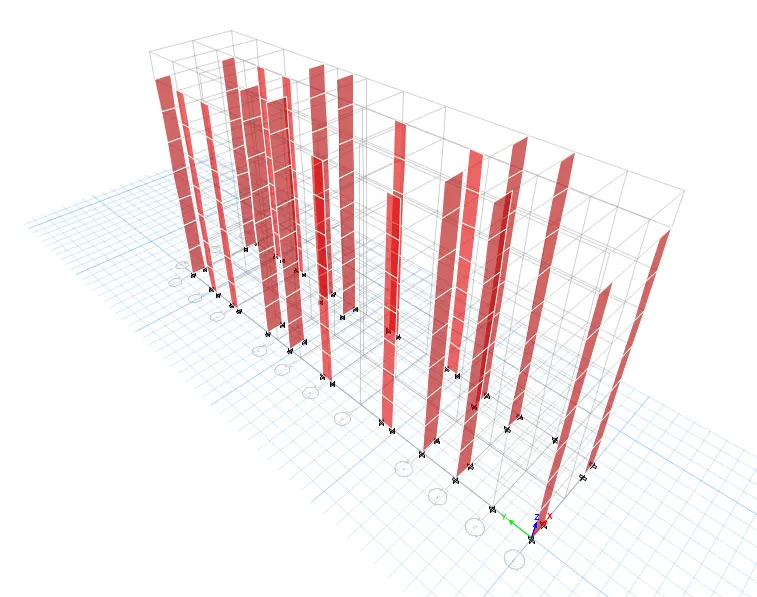


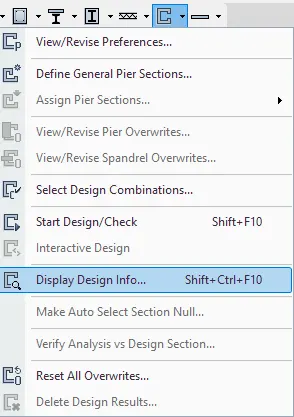
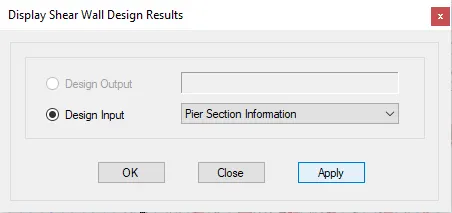
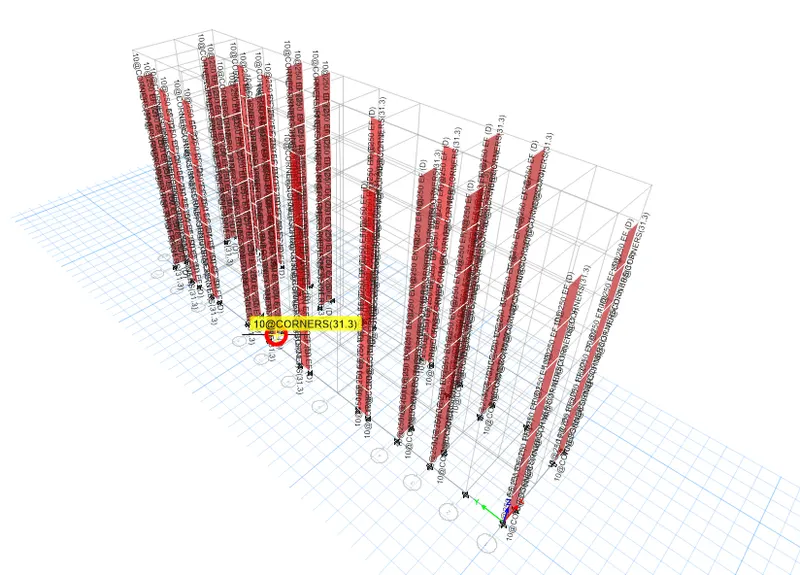
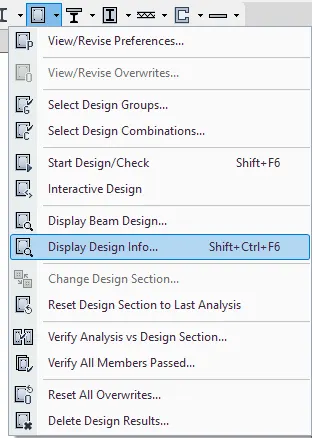
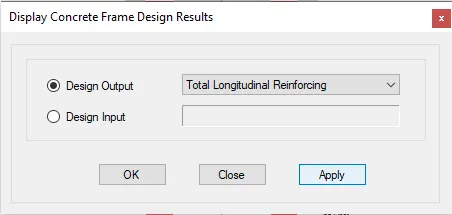
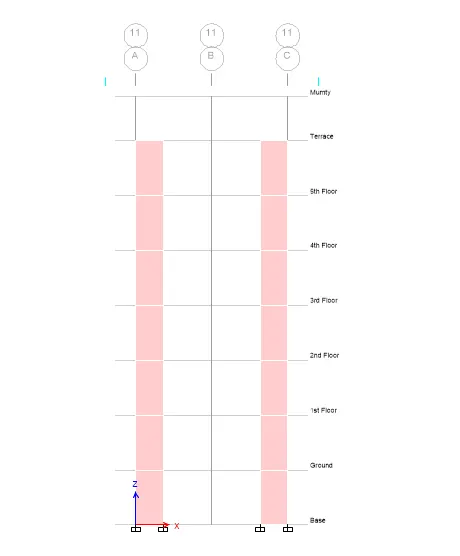
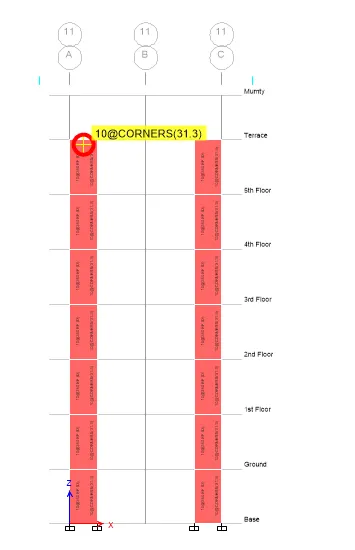
Calculation:
As per,13920-2016
a)Classification of shear wall as per IS 13920-2016
Total height of the wall h=21000 & length of the wall 1500
h/L =14>2
The given wall is slender.
b) minimum net vertical reinforcement as per IS 13920–2016 table-1
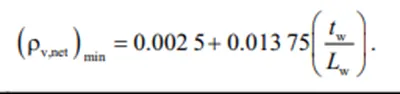
= 0.0025 + 0.01375 (300/1500)
= 0.00525 of wall cross section
= 0.00525 x 1500 x 300 = 2362 mm^2
c) minimum horizontal reinforcement as per IS 13920– 2016 table 1
= 0.0025 + 0.5 (21/15 – 2) x 0
= 0.0025 which is the same 750mm^2/m
d) minimum vertical reinforcement in boundary limit
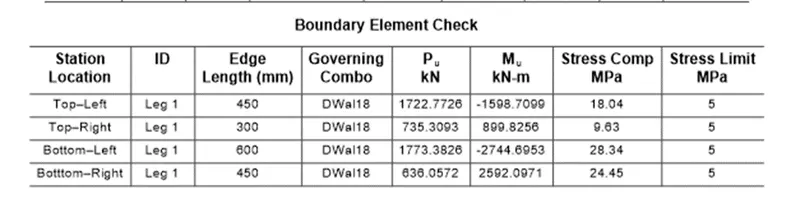
left 600mm width boundary element = 1440 mm^2
right 450mm width boundary element = 1080 mm^2
e): confining reinforcement spacing for the boundary element as per IS 13920–2016
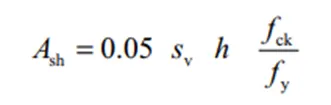
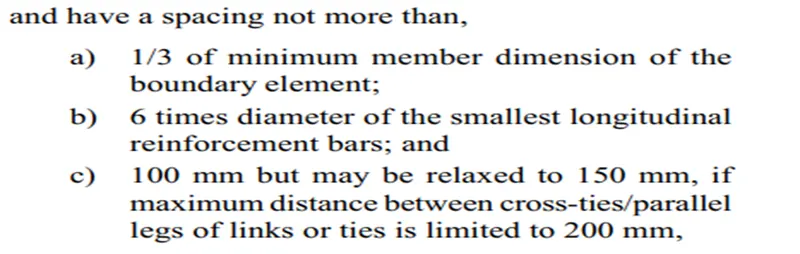
1/3 minimum rebar member dimension = 300/3 = 100mm
6 time smallest main bar 6x25 = 150mm
Max reinforcement of confining reinforcement in boundary element are 150mm
Sv = 150mm , h = 1000mm
Ash = 452mm^2
RESULT:
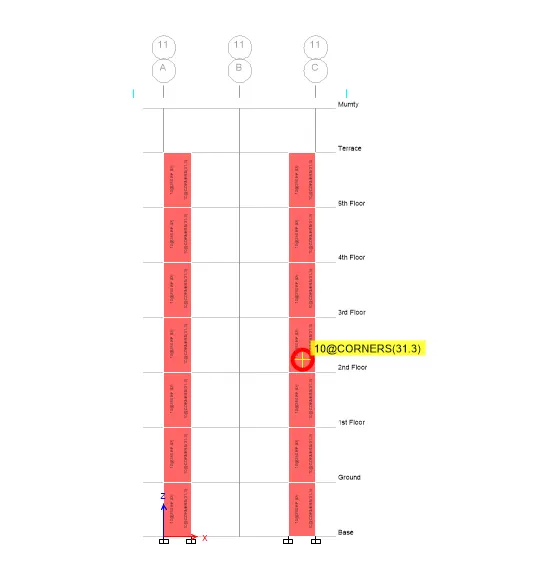
Sv = 150mm,h = 1000mm.
Ash = 452mm^2