Wiring harness routing & packaging Rules Week 3 Challenge
REPORT WRITING:
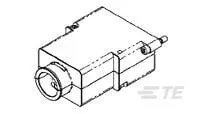
Tyco 1738312-1:
To write a report on Tyco 1738312-1, you will need to gather information about the product and its features, specifications, and any relevant details. As an AI language model, I don't have access to real-time data or specific information on Tyco products beyond my knowledge cutoff in September 2021. However, I can provide you with a general outline and some guidelines to help you structure your report. Please note that you should update the information based on the latest available data.
Here's an outline you can follow for your report:
-
Introduction
- Provide an overview of Tyco 1738312-1, including its product category and its significance in the market.
-
Product Description
- Describe the product in detail, including its purpose, design, and intended use.
- Highlight the key features and functionalities that set Tyco 1738312-1 apart from similar products.
- Discuss any unique selling points or advantages that make it a desirable option for customers.
-
Specifications
- Present the technical specifications of Tyco 1738312-1, such as dimensions, weight, materials used, and any relevant industry standards it complies with.
- Include information about its power requirements, operating conditions, and compatibility with other equipment or systems.
-
Applications
- Discuss the various applications or industries where Tyco 1738312-1 is commonly used.
- Provide examples or case studies that demonstrate how this product has been successfully implemented in real-world scenarios.
- Highlight any specific benefits or advantages it offers to different applications.
-
Market Analysis
- Explore the market landscape for products similar to Tyco 1738312-1.
- Analyze the competitive landscape, including key competitors, market share, and pricing strategies.
- Discuss market trends, customer demands, and potential growth opportunities for this product.
-
Performance and Reliability
- Evaluate the performance and reliability of Tyco 1738312-1 based on available data, customer reviews, and industry feedback.
- Discuss any certifications or quality standards that the product meets or exceeds.
- Highlight any maintenance requirements or considerations for optimal performance.
-
Conclusion
- Summarize the key points discussed in the report.
- Provide an overall assessment of Tyco 1738312-1, its strengths, and its potential impact in the market.
- Mention any future developments or enhancements that could further improve the product.
-
References
- Include a list of sources, such as websites, research papers, and industry reports, used to gather information for the report.
Remember to tailor the report to your specific needs and audience. Use clear and concise language, provide supporting evidence for your statements, and ensure that the report is well-structured and organized.
DEFINE PRODUCTIVE COVERINGS:
Productive coverings typically refer to materials or structures used to enhance efficiency, output, or protection in various applications. The term "productive" implies that these coverings contribute positively to the overall performance or functionality of the object or area they are applied to. Here are a few examples of productive coverings in different contexts:
-
Agricultural Coverings: In agriculture, productive coverings can include materials like greenhouse films or shade cloths that create a controlled environment for plants. These coverings help regulate temperature, humidity, and light exposure, promoting optimal plant growth and protecting crops from adverse weather conditions or pests.
-
Industrial Coverings: Industries may employ productive coverings such as heat-resistant coatings or insulating materials to improve energy efficiency, protect equipment from extreme temperatures, or reduce noise levels. These coverings enhance productivity, prevent heat loss, and ensure a safer working environment.
-
Building Envelopes: In the construction field, productive coverings refer to elements like insulation, vapor barriers, or weatherproof membranes that optimize energy efficiency and provide protection against external elements. These coverings help regulate temperature, reduce energy consumption, and maintain indoor comfort.
-
Protective Gear: Productive coverings can also pertain to personal protective equipment (PPE) used in various industries or activities. Examples include safety helmets, gloves, masks, or protective clothing designed to shield individuals from hazards, thereby ensuring their productivity and safety while working.
Overall, productive coverings encompass a wide range of materials and applications that enhance performance, efficiency, and protection in various domains.
REPORT WRITING:
-
Introduction: The wiring harness serves as a vital component in our [product name] as it provides the necessary electrical connections between various components. Its main function is to transmit electrical power and signals efficiently and reliably.
-
Specifications: The wiring harness in our [product name] adheres to the following specifications:
- Wire type: [specify wire type]
- Wire gauge: [specify wire gauge]
- Insulation material: [specify insulation material]
- Connectors: [specify connector type]
- Length: [specify harness length]
- Voltage rating: [specify voltage rating]
- Current carrying capacity: [specify current carrying capacity]
- Environmental considerations: [specify environmental resistance]
- Manufacturing Process: The manufacturing process of the wiring harness involves several stages, including:
- Wire cutting and stripping
- Crimping or soldering terminals
- Routing and bundling wires
- Applying protective sheathing or loom
- Quality control inspections at various stages
- Quality Control Measures: To ensure the quality and reliability of our wiring harness, we implement the following quality control measures:
- Regular inspection of raw materials and components
- In-process inspections during the manufacturing process
- Electrical testing to verify continuity and insulation resistance
- Visual inspections for proper wire routing, bundling, and securing
- Compliance with industry standards and regulations
- Potential Improvements: While our current wiring harness meets the required specifications, we are continuously exploring opportunities for improvement. Some potential areas for enhancement include:
- Streamlining the manufacturing process for increased efficiency
- Implementing automated testing procedures to enhance quality control
- Exploring alternative materials to improve durability and environmental resistance
- Conducting research and development for future upgrades based on customer feedback and industry trends
- Conclusion: The wiring harness used in our [product name] plays a crucial role in ensuring the reliable and safe operation of the electrical system. We are committed to maintaining high-quality standards and continuously improving our products to meet customer expectations.
Should you have any further inquiries or require additional information, please do not hesitate to contact me. Thank you for your attention to this report.