I'd be happy to help you with a report on benchmarking. Benchmarking is the process of comparing and evaluating the performance of a system, process, or product against a defined standard or best practices. It helps organizations identify areas for improvement and learn from the successes and failures of others. Here's a structure you can use for your benchmarking report:
-
Executive Summary:
- Provide a brief overview of the benchmarking process.
- Summarize the key findings and recommendations.
-
Introduction:
- Explain the purpose and scope of the benchmarking project.
- Describe the criteria used to select benchmarking targets.
-
Methodology:
- Describe the research methods used to collect data.
- Explain the criteria for selecting benchmarking partners.
- Outline the data collection process, including interviews, surveys, or site visits.
- Discuss any limitations or challenges encountered during the benchmarking process.
-
Benchmarking Targets:
- Provide an overview of the systems, processes, or products benchmarked.
- Explain the importance of benchmarking these particular targets.
- Include relevant background information on each target.
-
Benchmarking Results:
- Present the key findings and performance metrics for each benchmarked target.
- Compare the performance of each target against the defined standards or best practices.
- Use charts, tables, or graphs to illustrate the results.
-
Analysis and Recommendations:
- Analyze the benchmarking results and identify areas of improvement or opportunities.
- Discuss the strengths and weaknesses of the benchmarked targets.
- Provide recommendations for implementing changes or adopting best practices.
- Prioritize the recommendations based on their potential impact and feasibility.
-
Implementation Plan:
- Outline a plan for implementing the recommended changes.
- Include timelines, responsible parties, and resource requirements.
- Discuss potential challenges and mitigation strategies.
-
Conclusion:
- Summarize the main findings and recommendations.
- Emphasize the value of benchmarking and its potential impact on the organization.
-
References:
- Cite any sources or references used during the benchmarking process.
-
Appendices:
- Include any additional supporting materials, such as survey questionnaires or interview transcripts.
Remember to tailor the report structure and content to your specific benchmarking project and the needs of your audience. Good luck with your report!
3.COMPARISION OF FOUR VEHICLES:
-
Tesla Model S:
- Type: Electric Sedan
- Price Range: $79,990 - $149,990
- Acceleration: 0-60 mph in 1.99 seconds (Plaid model)
- Range: Up to 412-520 miles (EPA estimated)
- Features: Cutting-edge technology, large touch screen, over-the-air updates, Autopilot capabilities.
-
BMW 5 Series:
- Type: Luxury Sedan
- Price Range: $54,200 - $76,800
- Acceleration: 0-60 mph in 4.3 seconds (M550i xDrive model)
- Fuel Efficiency: Up to 25-29 mpg (city/highway combined)
- Features: Elegant design, advanced safety features, comfortable interior, available hybrid option.
-
Toyota Camry:
- Type: Mid-size Sedan
- Price Range: $24,970 - $35,545
- Acceleration: 0-60 mph in 5.8 seconds (TRD model)
- Fuel Efficiency: Up to 28-41 mpg (city/highway combined)
- Features: Reliable reputation, spacious cabin, strong resale value, extensive standard safety features.
-
Ford F-150:
- Type: Full-size Pickup Truck
- Price Range: $30,635 - $75,945
- Acceleration: Varies by engine and configuration
- Fuel Efficiency: Up to 19-25 mpg (city/highway combined)
- Features: Best-selling truck in the US, powerful towing capacity, various engine options, modern interior, advanced technology features.
These vehicles vary in terms of their powertrain technology, price range, performance, fuel efficiency, and features. The Tesla Model S stands out for its all-electric powertrain and impressive acceleration, while the BMW 5 Series offers luxury features and a balance between performance and comfort. The Toyota Camry is known for its reliability, fuel efficiency, and value, while the Ford F-150 is a versatile and rugged pickup truck with strong towing capabilities. The choice ultimately depends on individual preferences, needs, and budget.
4.CONCLUSION:
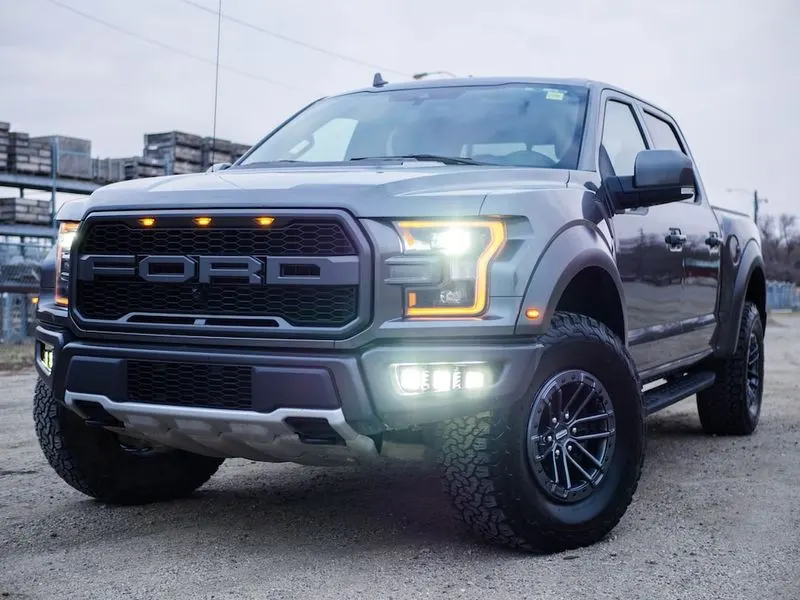
FORD F-150:
The Ford F-150 is a popular full-size pickup truck manufactured by Ford Motor Company. As an AI text-based model, I don't have access to real-time data or the ability to generate reports. However, I can provide you with some general information about the Ford F-150 based on my training up until September 2021. Please note that specific details such as pricing, trims, or features may have changed since then, so it's always a good idea to consult the latest official sources or visit a Ford dealership for the most accurate and up-to-date information.
Here are some key features and details you can expect from the Ford F-150:
-
Performance: The Ford F-150 offers a range of engine options, including V6 and V8 engines, as well as a hybrid powertrain. The performance capabilities vary depending on the engine choice and configuration.
-
Design: The F-150 features a robust and muscular design, with a recognizable grille and distinctive headlights. It typically has a spacious cabin with comfortable seating for passengers and a functional cargo bed for hauling.
-
Trim Levels: The F-150 typically offers various trim levels that cater to different needs and preferences. These trims may include XL, XLT, Lariat, King Ranch, Platinum, Limited, and Raptor. Each trim level often brings different levels of luxury, technology, and off-road capability.
-
Technology and Safety Features: The Ford F-150 usually comes equipped with a range of advanced technology and safety features. These may include touchscreen infotainment systems, smartphone integration (such as Apple CarPlay and Android Auto), advanced driver-assistance systems (ADAS), blind-spot monitoring, adaptive cruise control, and more.
-
Towing and Payload Capacity: The F-150 is known for its impressive towing and payload capabilities. The exact figures can vary depending on the engine, drivetrain.