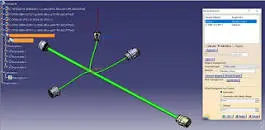
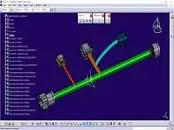
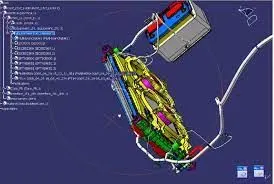
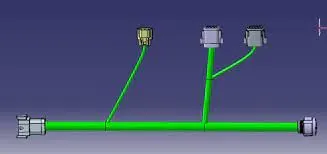
Wiring harness design in CATIA V5 - 3D modeling Week 7 Challenge
ELECTRICAL DEFINITION & BUNDLE FLATTENING:
Electrical Definition: Electrical refers to anything related to electricity, which is the flow of electric charge. It encompasses the study, design, and application of electrical systems, devices, and equipment. Electricity plays a fundamental role in our modern world, powering everything from lighting and communication systems to household appliances and industrial machinery. The field of electrical engineering deals with the generation, transmission, distribution, and utilization of electrical energy.
Bundle Flattening Report: Bundle flattening is a term used in the context of software development and package management. It refers to the process of simplifying and optimizing dependencies by reducing the depth and complexity of the dependency tree. In software development, dependencies are libraries, modules, or packages that a project relies on to function properly.
When a software project has numerous dependencies, each with its own set of dependencies, it can lead to a deep and tangled dependency tree. This can result in difficulties when managing and updating the project, as well as increased build times and potential compatibility issues.
Bundle flattening aims to address these challenges by collapsing the dependency tree into a more streamlined structure. It involves analyzing the dependencies, resolving conflicts, and combining them into a single layer or flat structure. By doing so, developers can simplify the management of dependencies, reduce the likelihood of version conflicts, and improve overall performance.
A bundle flattening report would typically provide an overview of the current dependency structure of a software project and propose recommendations for optimizing and flattening the bundle. The report might include the following information:
-
Dependency analysis: A list of all the direct and indirect dependencies of the project, including their versions and any conflicts detected.
-
Dependency tree visualization: A graphical representation of the current dependency tree, illustrating the relationships between different dependencies.
-
Bundle flattening strategy: A proposed plan for simplifying the dependency structure, outlining the steps required to flatten the bundle.
-
Impact analysis: An assessment of the potential benefits and drawbacks of bundle flattening, including improvements in build times, ease of maintenance, and possible trade-offs in terms of increased bundle size or performance impacts.
-
Implementation guidelines: Practical recommendations and best practices for implementing the bundle flattening strategy, including tools or techniques that can aid the process.
-
Testing and validation: Suggestions for testing and validating the flattened bundle to ensure its compatibility, stability, and correctness.
A comprehensive bundle flattening report provides developers and project managers with valuable insights and guidance to optimize the dependency management process and enhance the overall software development workflow.
In the context of CATIA, a software suite used for computer-aided design (CAD) and computer-aided manufacturing (CAM), the terms "mechanical parts," "electrically," and "bundle flattening" can be defined as follows:
-
Mechanical Parts: In CATIA, mechanical parts refer to the digital representations of physical components or objects designed for mechanical systems. These parts can range from simple geometric shapes to complex assemblies, including features such as holes, fillets, chamfers, and more. Mechanical parts can be created and manipulated within the CATIA environment using various tools and functionalities.
-
Electrically: When referring to mechanical parts in an electrical context, it generally means incorporating electrical components or features into the design. This could include elements such as wiring, connectors, circuit boards, sensors, actuators, or any other electrical elements required for the functionality of the mechanical system. CATIA provides capabilities to integrate electrical aspects into mechanical designs, enabling a comprehensive representation of the entire system.
-
Bundle Flattening: Bundle flattening is a process used in the design and manufacturing of wire harnesses or cable bundles. It involves creating a 2D representation of the 3D wire harness or cable bundle, where all the individual wires are laid out flat on a plane. This flattened representation helps in accurately determining the length, routing, and bending requirements of the wires before actual production.
In CATIA, the Bundle Flattening Workbench provides specific tools and functionalities to perform the process of bundle flattening. It allows users to import 3D wire harnesses or cable bundle designs, define the bending radius and constraints, and generate the flattened layout. The resulting 2D representation can be used for documentation, manufacturing instructions, or further analysis.
REPORT:
-
Introduction: The purpose of this report is to provide a comprehensive overview of the design and implementation of wiring harnesses in projects. Wiring harnesses play a crucial role in providing electrical connectivity in various applications, ensuring efficient and reliable performance.
-
Objective: The objective of this report is to explain the process of designing and implementing wiring harnesses, including the selection of components, routing, and testing. It aims to provide a clear understanding of the considerations and steps involved in creating a successful wiring harness.
-
Methodology: The information presented in this report is based on a combination of research, industry best practices, and the expertise of engineers who specialize in wiring harness design and implementation.
-
Wiring Harness Overview: 4.1 Definition and Purpose: A wiring harness is a bundled assembly of electrical wires, connectors, terminals, and protective materials that transmit electrical signals and power between various components of a system. It simplifies the installation and maintenance processes while ensuring proper electrical connectivity.
4.2 Components: The main components of a wiring harness include wires, connectors, terminals, protective sleeves, and fasteners. These components work together to establish reliable electrical connections between different system elements.
4.3 Types of Wiring Harnesses: There are several types of wiring harnesses, including:
- Automotive Wiring Harnesses: Used in automobiles to connect electrical and electronic components.
- Aerospace Wiring Harnesses: Designed for aircraft and spacecraft applications, meeting stringent safety and performance requirements.
- Industrial Wiring Harnesses: Used in industrial machinery and equipment to transmit power and signals.
- Custom Wiring Harnesses: Tailored to specific applications, meeting unique requirements.
4.4 Benefits of Using Wiring Harnesses:
- Simplified Installation: Wiring harnesses eliminate the need for individual wire connections, reducing assembly time and minimizing the chances of errors.
- Improved Reliability: Properly designed and manufactured wiring harnesses ensure secure connections, reducing the risk of electrical failures and signal loss.
- Enhanced Safety: Wiring harnesses incorporate protective materials and designs to prevent electrical shorts, insulation damage, and potential hazards.
- Easy Maintenance: Wiring harnesses simplify troubleshooting and repair tasks by providing organized and labeled connections.
- Scalability and Flexibility: Wiring harnesses can be customized to accommodate system changes or upgrades, allowing for future expansion.
- Design Process: The design process for wiring harnesses typically involves the following steps:
5.1 Requirements Analysis: Understanding the system requirements and functional specifications is crucial to determine the necessary wire lengths, connectors, and other design considerations.
5.2 Schematic Design: Creating a detailed schematic diagram helps visualize the electrical connections, including component locations, wire paths, and terminal assignments.
5.3 Harness Routing: Determining the optimal routing paths for the wiring harness is essential to ensure proper fit, avoid interference, and minimize the risk of damage or wear.
5.4 Connectors and Terminals Selection: Choosing suitable connectors and terminals involves considering factors such as electrical compatibility, environmental conditions, and ease of assembly.
5.5 Wire Selection and Sizing: Selecting appropriate wire types and sizes is vital for maintaining signal integrity, current-carrying capacity, and minimizing voltage drop.
5.6 Assembly and Manufacturing Considerations: During the design process, it's essential to consider manufacturing techniques, such as wire bundling, labeling, and protective coverings, to ensure efficient production and assembly.
- Wiring Harness Diagrams: Include the following diagrams in this section:
6.1 Schematic Diagram: Present a comprehensive schematic diagram showing the electrical connections between components, including wire routing, connectors, and terminals.
6.2 Harness Routing Diagram: Display a clear and detailed diagram illustrating the physical routing of the wiring harness within the system, indicating any specific considerations or constraints.
6.3 Connector and Terminal Diagram: Provide a visual representation of the connectors and terminals used in the wiring harness, including their pin assignments and corresponding wire connections.
- Harness Testing and Validation: To ensure the reliability and functionality of the wiring harness, it is crucial to perform various tests. Include the following subsections:
7.1 Electrical Testing: Detail the electrical tests conducted to verify proper connectivity, insulation resistance, and continuity of the wiring harness.
7.2 Mechanical Testing: Explain the mechanical tests performed to assess the durability, strain relief, and vibration resistance of the harness.
7.3 Environmental Testing: Describe the environmental tests executed to evaluate the harness's performance under different temperature, humidity, and exposure conditions.
-
Installation and Maintenance Guidelines: Provide guidelines and best practices for the installation, routing, and maintenance of wiring harnesses. Include tips for troubleshooting and addressing common issues.
-
Conclusion: Summarize the key points discussed in the report, emphasizing the importance of proper design, manufacturing, and testing processes for wiring harnesses.
-
References: List all the sources and references consulted during the research and preparation of this report.
-
Appendices: Include any additional information, calculations, or supporting documentation relevant to the report.
By following the structure outlined above and incorporating detailed explanations, images, and diagrams, you can create a comprehensive report on wiring harness design and implementation. Remember to customize the content based on your specific requirements and findings.