Week 9 - Project 1 - Door Trim Lower with Engineering Features
AIM:
- To create the engineering attachment features of heat stakes and locators on the component.
TOOLING AXIS:
- Tooling axis is the defined axis to perform the manufacturing process within the injection molding according to its direction.
CREATION OF TOOLING AXIS:
- First of all analyze the given input surface to see which direction is suitable for creating the tooling axis.
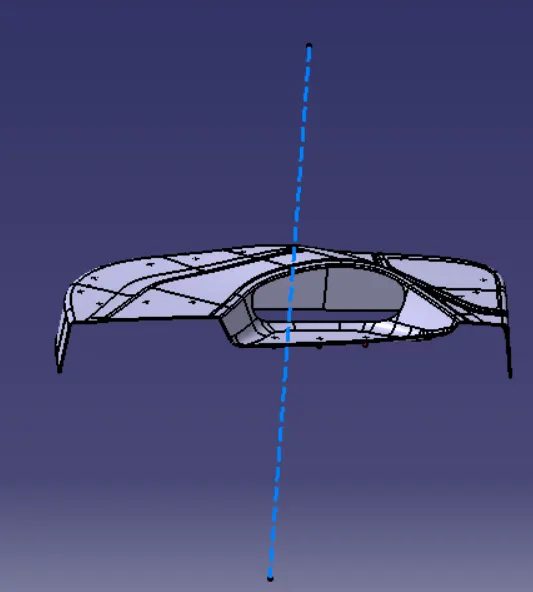
- In this model we have to create the tooling axis at the center of the outer boundary of the class A Surface.
- Create a point between the grill area using point sketch tools with the point type of between option in the middle.
- Create a line by using the point-direction line type option with reference to the z direction.
- Final sketched line is called as tooling axis.
DRAFT ANALYSIS:
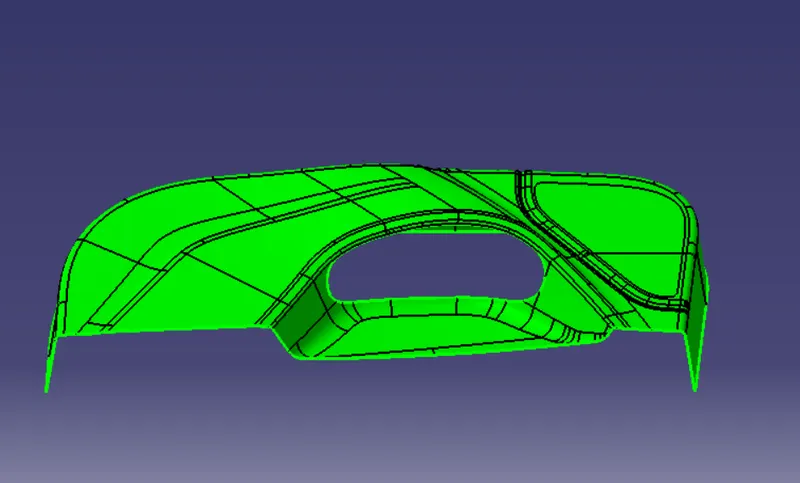
- The analysis of the model should maintain the nominal 3-degree draft angle to the tooling axis.
- Draft analysis reveals the manufacturing feasibility of the component, whether the designed part is able to manufacture or not without maintaining the nominal draft angle.
- Draft should be given to the plastic component to reduce the wear and tear and improve the production quality and accuracy while ejecting the part from the mold cavity.
How to perform the draft analysis
1. Go to insert < analysis< feature draft analysis.
2. Align the tooling axis with a compass.
3. Click on the surface to see whether it is in permissible limit draft values or not.
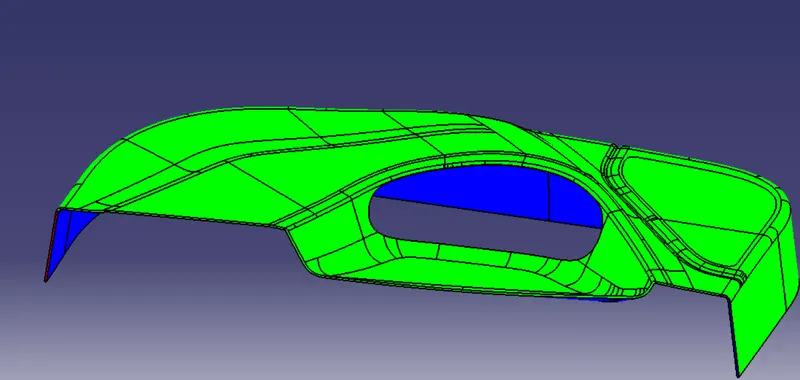
4. The entire surface should be green in color.
DRAFT ANALYSIS FOR CLASS A SURFACE:
DRAFT ANALYSIS FOR COMPONENT:
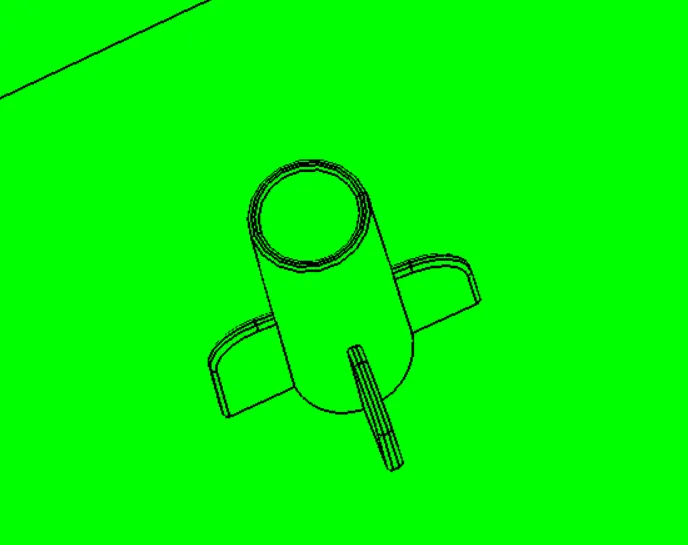
DRAFT ANALYSIS FOR HEAT STAKES:
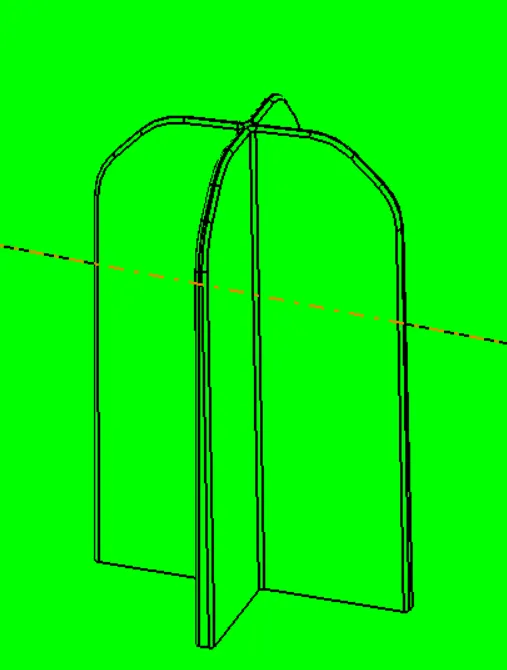
DRAFT ANALYSIS FOR LOCATOR:
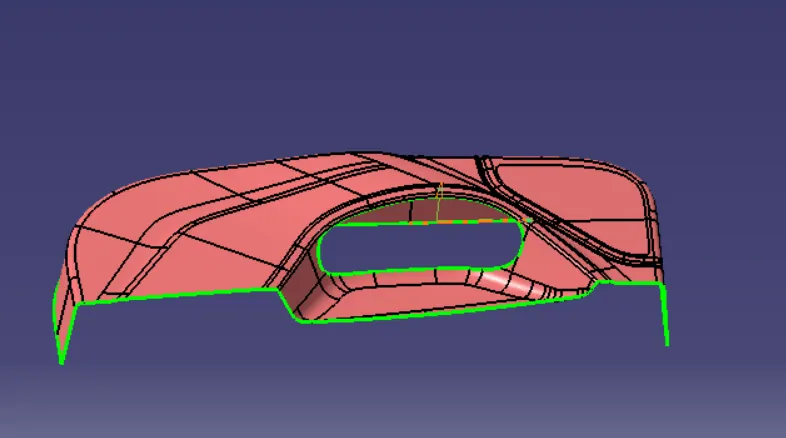
CLASS- A SURFACE:
- Class-A surface is given as an input surface by designers.
- Generally the class-A surfaces have the tangent continuity
- Class-A surface is the outermost aesthetic surface.
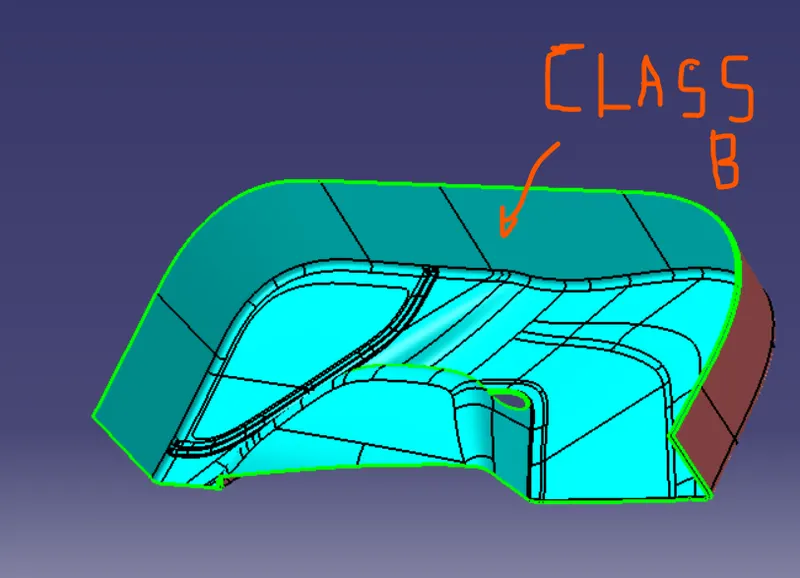
CLASS B SURFACE :
- Class B surface is an engineering surface.
- The engineering features of ribs, screw boss, dog house, heat stakes, and locators are designed on the class B surface.
- Class B surface is created by the offset of class A surface.
CLASS C SURFACE:
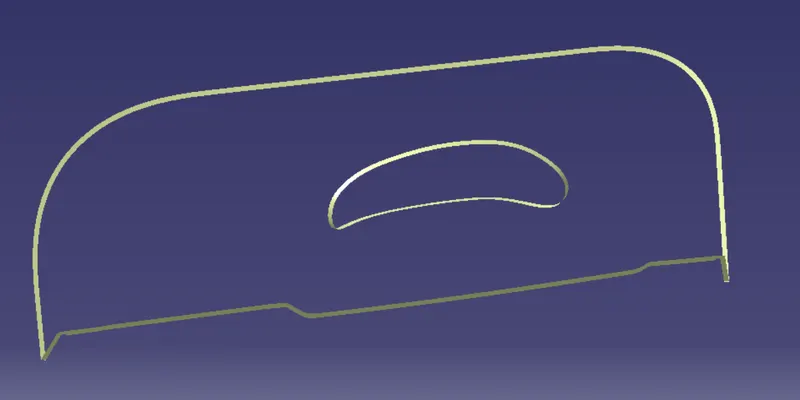
- Class C surface is the closing surface of class A and class B surfaces.
- It is the extraction of the boundary of class A surface.
- Apply the sweep feature to create the class c surface, For guide reference click the extracted boundary and for the drafting reference option click the tooling axis and give a 3-degree draft angle.
HEAT STAKES:
- Heat stake is an engineering feature attached on the components class B surface side.
- Multi-heat stakes to be located near the edge of the door trim.
SIGNIFICANCE:
- Heat staking is all about the process of connecting different components into a cohesive functioning unit.
- The application is very common with the assembly of products that involve plastic and resin parts.
- The plastic joining strategy that is part of heat staking helps to strengthen the overall structure of manufactured items and provides a high degree of stability.
JOINING TECHNOLOGY OF DIFFERENT COMPONENTS BY HEAT STAKES:
- The basic concept behind heat staking involves joining the components at pre-molded interfaces.
- A Plastic stud that is attached to one component would be inserted into the hole found on the accompanying part.
- Once the two components are joined, the end of the stud is softened and heated to allow the formation of a larger head that will hold the stud firmly in the hole.
- After the components are joined, the temperature is raised to allow the head of the stud to soften. At the same time pressure is applied to create a head on the stud that is wider than the hole that is housing the body of the stud.
LOCATORS:
- Locator engineering features are attached to the components class B surface to fix the other component.
DESIGN CONSIDERATION:
- Locator's design should be maintained the entry champer at the corners to align with other components without any obstructions.
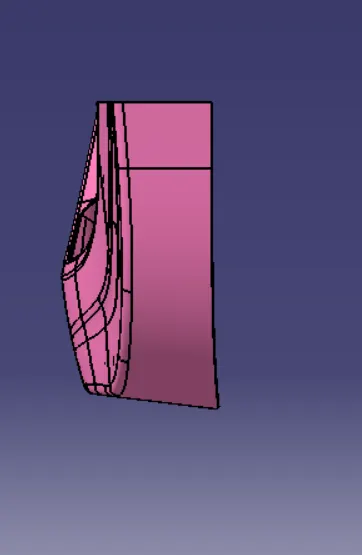
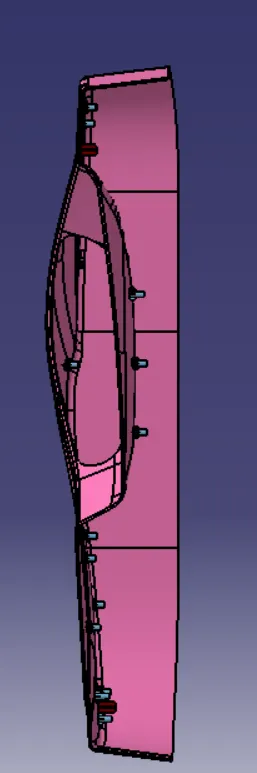
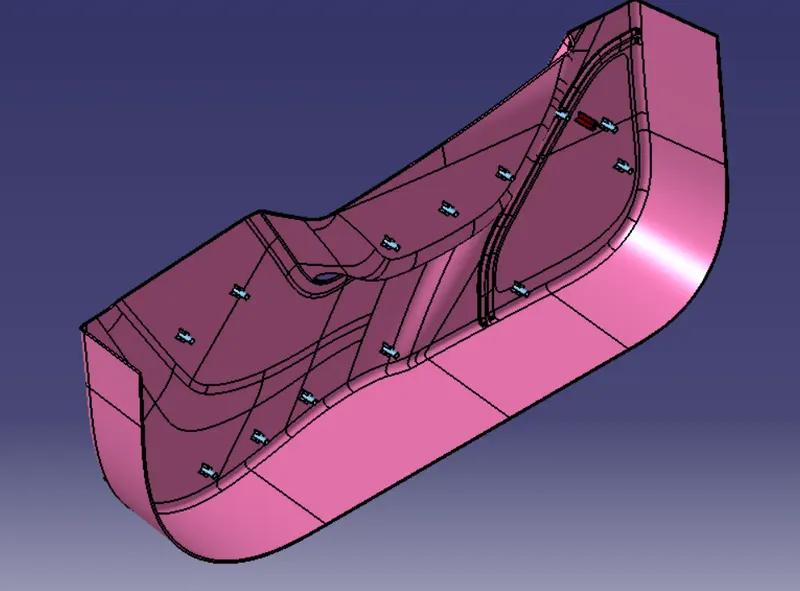
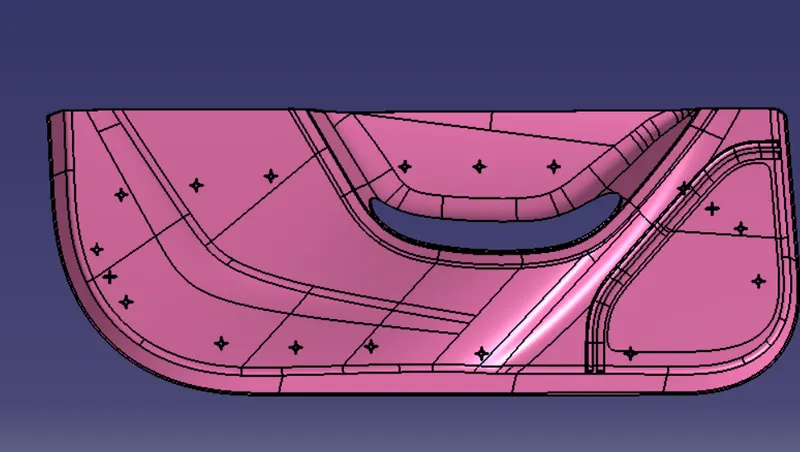
FINAL COMPONENT IMAGES: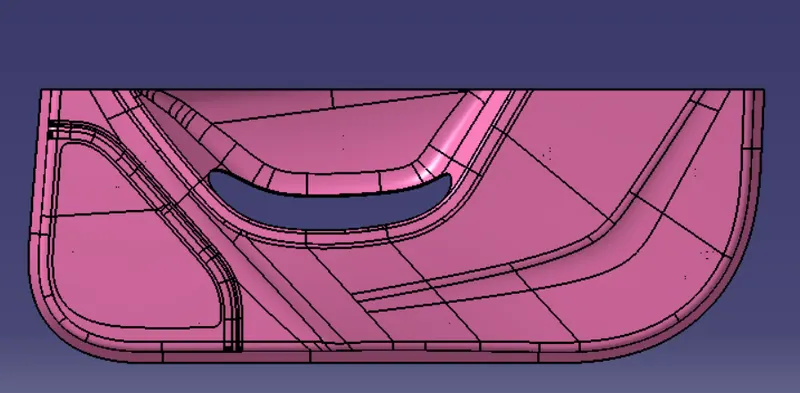
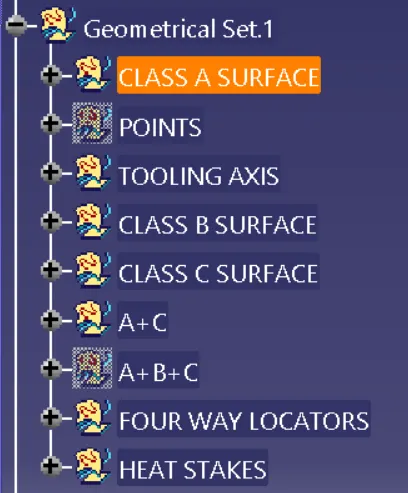
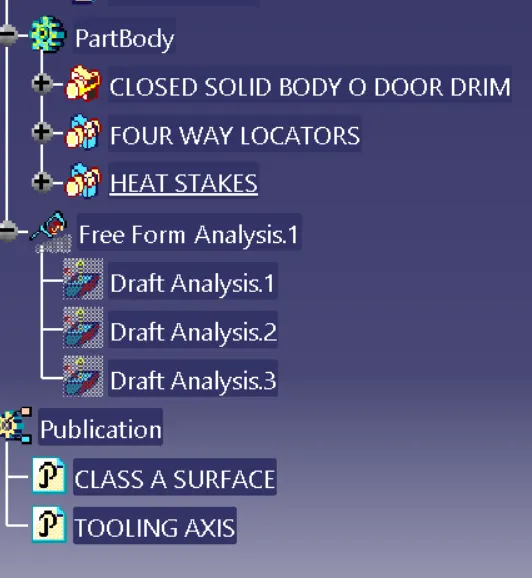
EXPANDED TREE :