Underbody Coating
UNDERBODY COATING:
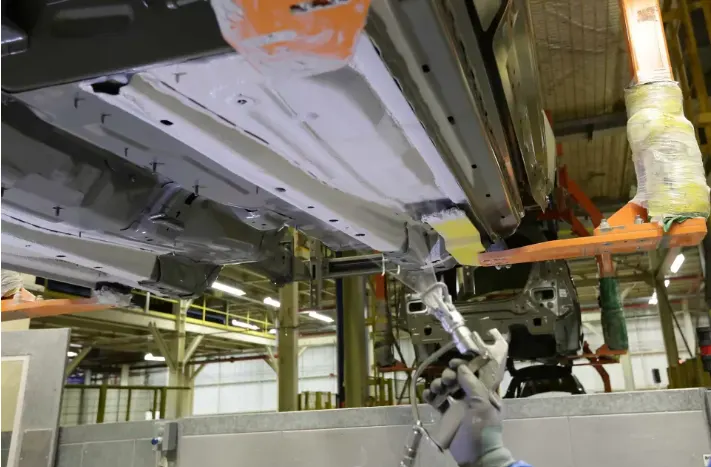
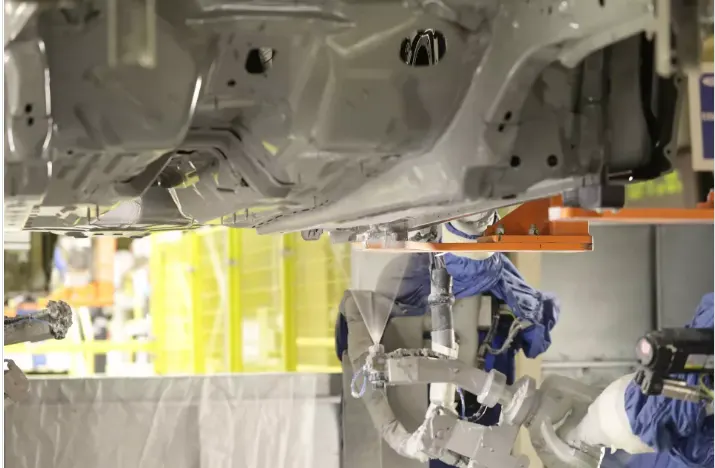
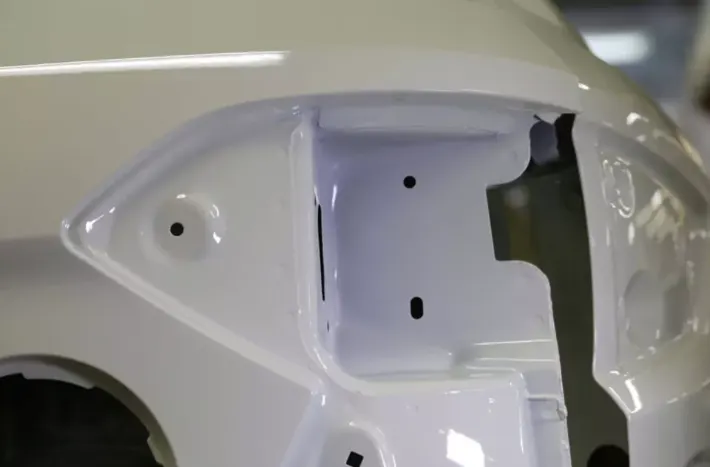
- Underbody is usually a dense cladding applied uniformly to the undercarriage of the automobile.
- It is usually sprayed or painted on the underbody of the car.
- The main purpose of underbody coating is to prevent the automobile body components from corrosion formation (due to rust), scratched, and intended surface from stone chips.
- It also reduces wear and tear.
TYPES O UNDERBODY COATING:
- Rubberised underbody coating.
- Wax-based underbody coating.
- Asphalt-based underbody coating.
- Polyurethene underbody coating.
- PVC underbody coating.
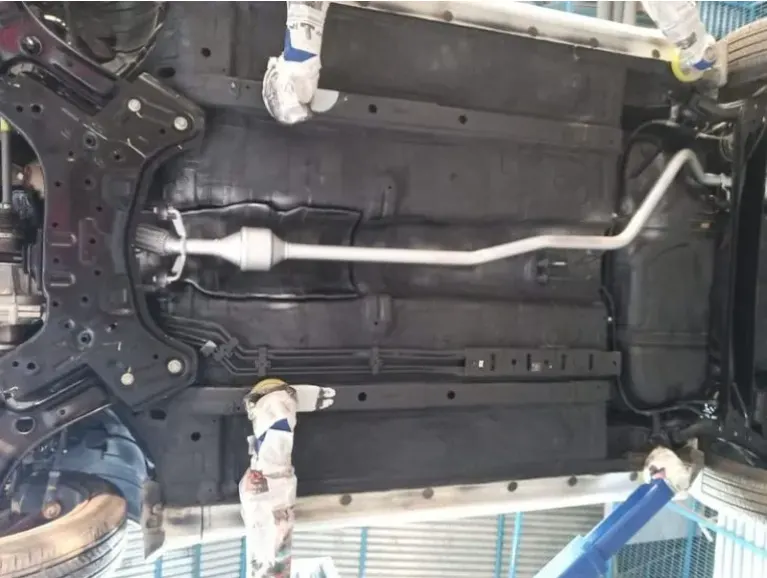
RUBBERISED UNDERBODY COATING:
- It protects the underbody from scratches and keeps it properly.
- This is not difficult to apply this to the undercarriage.
- If you want to keep the road noise to a minimum and rust and corrosion away.
- Rubberised paint that forms a 2-3 mm thick coating all along the underside of car.
WAX-BASED UNDERBODY COATING:
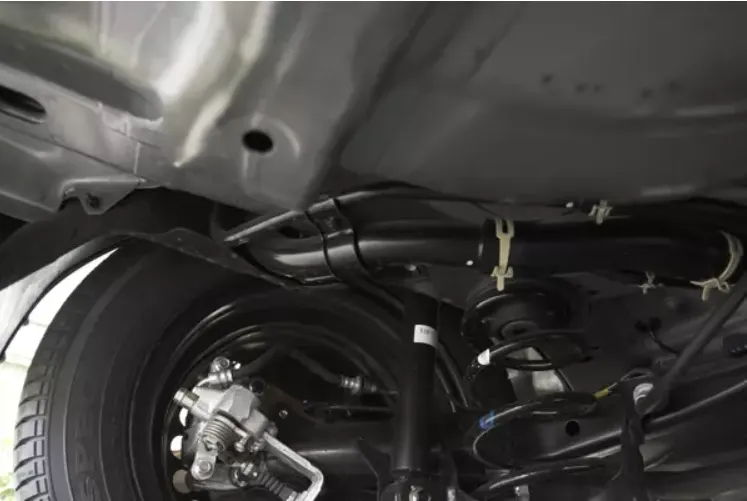
- This transitory coating will, on the whole fade after a few months.
- On the plus side wax based undercoating is resistant to dampness.
- It is the most cost-effective alternative.
ASPHALT-BASEDUNDERBODY COATING:
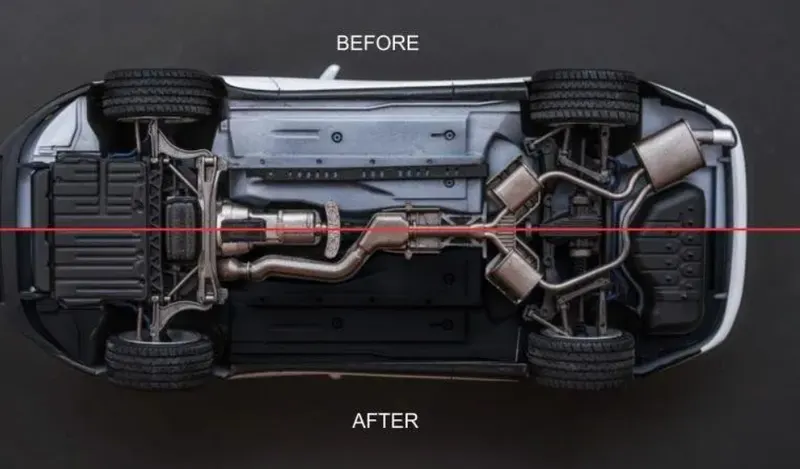
- It is suitable for lorries, trucks and other heavy vehicles.
- In comparison to rubber-based coatings it gives a higher level of protection.
- On the other hand incorporating a small quantity of rubber for sound insulation.
- The application of these coatings however takes some time.
POLYURETHENE UNDERBODY COATING:
- This coating seals breaks and fractures in the underbody of the vehicle.
- It provides strong corrosion resistance and binds to the metal.
PVC UNDERBODY COATING:
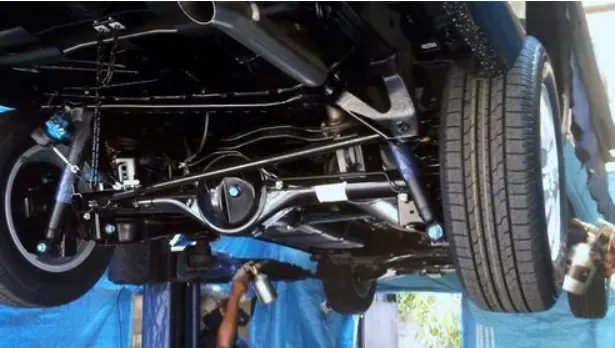
- This coating comes under PVC-based product that is cold applied and heat cured.
- Developed for application on e- coated substrates it seals and prevents the entry of water, corrosion and dust into joints of car bodies.
- It offers excellent noise reduction performance and high resistance to abrasion and impact.
UNDERBODY COATING:
- Underbody is usually a dense cladding applied uniformly to the undercarriage of the automobile.
- It is usually sprayed or painted on the underbody of the car.
- The main purpose of underbody coating is to prevent the automobile body components from corrosion formation (due to rust), scratched, and intended surface from stone chips.
- It also reduces wear and tear.
TYPES O UNDERBODY COATING:
- Rubberised underbody coating.
- Wax-based underbody coating.
- Asphalt-based underbody coating.
- Polyurethene underbody coating.
- PVC underbody coating.
RUBBERISED UNDERBODY COATING:
- It protects the underbody from scratches and keeps it properly.
- This is not difficult to apply this to the undercarriage.
- If you want to keep the road noise to a minimum and rust and corrosion away.
- Rubberised paint that forms a 2-3 mm thick coating all along the underside of car.
WAX-BASED UNDERBODY COATING:
- This transitory coating will, on the whole fade after a few months.
- On the plus side wax based undercoating is resistant to dampness.
- It is the most cost-effective alternative.
ASPHALT-BASEDUNDERBODY COATING:
- It is suitable for lorries, trucks and other heavy vehicles.
- In comparison to rubber-based coatings it gives a higher level of protection.
- On the other hand incorporating a small quantity of rubber for sound insulation.
- The application of these coatings however takes some time.
POLYURETHENE UNDERBODY COATING:
- This coating seals breaks and fractures in the underbody of the vehicle.
- It provides strong corrosion resistance and binds to the metal.
PVC UNDERBODY COATING:
- This coating comes under PVC-based product that is cold applied and heat cured.
- Developed for application on e- coated substrates it seals and prevents the entry of water, corrosion and dust into joints of car bodies.
- It offers excellent noise reduction performance and high resistance to abrasion and impact.
UNDERCOATING APPLYING PROCEDURE:
1. Spray
The spray is the most common method used by dealers. The spray consists of a tar-like substance that is applied to the undercarriage. It functions as a barrier for salt, moisture, and oxygen, which causes corrosion.
You can also purchase it as a DIY product, but the whole magic lies behind the method of application, so it’s better to do the job with a dealer, especially if you have a new vehicle.
2. Electronic
Removing the electrical current capacity of items underneath the vehicles is another method for applying to undercoat. A weak electric current circulates through the material, reducing the chances of rusting.
For using this method, a DIY solution wouldn’t work; you would need an expert.
3. Drip Oil Spray
If you want to do it yourself, then drip oil spray is the best option. This can be messy but incredibly effective at protecting the undercarriage. It covers every nook and corner of the chassis, forming a robust layer of protection.
Time is the factor where you have to show patience in this method. It takes a long time to dry. In some cases, it drips around 48 hours to a week.
4. Dripless Oil Spray
Coming to the last option, the dripless oil spray. This waxy substance is applied to the body and undercarriage, forming a strong protective layer. It doesn’t take much time to dry; however, the layer can easily wear and tear than the other counter methods.
ADVANTAGES OF UNDERBODY COATING:
Rust Prevention
Ideally, any additional underbody coating should be applied when the car is brand new and clean. Car manufacturers use thick paints and sealants for the underbody, but adding an underbody coat, especially in coastal cities is useful. Salt water tends to corrode cars badly.
On bad roads, flying stones and pebbles can chip off the original underbody coating and leave the metal exposed. Using an aftermarket underbody coating offers extra protection.
Sound insulation
The thicker underbody coatings used on cars also act as effective sound dampeners. They can reduce road noise and tire noise and make the cabin seem quieter – due to the sound absorptive nature of rubberized paints.
Easy maintenance
A uniform black underbody coating gives a car a clean look. It also makes the car easier to maintain by just hosing the underside down. You can be confident that slush build-up won’t lead to rusting easily. Most underbody coats these days come with a five-year warranty, which is the lifetime of such a coating.
DRAWBACKS OF UNDERBODY COATING:
High cost
The cost of underbody coating has come down but is still expensive. This is because underbody coating offered by a car dealer is one way in which they make money off the customer.
Risk of damage during application
Care must be taken while applying underbody coating. This thick rubberized paint if not applied properly, can get into moving mechanical parts and cause premature failures– such as into the U-joint or CV joints in a car's propeller shaft or drive shafts. They can also hinder the smooth movement of suspension components if applied incorrectly. And there’s also the risk of overspray the car’s paint finish on the lower edges the car.