Week 9 - Project 1 - Door Applique Design with Engineering Features
AIM :
Create TOOLING AXIS, CLASS A, CLASS B, and CLASS C SURFACE AND the HEAT STAKES and the LOCATORS for the door applique.
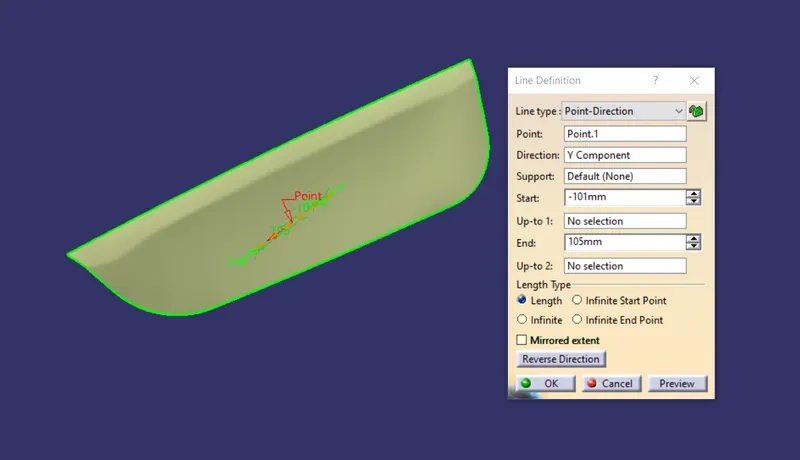
create a tooling axis.
create class B surface
offset the class A surface.
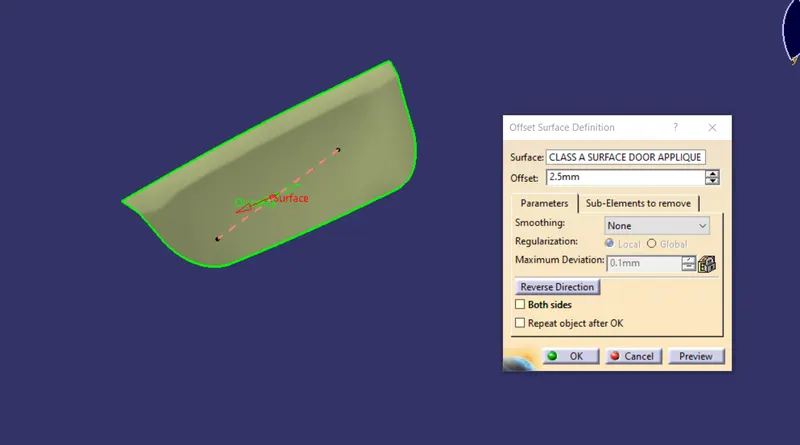
extrude the boundary of the offset surface.
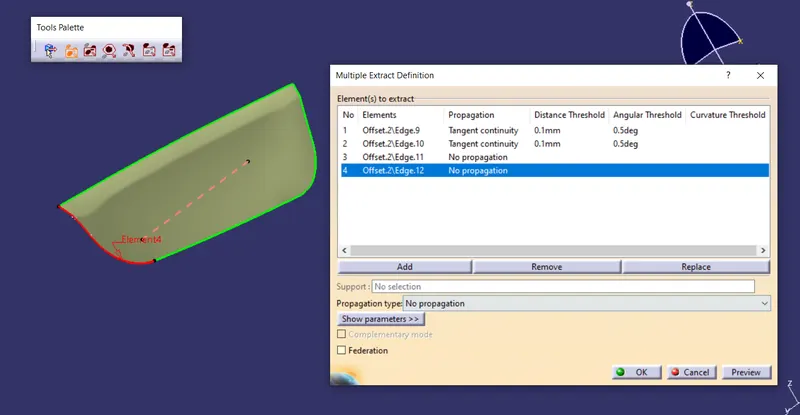
then extrapolate the boundary with support of offset surface
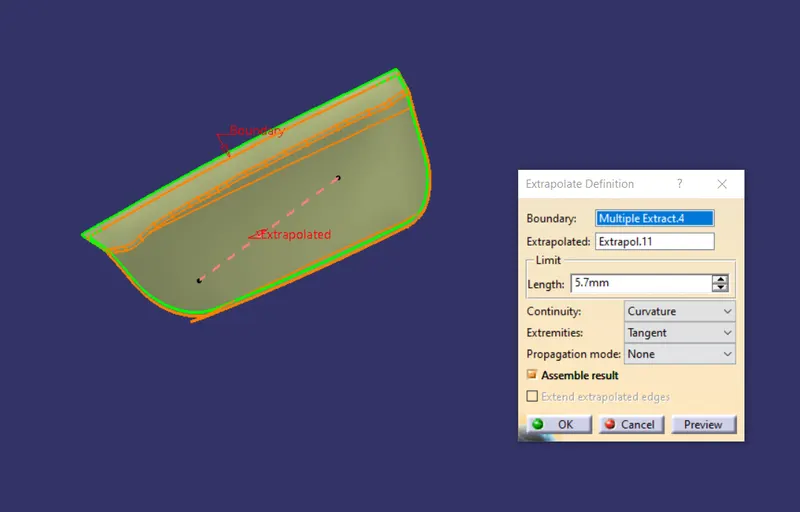
class B
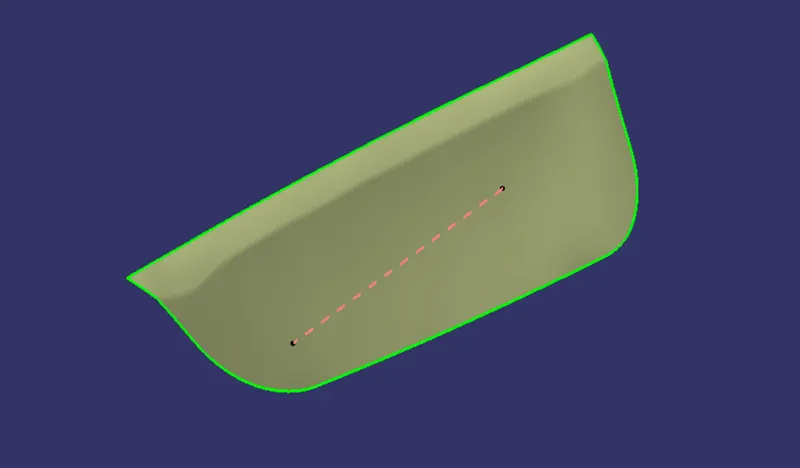
create class c surface
take the boundary of class A surface.
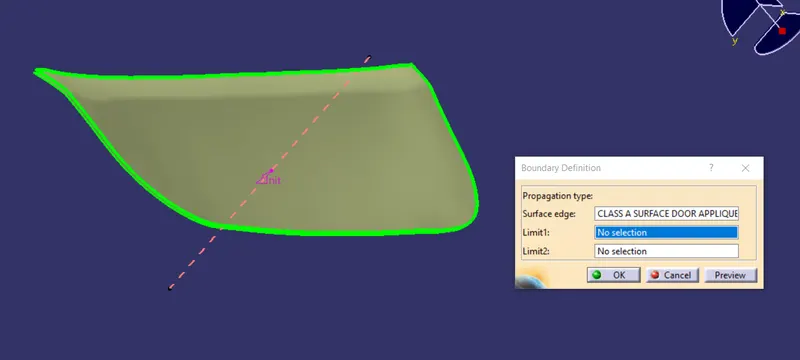
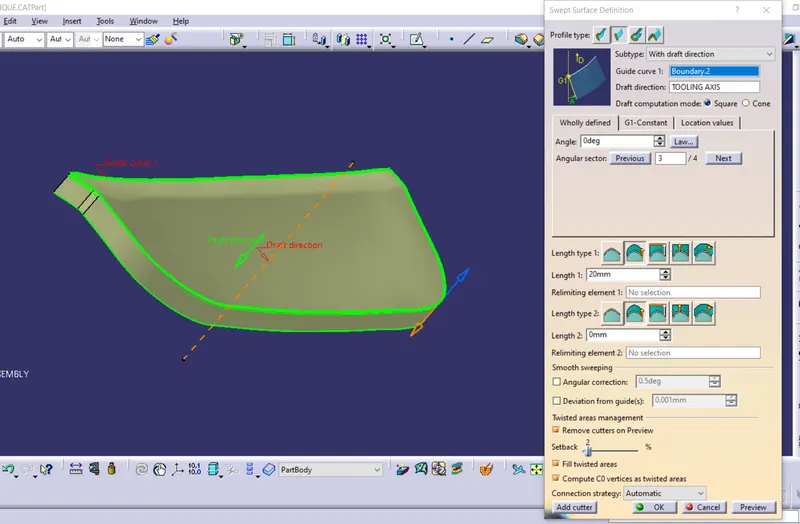
sweep the boundary with the tooling axis.
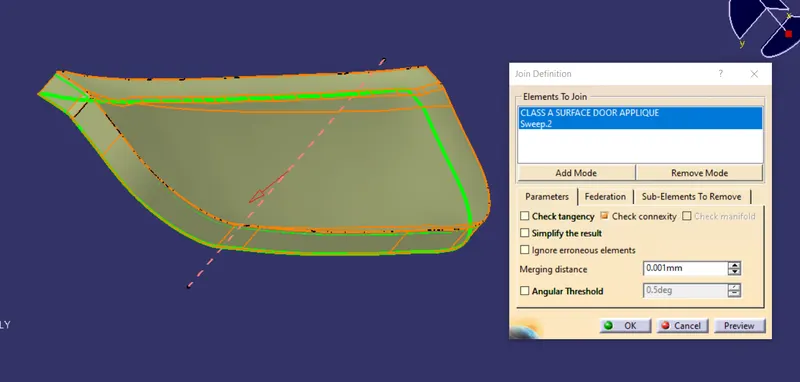
join the B surface with A surface
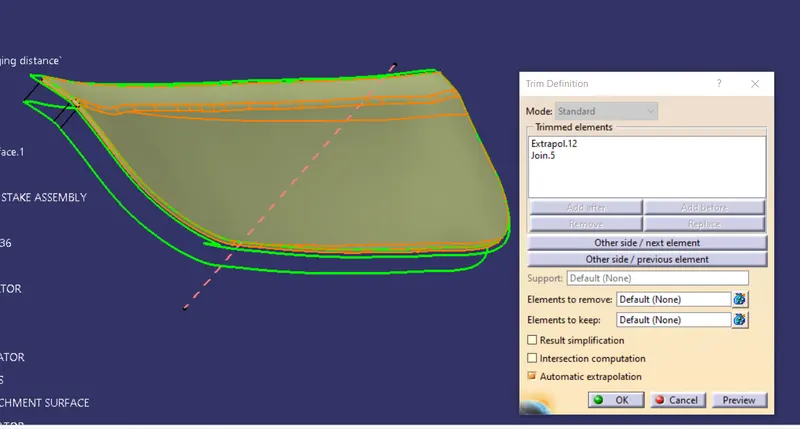
FINAL TRIM
trim B surface with the joined A and C surface.
CLOSED SURFACE
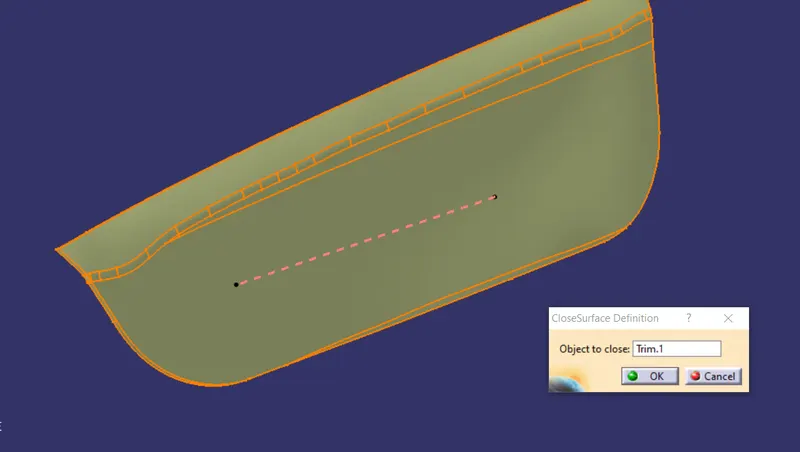
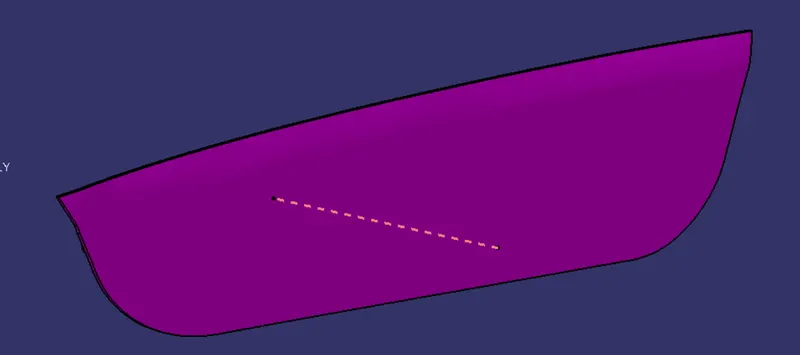
NOW THICK THE ATTACHED SURFACE
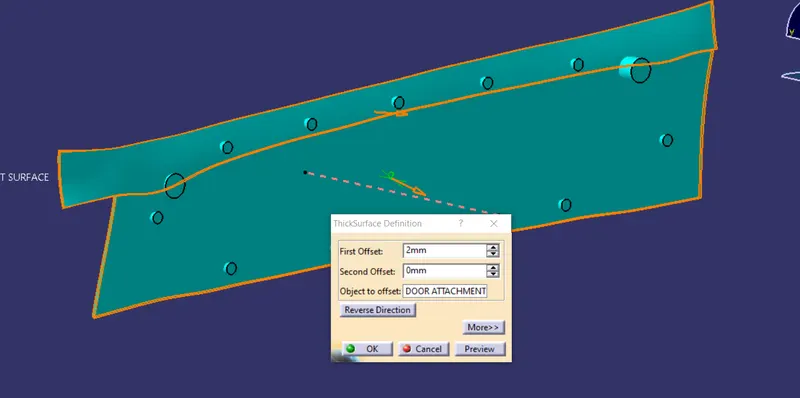
4 WAY LOCATORS
inseart a sketch
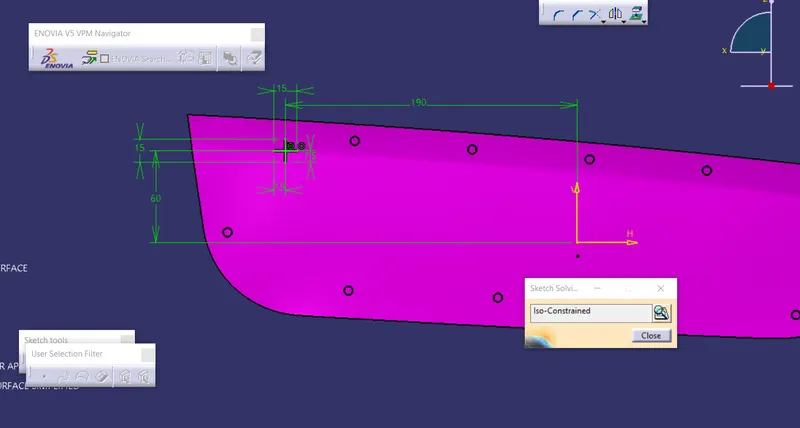
pad the sketch
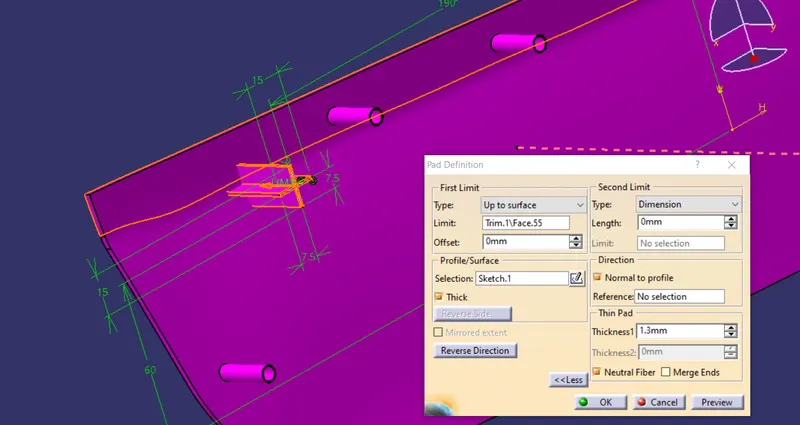
chamfer the top edges
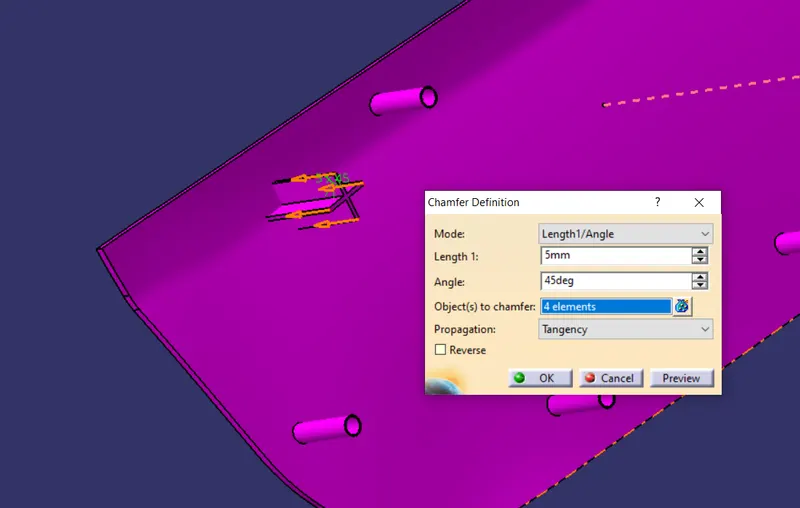
and apply fillet to it
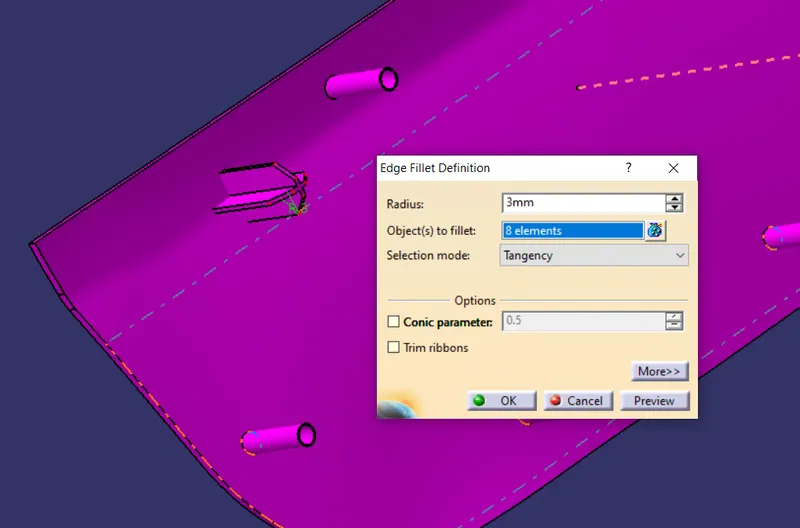
copy the part work and paste
transfer the 4 way locator to other side
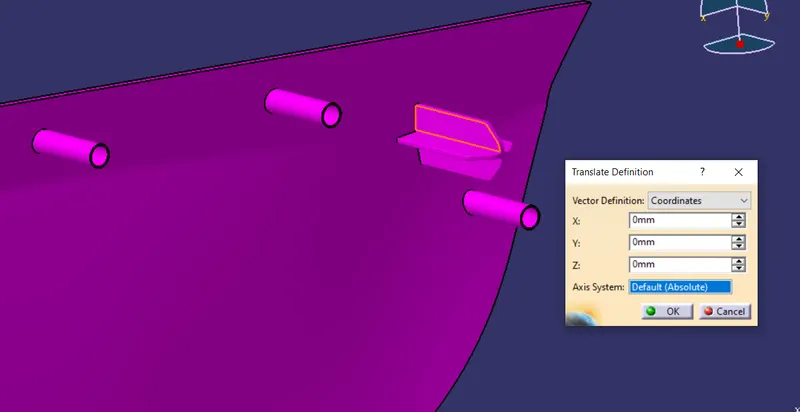
2 WAY LOCATOR
insert a sketch
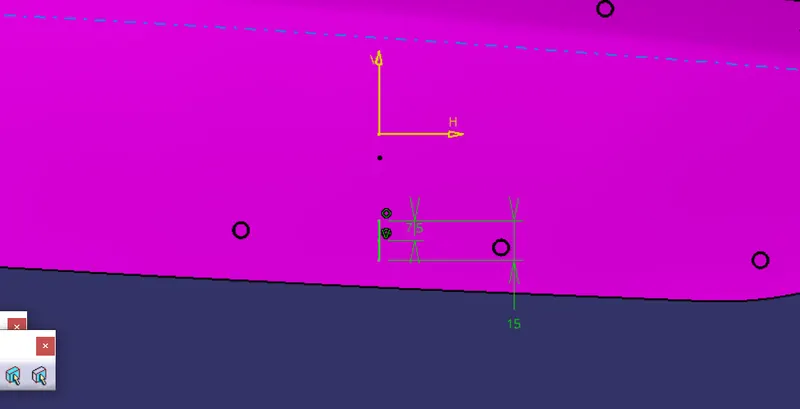
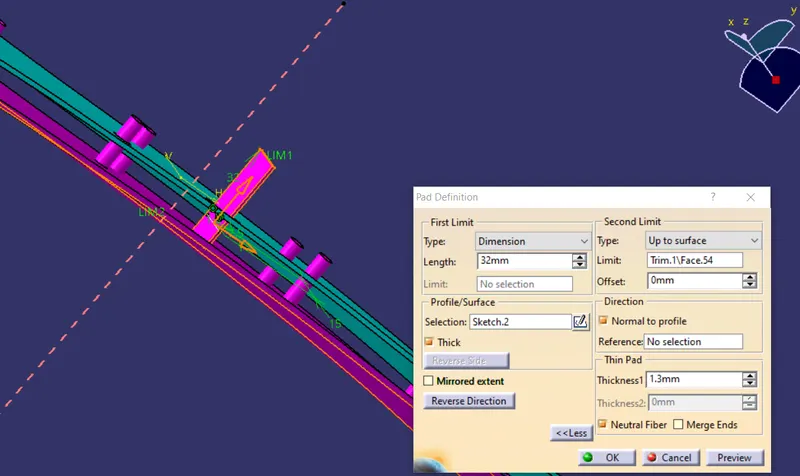
pad the sketch
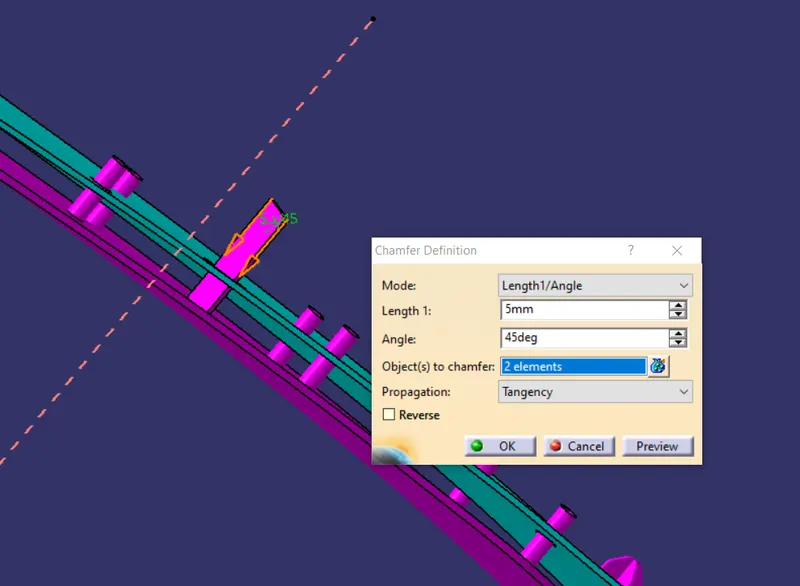
apply chamfer to it
HEAT STAKES
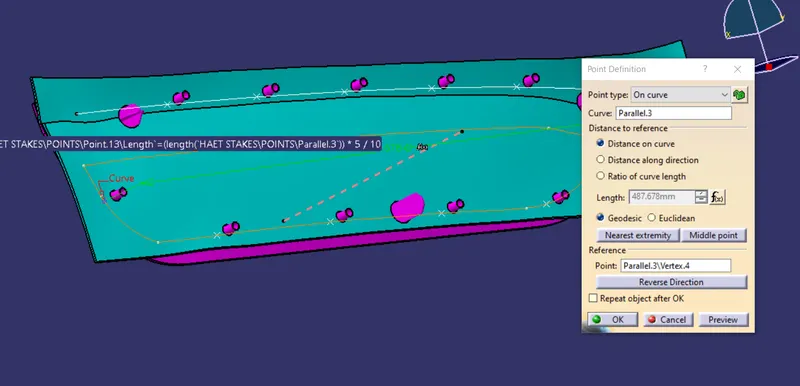
take parallel curve of the boundary
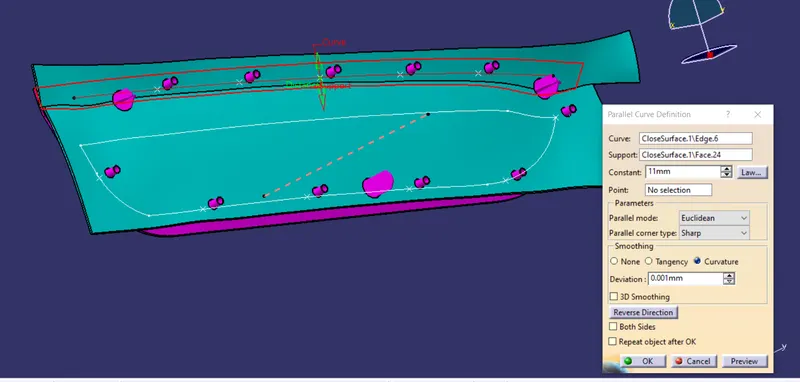
ineart points on it
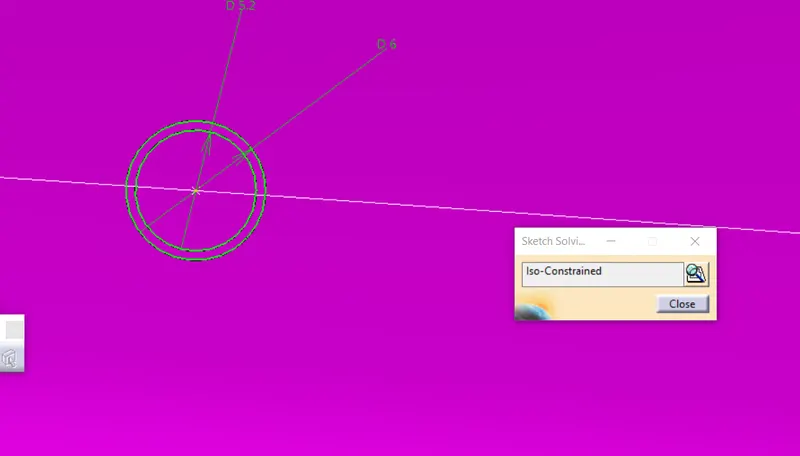
insert sketch
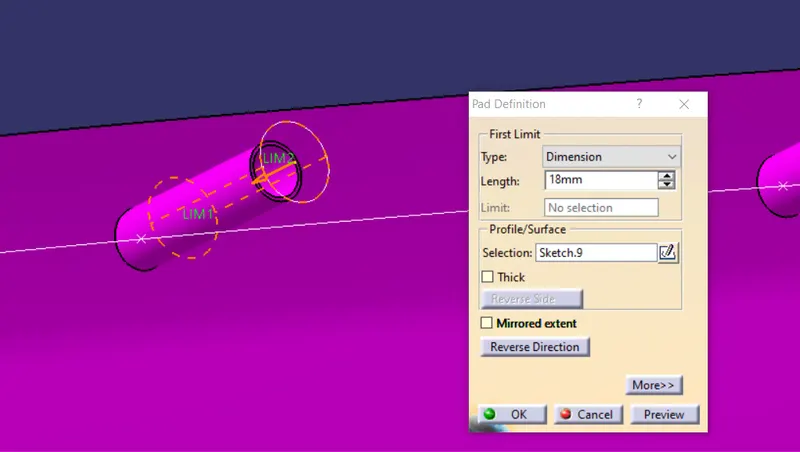
apply pad, draft, chamfer, and fillet
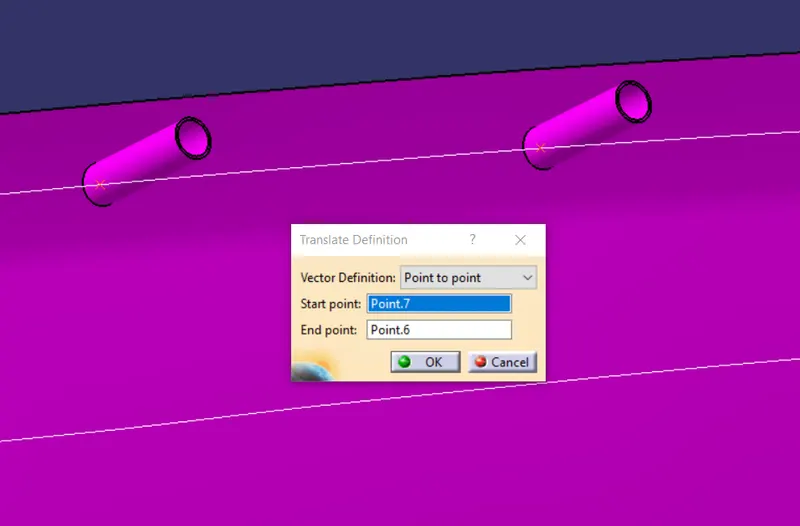
translate the heat stakes to each points of the parallel curve
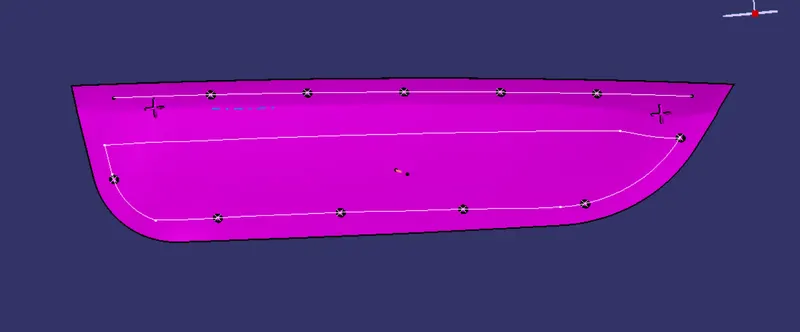
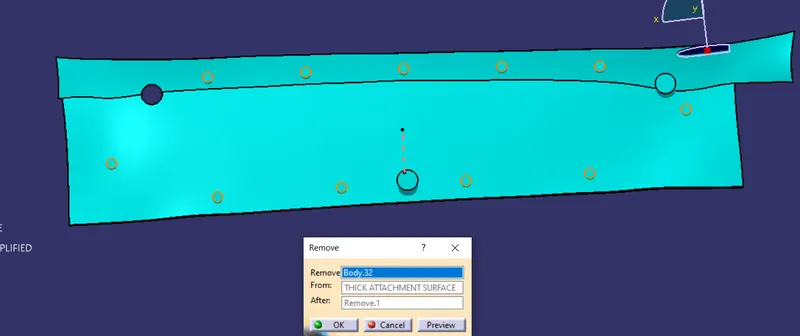
CLEARANCE TO HEAT STAKES
Insert sketch
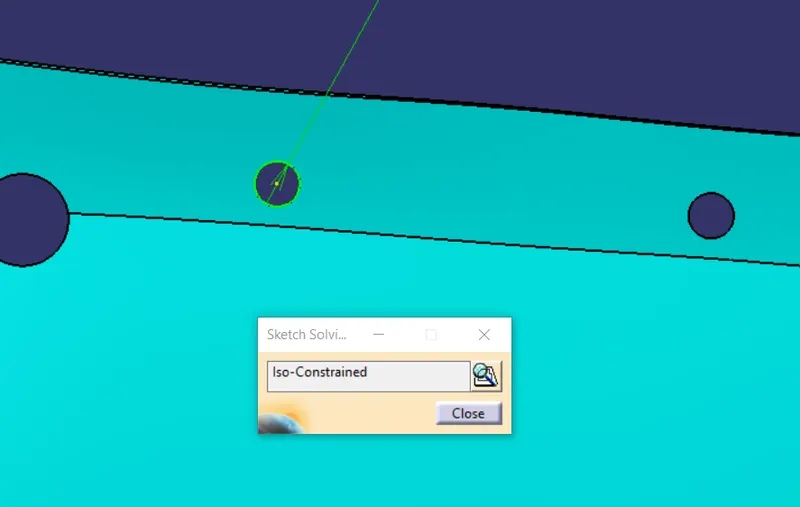
pad the sketch
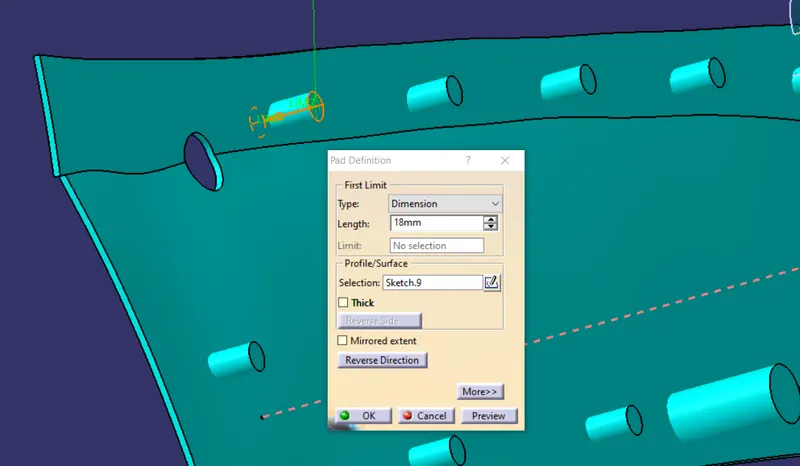
translate it to each heat stakes
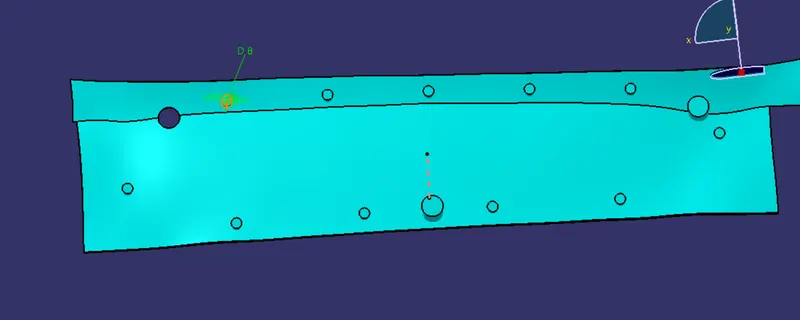
and then remove it from the thickened surface
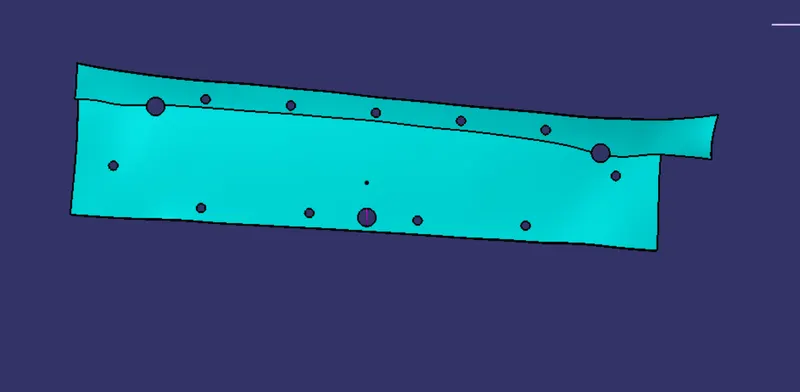
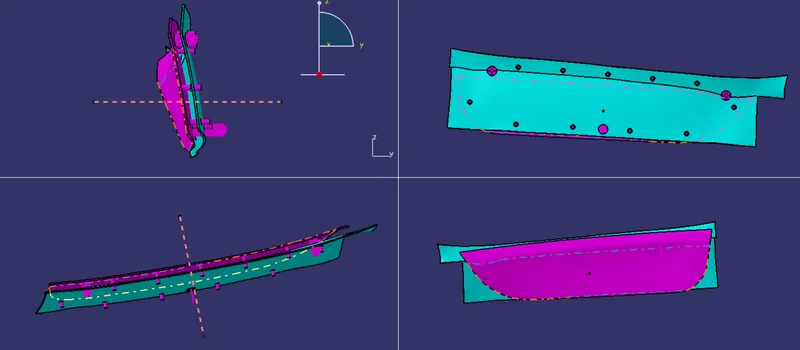
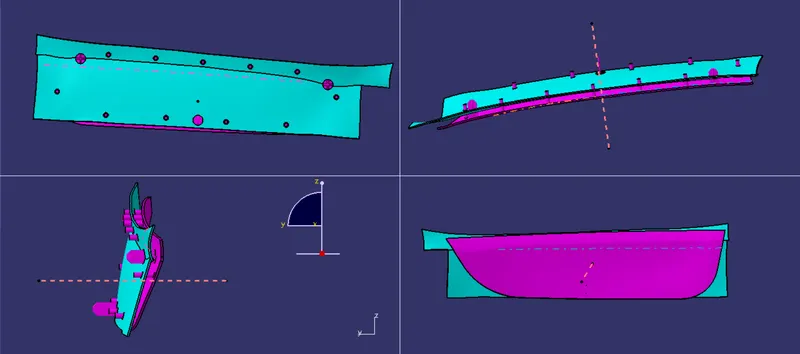
MULTI-SECTION VIEW
DRAFTING
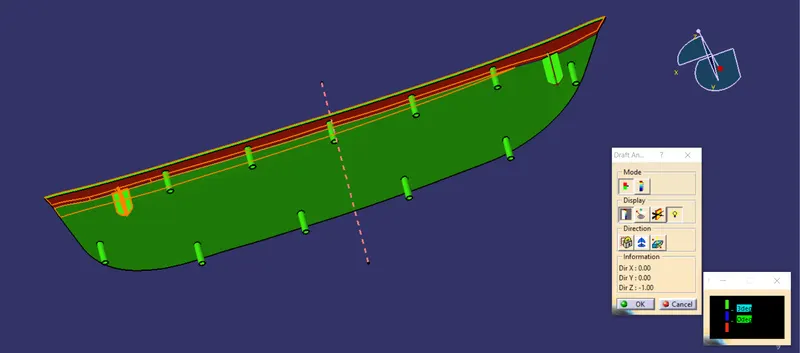
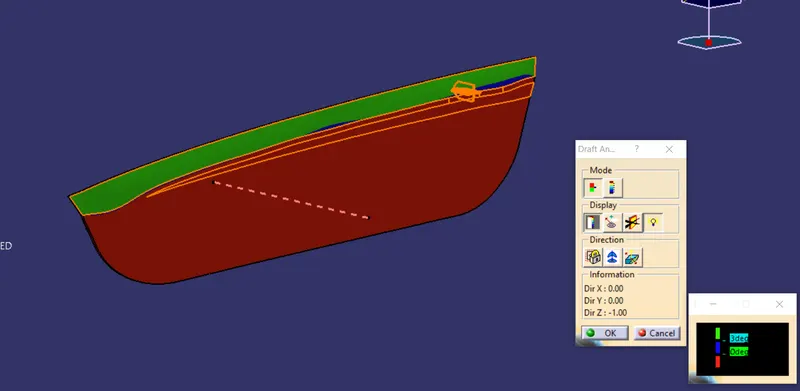
It is a tool that allows the user to ‘see’ whether the part they are designing can be removed from the tool being used to make it. In the case of plastic injection molded parts it also allows the designer to see if there is enough draft on the part to ensure that it can be correctly grained. I always use the tool with the axis direction method. Put the main axis on the draft direction line with Z being parallel to it. Select the tool then select the part body. You may need to reposition the axis again. The results window has 2 options 1 with just 3 color variants and the other with many variants. They can be edited by double-clicking on them to give you the result you desire. The colors show the different draft angles
DRAFT ANALYSIS OF THE THICKENED SURFACE.
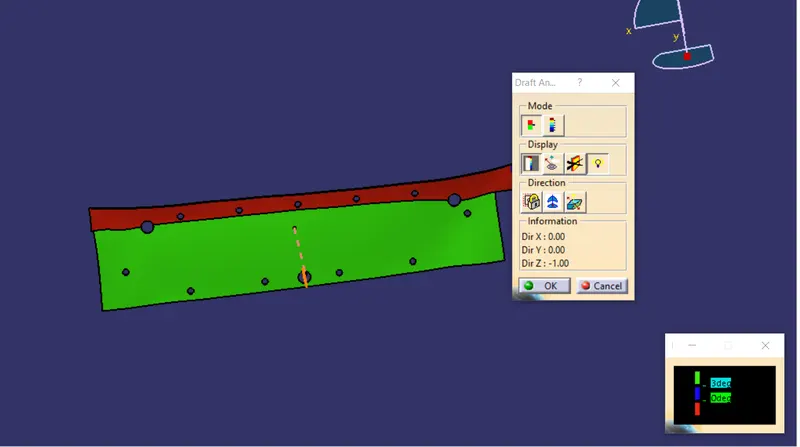
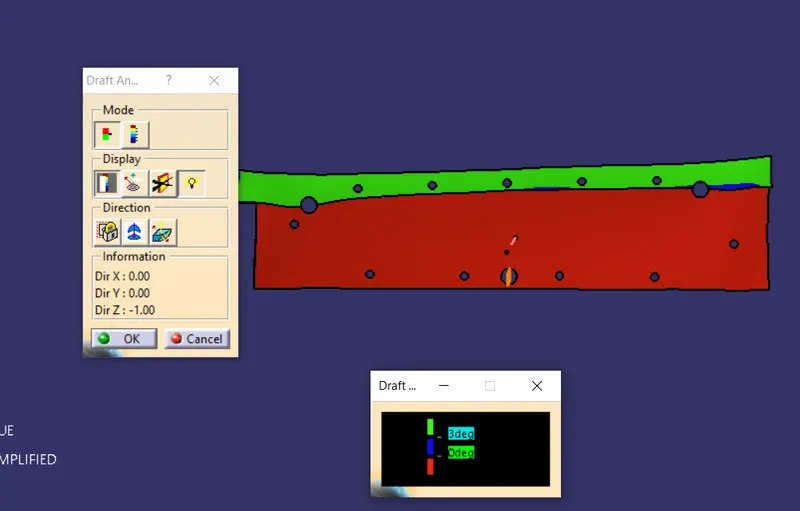
DRAFT ANALYSIS ON THE LOCATORS AND HEAT STAKES AND CLASS CLOSED SURFACE
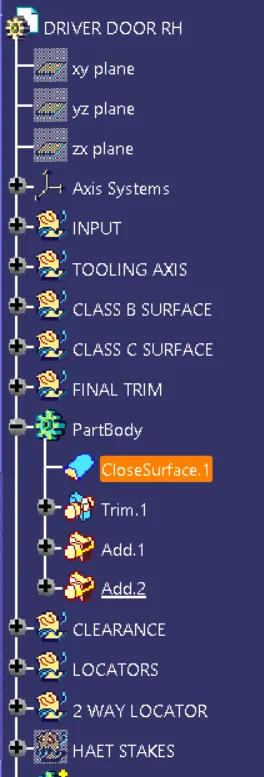
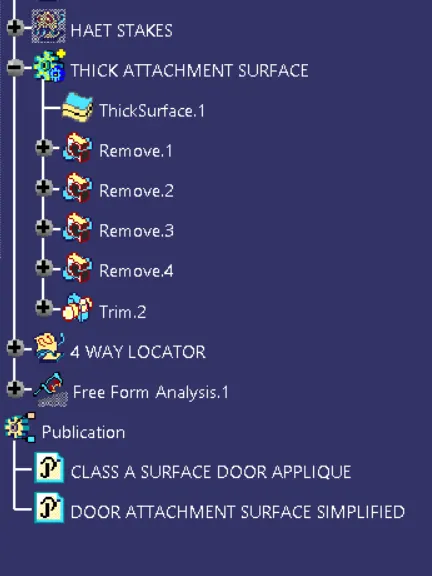
TREE STRUCTURE