Week 8 - Challenge 6 - Core & Cavity Design
Objective-
To create the Core and cavity blocks for the switch bezel designed in the earlier challenge including the Parting Surface.
Introduction:
Core and cavity blocks are the two main components of an injection molding tool used in the plastic injection molding process.
The core block is part of the mold that forms the internal shape of the molded product, while the cavity block forms the external shape. The two blocks are usually made of high-grade steel and are held together by locking plates. The core block is usually fixed in place and is not moved during the molding process, while the cavity block is mounted on a movable plate and can be opened and closed to allow the molded part to be removed.
Tooling Axis-
The Tooling Direction is basically the direction in which the mold pulls apart. The mold is built in two separate pieces, basically. You have a Cavity side and you have the Core side. The Core pulls apart from the Cavity and that's the Dyeline or the Tooling Direction. We have to check visually all three Tooling Axis. The best possible tooling axis is along the Z axis. After creating the tooling axis, we must look for a Draft Analysis. For the Draft Analysis, the is a Tool featured in Catia V5.
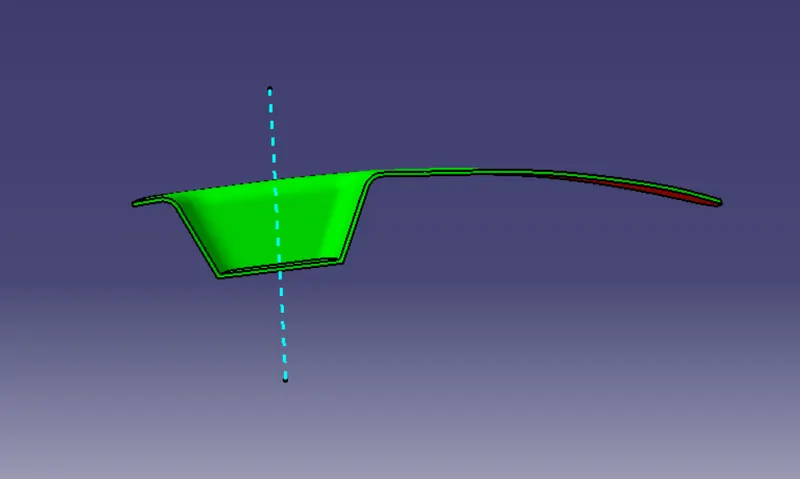
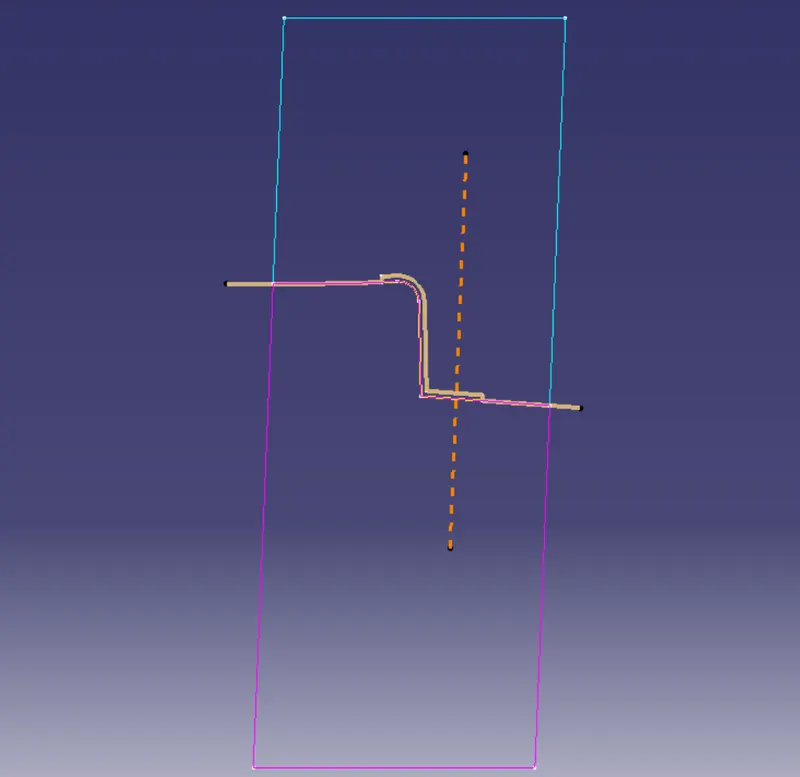
In this model, the Tooling axis is created using the bisecting method by extracting the base surface of the Class-A Surface and creating the center point of the extracted surface after that creating two sketches on two planes by taking the cross-section of the given surface in the particular plane. The tooling axis is created from the two lines using the cross-section of the surface on the y plane as the bisecting line. The tooling axis is created from the two lines using the cross section and also creating one with the help of the cross-section line of the surface on the X plane as the bisecting line. And now, creating another bisecting line using those two plane sketches is the tooling axis for this particular Class-A surface.
Bisecting Method-
The bisecting method is basically used to find the proper tooling axis using the dummy tooling axis. In Bisecting method, the bisecting line is used which either bisects the two lines or it will show an error which means the two lines are parallel to each other. In order to know whether the particular surface is a tool able or not we intersect the surface with the respective plane and get a sketch that consists of two lines with the help of bisecting line option we bisect the line which creates a line at the midpoint of the two lines. Likewise, we create a tooling clearing axis for x and y which will be used to create the main tooling axis using the bisecting line option in the line command.
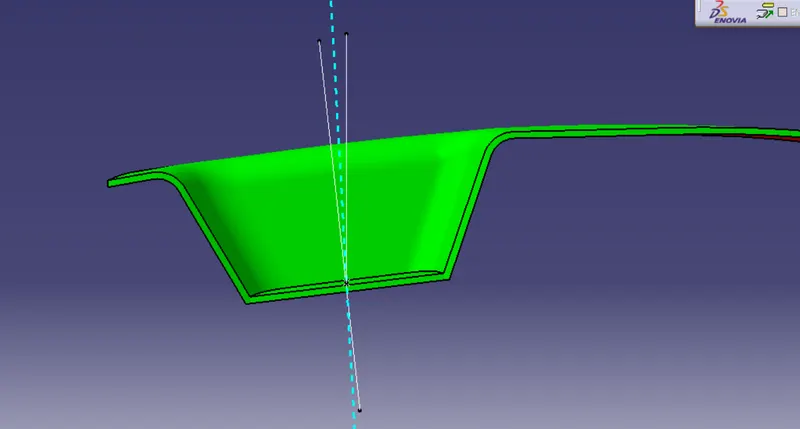
Draft analysis is a process used to determine the draft angle of a Class A surface in product design, specifically in the automotive and other industries. The draft angle refers to the angle between the surface and a reference line, such as a tooling axis, and is used to ensure that the surface can be properly released from the mold or tool used in the manufacturing process.
Parting Line:
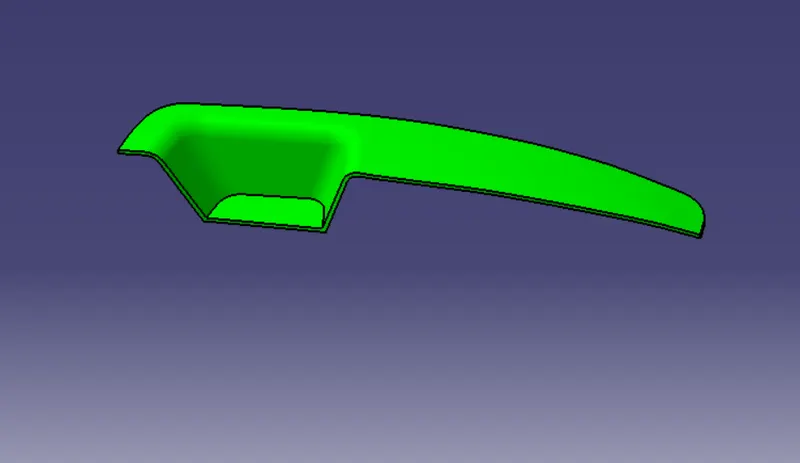
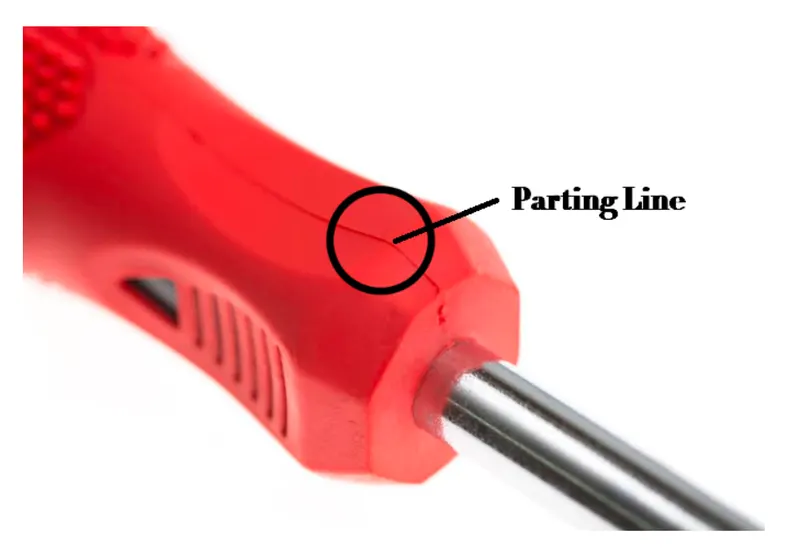
The parting line in injection molding is the line or surface that separates the core and cavity blocks in the mold. It is the boundary that separates the two halves of the mold and determines where the mold will open and close to allow for the removal of the molded part.
The design of the parting line is a critical aspect of injection molding because it affects the appearance, strength, and dimensional accuracy of the final molded product. The location of the parting line can impact the flow of the melted plastic during the molding process and the ability of the mold to release the molded part.
In order to ensure that the parting line is properly designed, several factors must be considered, such as the type of plastic being molded, the molding process conditions, and the desired cosmetic appearance of the molded part. The parting line must be straight, clean, and consistent to avoid cosmetic defects and to provide a strong and uniform bond between the core and cavity blocks.
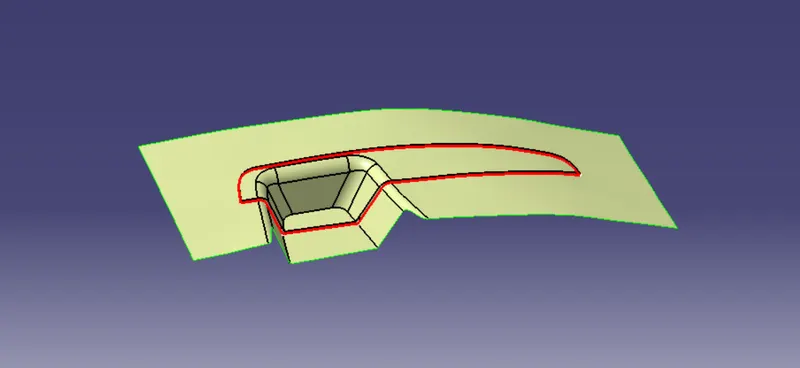
Parting Surface:
A parting surface is a Junction that separates the mold block into two parts – the core and the cavity.
Generally, injection mold has two major components: the movable halves and fixed halve. During the injection molding process these halves are pressed tightly from a sealed hollow to avoid melt flow leakage and maintain certain holding pressure, the pressed surface is called the parting surface, usually parting surface is the biggest projection outline surface of the part.
Parting surface design directly affects the product quality, ease of construction, and operation of the injection mold
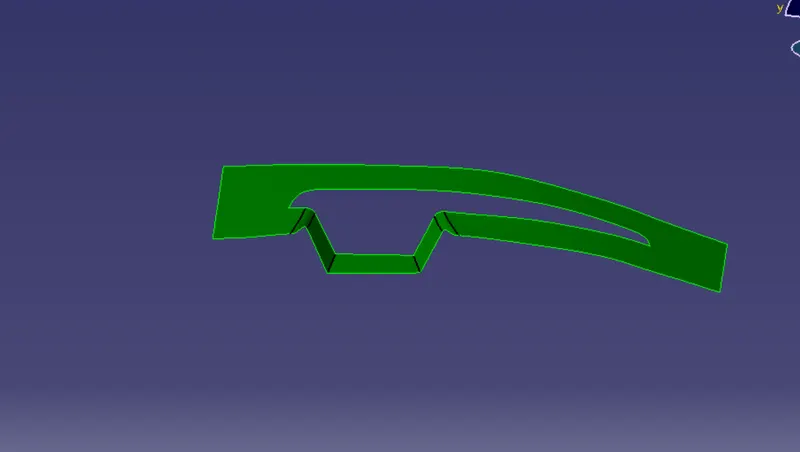
Core and Cavity Design:
The core & cavity are the shaped sections in either half of the mold tool which give the plastic product its final shape. The hot molten material is injected into the core & cavity and then sets hard into shape. The design of the core & cavity is essential in the correct formation of the product.
Core:
The core is the side of the tool where the plastic part is injected from; also known as the bottom half of the tool. The upper half of the mold is called CORE.
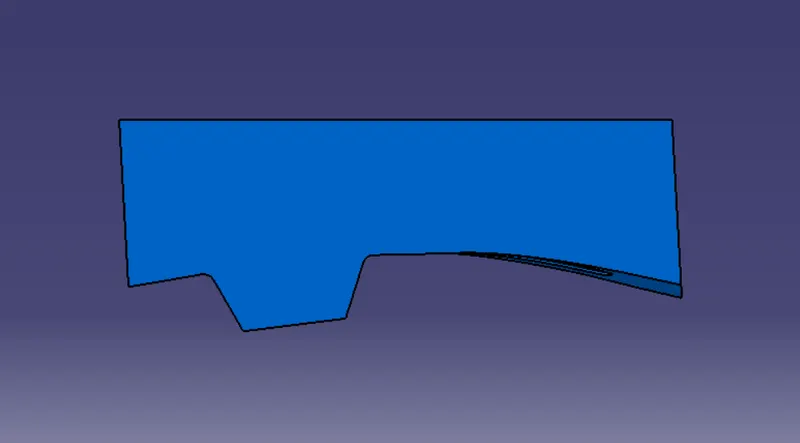
Cavity:
A mold is a hollow form typically made from stainless steel that has plastic injected into it to manufacture a plastic part. The plastic is inserted into the mold cavity, which is a hole in the mold shaped like the desired part.
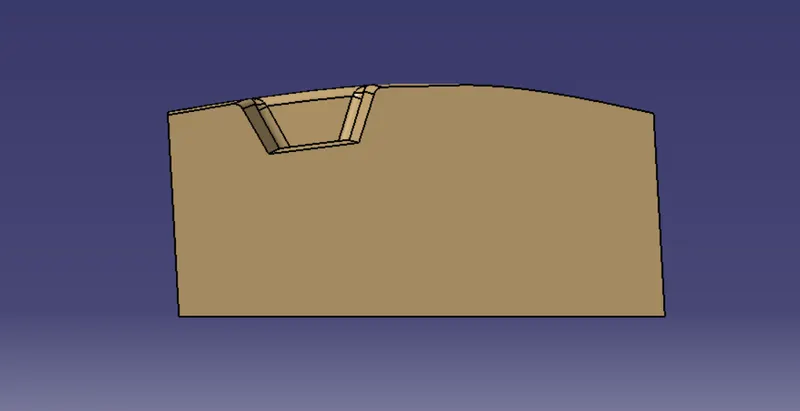
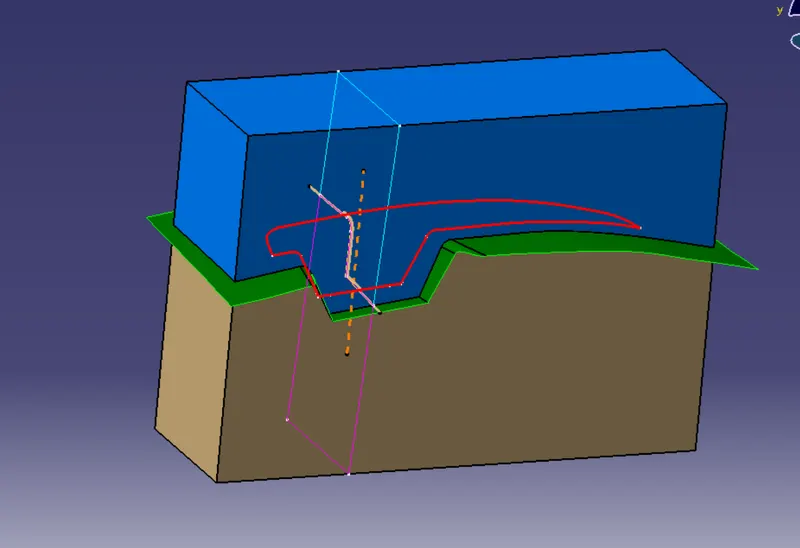
The intersection of all Core, Cavity & the main component:
Final Design:
The core block is part of the mold that forms the internal shape of the molded product, while the cavity block forms the external shape. The two blocks are usually made of high-grade steel and are held together by locking plates. The core block is usually fixed in place and is not moved during the molding process, while the cavity block is mounted on a movable plate and can be opened and closed to allow the molded part to be removed.
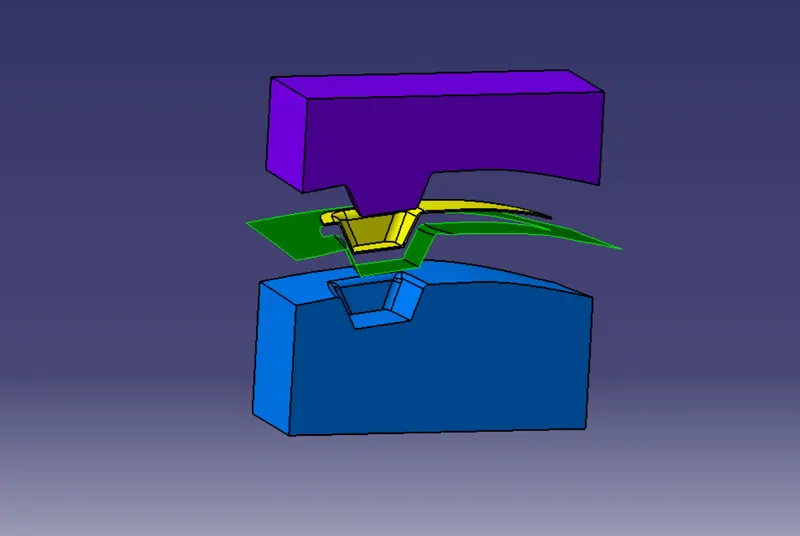
Conclusion: Thus the design of the Core and Cavity is completed following all the necessary steps and design considerations.