Hood design-Week 2
Hood Design using NX- CAD
Objective:-
Designing of Hood Inner & Outer panels and assembling them with hinges and striker of the hood part using NX-CAD with the help provided by the master section and keeping all the safety and production parameters into consideration.
Introduction:-
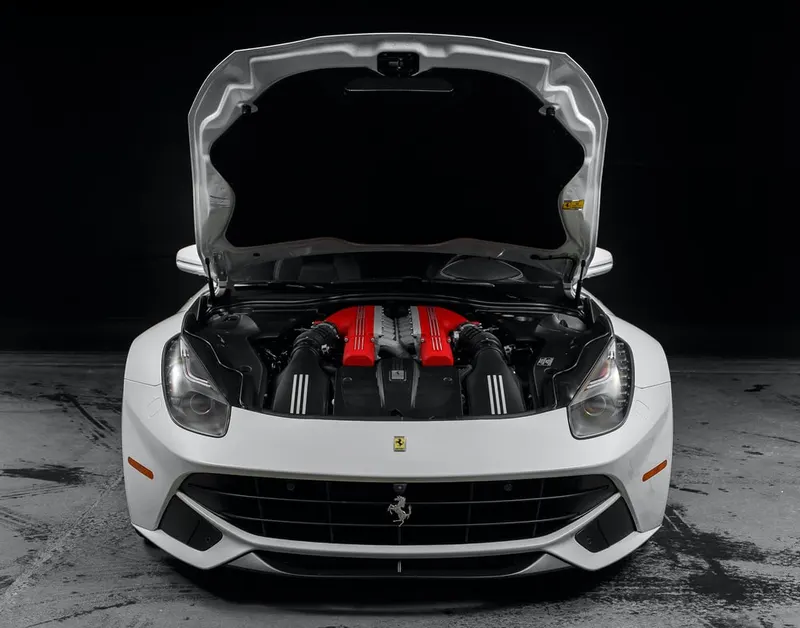
A hood is one of the primary sheet-metal component used in a Vehicle, It is used to cover the front compartment of a vehicle which usually consist of an Engine. The Hood is not only used to enhance the aesthetic look of the vehicle but it also plays a major role in the safety of the vehicle. The Hood consists of parts like Hood Outer panel, Inner panel, Hinges, striker, and hood struts or gas sturts, all these components assemble to form a Hood.
Also, the Hood is the most critical component when it comes to safety as the hood/bonnet is positioned in the front of the vehicle, it is more likely to get hit by some obstacle, or in the worst case scenario, it can also hit a pedestrian. So, these factors increase the importance of a design engineer as the design engineer has to keep the hood not only robust but safe for the pedestrians as well as passengers present inside the car. There are many methods to test the stability and safety of the hood, a few of them are the Pedestrian safety test and Frontal crash analysis.
While designing a car there are many steps which are taken into consideration some of them are Pedestrians safety, Hood head zone for the lock striker which purely depends on the average height of the person in that particular region for which the car is going to be produced, Dissipation of forces when subjected to frontal crash and most important is the manufacturability of the vehicle.
Design Parameters
Hood Thickness Information:
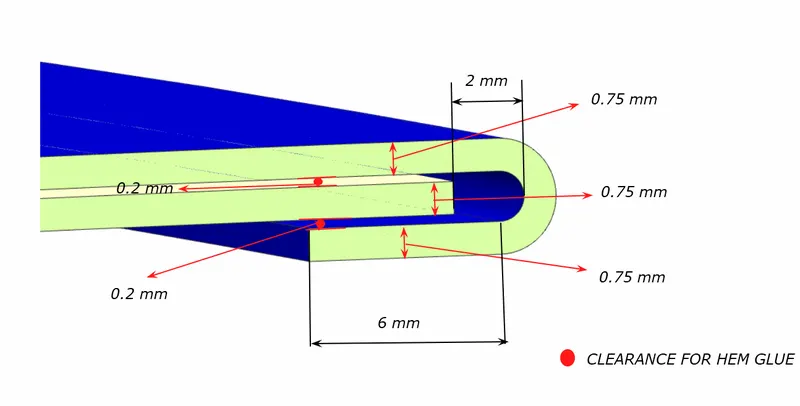
- Outer Panel Thickness = 0.75mm
- Inner Panel Thickness = 0.75mm
- Reinforcement Thickness = 1.5mm
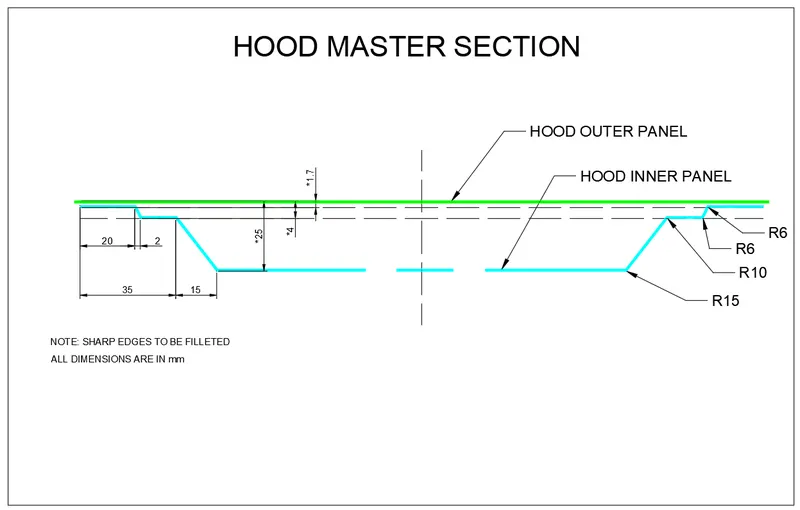
A Hood is an Assembly of various parts like Hood outer panel, Hood inner panel, hinges, and Striker which are further defined:-
Hood Outer Panel:-
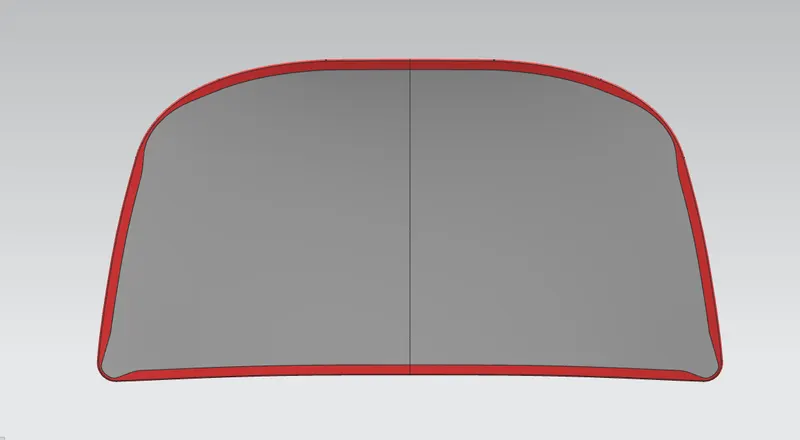
The outer panel of the hood is the visible part of the vehicle so it's mainly about the aesthetic look of the vehicle. Other than the looks, the outer panel also needs to satisfy the dimensional requirements of the vehicle and further is attached to the inner panel with the help of the Hemming process.
Hood Inner Panel:-
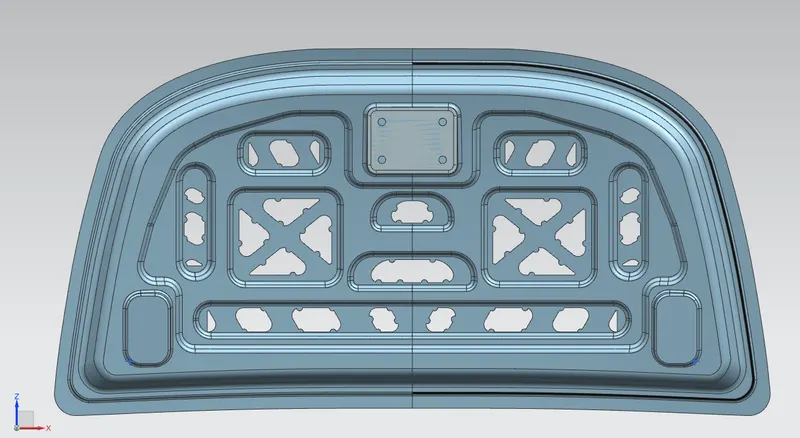
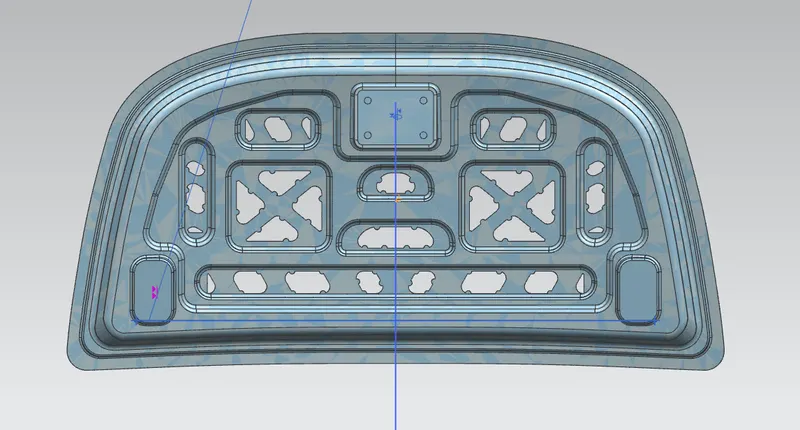
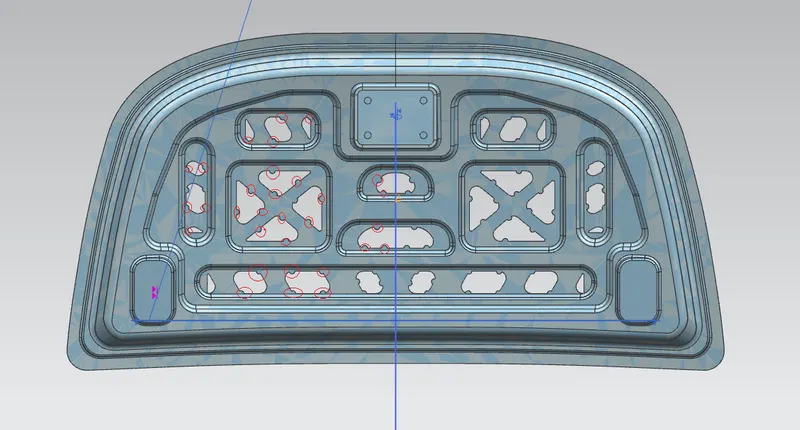
The Hood Inner panel is the most critical and complex component used in the hood assembly as most of the safety-related parameters are created in this part. There are various embosses and gaps that lie within the surface of the inner panel to dissipate the force to move outwards to provide safety for the passengers present inside the car.
Hinges:-
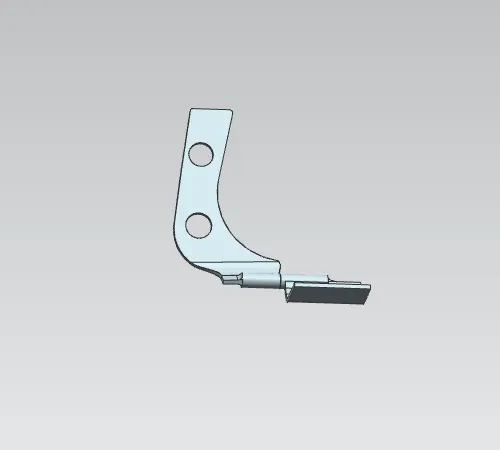
Hinges are used to connect the Hood Assembly with the engine compartment, the hinge assembly consists of two parts one for the engine compartment and the other one for the Hood Assembly.
Striker:-
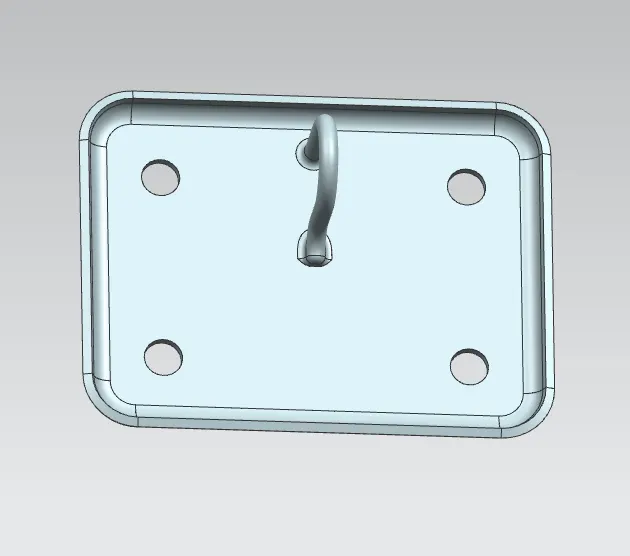
The striker is another important part used in the assembly where the locking mechanism of the hood relay. The striker comes with a hook which is further attached to the locking mechanism of the hood.
Emboss:-
Emboss is provided in the sheet metal body to increase the stiffness of the material and also to dissipate the force at the time of impact, the embossing should be designed in such a way that it tends to dissipate the force outside the vehicle rather than sending it inwards.
Latch Trajectory:-
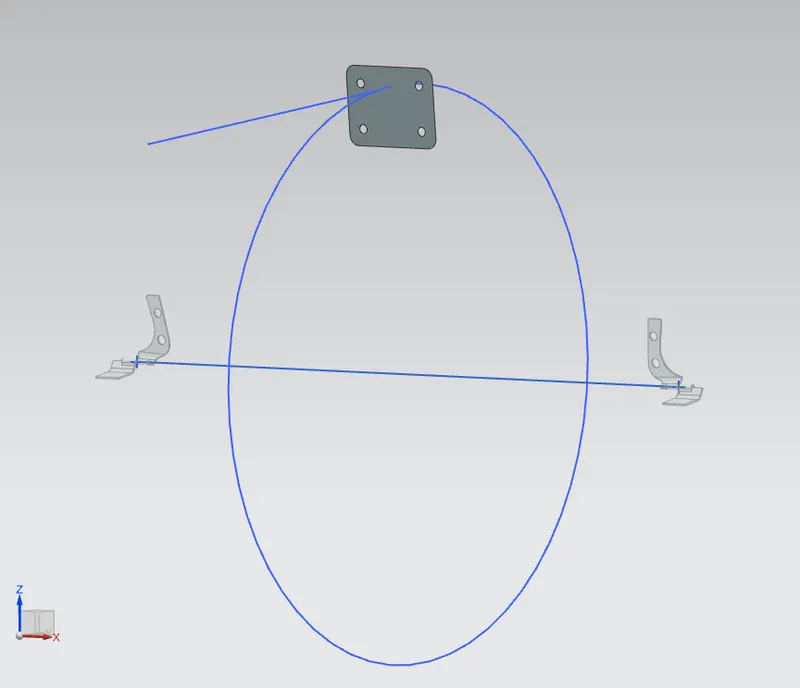
For Creating a Latch trajector, firstly we fix the hinge with the inner panel then we need to mirror the hinge geometry on the other side of the hood further we join the hinge midpoint with the help of a 2D line then plot a circle on the XC axis using this midpoint as the center. To properly Constraint, the tip of the striker should be tangential to the latch trajectory.
Mastic Data:-
Mastic Sealants are the material used between the inner panel and outer panel to provide as they tend to improve the strength locally at around 80mm diameter also it creates a strong, flexible and waterproof seal, making it ideal for sealing gaps and joints in places where it will need to resist some movement.
Hemming:-
Hemming is the process in which the edge is rolled flush to itself, while a seam joins the edges of two materials, The process starts by bending the edge to an acute angle after this process the hems are closed with the help of a roller by rolling over the edges of the panel. It is a sheet metal forming process in which sheets are joined by bending it to 180°. Automotive body panels and automotive parts such as deck lids, trunk lids, doors, hoods, and tailgates are formed by the hemming process. In this process, usually, a sheet is bent with the help of an inner sheet in three different stages.
Hemming is a forming operation in which the edges of the sheet are folded over another part to achieve a tight fit. Normally hemming operations are used to connect parts, improve the appearance of a part, and reinforce part edges.
Deep Drawing:-
Deep drawing is a sheet metal forming process in which a sheet metal blank is radially drawn into a forming die by the mechanical action of a punch. It is thus a shape transformation process with material retention. The process is considered "deep" drawing when the depth of the drawn part exceeds its diameter. It is used for sheet metal and various plastics. The process is equally suitable for industrial small-series and mass production. Many everyday objects consist of deep-drawn parts.
Deep drawing offers many advantages over aluminum stretching because aluminum is a highly inelastic material. The deep-drawn aluminum forming process is made up of several steps. At the start of the deep drawing process, an aluminum part is pulled, or drawn, into a stamping machine's die cavity.
Final Assembly:-
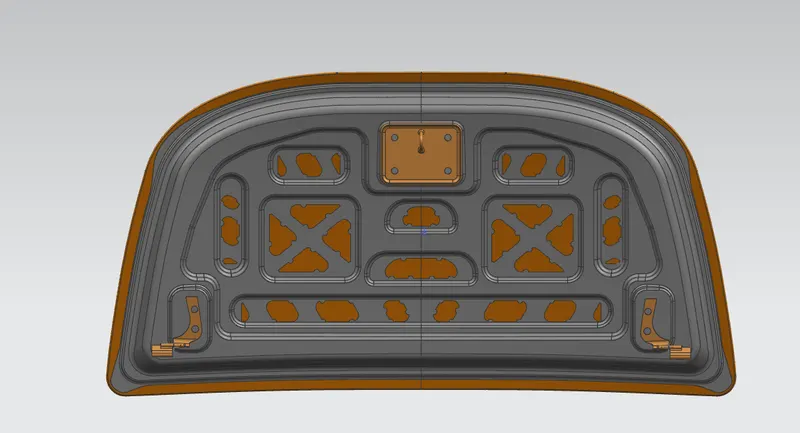
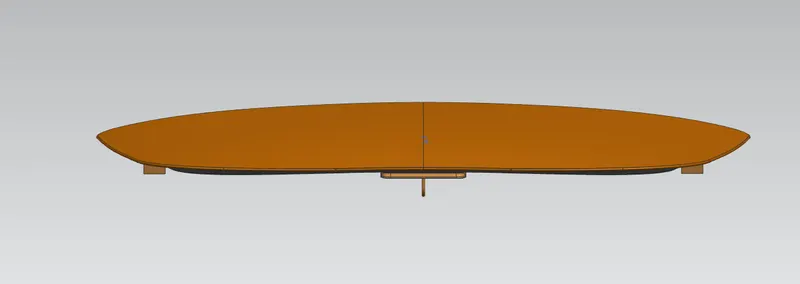
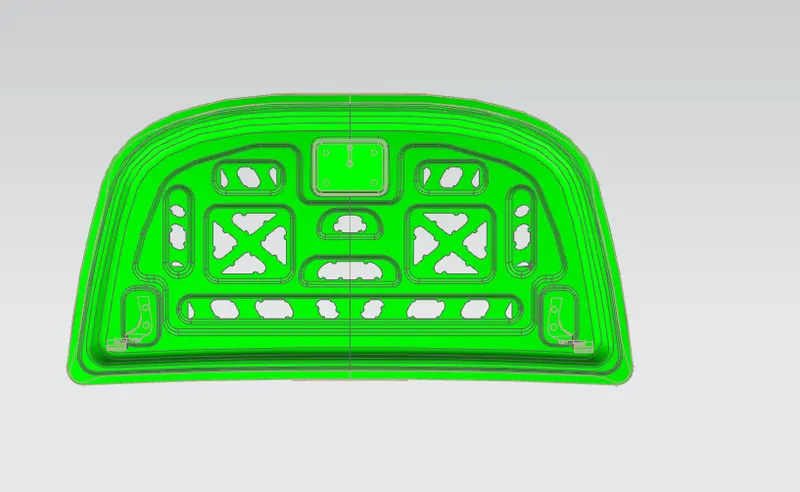
After designing the parts the next step is to assemble them to make the whole hood unit this concludes the Inner panel, Outer panel, Striker, and Hinges. After assembly, there are a few steps like Draft Analysis which are used to check the manufacturing feasibility of the product
Draft analysis:-
Conclusion:-
Therefore, we have designed a car hood with the help of the master section provided which is also up to the manufacturing and safety standards.