Week 7: Shock tube simulation project
AIM: To run Transient Flow simulation in a Shock Tube using converge CFD.
OBJECTIVE
• Setup a transient shock tube simulation
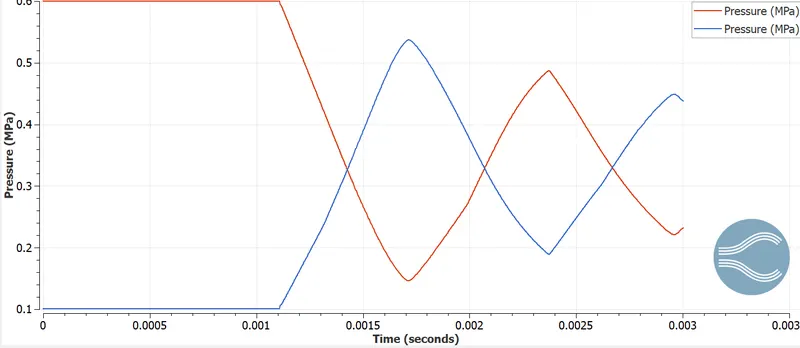
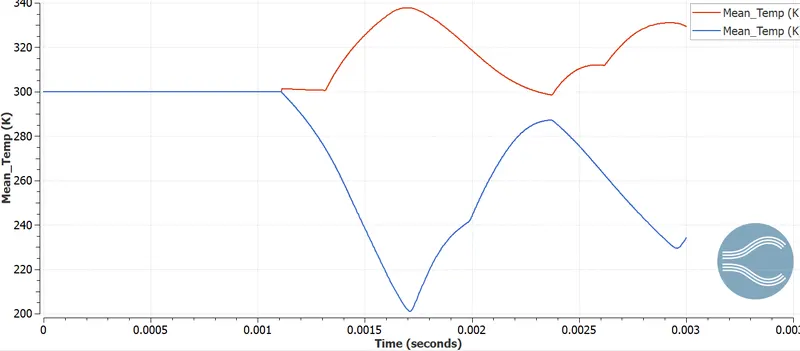
• Plot the pressure and temperature history in the entire domain - Explain the result
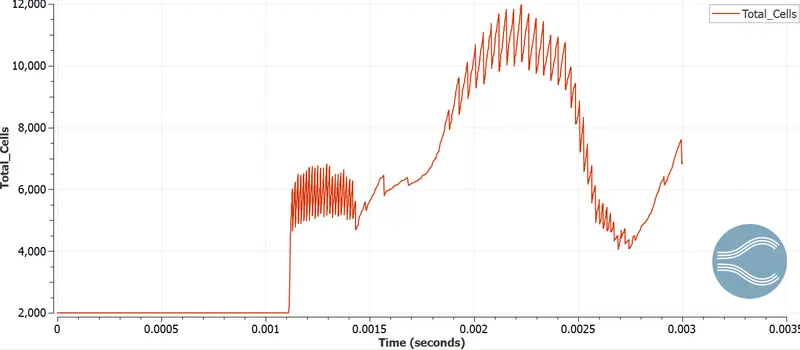
• Plot the cell count as a function of time - Explain the result
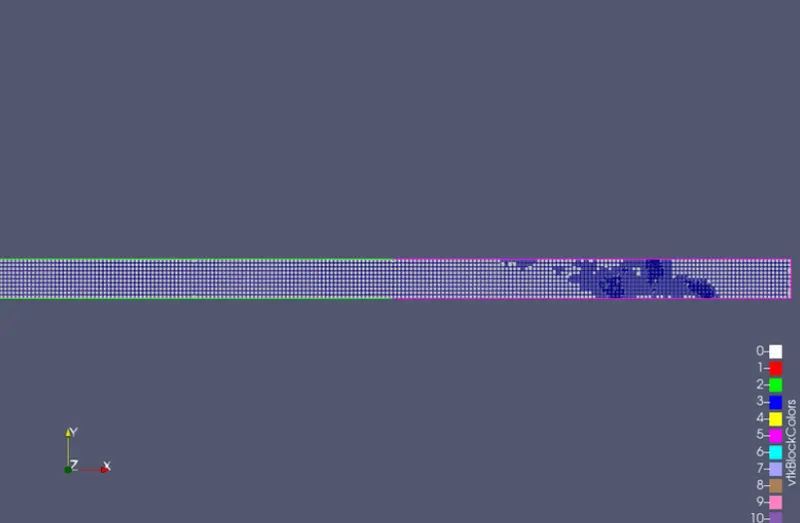
• It is expected to show the mesh generation using ParaView.
THEORY
The report contains a detailed description of the Shock tube Simulation problem using converge CFD software, solving it using CYGWIN, and post-processing the result using ParaView. This Case Study contains a rectangular duct that has two sections along with a diaphragm in between. A high-pressure reservoir is connected to the low-pressure section
A shock tube is a device for studying shock waves. Prior to starting an experiment, a diaphragm inside the tube blocks any flow. we can increase the pressure on one side, such as with a compressor, and then
start the flow by rupturing the diaphragm. The gas expands down the other half of the tube.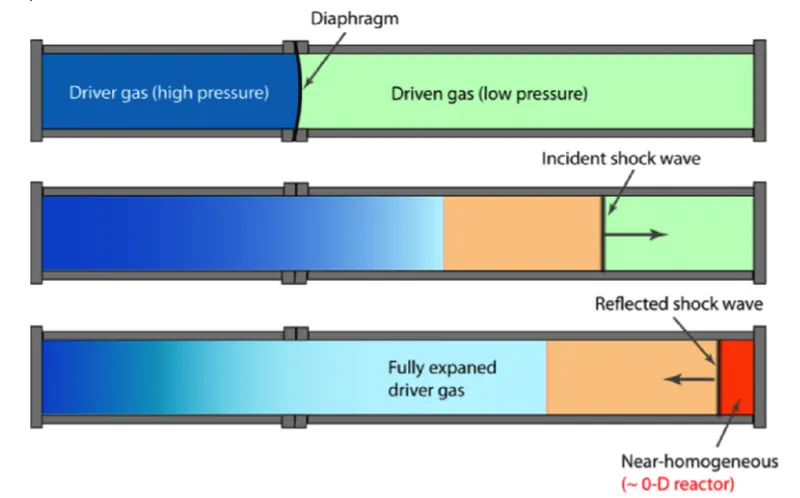
SIMULATION AND SOLUTION
Geometry
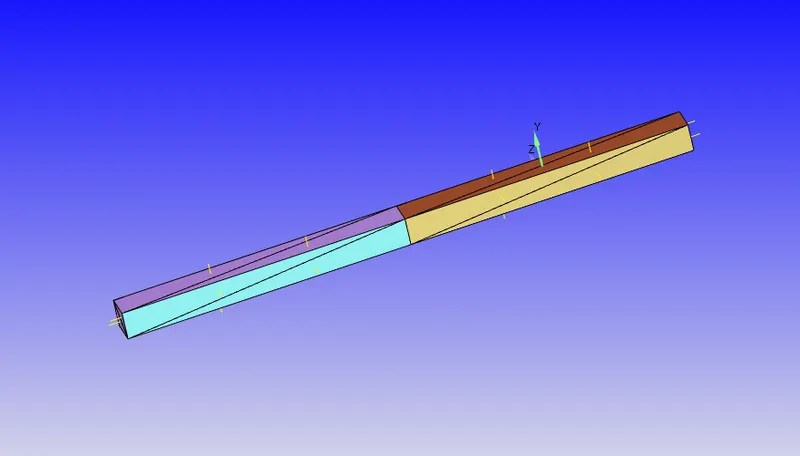
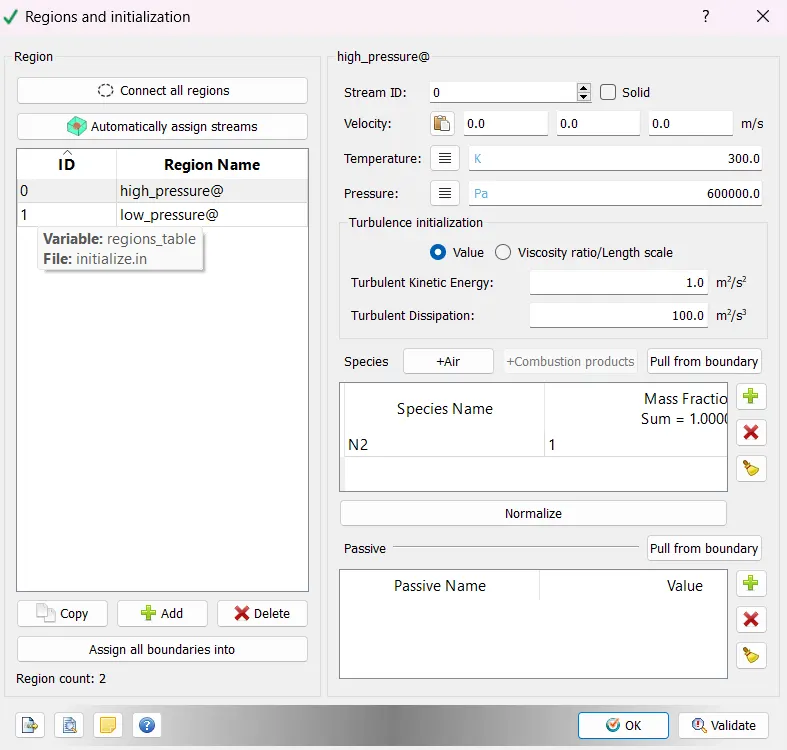
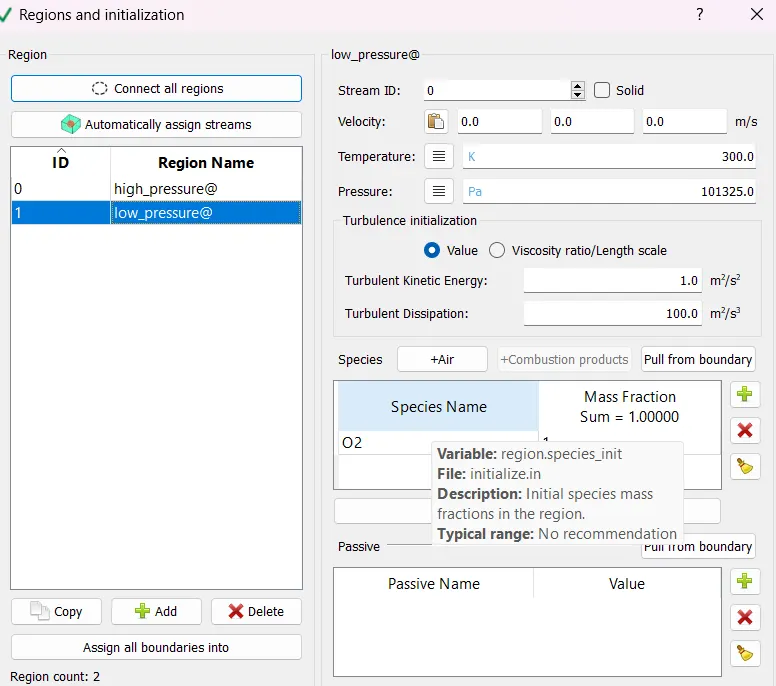
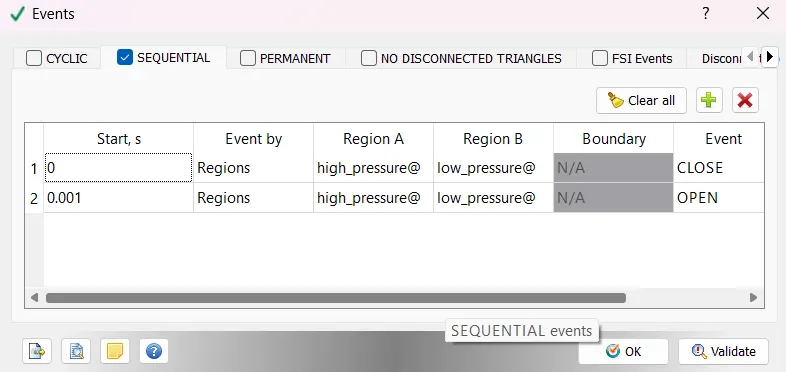
Using the given geometry we create 2 regions, which are the low-pressure region and the high-pressure region. By creating a diaphragm using events (time difference) we observe the results in the shock tube.
Setup:
Application Type Time-based
MATERIALS:
1. Gas simulation Standard
2. Global Transport Parameters Standard
4. Species
1. fluid: 02 and N2
SOLUTION PARAMETERS
1. Run Parameters
Transient >Full hydrodynamic>Compressible
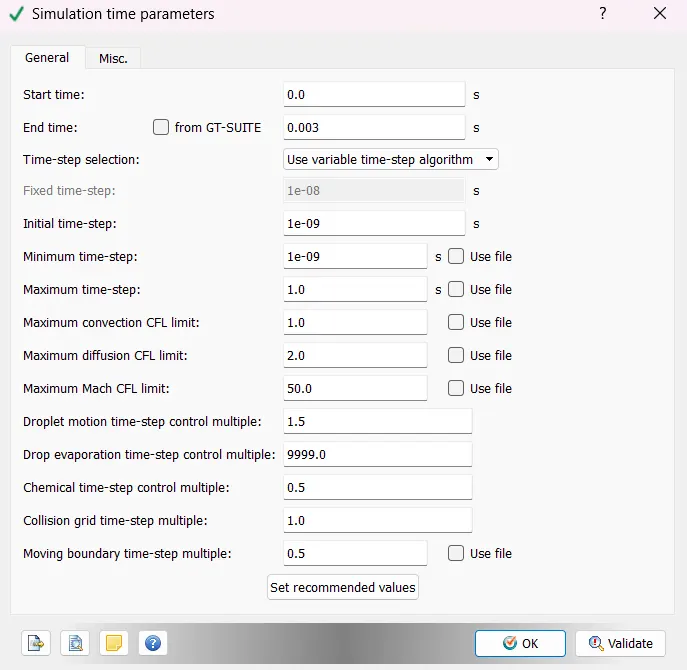
2.simulation time parameter
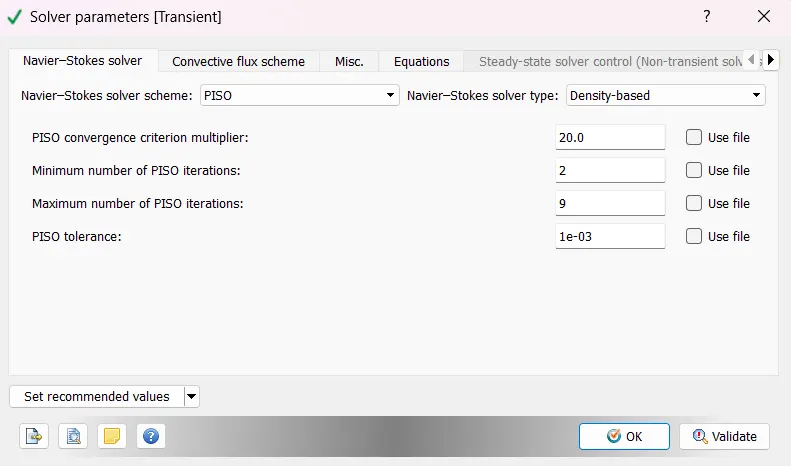
3. solver parameter
Boundary
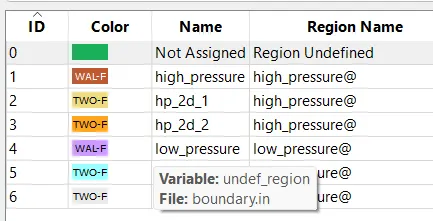
1. high pressure
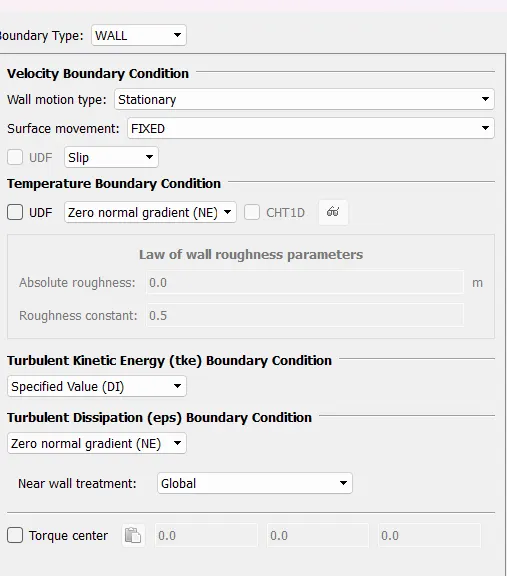
2.high pressure 2d front and back 2D WALL
3.low pressure
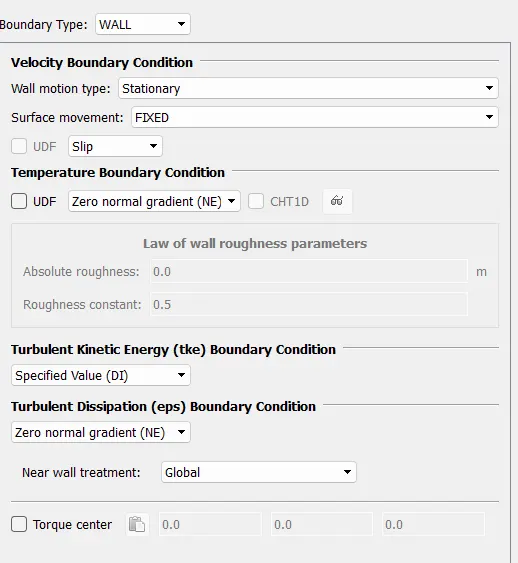
4. low pressure 2d front and back 2D WALL
Initial condition and events
1. Regions and initialisation
2.Events
Physical modeles
1.Turbulance modele RNG k-epsilon
Grid control
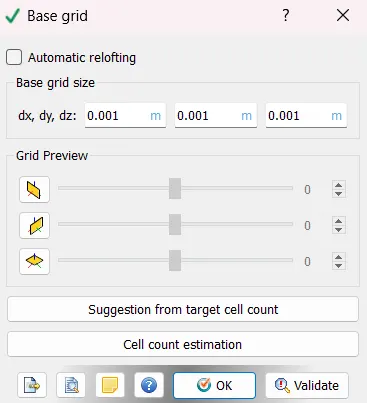
1.Base grid
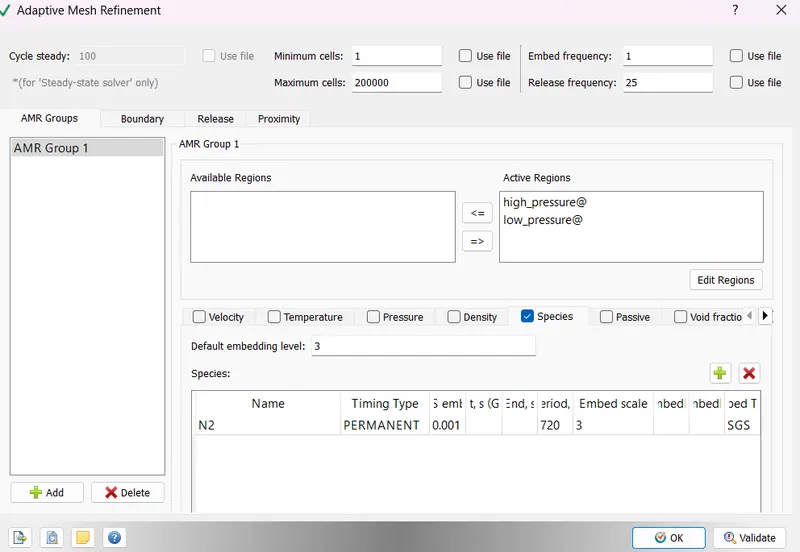
2. Adoptive mesh refinement
output
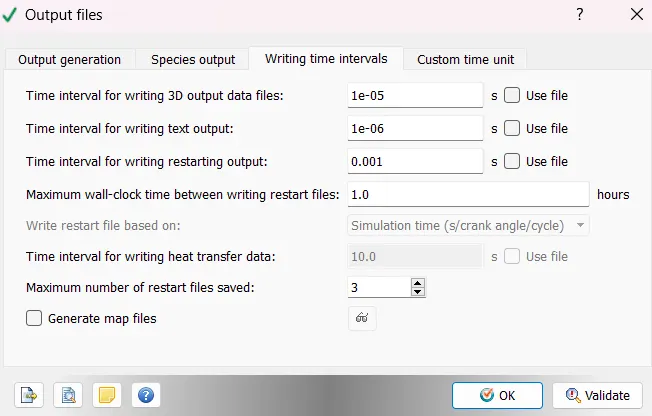
Solution
mesh
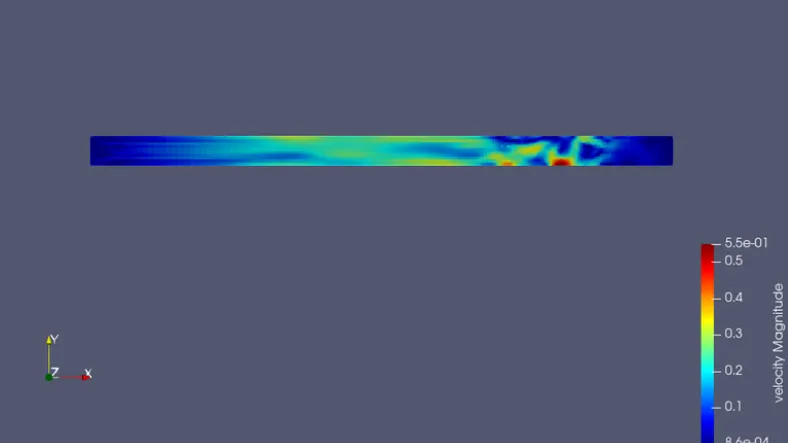
Velocity contour
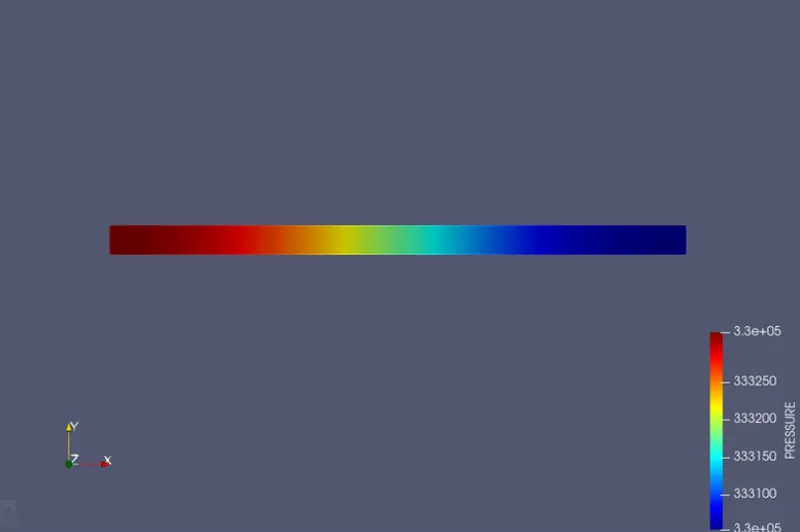
Pressure contour
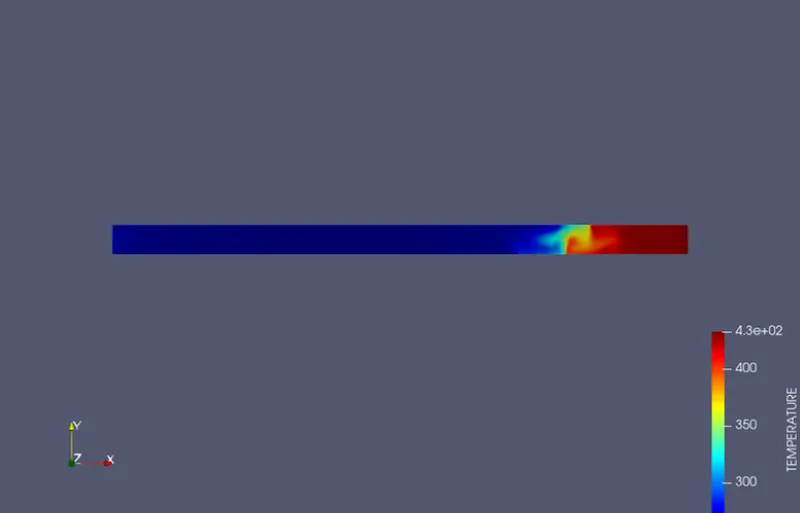
Temperature contour
Total cell count
Pressure plot
Temperature plot
CONCLUSION
High-Pressure N2 gas compresses the low-pressure 02 then after some compression a recirculation takes places and the low-pressure gas passes the N2.
• From this problem, we can understand the compressibility of gas and study the flow.
• Due to adaptive mesh refinement, the cell count is varying all the time when the expansion and contraction are taking place inside the shock tube.
• From the pressure plot, it can be concluded that after some time both the species will have common pressure as one pressure is increasing and the other is decreasing wrt time.
• The temperatures first fluctuate then will attend the equilibrium position after some time.