Week-7 Head Impact
AIM:-
To perform the head impact analysis by using LS-Dyna and calculate Head Injury criterion (HIC) values in different cases.
INTRODUCTION:-
Pedestrian safety simulation is a part of vehicle safety engineering. This study focuses on car and pedestrian interaction. The main focus of this is to reduce pedestrian injury in case of an accident (head injury, leg injury, etc). Usually, these tests are performed in the lower velocity range from 20-40KmpH. HIC(Head injury criteria/coefficient) is a measure of the likelihood of the head injury caused due to the impact after an accident. This is basically a measure of average acceleration during a small interval of the crash.

Currently in India, Automotive Indian Standard (AIS) 100, Amendment 1 is used to evaluate the performance of vehicles against pedestrian safety. This standard has been harmonized from the international evaluation standard Global Technical Regulation No. 9 (GTR 9), whose purpose is to bring about an improvement in the construction of the fronts of vehicles and, in particular, those areas which have been most frequently identified as causing injury when in collision with a pedestrian or other vulnerable road user. The tests required are focused on those elements of the child and adult body most frequently identified as sustaining an injury, i.e. the adult head and leg and the child's head. To achieve the required improvements in the construction of vehicles, the tests are designed in such a way that they will represent the rear world accident scenario.
HEAD INJURY CRITERION:-
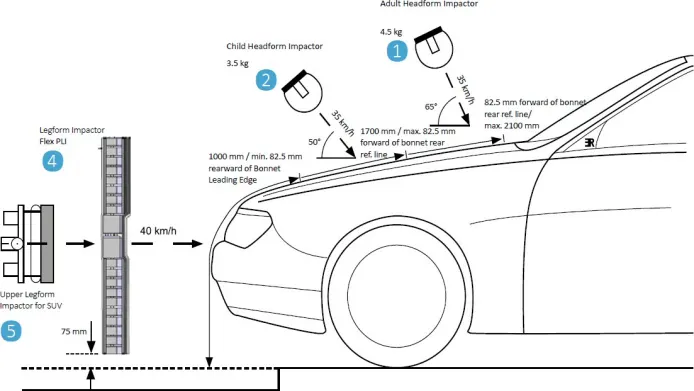
Head foam impactors are used to test the behaviour of vehicle structures such as the hood. In a pedestrian-vehicle impact, the kinematics and severity of pedestrian injuries are affected by the impact locations on the vehicle and body velocities after impact. The objective of this project is to analyze the pedestrian kinematics in a Pedestrian-Car accident scenario and determine the Head Injury Criteria (HIC) from the head resultant acceleration, for head impacts on the vehicle hood
The head injury criterion (HIC) is a measure of the likelihood of head injury arising from an impact. The HIC can be used to assess safety related to vehicles, personal protective gear, and sports equipment.
Normally the variable is derived from the measurements of an accelerometer mounted at the centre of mass of a crash test Dummy's head when the dummy is exposed to crash forces.

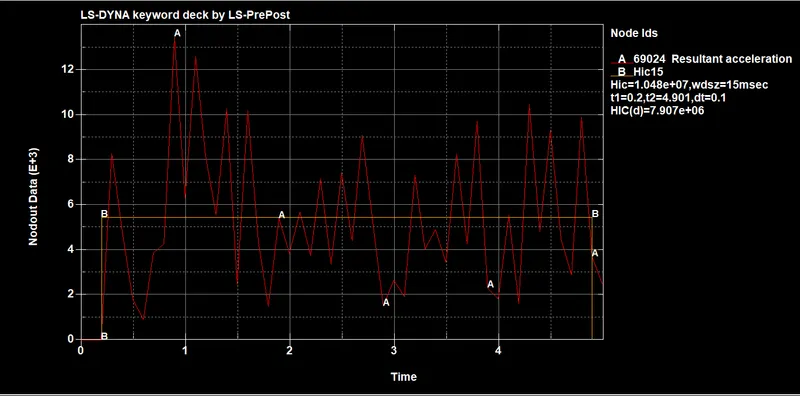
where t1 and t2 are the initial and final times (in seconds) chosen to maximize HIC and Acceleration is measured in gs (standard gravity acceleration). The time duration, t2 – t1, is limited to a maximum value of 36 ms, usually 15 ms.
This means that the HIC includes the effects of head acceleration and the duration of the acceleration. Large accelerations may be tolerated for very short times.
At a HIC of 1000, there is an 18% probability of a severe head injury, a 55% probability of a serious injury, and a 90% probability of a moderate head injury to the average adult.
PROCEDURE:-
CASE1:- Simple head impact on a rigid wall
1. Import the simple head.k file in LS-Dyna.
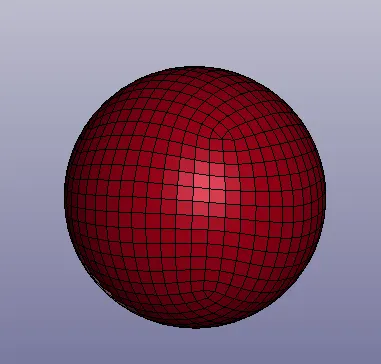
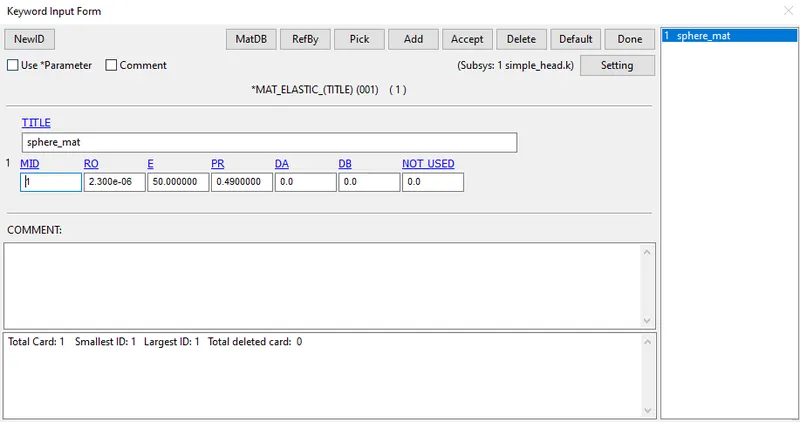
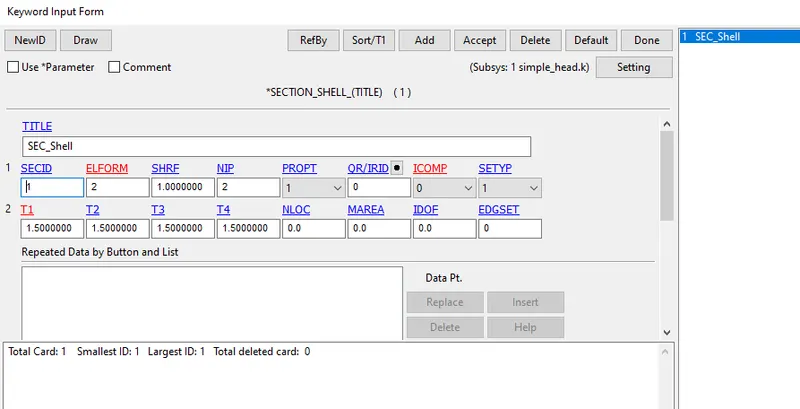
2. Create the material and section as shown below.
Material
Section shell
3. Create a rigid for the simple head as shown below.
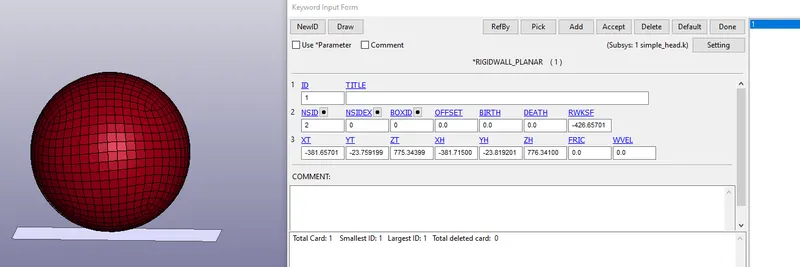
4. Next create the initial velocity as shown below.
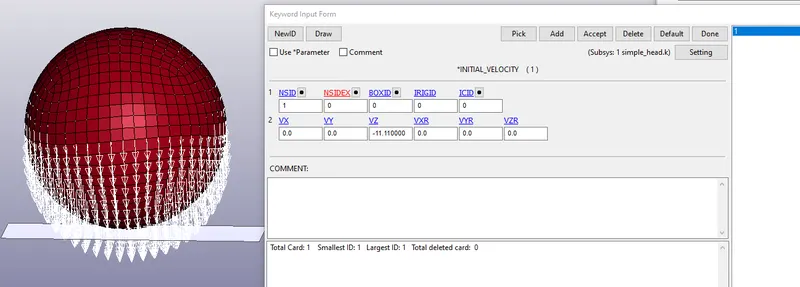
5. Next create the contact as shown below.
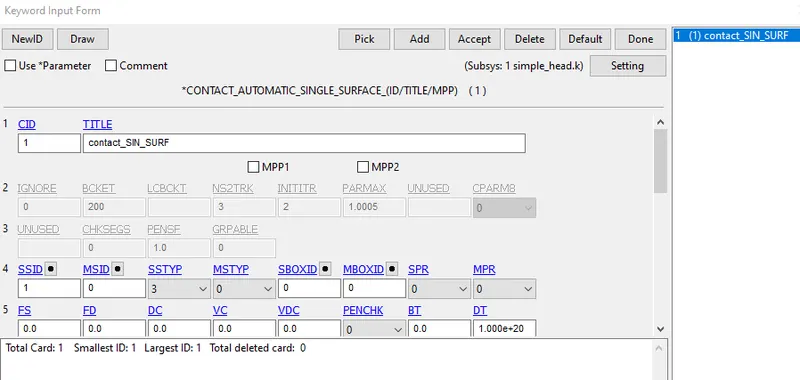
6. Create the control termination as shown below.
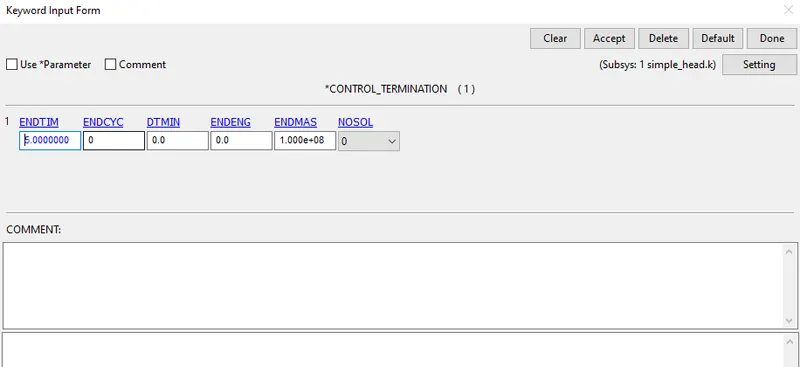
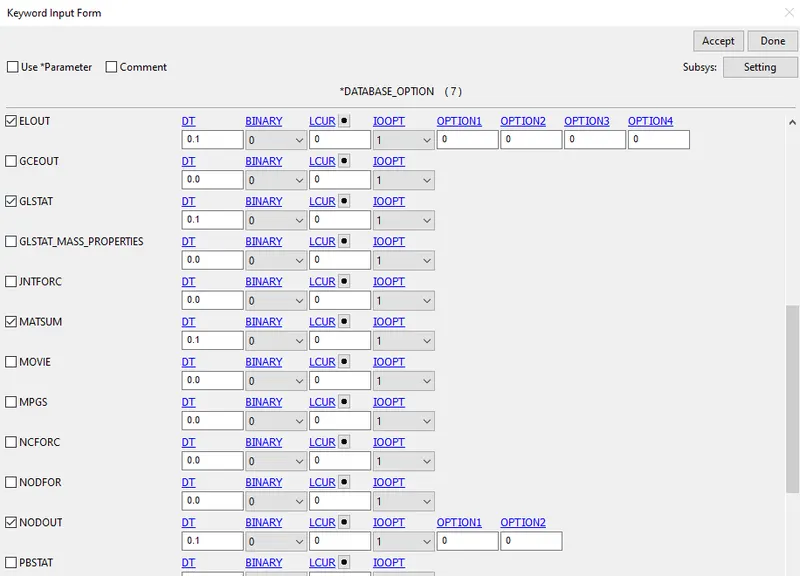
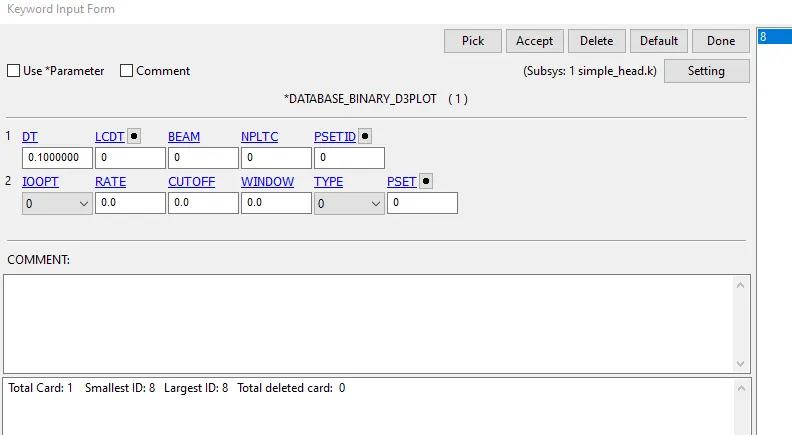
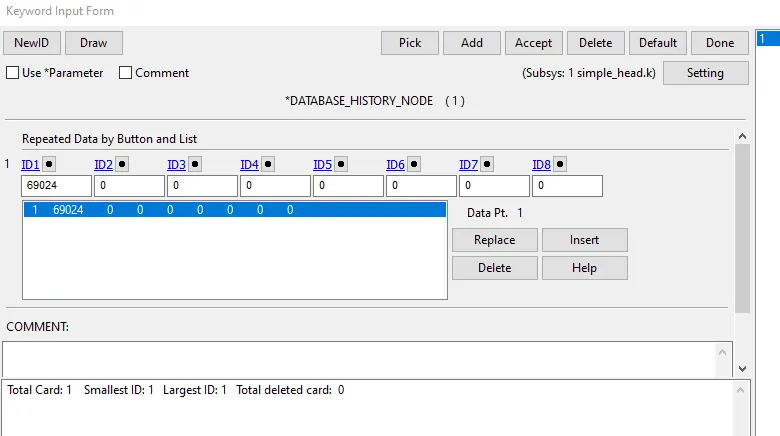
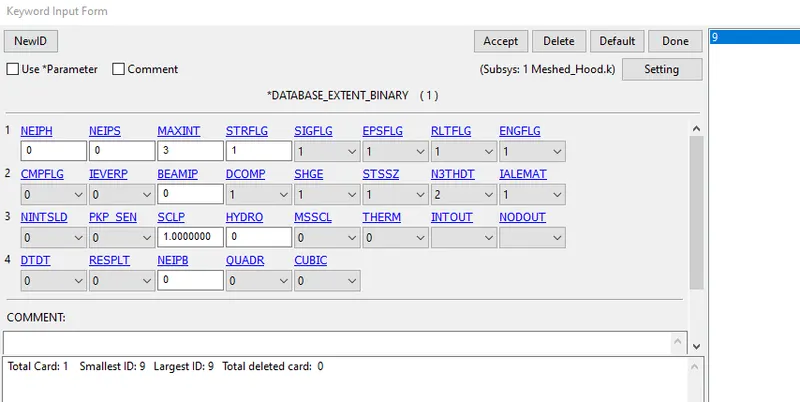
7. Next create the database outputs file as shown below.
ASCII_options
Binary_D3Plot
History_Node
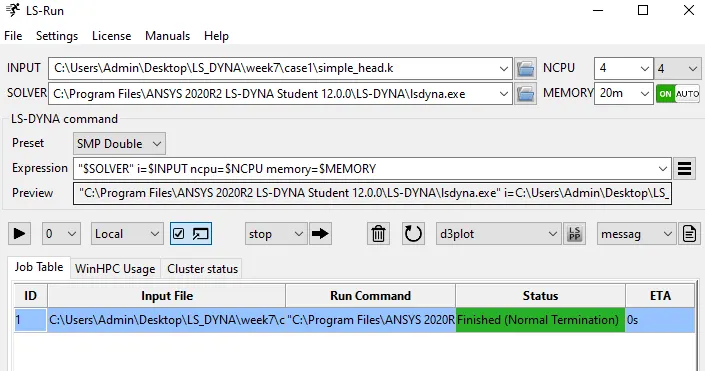
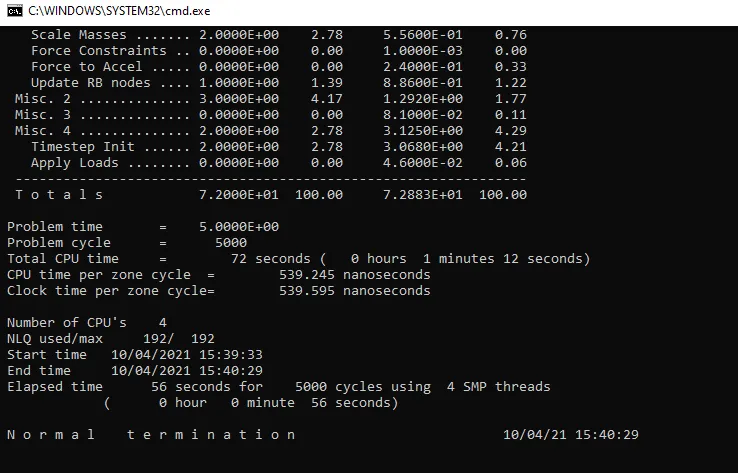
8. Next save the file and run the simulation in LS-Run as shown below.
RESULT:-
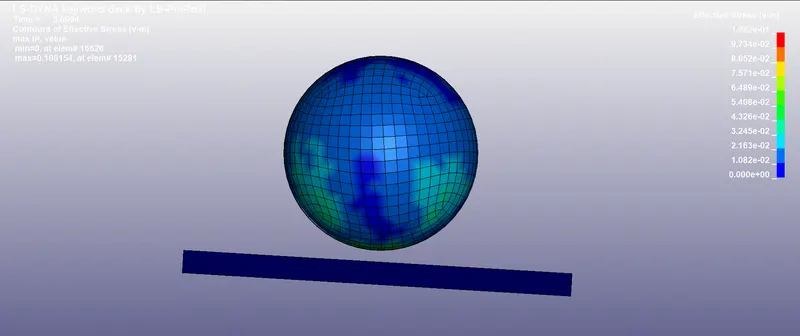
EFFECTIVE STRESS
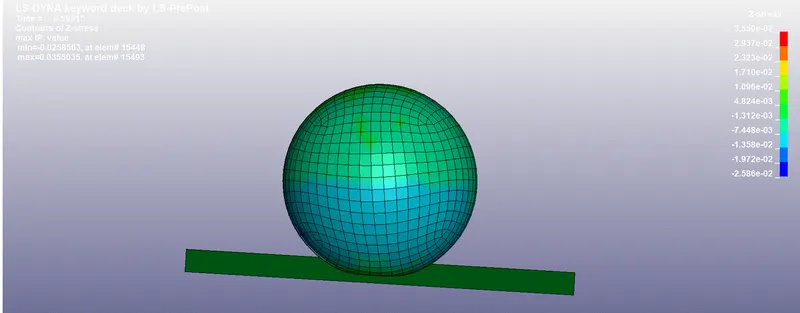
Z-STRESS
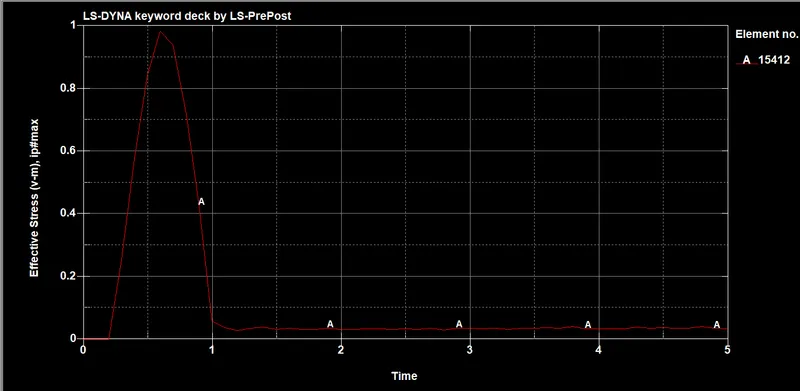
STRESS GRAPH
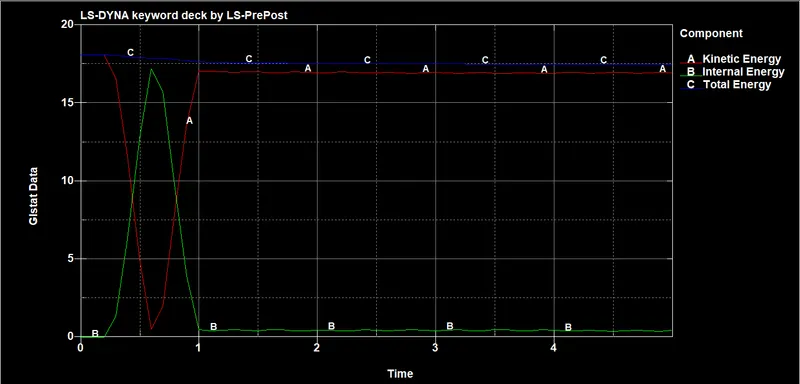
ENERGIES
CASE2:-HEADFORM IMPACT ON THE RIGID WALL
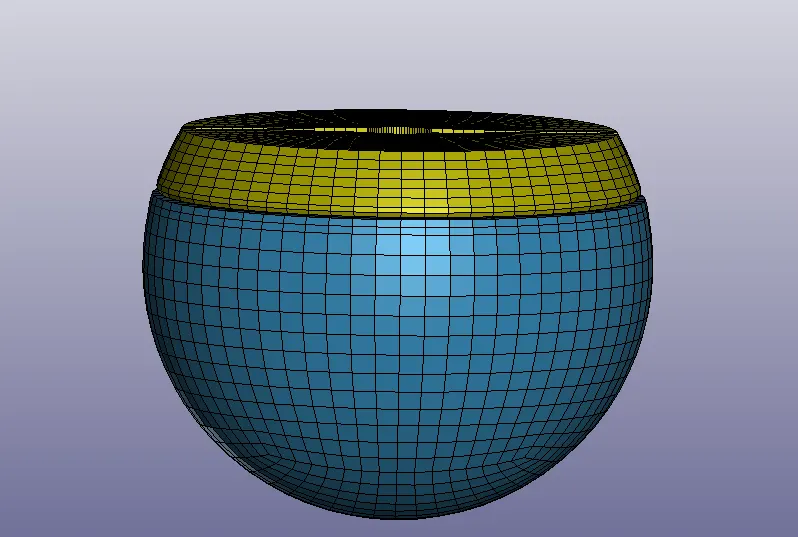
1. Import the .k file in LS-Pre post.
HEAD INJURY CRITERION (HIC)
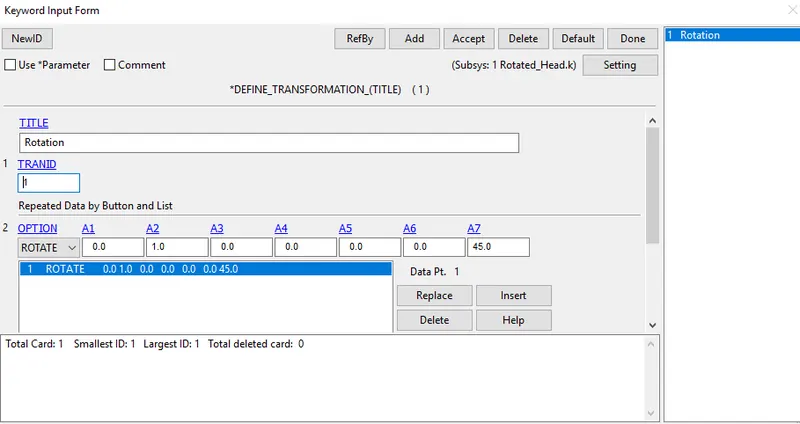
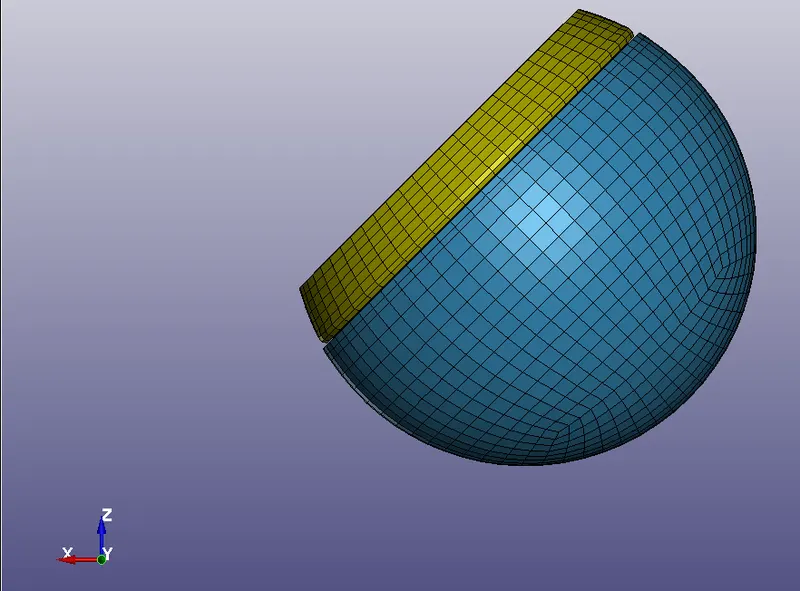
2. Make an angle between the head and rigid wall 35 - 75 degrees as shown below.
3. First create the DEFINE_TRANSFORMATION as shown below.
4. Next create the INCLUDE_TRANSFORM as shown below.
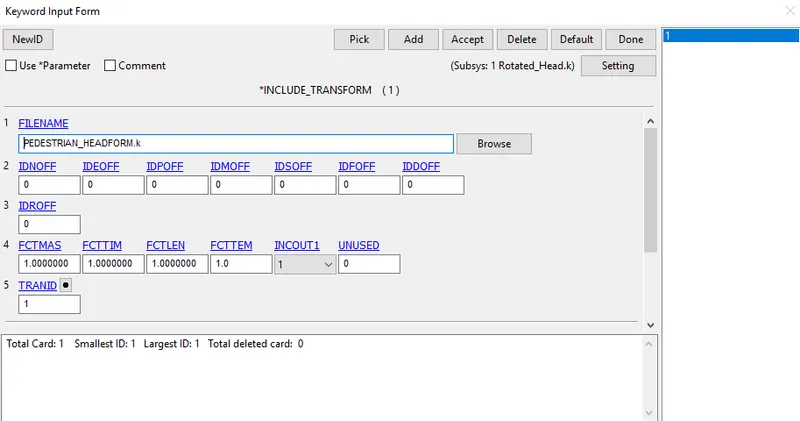
5. Save the keyword file in the original geometry file.
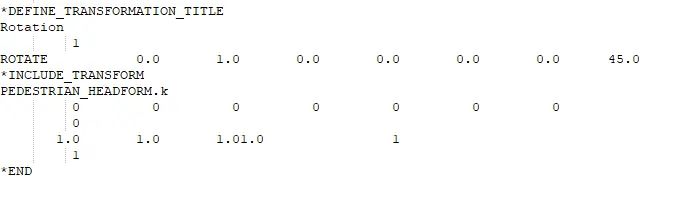
6. Import the keyword file in LS-Prepost as shown below.
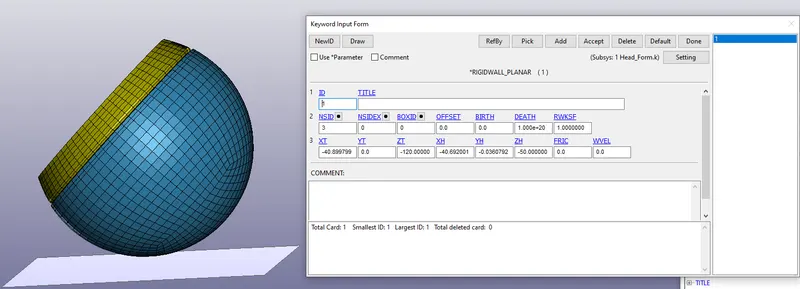
7. Next create the rigid wall as shown below.
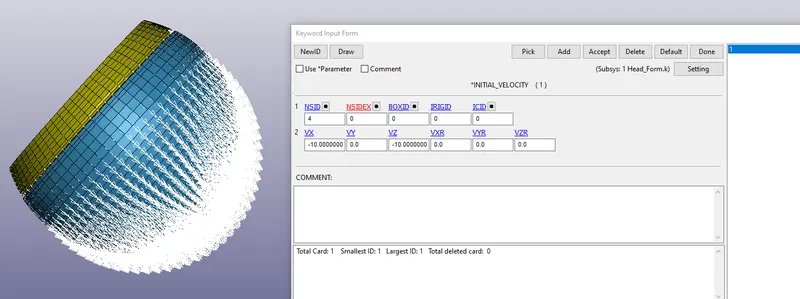
8. Next create the Initial velocity as shown below.
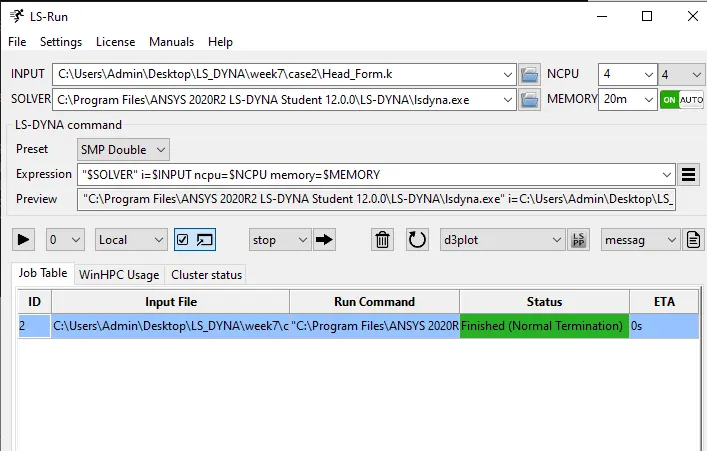
9. Next save the keyword file and run the simulation in LS-Run.
RESULT:-
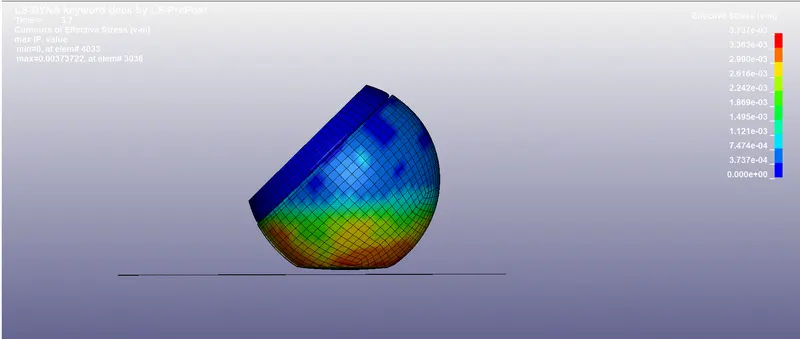
Stress
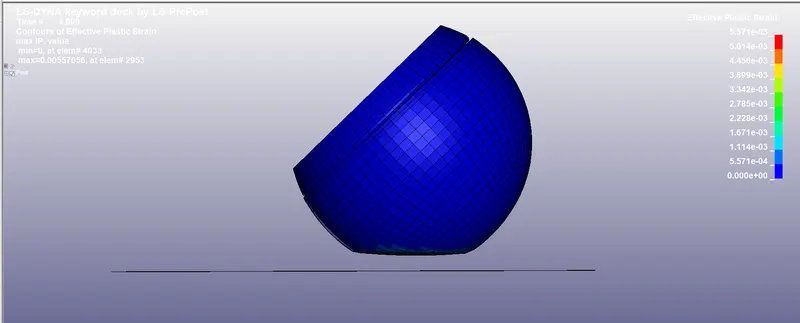
Strain
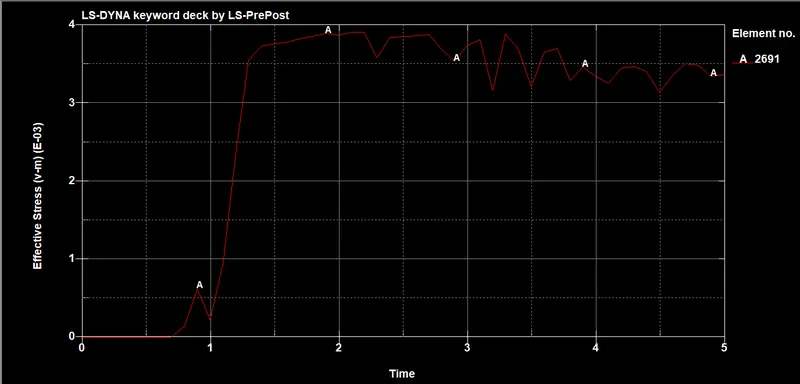
STRESS GRAPH
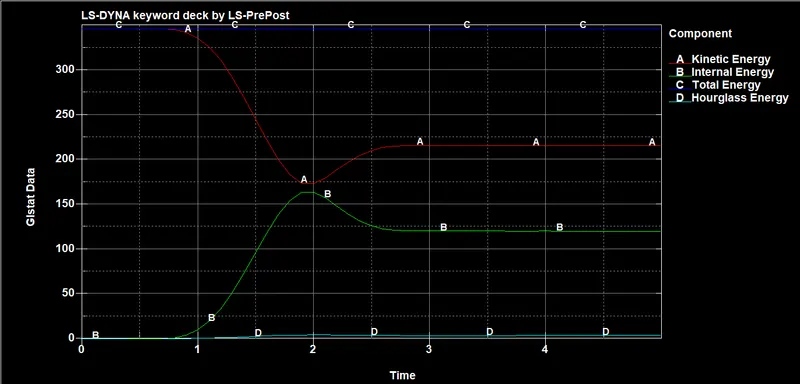
Energies
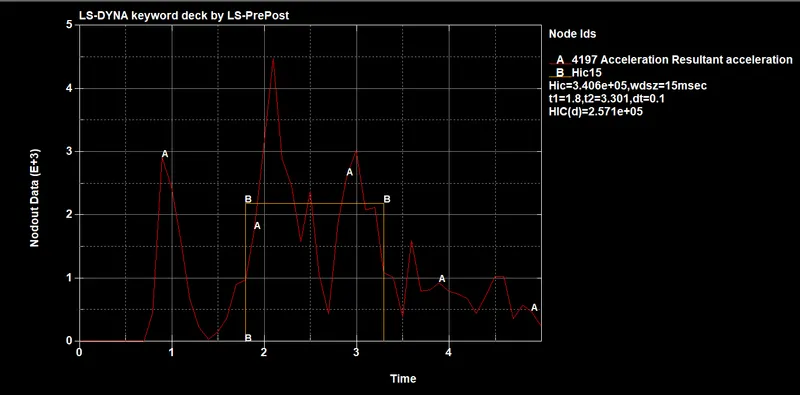
HEAD INJURY CRITERION (HIC)
CASE3:-IMPACT OF HEAD FORM IN HOOD
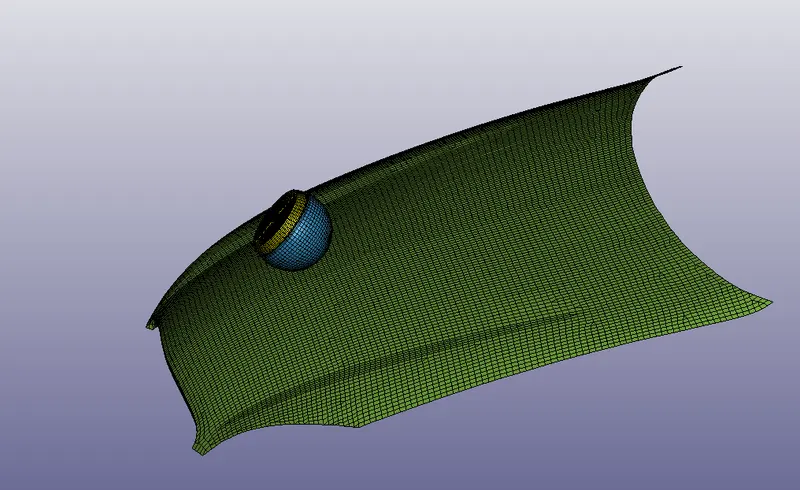
1.Import the hood keyword file in LS-Prepost.
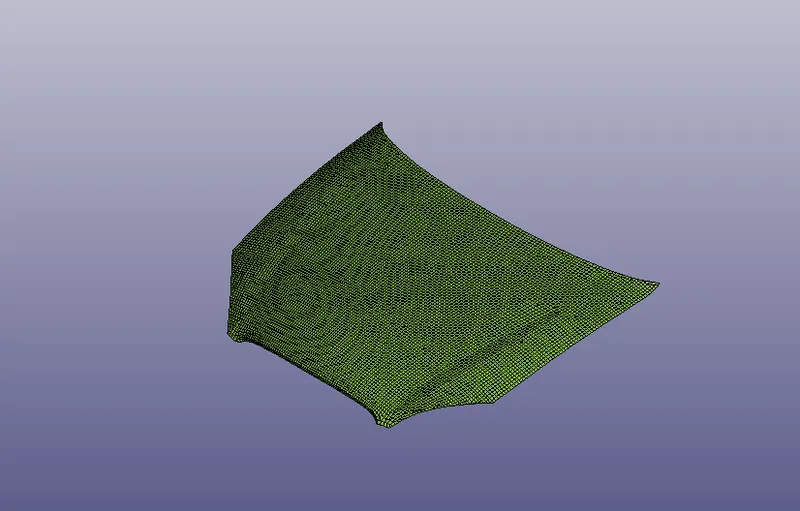
2.Rotate the head in 50 degrees angle using the DIFINE_TRANSFORMATION like previous case.
3.Call to the rotation in INCLUDE_TRANSFORM file.
4.Save the keyword file and import the file in LS-Prepost as shown below.
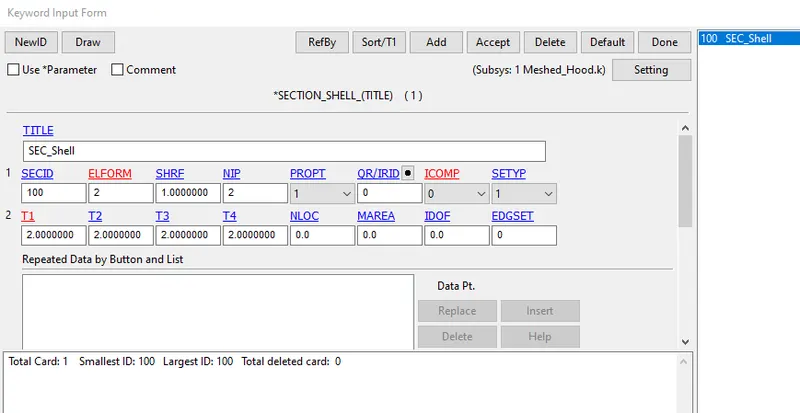
5.Create the section_shell for hood as shown below.
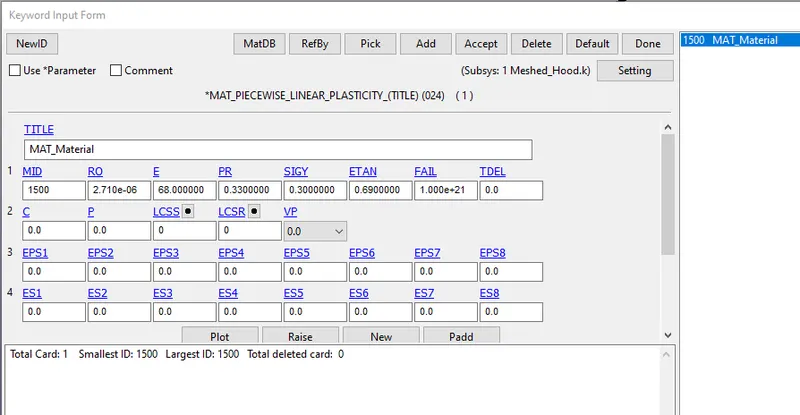
6.Create the material for hood as shown below.
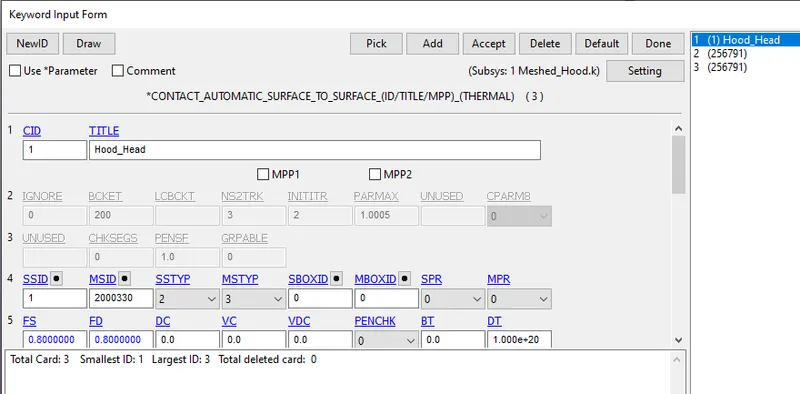
7.Next create the contact as shown below.
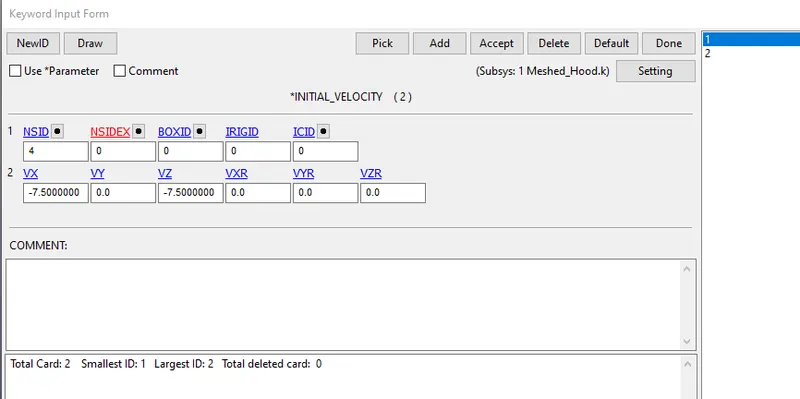
8.Create initial velocity for head as shown below.
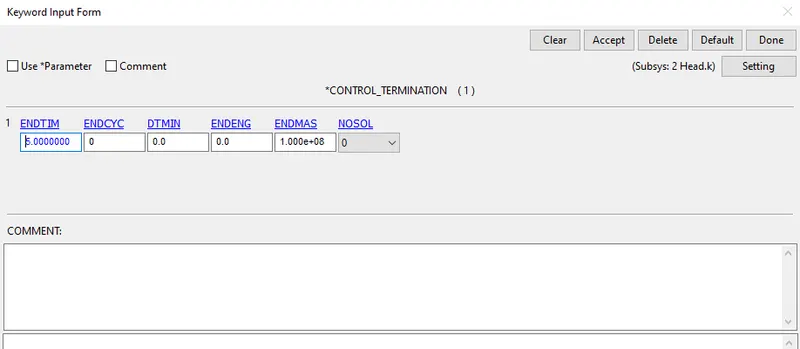
9.Create the Control_Termination as shown below.
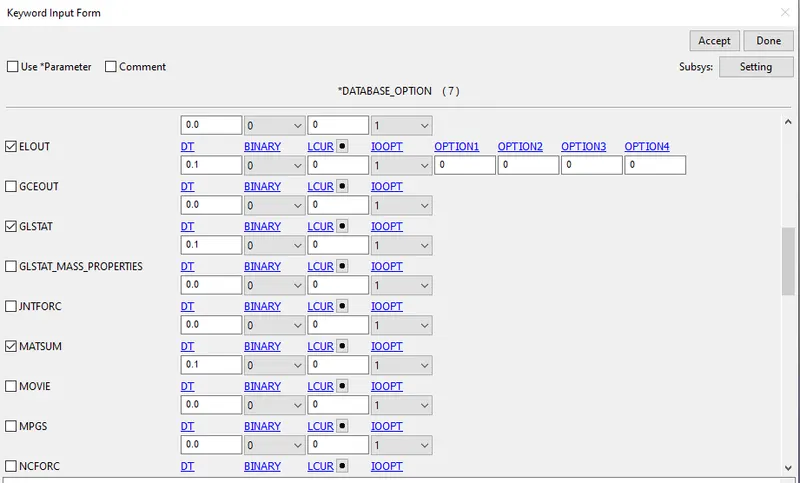
10.Create ASCII_Options as shown below.
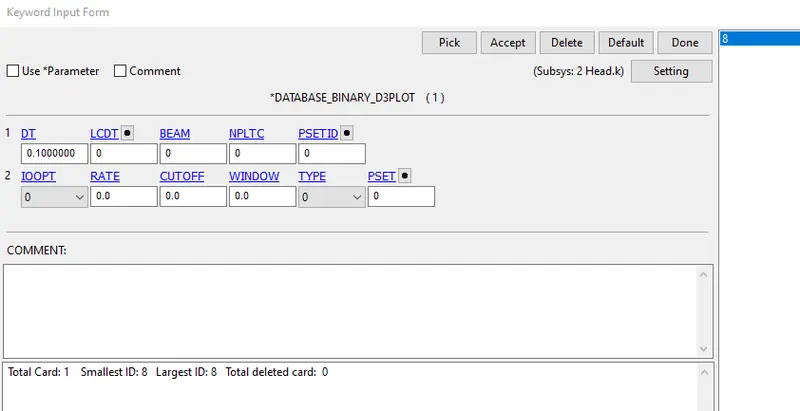
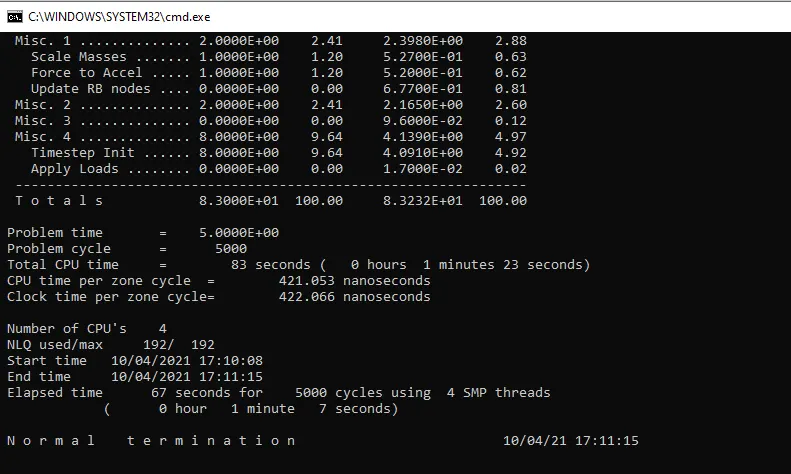
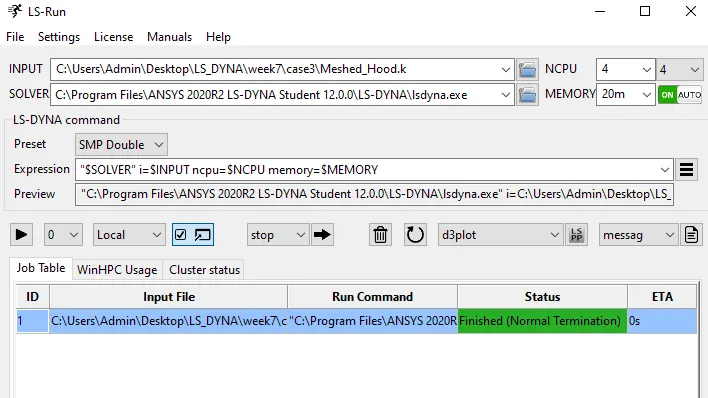
11.Save the keyword file and run the simulation as shown below.
RESULT:-
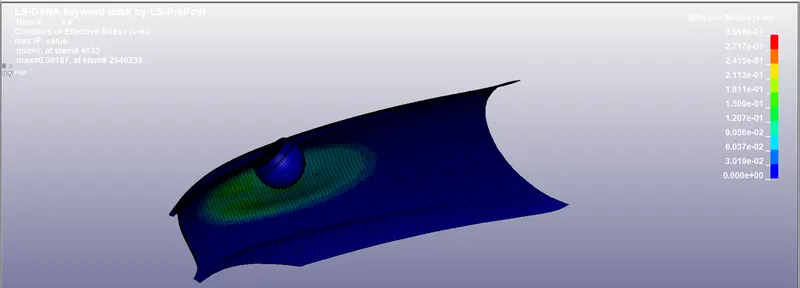
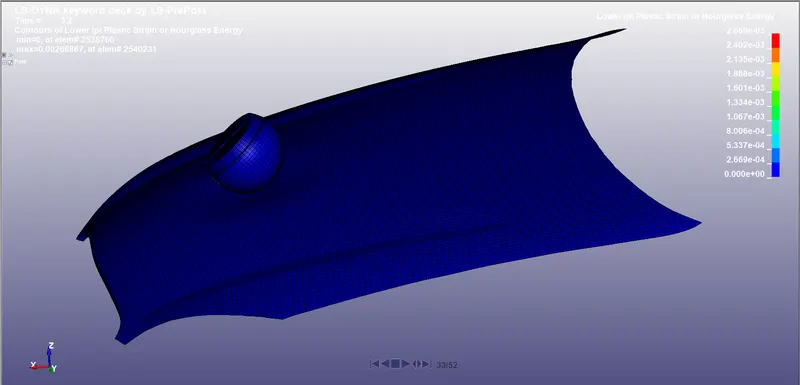
STRESS
STRAIN
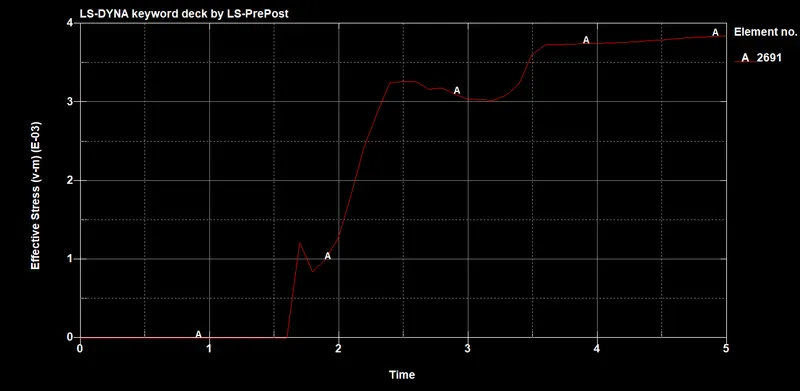
STRESS GRAPH
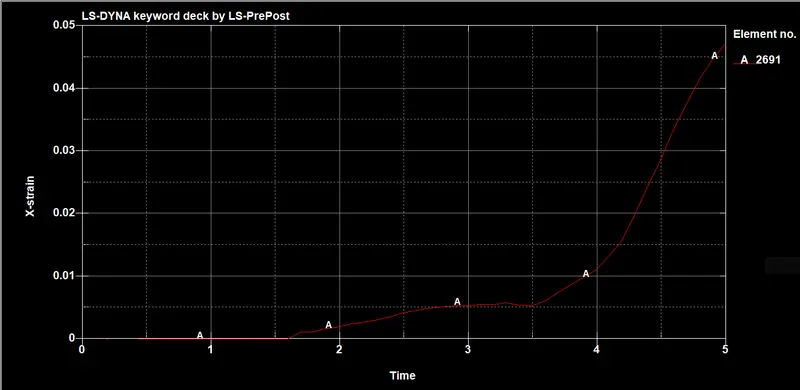
STRAIN GRAPH
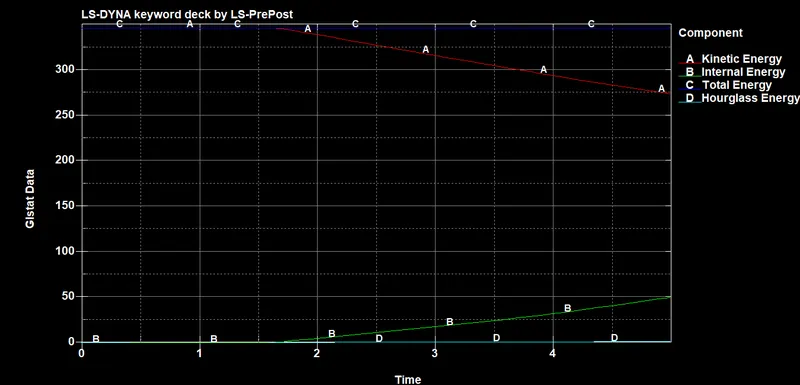
ENERGIES
HEAD INJURY CRITERION (HIC)
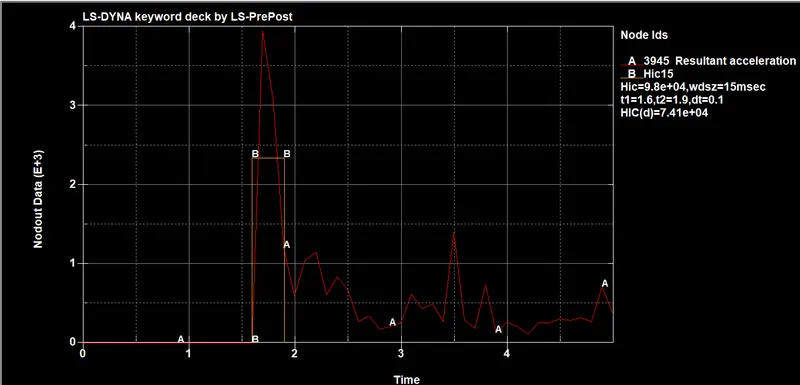
COMPARISION:-
Case-1:Simple head Impact:-
1. In the first case, the Headform is defined with the MAT_ELASTIC material card so that we can see the stress acting on the head only during the Time of Impact and Rebounds to its original shape as soon as after the Impact.
2. The head form only consists of shell elements, as there is No accelerometer Placed to measure the Resultant Acceleration or HIC value.
3. So even the HIC value Could be plotted by taking a node at a point of Impact and Plot the HIC values The value Obtained might Not be realistic in Nature.
Case-2:Child Headform and Rigid wall:-
1. In case -2 the Head is Set up as per AIS100 regulations and Impacted On the Same Rigid wall again. The Child Headform is Assigned with Proper Materials, and an accelerometer Is placed for recording the Impact.
2. Since the HEadform is Impacting the rigid wall Which is Undeformable, we can see a Drastic amount of Stress acting on the head and it is failed to rebound to its original shape
3. The Hic value obtained here is Less than the Case-1, It IS because Of the change in MAT Cards related to the real-life experiment in case-2, As the Rigid wall is the same in Both cases.
4. Since Hyperelastic Material Is used It absorbs More More stress and Strain, So the HIC value is Comparatively Less with Case-1
Case-3:Child Headform And Hood:-
1.In case 3 The Head Model Is set up the same as Case 2 But with The Hood Instead of the rigid wall.
2.The Hood is Assigned with the Material card MAT_024 or MAT_PEICEWISE_LINEAR PLASTICITY To Study the Real-life Impact6 experiment
3. The Hood Is Considerably deformable during the Impact, So the hood deforms significantly While the head from impacting and Absorbs Relative stress and strain more comparatively with the Rigid wall.
4.As The Headform is Hyperelastic with the deformable Hood the HIC value is less Compared with Case-2
CONCLUSION:-
Thus the HIC value of the pedestrian Head is Solved by the Standard methods, the Value might be differ based on the Material of the Hood, different angles, and Different release angles
The Severity Index for The Head is 2.5 And has different values for different parts Of the Body, HIC value Can be calculated for different parts of the body and COmpared with the standard values.