Week 7 Challenge
Week 7 Challenge - Slider Creartion
Input design:
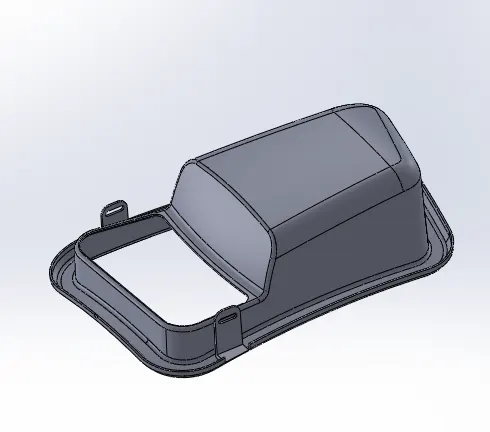
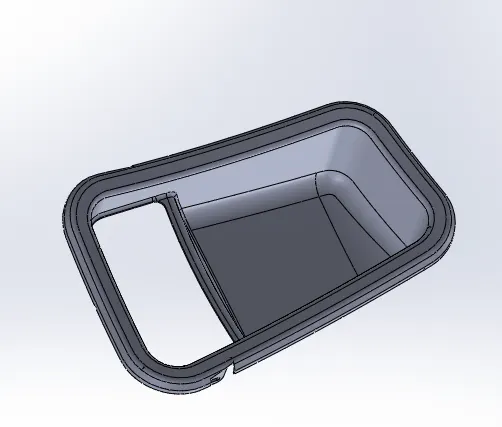
Abstract: This report outlines the mold block design process for the production of door bezels, focusing on addressing
two undercuts present in the model. The objective was to develop an efficient and cost-effective solution to enable smooth
demolding and high-quality production. This report details the step-by-step approach taken to design and implement two
sliders within the mold, effectively handling the complex geometry of the undercuts.
Introduction: The door bezel is a critical component in the automotive industry, requiring precise mold design to ensure
optimum functionality and aesthetics. In the earlier stages of the project, the mold design for the door bezel was created
using SolidWorks. However, two undercuts in the model necessitated the incorporation of sliders to facilitate demolding. This
report explores the process of designing the mold block with two sliders, addressing the challenges posed by the undercuts
and ensuring successful production.
Mold Block Design: The mold block design was initiated by carefully analyzing the door bezel model and identifying the
locations of the undercuts. Leveraging SolidWorks, the design team systematically created the mold blocks, considering
factors such as material properties, draft angles, and cooling channels. The mold block's robust structure was essential to
withstand the molding process and maintain the dimensional accuracy of the final product.
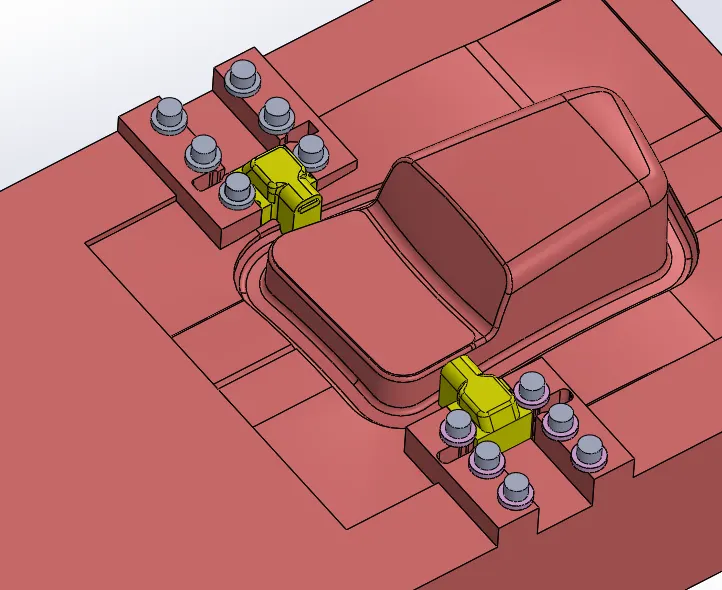
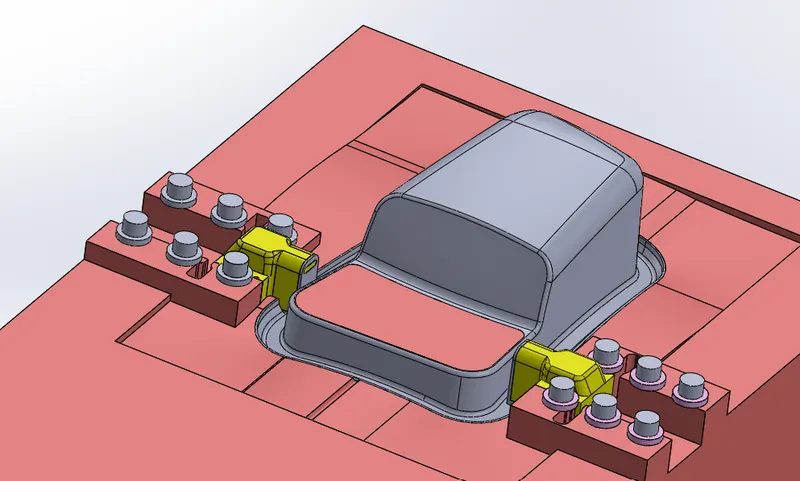
Slider Creation: To tackle the undercuts effectively, two sliders were introduced within the mold design. Each slider was
meticulously engineered to match the specific contours of the undercuts and enable smooth part ejection. The team
considered various slider types, choosing the most suitable design based on the door bezel's complexity and production
requirements.
Slider Mechanism Integration: Integrating the sliders seamlessly into the mold block was critical to ensure their proper
functioning during the molding process. The design team optimized the slider mechanisms for easy operation, precise
alignment, and minimal wear, guaranteeing long-term efficiency and reliability.
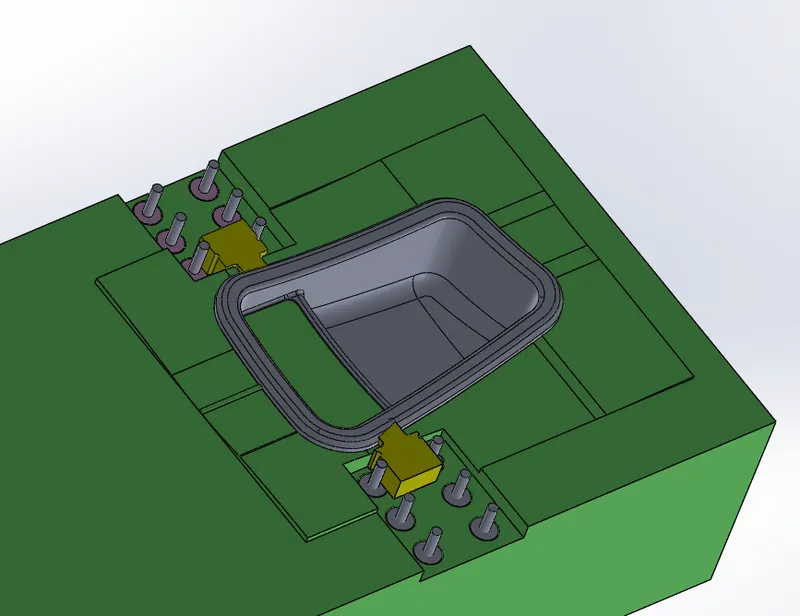
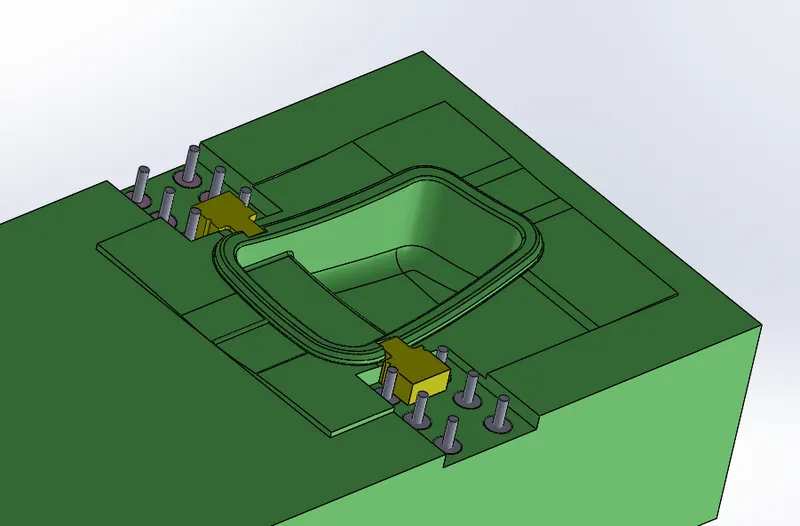
Core & Cavity Blocks: Designing robust core and cavity blocks is vital for the door bezel mold's structural integrity
and longevity. Well-designed blocks contribute to efficient heat transfer and uniform cooling, resulting in consistent
part quality.
Core: The core of the mold shapes the interior of the door bezel. Designing a precise core is essential to replicate the desired
part features accurately and ensures smooth ejection during the molding process.
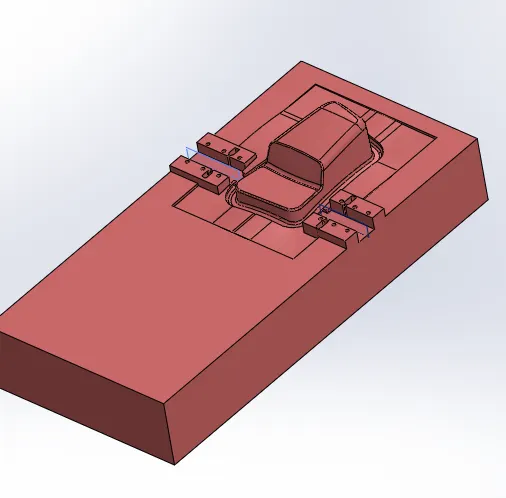
Cavity: The cavity defines the exterior of the door bezel and imparts its final shape. A meticulously designed cavity ensures
the desired aesthetics and dimensional accuracy of the molded door bezel.
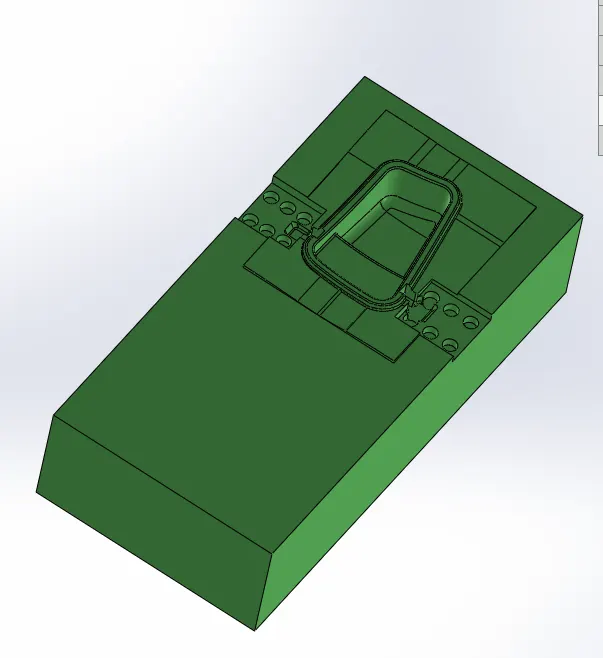
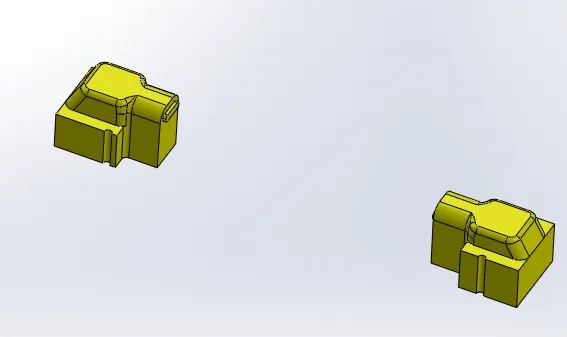
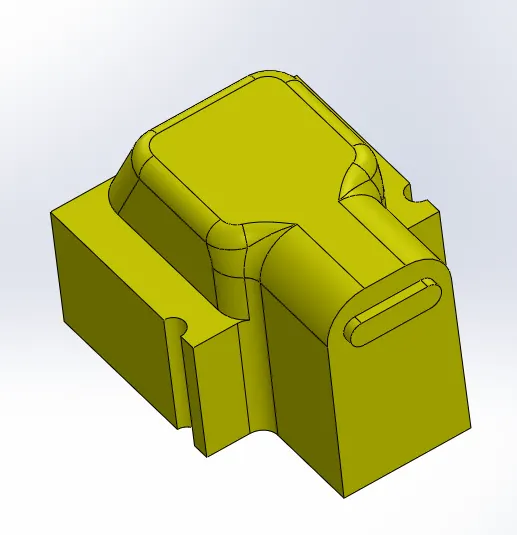
Loose Piece Slider Creation: When intricate features or undercuts are present in the door bezel design, incorporating loose
piece sliders can facilitate complex mold release. Skillfully creating these sliders adds versatility to the mold and enables the
production of intricate door bezel designs.
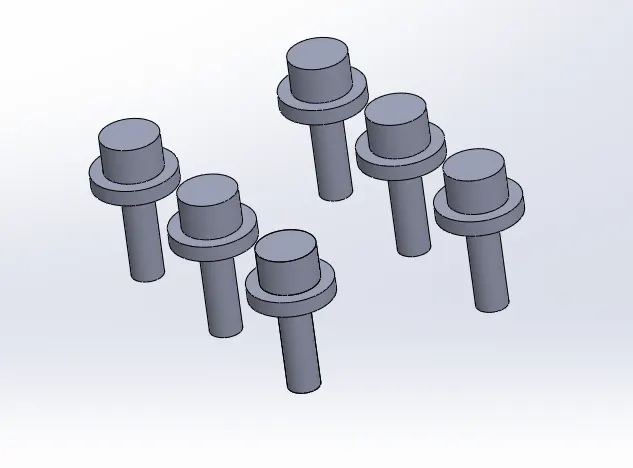
Bolts & Washers: In mold design, the use of bolts and washers in sliders plays a vital role in facilitating efficient and precise
sliding mechanisms. Sliders are employed in molds to enable the production of complex parts with undercuts or intricate
features. The incorporation of bolts and washers ensures the secure attachment of sliders to the mold, allowing for smooth
movement during the molding process. Here are the key functions and benefits of using bolts and washers in mold sliders.
a) Secure Fastening: Bolts are used to firmly attach the sliders to the mold blocks. The tight fastening of bolts prevents any
unintended movement or shifting of the sliders during the injection process. This secure attachment ensures the sliders stay
in their designated positions, contributing to the overall precision and dimensional accuracy of the molded parts.
b) Precise Alignment: Washers are introduced between the slider blocks and the mold blocks. These washers help in
achieving precise alignment between the sliders and the mold, reducing friction and ensuring smooth sliding action. Proper
alignment is crucial to prevent any misalignment or binding of the sliders, which could lead to defects in the final molded part.
Conclusion: The successful implementation of the mold block with two sliders for the door bezel's undercuts was a critical
milestone in the project. The design process demonstrated the significance of utilizing advanced software tool SolidWorks
to tackle complex mold designs effectively. The resulting mold design and integration of sliders ensured efficient production
cycles, reduced defects, and delivered high-quality door bezels that met industry standards and customer expectations.