Hood design-Week 2
HOOD
Hood is a hinged assembly which is comes on engine comfatment, which consist of inner panel, outer pane, stricker and hinge assembly,
purpose is to provide access to the engine for repair and maintenance.
Materials uses for a hood
- steel
- aluminum
- carbon fiber
- fiberglass etc...
Main components of hood
1) Inner panel
2) Outer panel
3) Stricker
4) Hinge
5) mastic seal.
PEDESTRIAN SAFETY & VEHICLE COLLISION
Road traffic crashes kill about 1.24 million people each year. More than one fifth of these deaths occur among pedestrians. Pedestrian collisions, like all road traffic crashes, should not be accepted as inevitable because they are, in fact, both predictable and preventable.
Many leave their homes as they would on any given day – to school, work, places of worship, homes of friends – never to return.
Globally, pedestrians constitute 22% of all road deaths, and in some countries this proportion is as high as two thirds. Millions more people are injured in traffic-related crashes while walking, some of
whom become permanently disabled.
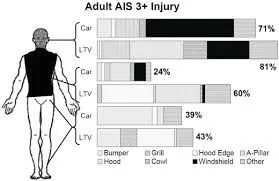
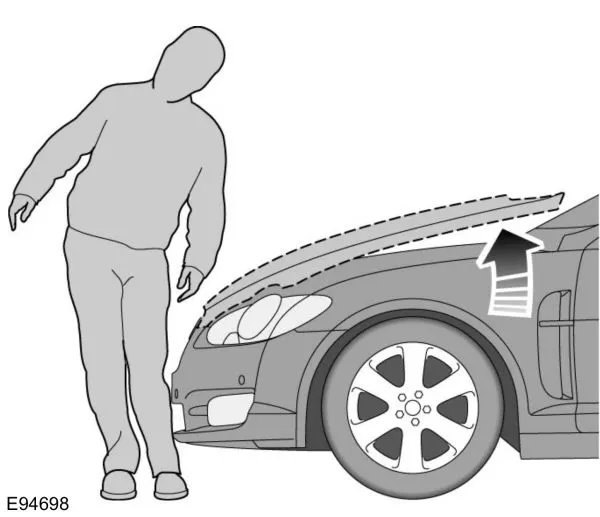
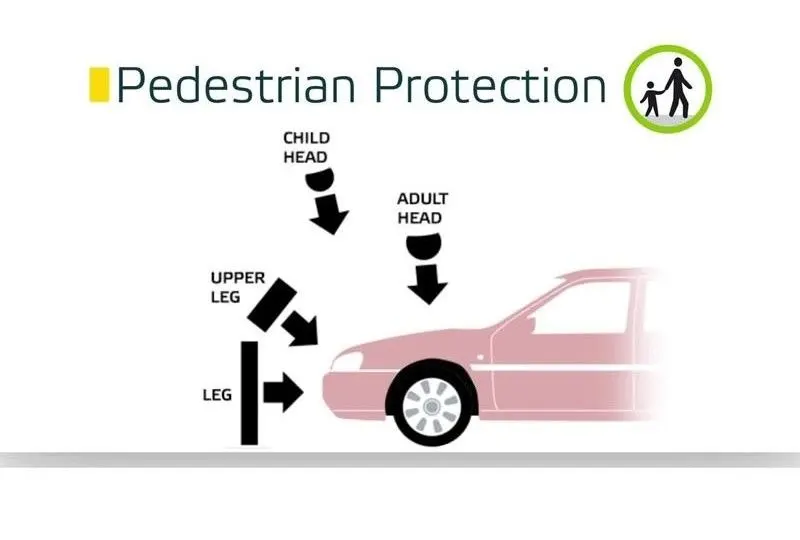
Heare some images shown sequence of injuries.
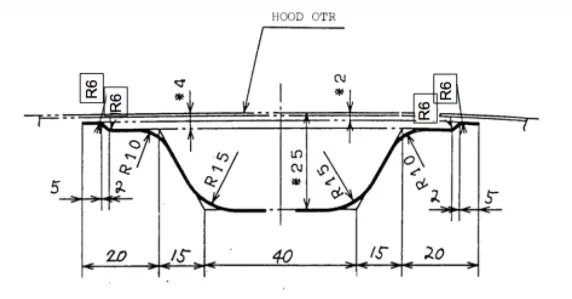
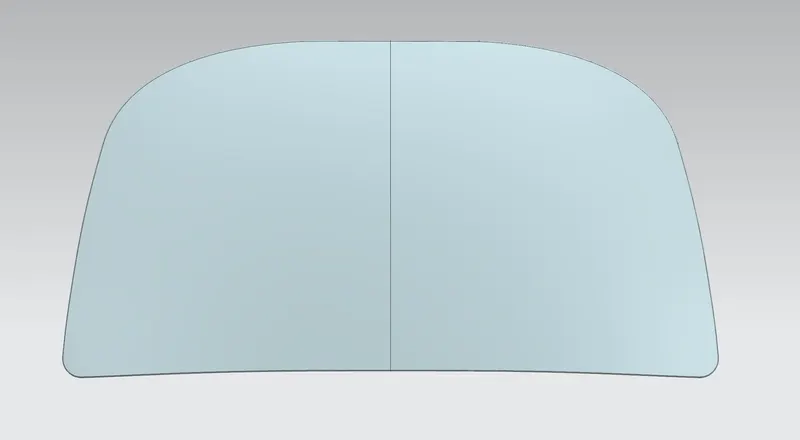
Master section & skinn data of hood
Inner panel design
iner panel is made with referance to master section and skinn data
Inner panel is sheet body which is mounted inside the hood by mean of hemming process.
Normaly it has 0.75 mm thickness, but it very vehical to vehical as well as type of vehical.
inner panels generaly made of steel or alluminium
Process involved to produce a inner panel
a) sheet shearing
b) Punching
c) Pearcing
d) Deep drawing
e)embossing
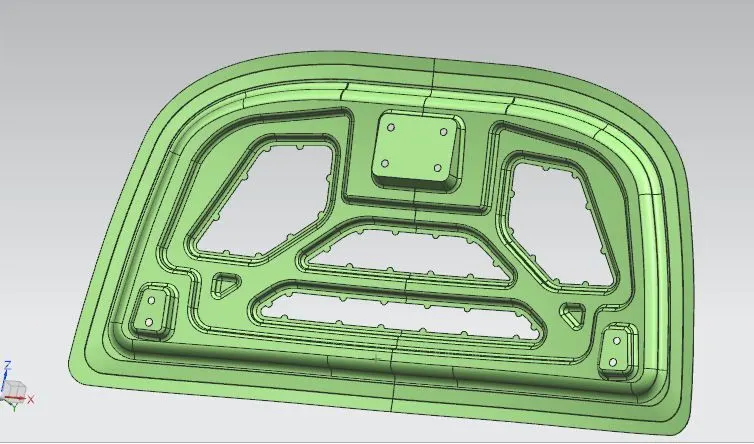
Top view
Bottom view
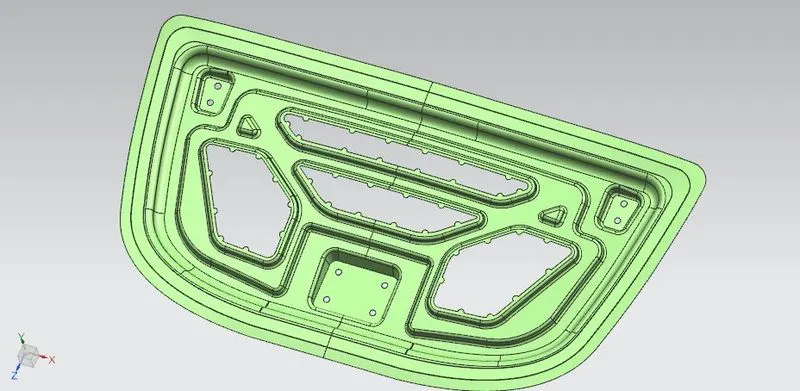
for mastic seal process round shapes provided to attach with outer pane rigidly
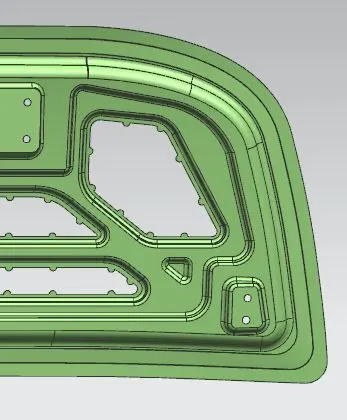
Reinfocrments
Hinge reinforcement
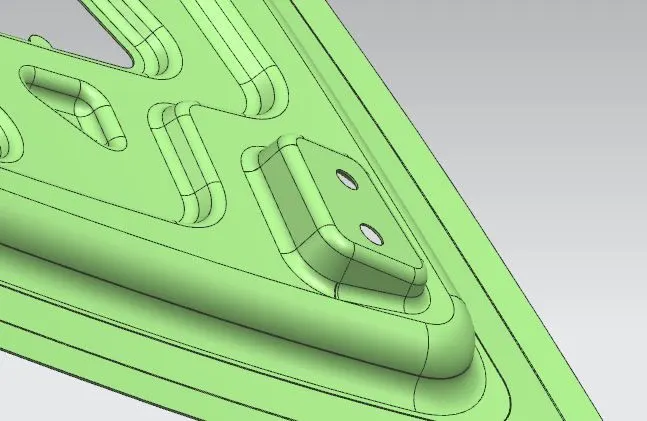
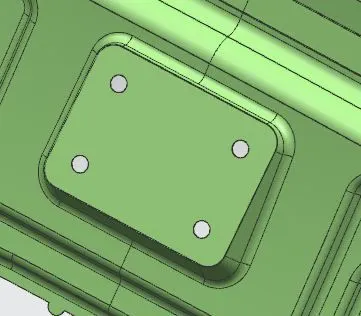
latch & Striker reinforcement
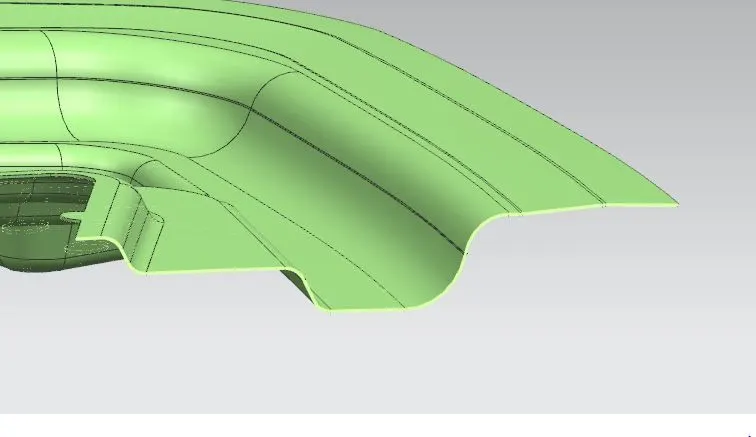
Cut section of inner panel
Outer panel
Inner panel of a hood commnly made up of SS or CRCA steel.
generaly it has 0/75 mm thickness, agin it very from vehucal to vehical.
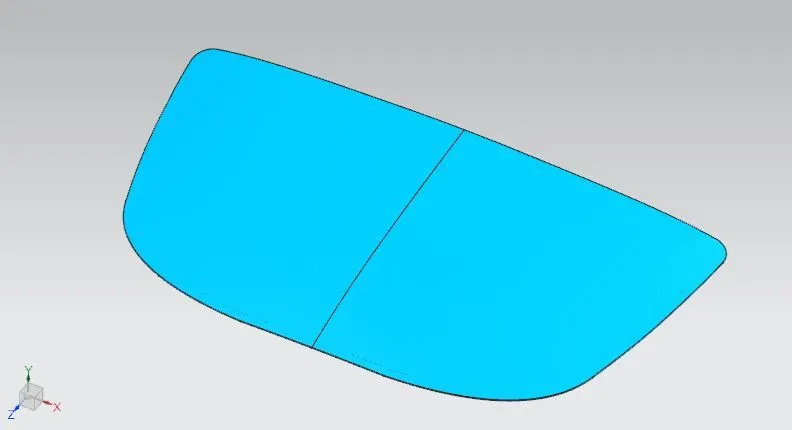
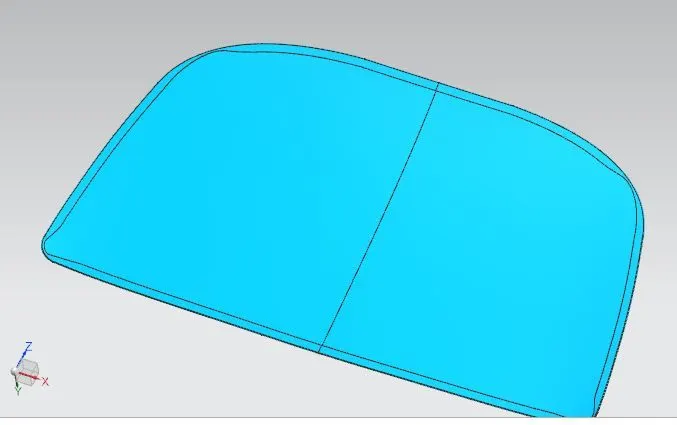
Hemming
Hemming is a sheet metal forming process in which sheets are joined by bending it usually to 180°
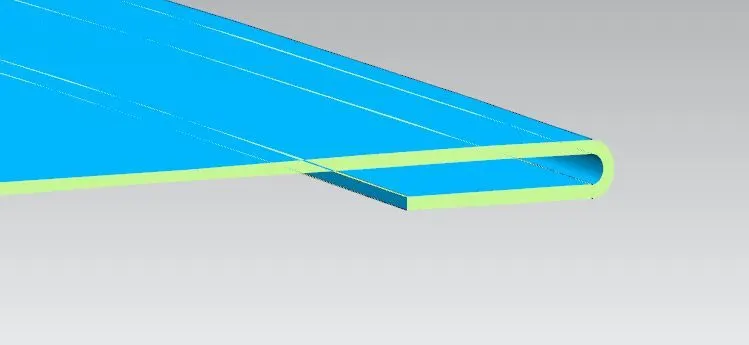
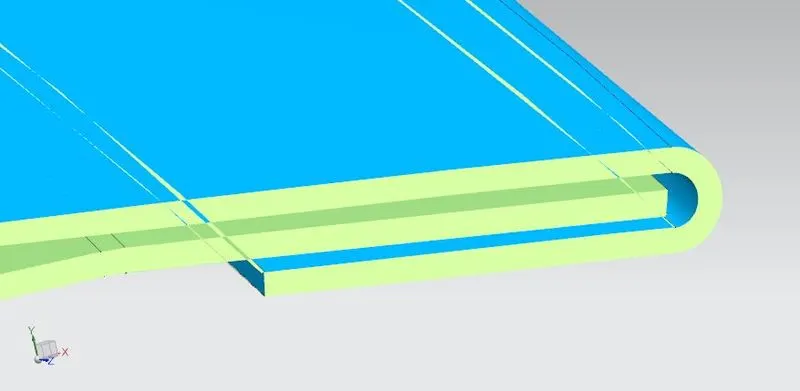
Relief cuts
A relief is an incision cut along the sides of a planned bend. Though bend relief lengths and widths vary between projects, they all share a common goal: preventing tearing and part deformation during the bending process
iam taken more than 3 mm for safer side.
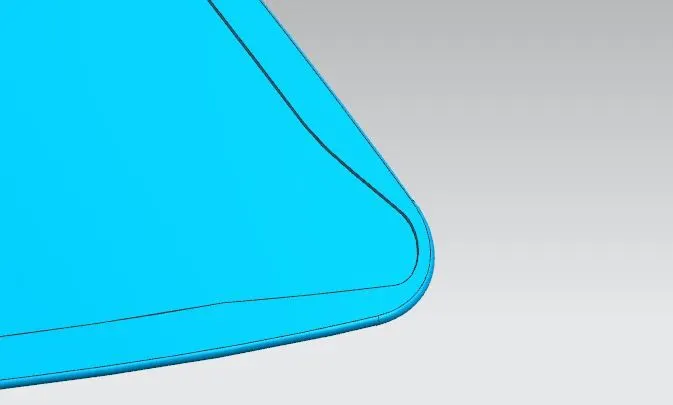
Assembly of hood
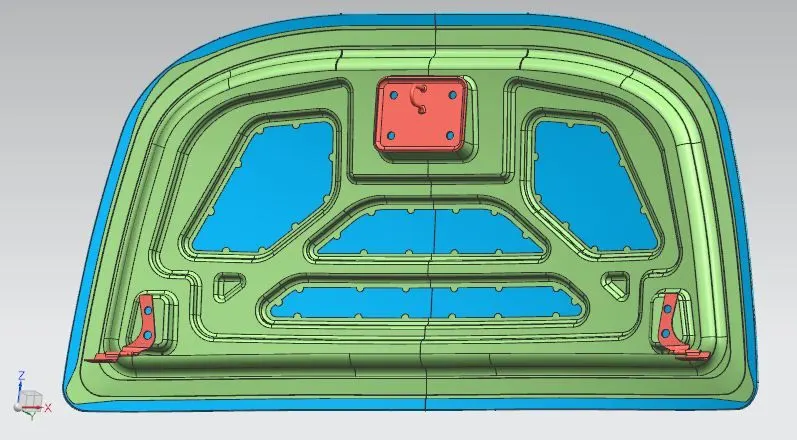
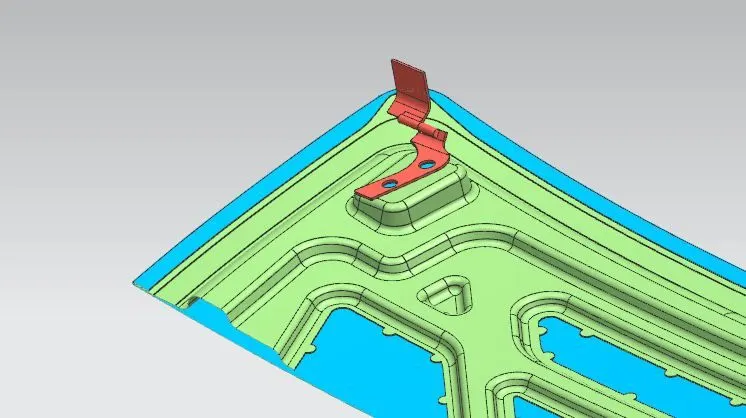
Latch trajectory
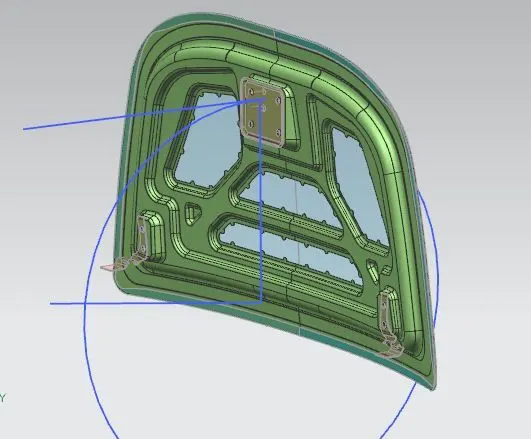
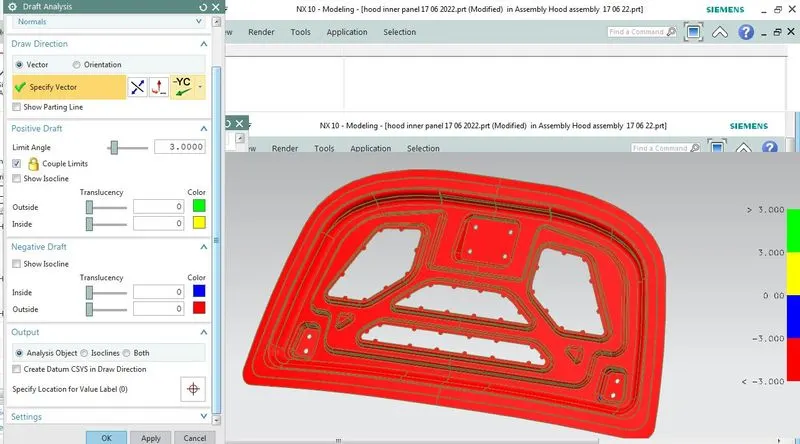
Draft analysis
From top
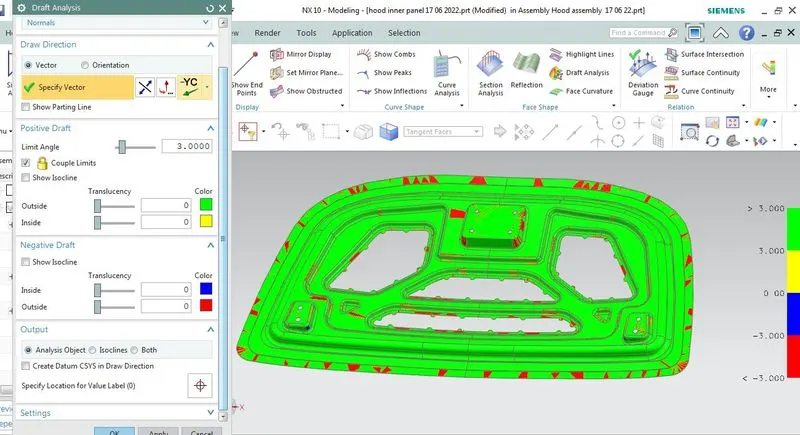
From bottom