Week 7:- Base Unit Design Challenges 1
1) What is Base unit ? what are typical parts of Base unit ?
ANS -
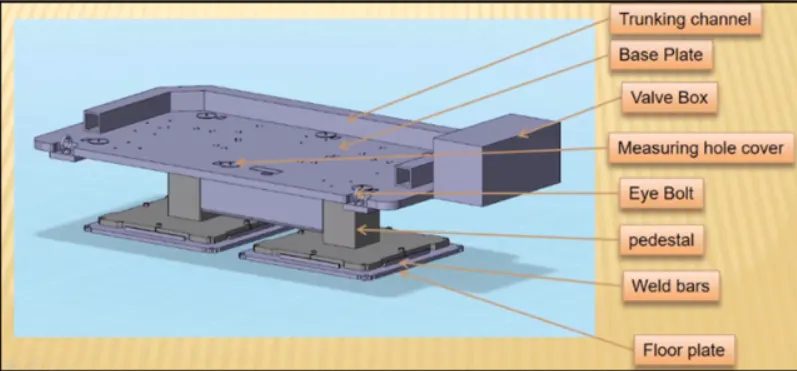
Base unit -
- Base unit is a unit on which all other units of tools and also other parts necessary for tool like pneumatic valve box , trunking cable path etc are assembled .
- Base plate is a machined plate which has a thickness of 25-40mm . it is made of material like steel , aluminuim .
- Base unit mounts parts like trunking channel , base plate, valve box , measuring hole cover , eye bolt , pedestal , weldbars , floor plate .
- Holes will be drilled on the base unit to mount the parts on it .
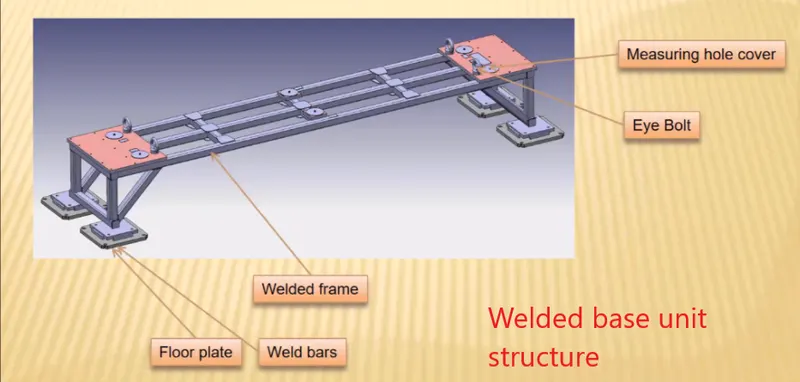
Typical parts of base unit -
a) Pedestal -
- Pedestal is a part which connects base plate to the floor plate .
- Pedestal is standard part in general and in some cases it can be a welded frame integrated with base plate .
- A standard pedestal can be of different height and different sizes .
- Depends on size of base plate , the number of pedestal varies for load distribution .
- Pedestal is available in different types with different inclinations .
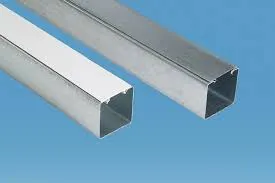
b) Trunking channel -
- Trunking channel is a duct which accomodates all electrical and pneumatic hoses and wires for the unit of tool .
- Trunking channel is available in different thickness and different sizes .
c) Valve box -
- Valve box is a standard part which will consist of all the pneumatic valves for units .
- Valve box supplies air to all the pneumatic cylinders in the assembly .
- Valve box consist of solenoid valve which is used for air supply .
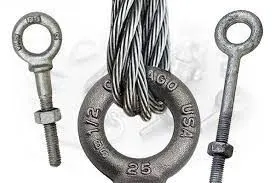
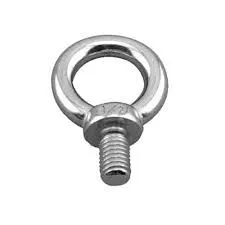
d) Eye bolt -
- Eye bolt is a part which is attached to the base unit and this can be used for transportation purpose of tool .
- Lifting hooks will be used to lift the base unit or the whole tool .
- Forklift holes will also be provided in case of transportation purpose .
e) Floor plate -
- Floor plates also known as foundation plates is grounted to the floor with fixed bolt on ground .
- A clearance of 10mm is provided between pedestal base plate and floor plate . this clearance is used by levelling screws for levelling entire tool .
- Weld bars are used to weld position permanently after levelling is done . weld bar is a plate along the sides of base plate of pedestal .
2) What are the points need to account while designing Base unit?
Ans -
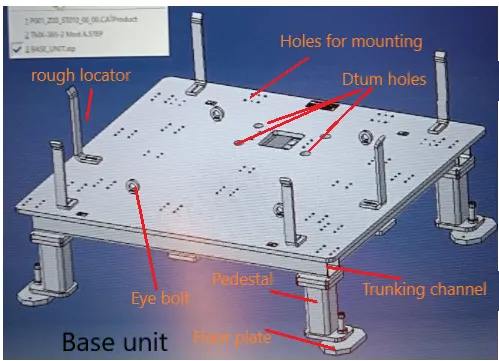
Following are the points that are needed to be taken into consideration -
a) The working height of the base unit is an important consideration , it depends upon the type of welding operation like manual welding or robotic welding . for manual welding fixture the working height should be 850-1100 mm , this may vary in different regions .
b) The dimension and the specification of base plate is also an important factor .below is the fundamentals given for base plate.
Fundamental of base plate -
- A base plate size should cover all the units with its outer periphery including the opening
- A base plate is preferred to be designed with respect to body coordinate system (b.c.s) .
- A base plate should be drilled with datum holes / measuring holes in line with the pitch with 1000 mm in general .
- Number of datum holes depend on size of the plate , a minimum of 4 holes is required .
- Datum holes should be drilled a nominal values of coordinate and in terms of 50mm and 100mm in general . ex -x200,y100,z300 .
- Datum holes should be drilled with dia 100 mm away from other units .
- Datum holes should be covered with datum plates .
c) Depending upon the units and their overall weight , we can decide if we want to use simple base unit or a welded structure base unit .
d) The base unit should be parallel to the ground , for this a height adjusting mechanism should also be provided .
e) For lifting and transportation of base unit , eyebolts should be provided , the size and number of eyebolts depend upon the base unit size .
3) What is a Dump unit?
Ans -
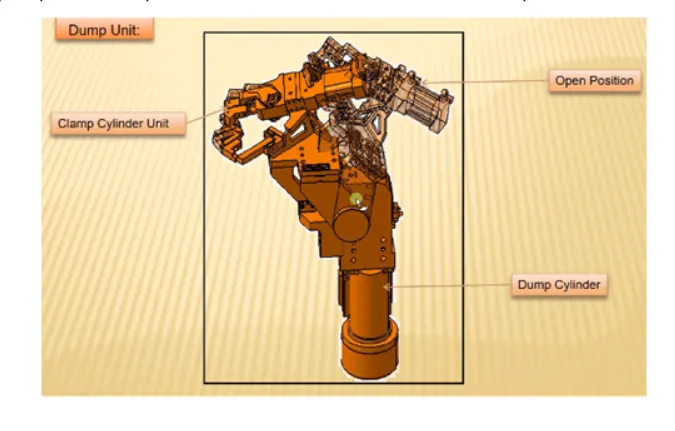
- A dump unit is a complex unit which is used in places where there is a space constraint or some other geometric constraints .
- When we have some geometric constraints and we cannot mount the units like clamp unit , rest unit , etc in a normal way then the dump unit is used in these situations .
- Dump unit consist of cylinder for the clamping and unclamping operation .
Functions of dump unit -
- Whenever there is a particular constraint and we cannot assemble units in a normal way than dump unit is used .
- Dump unit ensures proper resting of panel and arresting its motion .
- Dump unit cylinder must generate enough clamping force so that the car panel will be clamped thoroughly .
- Dump unit should be provided with correct shimming .
4) What are the points you need to consider while designing dump unit?
Ans -
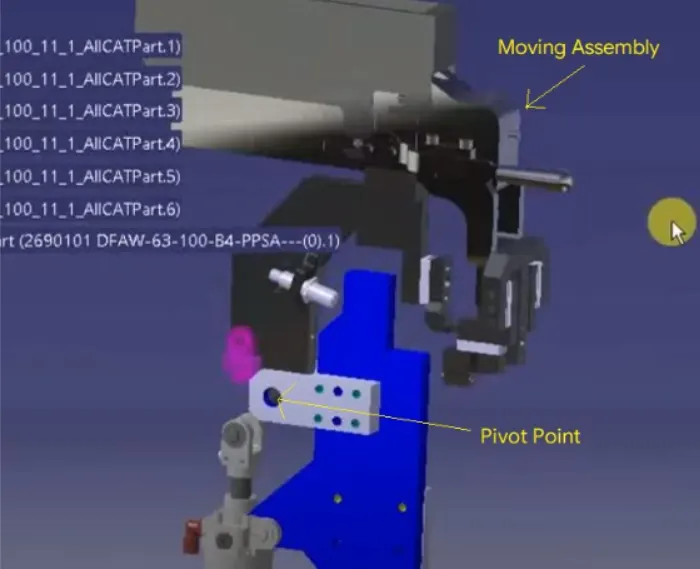
- A dump unit is a complex unit which consist of many moving parts . so while designing a dump unit we need to be extra careful so that the unit may not fail and lead to wastage of time and money .
- The time of opening and closing of the clamp must be as least as possible .this factor will depend upon the power of cylinder and the weight of the parts in dump unit .
- The weight of the dump unit assembly must be as low as possible . so that it may contribute to the reduction of time in opening and closing of clamp . as the weight of dump unit is less , cylinder will require les time in opening and closing of clamps .
- Cylinder validation is also an important point in dump unit as well as in clamp unit design . because we need to check whether the cylinder is able to push the load and then again pull it back after operation is complete .
- The open condition of the unit should also be checked such that it does not interfere with other parts when it is in open condition .
5) What is a slide unit ?
Ans -
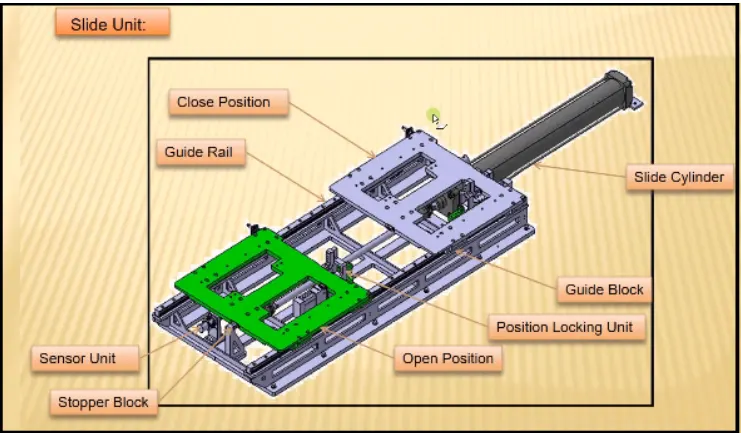
- A slide unit is a positioning unit which is used to position the car parts , panel , units , robots for further operation .
- A sliding unit may consist of pin unit , clamp unit , rest unit depending upon the requirement in fixture .
- A sliding unit is used where the geometry of part is complex and also there is geometric constraints .
- Sliding unit has a cylinder which pushes or slides the unit forward and after completion of operation it slides back to the original position .
- Sliding unit assembly is mounted on plate which is moved back and forth with guide rails .
- Slide unit has sensors at extreme end to sense the position of the guide .
- Slide unit has stopper blocks to stop the movement of guide rails at particular position .
- Slide unit are classified in two types based on the guideways that is hardened guideways and LM guideways .
- Slide units may be further classified into three types based on prime mover used as manual slides , hydraulic/pneumatic slides , cnc slides .
- Slide unit may be further classified as horizontal , vertical and angular slide units depending upon their application .
6) What are the points you need to consider while designing slide unit ?
Ans -
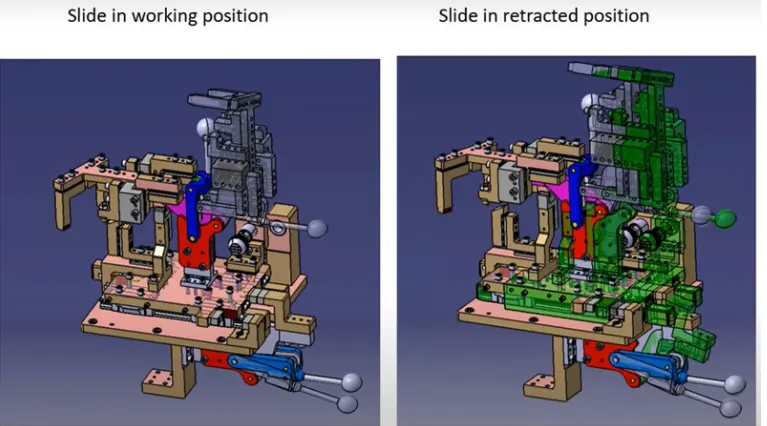
- Centre trunnion / rear clevis mounted cylinder is ideally used for sliding unit as it allows some float to take up the misalignment .
- Reserve stroke of 10mm to be considered in both forward and retracted condition .
- Cylinder and LM guide to be validated for load and stroke .
- LM guide rail length should be a standard and should be more than the actual stroke .
- Master guideway to be constrained and subsidary guideway to be free .
- Mechanical hard stop to be considered for both extended and retracted position .
- shock absorbers to be used for both extended and retracted condition to reduce the impact of load.
- Slide is needed to be clamped or locked in working position.
- Slide to be locked with safety pin in retracted position during transportation .
- The LM rails should be covered with sheetmetal or bellow to protect them against weld spatter or dust .
- The LM guide and rails are integrated assembly and should not be separated at any cost .
- LM guideways should be lubricated for extended life.