Week 6 Fuel cell powered vehicle model
Question:
Make a MATLAB model of fuel cell powered electric vehicle and comment on results
Answer:
Eplanation:
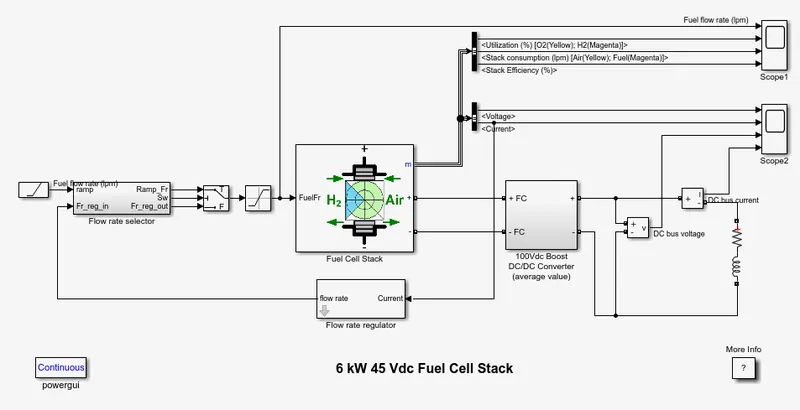
The ramp is been given as the input.
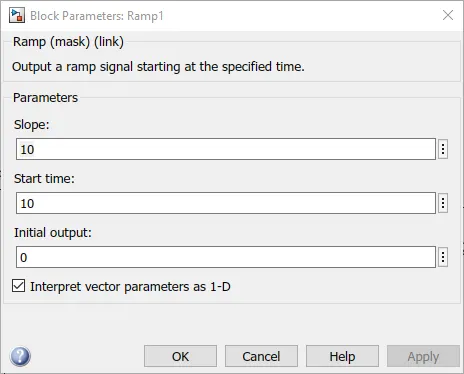
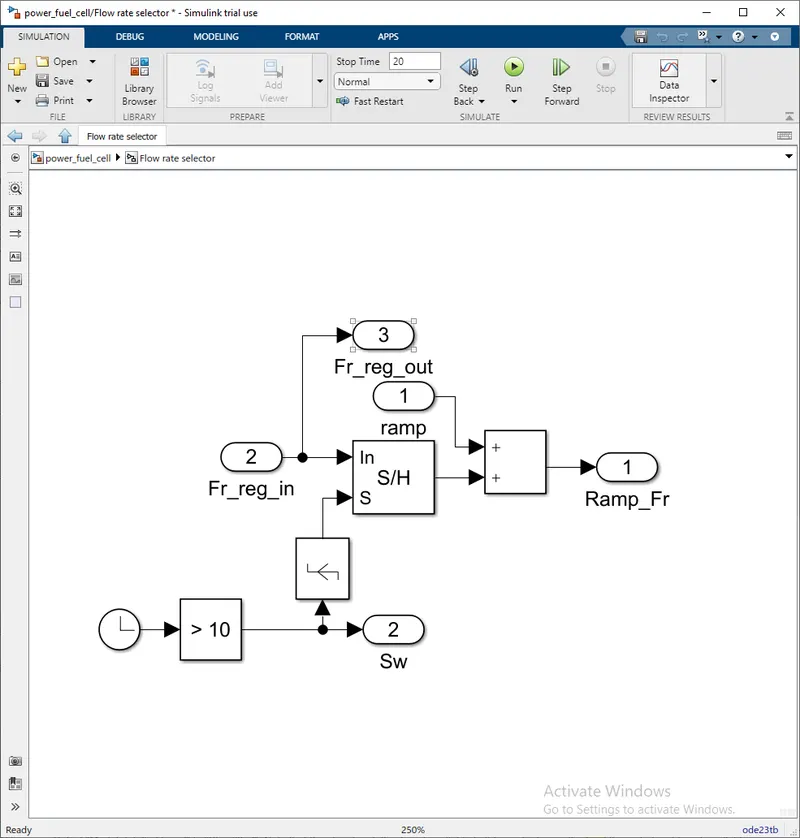
The flow rate selector is been connected in series with the ramp.
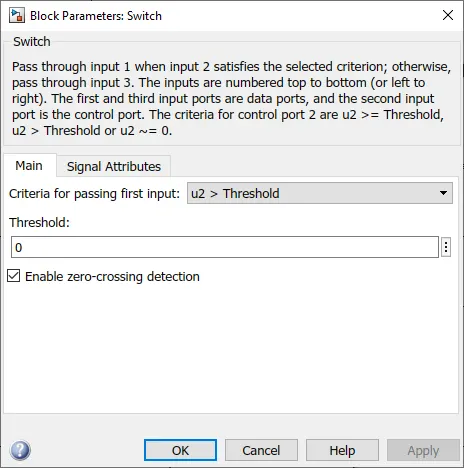
The switch is been connected with the saturation in series with the flow rate selector.
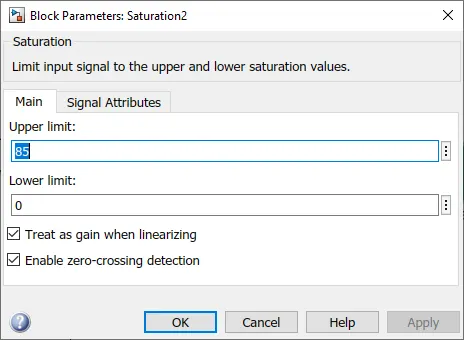
The saturation is been connected with the scope.
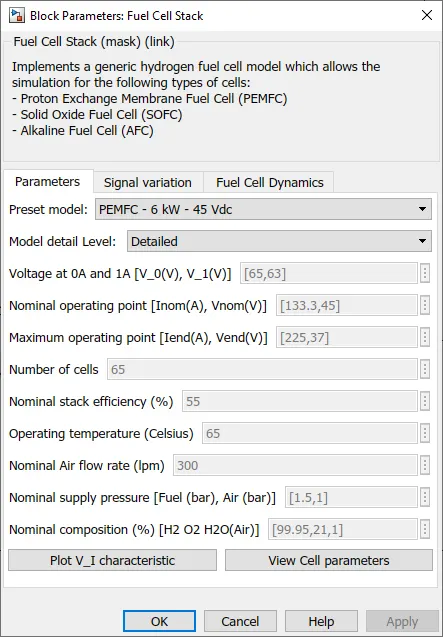
The fuel cell stack is been connected with the saturation.
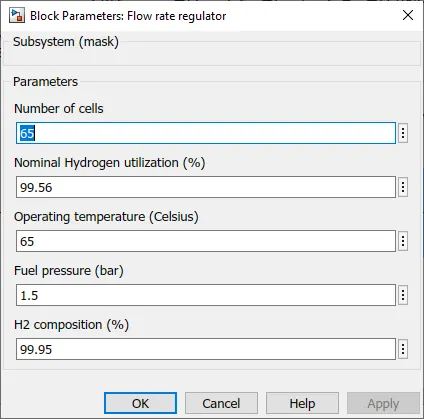
The flow rate regulator is been connected as a feedback with the flow rate selector which is been getting the input from the ramp.
The positive and negative point of the fuel cell stack is been connected with the DC/DC converter which is been connected with its positive and negative points respectively
The powergui is been present in the circuit.
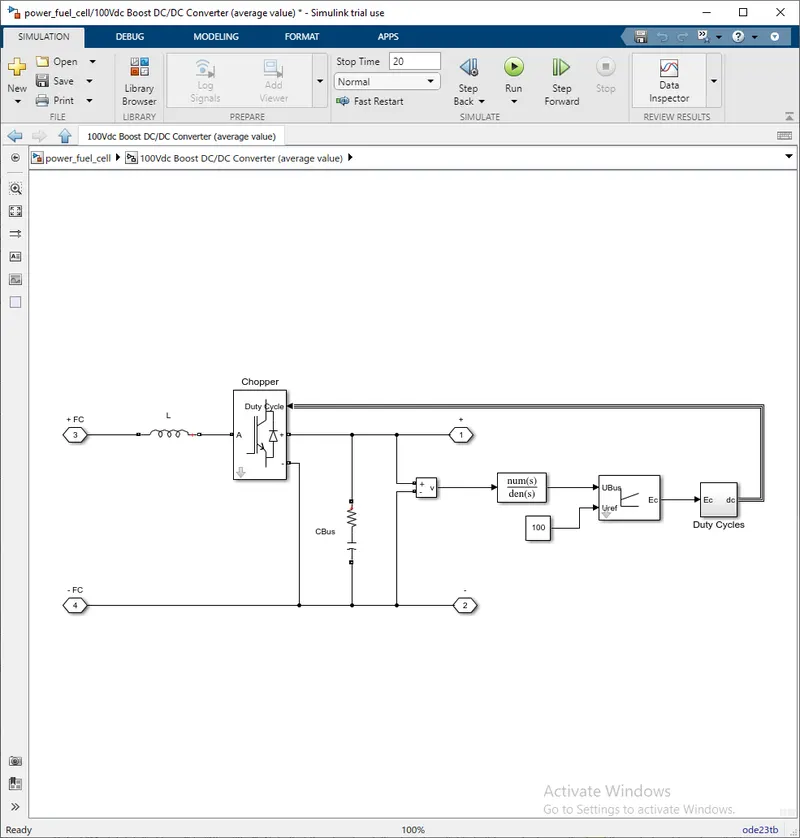
The output positive of the boost converter is connected parallel to the positive of bus current and bus voltage
The negative of the bus current and bus voltage are connected with each other with the resistor and inducter connected in series with them, which is been connected to the negative of the boost converter.
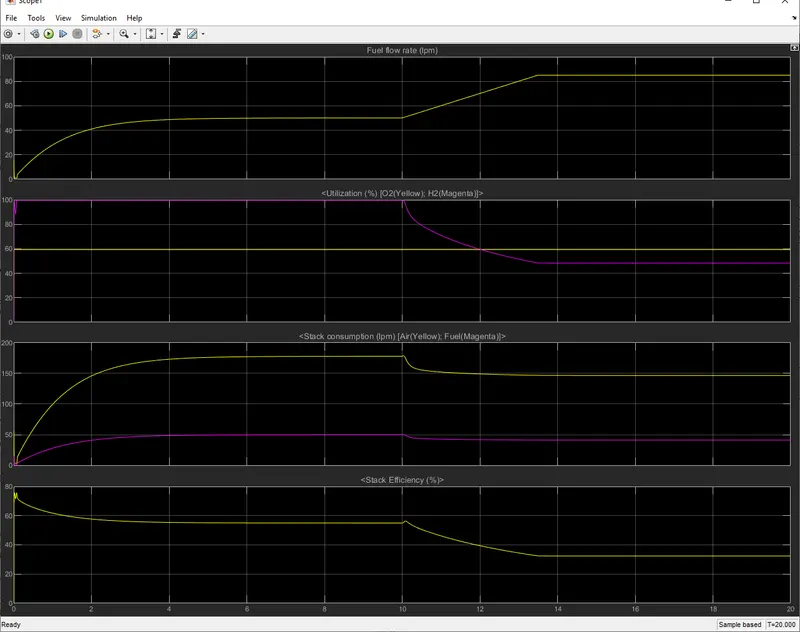
There are two scopes which have the inputs from two bus selectors of three inputs and two inputs respectively. one has the utilization, stack consumption and stack efficiency and the another has the voltage and current.
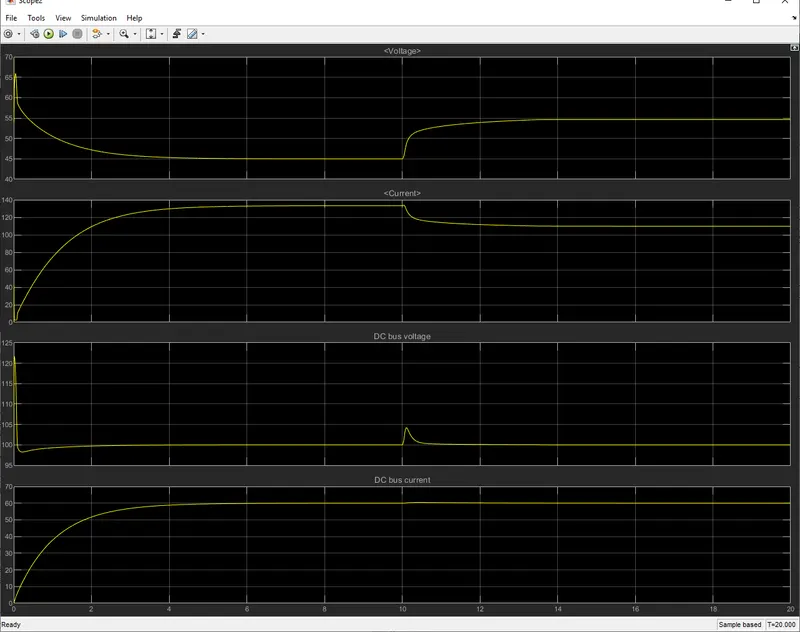
The second scope has the voltage and current from the bus voltage and current
Description
The nominal Fuel Cell Stack voltage is 45Vdc and the nominal power is 6kW. The converter is loaded by an RL element of 6kW with a time constant of 1 sec. During the first 10 secs, the utilization of the hydrogen is constant to the nominal value (Uf_H2 = 99.56%) using a fuel flow rate regulator. After 10 secs, the flow rate regulator is bypassed and the rate of fuel is increased to the maximum value of 85 lpm in order to observe the variation in the stack voltage. That will affect the stack efficiency, the fuel consumption and the air consumption.
Fuel cell voltage, current, DC/DC converter voltage and DC/DC converter current signals are available on the Scope2. Fuel flow rate, Hydrogen and oxygen utilization, fuel and air consumption, and efficiency are available on the Scope1.
Simulation
At t = 0 s, the DC/DC converter applies 100Vdc to the RL load (the initial current of the load is 0A). The fuel utilization is set to the nominal value of 99.56%. The current increases to the value of 133A. The flow rate is automatically set in order to maintain the nominal fuel utilization. Observe the DC bus voltage (Scope2) which is very well regulated by the converter. The peak voltage of 122Vdc at the beginning of the simulation is caused by the transient state of the voltage regulator.
At t = 10 s, the fuel flow rate is increased from 50 liters per minute (lpm) to 85 lpm during 3.5 s reducing by doing so the hydrogen utilization. This causes an increasing of the Nernst voltage so the fuel cell current will decrease. Therefore the stack consumption and the efficiency will decrease (Scope1).
Scope explanation:
In the second graph the voltage is been changed to 45 because it have RL load which will be having an exponential increase in the current.
At 10 second the voltage is increasing and due to its inherant characteristics the current is been reducing.
At that time there will be a small rise in the DC bus and again it will be maintained in 100 and also there will be a small rise in the current also but there will be a drastic change.
In first graph, from 10th to 14th second there will be a change in the fuel flow rate increases.
As the flowrate increases the current decreses, stack consumption and fuel are decreses, until the flow rate increses, once the flow rate stops increasing then the values are been maintained.