Week 6: Conjugate Heat Transfer Simulation
OBJECTIVE: To simulate a conjugate heat transfer flow simulation through a pipe.
THEORY:
CONJUGATE HEAT TRANSFER.
Conduction is the process by which heat energy is transmitted through collisions between neighbouring atoms or molecules. Conduction occurs more readily in solids.
Convection is the transfer of heat by the movement of a fluid (liquid or gas) between areas of different temperature.
The term 'conjugate heat transfer' refers to a heat transfer process involving an interaction of conduction within a solid body and the convection from the solid surface to fluid moving over the solid surface.
SUPER-CYCLING
CONVERGE offers an alternative approach called super-cycling for overcoming the time-scale disparity. In super-cycling, the fluid solver is frozen periodically while the heat transfer in the solid is allowed to progress to steady-state. CONVERGE solves the fluid and solid phases in the same simulation without requiring you to stop and restart the simulation. Super-cycling significantly reduces the computational cost of the CHT simulation.
VELOCITY CALCULATION
Re.No = 7000
Inner diameter (Fluid region diameter) = 0.03D
Density(ρ) = 1.161 kgm3
dynamic viscosity (μ) = 0.00001846 kgms
Velocity calculation based on Reynold numbers
`V = (Remu)/(rhoD)` = 3.71m/s
PROCEDURE:
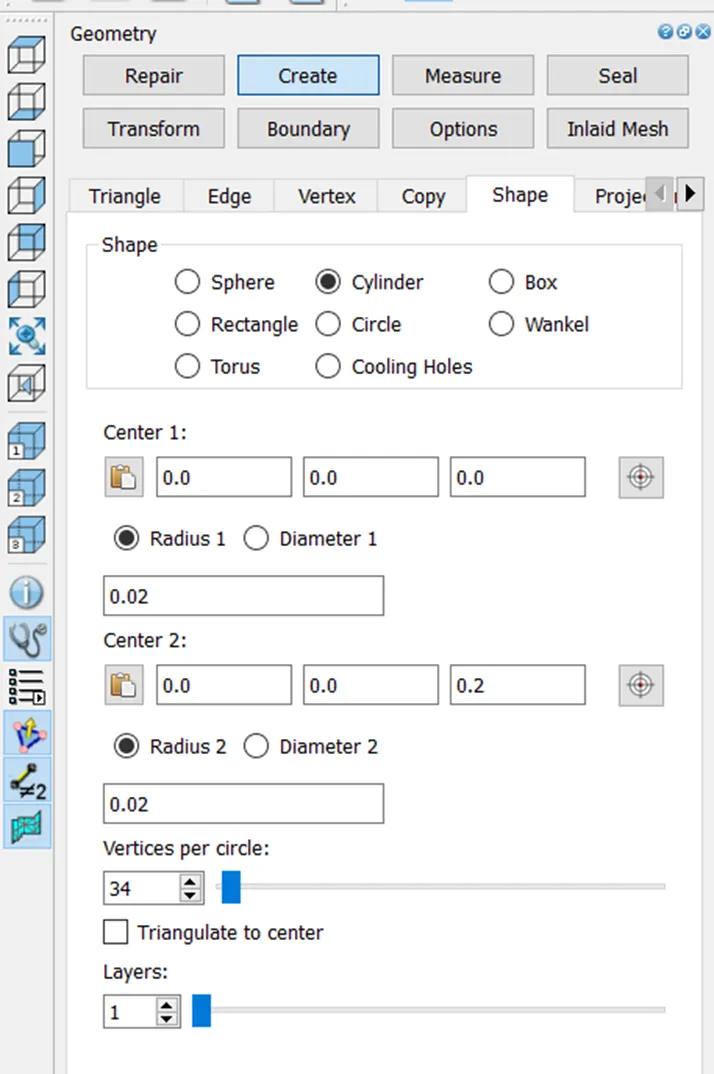
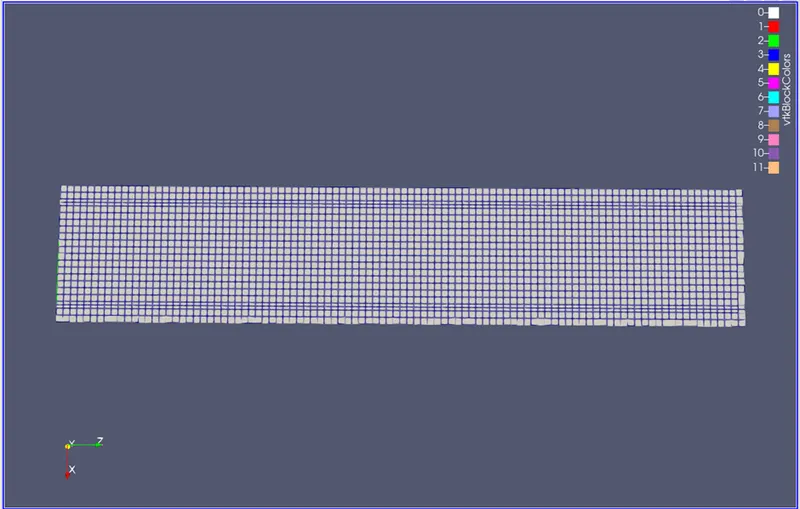
We start by creating the geometry by using the create tool in which we use create shape tool from which we create 2 cylinders which are co-centric with different radius, after that we delete their side surfaces and use the create triangle tool to connect the two cylinders to form a hollow cylinder of inner diameter 0.03m and thickness 0.005m.
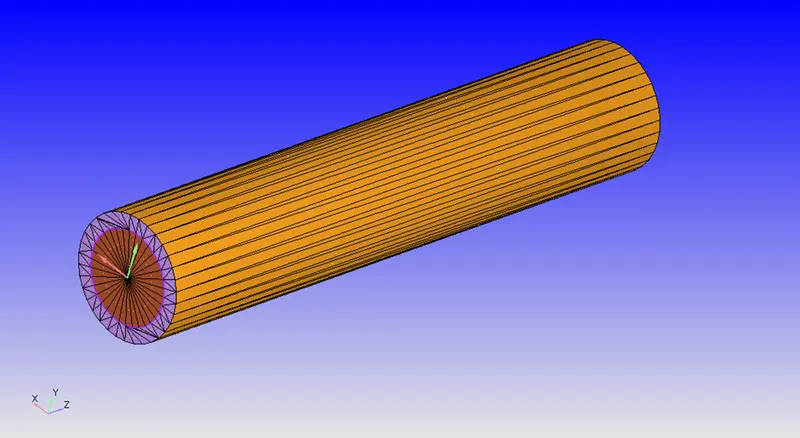
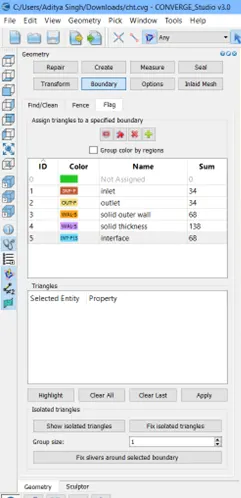
After that we flagged the boundaries as inlet, outlet, solid thickness, solid outer wall and interface.
After this we begin with the case-setup and select the time-based setup for the simulation.
In materials we enable solid as well and predefined mixture is set to be air, also in physical models super-cycling was enabled.
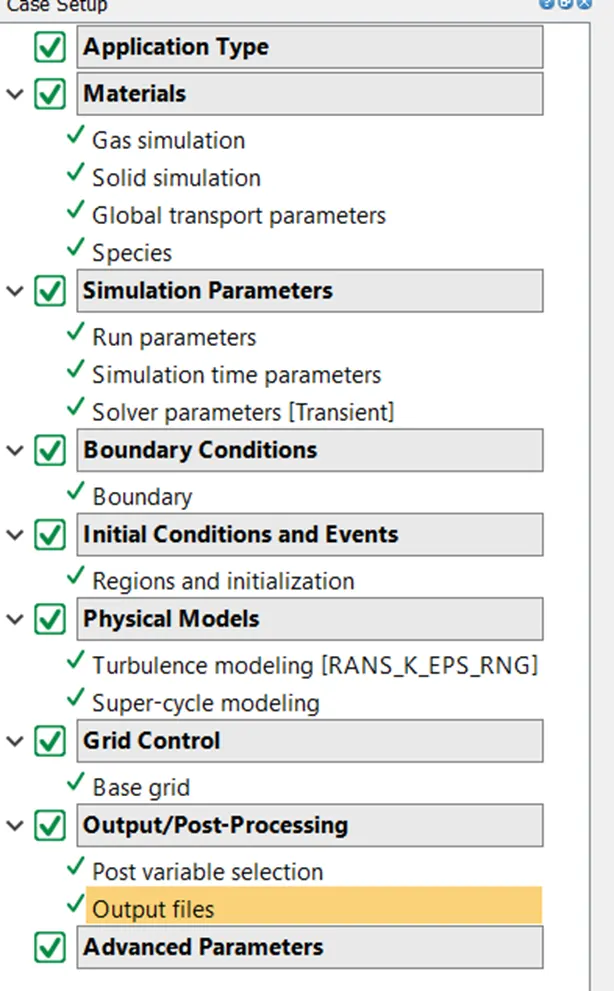
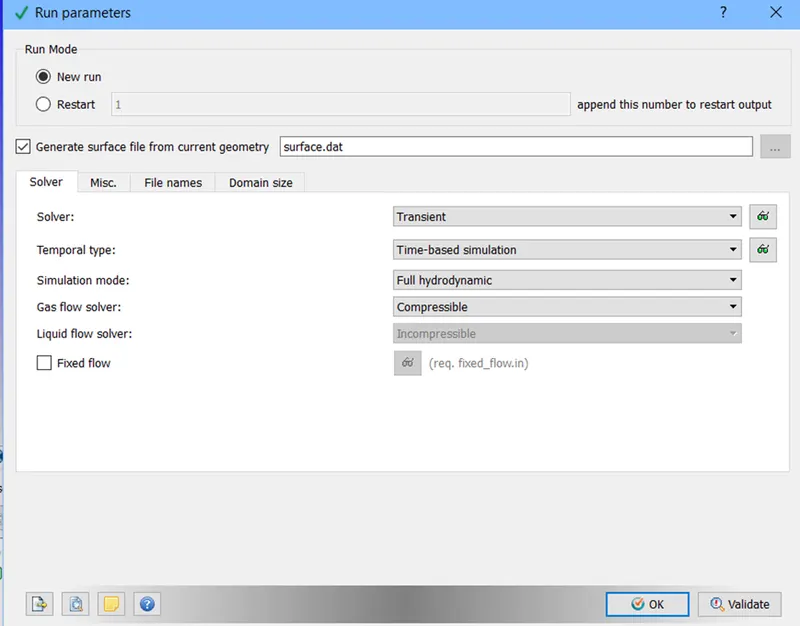
For run parameters transient based simulation was selected and the flow was set to be compressible.
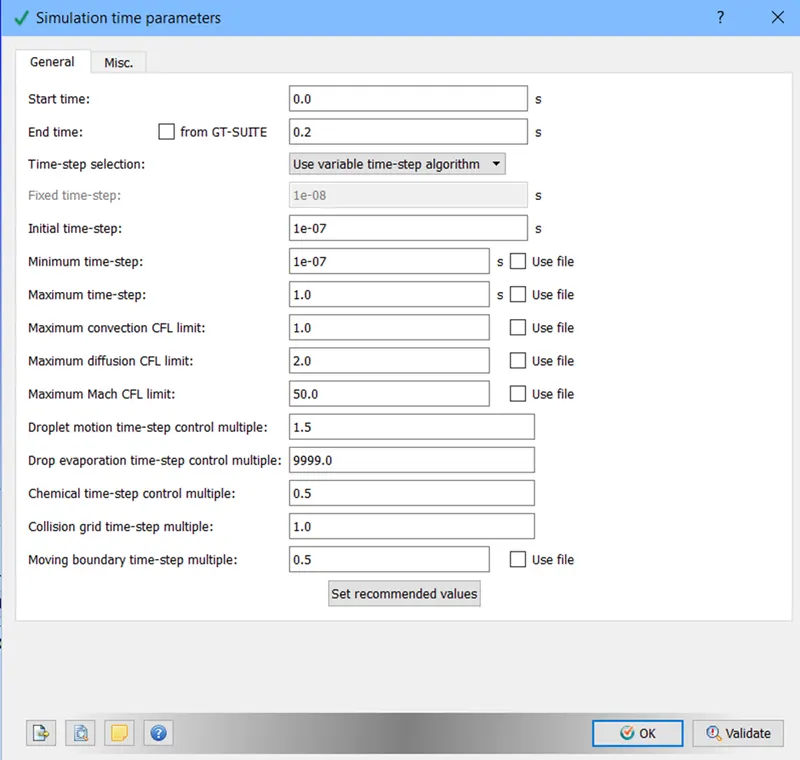
For simulation parameter end time was set to 0.2 and minimum and initial time step was set to 1e-07 while max being set to 1.
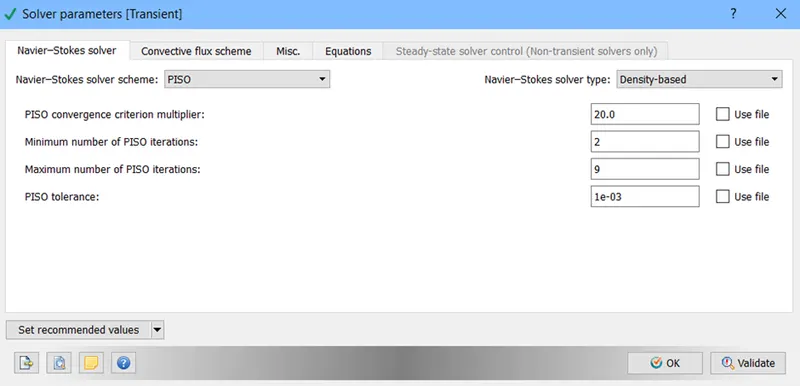
In solver parameters NS solver scheme was set to be PISO and density-based solver was used along with it the iteration number for pressure in Misc. was set to 1000.
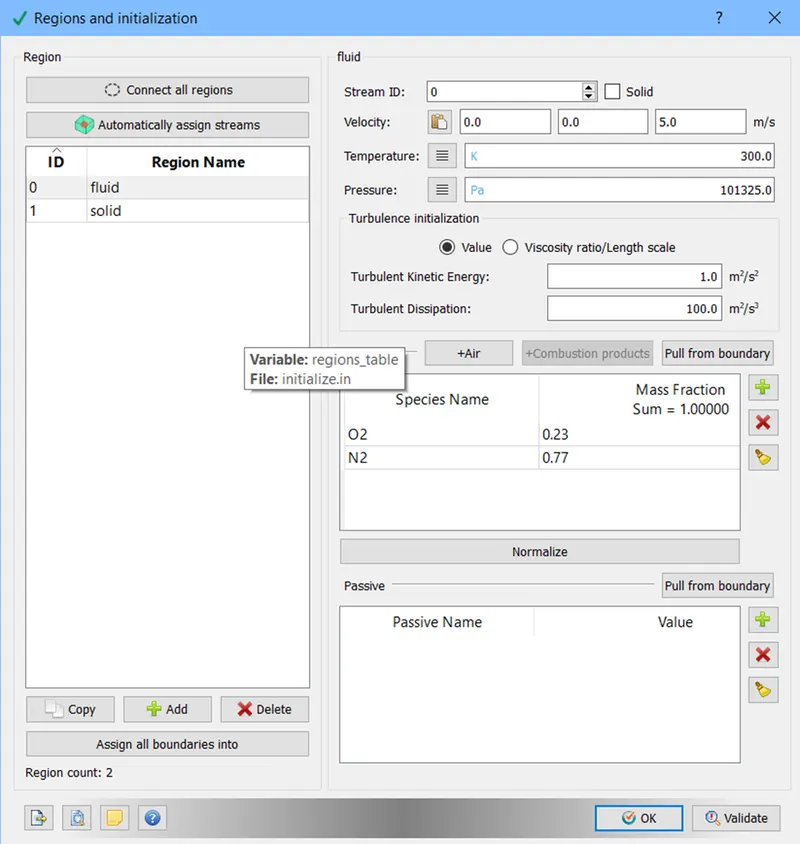
After we setup regions and initialisation where we setup two regions first being fluid region with stream ID 0 and the second being solid with stream ID being 1. For fluid region species were selected to be air with pressure and velocity values defined and for solid region aluminium was selected and its initial temperature was stated to be 300k.

After this boundary conditions were setup in boundaries and regions were defined. The boundaries of solid regions were given wall BC and were setup and similarly inlet and outlet were setup and for the interface we give interface type which has forward and reverse side the forward side is fluid hence law of wall was used the reverse side was solid hence zerogradient was used.
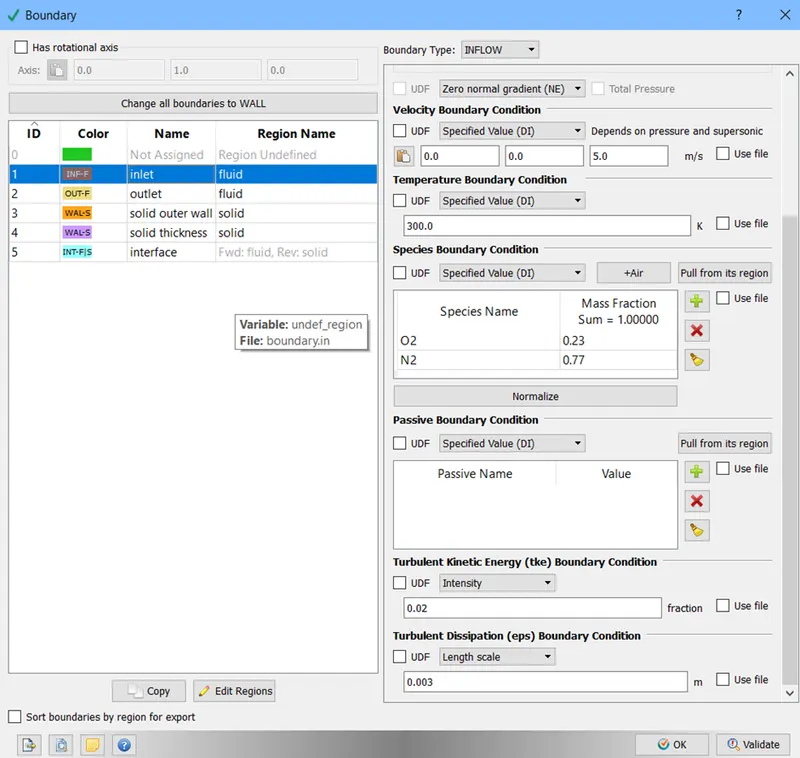
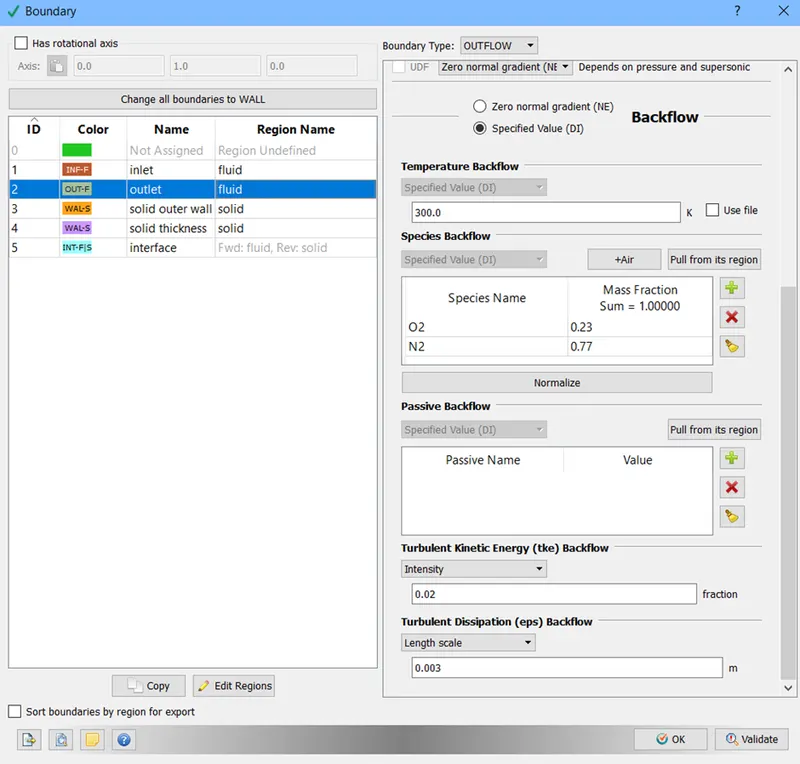
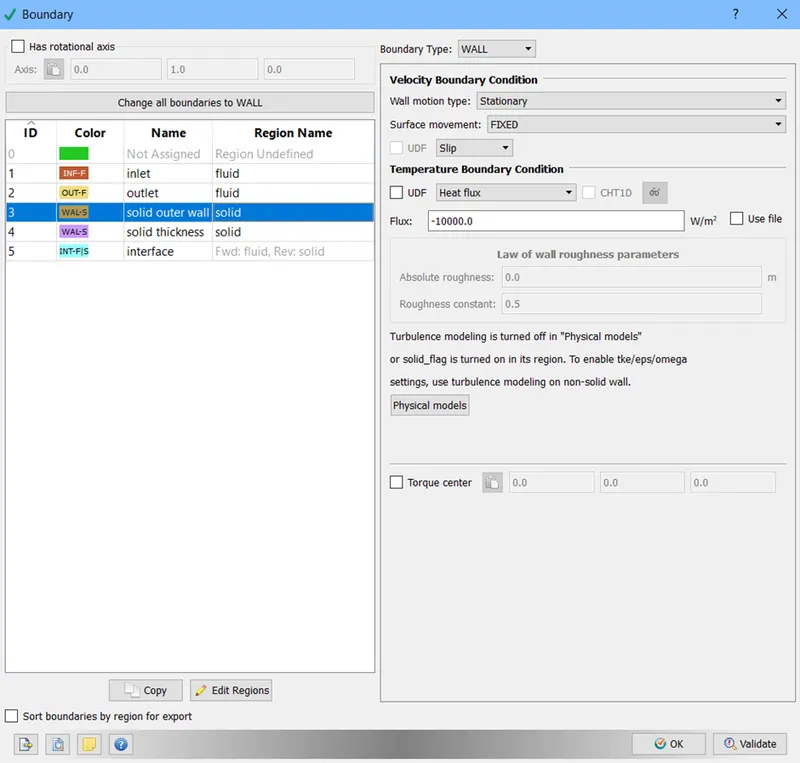
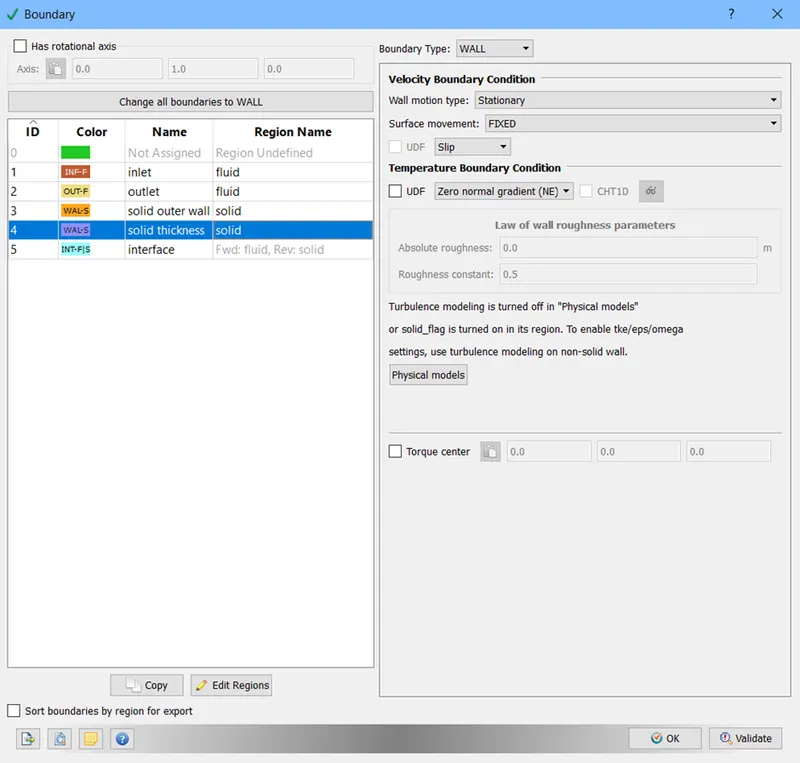
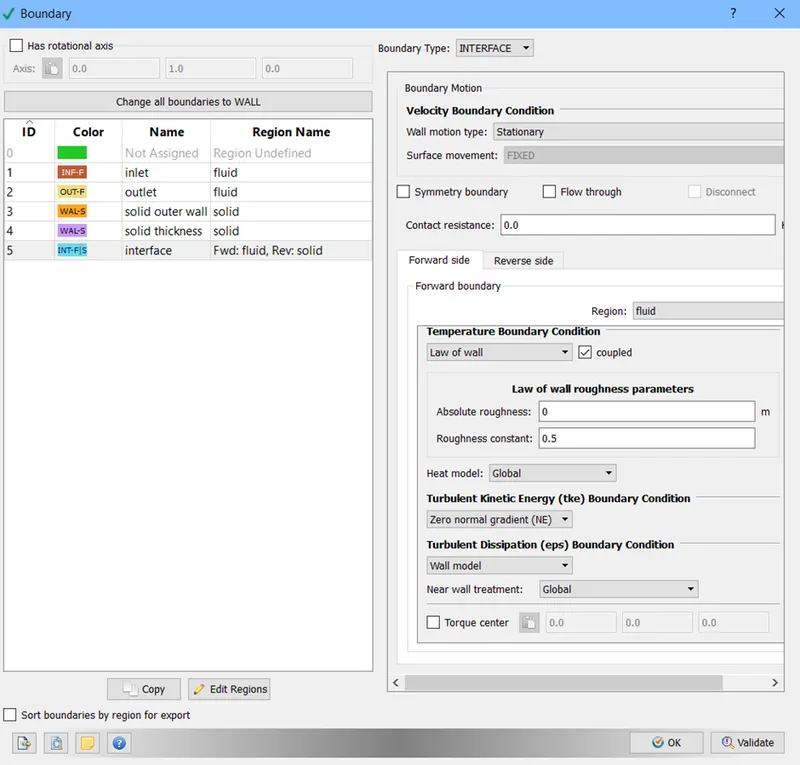
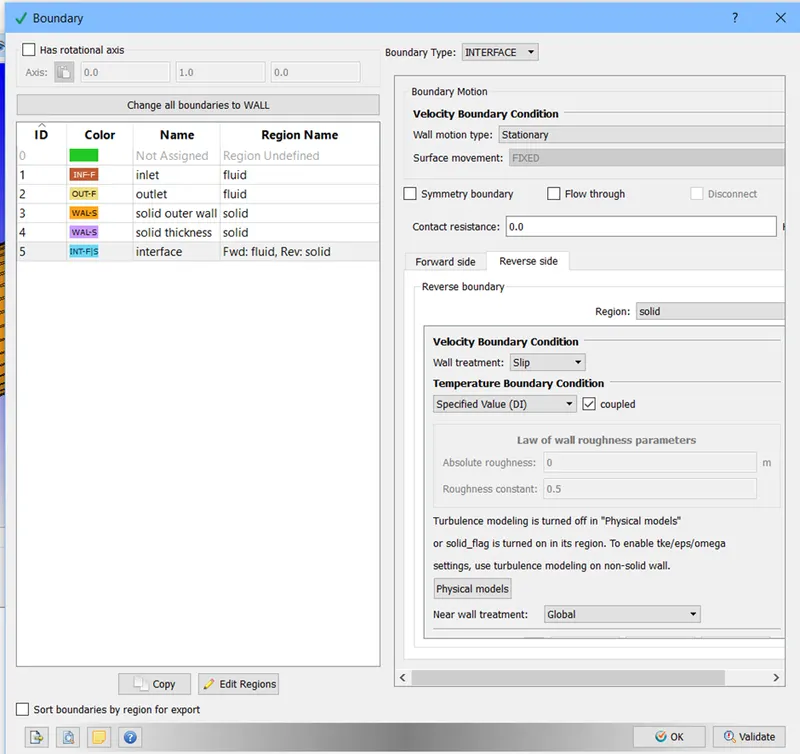
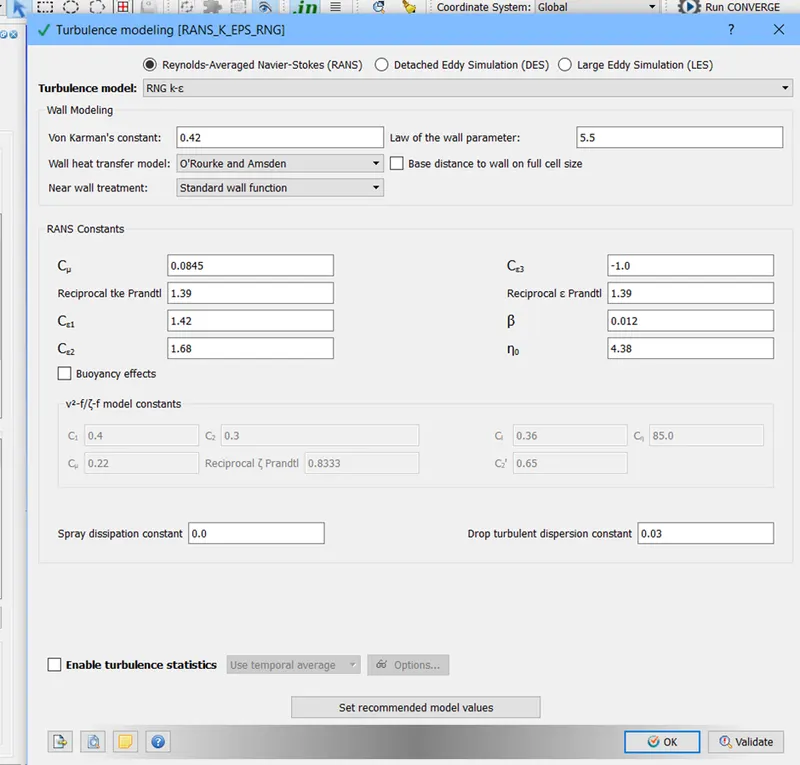
After this we setup the turbulence model as RNG K-epsilon and super cycling was set as per different case requirements.
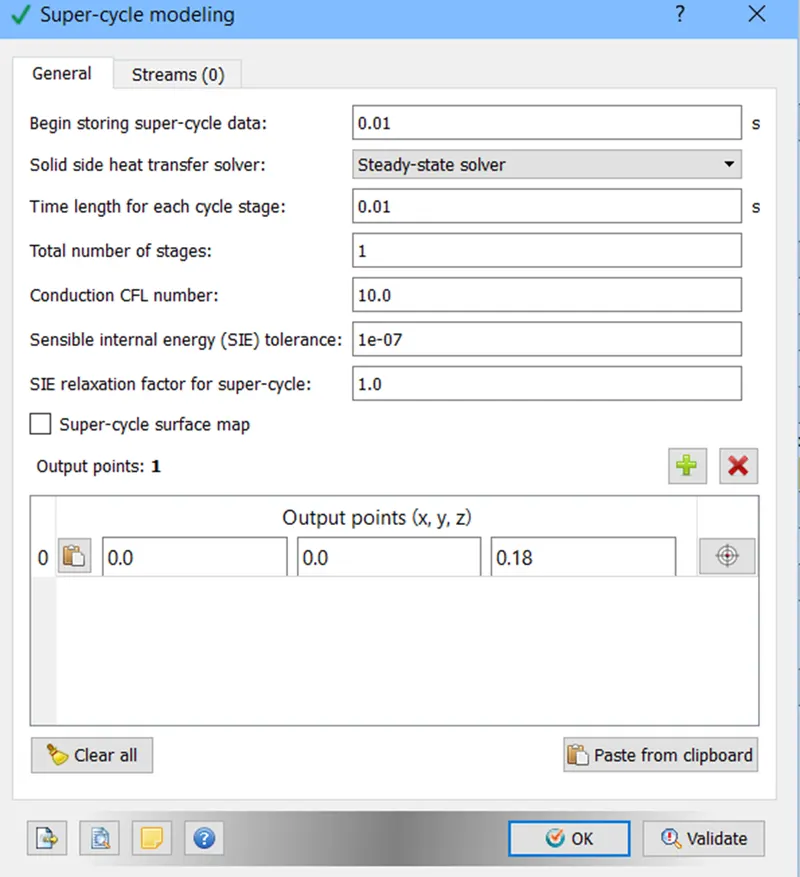
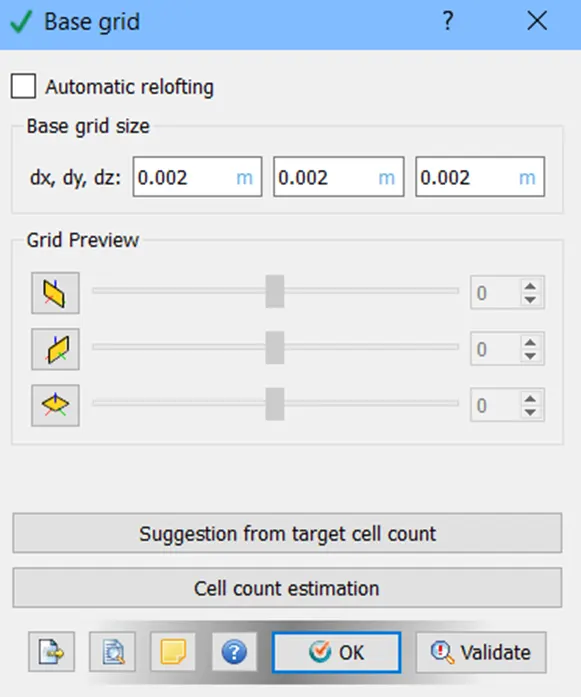
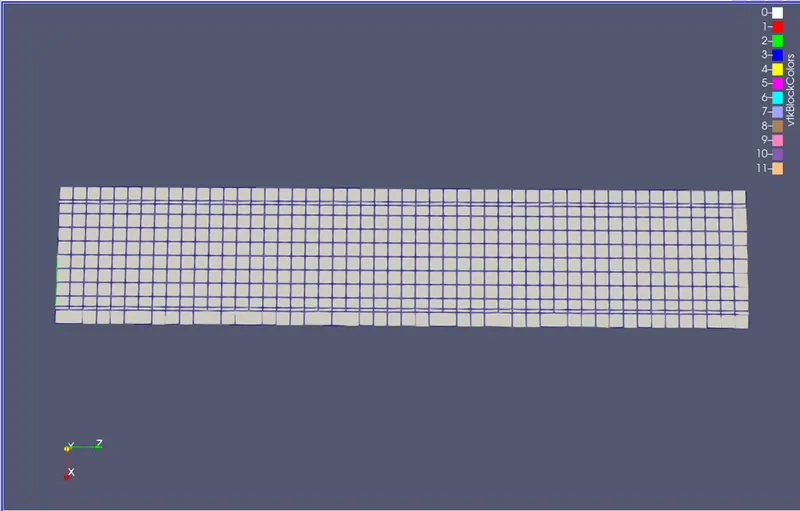
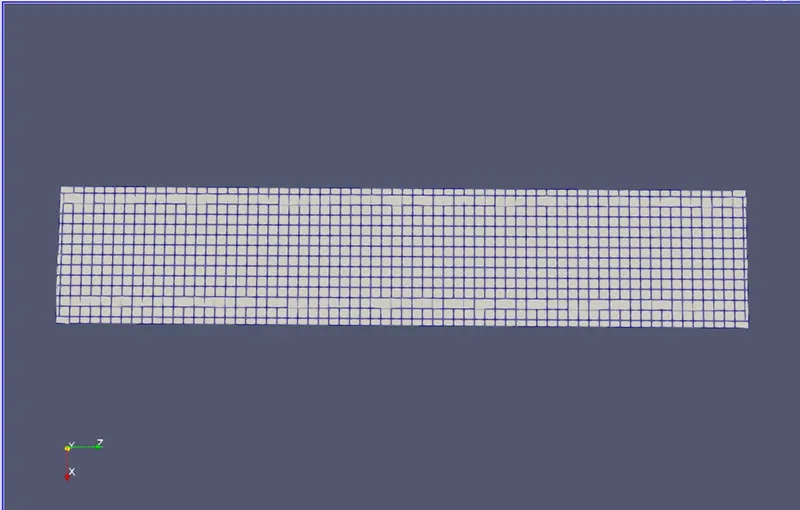
Base grid was also changed for different cases from 0.004 to 0.002m.
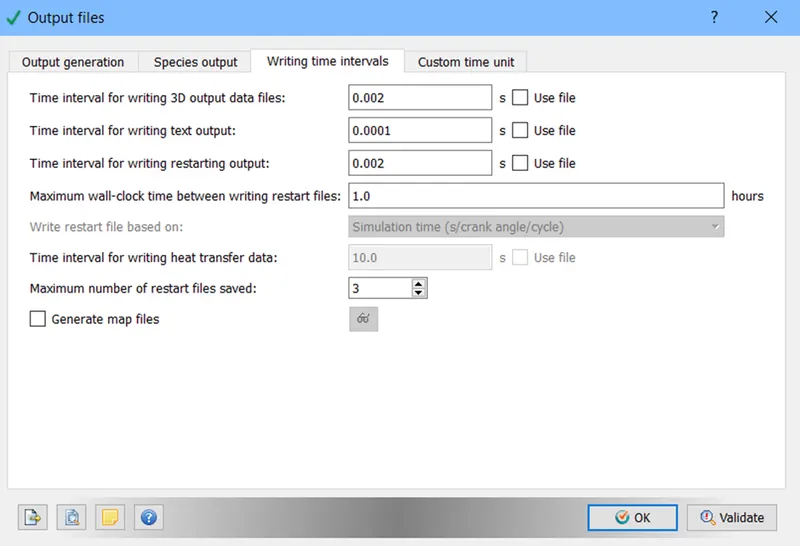
3Doutput files were written every 0.002 sec and text files were written after every 0.0001 sec
RESULTS:
TEST CASE 1: GRID=0.004 SUPER-CYCLING=0.01
TEST CASE 2: GRID=0.004 SUPER-CYCLING=0.02
TEST CASE 3: GRID=0.004 SUPER-CYCLING=0.03
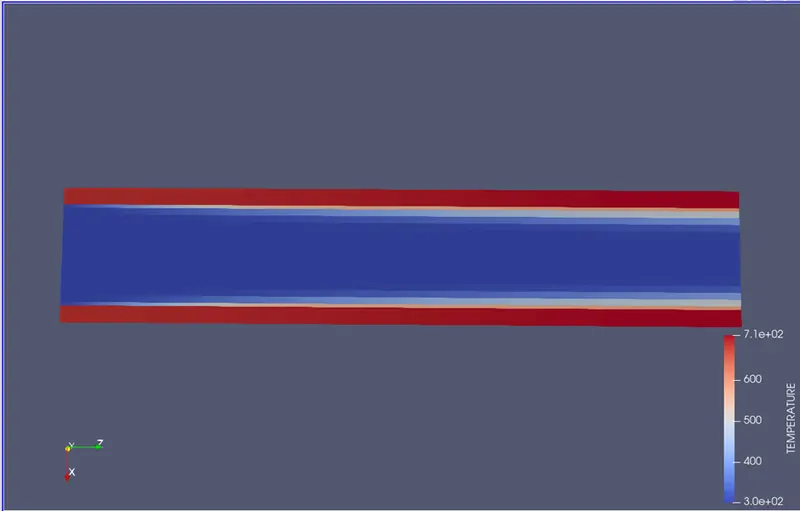
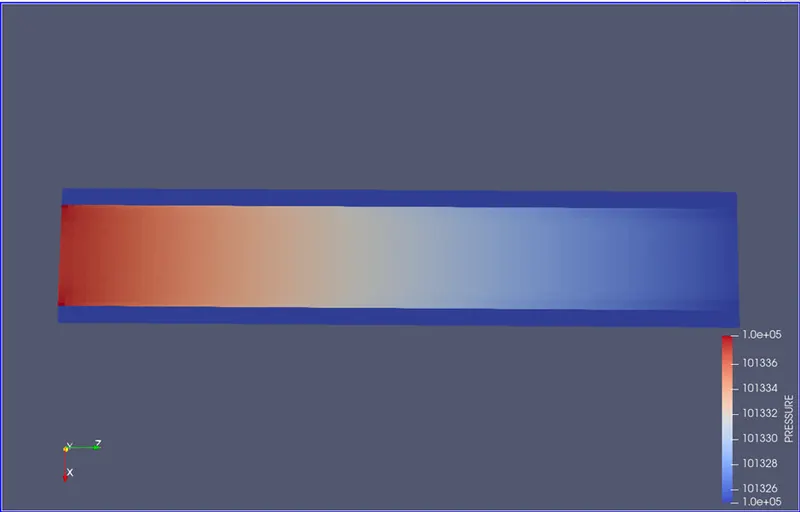
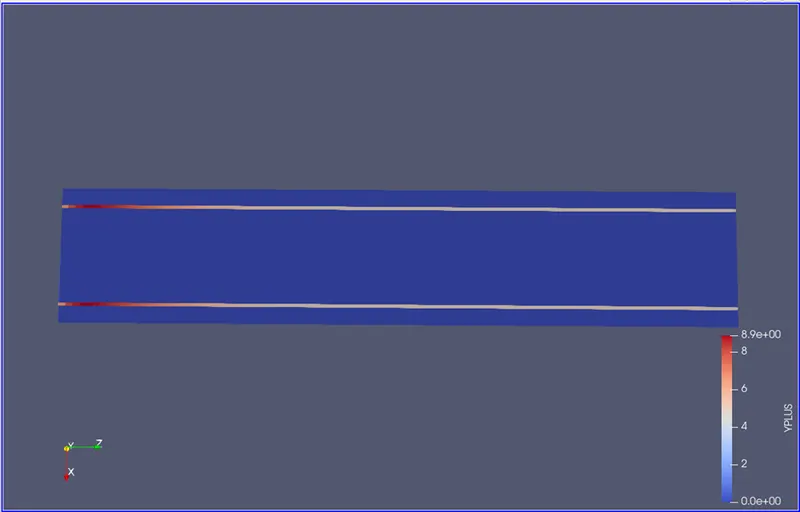
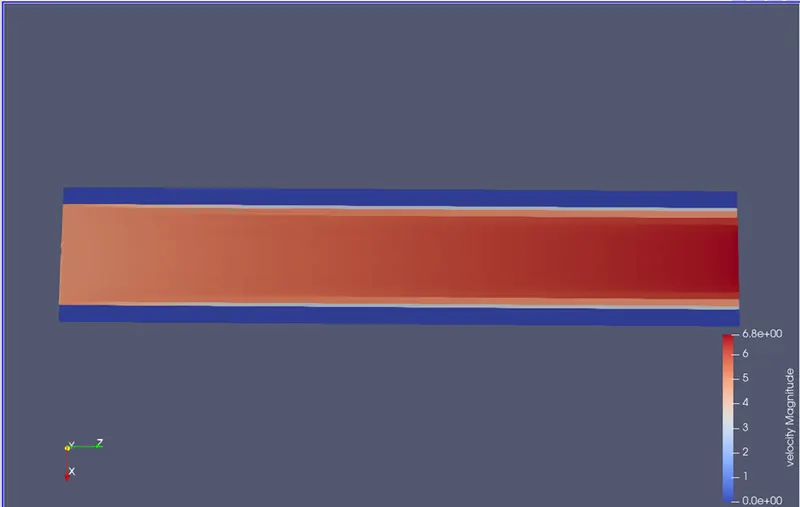
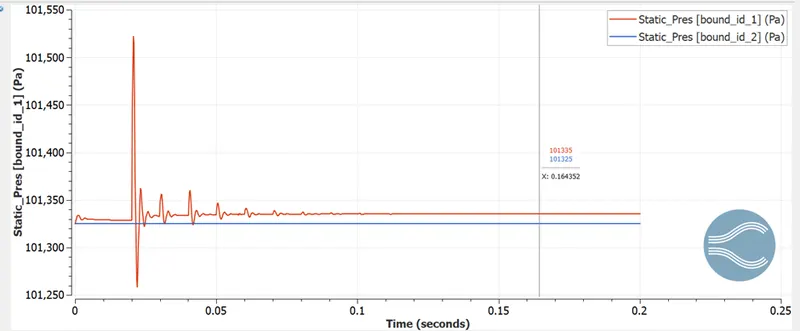
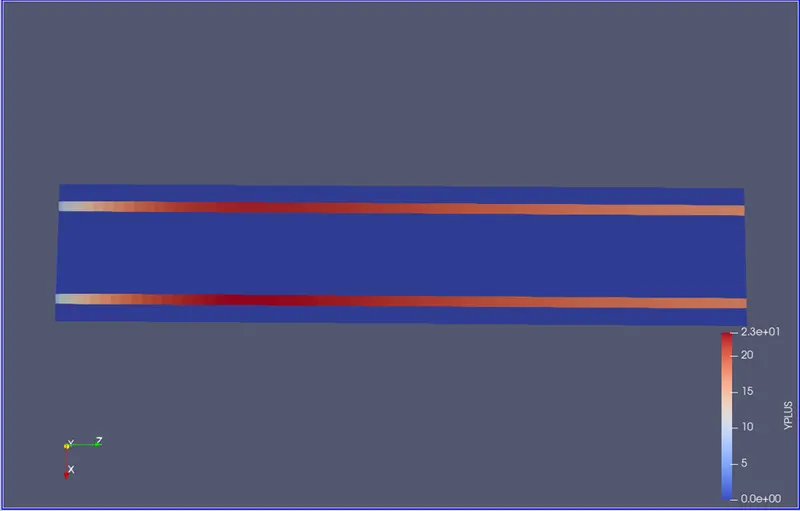
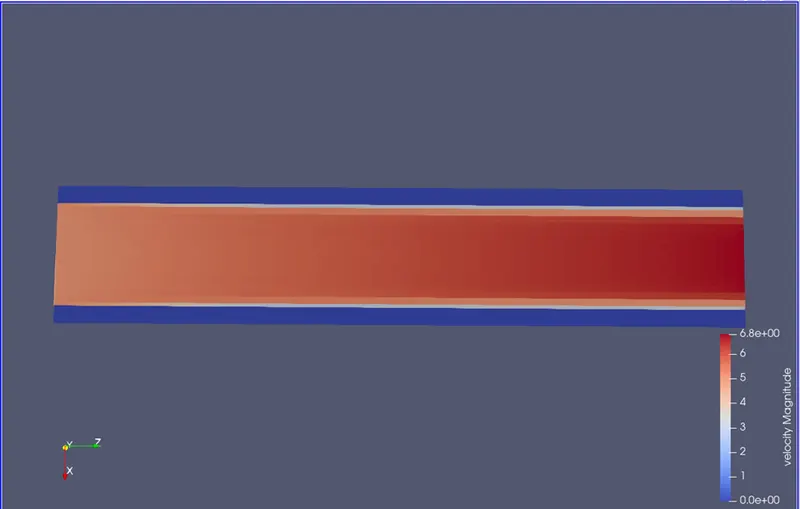
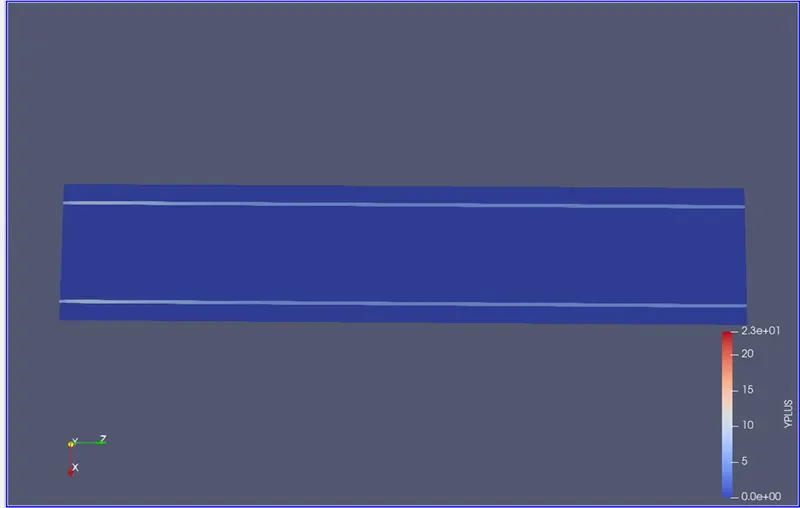
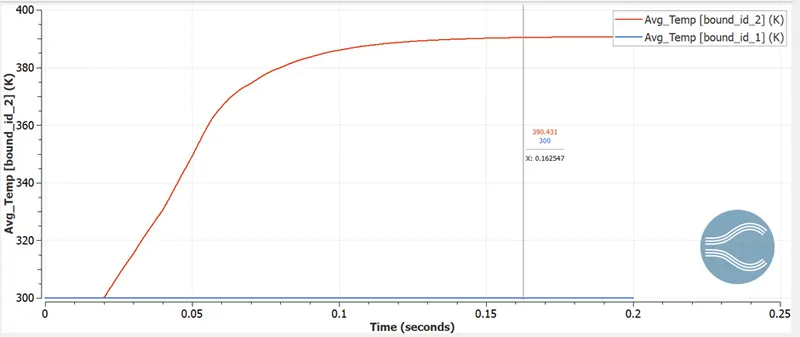
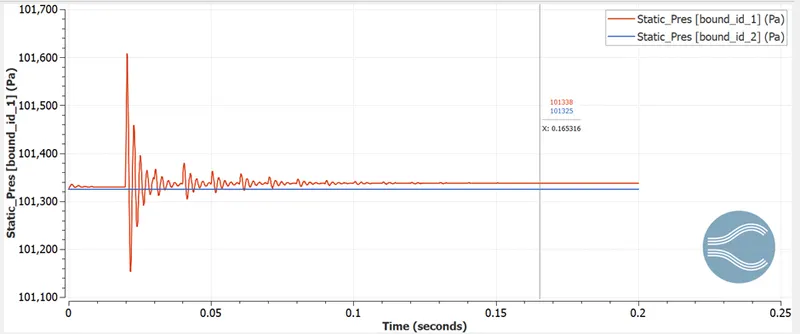
The post-processing results for all the cases were same only difference was in the simulation time.
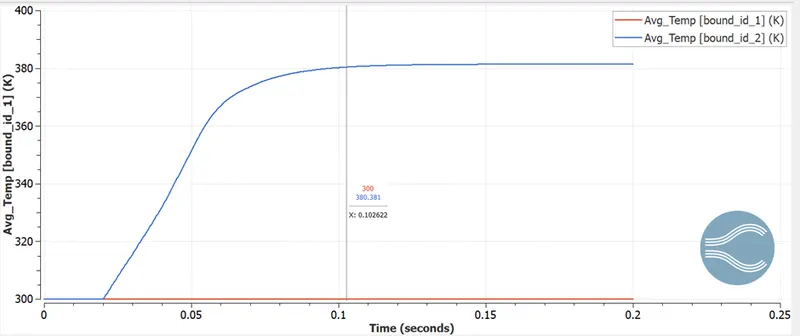
TEST CASE 4: GRID=0.003 SUPER-CYCLING=0.01
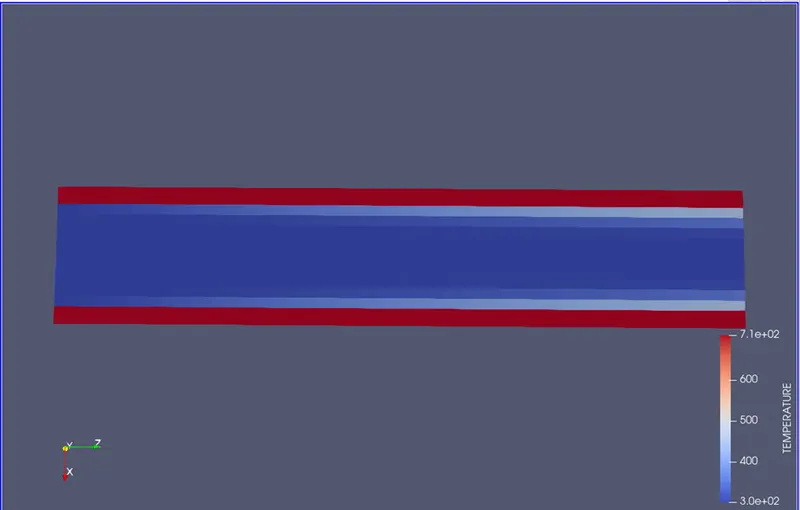
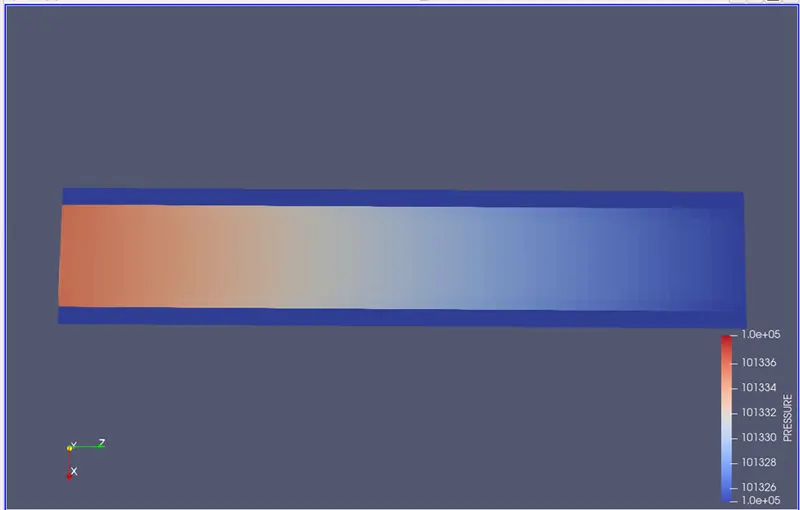
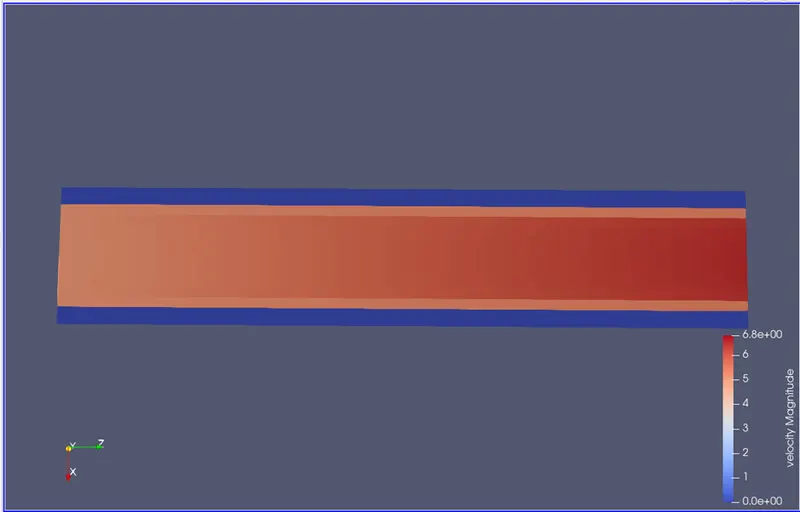
TEST CASE 5: GRID=0.002 SUPER-CYCLING=0.01
CONCLUSION:
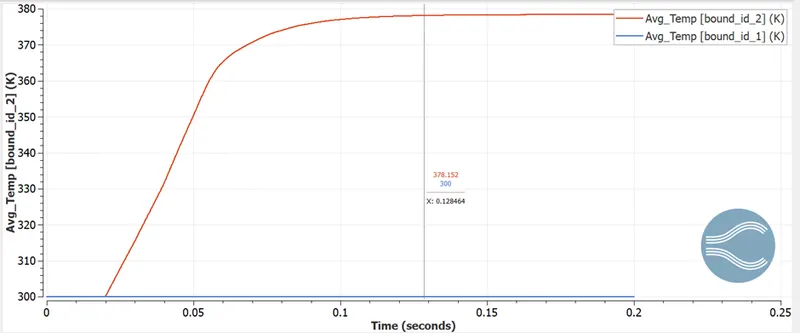
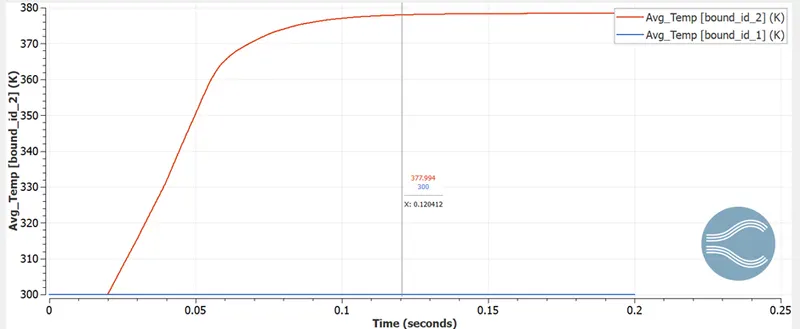
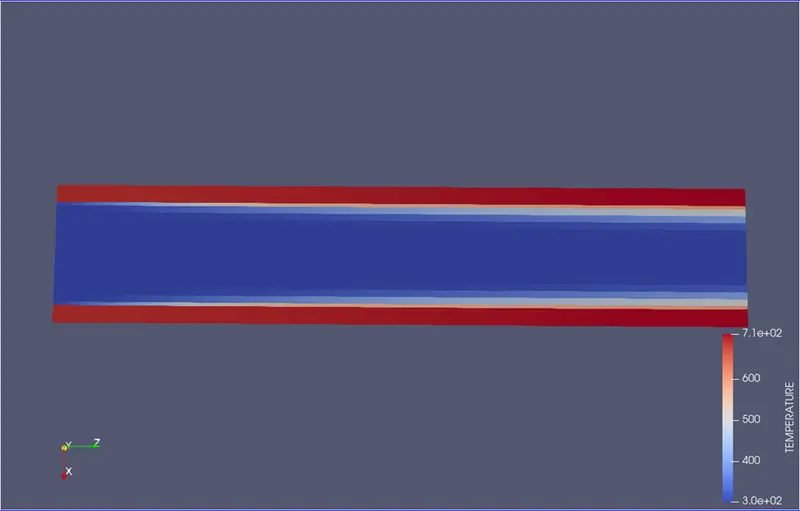
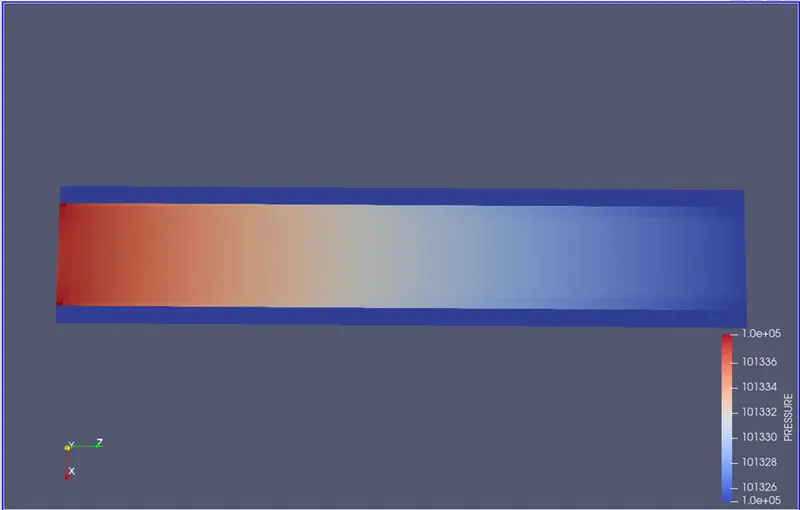
From the graphs of temperature and pressure for different test cases with varying mesh size we observe that the results were more accurate in the finer mesh size but the simulation time for finer mesh was higher compared to coarse mesh.
Super-cycling helped to reduce the simulation time to huge extent and we observed that for the smaller value of super-cycling simulation took lesser time.
Due to super-cycling in solid region steady state is implied hence we see a sudden change in the temperature of the pipe while transient is implied for fluid region hence the temperature changes were more continuous and smooth.