Week 6:- Clamp Unit & Pin-Clamp Unit Design Challenge
Week 6:- Clamp Unit & Pin-Clamp Unit Design Challenge
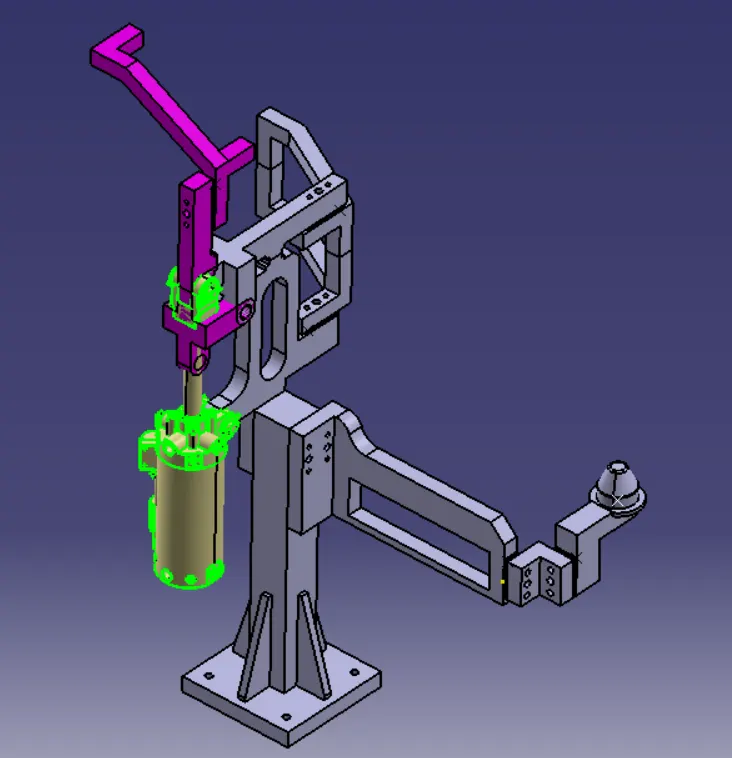
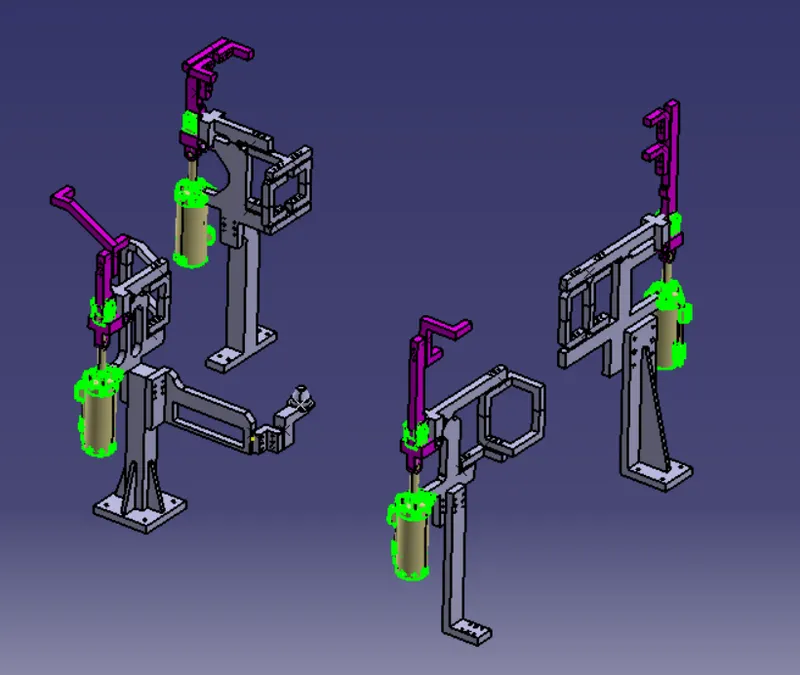
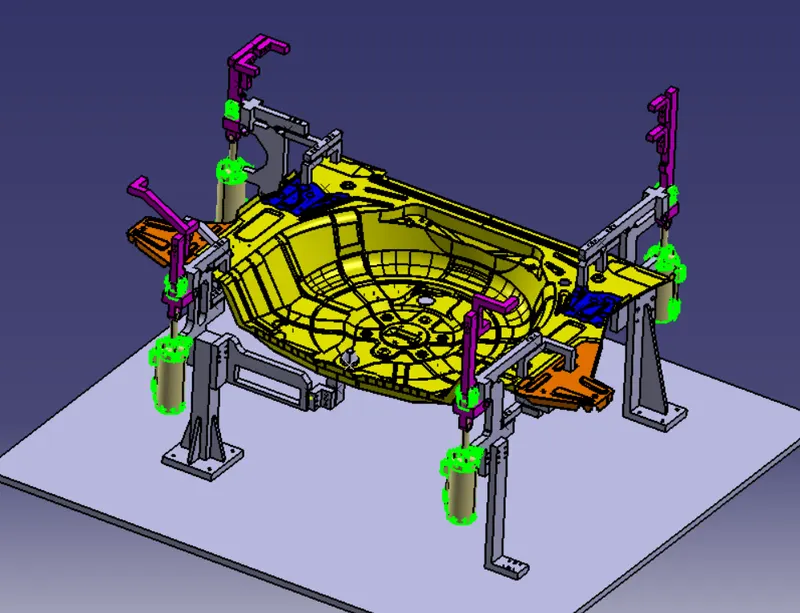
AIM - Design 3 Different types of Swivel Clamp Unit with Different Riser, Blade, and Clamp Arm for the
given Car Panel. Maintain the stroke as 100mm.
Introduction to Clamp unit and Rest unit :-
A Clamp is a device that is used to hold the part tightly, yet, firmly in the assembly, The clamp prevents any sought
of movement of the assembly in the fixture and ensures proper operation on the part without any distortion.
The clamp must be placed in such a way that it does not interpret the operation.
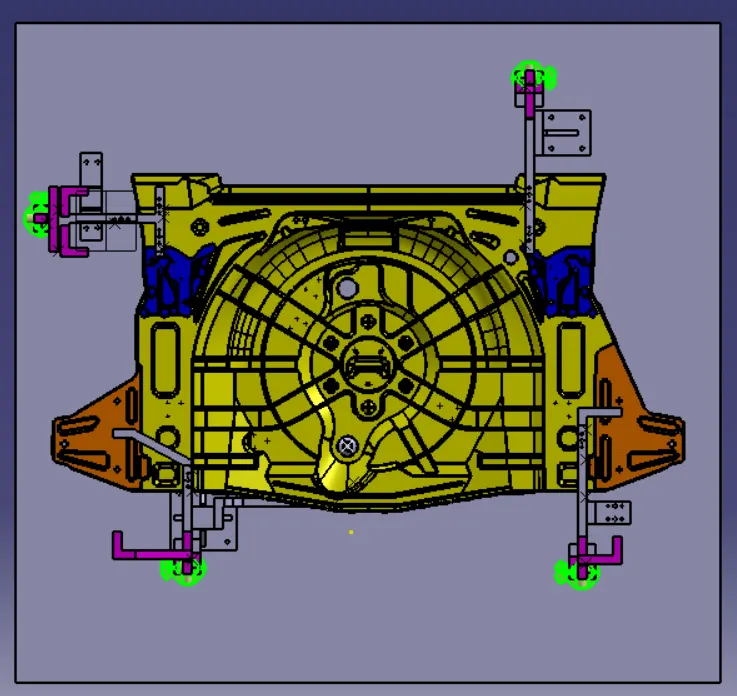
The clamp plan is the data provided by the customer. The clamp plan provides information on the location of pins,
rest units, Clamp units, Dumps, etc.
1) It gives the details of the exact position of the clamping locations in form of coordinates.
2) The clamp position in some cases will be in such a way that it might damage the tool, or very near to pin position.
3) In such cases, We should not take the decision to change the clamp plan without discussing it with the customer.
Fundamentls of design :-
3-2-1 principle: Our ultimate intention for using pin unit is to fix the work piece so that it does not deviate from
the position while the operation is being performed on it. For this reason we use 3-2-1 principle.
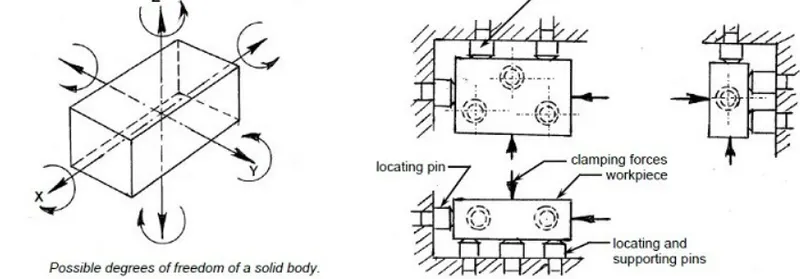
Every component we know has 6 degrees of freedom. They are listed below:
- Translational motion along x-axis.
- Translational motion along y-axis.
- Translational motion along z-axis.
- Rotational motion along x-axis.
- Rotational motion along y-axis.
- Rotational motion along y-axis..
In 3-2-1 principle we make use of locating pins in the given order to fix it on a fixture:
1) 3 pins are located on the bottom side of the component. These pins constrain the translational motion of the body in
z direction and rotational motion along x-axis and y-axis. Thus 3 degrees are restricted. But the body still can rotate
along z-axis and translate in x-axis and y-axis.
2) 2 pins are located on the back side of the component. These pins constrain the translational motion along x-axis and
rotational motion along z-axis. Thus we have constrained 5 degrees in total. But translation along y-axis is still possible.
3) 1 pin located on the adjacent side of the 2 pins we can constrain the last degree that is translation along y-axis.
Pin Unit
Design methodologies :-
It is necessary to have two pins to locate a car panel. One pin must arrest 4 ways (4 translational) and the other must arrest
2 ways (2 rotational) of a car panel.
* pin should engage 3 - 5 mm from car part entry surface.
* All pins should be accommodated with 2 ways adjustable shims irrespective of direction of arresting.
* Round pin should be used in case of 4 way arresting of car part if the hole is round.
* Round pin should be used in case of 2 way arresting of car part if the hole is slot.
* Diamond pins can be used for 4 way arresting of car part only if the hole is round.
* Diamond pins can be used for 2 way arresting of car part only if the hole is slot.
Pin -
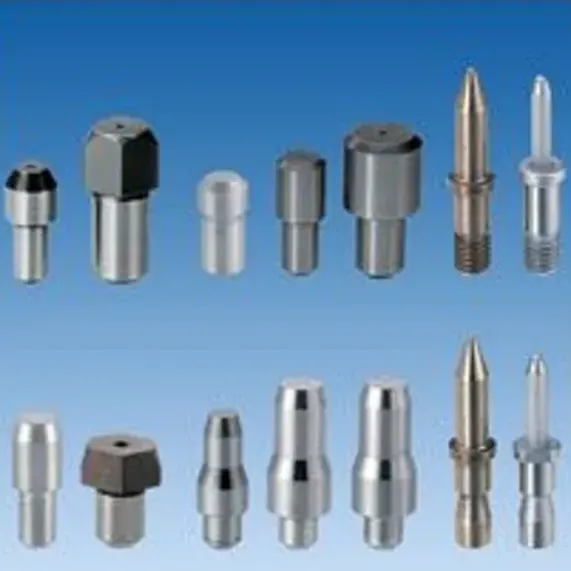
Pins are used to locking the rotational movement of the panel. Generally there two types of Pins, one is Round
Pin and another one is a Diamond pin. We use two and three-directional shimming for pins as per the angle
of the pin w.r.t. the carline. In some cases, we use a collared pin, when the pin is supposed to support the
panel as well. For this kind of pin, we provide 3 way shimming irrespective of pin angle to the carline.
Parts of a clamp unita and Pin units are as follows
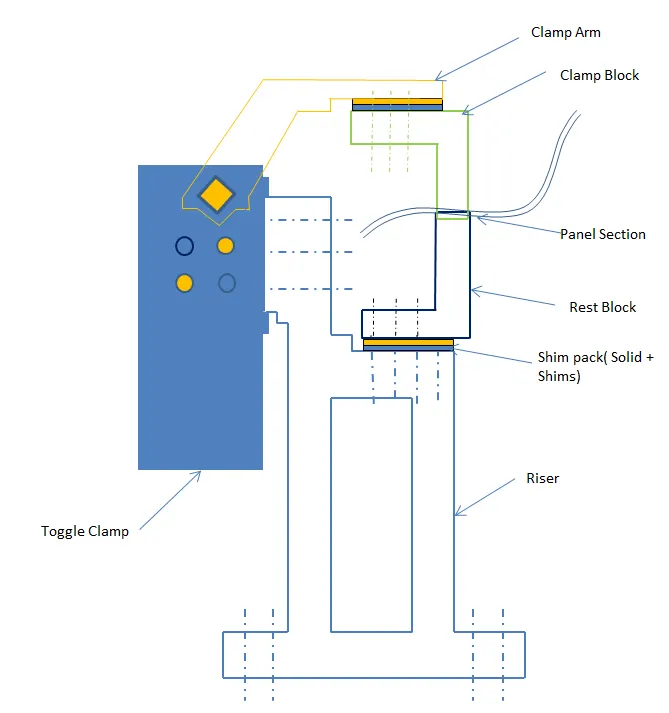
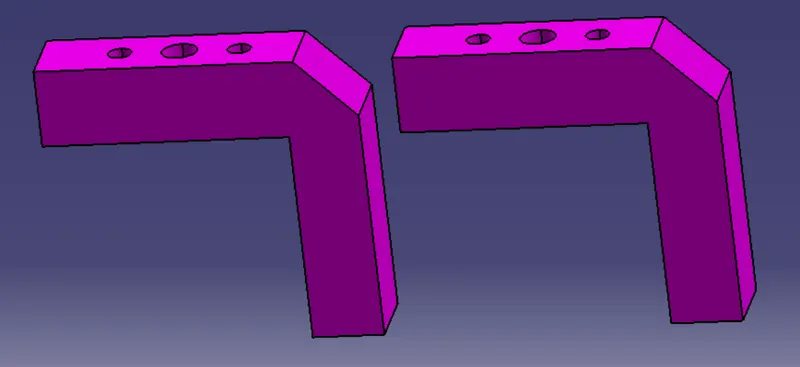
* Finger
A Finger is an NC Block, Which is mounted on the Clamp arm of the cylinder, and will press the car panels towards the
rest, so it holds the car panel.
*Rest
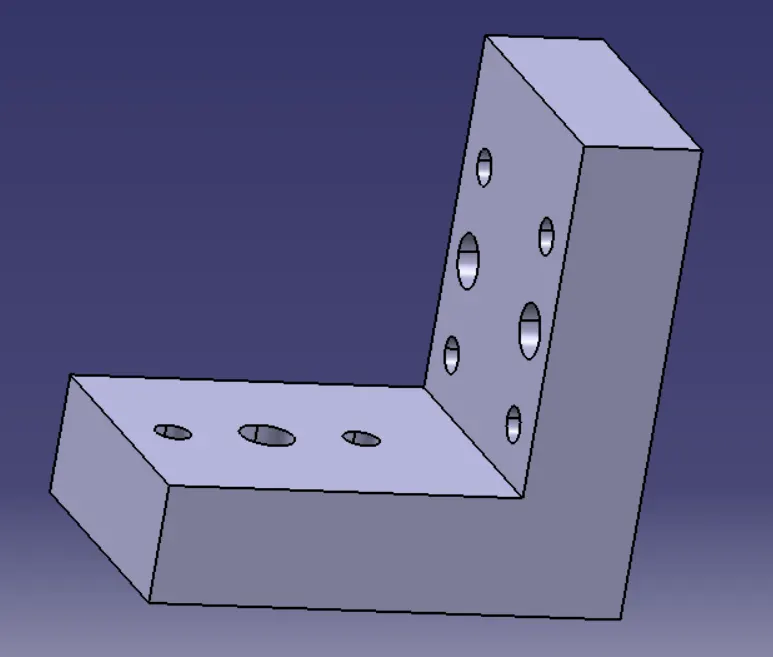
Rest is an NC block, which is fixed to the unit to support the car panel, also it resists the clamping force of the
finger, and thus clamps the car panel.
*Clamp Arm
A Clamp arm is a bought-out part, to which all the movable parts are fixed. In general, a clamp arm is a part of a
clamp cylinder.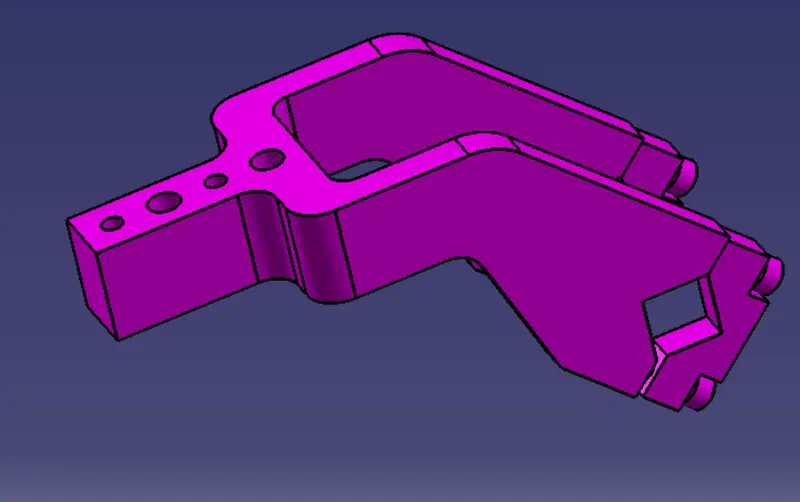
Shims
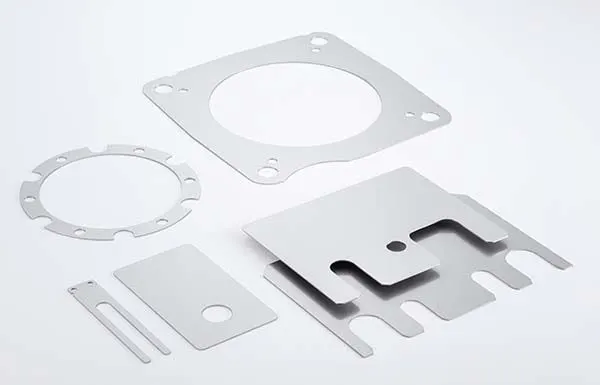
In general, a shim is a thin and often tapered or wedged piece of material, used to fill small gaps or
spaces between objects.
Shims are typically used in order to support, adjust for better fit, or provide a level surface.
Shims may also be used as spacers to fill gaps between parts subject to wear.
Shims are the small parts which comes with the thickness of 0.1mm, 0.2mm, 0.5mm, 1.0mm etc.
Blade
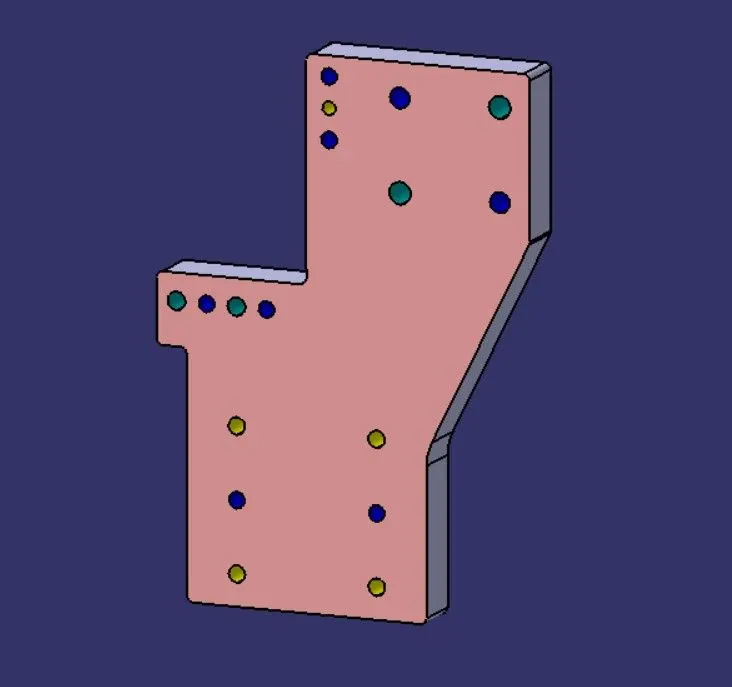
The plate which connects Riser to the Clamp cylinder is named Blade.
This plate plays an important role in building the unit. The plate can be of any shape,
But we need to keep in mind that the plate should be as compact as possible.
Riser
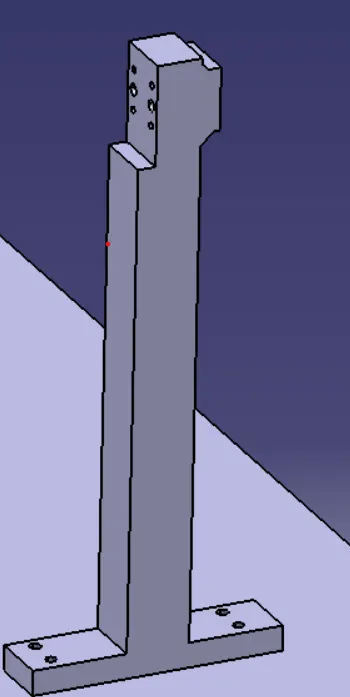
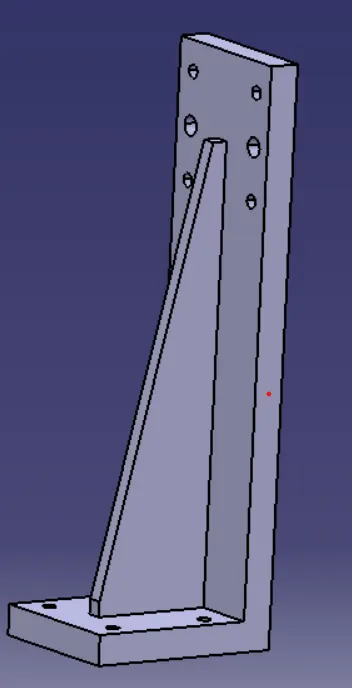
The part which is mounted on the base plate and holds a clamp or pin cylinder on it, is called Riser.
Riser can be Standard Part or manufactured part, it varies from project to project.
A riser can be a Single part or welded part. Standard risers also have various shapes and sizes.
Types of Clamp arms :-
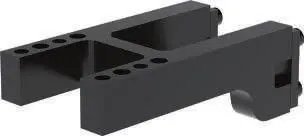
Standard arm - Center type
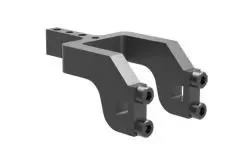
Standard arm - single arm type
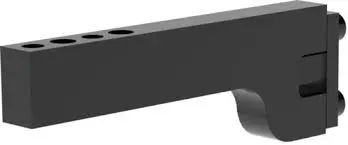
Standard arm - two arm type
Types of Clamping cyclinders :-
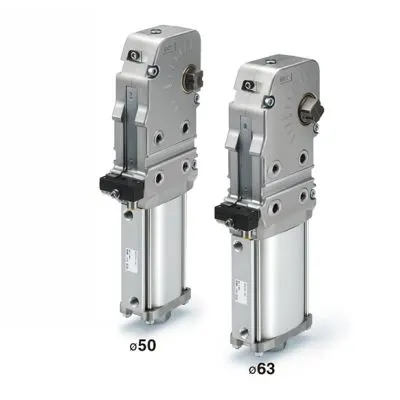
Power type cylinder
Overall length reduced by 49 mm max.
Depth reduced by 17.3 mm max
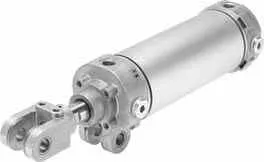
Swivel type cylinder
Pin Clamp Cylinder
Series CKU, Pin Shift Cylinder
Series CKQR, Plate Clamp Cylinder
Series M(D)UKA, Clamp Cylinder
CKGV, Pin Shift Cylinder
Swing type
Heavy-duty MK2 series
Possible to mount small auto switches on 4 surfaces
Auto mounting
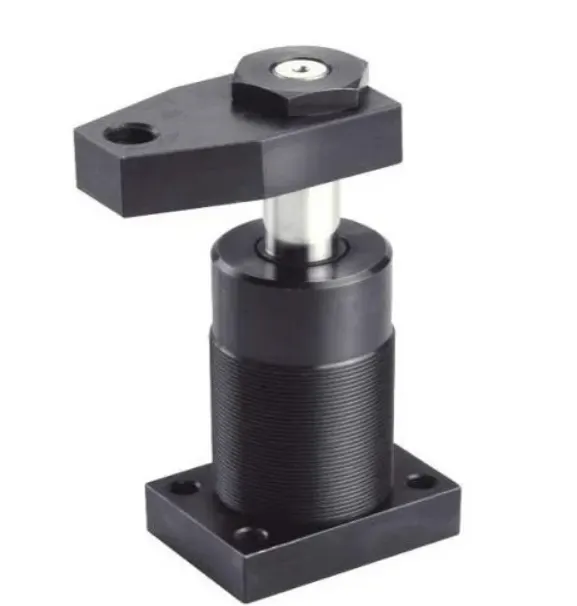
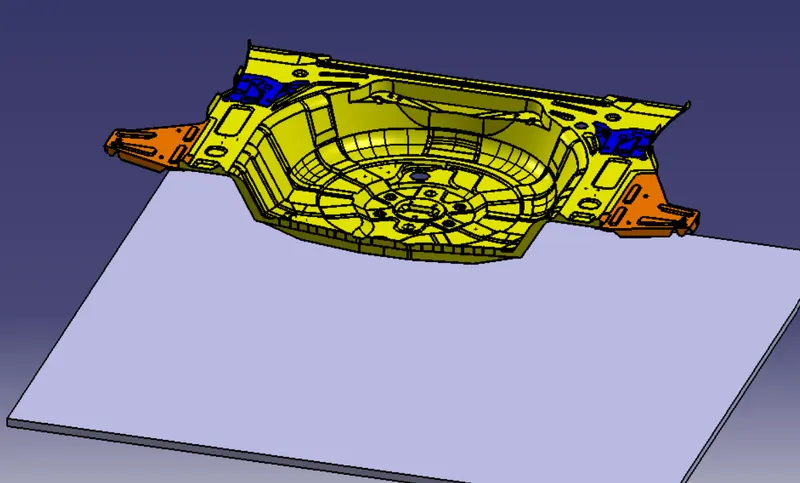
Input data :-
Swivel clamp unit -1
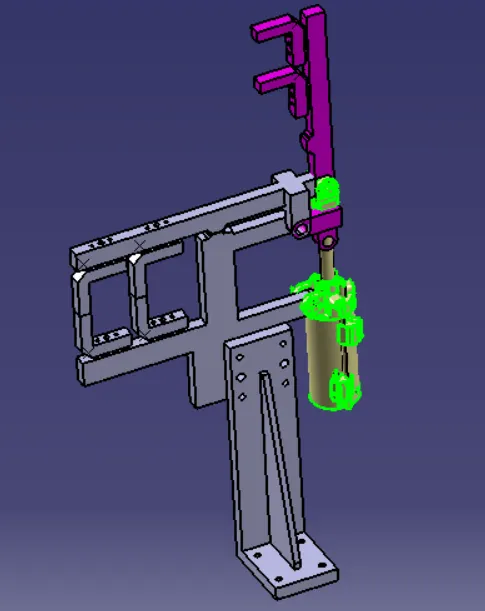
Swivel clamp unit -2
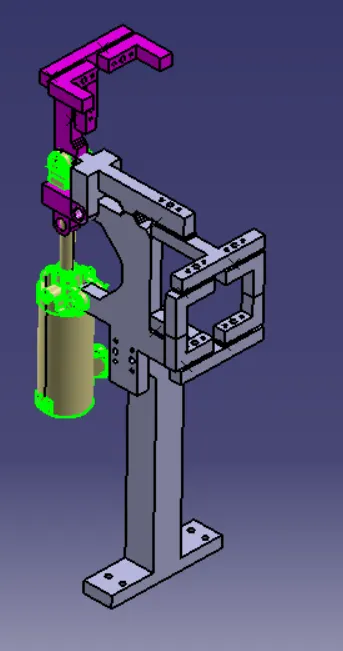
Swivel clamp unit -3
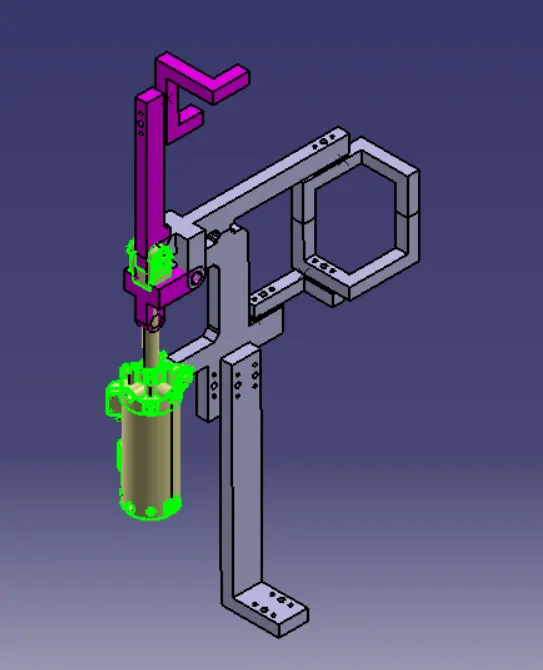
Swivel clamp with pin unit -4
Front view
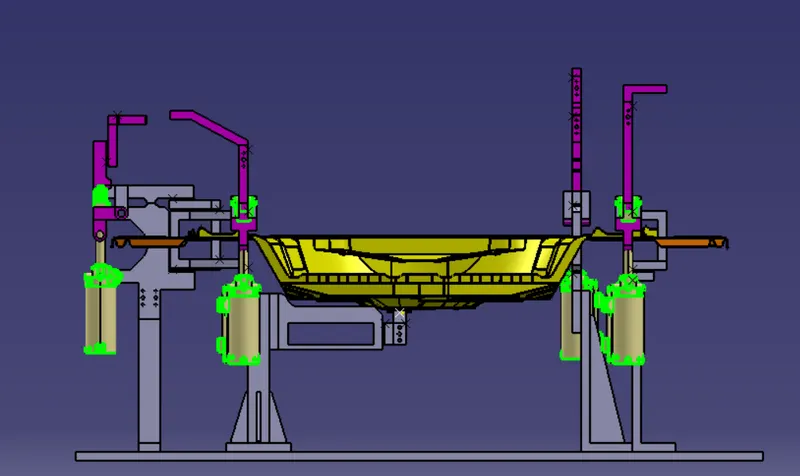
Side view
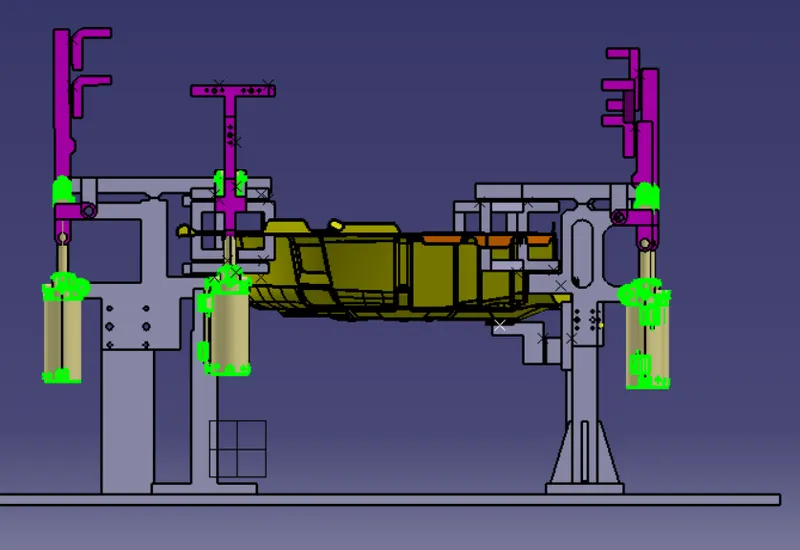
Top view