Week 6 - CHT Analysis on a Graphics card
Aim :
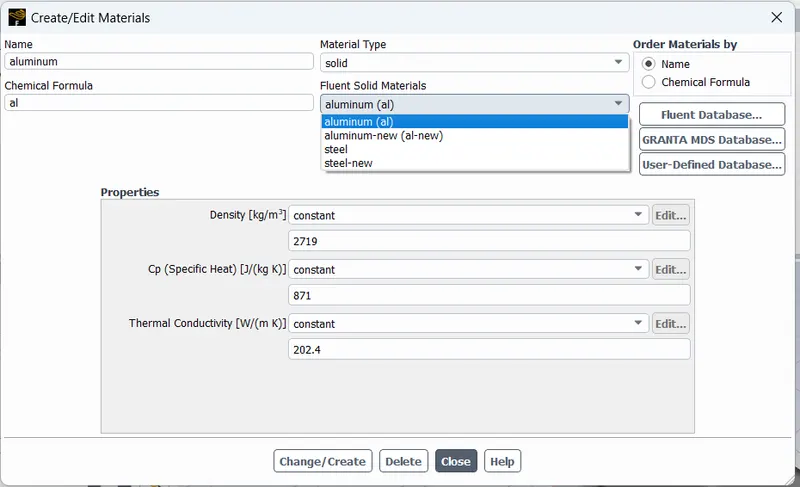
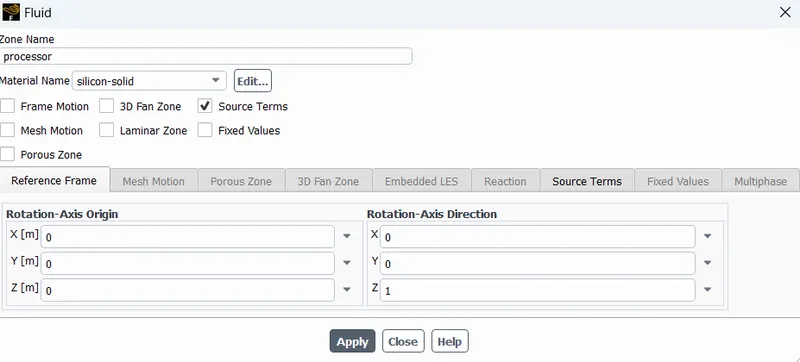
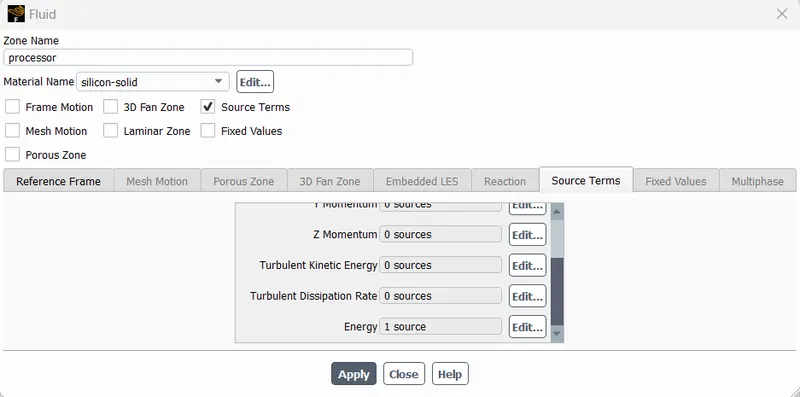
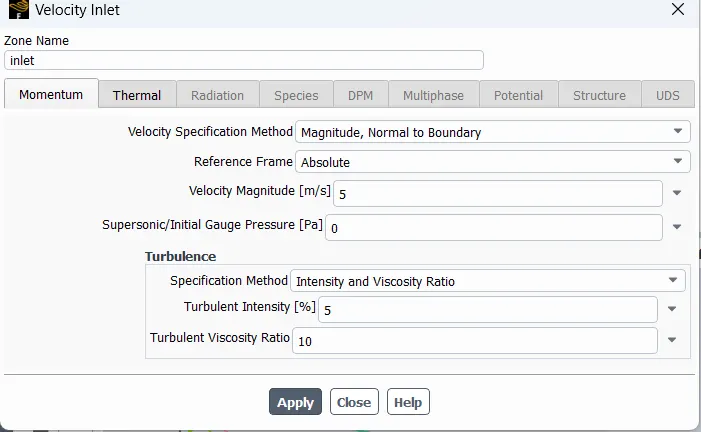
Perform a steady-state conjugate heat transfer analysis on a model of a graphics card. You can use appropriate materials of your choice for the simulation. Make sure to properly define the correct solid and fluid zones. Refer the video for further clarification and the model is provided below the video.
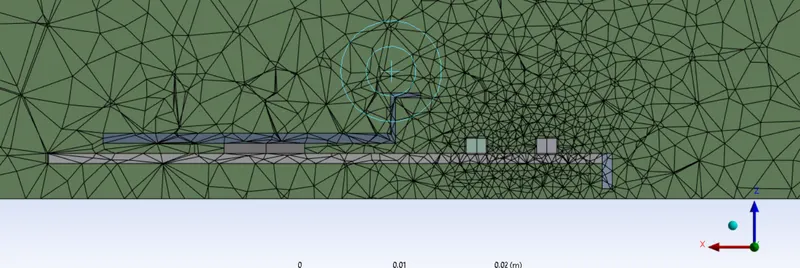
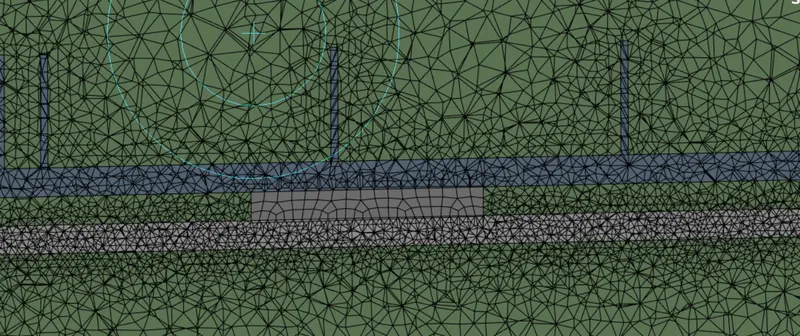
Run the simulation for best possible mesh with combination of coarse and refined mesh in different regions. Explain the reason for choosing the particular mesh settings.
Objectives:
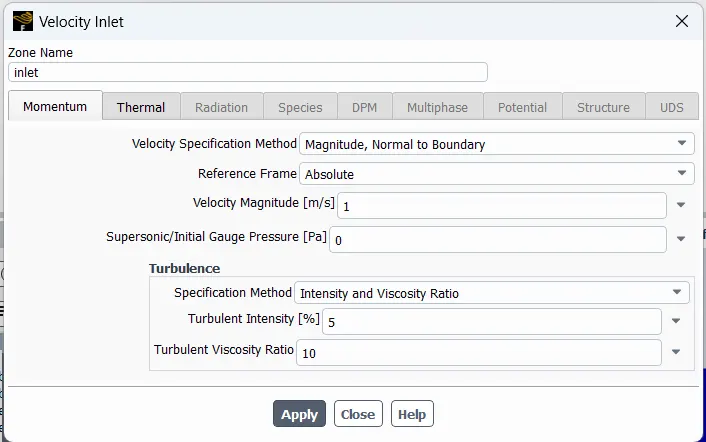
- Run the simulation by varying the velocity from 1m/sec to 5m/sec for at least 3 velocities and discuss the results.
- Find out the maximum temperature and heat transfer coefficient attained by the processor.
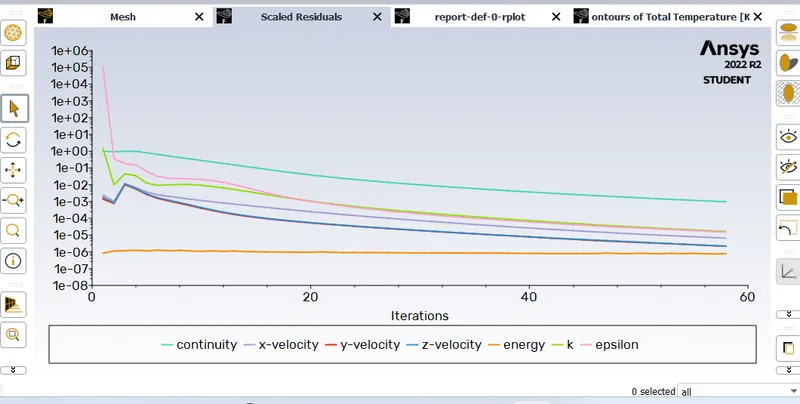
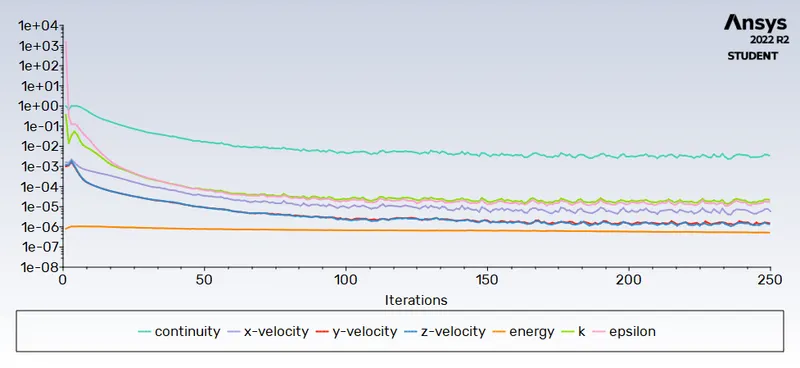
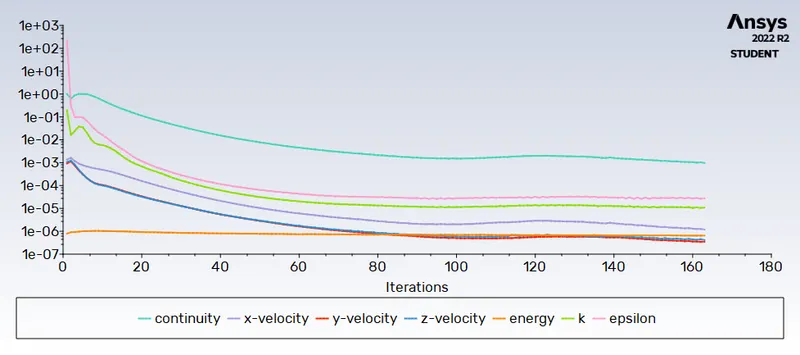
- Prove that the simulation has achieved convergence with appropriate images and plots.
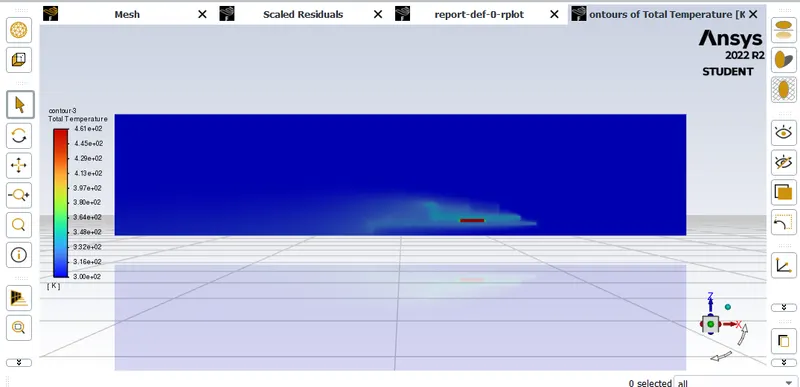
- Identify potential hotspots on the model.
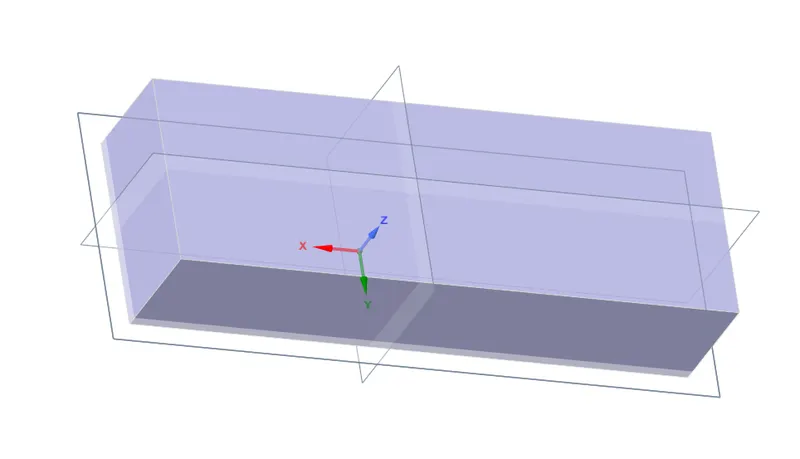
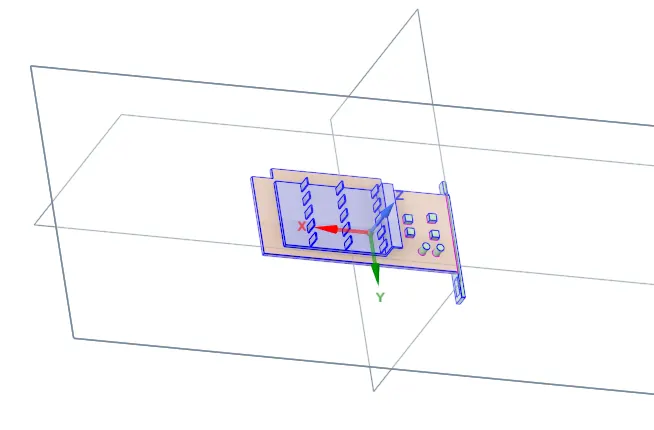
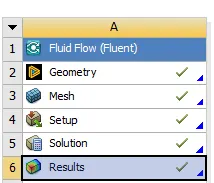
1. Setting up geometry :
2. Meshing the geometry :

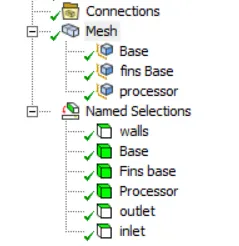
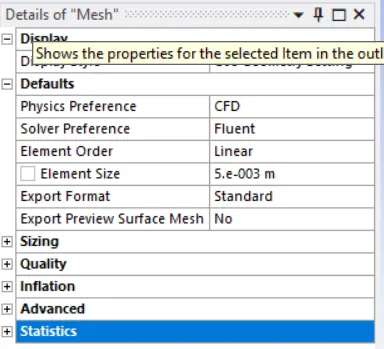
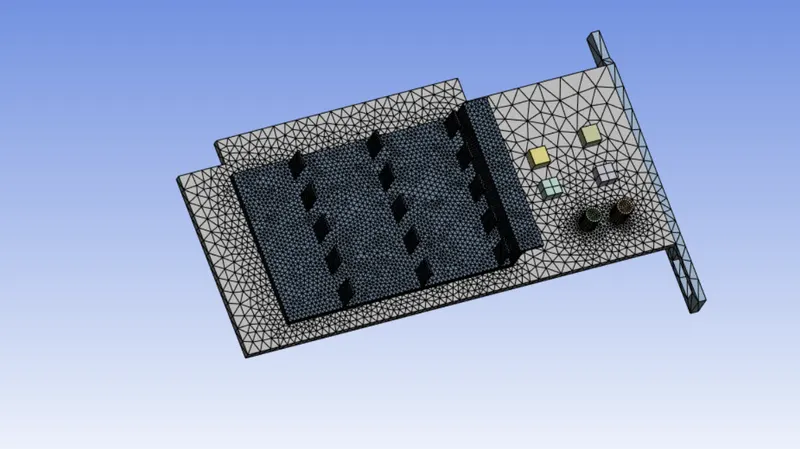
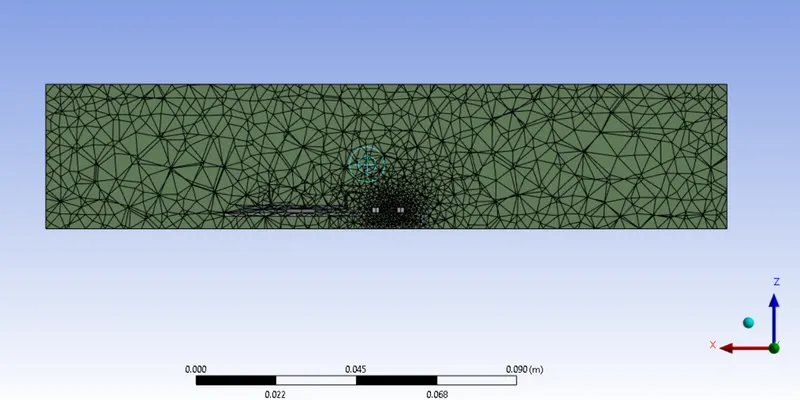
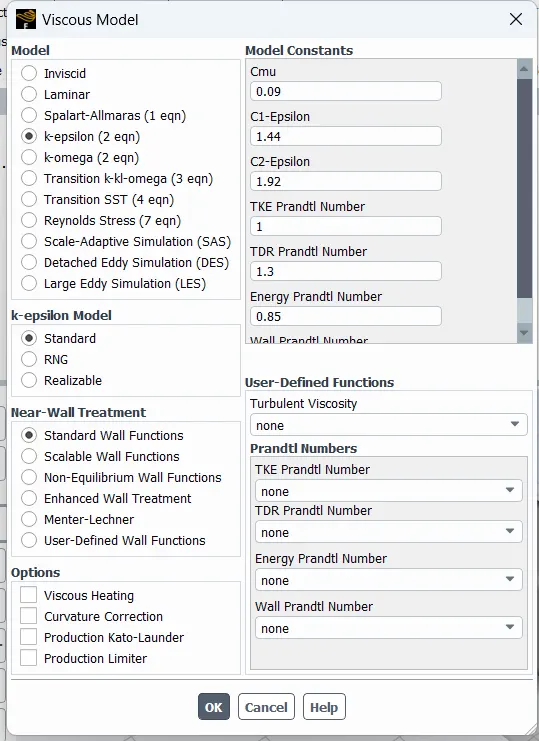
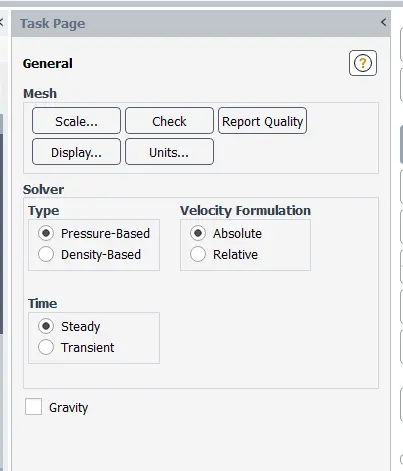
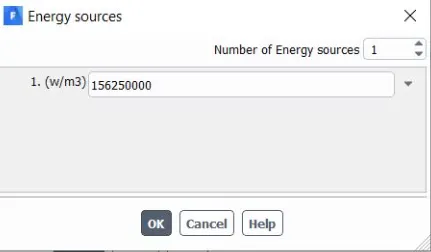
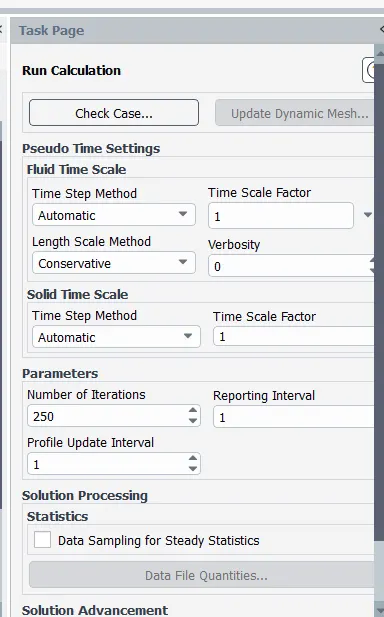
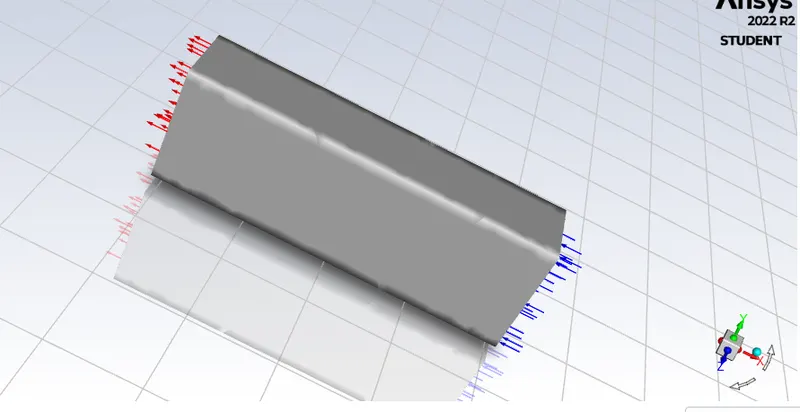
3. Setting up geometry :
Temperature Contour :
4. Results and Solution :
Case 1 : Velocity 1m/s
Scaled residuals :
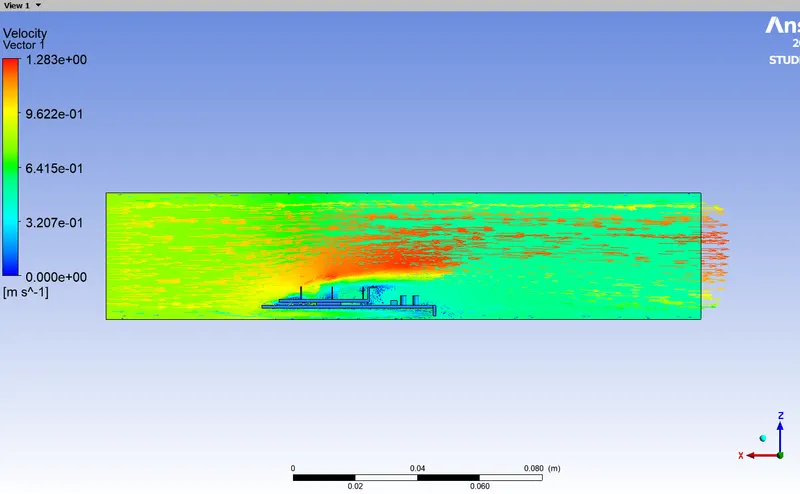
Velocity vector contour :
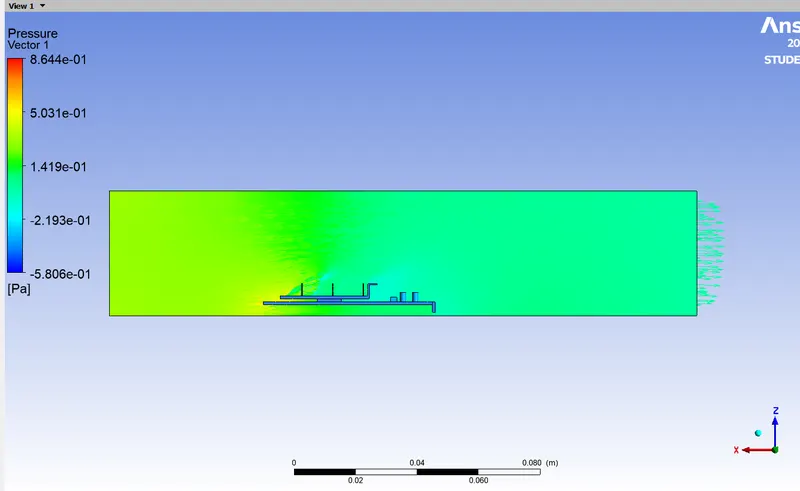
Pressure vector contour :
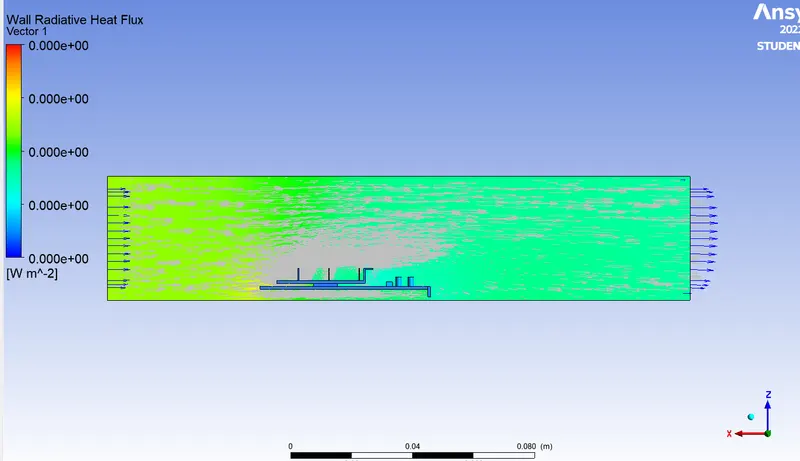
Heat flux :
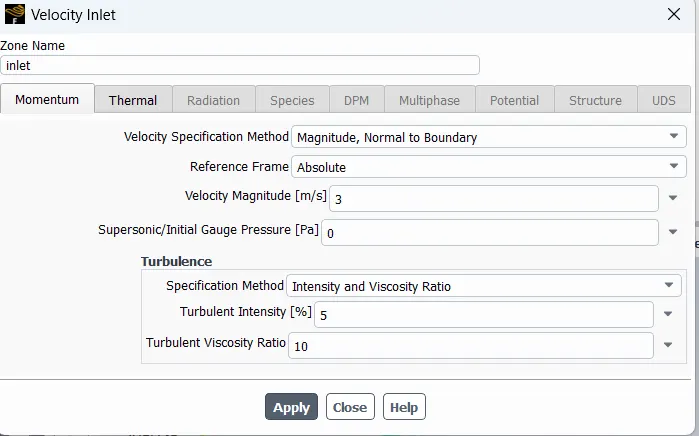
Case 2 : Velocity 3m/s
Scaled residuals :
Velocity vector contour :
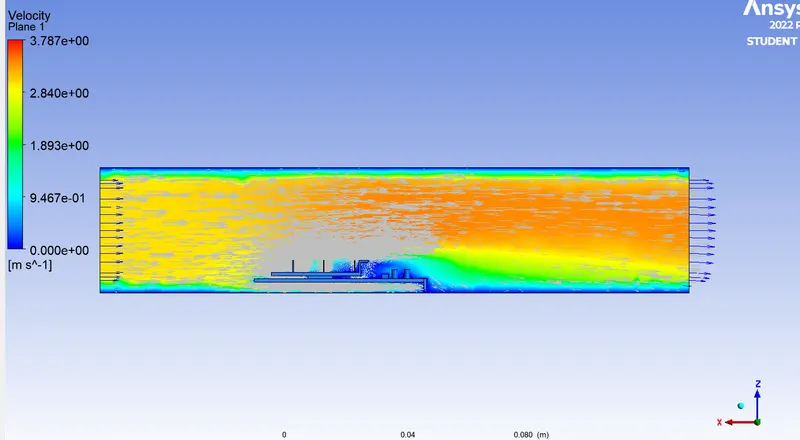
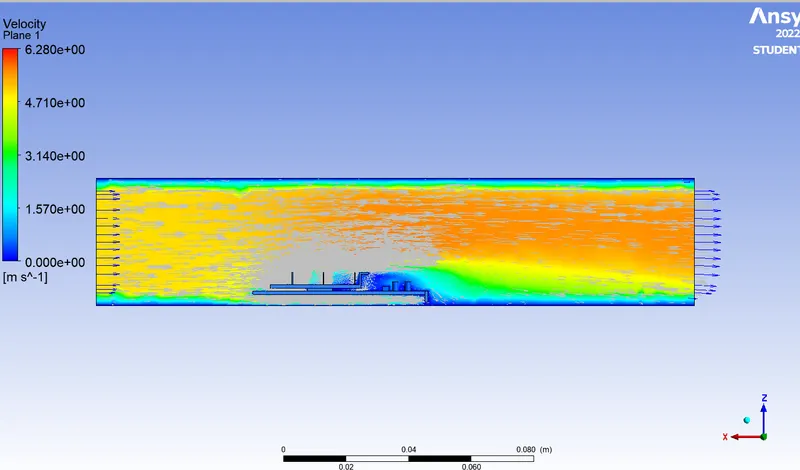
Case 3 : Velocity 5m/s
Scaled residuals :
Velocity vector contour :
Conclusion :
|
Inlet velocity (m/s) |
Temperature of processor(k) |
Heat transfer coefficient |
Maximum predicted velocity(m/s) |
|
1(baseline) |
521.3 |
1054 |
1.224 |
|
3 |
426.3 |
1015 |
3.785 |
|
5 |
394.4 |
1015 |
6.282 |
It can be inferred that with increasing the inlet velocity the temperature of processor drops down and a better cooling can be achieved to increase the efficiency of processor speed.
- The thermal performance is seen to get improved increasing velocity of air and refining the mesh more.
- The maximum temperature of the processor is seen to decrease with the increase in velocity of air, seen in case 3 for the refined mesh set up.
- The convergence criteria are satisfactorily achieved for baseline and refined mesh setup.
- The hot spot zones are clearly mentioned, which shows the area prone to thermal damage.