Week-6 Challenge: EV Drivetrain
ANSWER 1
Power Electronics comprises of four main power converter circuits. Out of these four only three are essentially used in EV and HEV drivetrain. (Bolded ones)
DC TO DC
AC TO DC
DC TO AC
AC TO AC
DC to DC Converter
TYPES
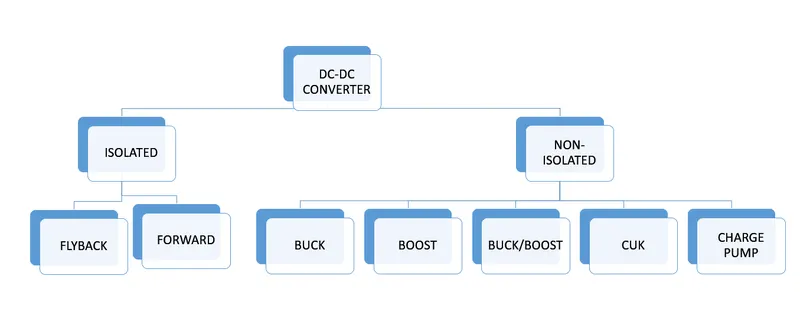
DC-DC converter is a similar kind of arrangement like the one's used in a transformer. This kind of converter is called Chopper. It can take an input voltage and amplify it or step it up to another voltage as per the requirement or do the vice-versa. The utility of this converter in an EV or HEV is to step the input voltage up for a particlular appliance keeping the safety compliance constant. It takes in a DC supply converts it into a Square-Wave form of AC and then it is passed through a filter to re-convert it to a DC current.
In EV and HEV it actually amplifies the voltage gathered from the battery pack, e.g. - the infotainment system might require lesser voltage but the running output motor might require a greater voltage.
AC to DC Converter
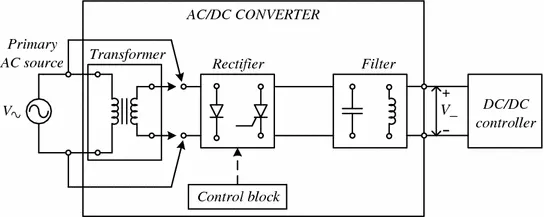
An AC-DC converter has an utility in charging the EV or HEV. The power gathered from domestic or Industrial Supply is 3- phase Ac current. In order to charge the battery it needs to be filtered and converted to DC to perform charging. The charger that comes with an EV are converter types.
An AC powersupply has a phase changing alternating waveform which reverses polarity with a frequency of 50 Hz. An AC-DC converter will change the wave from to unidirectional DC output.
DC to AC Converter
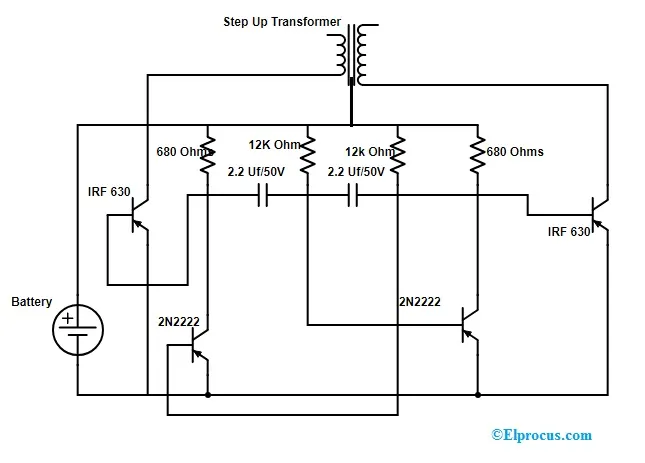
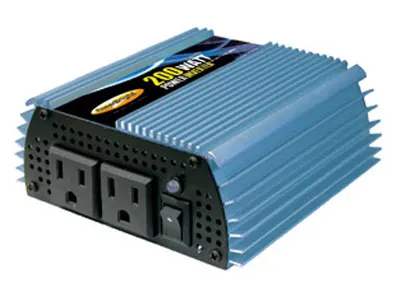
DC to AC converters typically converts the input unidirectional wave form of DC to AC by change of phase. It uses MOSFET's to ideally open of close a switches when a particular designed controller sends signal to the same.
In EV's and HEV's DC power from a hybrid battery pack is fed to the primary winding inside the transformer of an inverter. Through a regulating switch, the direction of current is regularly changed which brings and AC effect and induces the AC current to the secondary winding of the inverter and the it power's AC traction motor of the EV.
ANSWER 2
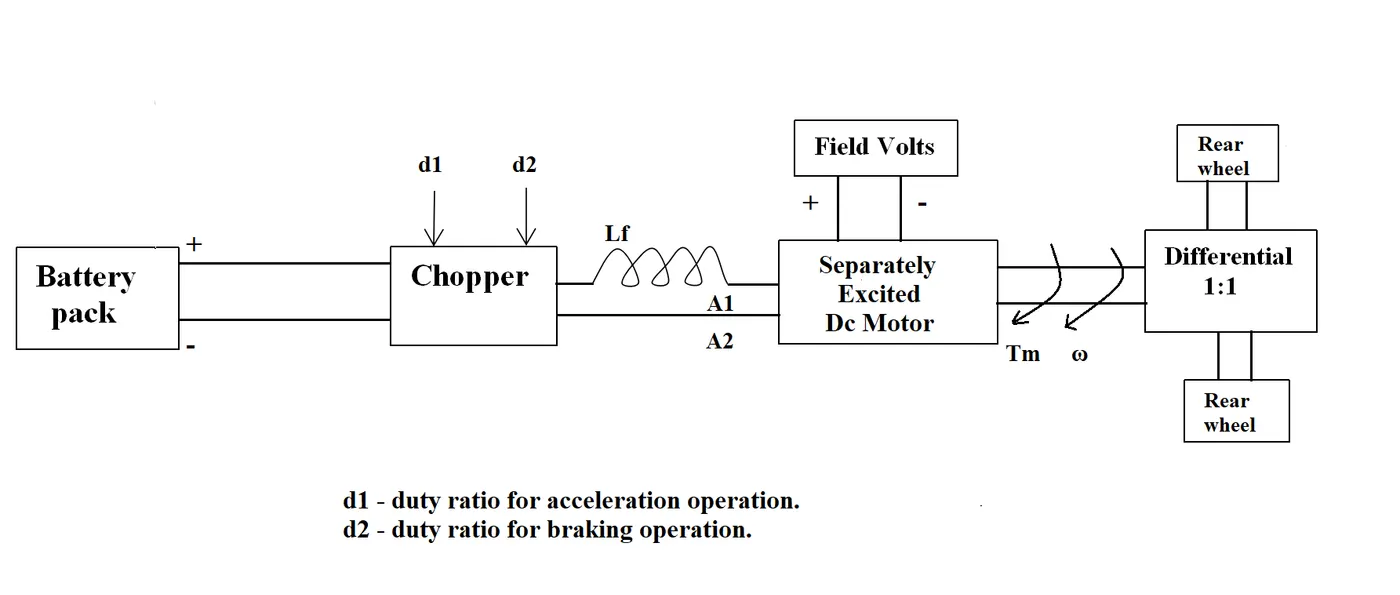
Motor and Controller Parameters:
Rated Armature voltage= 72 V
Rated armature current= 400 A
Ra= 0.5Ω, KΦ= 0.7 Volt second
Chopper Switching frequency= 400 Hz
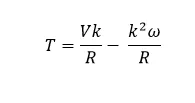
Governing Equation (i)

Governing Equation (ii)
Duty Cycle = 70%
Equating the values of T from both eq (i) and eq (ii)
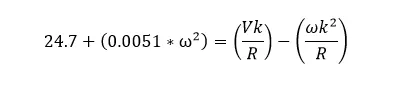
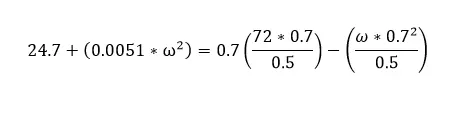
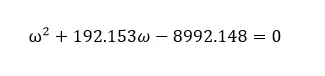
Using Quadratic Equation to find the value

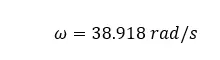
ANSWER 3
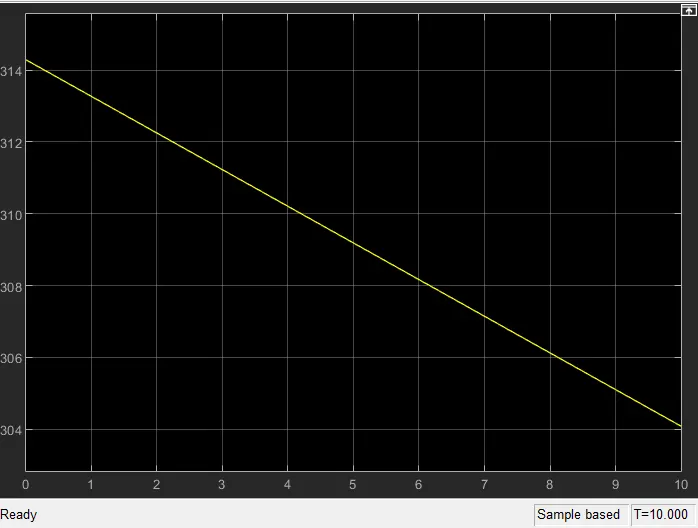
Governing Equation ω">ω= V/Kϕ">ϕ -Ra/Kϕ">ϕ^2 .T
V = 220V
k = 0.7
R = 0.5 Ohm
Mathematical Model
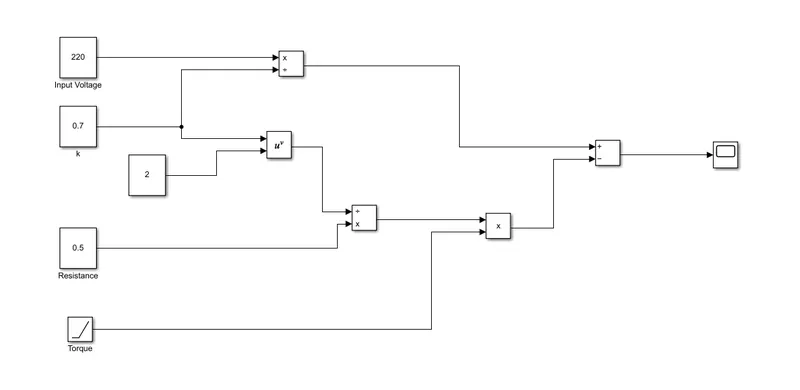
output
ANSWER 4
Wally Rippel was a visionary ahead of his time. He formulated an electric car in it's conceptual stage to win Great Transcontinental Electric Car race almost seven decades ago.
The author has reminded us of an anecdote "The best can also be replaced". The innovations in technology happen everyday and the word best stands out as a myth in the technological world. Future is unpredictable as trending technology of one time Lead Acid and DC has been replaced by Lithium-ion and brushless induction motor.
Walley shifted his concern in drawing differences between DC brushless motor and Induction motor. In Dc brushless motor he explained about the functioning and the working of the motor using stator and rotor coils and vary the polarity of the rotor coils continuously to form AC effect. The torque has to remain constant in order to efficiently convert the electrical energy to mechanical energy. An inverter is the heart of this system without which a DC brushless motor is useless.
Moving on the induction motor it has identical stator arrangement as DC brushless motor. the differentiating factor is the rotor of the motor. Induction motor was invented by the great Nikola Tesla. An induction motor is a shorted structure with stacked steel producing a rotating magnetic field. The frequncy of the magnetic field is the difference between the electrical frequency and rotational frequncy. The difference is phase develops voltage difference which develops the current.
The 3-phase induction motor cannot have DC as power input it needs AC. The shaft speed is in line with the frequency and the starting torque and running peak torque are limited. An inverter when added it becomes possible to power an induction machine from a battery or DC. by adjusting the inverter frequency variable speed can also be achieved. Despite of the above, the torque requirement is still low compared to DC and DC brushless.
Both DC and Induction motor has their own advantages and disadvantages. DC performs better for hybrids but indction motor performs better for electrics.
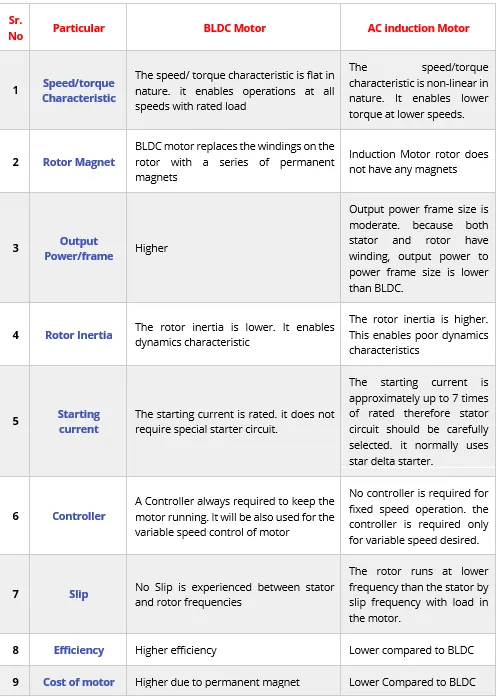
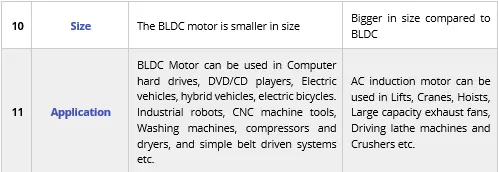
The choice between the two still remains divided as both has different applications, pros and cons. Thus no definite advantage is given either to BLDC or Induction motor in terms of a favourable forerunner in th EV or HEV drivetrain.