Challenge

Week 6 Challenge

Q1) Chequered Plate design

Chequer plates offer an easy access for vehicles and combine a closed surface with an anti slip effect. They are ideally suitted for platforms or as a design element. (because it is anti-corrosive and it doesn't require painting so it is low maintenance)

A chequered plate to carry a uniformly distributed Factored live load =15 kN/m2
The plate dimensions = 1200 mm x 5000 mm
All edges fixed

To calculate the volume of chequered plate, multiply its thickness x width x length = (t x w x l)
Thicknesses range= 3mm up to 12.5mm

Volume = 1200 x 5000 x 3 = 18000 km^3
Weight = 44.52Kgs

Maximum bending moment = WB^2 / 8 = 15 x 3 ^2 / 8 =16.875 KN/m

actual bending stress = M/Z 16.875 / 10^6 = 16.87 x 10^-6

Q2) Design of Decking slab

Composite metal slab with metal decking provides economical solutions for steel framed building systems. They are easy to install, light in weight , and faster to execute.

Dead load = 5 kN/m2
Live Load = 8 kN/m2

Flange under uniform compression c , = (b -t - 2r)/2

Overall depth of the composite slab should not be less than 90 mm. Thickness of concrete, hc , shall not be less than 50 mm. The most important aspect of designer is to ensure an adequate degree of safety and serviceability of structure.
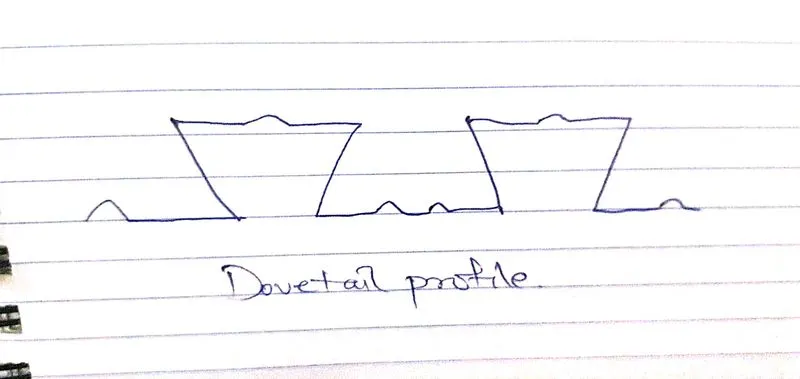
Deck sheets are flat surfaces or platforms capable of supporting flooring and roofing sheets and these are connected to the outer or inner part of the building structure. These sheets are very helpful in reducing the concentrated loading effect of roofing on the building structures by proper distribution of load.
Roark's chart is used to design and arrive at suitable thickness based on service loading.
Composite action is to be ignored , the decking sheet used will be DOVETAIL PROFILE
Q3) Lateral Load resisting system & Gravity Load resisting system
LFRS resists lateral force in both orthogonal axes. It may be located internally or at the external face of building. It is also a function of inplane rigidity of floor and roof diaphragms.
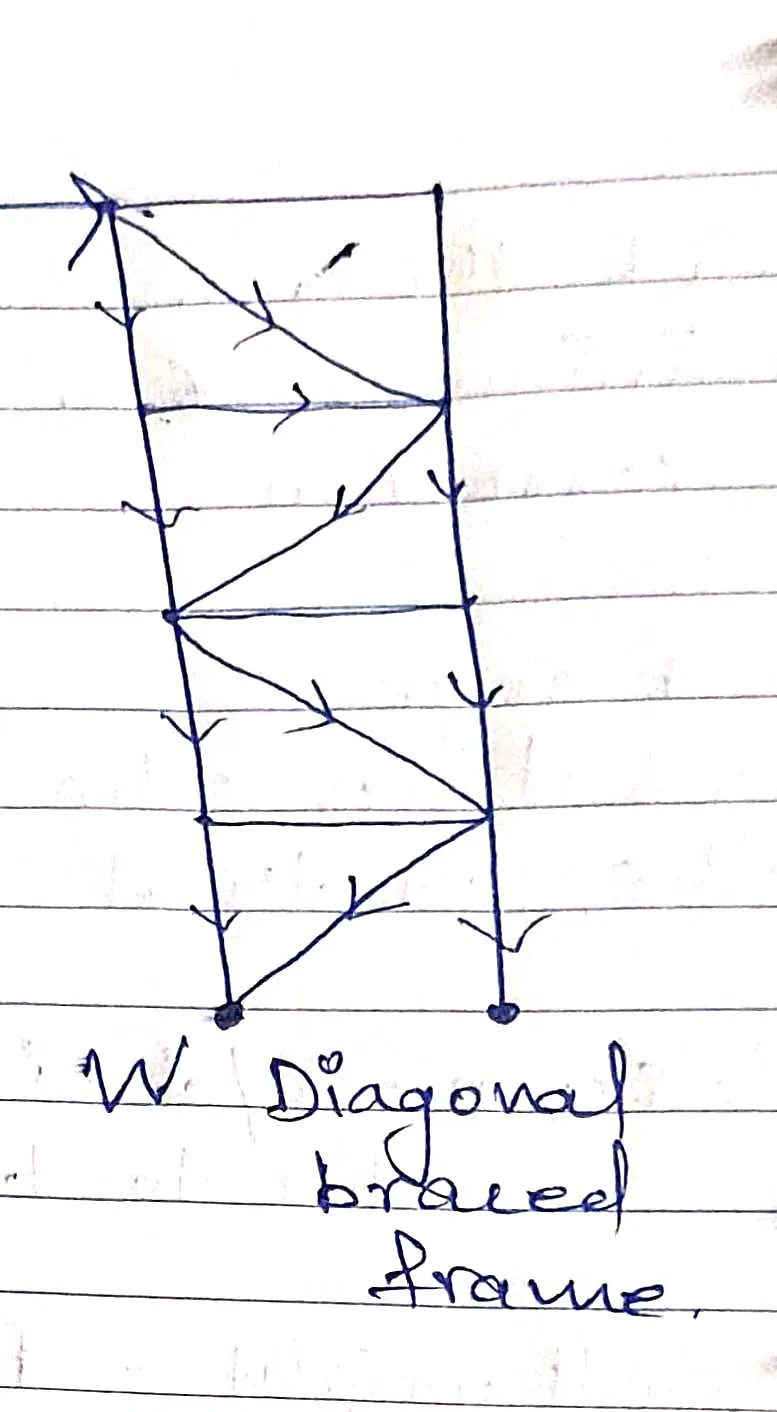
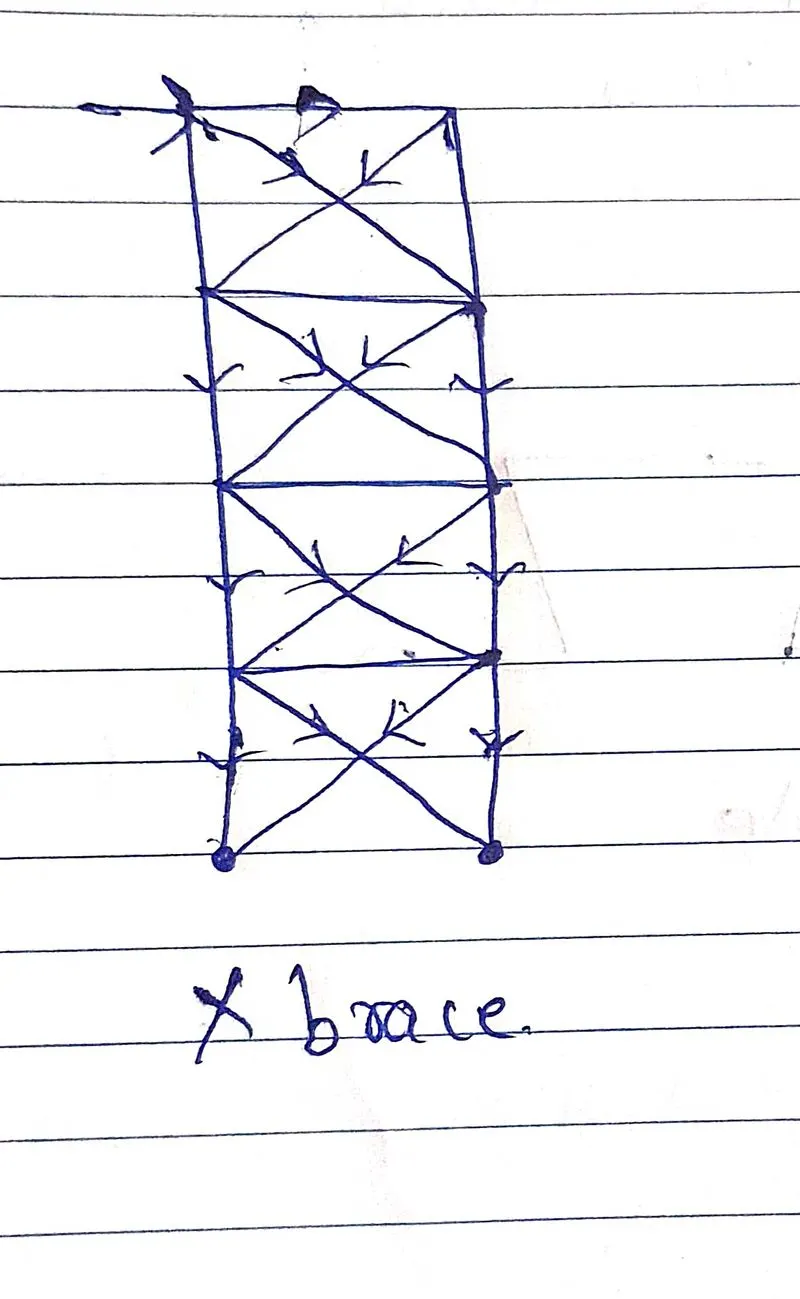
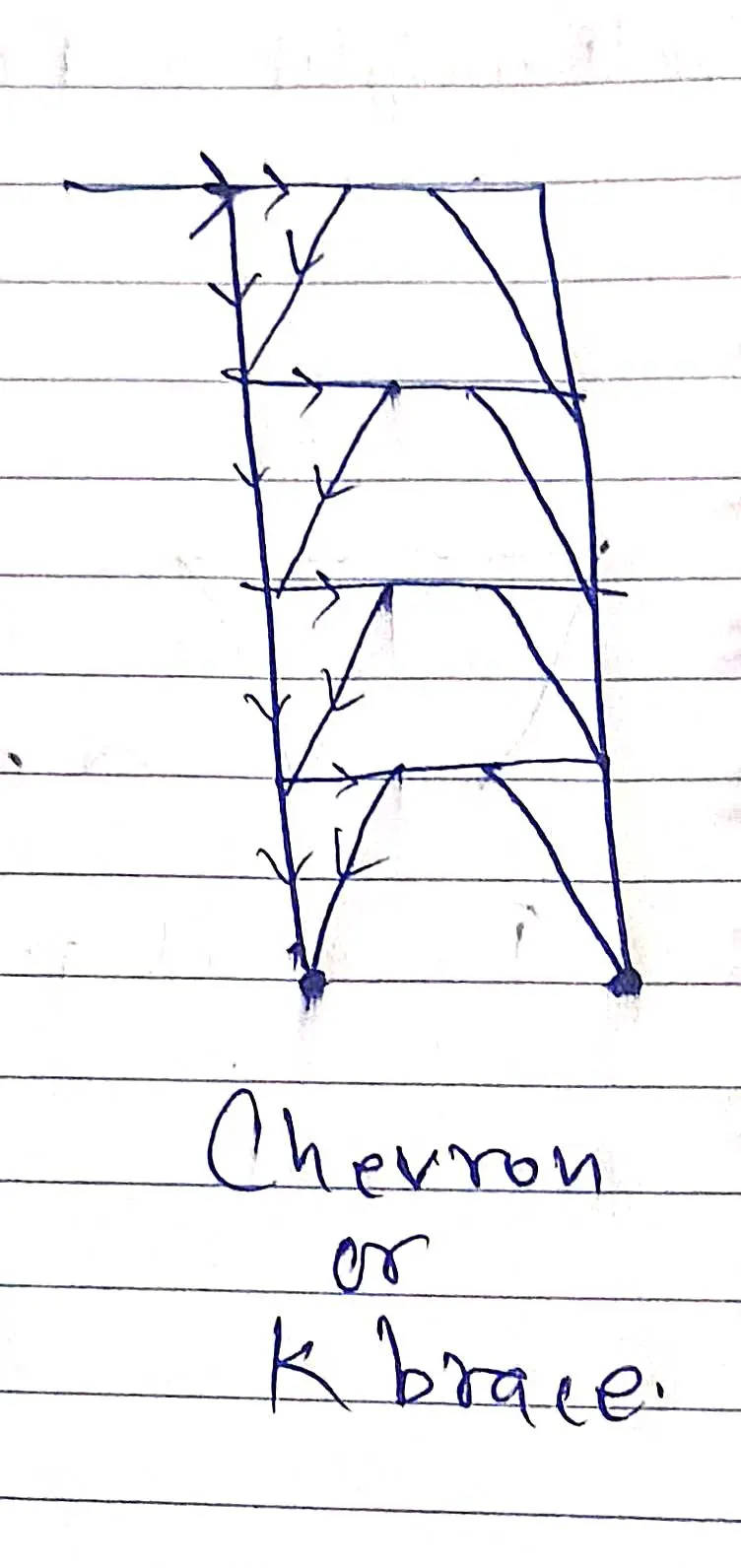
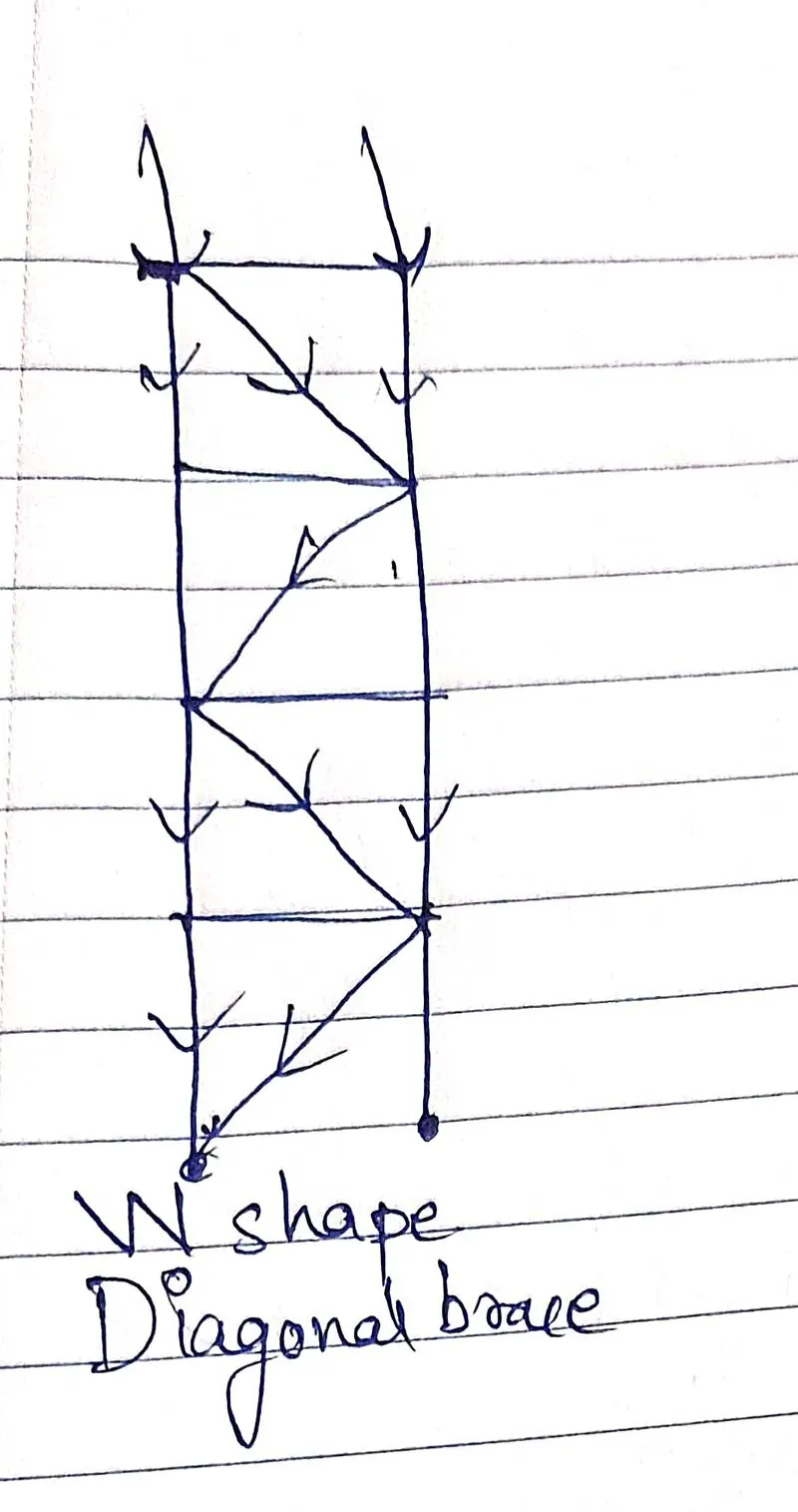
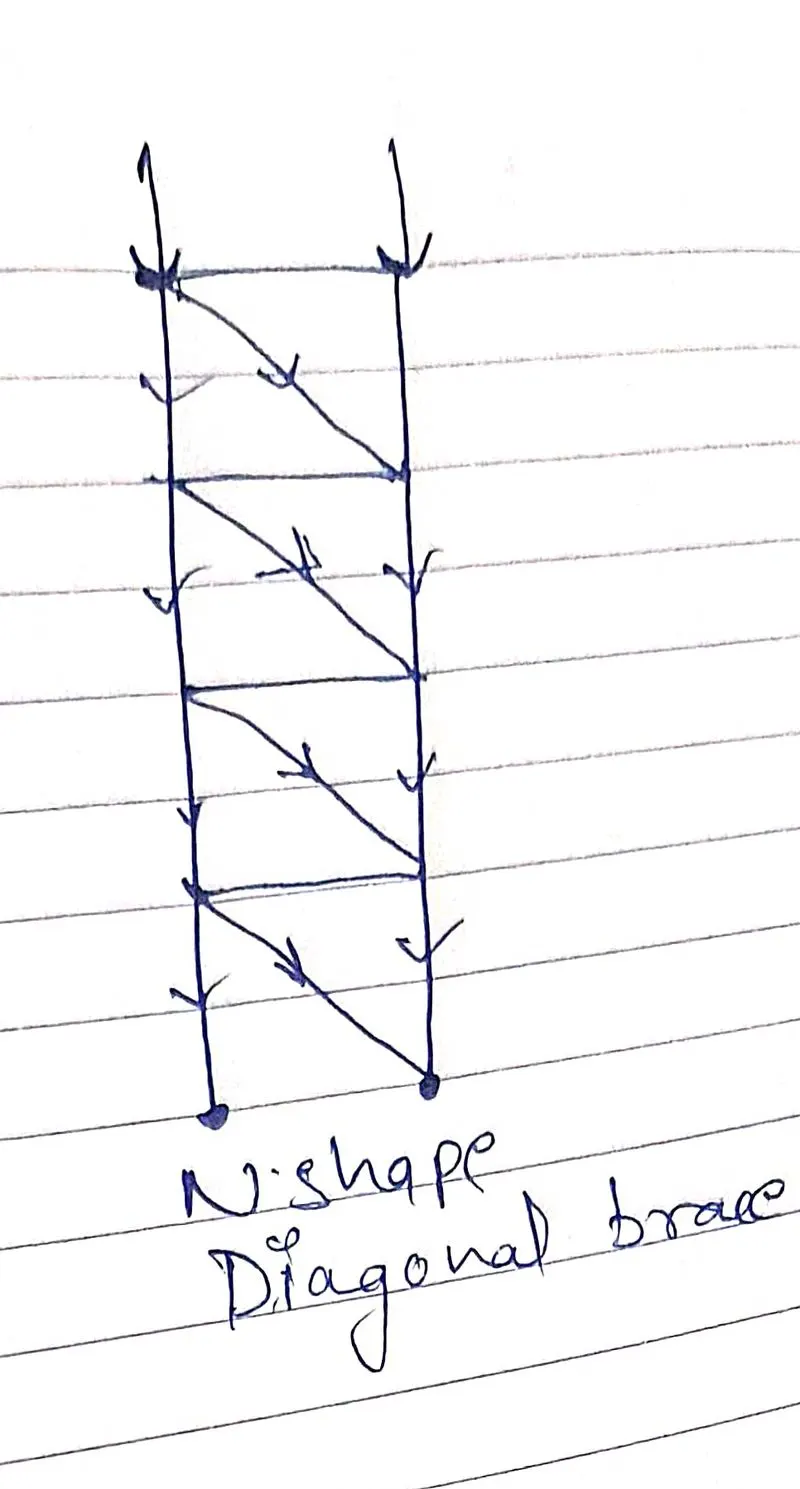
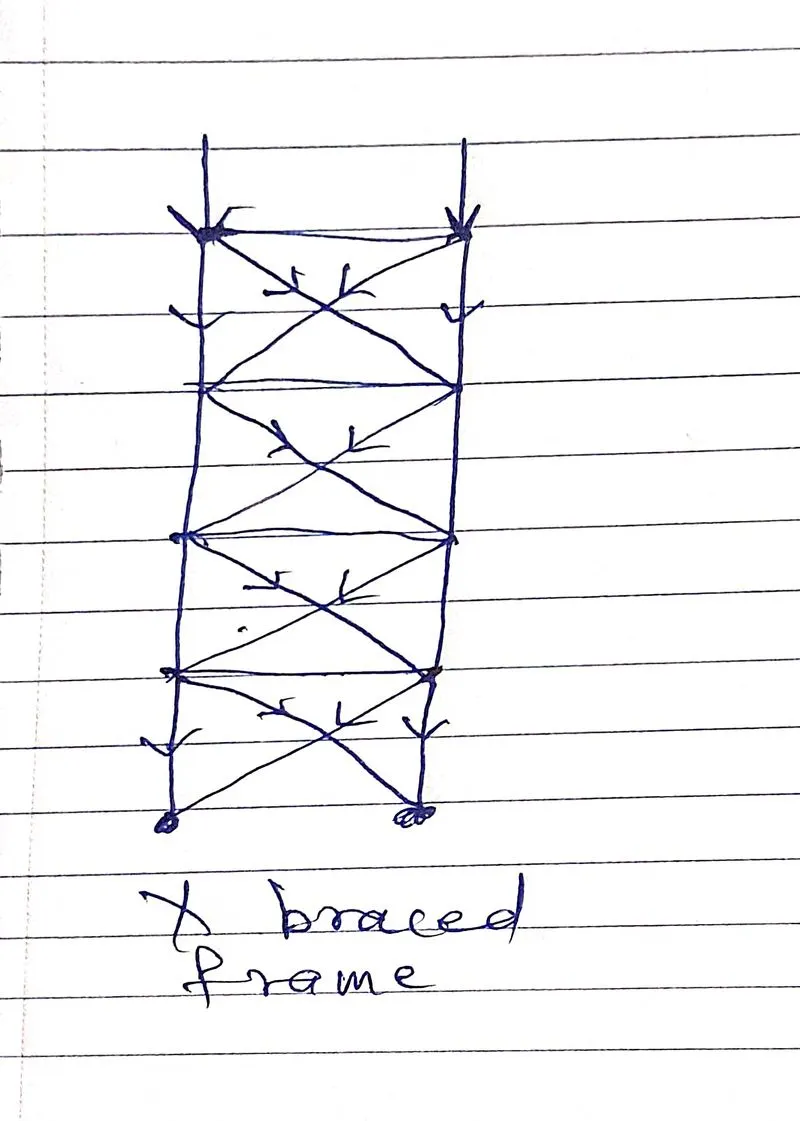
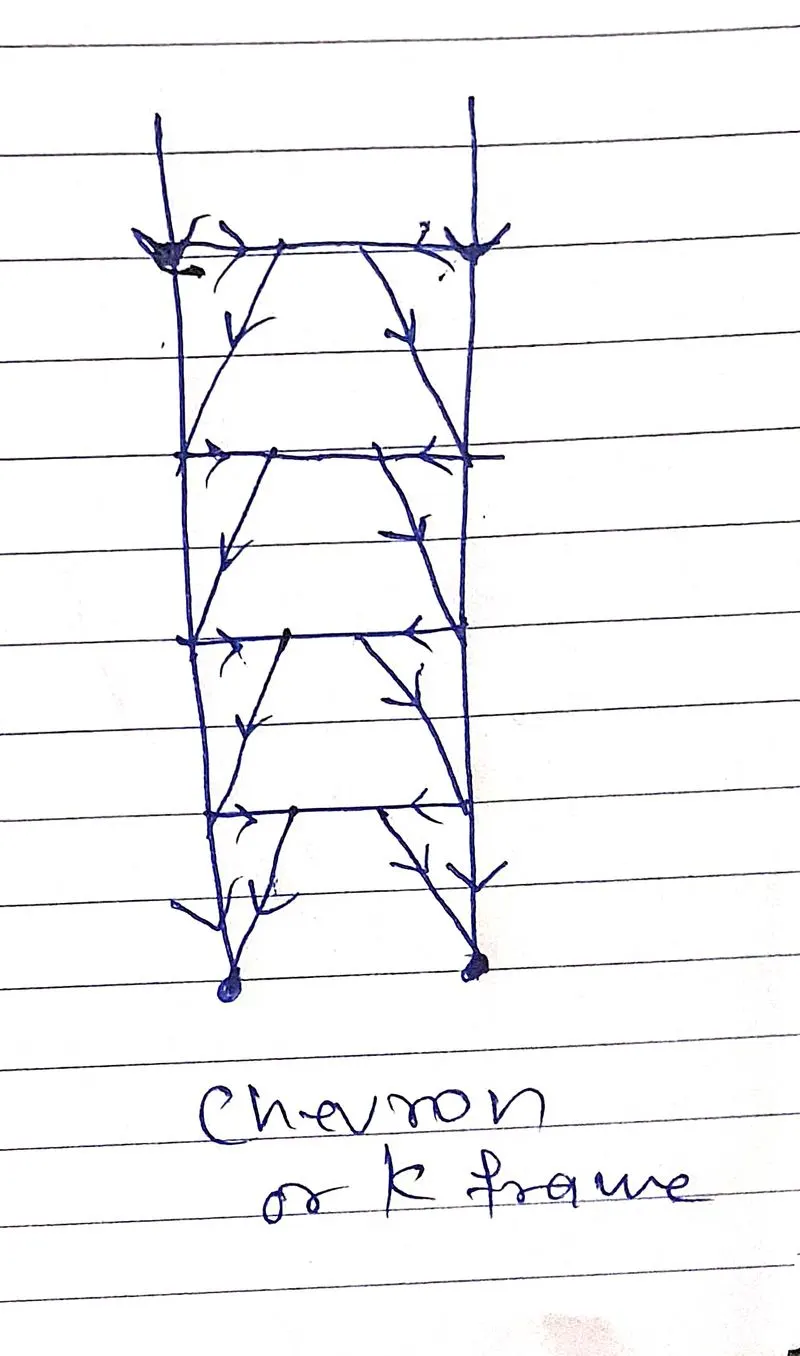
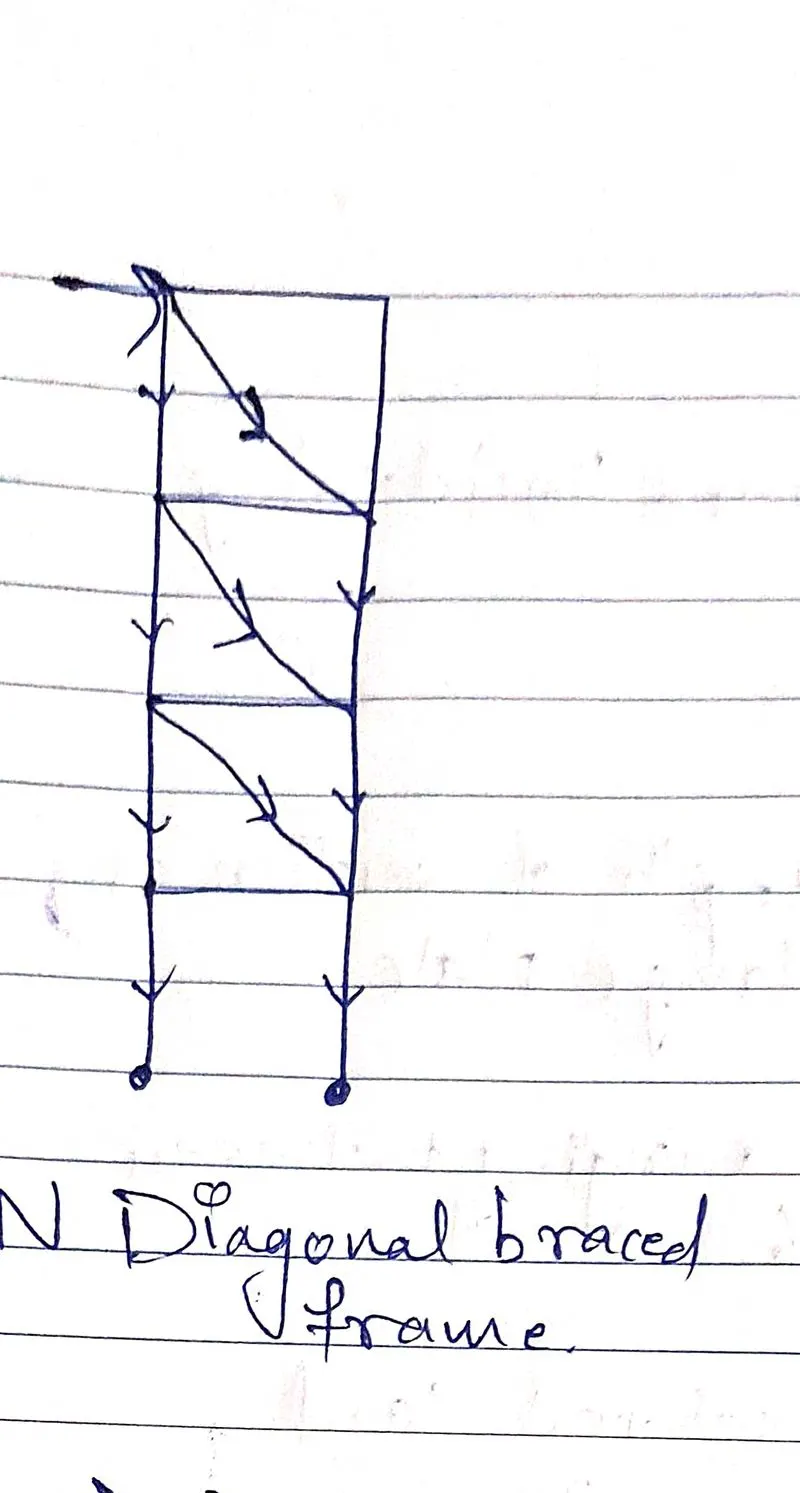
Braced frame - Lateral load resisted through axial tension or compression forces in diagonal bracing members.
Vertical force resisting system - IT is based on gravity load concept. The load must be transferrred from the source to the ground. Vertical loads are resisted by primary structural frame. Connections are critical and vulnerable for force transfer.
Your portfolio, next

Ship work like this
in your own course.

Talk to a career counsellor

Free 20-minute call. We'll map the right course to where you want to work.

By submitting you agree to our Terms and Privacy Policy.