Week- 5 - Solid meshing
Aim:
- Check for the geometrical errors.
- Mesh the Surfaces with the given 2D element Quality criterias
- Use tetra elements to mesh the Volumes defined in the model and check for the quality after Volume meshing, for the given Rear view mirror component,
Avilable Quality Criteria:
|
S.No |
Quality Criteria |
Value |
|
1 |
Target/Average length |
1 |
|
2 |
Minimum Length |
0.5 |
|
3 |
Maximum Length |
2 |
|
S.No |
Quality Criteria |
Value |
|
1 |
Tet collapse |
0.2 |
Procedure:
First of all we do topo and set the length perimeters to 1mm for good visibility.
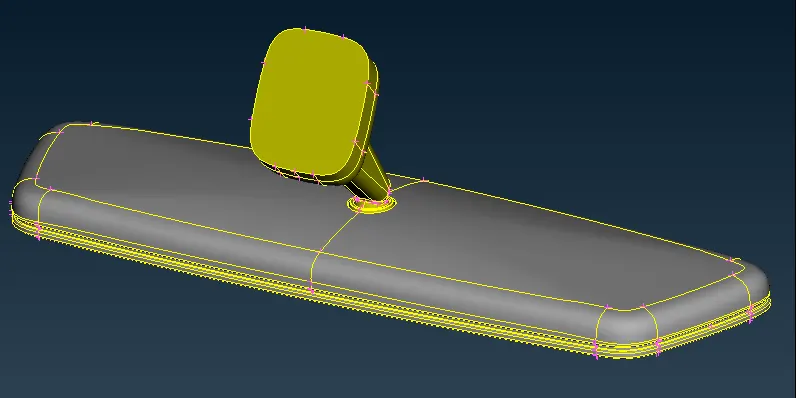
Perform geometry clean up till zero error.
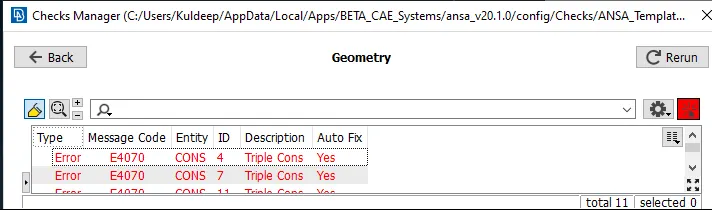
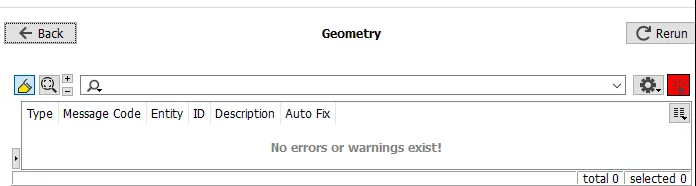
Now, we will start meshing for that, we have to perform defeaturing if required, so we have to meaure the area where our mesh may fail for quility.
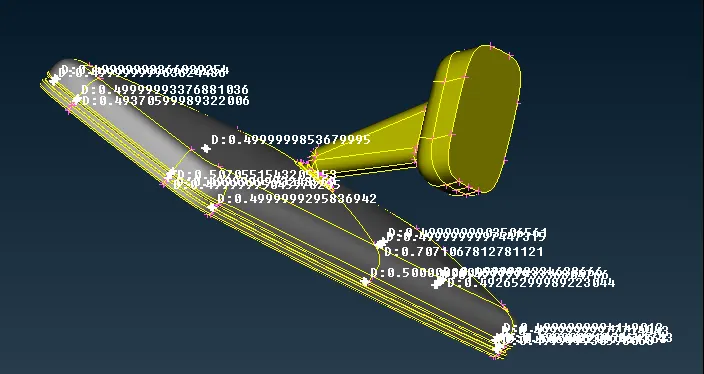
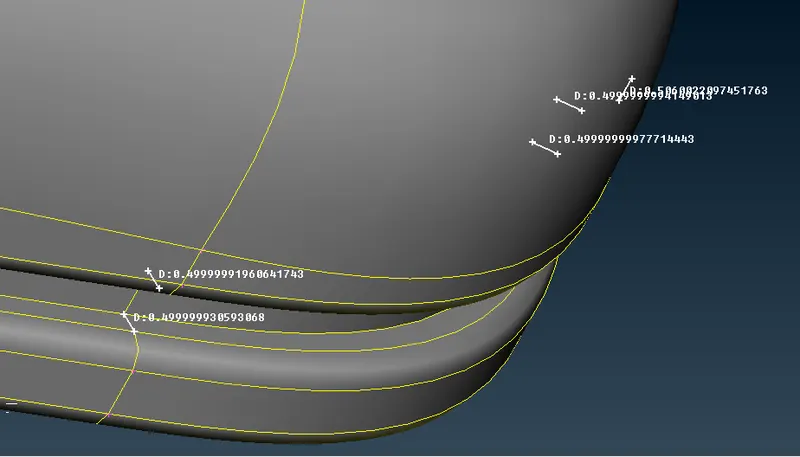
Start meshing on curve areas with ortho trias to capture the surface well.
We have to use all the reconstruction, smooth, and split option to mantain the mesh flow.
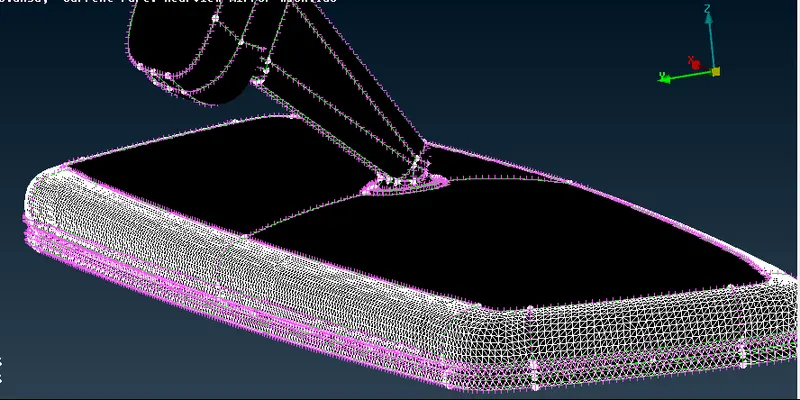
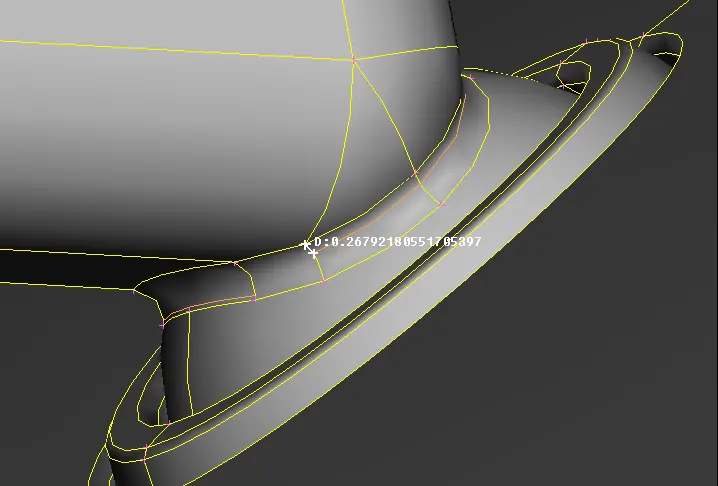
In this below area we have to perform defeaturing cairfully as it has so many curves at this small region.
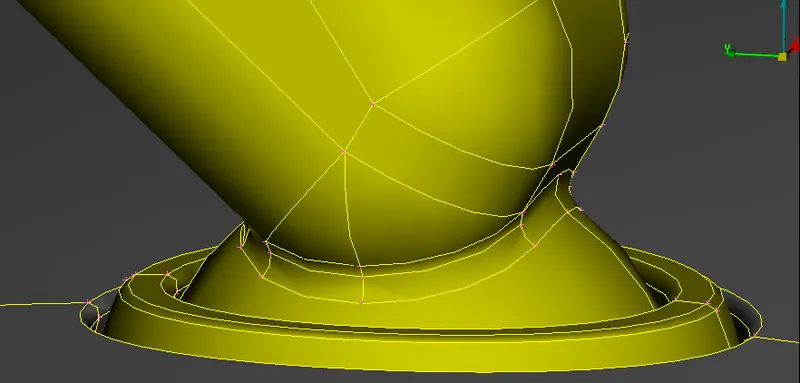
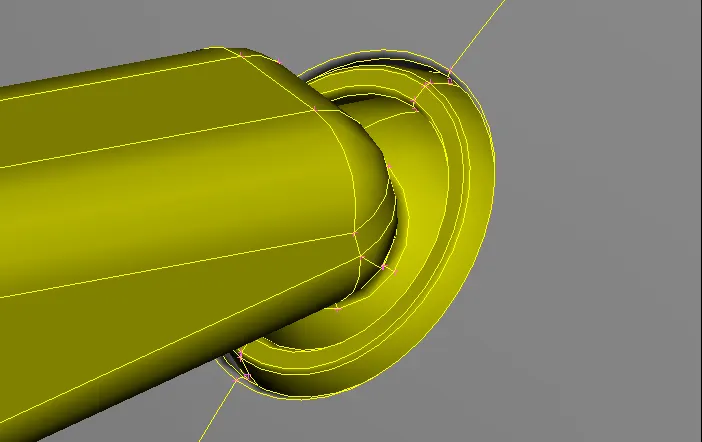
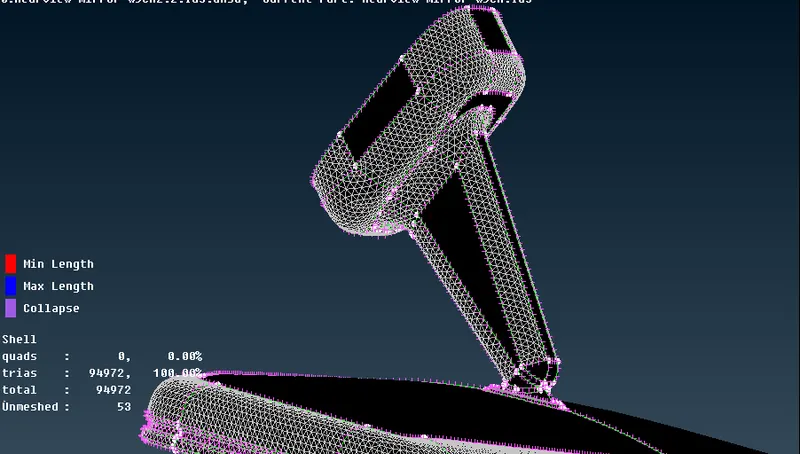
This solid boll region has to be taken seperately and then do meshing on it.
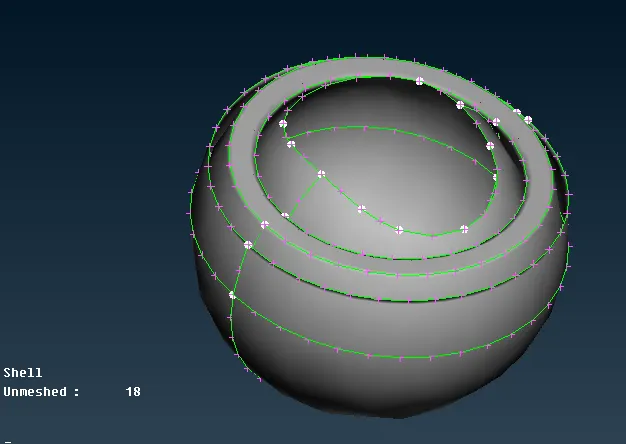
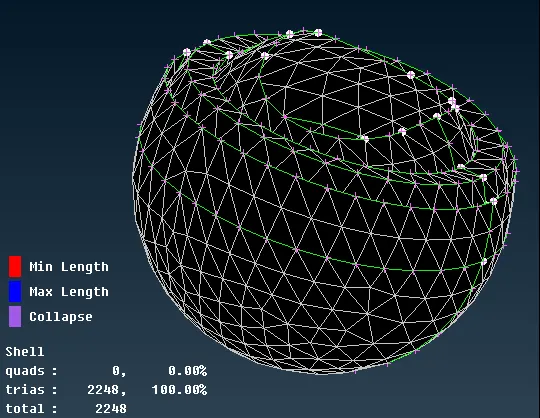
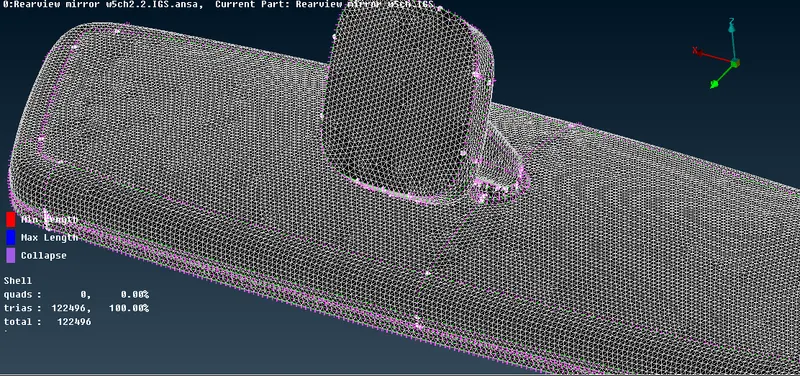
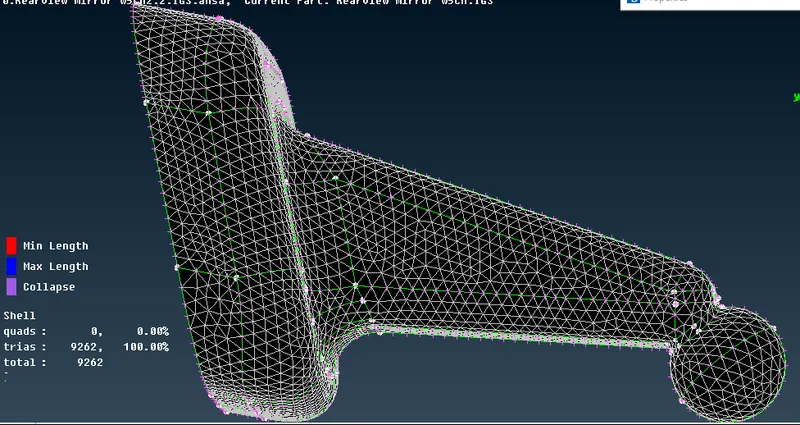
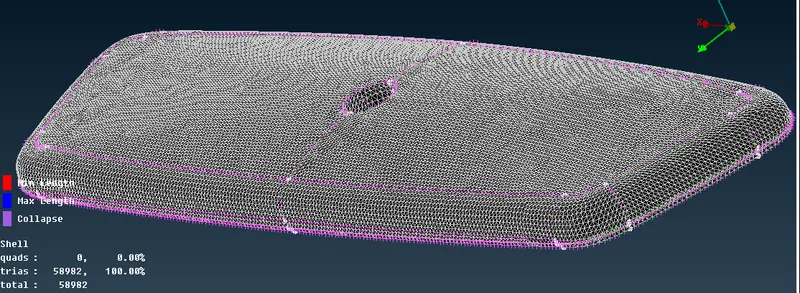
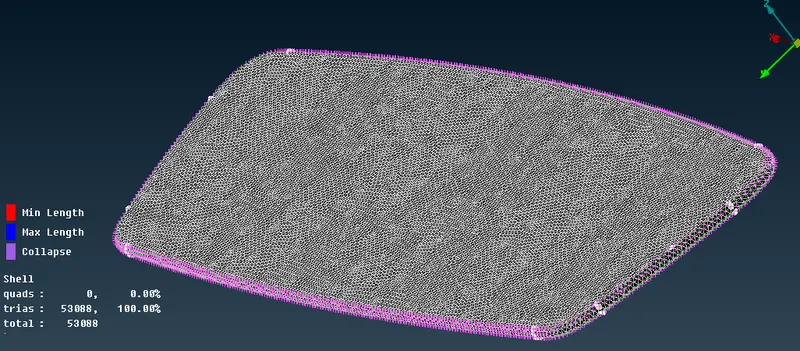
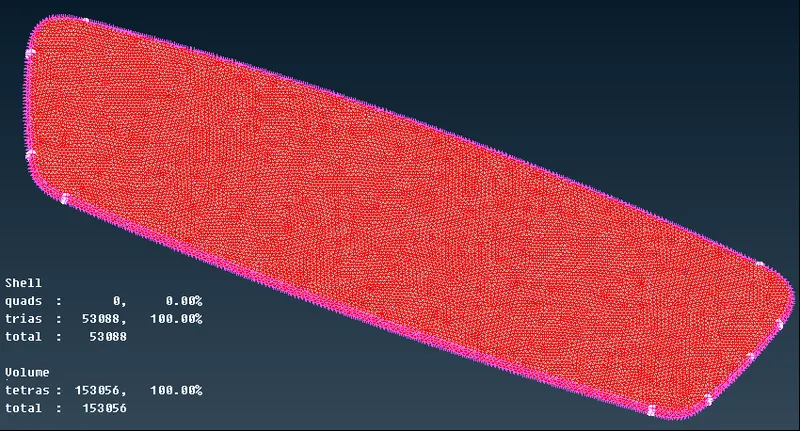
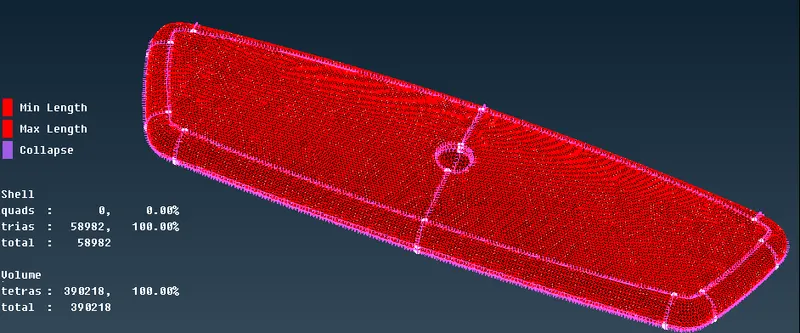
So till here we are done with surface meshing now we do volume or solid meshing.
For that we have to first of all definr the volume and propert as PSOLID as shown below.
Now we do the Unstructured meshing with tetra Rapid method.
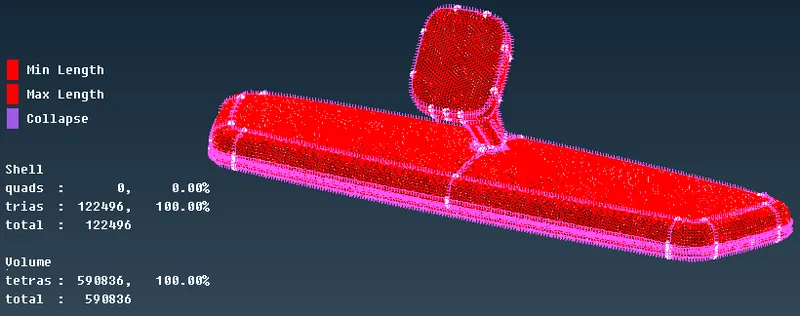
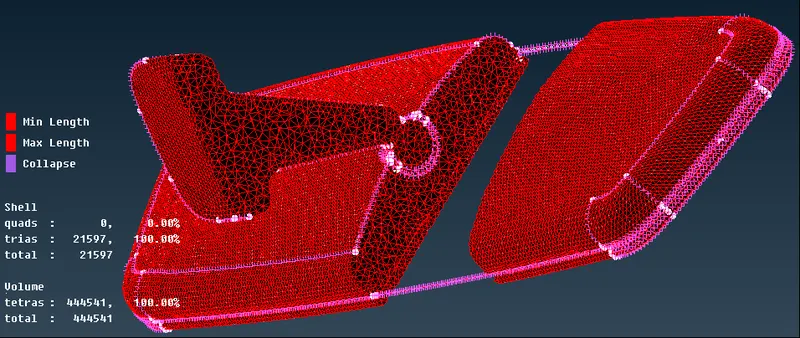
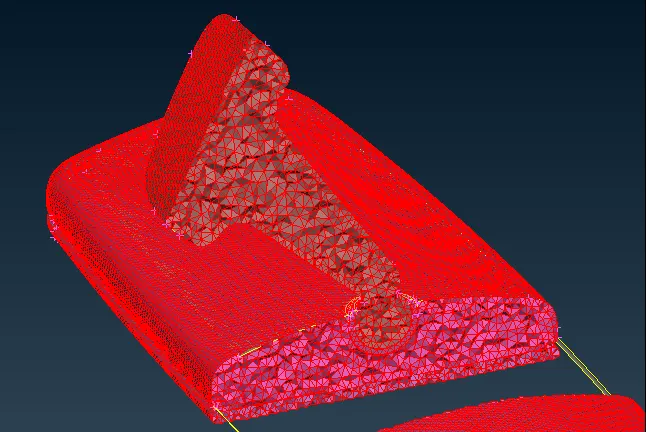
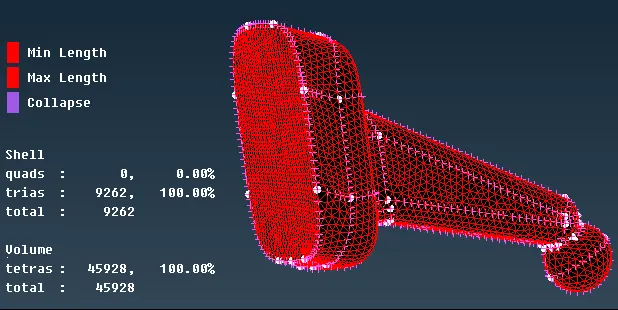
Learning Outcomes:
Able to check min length, max length, and Tet Collapse error for 2D and 3D elements.
Can perform volume mesh with good surface quality.
Conclusion:
We have successfully check and clear the geometrical error and performed the 2d and 3d meshing on this rear view mirror model.