Week- 5 - Solid meshing
AIM:
To check for the geometrical errors and mesh the Surfaces of the Rear view mirror with the given 2D element Quality criteria given below.
GIVEN PARAMETERS:
|
S.No |
Quality Criteria |
Value |
|
1 |
Target/Average length |
1 |
|
2 |
Minimum Length |
0.5 |
|
3 |
Maximum Length |
2 |
Use tetra elements to mesh the Volumes defined in the model and check for the below quality after Volume meshing.
|
S.No |
Quality Criteria |
Value |
|
1 |
Tet collapse |
0.2 |
PROCEDURE:
IMPORT THE COMPONENT MODEL TO THE ANSA.
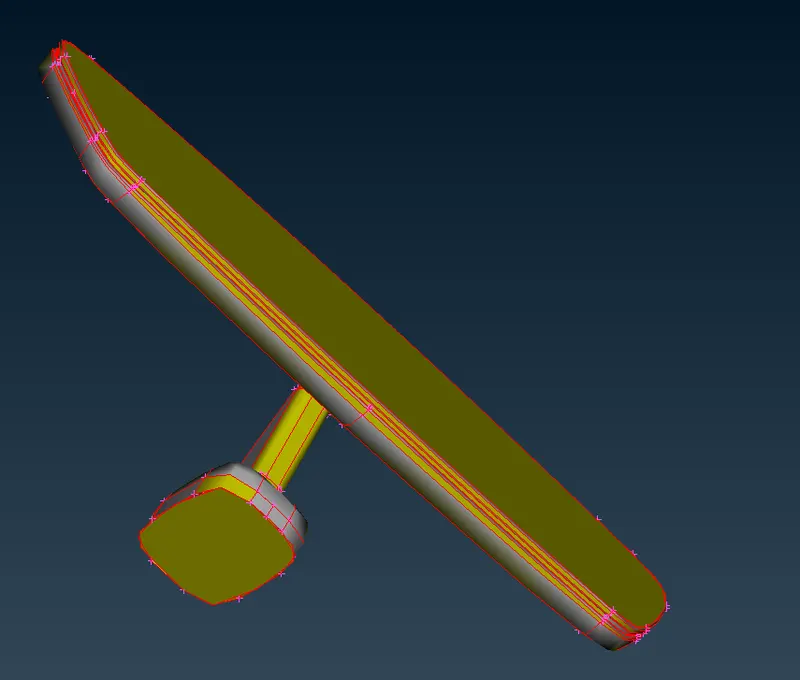
AFTER THAT WE HAVE TO CLEAN THE GEOMETRY OF THE MODEL USING THE GEOMETRY CLEANUP OPTION.
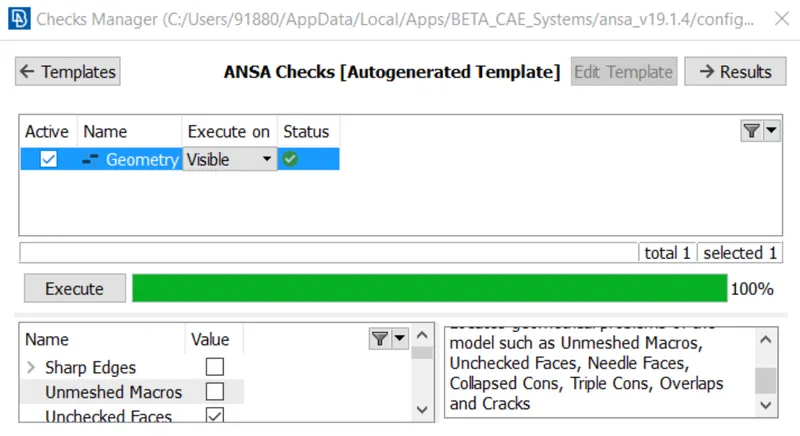
Before working on the model we need to check whether the model has any geometrical errors. To check the geometrical errors go to the check manager that is available at the tool bar.In the check, manager select geometry and click execute
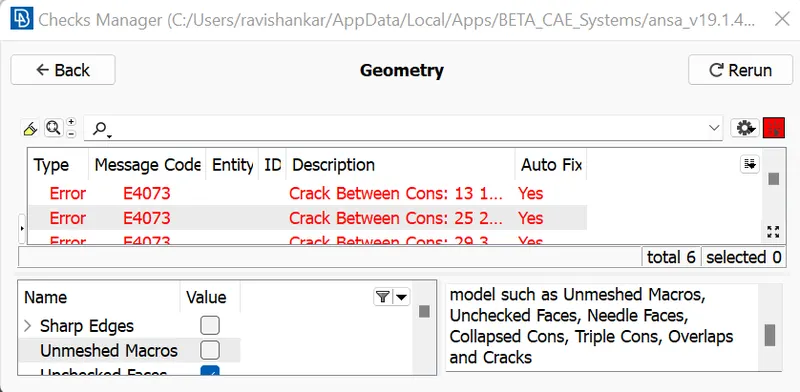
The geometrical errors can be fixed manually or automatically. In our case, we fixed the error automatically by right-clicking on the error and clicking fix.Once the model has no error it will show green status in the above image and we can proceed further.
RECTIFY ALL THE ERRORS AND EXECUTE THE MODEL.
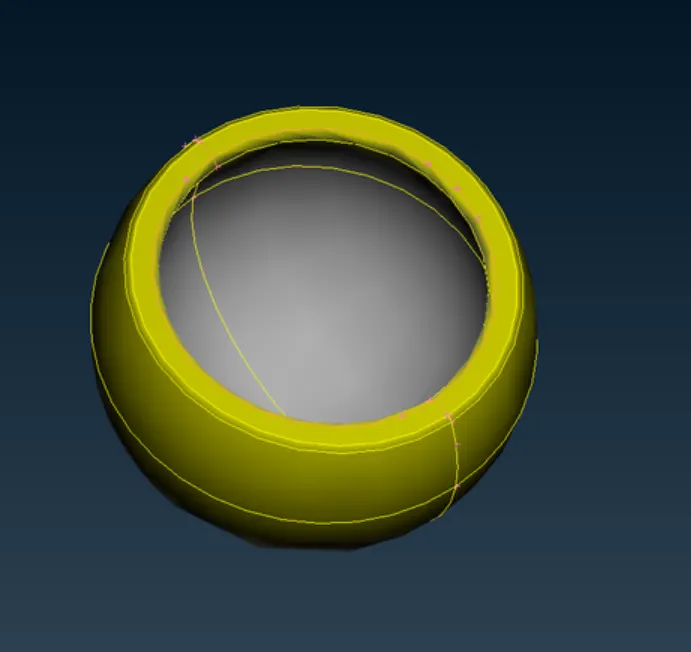
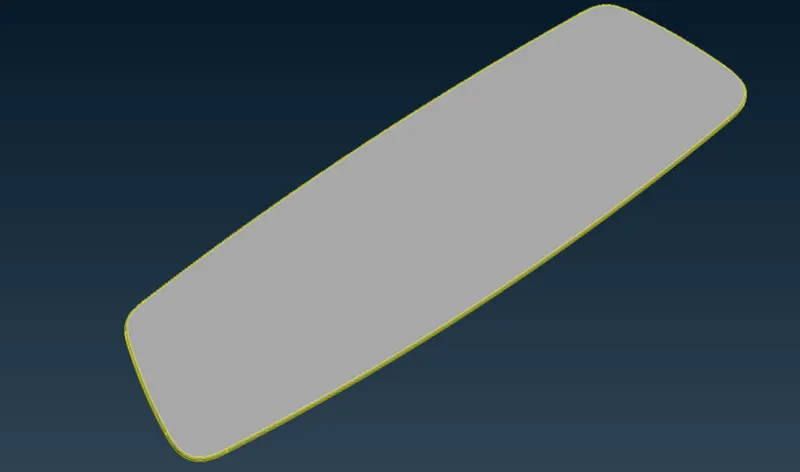
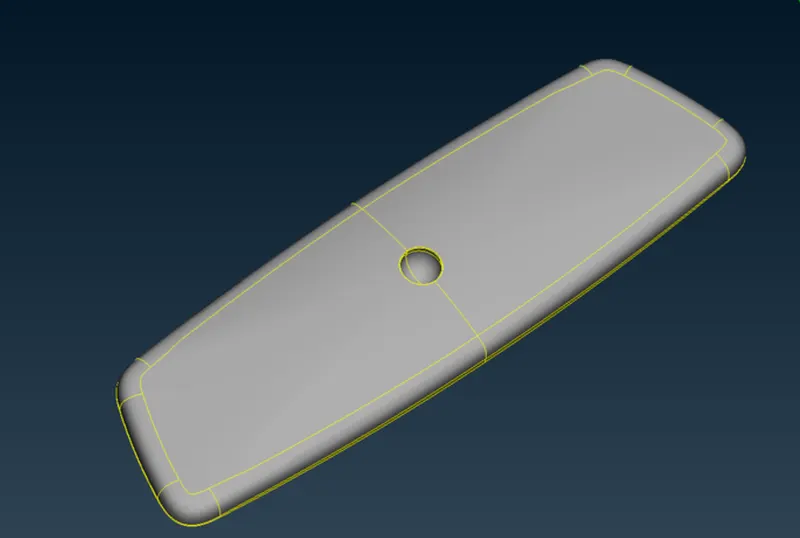
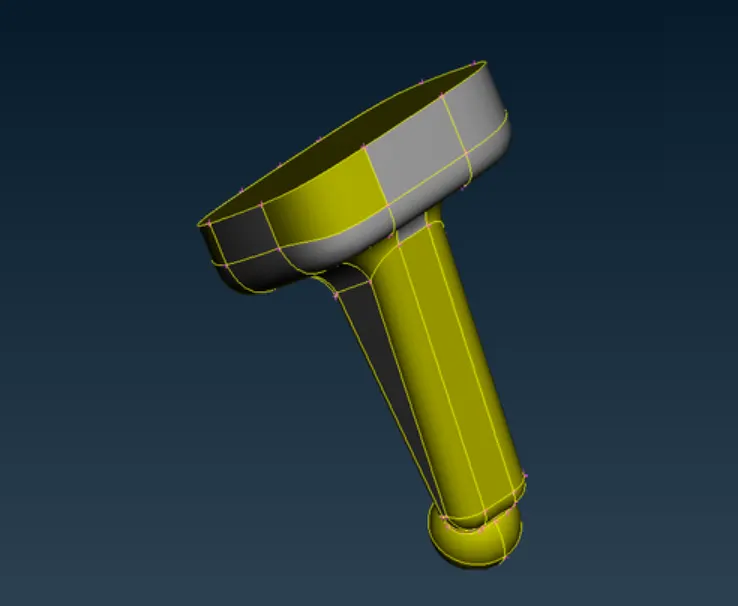
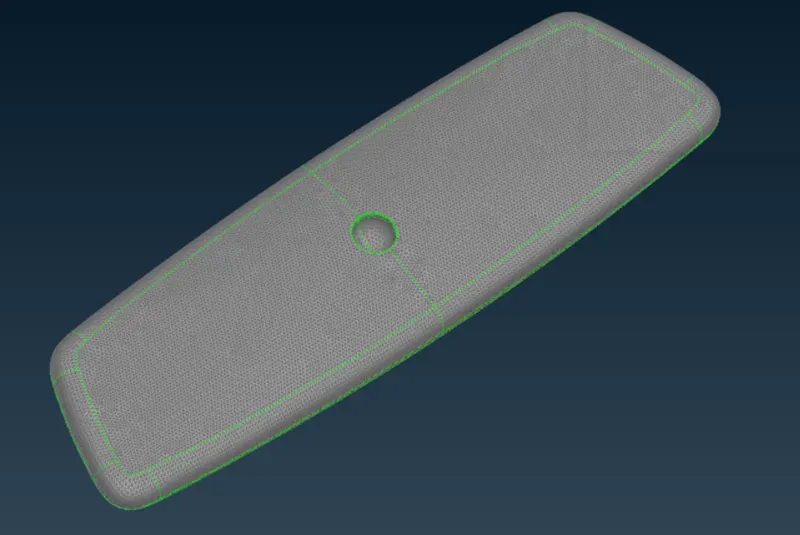
NEXT STEP WE HAVE TO SPLIT THE MODEL INTO FOUR PARTS DUE TO THE MATERIAL PROPERTIES,
QUALITY CRITERIA:
CHECK THE QUALITY CRITERIA AND INPUT ALL THE VALUES WHICH ARE GIVEN,
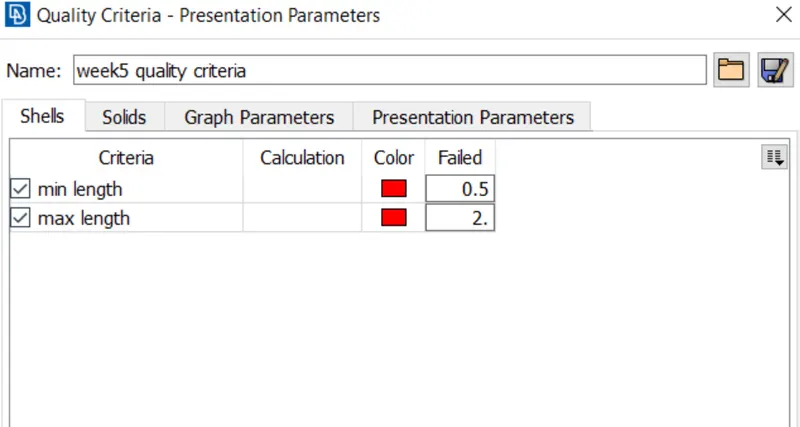
AND INPUT THE TARGET LENGTH OF THE MESH PARAMETERS.
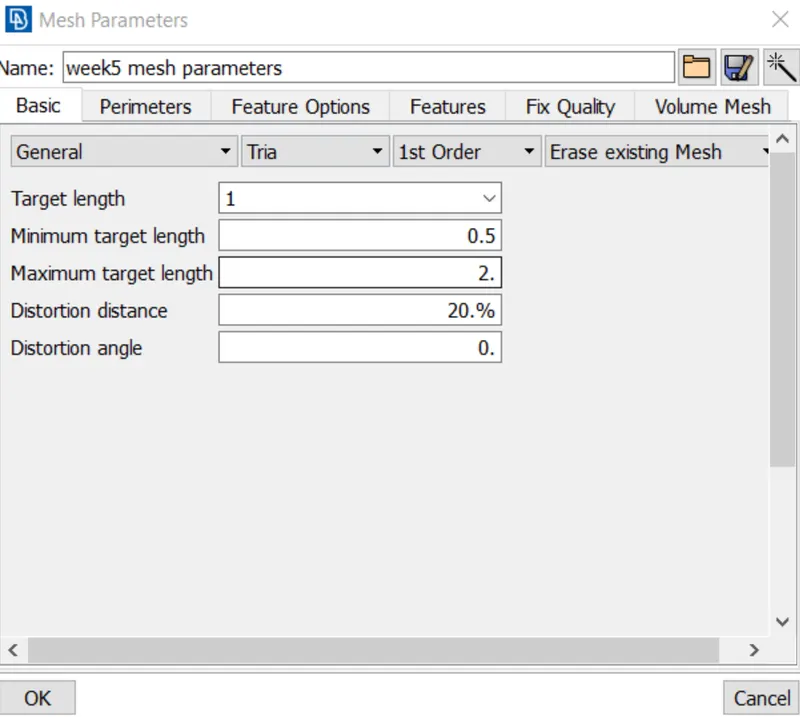
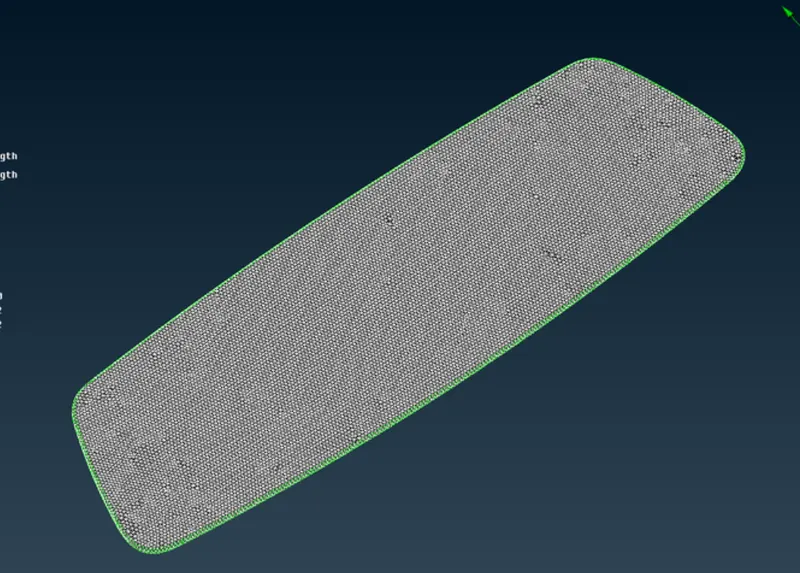
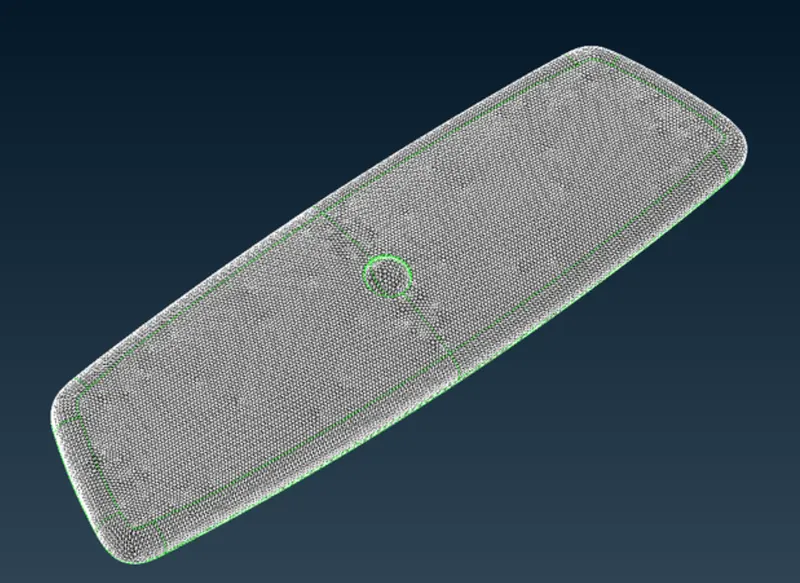
Then the meshing is done using mesh generation > spot mesh tool. This tool generates the mesh using the element type given. The curved faces are given the mesh element type as ortho tria and the flat surfaces are given the mesh element type as tria. Then the created mesh is refined using the shell mesh > improve > reconstruct, smooth, reshape tool in the mesh module of ANSA.
LEARNING OUTCOMES:
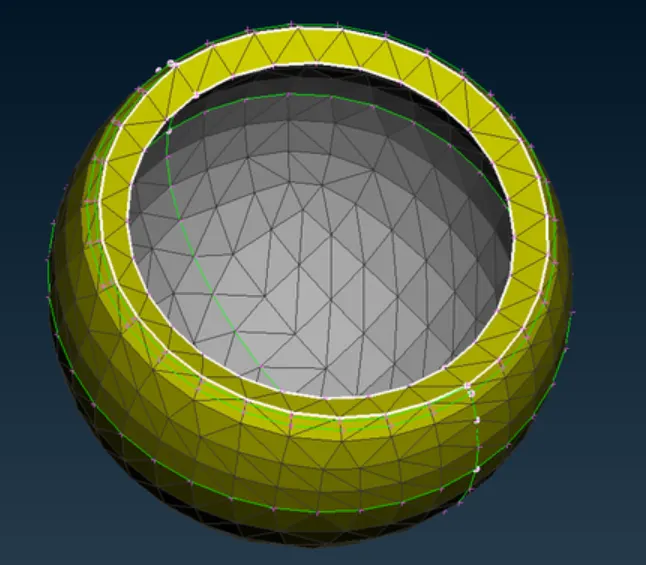
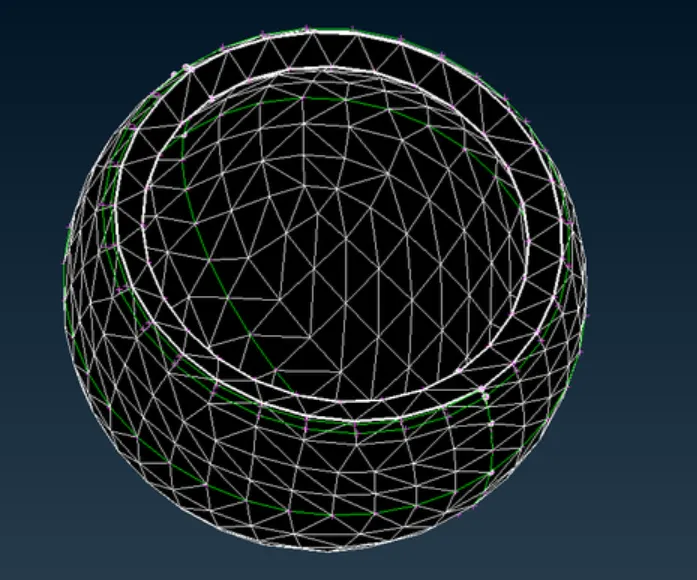
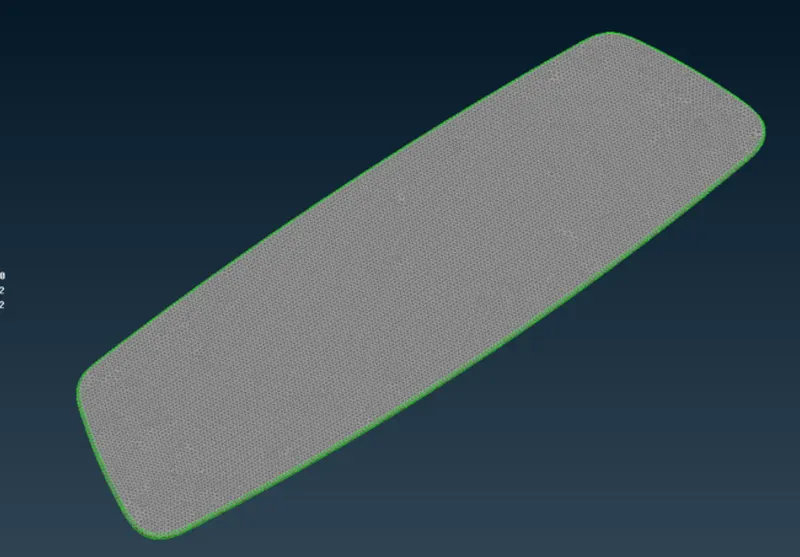
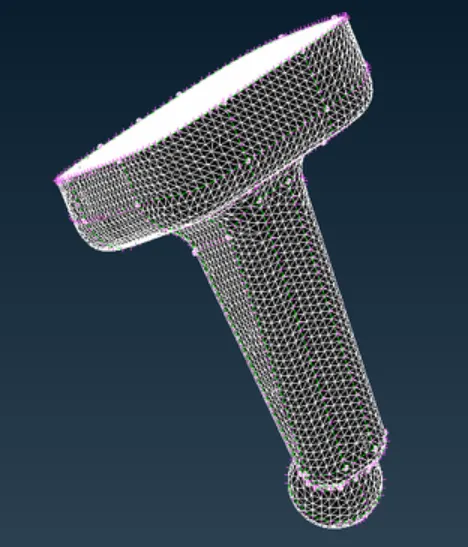
VOLUME MESH:
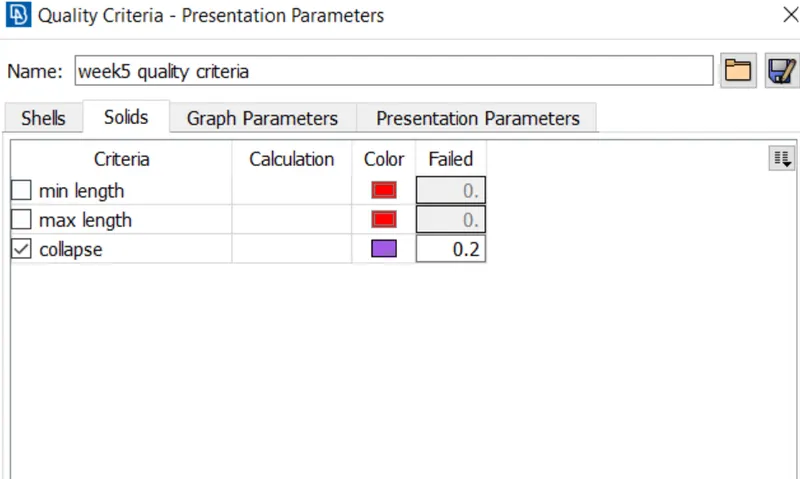
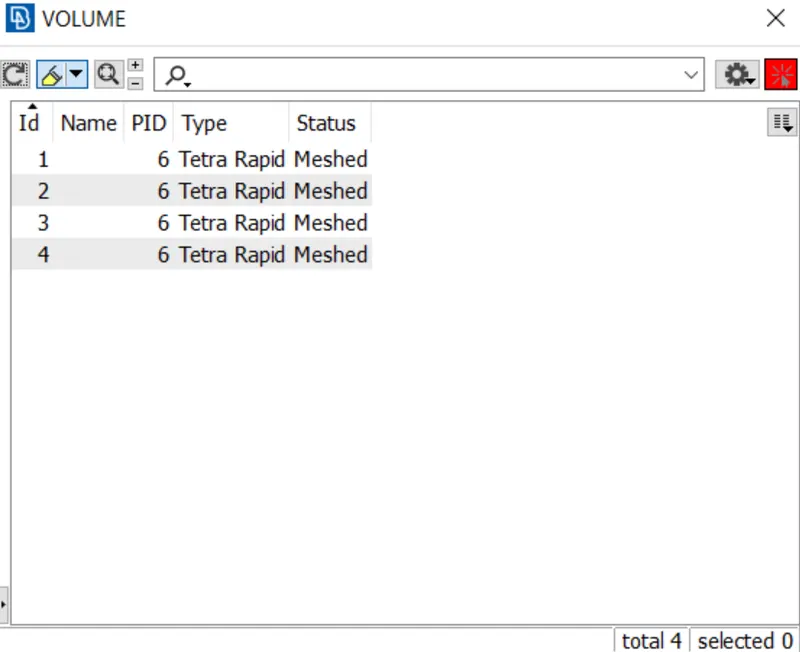
FINAL OUTCOME:
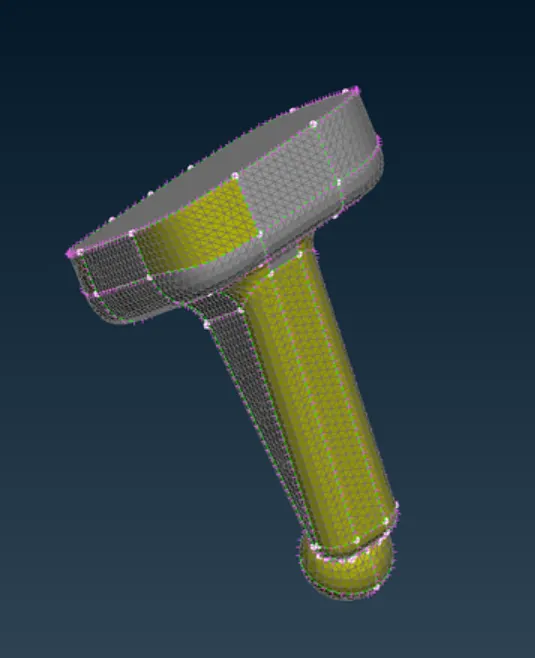
THE MODEL SHOWS WITH THE INNER PRISMATIC VOLUME WHEN WE HAVE CUT THE MODEL.
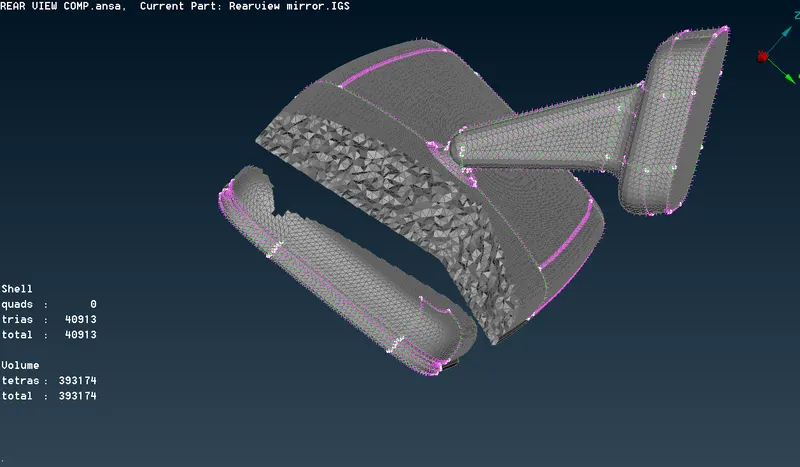
Here, we can mesh the given component using the tria and the ortho tria mesh, and define the volume and the volume meshing, finally, we have to clear errors and TET collapse elements.
CONCLUSION:
HERE WE CAN SHOW ALL THE VARIATIONS IN THE GIVEN MODEL OF GEOMETRY CLEANUP, 2D MESHING, AND VOLUME MESHING OF THE REARVIEW MIRROR COMPONENT WERE SUCCESSFULLY DONE.
DRIVE LINK:
https://drive.google.com/file/d/1GqTd7b45TyFiIhBuwMvshSDpnD8k0JmS/view?usp=sharing