Week 5 - Rayleigh Taylor Instability
Rayleigh Taylor Instability
Rayleigh Taylor Instability is an instability of the interface between the two fluids of different densities which occurs when the lighter fluid is pushing the heavier fluid. It is clear from Newton's law of viscosity, fluid cannot resist the slightest shear force and density is one of the main properties of the fluid to incorporate the shear force. Based on the density, when lighter and heavier fluids are mixed, denser fluid comes to the top of the lighter fluid, due to the gravity and the density variation at the interface of the liquid is not stable. This instability of the interface between the different densities of fluid when the lighter fluid is accelerated towards the heavier fluid is called Rayleigh Taylor Instability. Examples include supernovas, water suspended atop oil, and mushroom clouds formed due to volcanic eruptions.
Practical CFD models
SPH method (Smoother particle hydrodynamics)
Smoothed-particle hydrodynamics (SPH) is a computational method used for simulating the mechanics of continuum media, such as solid mechanics and fluid flows. Smoothed-particle hydrodynamics is being increasingly used to model fluid motion as well. This is due to several benefits over traditional grid-based techniques. First, SPH guarantees the conservation of mass without extra computation since the particles themselves represent mass. Second, SPH computes pressure from weighted contributions of neighboring particles rather than by solving linear systems of equations. Finally, unlike grid-based techniques, which must track fluid boundaries, SPH creates a free surface for two-phase interacting fluids directly since the particles represent the denser fluid and space represents the lighter fluid.
Single-fluid model
A typical approach used for the analysis of two-phase flows is a mixture model, i.e. the individual fluid phases are assumed to behave as a flowing mixture described in terms of the mixture properties. The applied single-fluid model is a five-equation model consisting of the mass, momentum, and energy equations for a vapor/liquid mixture, and two equations describing the formation and growth of the liquid phase.
Two-fluid model
In the two-fluid model, separate sets of the governing equation for the vapor and liquid phases have been used. The interaction between the droplets and the heat exchange between the liquid phase and the solid boundary is not modeled here. Additionally, the velocity slip between the vapor and the liquid phase is in this model taken into account.
Turbulence model
Turbulence models are needed to predict the average mixing behavior inflows that are on average one- or two-dimensional. The approach to the construction of the tile turbulence model is guided by experimental behavior. The equations governing turbulent flows can only be solved directly for simple cases of flow. For most real-life turbulent flows, CFD simulations use turbulent models to predict the evolution of turbulence. These turbulence models are simplified constitutive equations that predict the statistical evolution of turbulent flows.
Simulation setup
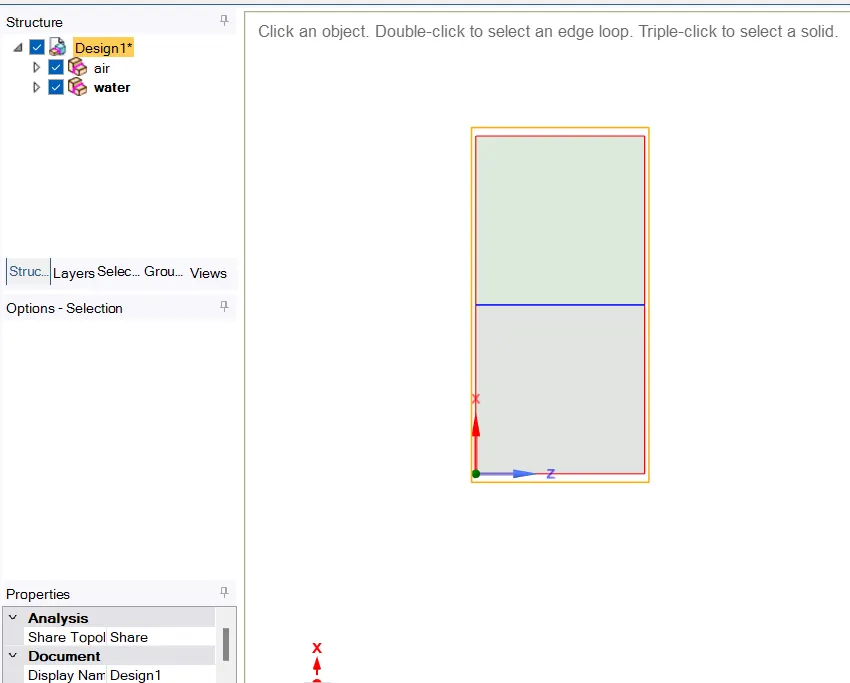
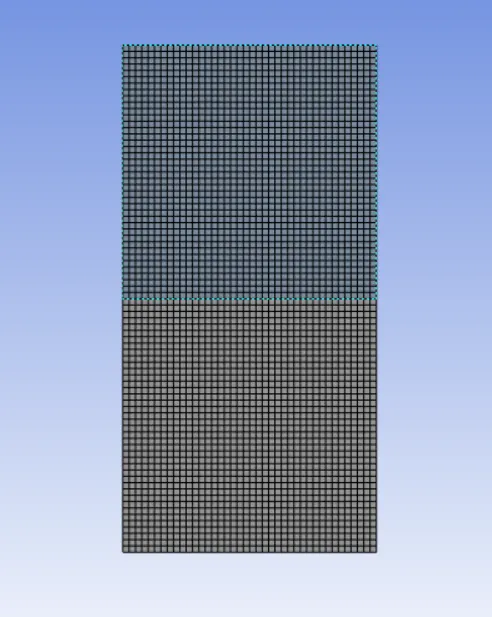
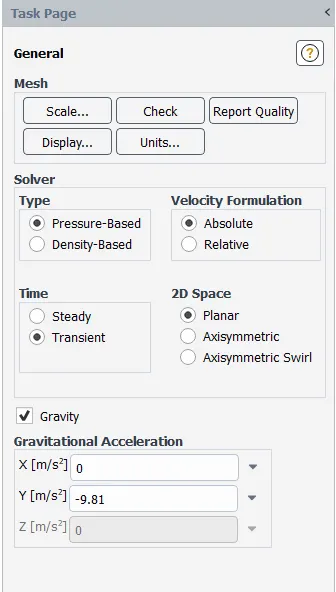
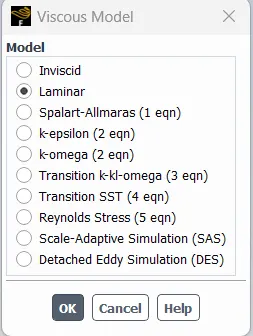
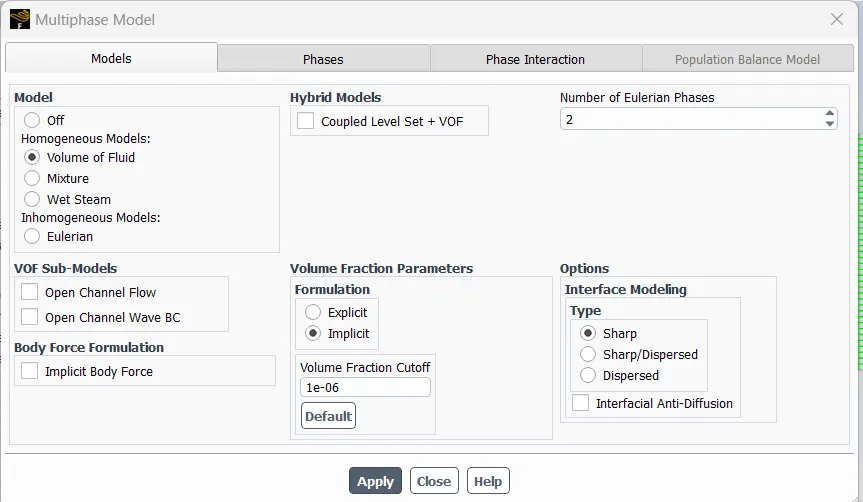
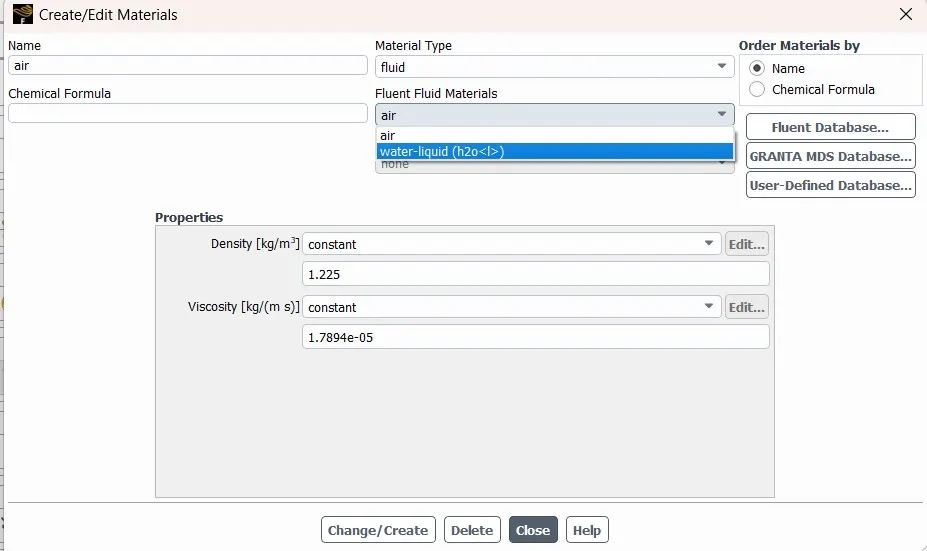
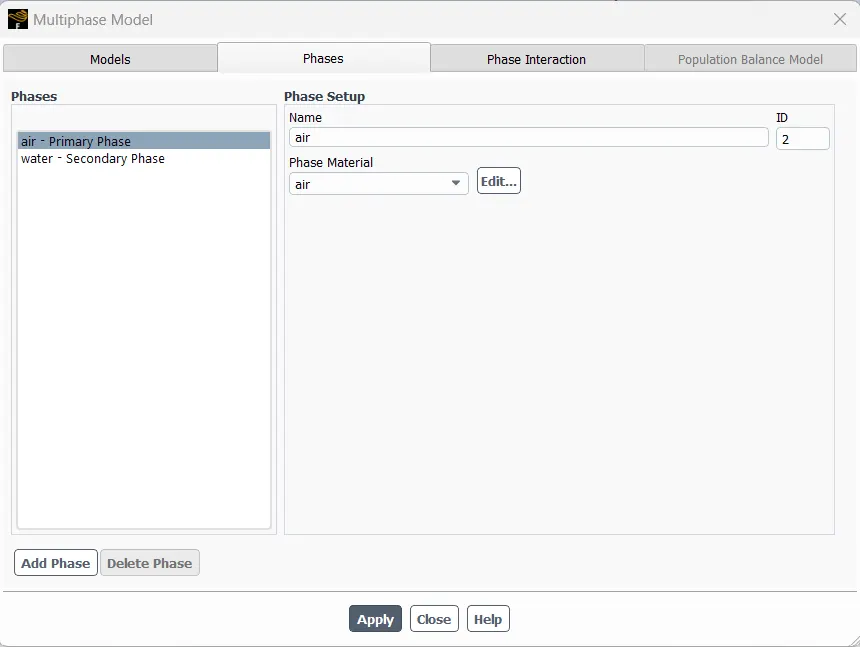
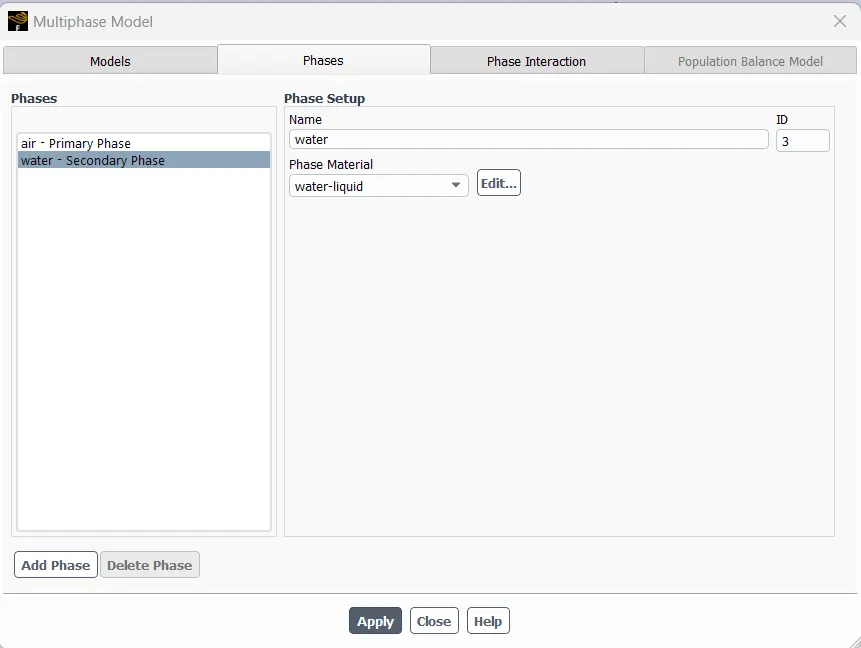
After initializing, goto patch.
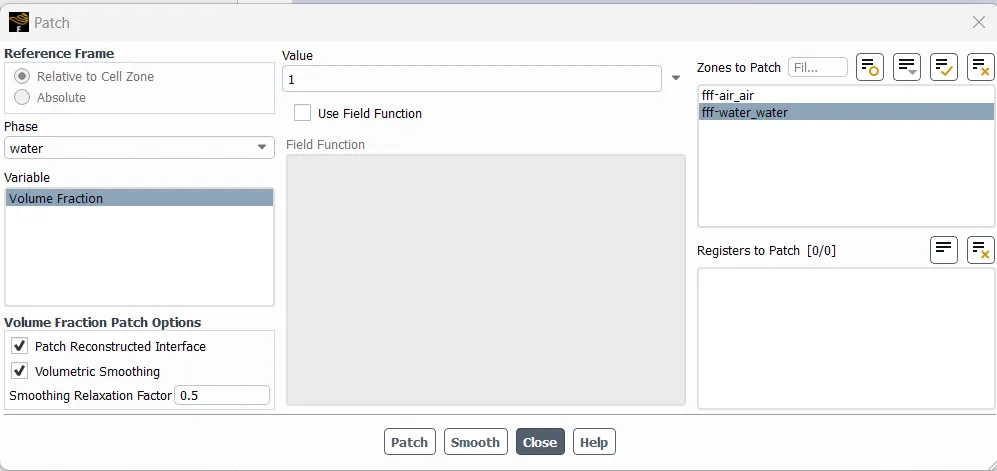
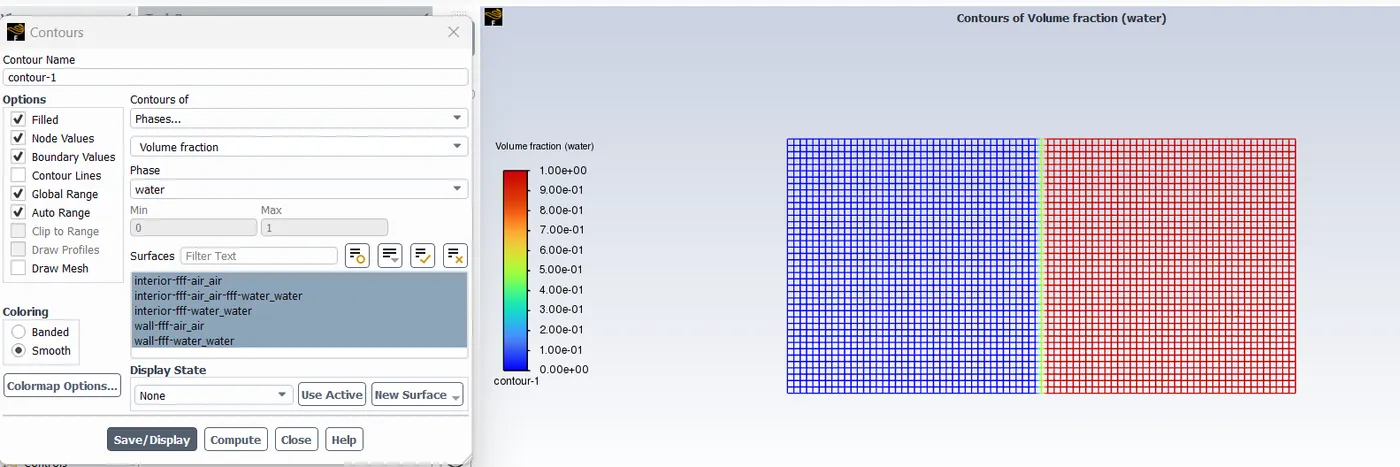
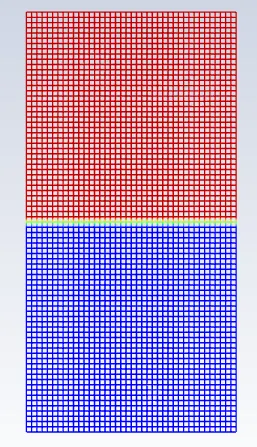
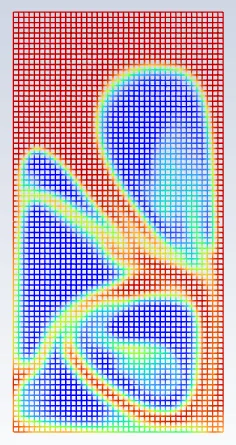
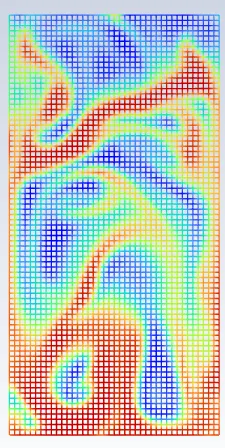
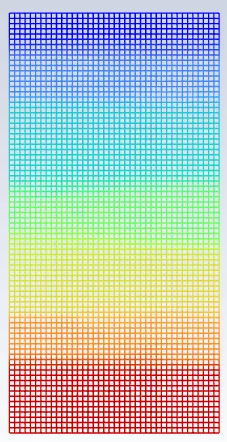
Case 1:
Mesh size - 0.5 mm
Results:
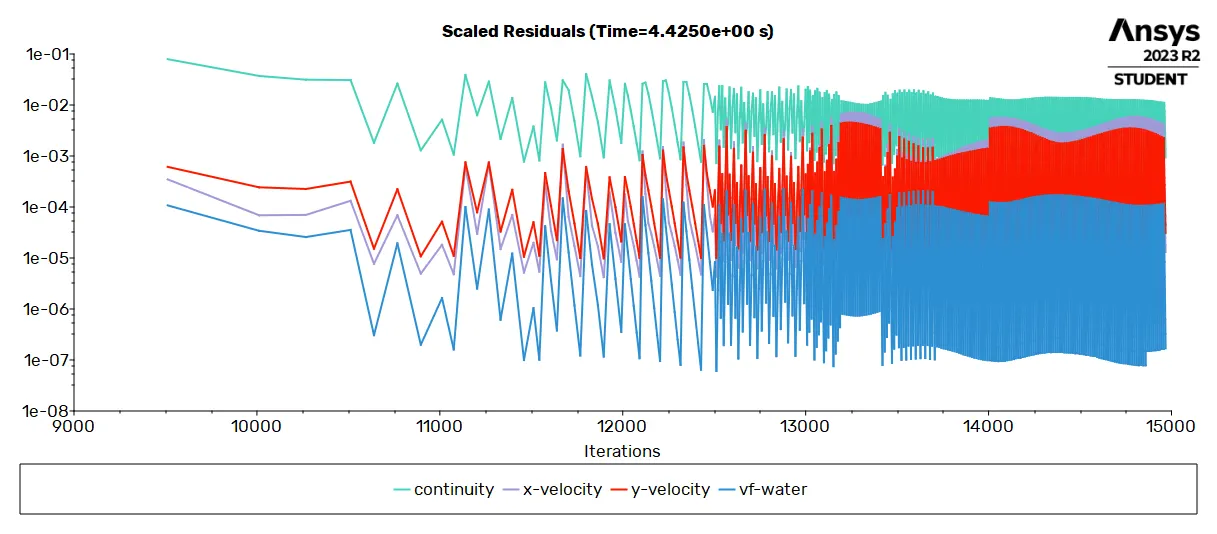
Iteration was stopped manually. 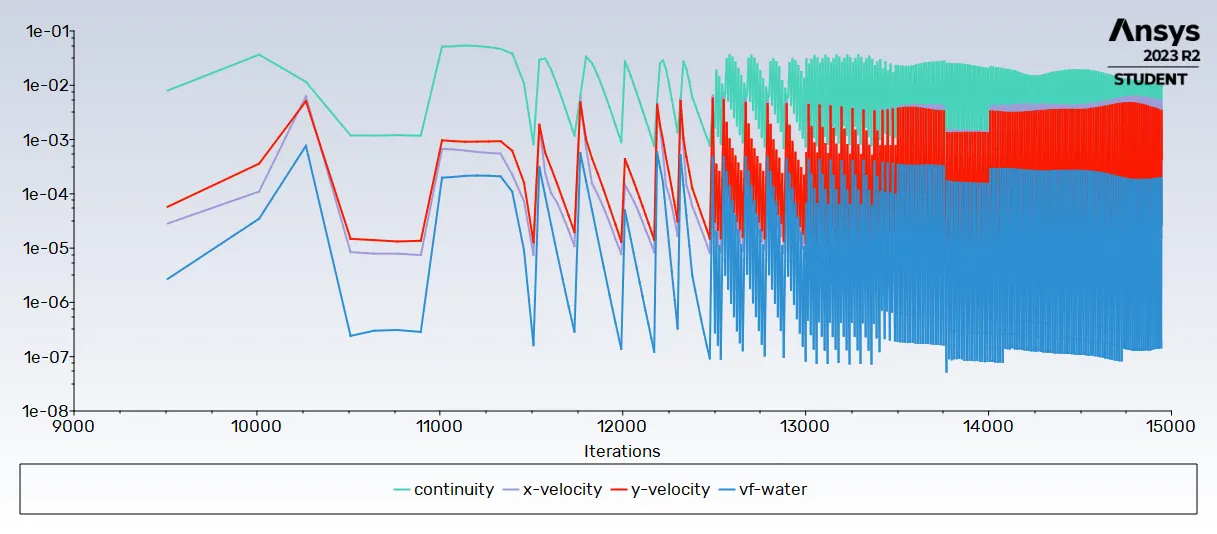
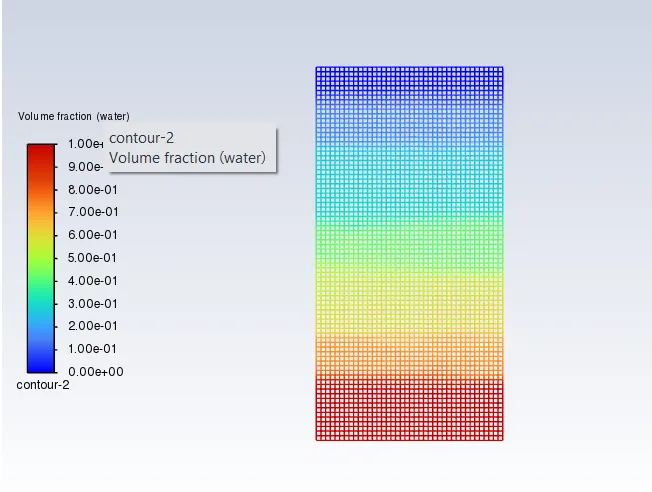
Frame 1
Frame 50
Frame 500
Last frame
Case 2:
Mesh size - 0.25 mm
Results:
Iteration was stopped manually.
Obs - Finer mesh captures the instability better than the coarse mesh.
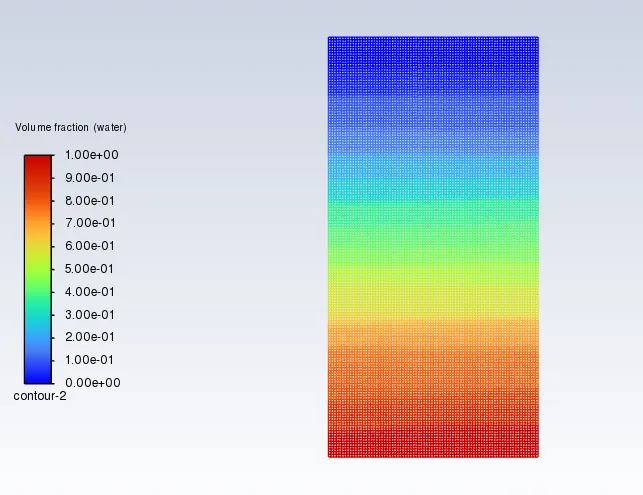
Frame 50
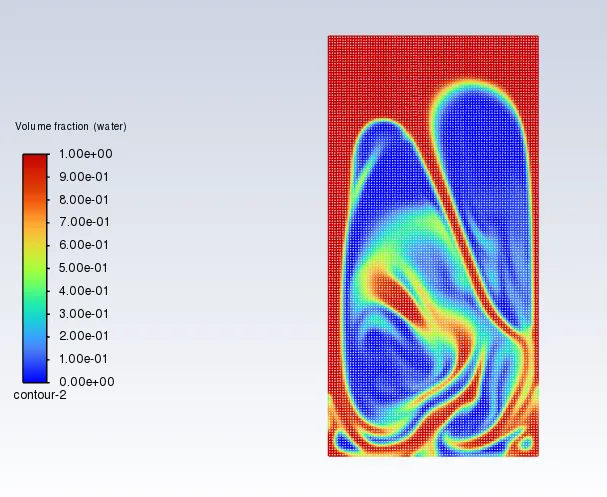
Frame 100
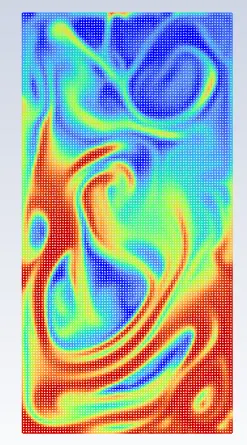
Frame 200
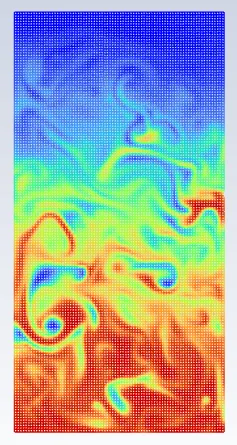
Frame 400
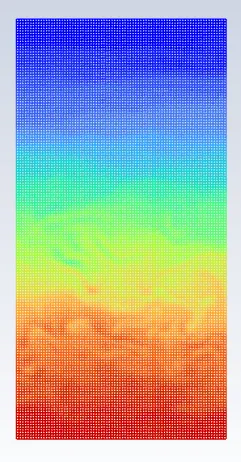
Frame last

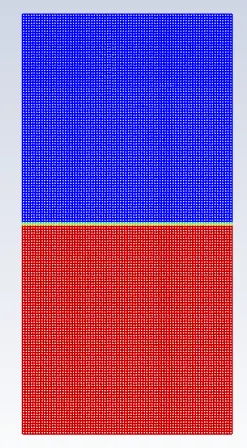
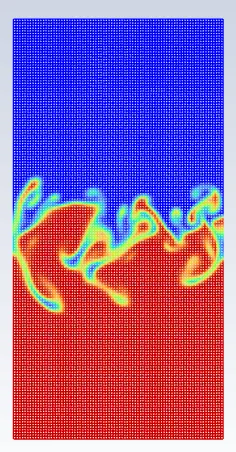
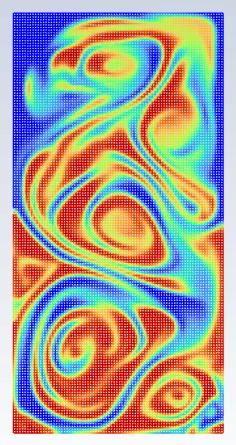
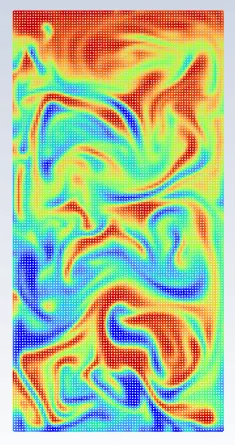
Case 3:
Mesh size - 0.25 mm
Phase 1 - Water
Phase 2 - User defined
Results:
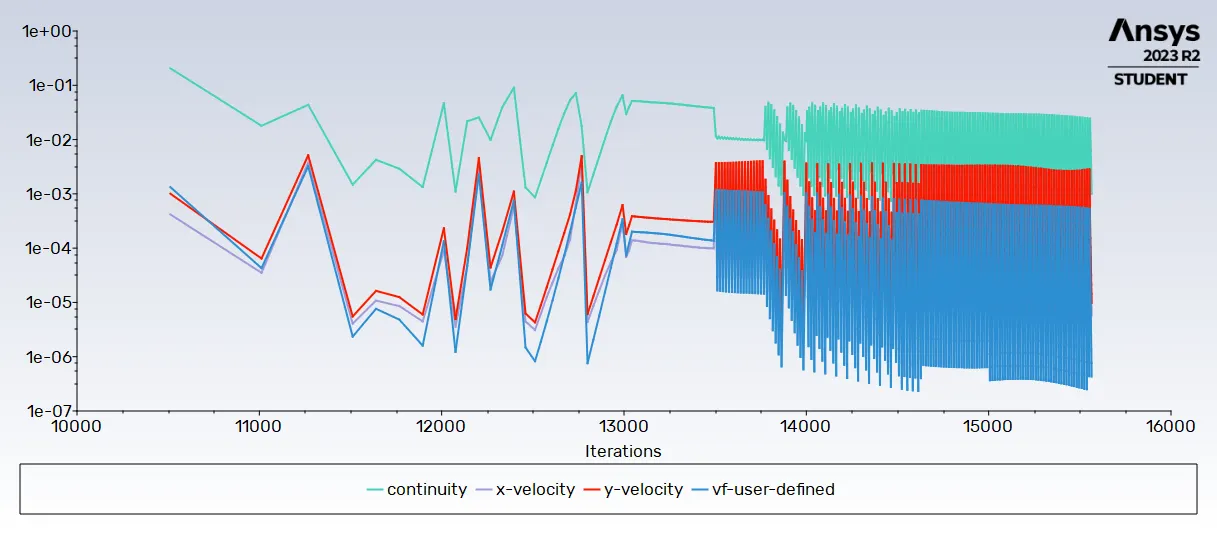
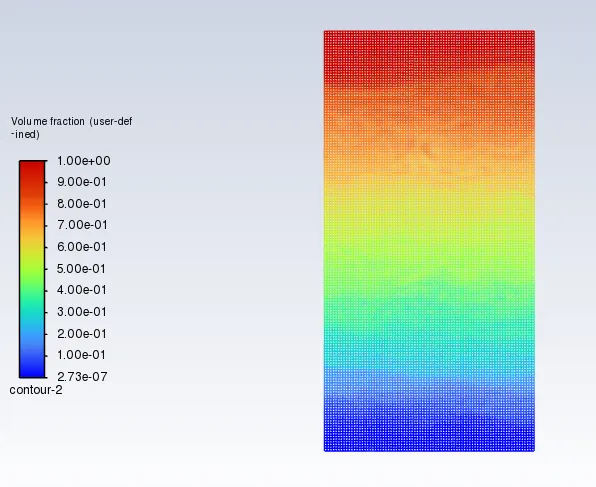
Frame 1
Frame 50
Frame 100
Frame 200
Frame 400
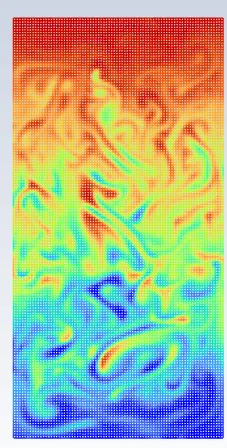
Frame last
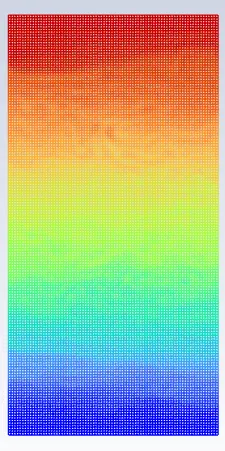
Atwood Number: It is a dimensionless number in fluid dynamics used in the study of hydrodynamic instabilities in density-stratified flows. It is a dimensionless density ratio defined as:
It is paramount in the study of Rayleigh-Taylor instability. RTI evolves in three distinct stages: Linear stability, mushroom head(falling) or bubble(rising) formation, long long-term evolution due to bubble merging and mixing.
Atwood number close to 0, RT instability flows take the form of asymmetric “finger” of fluid;
Atwood number close to 1, the much lighter fluid “below” the heavier fluid takes the form of larger bubble-like plumes.
Atwood number, Case 1 & 2 - 0.9975, Case 3 - 0.4278