Week 5 - Rayleigh Taylor Instability
Aim :
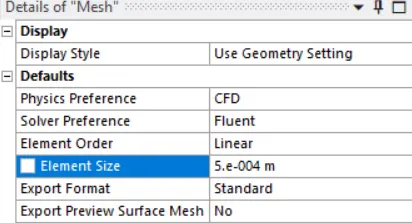
To Perform the Rayleigh Taylor instability simulation for 2 different mesh sizes with the base mesh being 0.5 mm.
Rayleigh-Taylor Instability :
- In Multiphase flow, the dynamic variables like the velocity, viscosity, pressure and density are generally used to explain the movement of fluids under the gravitational field.
- Multiphase flows takes place in nuclear geothermal power plants, food processing industries and many others. One of the basic example is Rayleigh Taylor Instability.
- The Rayleigh Taylor Instability is a hydrodynamic instability arises when a high density fluid is placed over a low density fluid in a gravitational field and the two fluids must be immiscible.
- Intially at time t= 0, the system of two fluids is in hydrostatic equlibrium. The pressure gradients are balanced and fluid is in static equilibrium.
- When the density interface is disturbed, the hydrostatic pressure is generated, so the heavier fluid moves downwards and mixes with the lighter one, with the amplitude of perturbation initially growing exponentially but after sometime saturates and forms characteristic mushroom shape.
- When a heavier fluid is displaced downward with an equal volume of lighter fluid displaced upwards, it results in decrease of potential energy than it’s initial state.
- This RTI has been applied to a wide range of problems including the mushroom clouds like volcanic eruptions, nuclear explosions and plasma fusion reactors instability.
Rayleigh waves :-are a type of surface acoustic waves that travel along the surface of solids. They can be produced in materials in many ways, such as by a localized impact or by piezo-electric transduction, and are frequently used in non-destructive testing for detecting defects. Rayleigh waves are part of the seismic waves that are produced on the earth by earthquakes. When guided in layers they are referred to as Lamb waves, Rayleigh–Lamb waves, or generalized Rayleigh waves.
Define the Atwood Number:
The Atwood number (A) is a dimensionless number in fluid dynamics used in the study of hydrodynamic instabilities in density stratified flows. It is a dimensionless density ratio defined as

where
 = density of heavier fluid
 = density of lighter fluid
simulation of rayleige taylor intensity
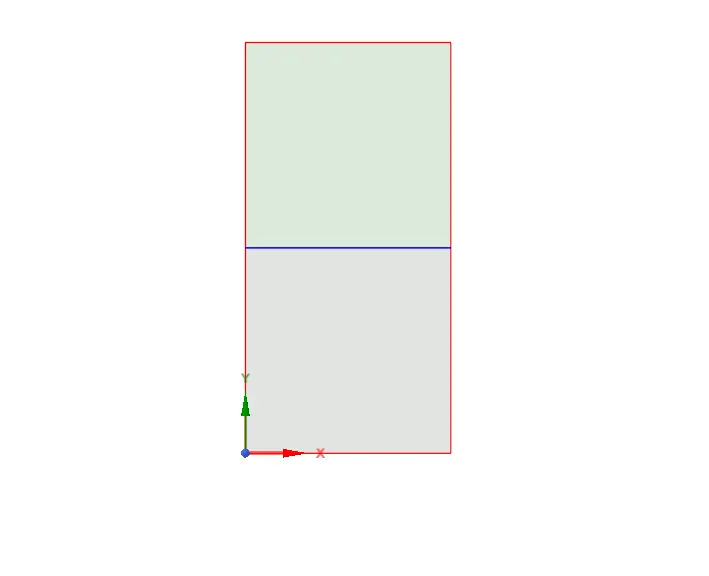
step 1:- creating the required model of dimenstion of 20mm*20mm of two square box
figure no-1 geometry (top water, bottom air )
step 2 meshing :-
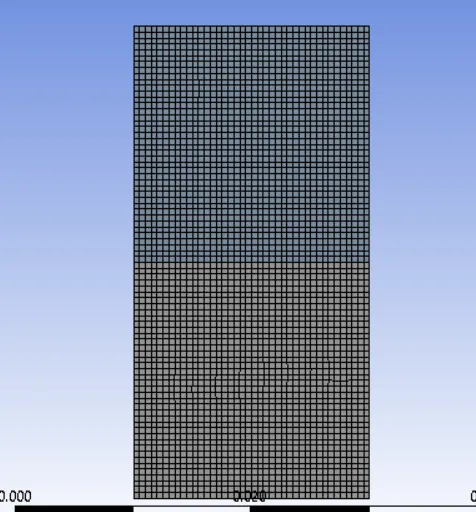
meshing detailes

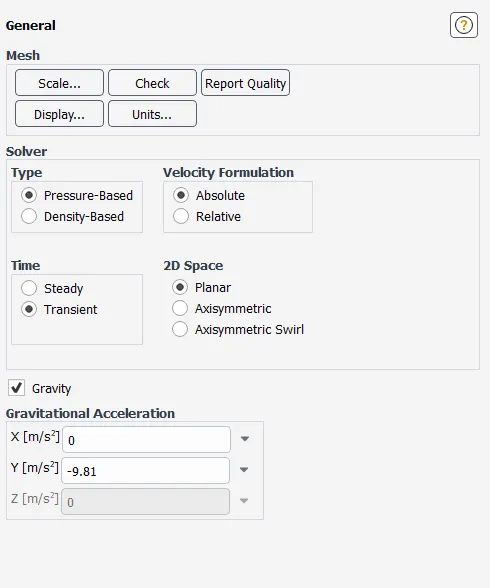
step 3:- setting up the physics
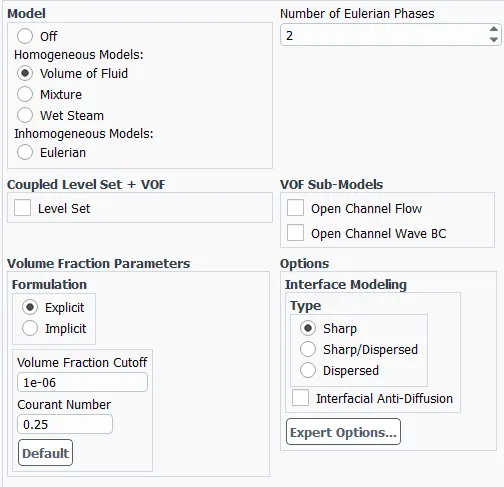
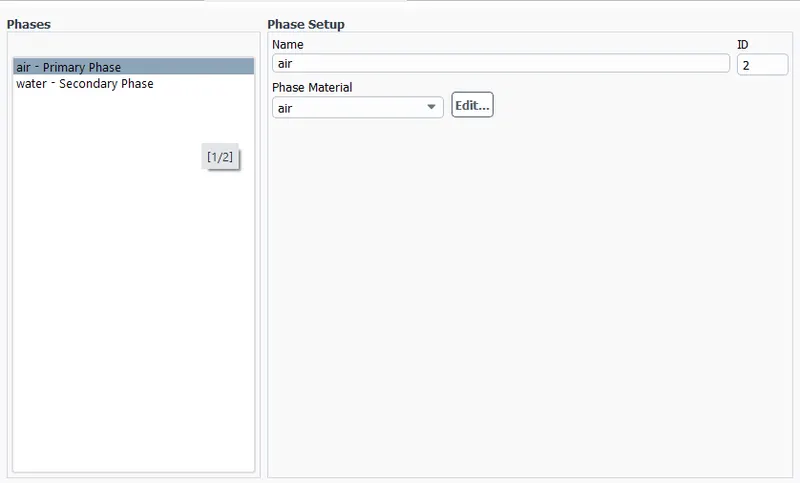
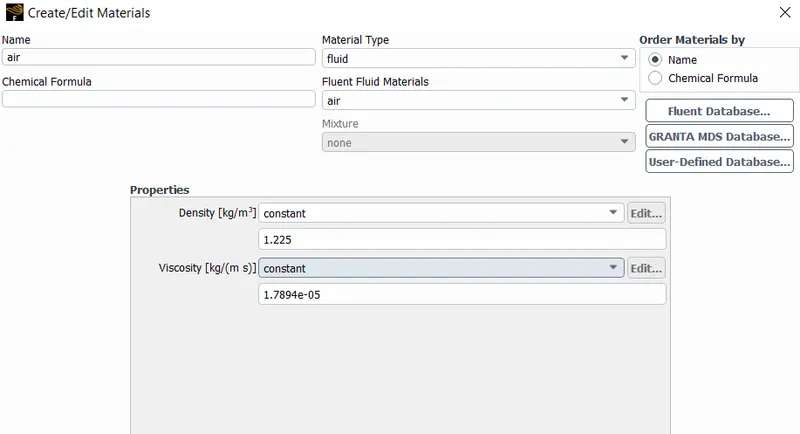
choosing the materials ;-
air
water:-
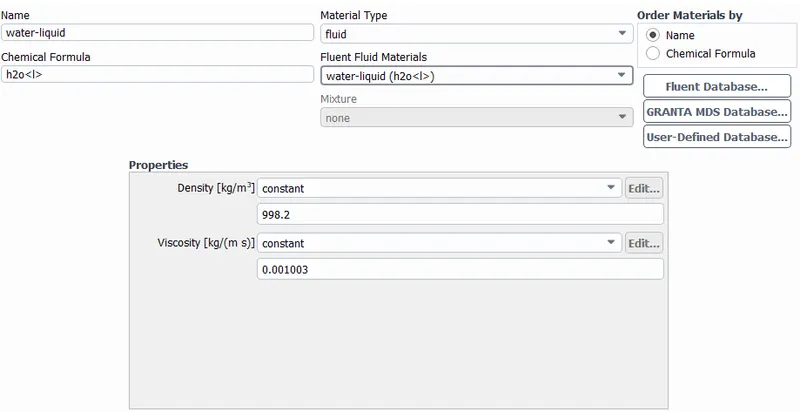
standered intilization is done
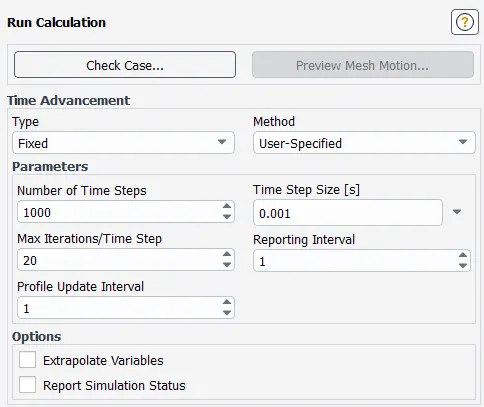
patching the geometry :-
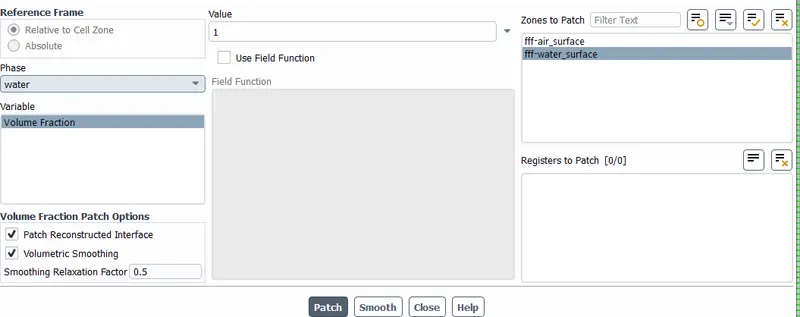
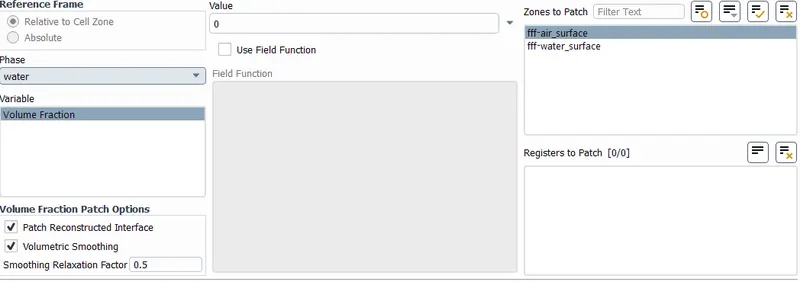
createing contour :-
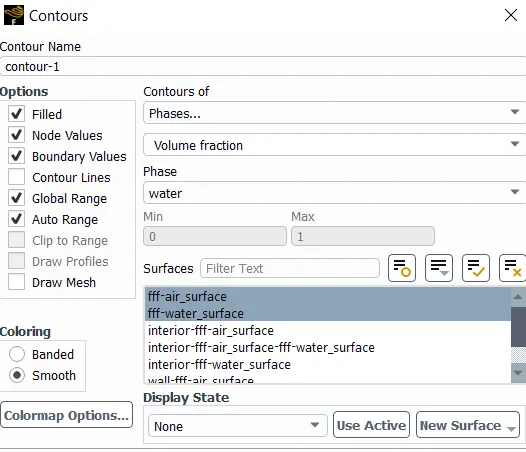
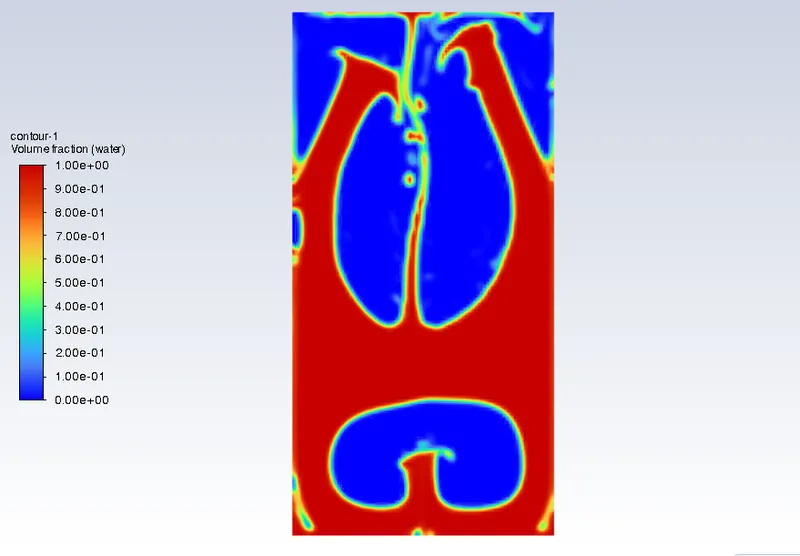
volume fraction contour :-
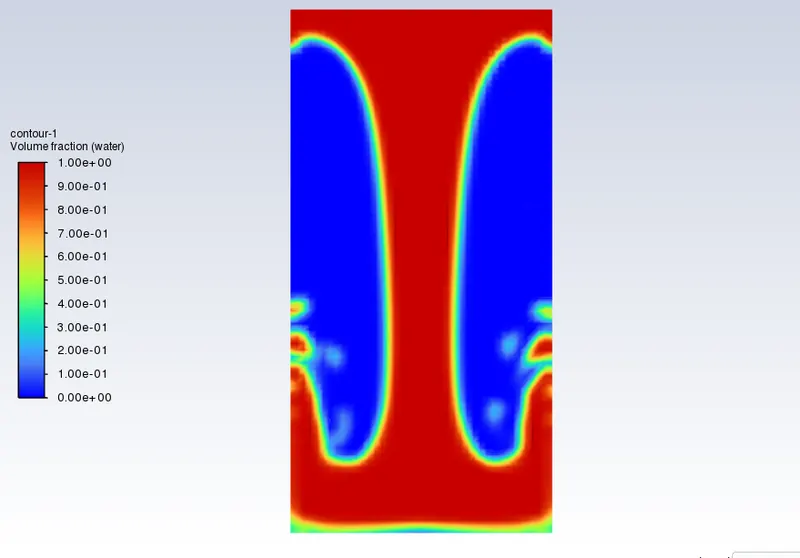
scalar residuals plot:-
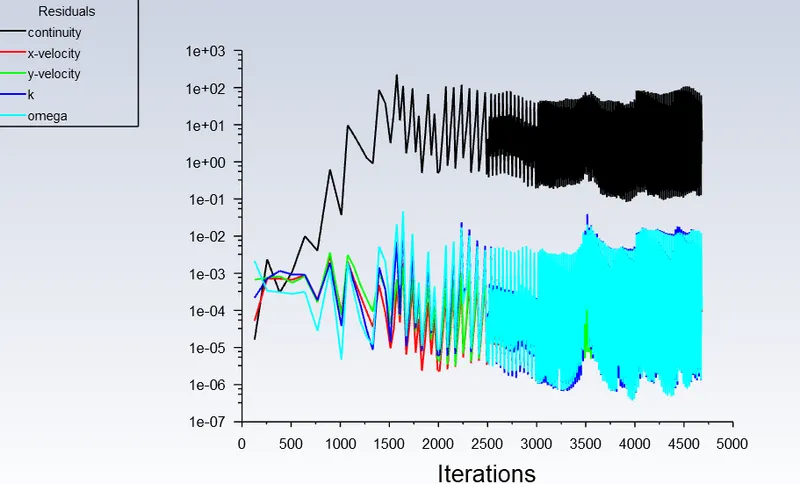
case 2 :-the mesh size is refined more (2.5e-04m)
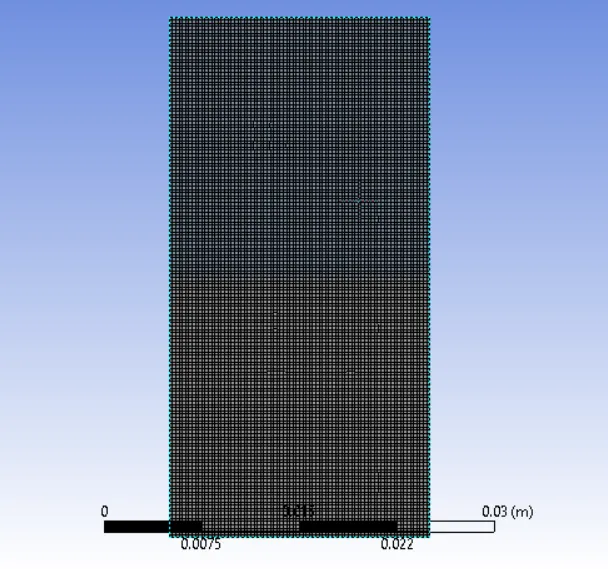
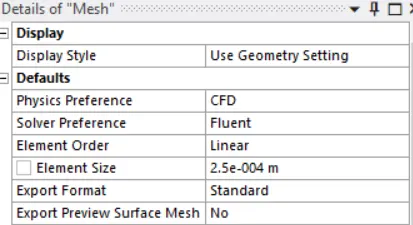

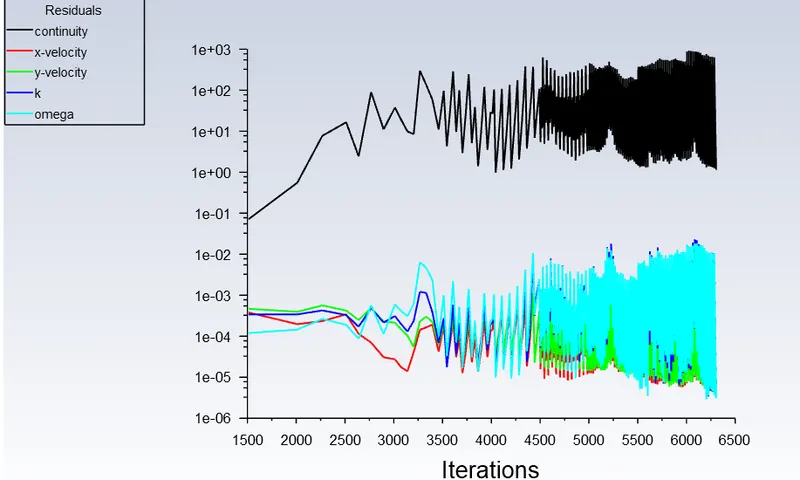
scalar residuals:-
animation video:-
https://drive.google.com/file/d/1CCyIRm0uzXfyG9XiyUCibtewpnRCIGwf/view?usp=sharing
conclustion:-
- Looking at above videos we can say that refined mesh gives more smooter results. Also we can say that both the fluids settle down faster in coarser mesh and it takes much more time in finer mesh cases.
- varing the number of time step and and effect the converging of solution