Week 5 Challenge : Surface wrap on Automotive Assembly
Aim: This Challenge aims to surface wrap.
Procedure:- For the given models, check for surface geometrical errors and delete unwanted surfaces. After clearing geometry, to merge all 3 models and perform surface wrap. Gives target length for Wrap = 3 mm.
- Load 1st model (Engine) in ANSA CFD layout (-performance_mode 3)
To clean surface geometrical and delete unwanted surfaces without damaging the outer shape of the geometries.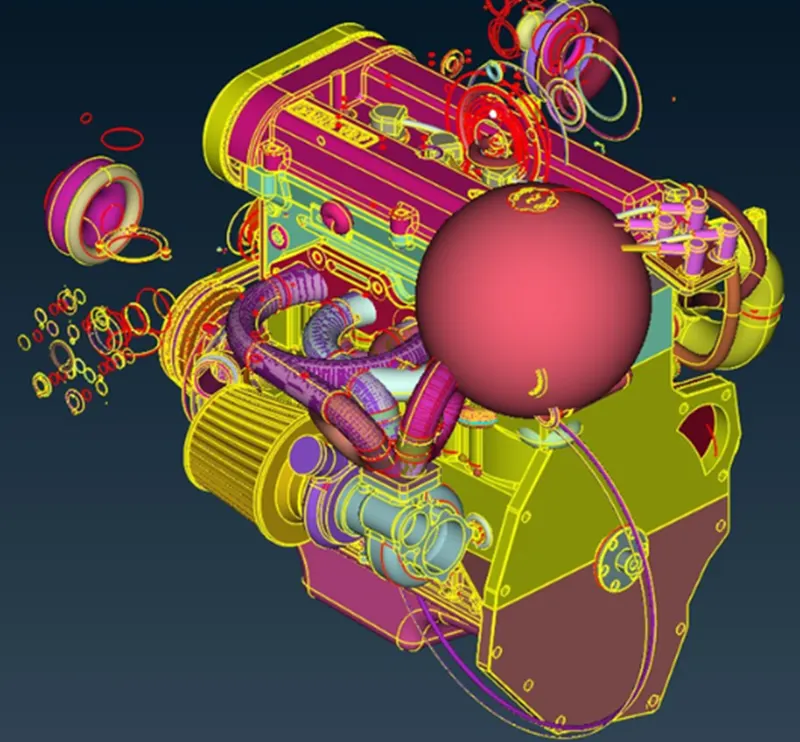
- Load 2nd model (Gearbox) in ANSA CFD layout (-performance_mode 3)
To clean surface geometrical and delete unwanted surfaces without damaging the outer shape of the geometries.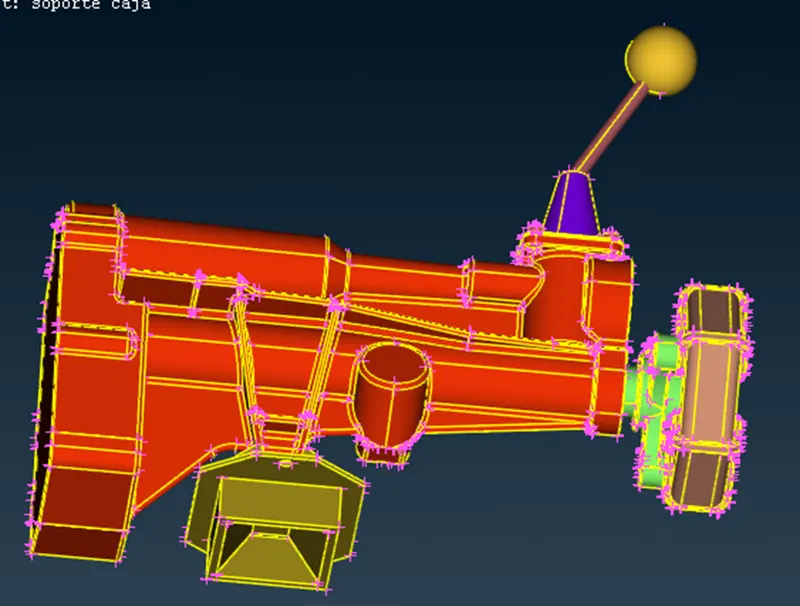
Load 3nd model (Transmission) in ANSA CFD layout (-performance_mode 3)
To clean surfaces geometrical and delete unwanted surfaces without damaging the outer shape of the geometries.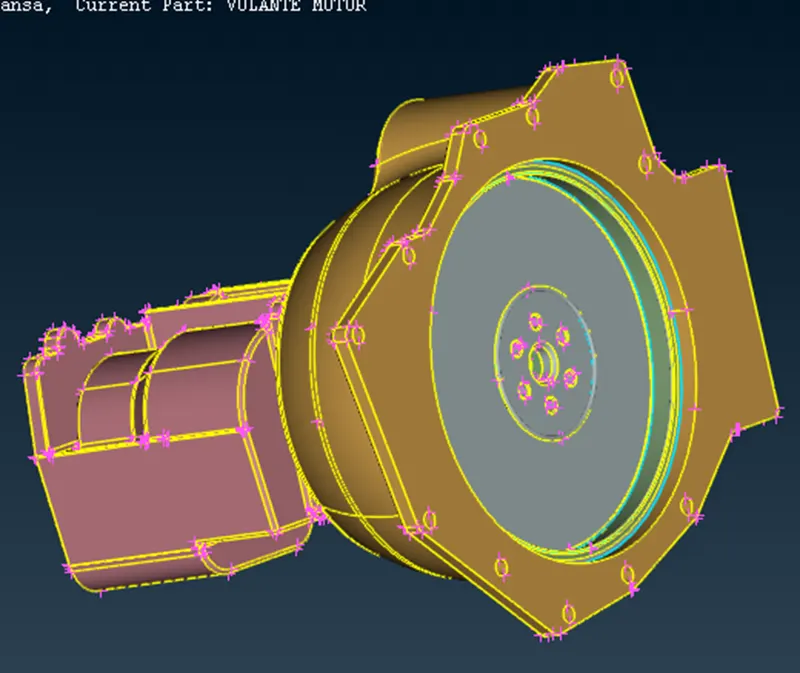
- After clean surface geometry delete all the unwanted surfaces, Resolving all the outer single cons as it would affect surface wrapping.
- Filling the holes by creating new surfaces with new surface options (coons and fitted) wherever required
- After that merge all 3 models. To do this go to Files -> Merge and select the models to be merged.
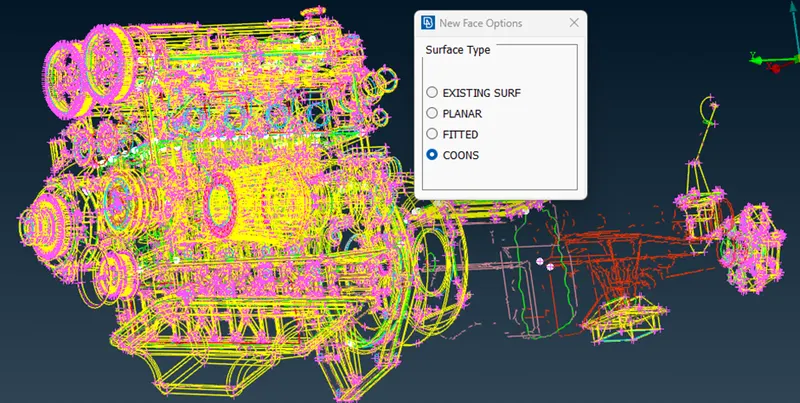
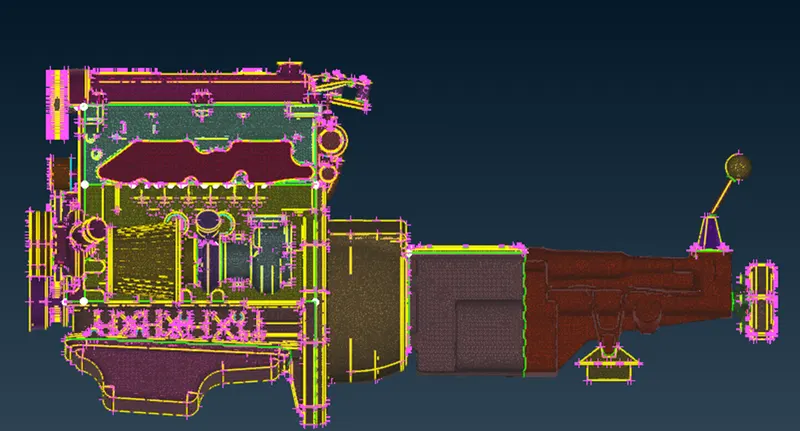
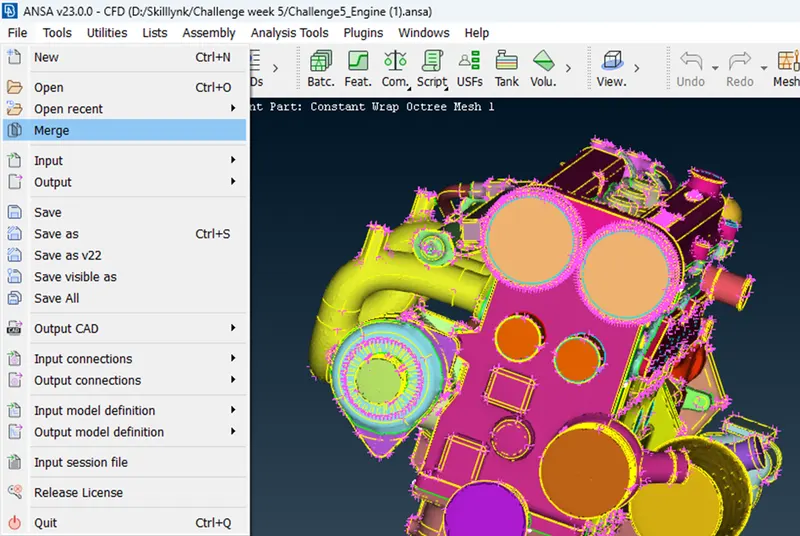
- The merged model will look as shown below
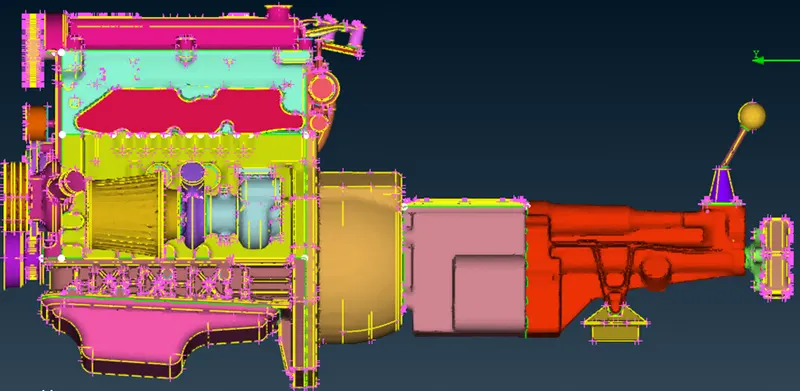
- . Gives the required PID and deleted unwanted PID. To perform this we need to click on ‘Compress’ command and then click ok
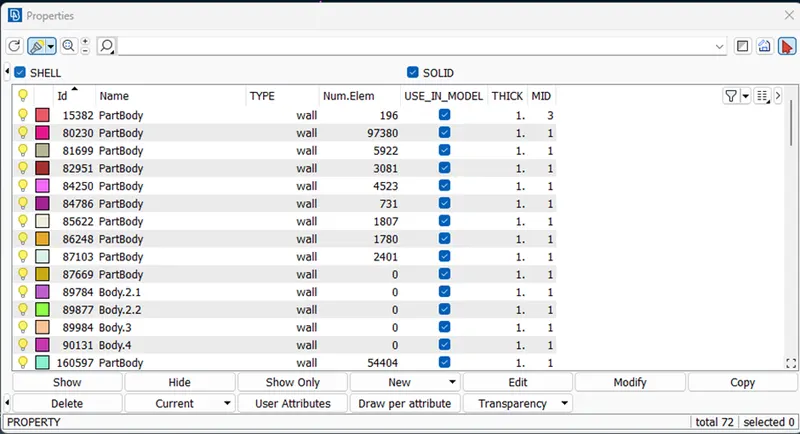
- To do Surface Wrapping, under MESH option click on
Elements → Wrap → Constant Wrap
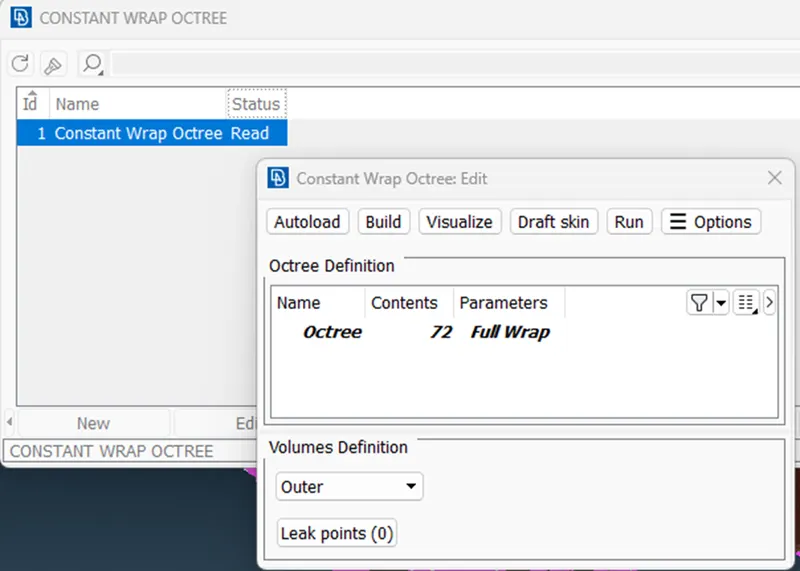
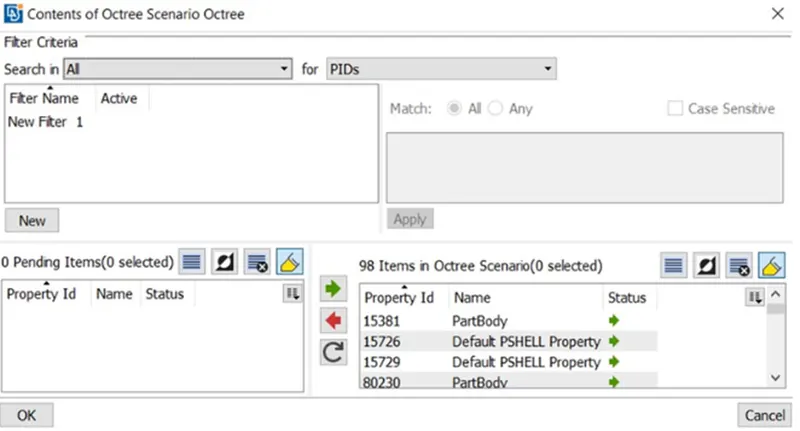
- After this click on ‘Contents’ just beside the ‘Parameters’ option and then select the entire PID’s which are on the left side and click on the green arrow to shift all of them towards the right side and then click ok.
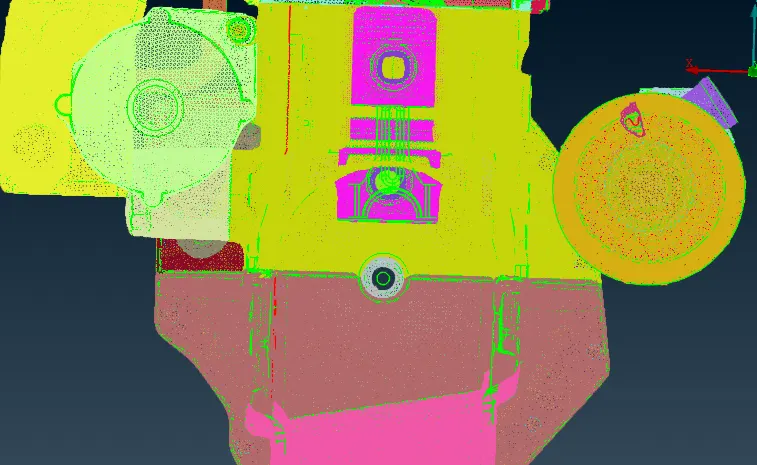
- After sometime the Surface Wrap will be done and the finished model will look as shown below.
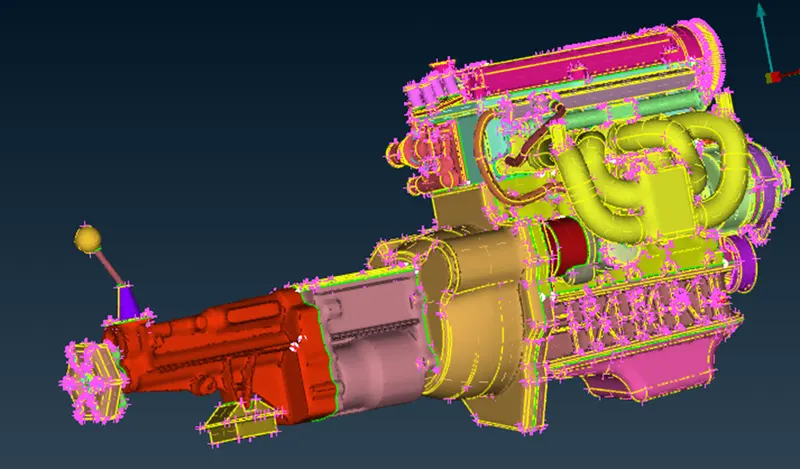
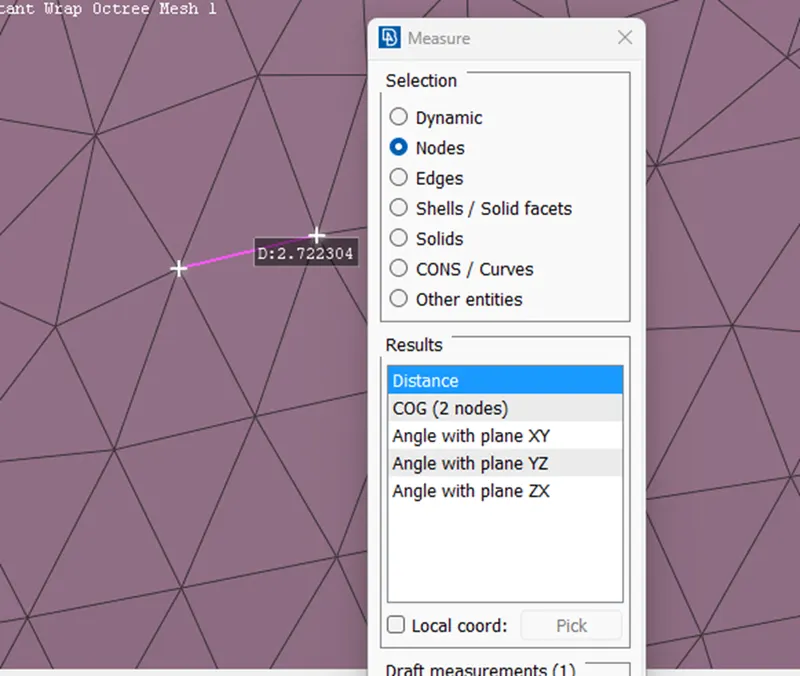
12.After sometime the Surface Wrap will be done and the finished model will look as shown below.
Conclusion:- Effective Surface Wrapping was run successfully on the given geometry for a given mesh length of 3mm. Surface wrap is effective for outside flow simulations where the volume between the body and the wind tunnel is required for flow over the body simulations.