Week 5 Challenge : Surface wrap on Automotive Assembly
SURFACE WRAP ON AUTOMOTIVE ASSEMBLY:
1 AIM:
To create a surface wrap by performing a surface meshing on the models after topology cleanup and merging sub-assemblies.
2 INTRODUCTION:
With the significant advances in CFD over the last few decades and the increasing availability of high-performance computing resources, engineers are able to apply CFD to more and more complex flow simulations. However robust and automatic mesh generation still represents a significant challenge in the overall process from CAD to CFD solution in industrial engineering analysis. A major bottleneck in the mesh generation process is the creation of a watertight representation of the geometry from the original CAD model. A watertight geometry representation is required as input to traditional structured and unstructured mesh generation methods, which first discretize the surface of the flow domain before meshing the interior. The translation of the geometry from the native CAD data into another format can often result in problems such as missing or duplicate parts, small gaps and overlaps. Often the input to the simulation, and therefore contains an unnecessary level of detail an geometry that would not be a part of the fluid domain. Resolving these issues and creating a geometry model suitable for mesh generation requires labor-intensive and time-consuming geometry repair and modification.
Mesh generation approaches such as octree or cartesian based methods which start with a volume mesh in the interior of the domain, and then obtain a boundary conforming surface mesh through cell-cutting or snapping procedures, have therefore become increasingly popular in recent years, in part due to their inherent tolerances to poor quality or dirty geometry. However. although such meshing approaches do not need a watertight geometry representation and are able to tolerate geometry issues such as overlaps and poor quality triangulations, they cannot handle so-called 'fully -resolved' gaps, i.e the gaps in the geometry larger that the local element size. There have been numerous attempts over the last decade to develop methods for automatic repair of holes in discrete geometry models namely surface-based approaches and voxel or volume-based approaches.
Surface wrap: The need for shorter time cycles of CFD model preparation has lately led to a more widespread approach to surface wrapping. The benefit of this approach is of course the fact that there is no need to prepare a fully watertight model, the most time-consuming step of a CFD model build-up. The same geometry which was surface batch meshed before can also be fed to the new surface wrapping tool of ANSA. The tool captures all the important geometrical features of the model, refining the curvatures and also the areas inside the same size boxes. The result would be a watertight surface mesh. The result of the surface wrapping is then sent for quality improvement. Compared with the standard surface mesh model, the surface wrapping mesh can be observed with a high level of quality.
3 PROCEDURE:
3.1 Topology cleanup
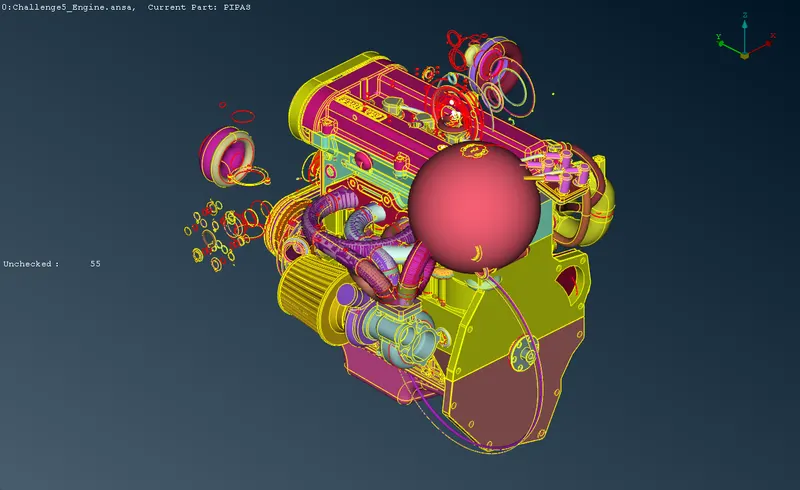
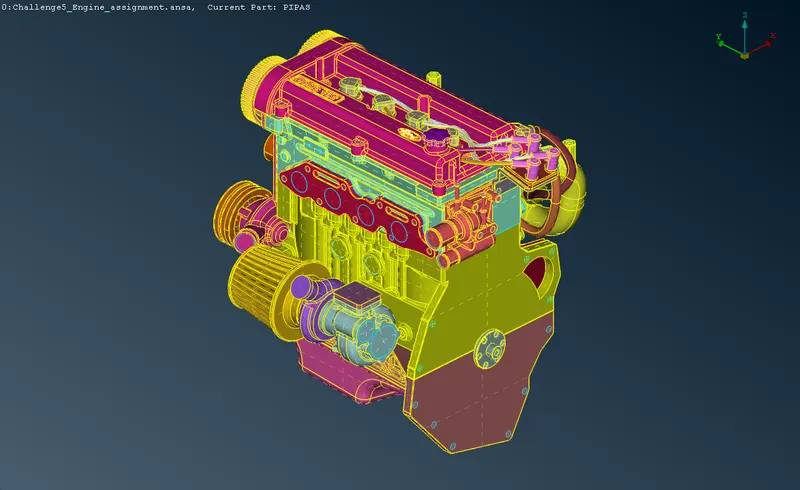
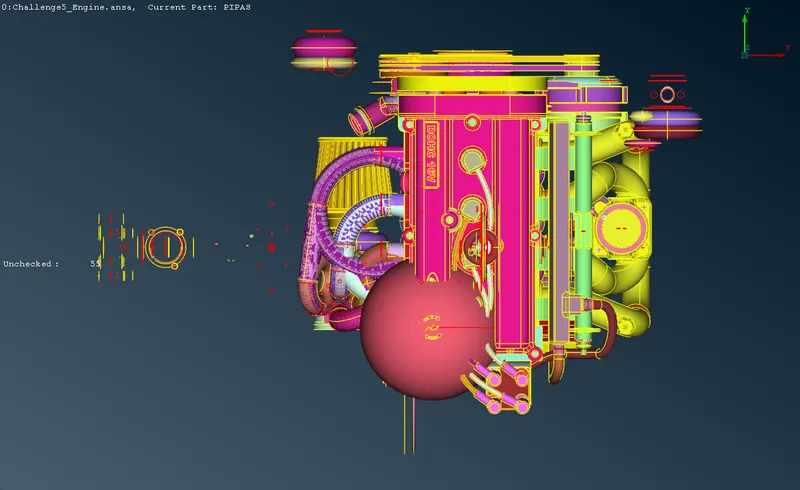
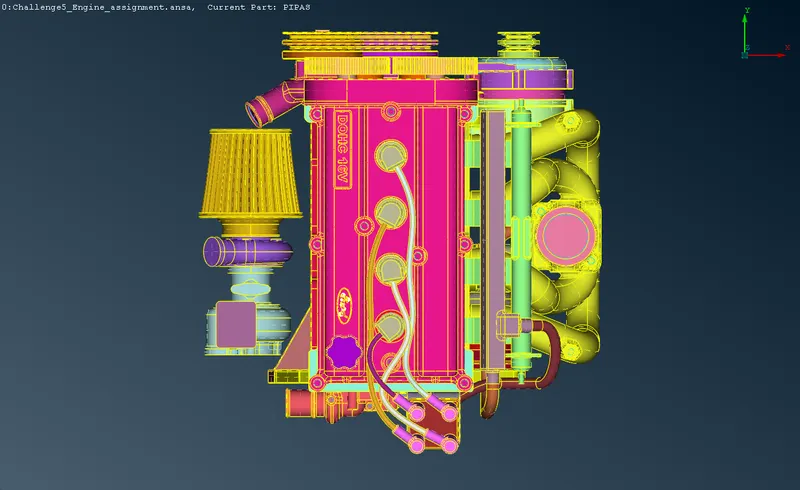
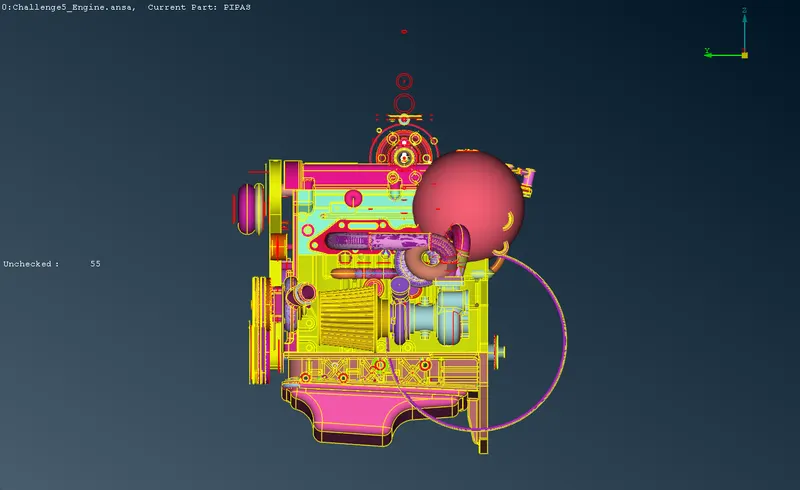
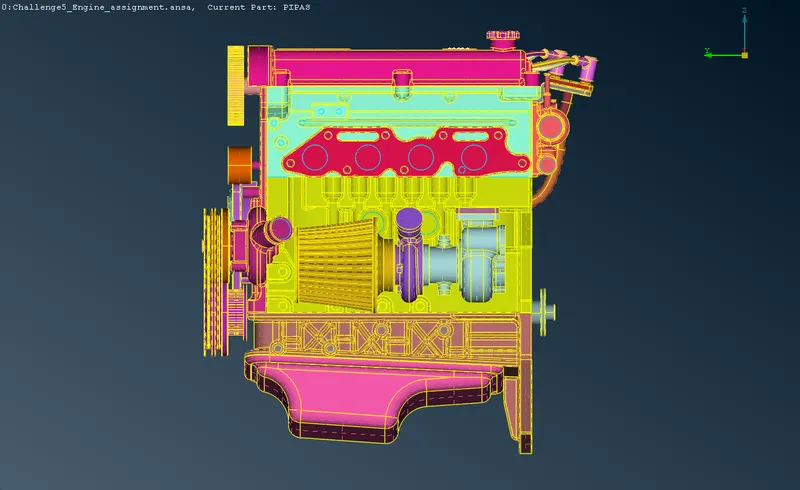
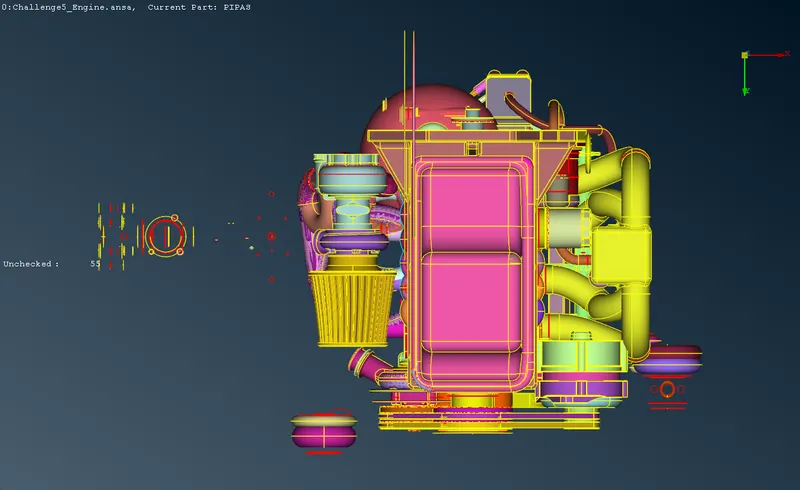
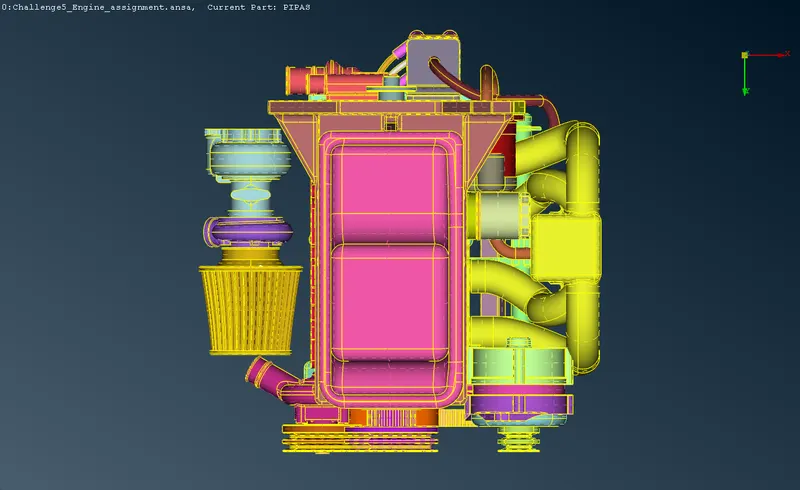
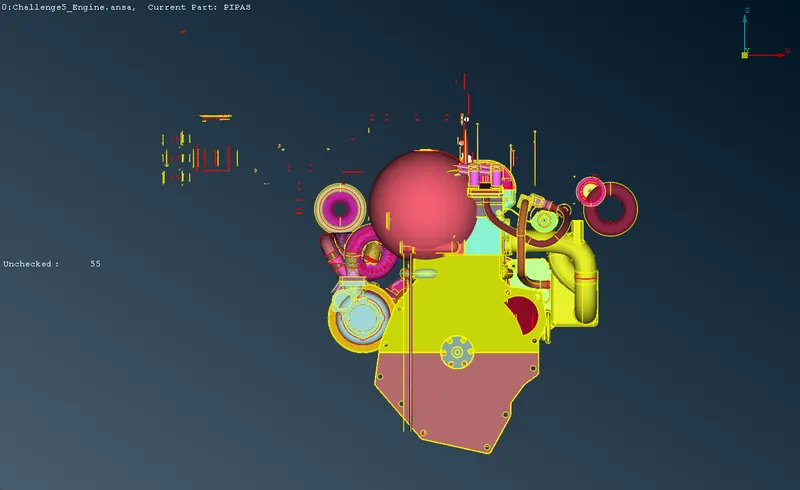
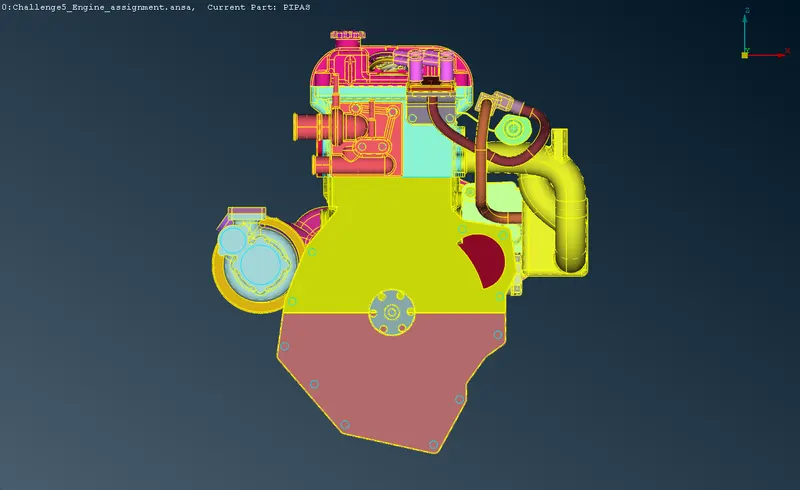
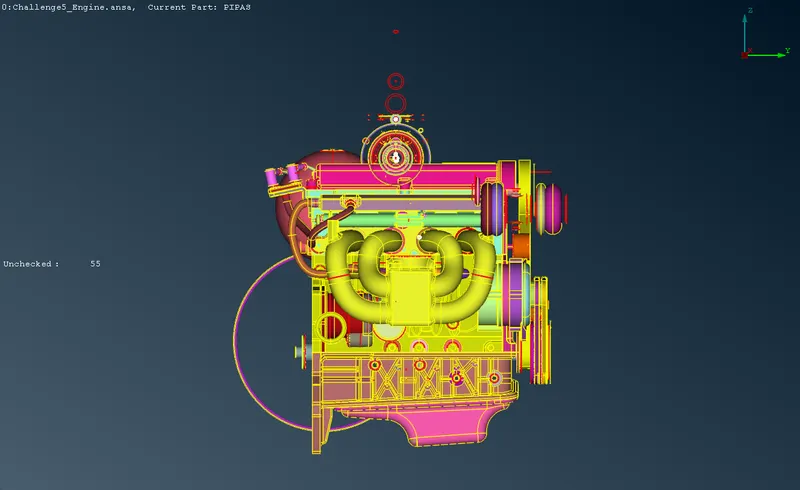
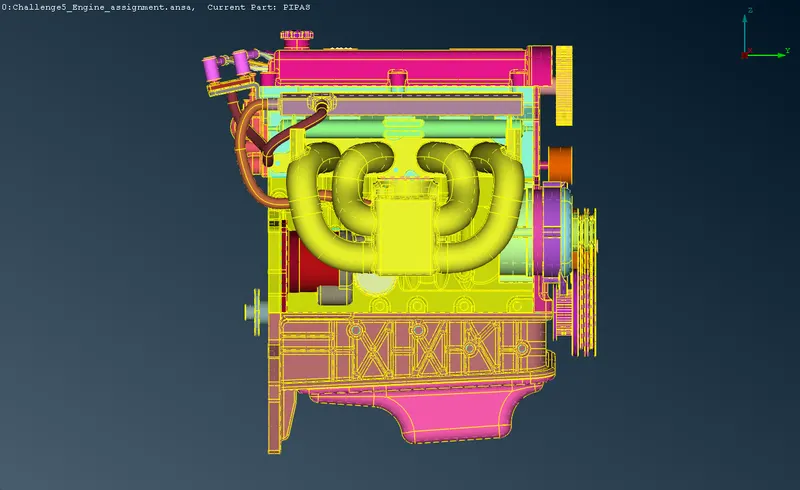
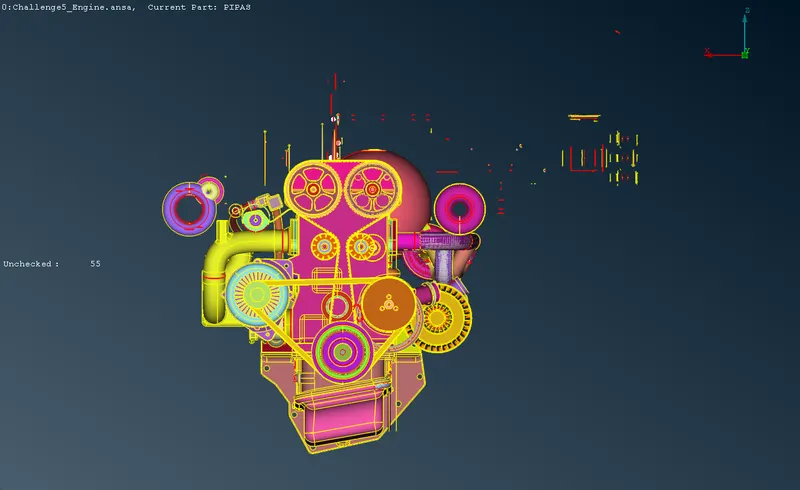
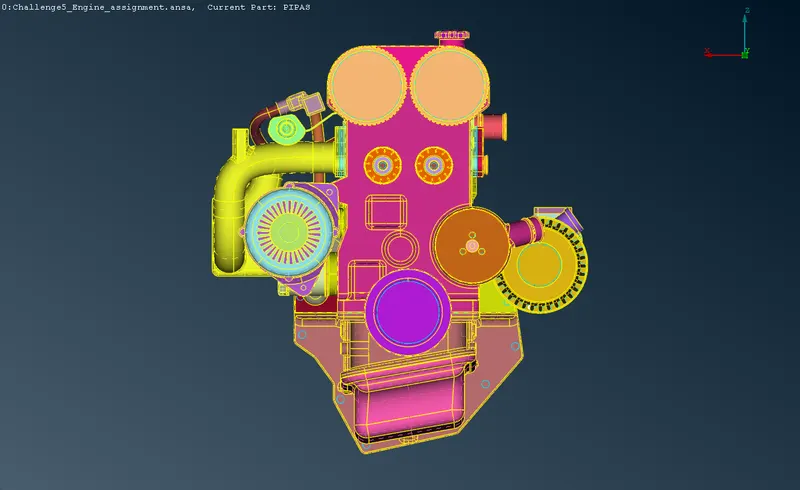
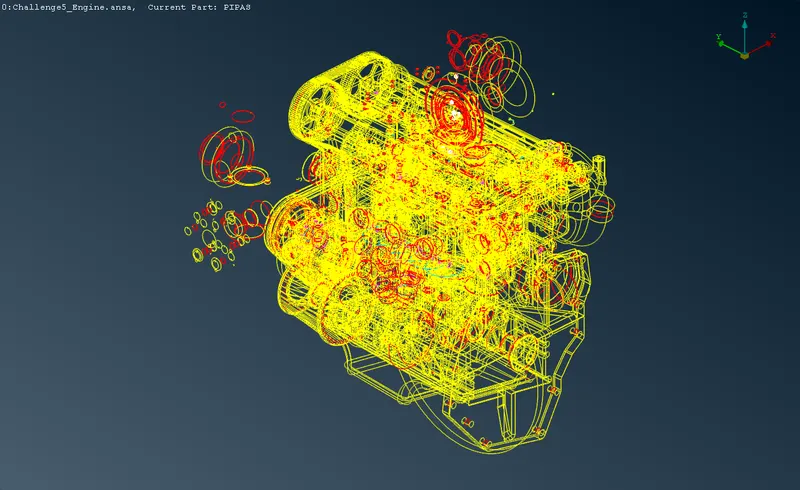
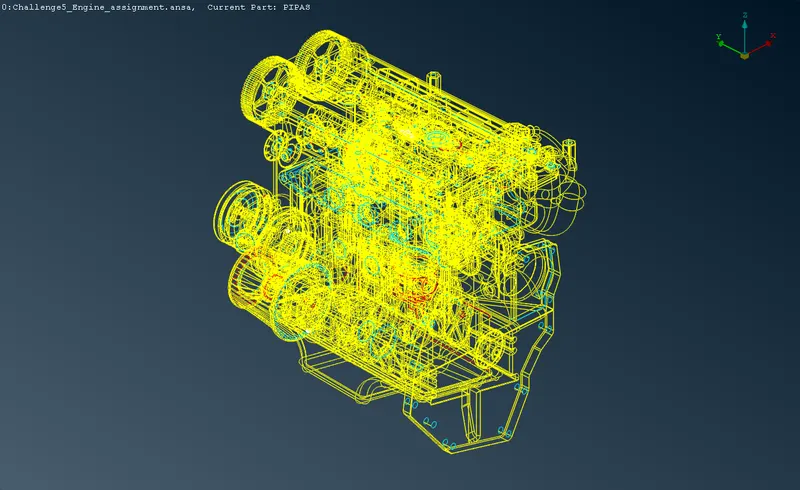
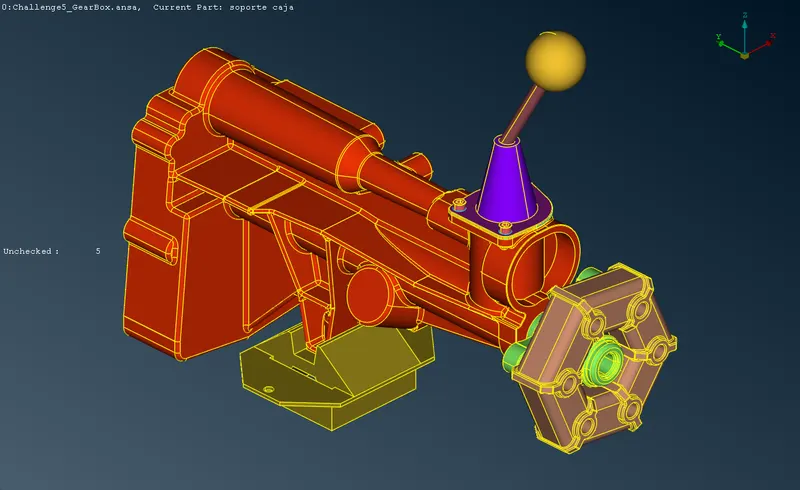
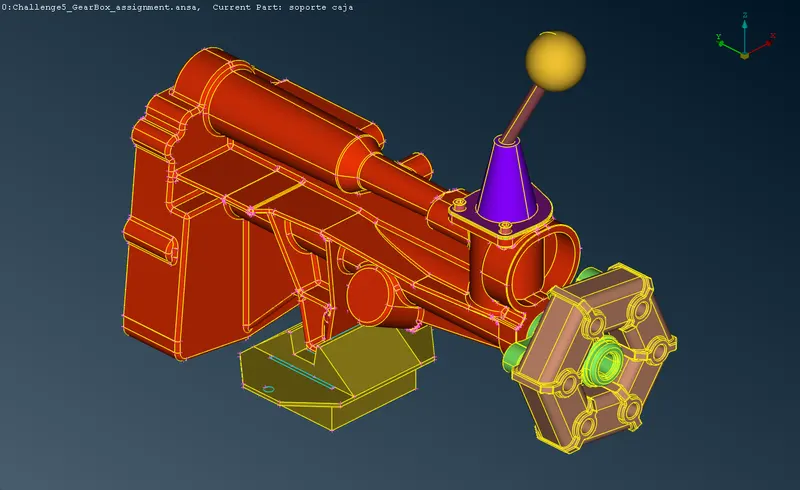
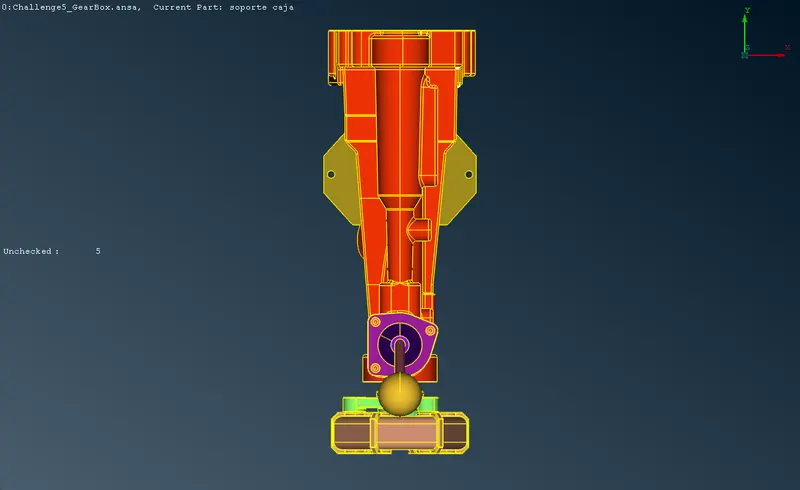
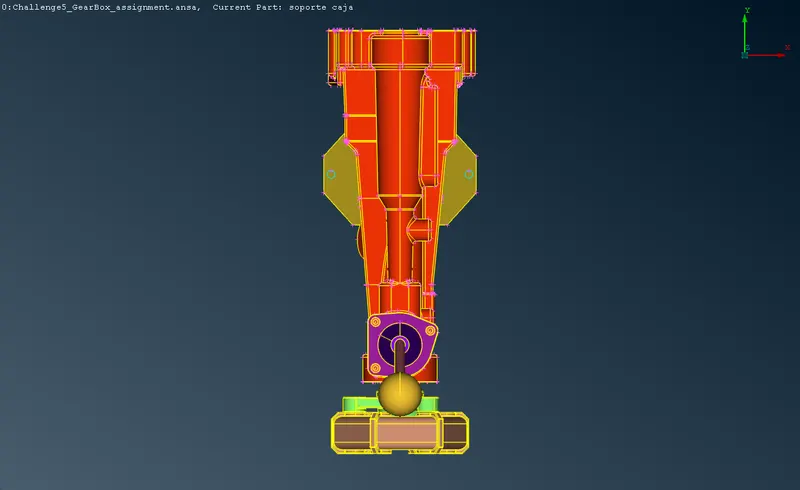
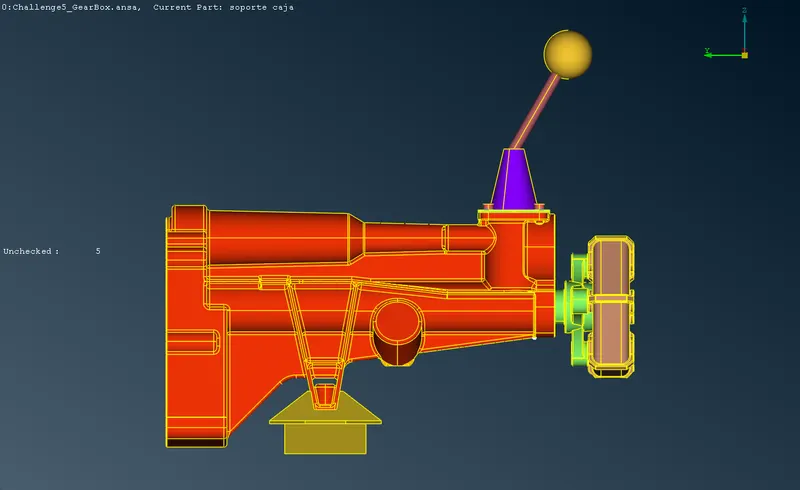
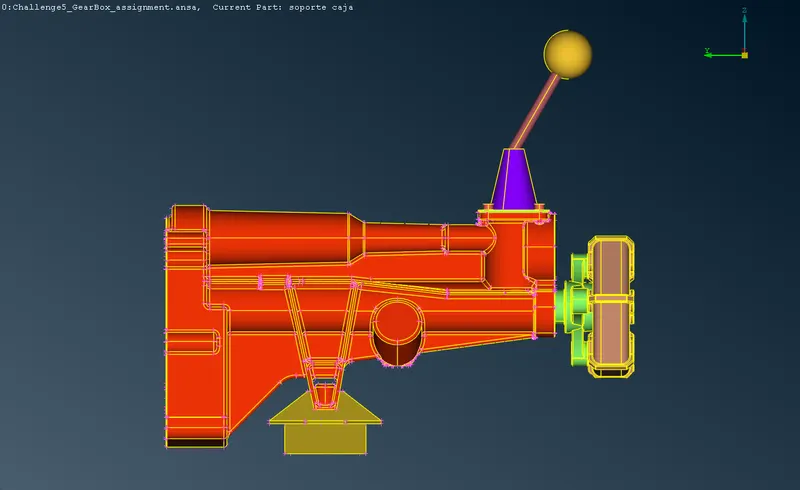
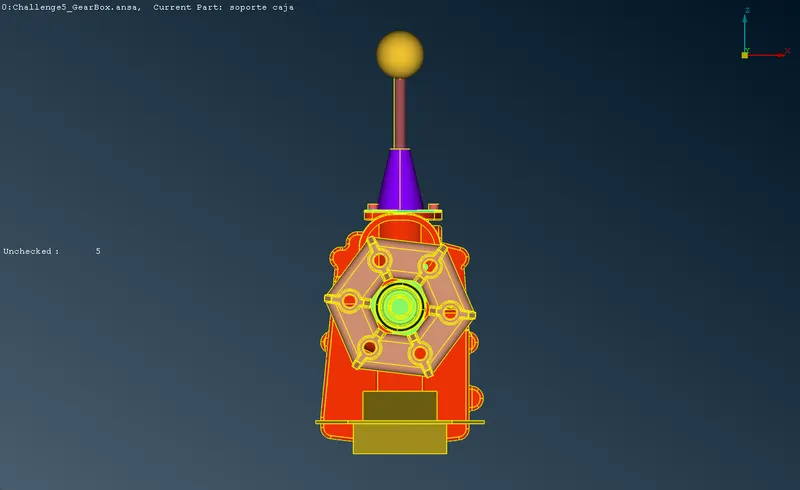
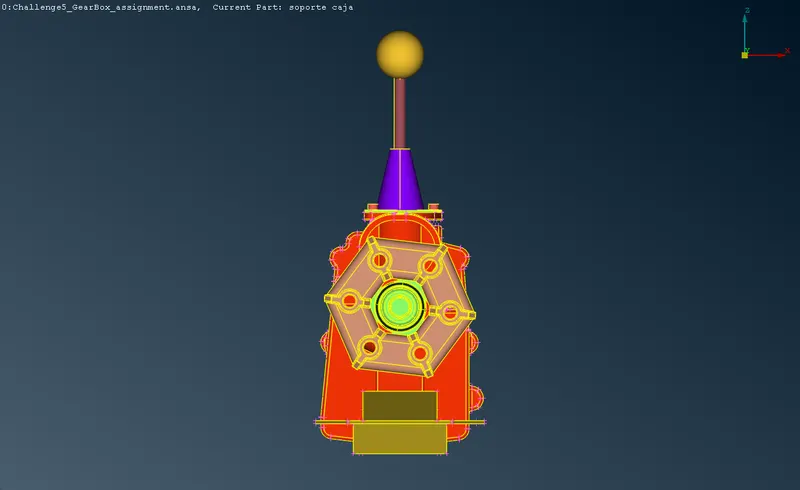
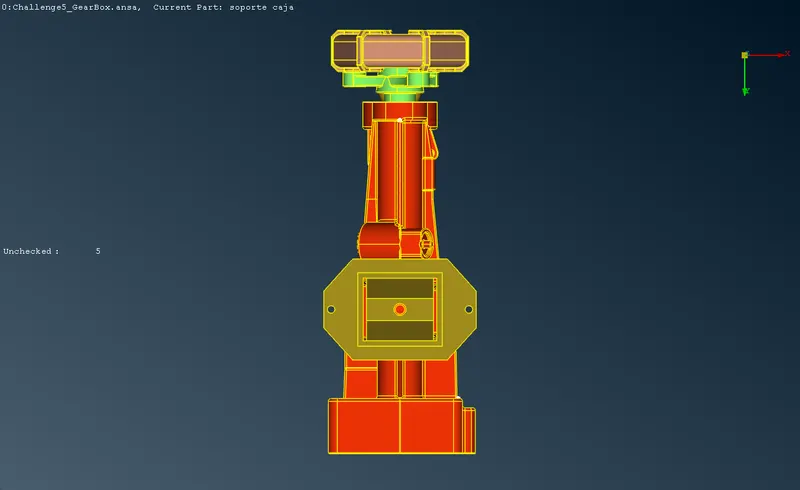
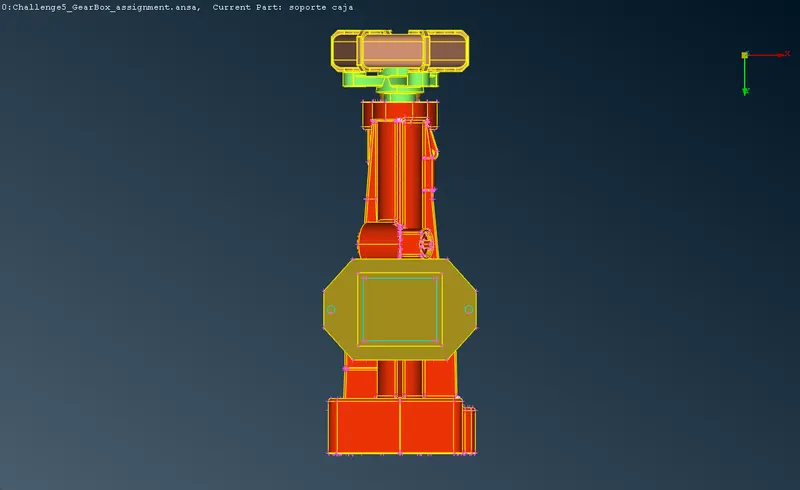
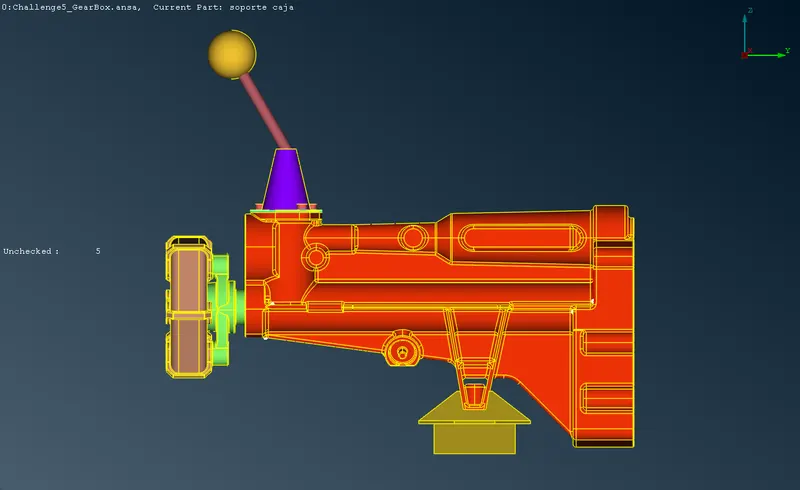
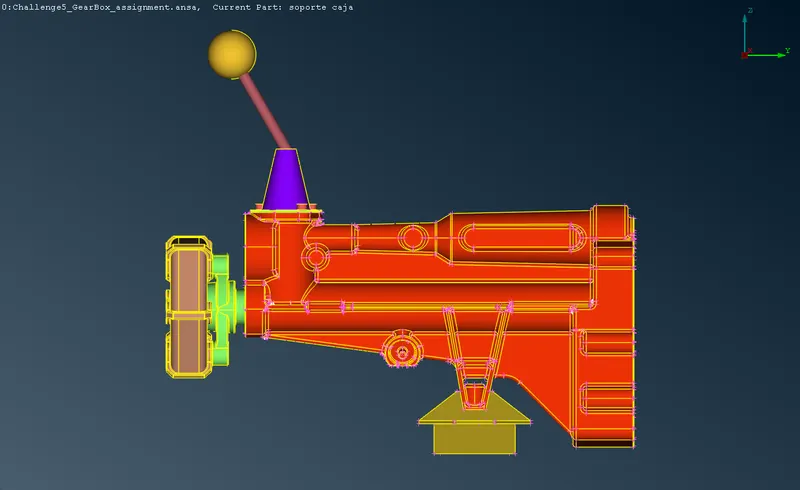
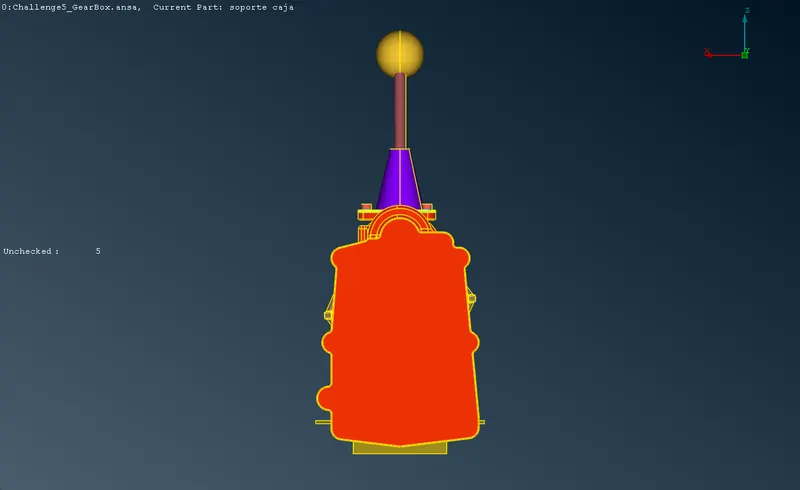
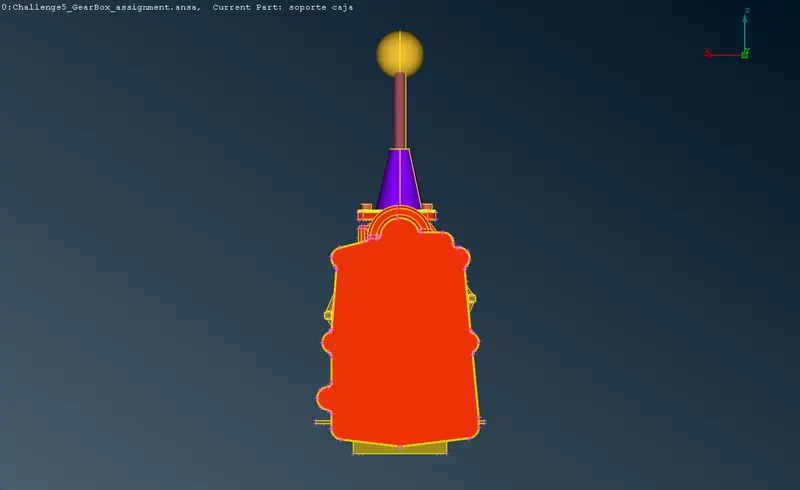
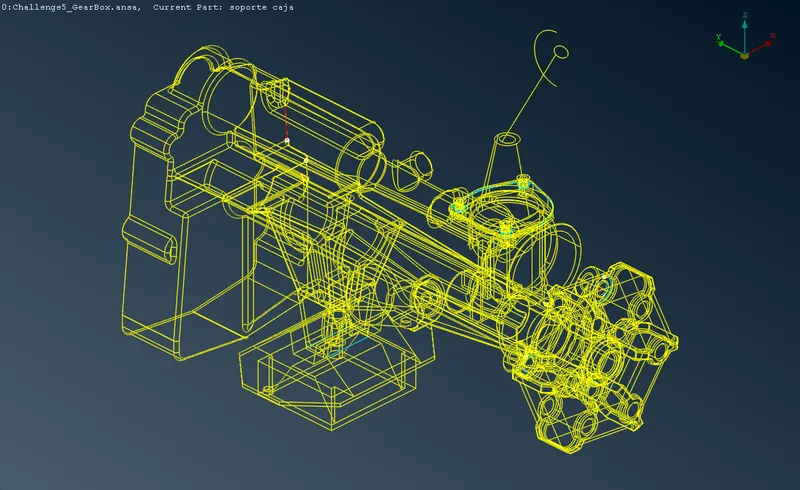
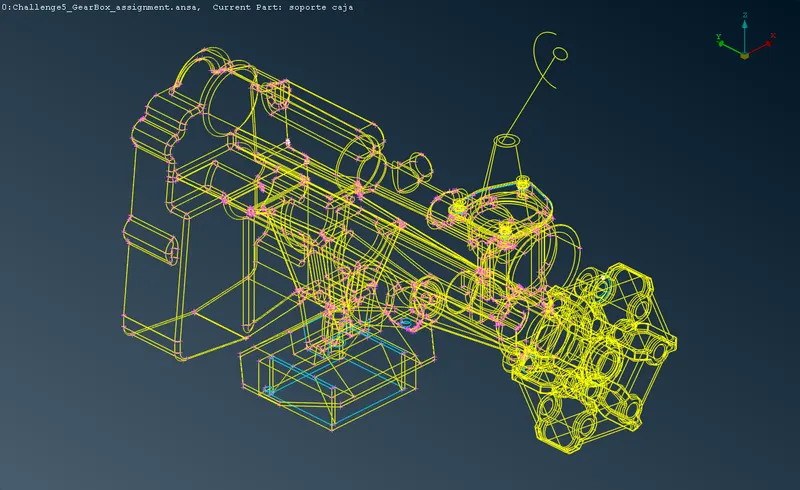
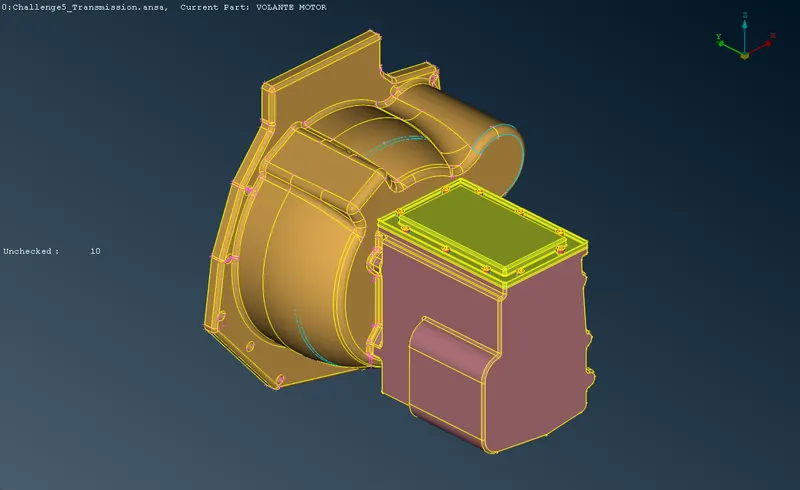
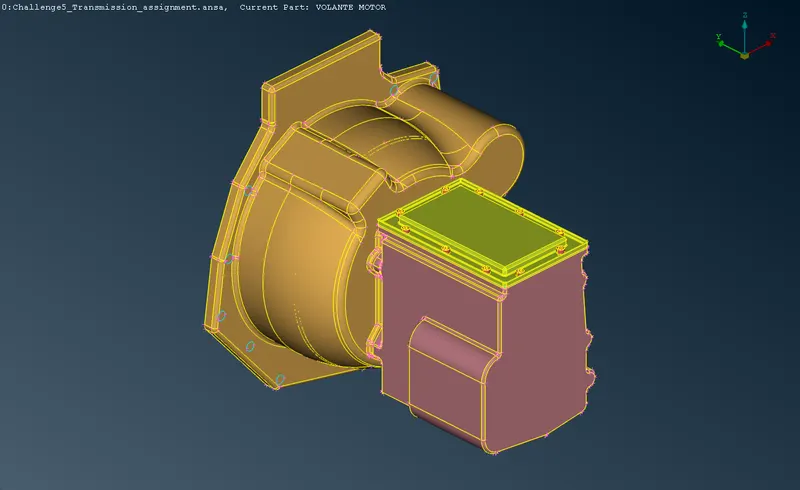
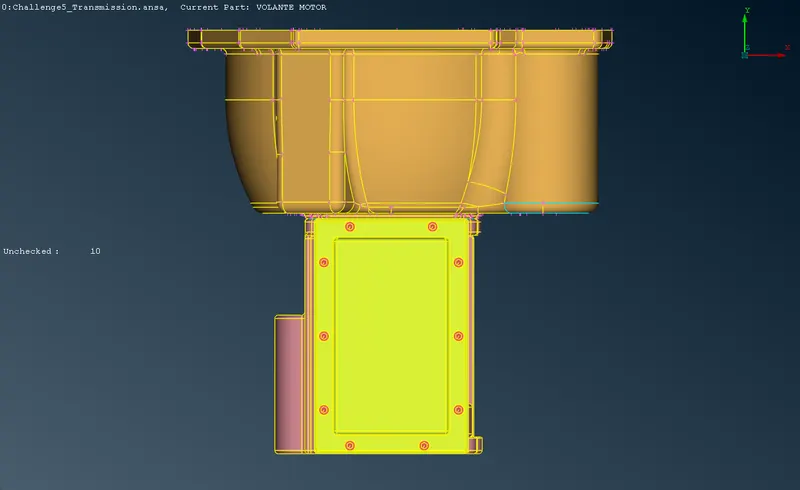
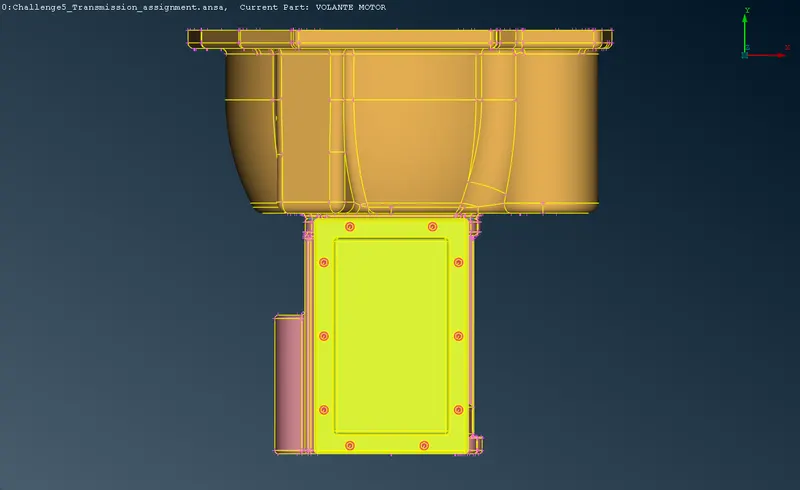
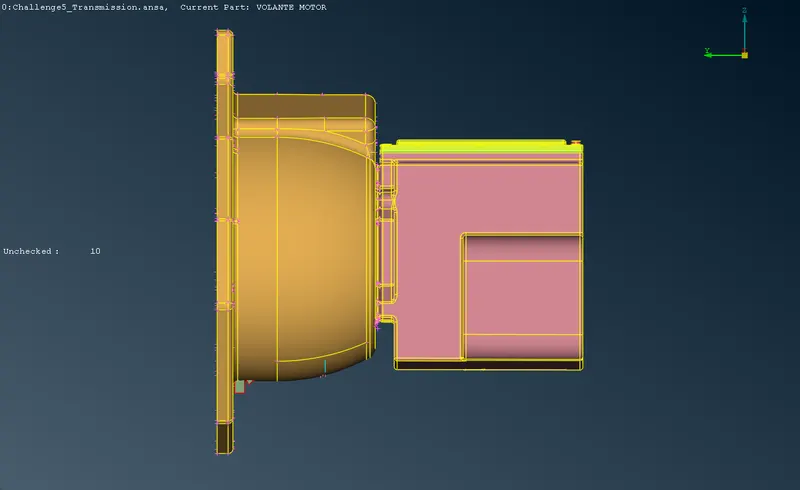
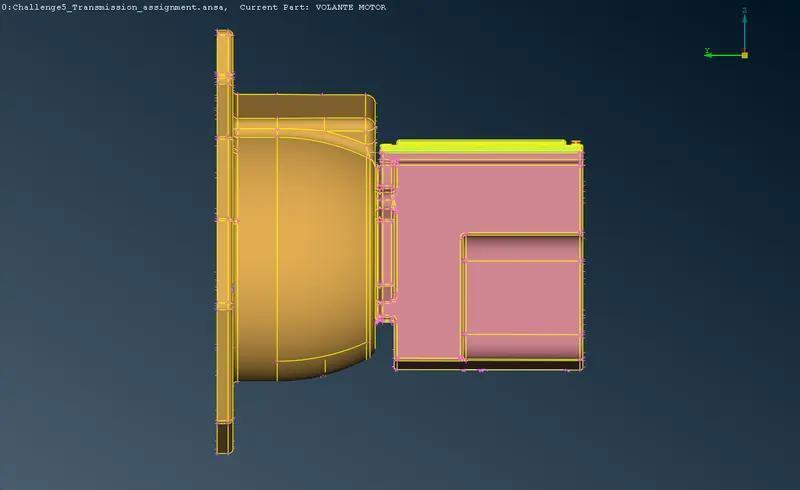
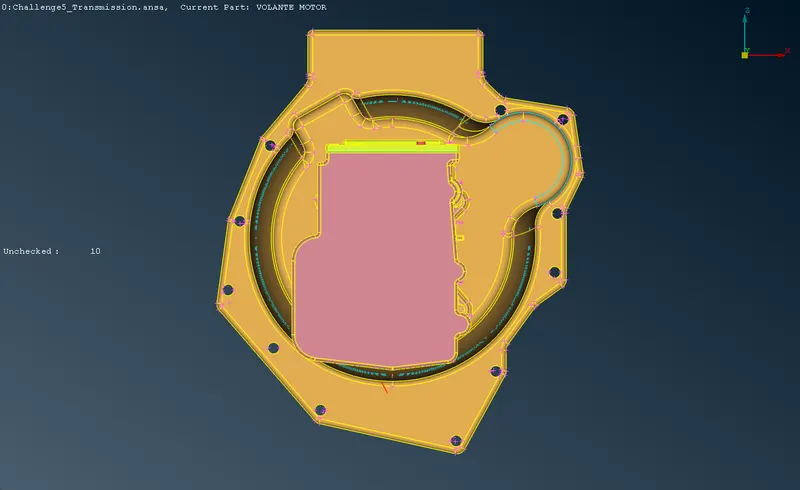
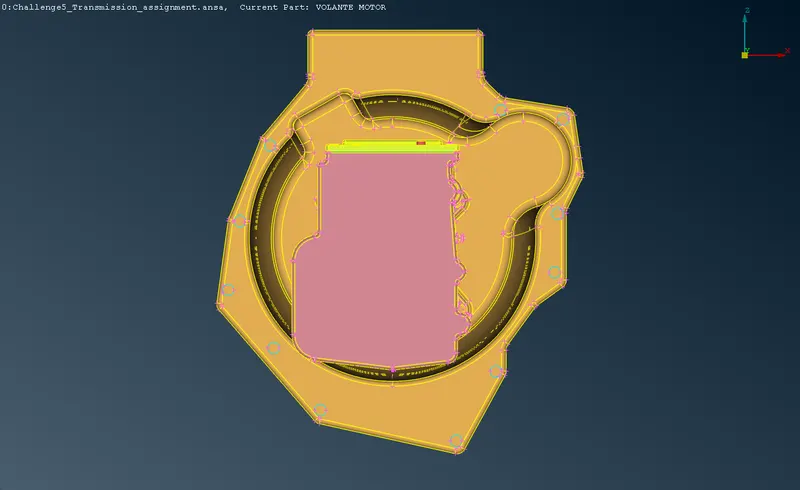
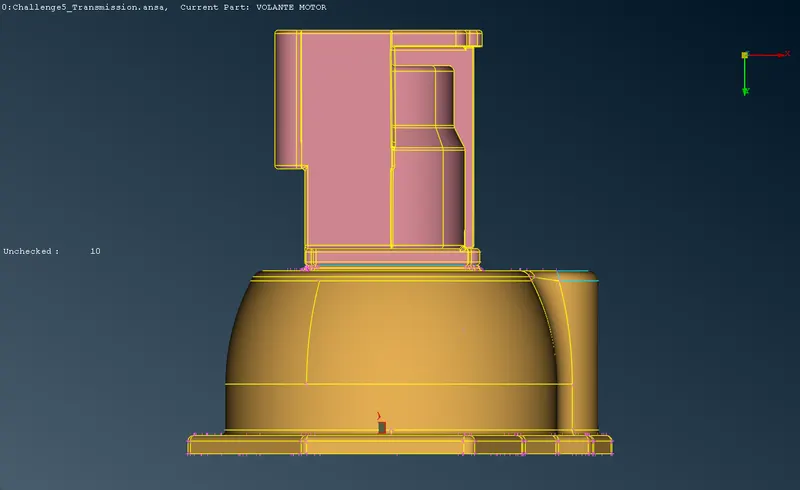
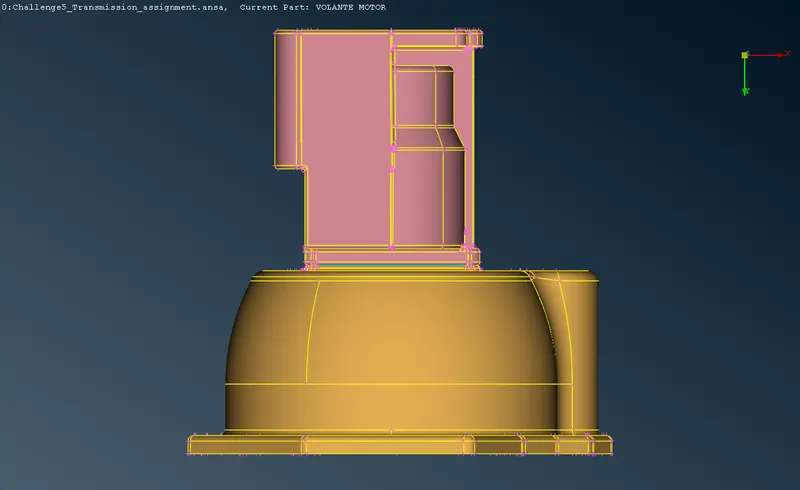
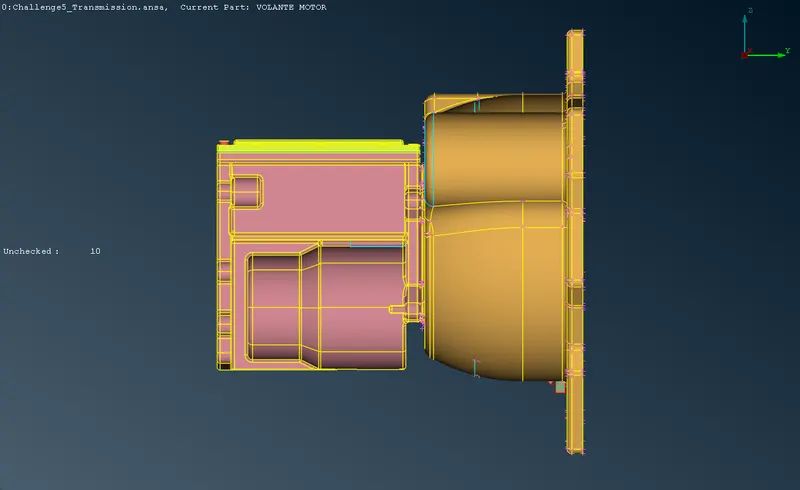
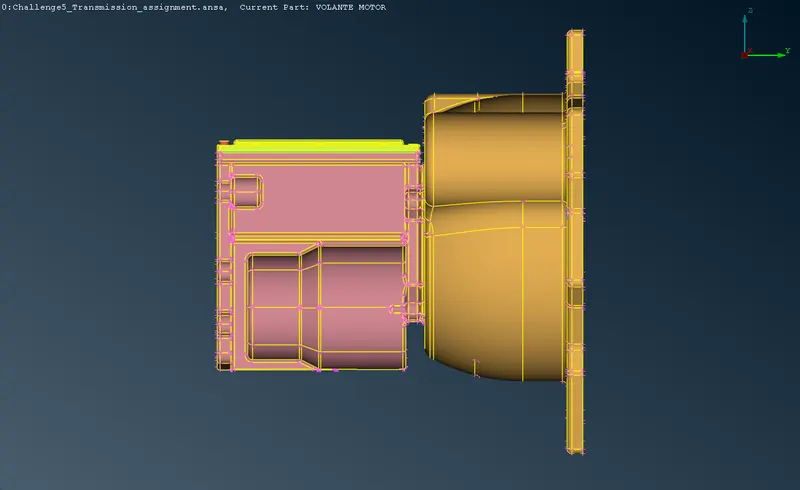
Unwanted entities and intersecting entities are removed in this step. It is also ensured that all the open surfaces are closed in order to achieve a single entire volume inside the wrap surface. All the single cons and triple cons are re-verified in order to achieve an error-free geometry for wrapping. The overlapping surfaces which are projected outside are rectified. The below table shows the optimization of the three models.
3.1.1 Engine topology cleanup
| Before optimization | After optimization |
 |
 |
 |
 |
 |
 |
 |
 |
 |
 |
 |
 |
 |
 |
 |
 |
3.1.2 Gearbox topology cleanup
| Before optimization | After optimization |
 |
 |
 |
 |
 |
 |
 |
 |
 |
 |
 |
 |
 |
 |
 |
 |
3.1.3 Transmission box topology cleanup
| Before optimization | After optimization |
 |
 |
 |
 |
 |
 |
 |
 |
 |
 |
 |
 |
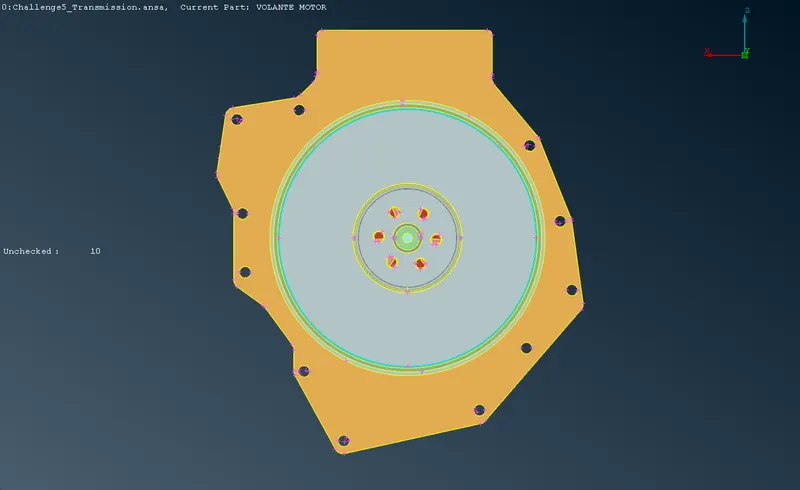 |
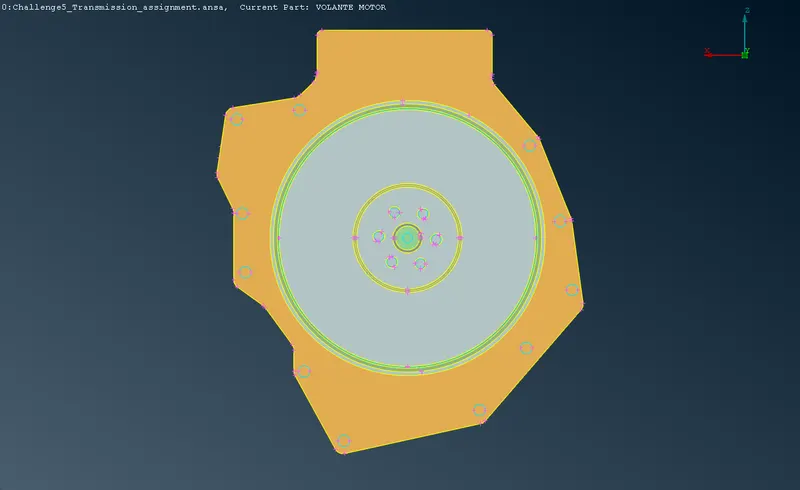 |
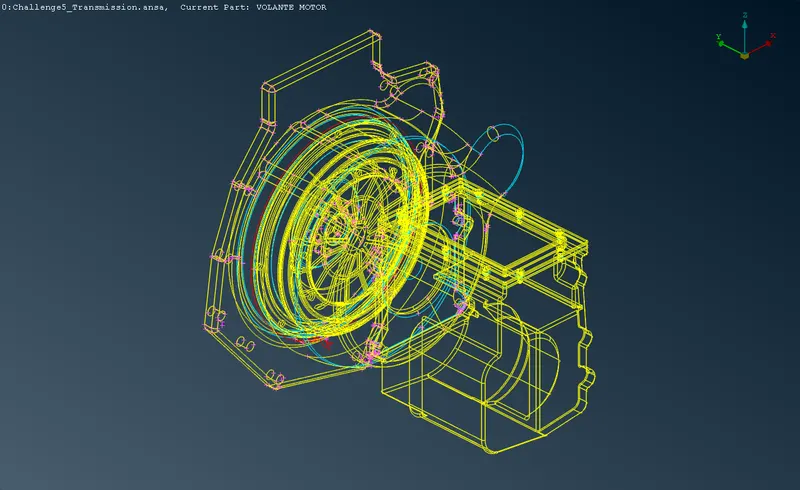 |
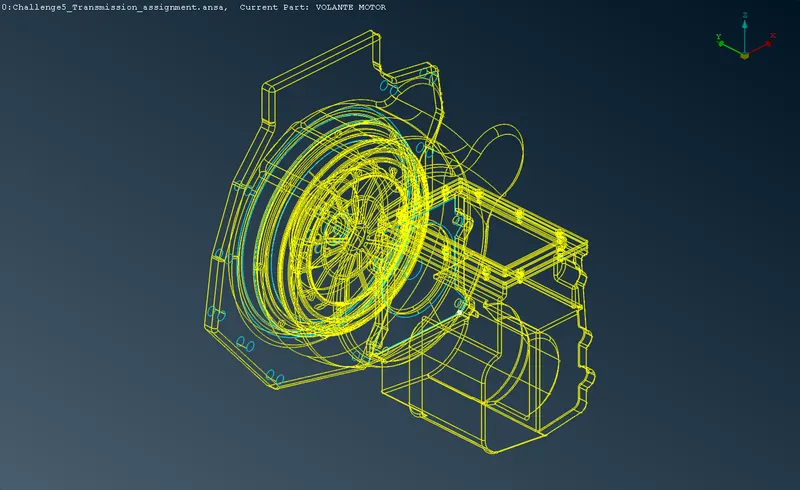 |
3.2 Merging assemblies
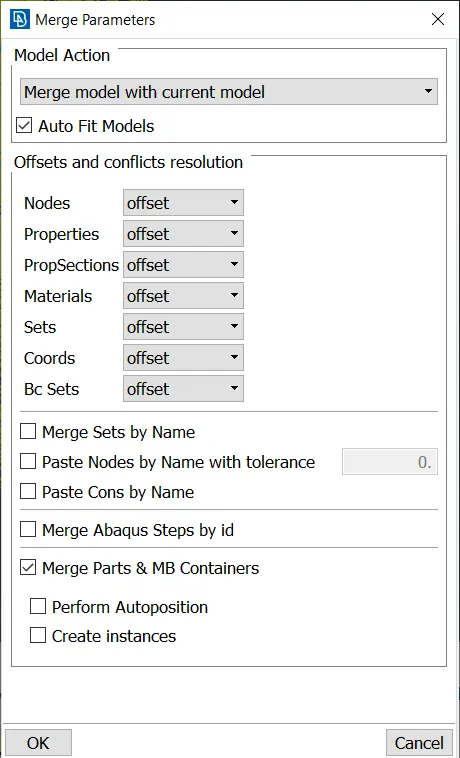
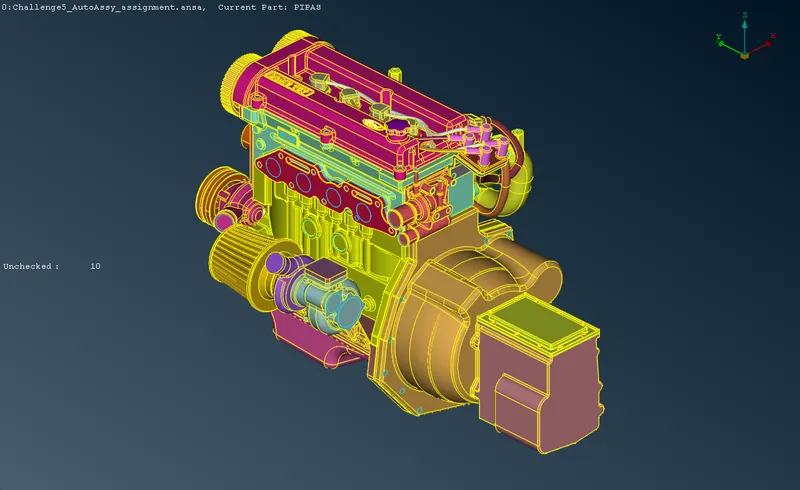
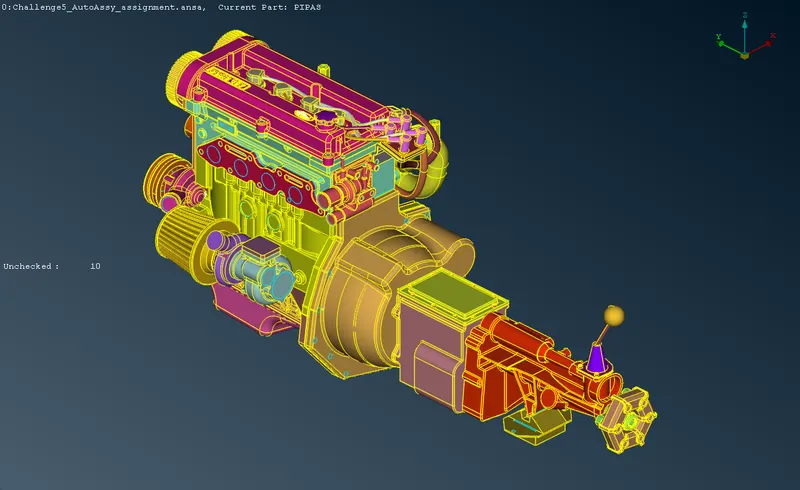
The three geometries are merged together to form a single geometry that can be used for wrapping. The visible open holes are covered with a surface to provide a closed surface for wrapping.
3.3 Assigning PIDs
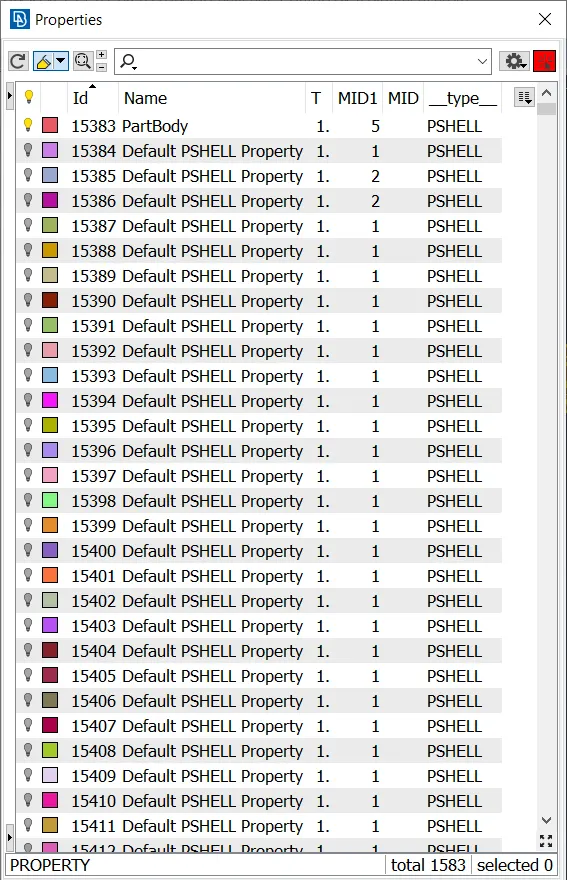
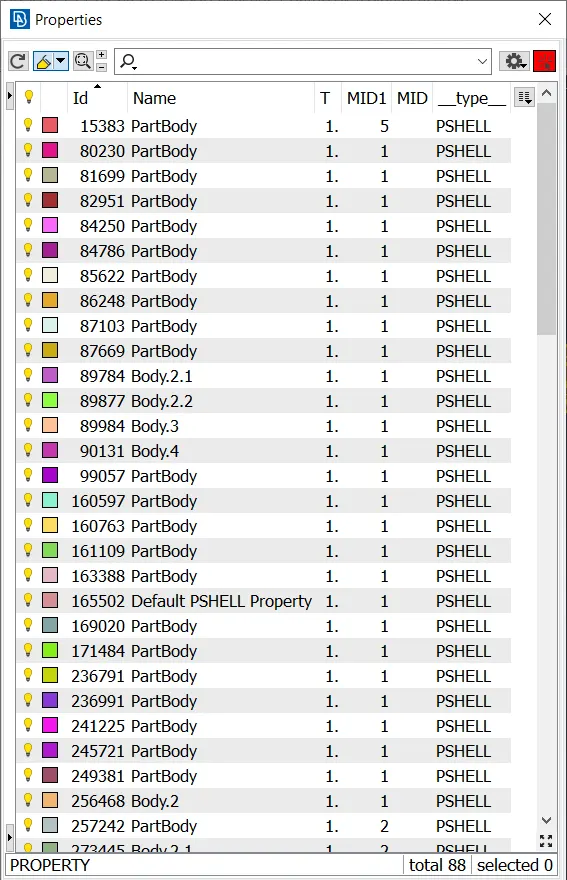
Initially it is observed that the entire model has 1583 PIDs, out of which most of the PIDs are empty geometries. Compress tool is used to delete the empty PIDs. After compressing there are only 88 PIDs left for wrapping. These 88 surfaces are the necessary surfaces for application.
3.4 Surface wrapping of the geometry
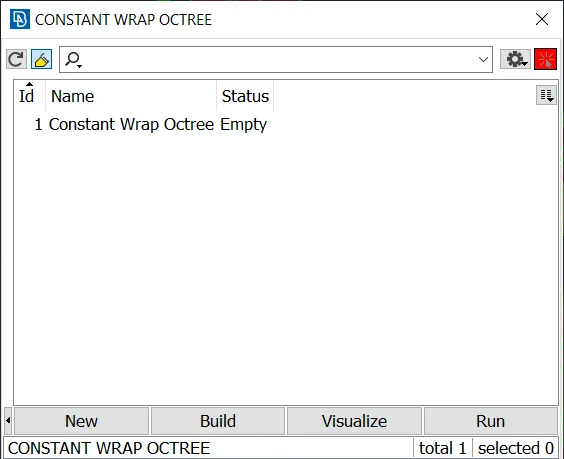
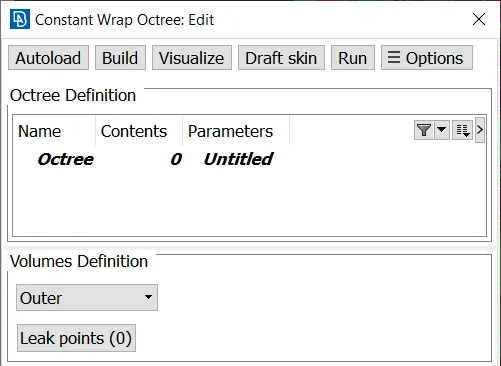
Wrap > Constant length tool in the Mesh deck is used to define a surface wrap entity. The volume definition is set to outer, which means the surface mesh.
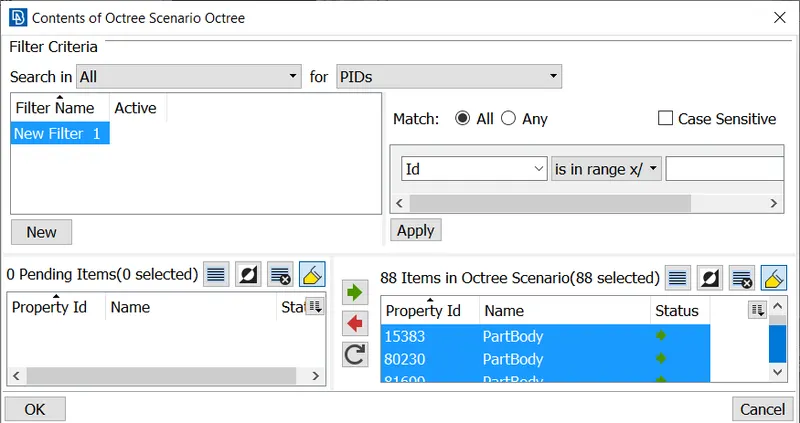
All the PIDs available are defined for the wrap entity. 88 PIDs are observed to be defined for the wrap.
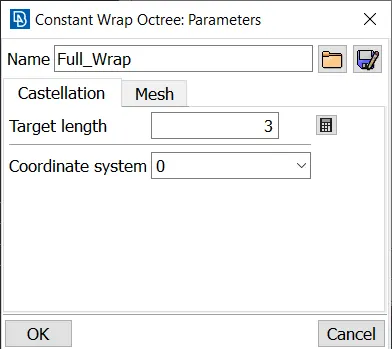
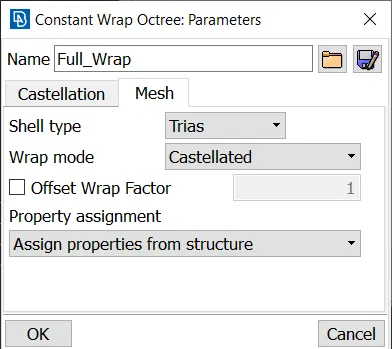
Target length of 3mm is defined with a name and tria elements. Wrap mode is analysed from Castelated, free, node on structure.
4 RESULTS:
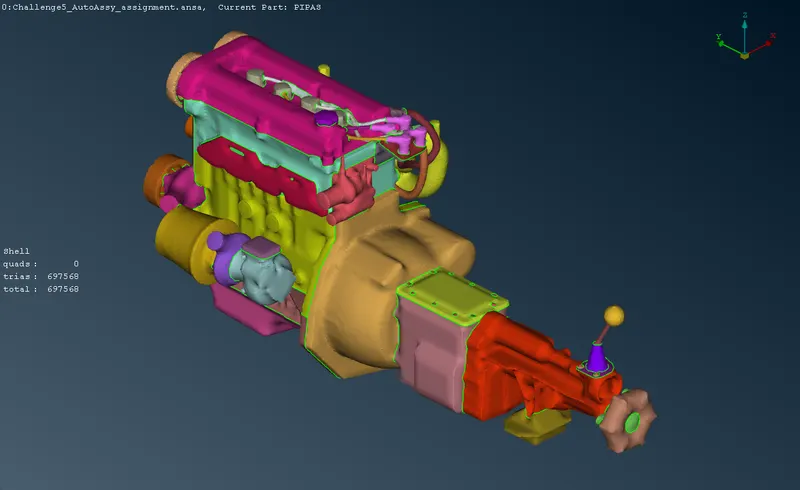
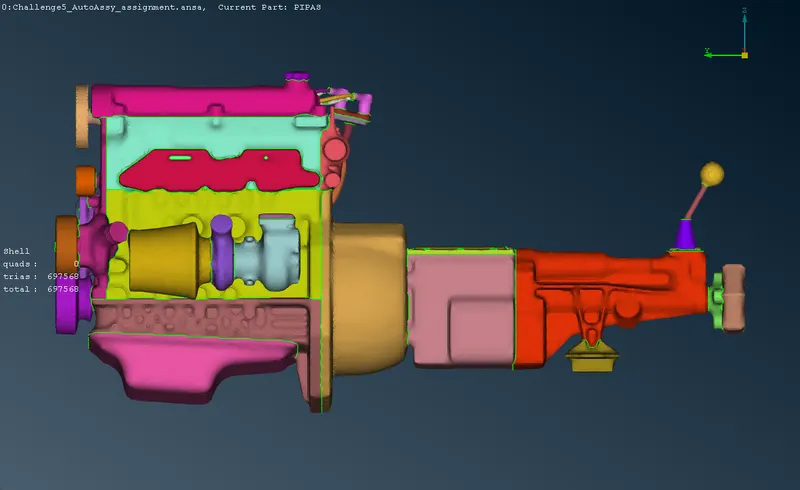
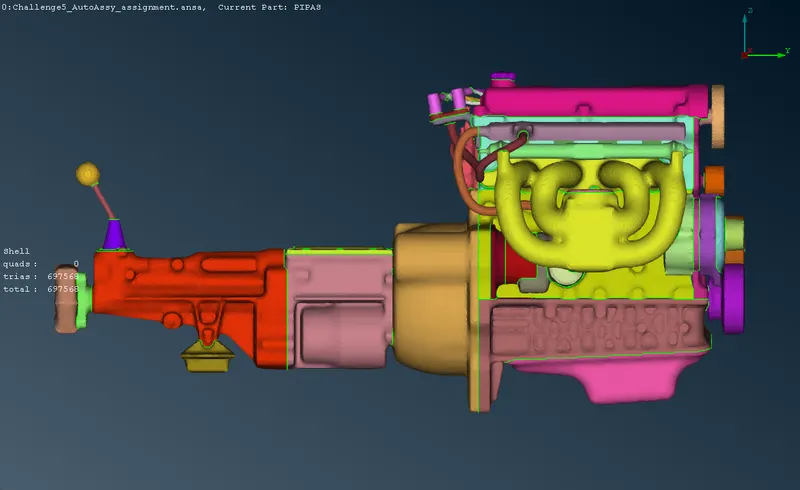
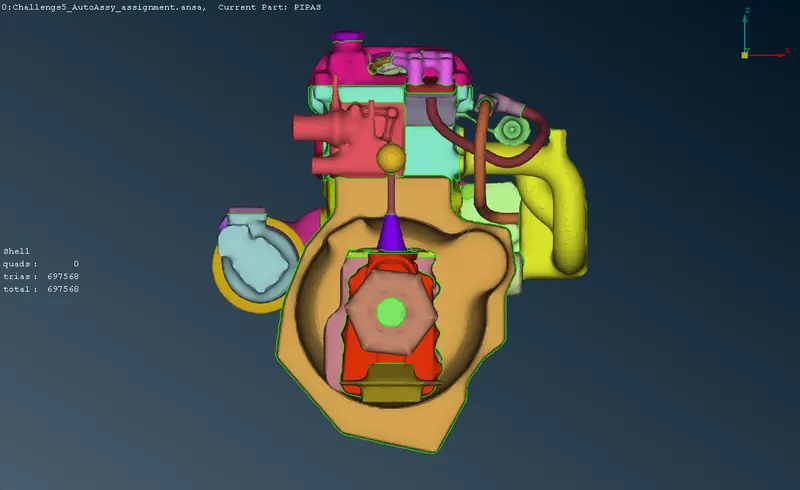
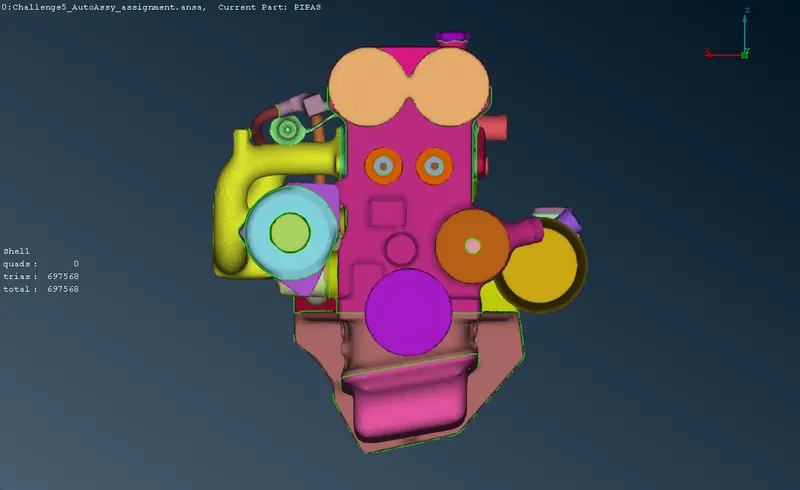
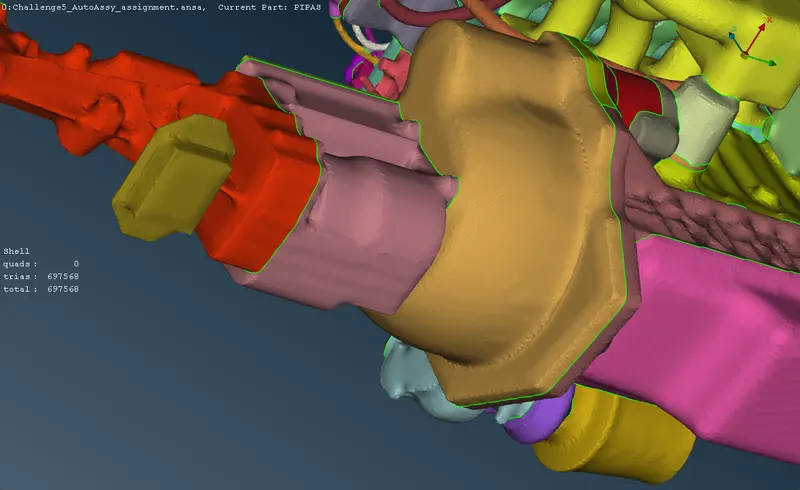
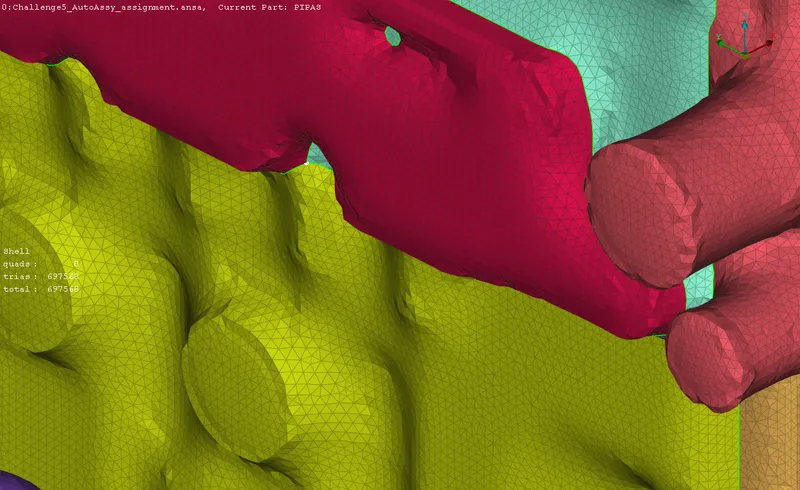
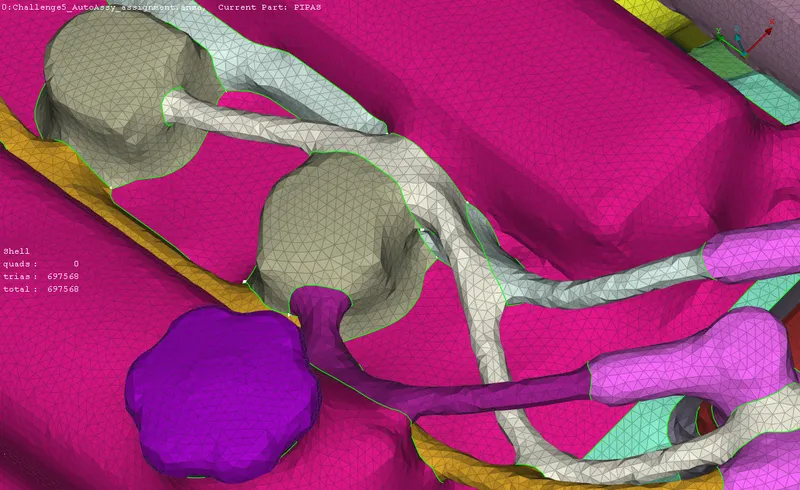
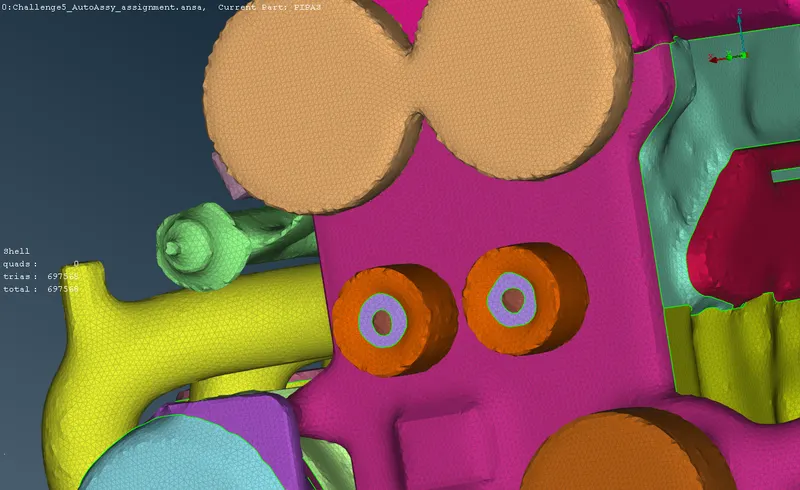
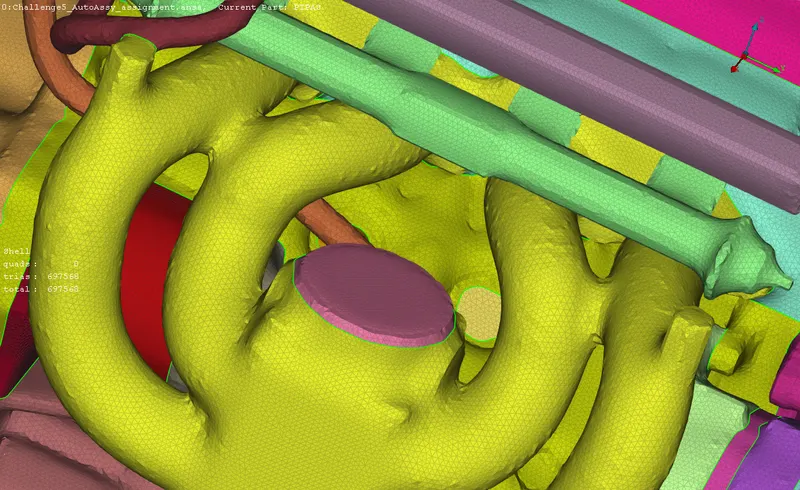
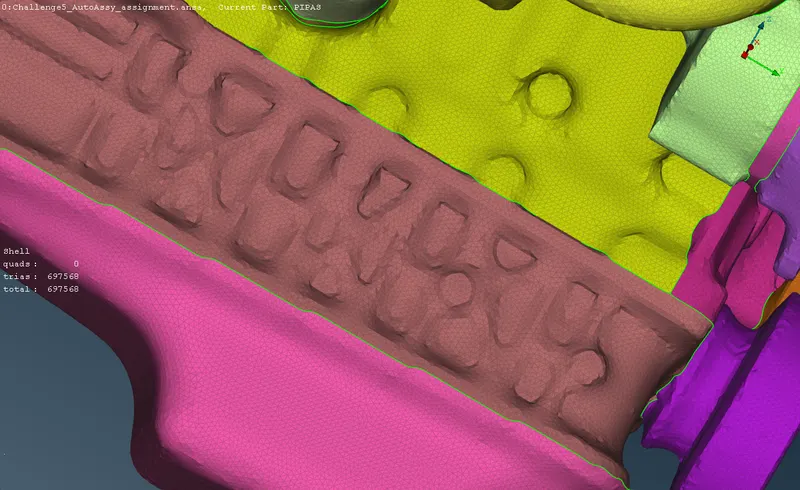
Illustrations depicting single-volume wrap:
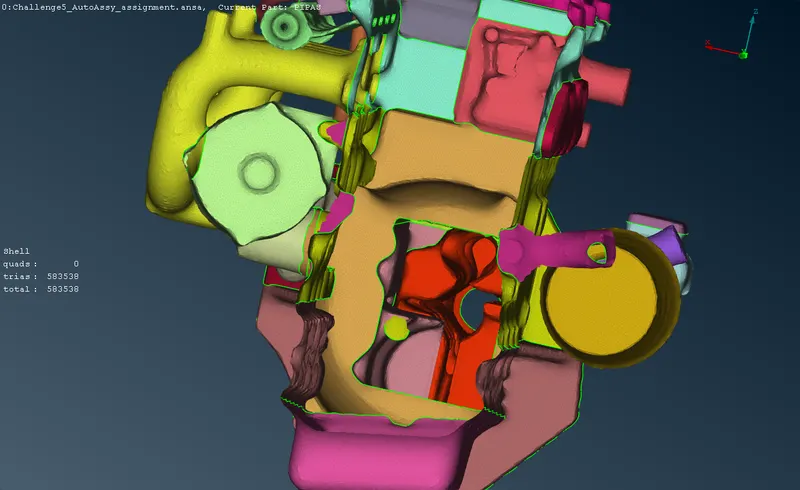
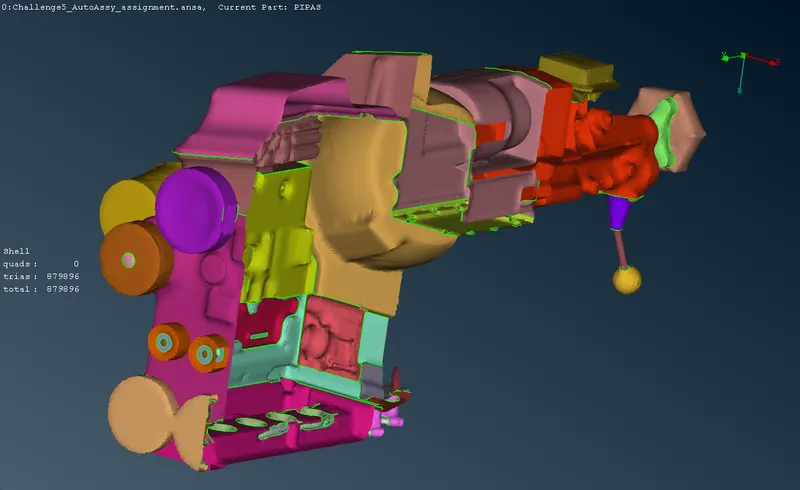
5 INFERENCE:
From the results, it is evident that the target length perfectly meshes the entities providing a surface wrap. The entities with dimension less than target length can be seen forming a flat layer of tria surfaces over it. While entities with dimensions higher than the target length can be seen with the same shape formation even in the surface wrap. More over the option of Node on structure is seemed to give a good result with the replicating geometry rather than the castellated and free type of wrap methods. The properties assigned with the similar PIDs method is depicted in the result, while the New property forming for a single volume is studied to be a convenient application for surface wrap, which results in a individual PID for the wrap cells.
In the second part of the result images, the surface wrap with a single volume can be seen. The mesh cells for the PIDs are embedded on the same PIDs as their entities, which can be seen from the visualisation of PID colors. As in all the meshes, the surface wrap also has a inbuilt min and max length of the cells, which is pre-defined by the program itself. It can be visualized by using the quality tools and visualization toggles. Reconstructing and smoothing of the mesh can also be done in required cases.
6 CONCLUSION:
Thus the surface wrap of an automotive assembly is done using the ANSA tool. Around 697528 trias are formed in the wrap successfully. The surface wrap has also been generated successfully as a single volume with all the PIDs. The merging of different models and generation of surface wrap in ANSA tool is completely explored in this study.
LINK TO THE ANSA FILE:
https://drive.google.com/file/d/10zuyHINe5M8FY2eCQSE6R3Uc0fCHKM3v/view?usp=sharing