Week 4:- Pin Unit Design Challenge
Biw Fixture Design-Pin Unit Design
Aim
To design two different types of Fixed Pin Unit and Retractable Pin Unit with different Pins, Riser, Blade, and Block design using Catia V5.
Pin Unit design
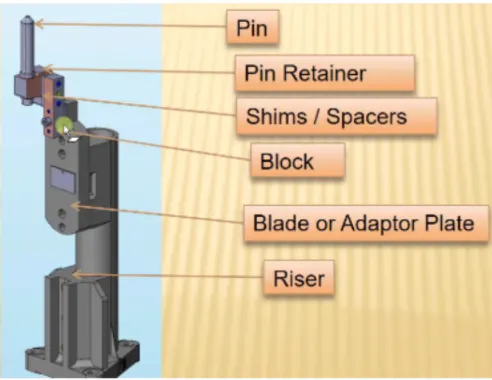
pin unit is a unit used to locate the car panel using pins(Cylindrical, Diamond etc). It consists of parts like riser, blade, block, shims or spacer, pin retainer and pin. The 3-2-1 principle is
used to completly arrest the Degree of freedom(DOF) of the panel. The pin unit is used to restrict the 6 degrees of freedom of the part and keep the panel in position while the welding
operation is carried out.
Fundametal requirement of pin unit design
- Generally two pins are required to locate a car panel. The first pin arrests 4 way(4 translational DOF) and second one arrests 2 way(rotational) DOF of a car panel.
- The axis of the car panel hole and the axis of the pin should be same.
- The pin tolerance for a geo pin is of tight tolerance of -0.15mm
- The pin tolerance for the re-spot pin is maintained at tolerance of -0.28mm.
Clearances for pin unit design
- Pin should engage 3 to 5 mm from car panel entry surface.
- All the pin unit parts must be atleast 10mm away from the panel.
- All pins should be accomodated with 2 way adjustable shims irrespective of direction of arresting.
- Round pins should be used in case of 4 way arresting of car part if the hole is round.
- Round pins can be used for 2 way arresting of car part only if the hole is slot.
- Diamond pins should be used in case of 2 way arresting of car part if hole is round
- Diamond pins should be used in case of 4 way arresting of car part if hole is slotted.
Types of pin unit
Fixed pin unit
In this type of unit the pin is fixed by means of pin retainer and riser. It can be adjusted only with the help of shims. The height of the pin unit cannot be changed.
Retractable pin unit
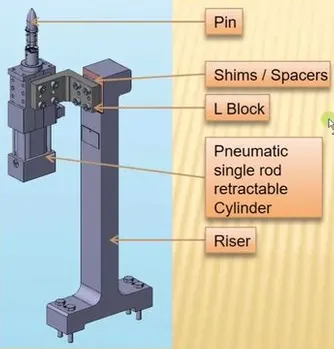
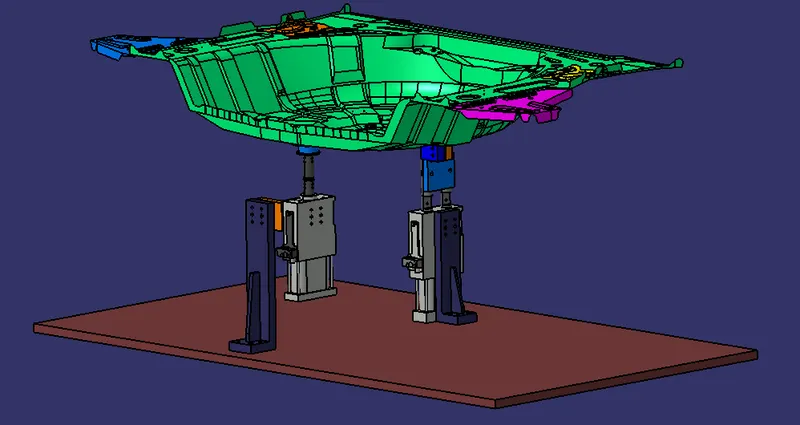
In this type of unit the movement of the pin is possible in the up-down direction with the help of retractable pneumatic cylinder. Generally the stroke of the cylinder is 40 to 60 mm.
Parts of a pin unit
Pin
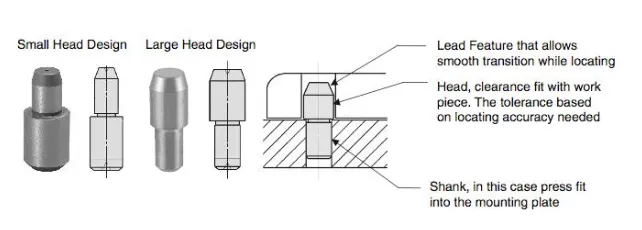
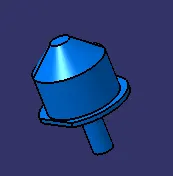
It is a cylindrical part used to locate the car panel. It can be a make part or standard part. Generally cylindrical pin or diamond pin is used.
Cylindrical Pin
Diamond Pin
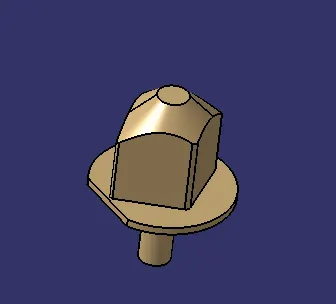
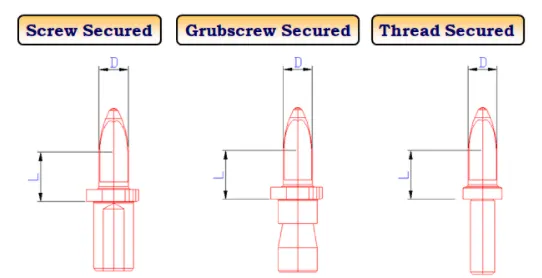
Design requirements for the pin
- Pin should be grinding surface on shaft with fits on to which the pin retainer will be fitted.
- The mounting surface of the pin should be a fine machined surface.
- The pin should have a step machine surface to lock the rotation, which matches with the pin retainer.
- All machined planes should be perpendicular to the axis of the pin shaft.
- Pin must have a provision like tapped hole from the bottom or a v-groove from the side.
- A pin must be hardened by doing suitable Heat treatment and finished with black oxide coating to reduce wear.
Pin Retainer
A pin retainer is a part which hold the pin in position, the pin retainer can either be a make part or a standard part.
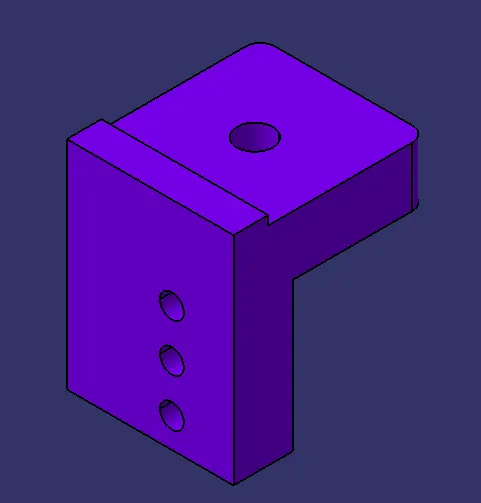
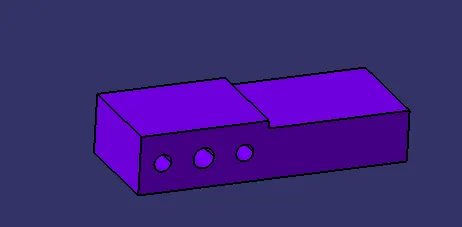
Design requirements
- Pin retainer should have a hole with a flat face, on to which the pin will be fixed.
- The pin mounting surface of the pin retainer should be a machined surface with close tolerance.
- The pin mounting surface of the pin retainer should have a step to prevent the undesirable movement of the pin.
- The pin retainer will be fixed to a block or a L block to the riser with 2 dowel holes (pins) & at least with one screw hole to maintain the tolerance.
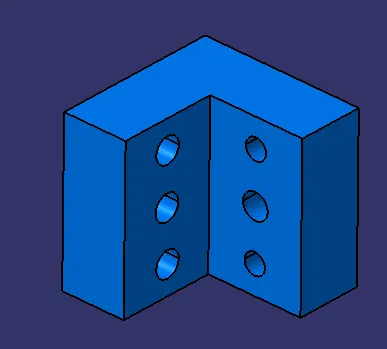
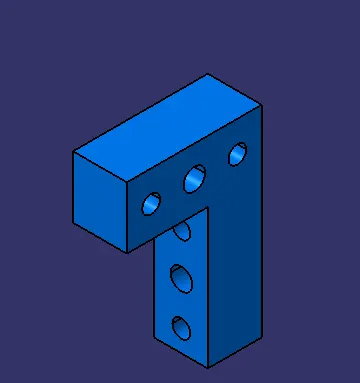
Block/L Block
These parts are mainly used to provide the shimming in the required directions and can be made in the required shape to make the design feasible.
Shims/Spacers
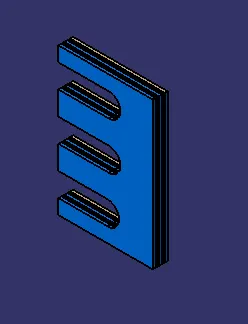
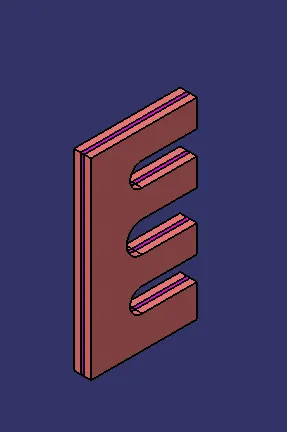
Shims or Spacers is used for adjustments of locators(NC Blocks & pin retainers) for desired values for the precise working of a unit with respect to car part. It is used to ajust the fixture if
there is any deviation in the design intent during the manufacturing. Mostly the standard shims are used.
Blade
Blade is plate like part, which connects the parts on the pin unit to the riser. The blade can be either a make part or a standard part based on the design feasibility.
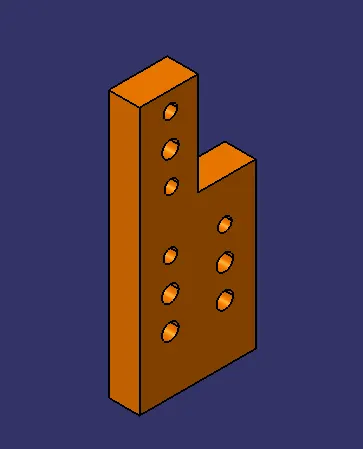
Riser
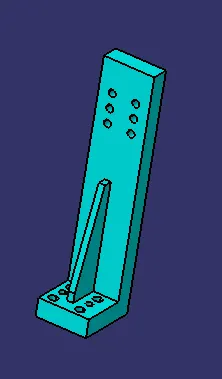
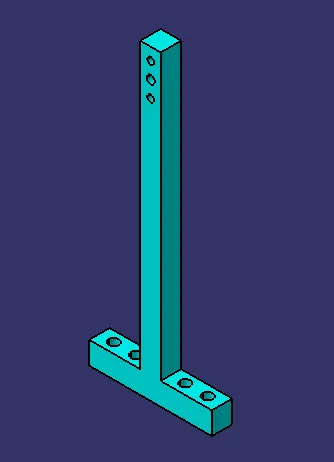
It is a part on which all the parts of a unit are mounted. The riser is mounted on the base plate of a tool. The riser can be custom made or standard one can be used.
L-Type Riser
T-type Riser
Dowel holes and machined surface:
All make parts which are to be assembled should be designed with 2 dowel holes and at least of 1 to 6 threaded/ free hole. The fine machining has to be done for the mounting surface
and 3 to 5 mm step machining for pin retainer.
Common Materials used for the fixture parts
- The commonly used materials for the BIW fixture parts like(pins, pin retainer, shims, blocks, risers, blade) are C45, EN31, SAE 8620 Steel, ASTM A-36 steel. SS type 303 or 304.
- The shims are generally made of material like SAE1010, Cold rolled steel, SAE1020 HRS etc.
- The riser and blade is mostly made up of material like the ASTM A-36 steel, Stainless steel (303 or 304).
Manufacturing parameters
Hardness
The hardness of the materials for pins, pin retainers, shims, shim block, blades & risers is maintained around 55- 60 HRC / 58 - 62 HRC to a depth of 0.5 - 0.7 mm. The
hardening is done to increase the strength and wear resistance of the parts.
Surface Finish
The surface finishing techniques like the Chrome plating. Zinc coating, is done For the Pin retainer surface finishing techniques like the Black oxide finish, surface should be flat
within 0.015 T. I.R.
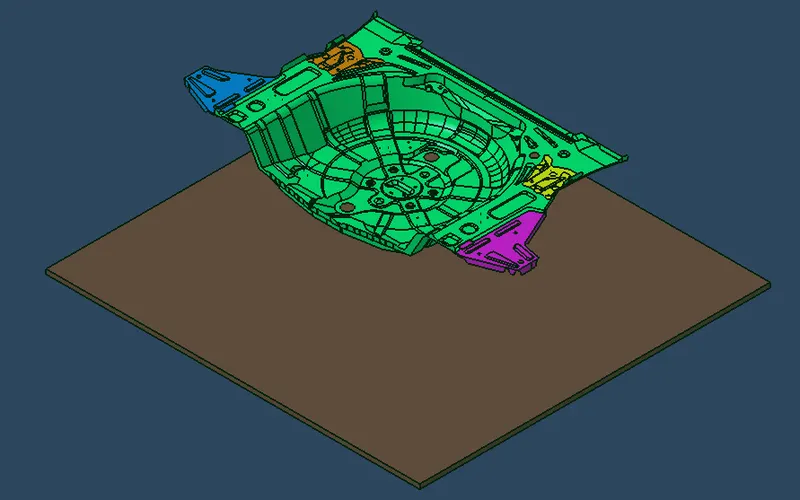
Input Panel
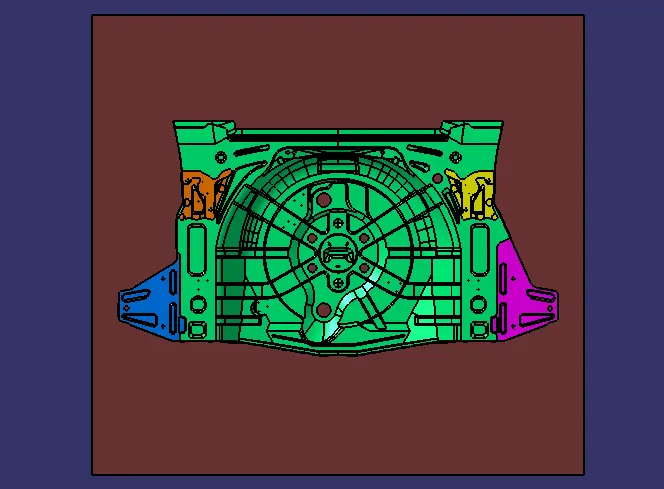
Fixed pin unit-1
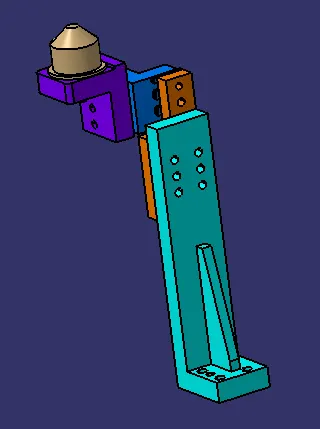
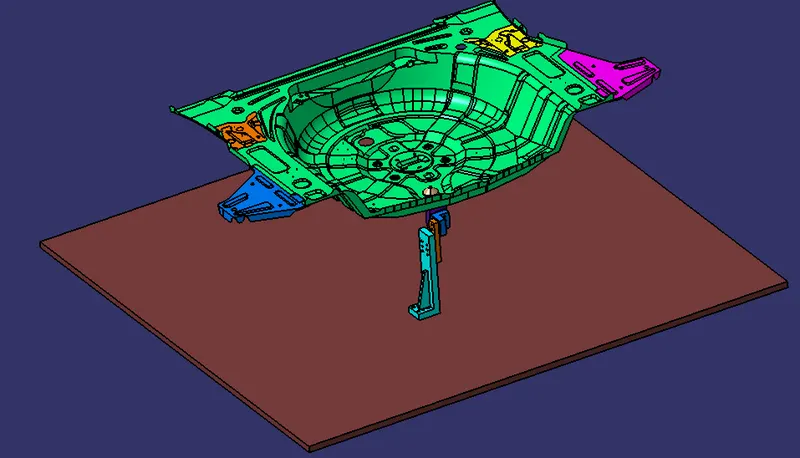
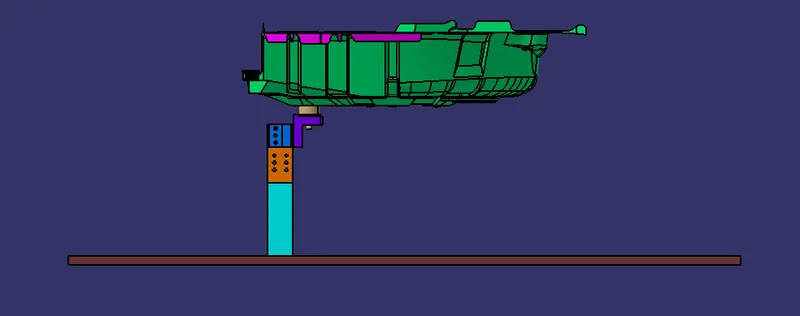
Fixed pin unit-2
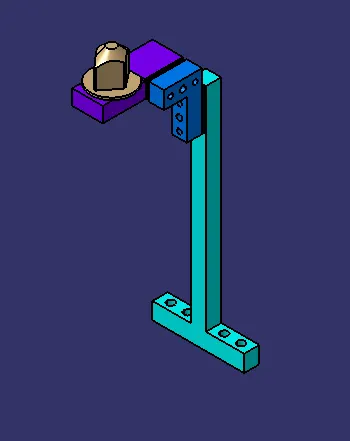
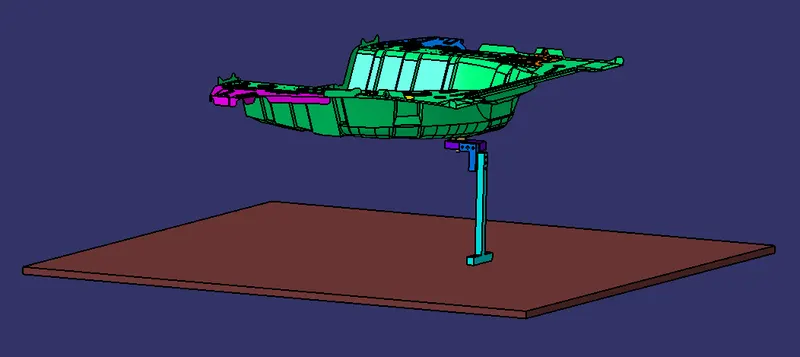
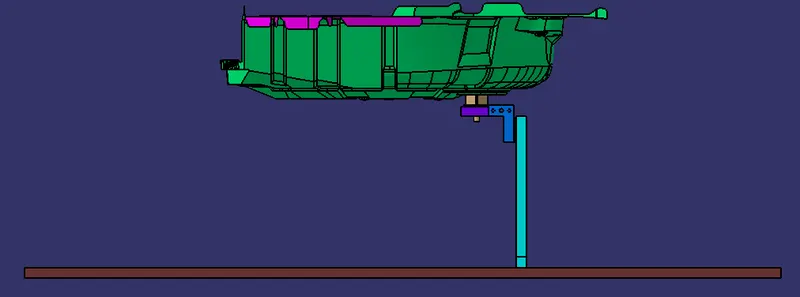
Fixed Pin unit Assembly
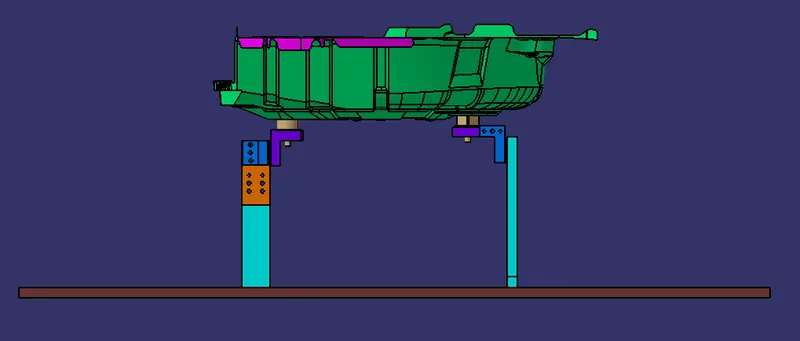
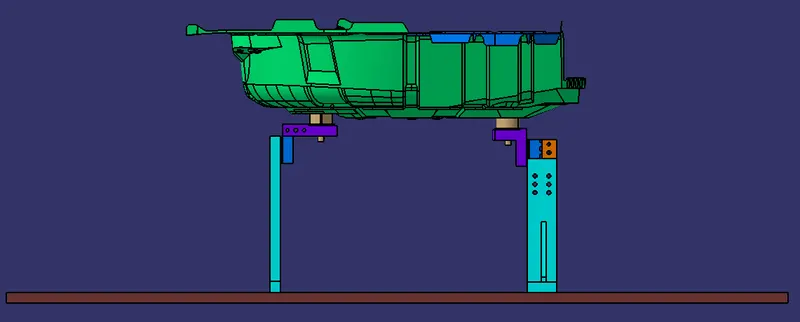
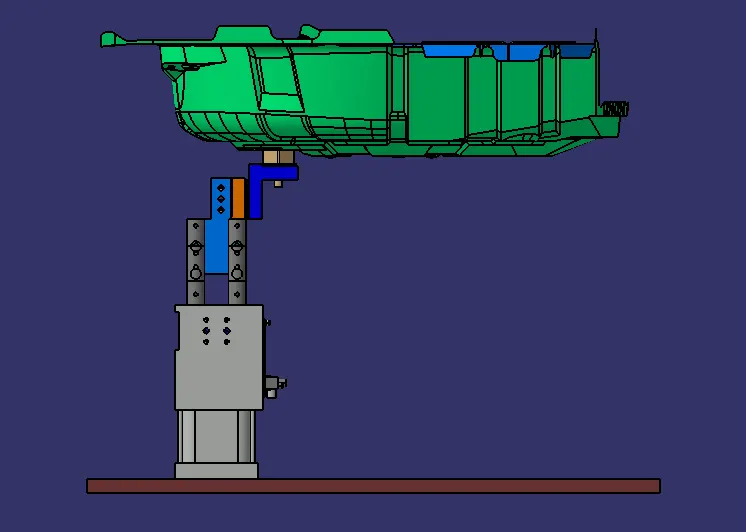
Retractable pin unit-1
Pneumatic single rod retractable cylinder
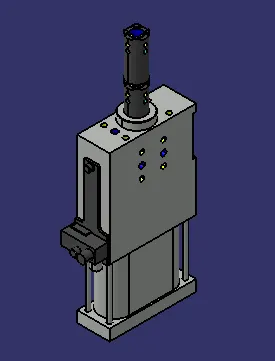
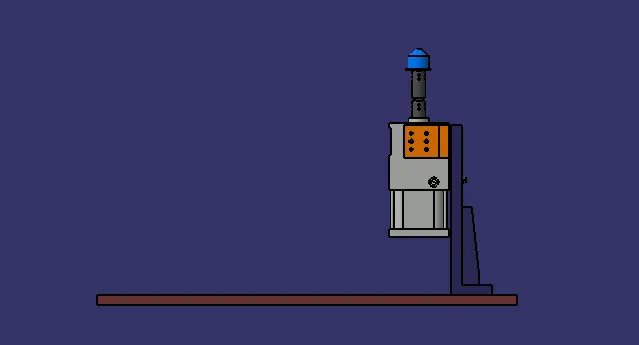
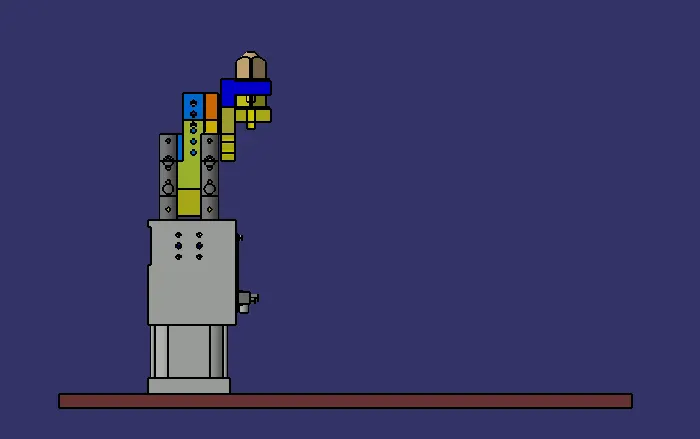
Closed position is highlighted in yellow color
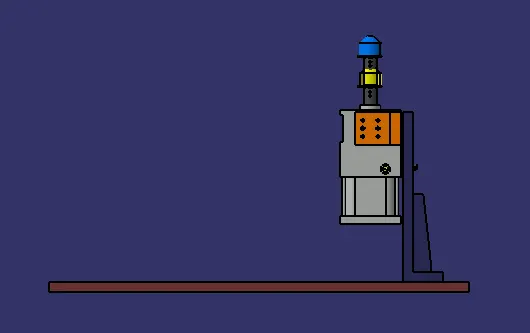
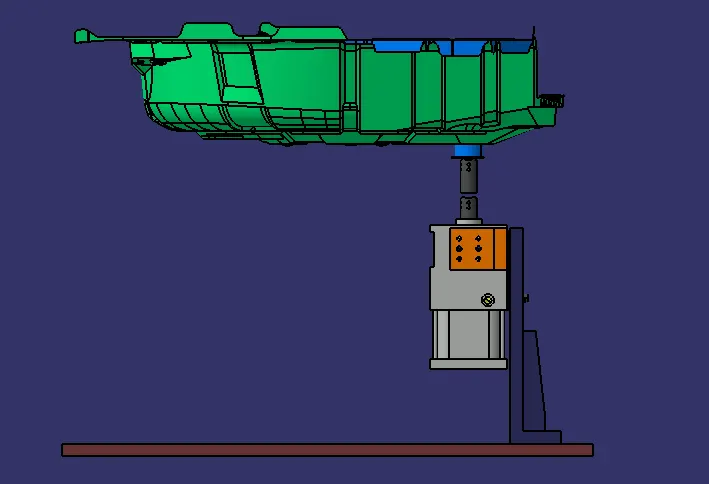
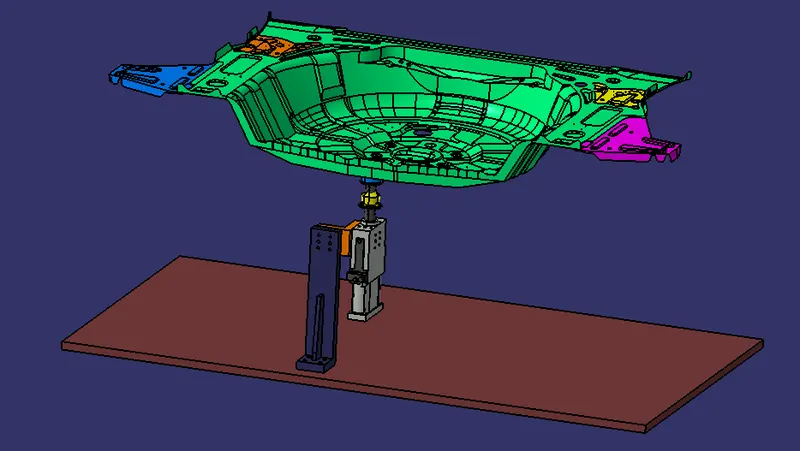
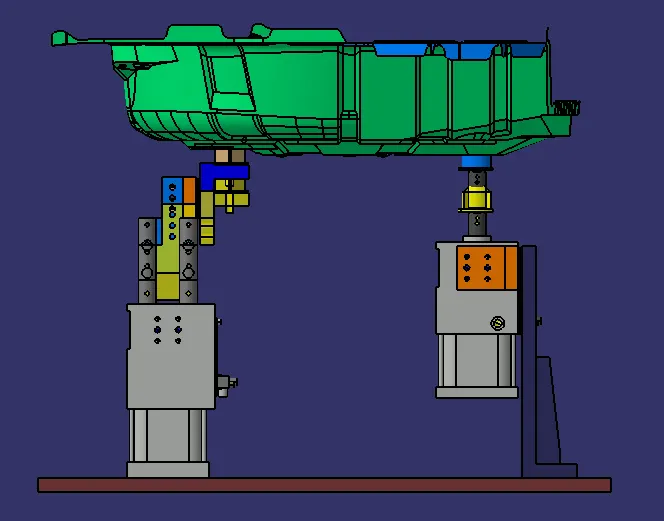
Retractable pin unit-2
Pnuematic dual rod retractable cylinder
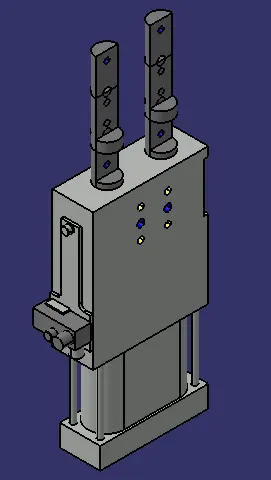
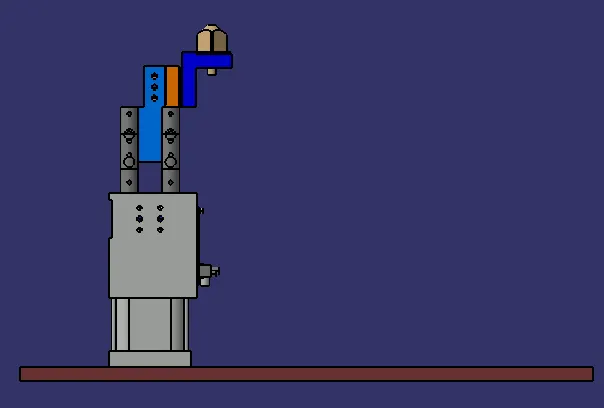
Closed position is highlighted in yellow color
Retractable Pin unit assembly
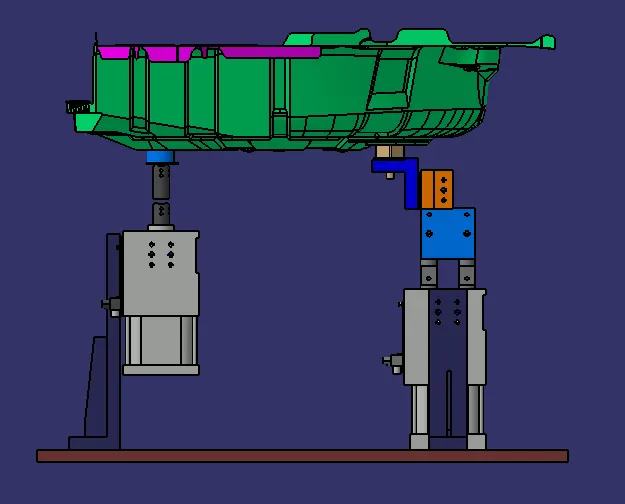
Conclusion
Thus the design of two different types of Fixed Pin Unit and Retractable Pin Unit with different Pins, Riser, Blade, and Block design is designed using Catia V5.