Week 4 - CHT Analysis on Exhaust port
CHT Analysis
The Conjugate Heat Transfer (CHT) analysis type allows for the simulation of heat transfer between solid and fluid domains by exchanging thermal energy at the interfaces between them. Typical applications of this analysis type exist as, but are not limited to, the simulation of heat exchangers, cooling of electronic equipment, and general-purpose cooling and heating systems.
The analysis type Conjugate heat transfer (CHT) allows the simulation of the heat transfer between Solid and Fluid domains by exchanging thermal energy at the interfaces between them. In solids, conduction often dominates whereas, in fluids, convection usually dominates. Conjugate heat transfer is observed in many situations. For example, heat sinks are optimized to combine heat transfer by conduction in the heat sink with the convection in the surrounding fluid. Other examples include simulation of heat exchangers, and general-purpose cooling and heating systems.
Some Application: Heat flux rate analysis-calculation ,Identification of localized 'hot spots' or heat sinks,Temperature distribution analysis and so on
Geometry:
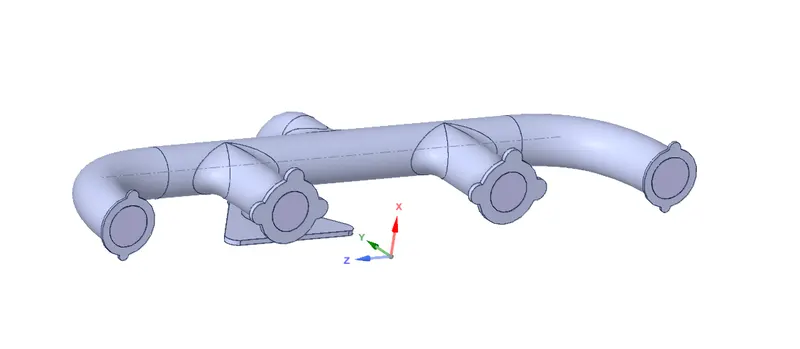
- By uploading the geometry into space claim , change the units into meters and delete the extra edges in the file otherwise we wont be able to extract it.
- After doing that select all inlet ,outlet of the exhaust for volume extract
- Then make solid volume and liquid volume into one component and in share topology change it into 'share'

- Then workbench >> share , inorder to see the information in interface where shared
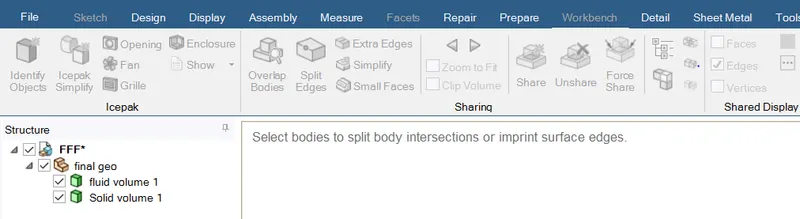
Meshing
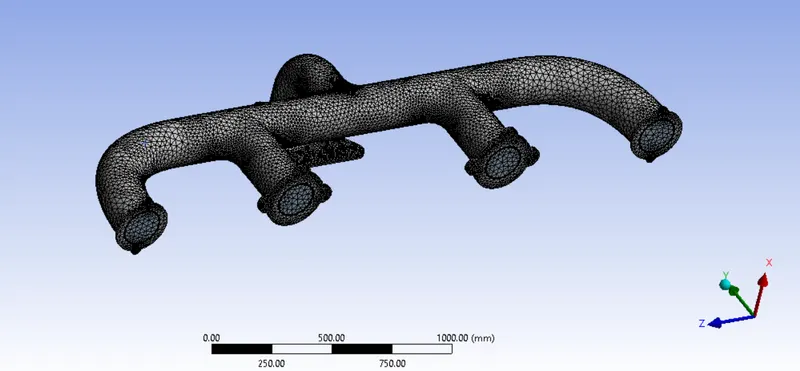
General mesh :
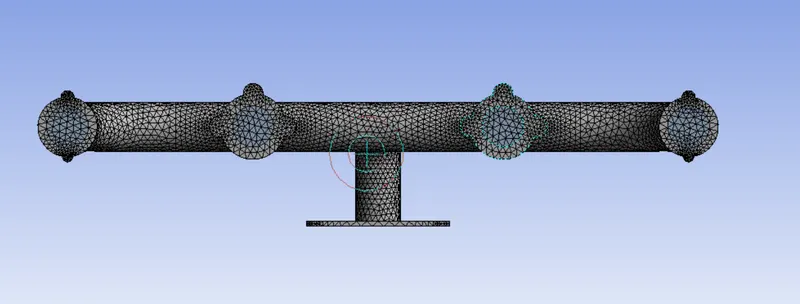
for refining mesh we add inflation layers and sizing of following conditions:
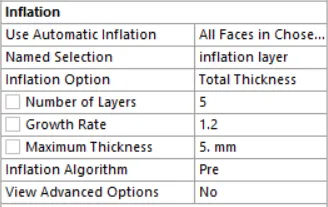
final mesh turns out to be :(Refines one)
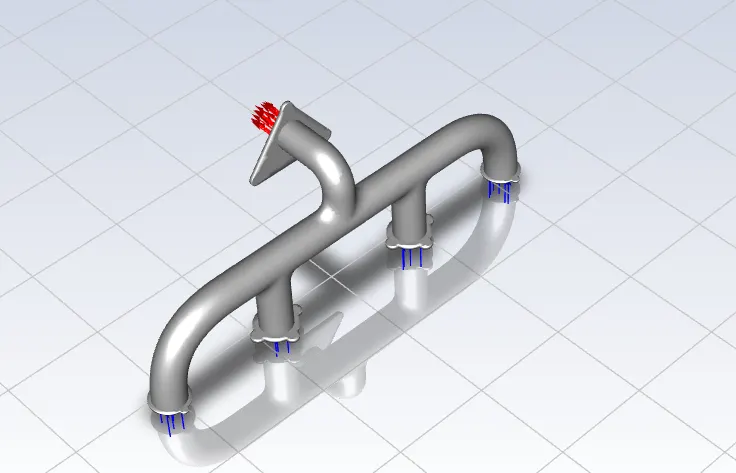
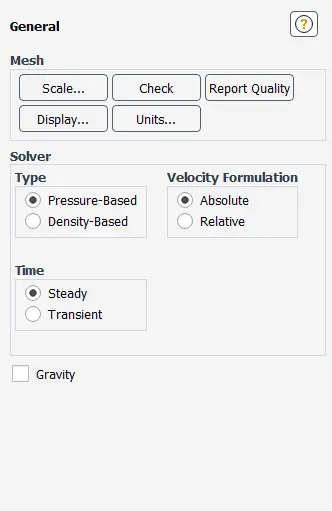
Setup:
Simple Mesh:
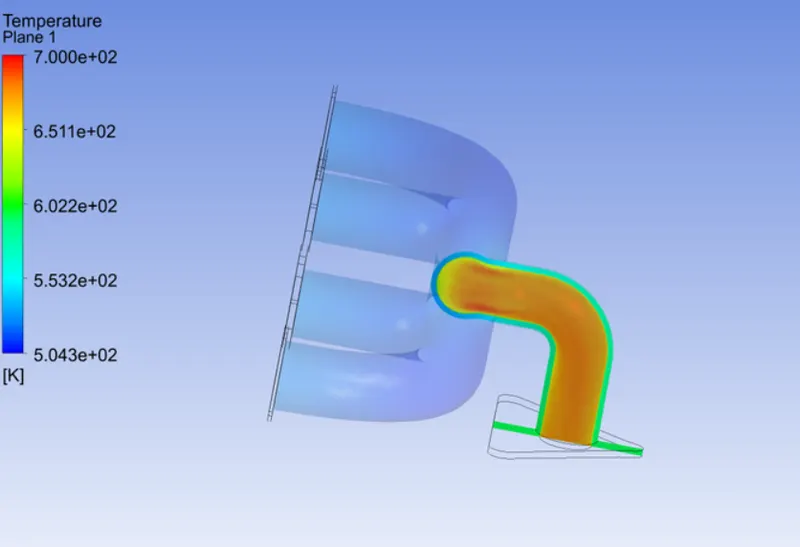
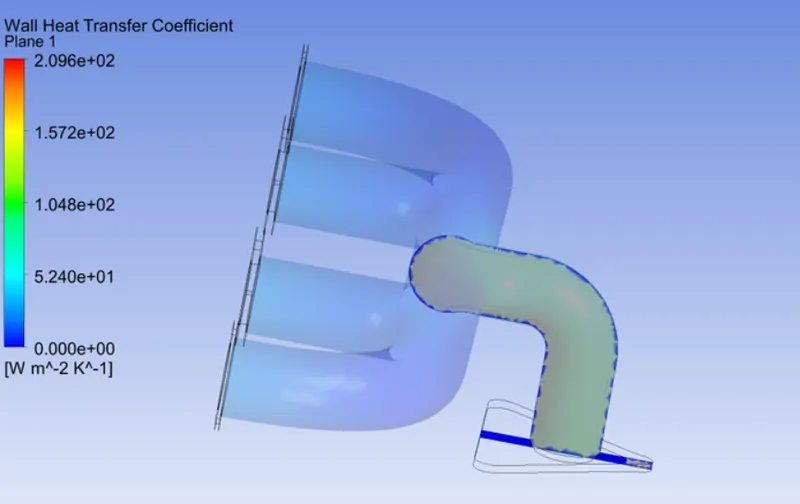
Refined mesh I:
inflation maximum thickness = 1.24 mm
Viscous model = K - omega
Y plus = 3
Inlet velocity = 5m/s Inlet Temperature = 700 k
Heat transfer coeffecient = 20 w/m^2k
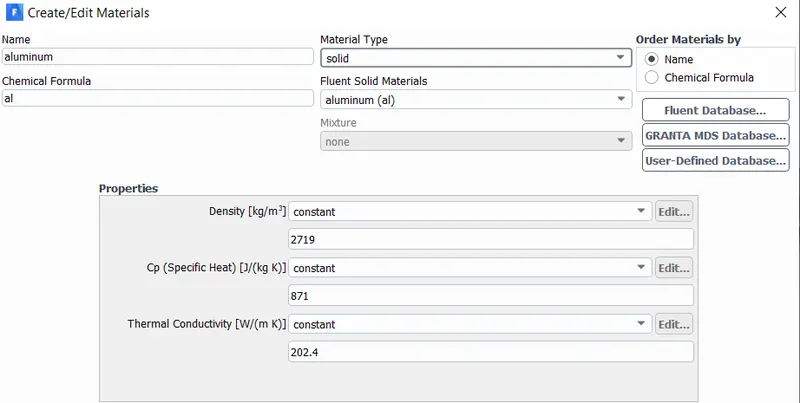
Fluent material = Air solid material = Aluminium
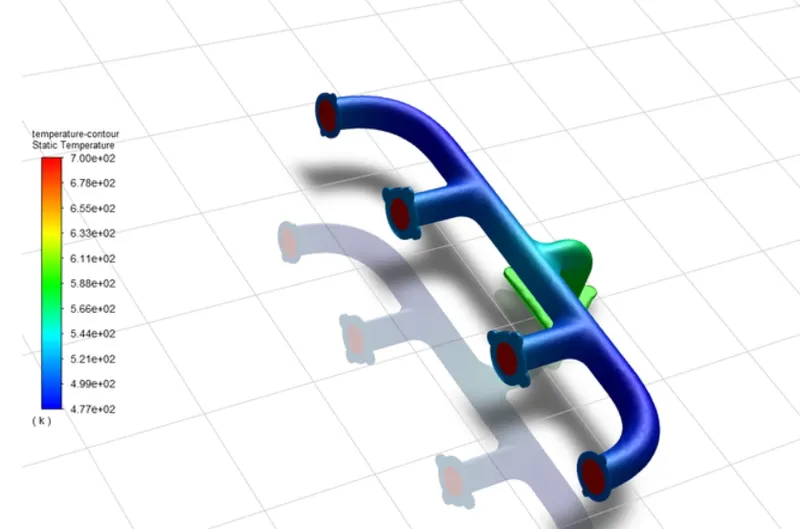
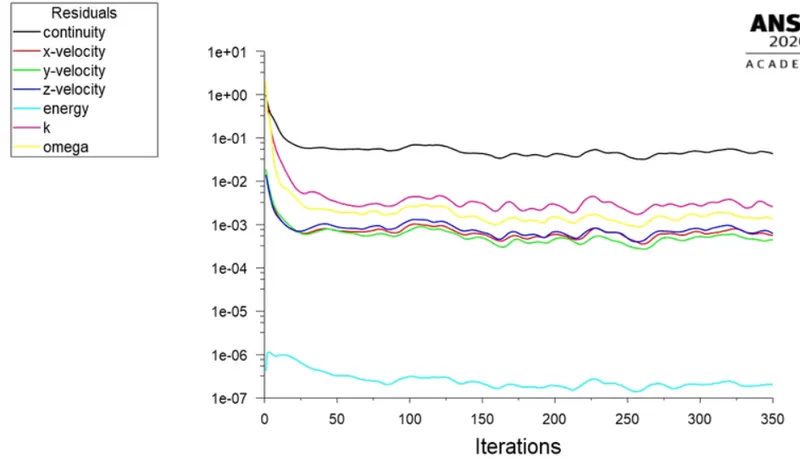
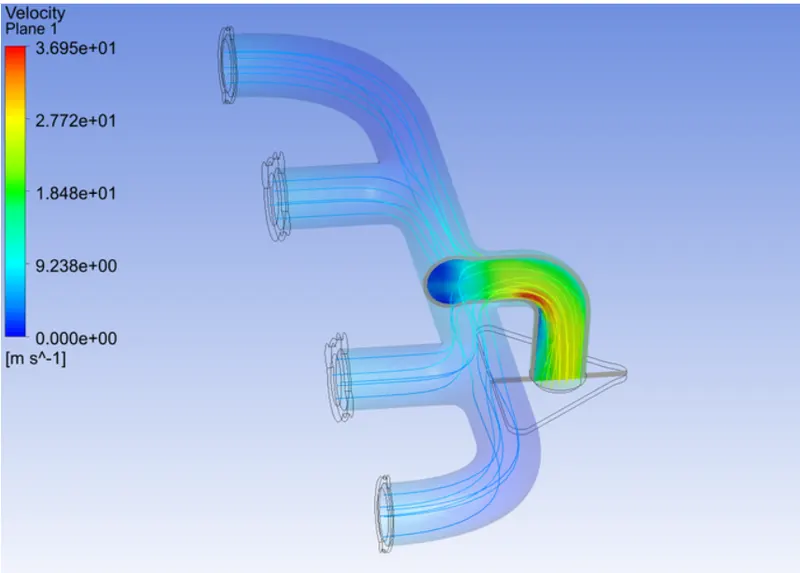
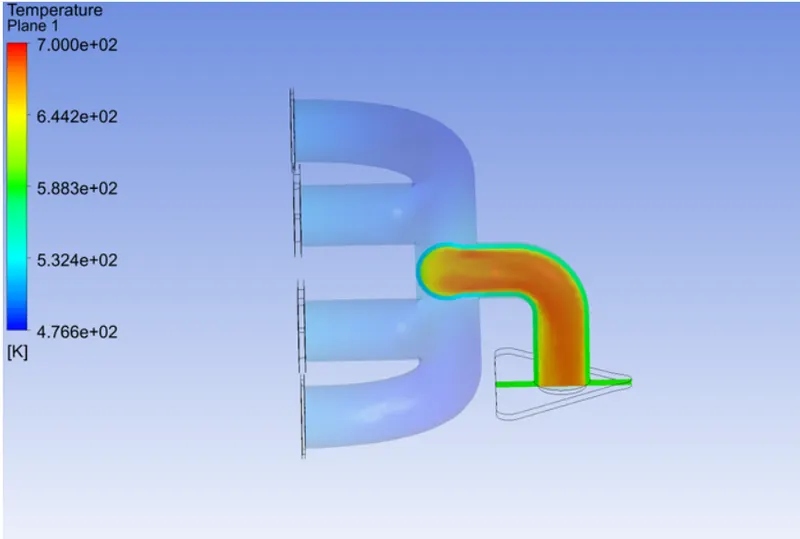
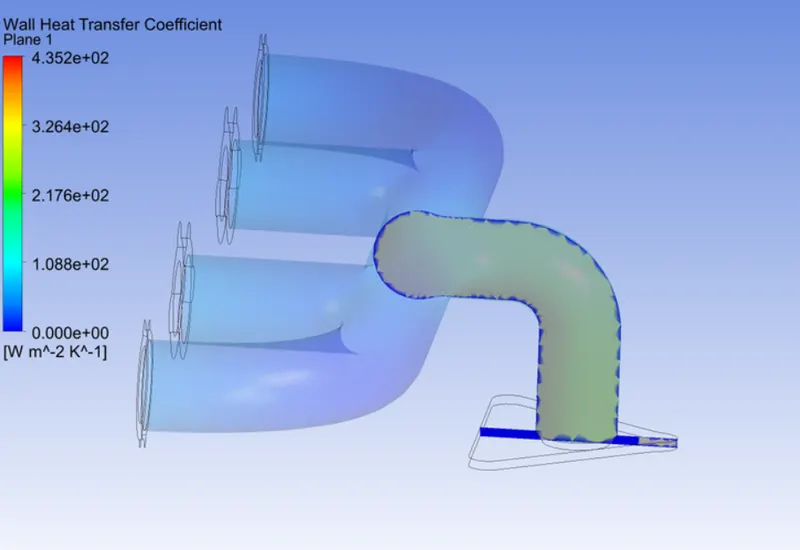
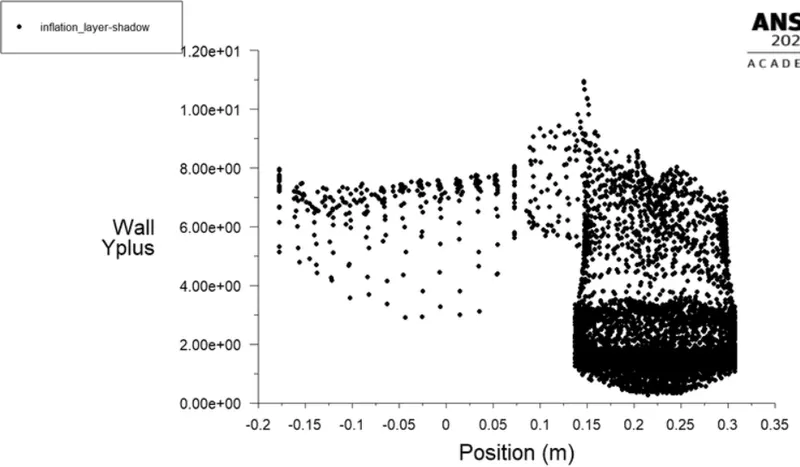
Mesh refined II:
inflation maximum thickness = 0.8275 mm
Viscous model = K - omega
Y plus = 2
Inlet velocity = 5m/s Inlet Temperature = 700 k
Heat transfer coeffecient = 20 w/m^2k
Fluent material = Air solid material = Aluminium
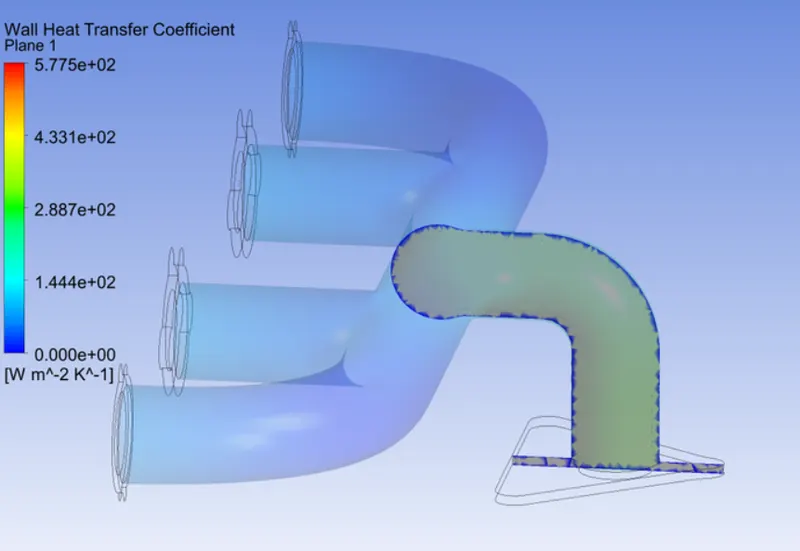
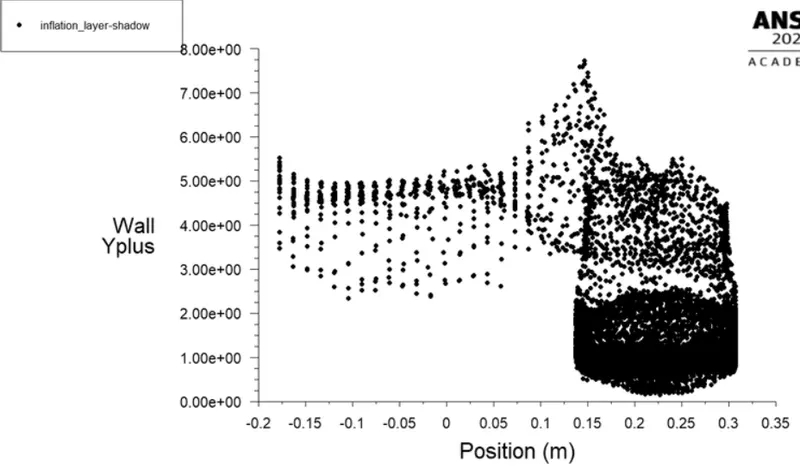
| Inflation layer | Elements | Nodes | Surface HTC | Wall HTC | |
| Simple mesh | 5 | 239823 | 85205 | 31.118 | 209 |
| Refined mesh I | 1.24 | 254612 | 87922 | 26.11 | 435 |
| Refined mesh II | 0.8275 | 446783 | 152972 | 26.23 | 577 |
Results :
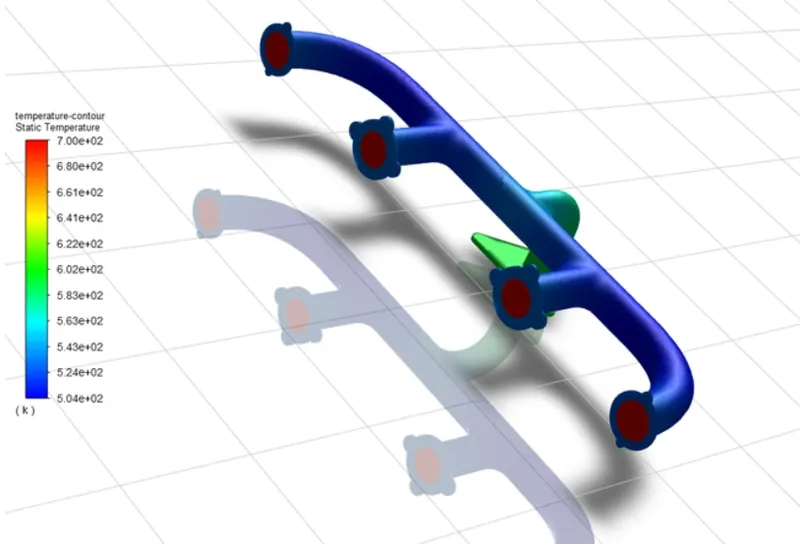
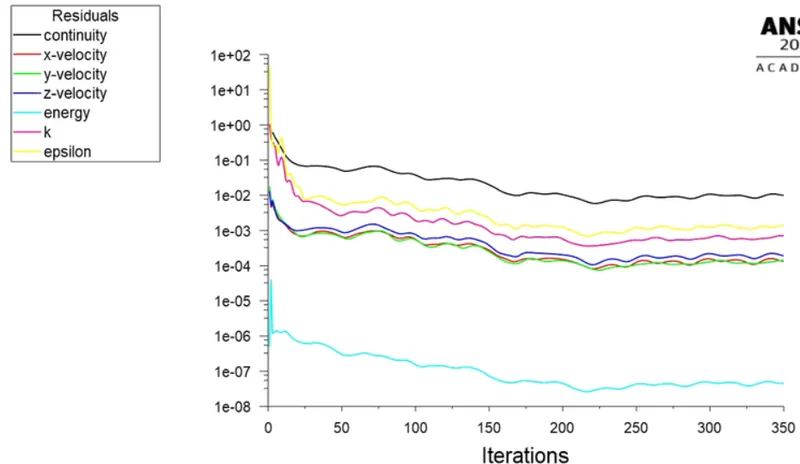
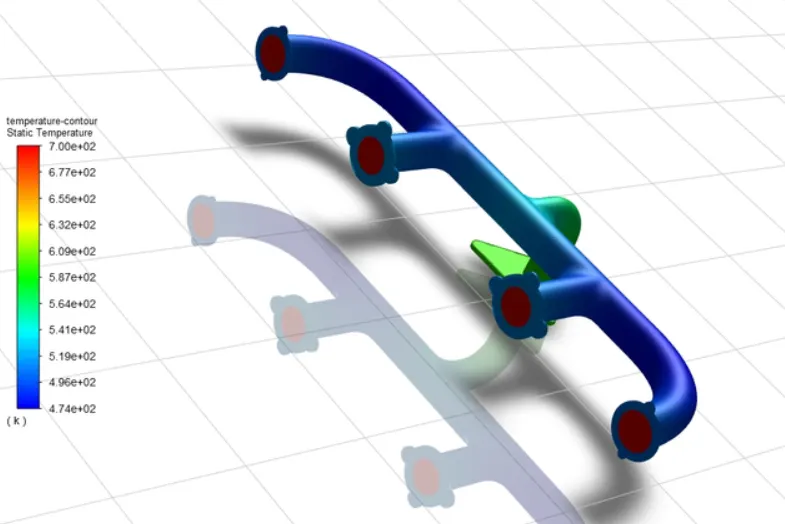
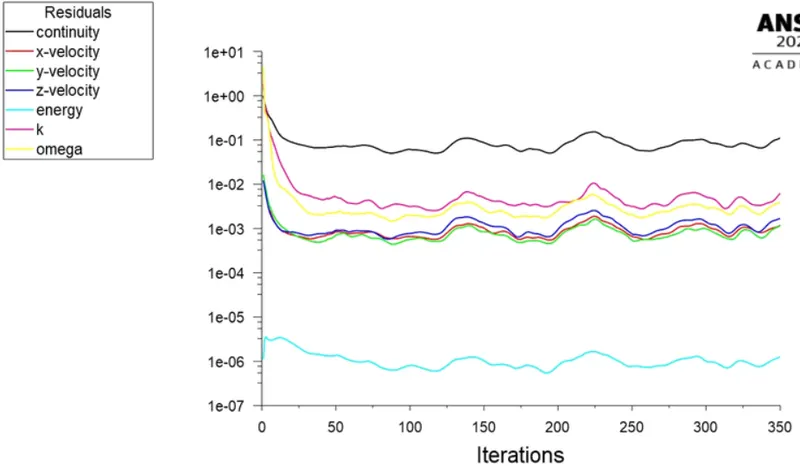
- Results coming to be accurate in Refined mesh I and II than simple mesh
- The wall HTC also increases in I and II
- No change in temperature diffrence in all cases
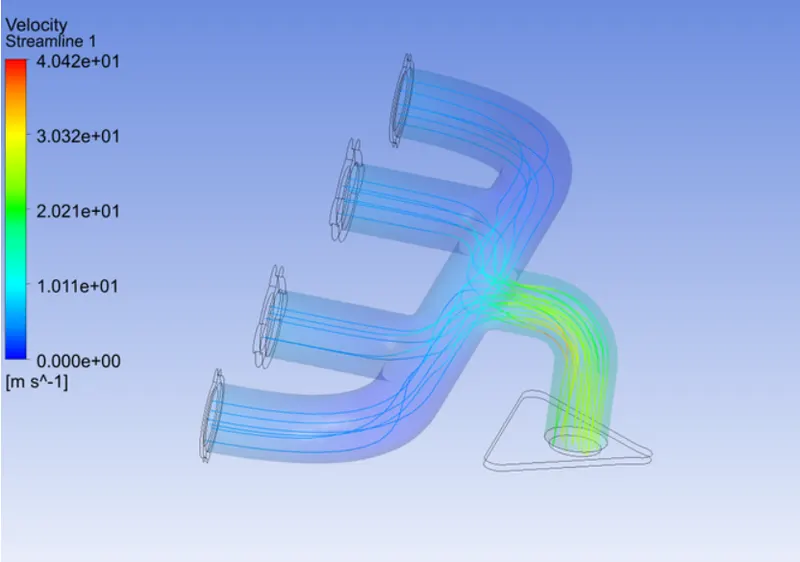
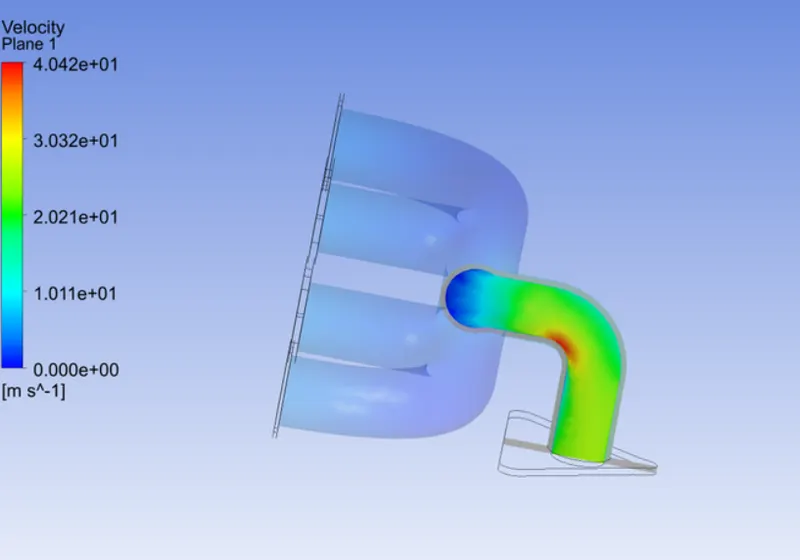
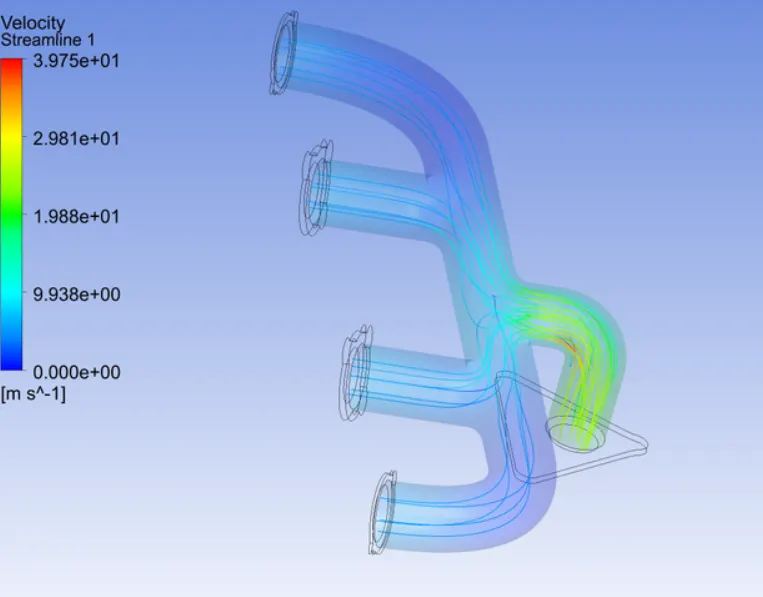
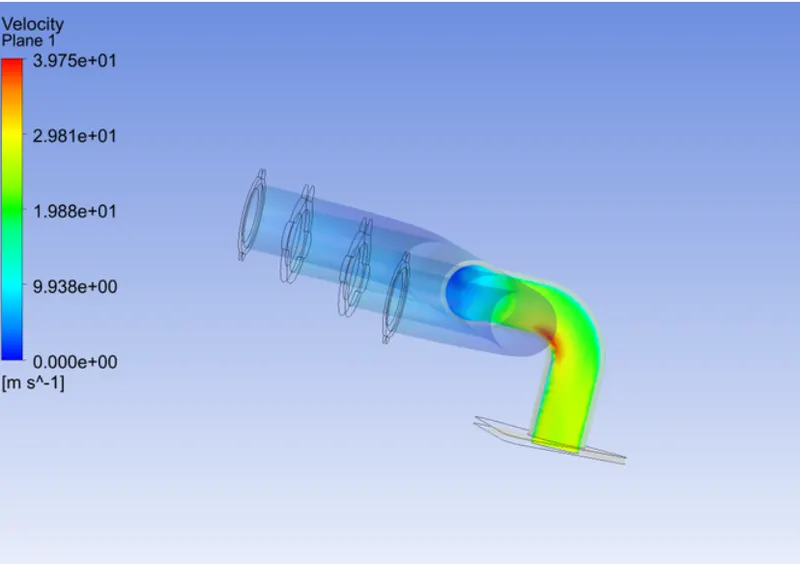
- Velocity and Reynolds number are higher at outlet due to that heat transfer and temperature higher